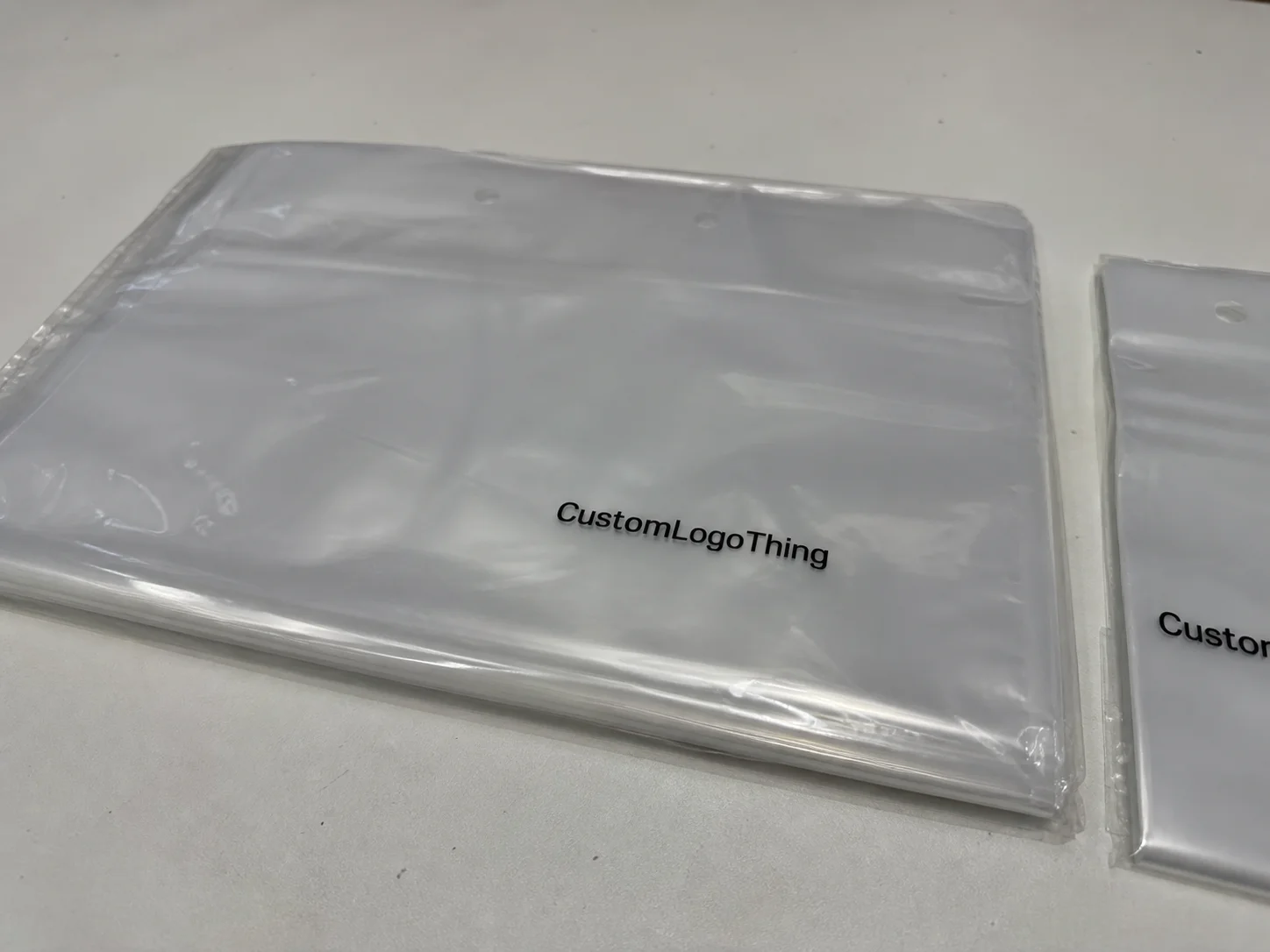
A plain mailer, pouch, or bottle can look generic until a label goes on it. That is why Custom Logo Label stickers are one of the quickest, lowest-cost ways to make stock packaging look intentional.
For many small brands, labels are the practical middle ground between unbranded packaging and fully printed boxes or cartons. They work well for test runs, seasonal packs, event kits, and low-MOQ retail packaging.
They can carry a logo, product name, supporting copy, and required details like barcodes, ingredients, warnings, or batch data. But “I need stickers” is not enough for a useful quote. Material, adhesive, size, format, and use conditions all affect whether the label works or fails.
You will see them on jars, bottles, pouches, bakery bags, candle tins, mailers, and shipping boxes. The goal here is simple: explain how they work, which specs matter, what drives cost, how long production takes, and how to avoid ordering labels that peel, wrinkle, smear, or do not fit.
Why custom logo label stickers punch above their weight

If custom packaging minimums are too high, a well-sized label can make a stock box or bottle look finished without forcing a large packaging commitment.
Labels usually serve one of three jobs:
- Brand stickers: logo-first pieces for boxes, tissue seals, shopping bags, and inserts.
- Product labels: front or wrap labels that identify the item and support shelf presentation.
- Compliance labels: labels carrying ingredients, barcodes, warnings, or lot codes.
Those jobs overlap, but they are not the same. A tissue seal can be simple uncoated paper with standard adhesive. A refrigerated bottle label needs moisture resistance and stronger adhesion. If the label has to survive cold storage, oil, abrasion, or shipping friction, performance matters more than a finish that only looks good on screen.
Labels also let brands test sizing, artwork, and layout before moving to printed boxes or more expensive packaging programs. If you are comparing options, a stock package plus labels may fit well with other Custom Packaging Products so the presentation stays consistent without overspending.
How branded label stickers work on real packaging
A label is not just printed art with adhesive. It usually includes a face stock, adhesive, liner, printed ink layers, and often a coating or lamination.
Format matters too.
Common label formats
- Sheets: good for hand application and smaller quantities.
- Rolls: better for speed, dispensers, and machine application.
- Kiss-cut singles: useful for easier peeling or giveaway stickers.
- Individually cut pieces: more common for promos than production packaging.
For 500 hand-applied pouch labels, sheets or small rolls are usually fine. For a bottle line, you need rolls with the correct unwind direction, gap, core size, and outer diameter. Missing those details can make a machine-ready label unusable.
Surface type changes performance as well. Glass usually labels well, but curved shoulders can wrinkle. HDPE and PET behave differently. Corrugated boxes may be dusty or textured. Pouches flex. Metal tins can be slick. A label that looks perfect on a proof can still fail if the construction does not match the package.
Not every sticker is a product label. If you need ingredient panels, barcodes, net weight, or lot coding, the piece has to function like a real label, not just a logo badge. In some categories, readability and durability are requirements.
What specs matter most for custom logo label stickers?
If you ask for a quote without specs, the supplier has to guess. These are the details that matter most:
- Final size
- Shape
- Material
- Finish or coating
- Adhesive type
- Quantity and quantity tiers
- Application method
- Use conditions: dry, cold, wet, oily, indoor, outdoor
- Artwork file type and print requirements
Size should match the package
Measure the actual application area, not just the artwork. A small circle may work for a tissue seal, while a candle jar or bottle may need a front label or narrow side panel. On curved containers, oversized labels often lift at the edges. That is usually a sizing problem, not a print defect.
Material choices
Paper labels are budget-friendly and work well for dry goods, bakery packaging, and short-term use. They scuff faster and handle moisture poorly.
BOPP film is a common choice for bottles, jars, food packaging, and bath products because it offers good print quality with better water and oil resistance than paper.
Clear film creates a no-label look, but it often needs white ink under selected artwork or the colors may appear weak.
Foil paper and other specialty materials add visual impact but usually increase cost and can shift color appearance.
Finish and adhesive tradeoffs
Matte looks softer and more premium. Gloss increases contrast and saturation. Uncoated paper is writable but less durable.
Adhesive is just as important as material:
- Permanent adhesive: standard packaging use
- Removable adhesive: temporary or repositionable use
- Freezer-grade adhesive: cold-chain or frozen applications
- High-tack adhesive: rough, textured, or low-energy surfaces
Print setup also matters. Keep bleed around 0.125 inch on most jobs, maintain safe margins for text, and avoid tiny reverse type on textured or lower-resolution print methods. If a barcode needs to scan, it needs proper contrast and quiet zones.
Before choosing foil, embossing, or a specialty coating, answer the more important question: where will this label live, and what will happen to it?
If you need more application-ready options, browse Custom Labels & Tags and compare constructions That Fit Your Packaging workflow.
Custom logo label stickers pricing: cost drivers, MOQ, and unit cost
Pricing depends on setup, material, size, print process, finish, adhesive, format, and quantity. Small orders may look affordable overall but expensive per piece because setup is spread over fewer labels.
Main cost drivers
- Size: larger labels use more material and reduce yield.
- Shape: circles and rectangles are usually cheaper than custom dies.
- Material: paper is often less expensive than BOPP, clear film, or specialty stock.
- Finish: lamination, foil, and spot effects add cost.
- Adhesive: freezer-grade and high-tack constructions cost more.
- Format: roll labels for machine use may require extra setup.
- Color control: Pantone matching can increase setup needs.
- Variable data: lot numbers, serialized codes, or multiple versions add complexity.
As rough planning ranges, 1,000 small paper logo labels may fall around $0.06-$0.18 each, while similar-size BOPP roll labels may land around $0.09-$0.22 each. At 5,000 to 10,000 pieces, many straightforward jobs drop into the $0.02-$0.08 range. Exact pricing still depends on the spec.
| Label Type | Typical Quantity | Common Use | Estimated Unit Range |
|---|---|---|---|
| Paper sheet labels | 250-1,000 | Hand-applied seals, dry goods, bakery bags | $0.08-$0.25 |
| BOPP roll labels | 1,000-5,000 | Bottles, jars, moisture-prone packaging | $0.04-$0.18 |
| Clear film labels with white ink | 1,000-5,000 | No-label look on retail packaging | $0.07-$0.22 |
| Foil or specialty finish labels | 500-3,000 | Premium package branding | $0.12-$0.35 |
Also watch for costs that appear later:
- Rush production fees
- Reprints from low-resolution or incorrect artwork
- Shipping on heavy roll orders
- Tooling or die charges for unusual shapes
- Reordering because the first size was wrong
When comparing quotes, confirm whether proofing is included, whether shipping is separate, and whether the material, finish, and roll specs match what you asked for. A lower quote is often just a less complete one.
Production steps, turnaround, and lead time from proof to delivery
The usual process looks like this:
- Submit specs
- Send artwork
- Receive and review proof
- Approve size, layout, and colors
- Print and finish
- Inspect and pack
- Ship
Most delays come from incomplete information: missing dimensions, no quantity breakdown, poor artwork files, or no format callout for sheets versus rolls.
Typical timing by stage
Proofing: often 1-3 business days
Production queue: commonly 2-5 business days
Printing and finishing: often 3-7 business days for standard jobs
Transit: 2-7 business days depending on destination and shipping method
A standard order often arrives in 7-15 business days from proof approval. Specialty materials, complex roll configurations, large quantities, or imported stock can push that to 15-20 business days or more.
Turnaround usually means production time after approval. Lead time includes the full path from quote and proof through delivery. If timing is tight, build in a 1-2 week buffer, especially for automated application, launches, or regulated products. For transit testing, the International Safe Transit Association provides relevant standards, and for paper-based materials, FSC is worth reviewing.
Step-by-step: how to order the right labels the first time
Good label ordering is mostly about removing ambiguity.
1. Define the application
State the product type, container dimensions, surface material, and placement. “Front label for 8 oz amber glass jar, flat area 2.75 inches wide by 2.25 inches high” is useful. “Need jar sticker” is not.
2. Choose the right format
Rolls suit speed, repeatability, and scale. Sheets are practical for hand application and office storage. Singles are better for promotional use than production runs.
3. Select material and finish based on use
Dry box seal? Paper may be enough. Shower bottle? Use film. Refrigerated jar? Test BOPP with the right adhesive. Need handwritten batch notes? Uncoated stock may make more sense.
4. Finalize artwork correctly
Use vector files such as AI, EPS, or print-ready PDF when possible. Add bleed, keep text away from the cut edge, and define white ink areas for clear materials. If color consistency matters across reorders, note Pantone references.
Boring but critical: check spelling, dimensions, white ink layers, orientation, and barcode placement on the proof. Printers generally produce exactly what was approved.
5. Request the quote with full specs
Include size, shape, quantity tiers, material, finish, adhesive, format, use conditions, and artwork status. If you are undecided between paper and film or sheet and roll, ask for both options.
6. Request a sample or short test run if risk is high
Testing is worth it for curved bottles, chilled jars, oily tins, textured pouches, or automated lines. Most application issues appear quickly in the real environment.
If your wider packaging system is still developing, align labels with your other Custom Packaging Products so colors and finishes do not feel pieced together.
Common ordering mistakes and the next steps that save time and money
The most common mistake is ordering from a mockup alone. A mockup can show the look, but not whether the label fits a curved shoulder, survives condensation, or works in a dispenser.
Other common mistakes include:
- Choosing adhesive without knowing the surface or storage conditions
- Forgetting roll direction, core size, or spacing for machine application
- Sending raster logo files that print soft
- Using text too small for real-world readability
- Skipping bleed and safe margins
- Assuming clear stock will look opaque without white ink
Quantity planning is another avoidable cost issue. Many buyers order 500, then reorder small runs with rush shipping. If the design is stable, ask for pricing at 500, 1,000, 2,500, and 5,000 to find the real cost break.
Before contacting a supplier, use this checklist:
- Measure the exact application area
- Note the surface material: glass, PET, HDPE, paperboard, corrugate, pouch film
- Record storage conditions: room temp, refrigerated, frozen, damp, oily, outdoor
- Choose roll, sheet, or singles based on workflow
- Gather vector artwork and note any white ink or barcode needs
- Request at least two or three quantity tiers
- Ask for a sample if the application is tricky
Used properly, labels can carry a surprising amount of branding work without forcing expensive packaging commitments too early. The key is to spec them like a real packaging component, not an afterthought.
FAQ
What material is best for custom logo label stickers on bottles and jars?
For bottles and jars, BOPP or similar film materials are usually the safest starting point because they handle moisture, oil, and refrigeration much better than paper. Paper works for dry, low-contact applications where budget matters more than durability. Test on the real container, though. Curves, condensation, and surface texture can change performance fast.
How much do custom logo label stickers usually cost per piece?
Unit cost depends mostly on size, quantity, material, finish, and format. Small runs are always more expensive per sticker because setup gets spread over fewer pieces. A simple paper label may fall around $0.08-$0.25 each in short runs, while higher-volume roll labels can drop much lower. Ask for tiered pricing so you can see where the real cost break happens.
Should I order custom logo label stickers on rolls or sheets?
Rolls are better for faster application and are required for many dispensers or machine setups. Sheets are convenient for hand application, office storage, and smaller batches. If you expect to scale, order in the format that matches your future workflow, not just what feels easiest right now.
What artwork files do I need for custom branded label stickers?
Vector files such as AI, EPS, or print-ready PDF are best because they keep logos and text sharp. Include bleed, safe margins, final size notes, and any special instructions for white ink or transparent areas. For clear or foil materials, spell out which zones print and which stay unprinted. Assumptions are expensive.
How long does it take to produce custom company logo stickers?
Production timing includes proofing, printing, finishing, and shipping, not just press time. A standard job often takes 7-15 business days from proof approval to delivery, while specialty finishes, custom die shapes, or large-volume roll jobs can take longer. The fastest way to keep things moving is simple: send complete specs and approve proofs quickly.