A plain jar, pouch, tin, candle vessel, or mailer can look strangely unfinished until one small branded label lands in the right place. That is why custom logo label stickers remain one of the most efficient packaging upgrades available: they can turn stock packaging into a retail-ready system without forcing a brand to custom print every box, bag, or container.
The label is small. Its job is not. A single adhesive panel may carry the logo, product name, scent or flavor, net weight, barcode, QR code, batch number, warning statement, ingredient list, or promotional claim. In practical packaging work, the label is often the spot where design, compliance, production speed, and shopper trust collide.
What Custom Logo Label Stickers Actually Do for Packaging
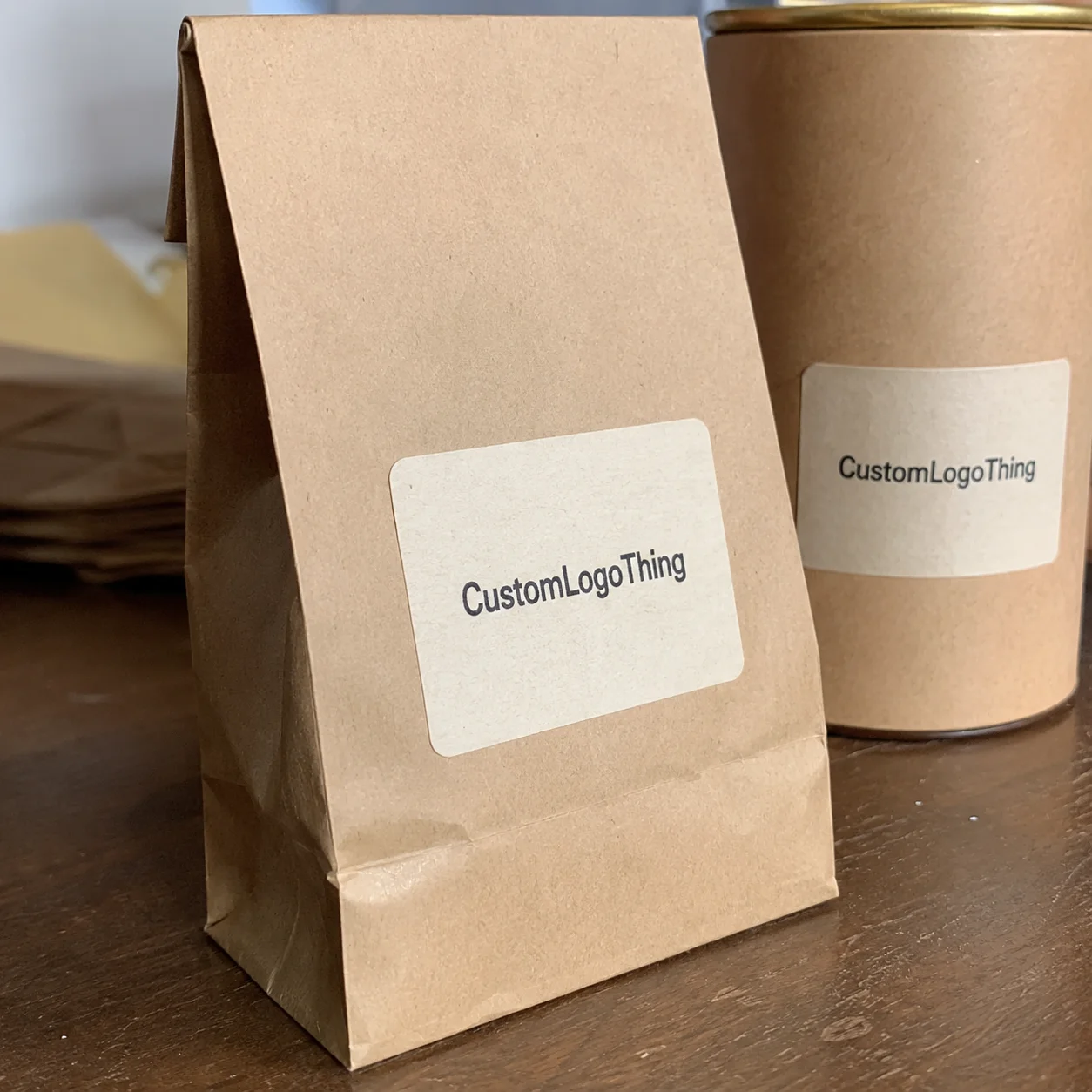
Custom logo label stickers are printed adhesive labels used to identify, brand, seal, explain, or promote a product. They appear on jars, bottles, boxes, pouches, tubes, tins, candle vessels, sample packs, mailers, and retail display items. For a small brand using stock containers, the right label can make a product look ready for shelf placement in days rather than waiting weeks for fully custom printed packaging.
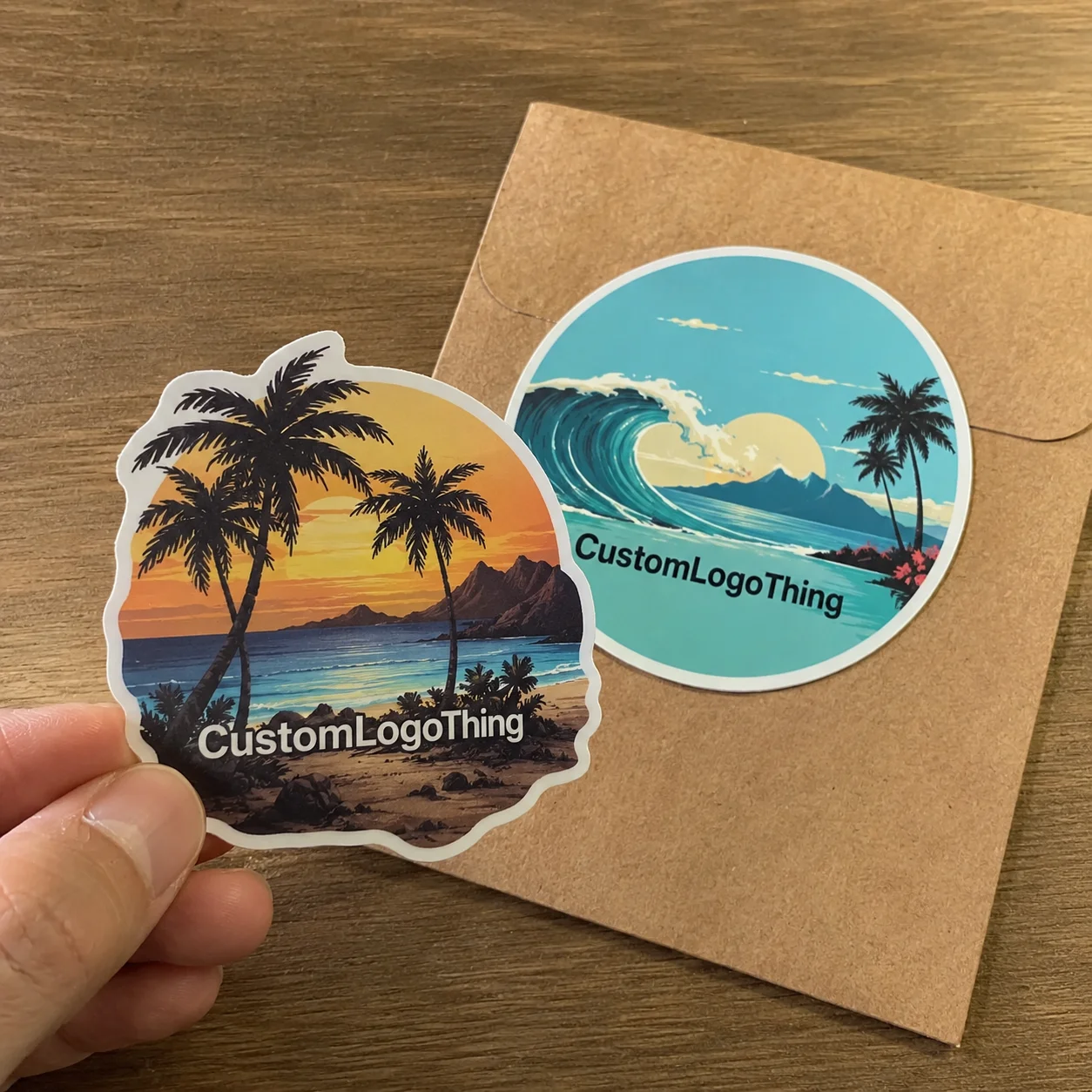
Buyers often group several products under the word “sticker,” but the distinctions matter. A logo sticker may be mostly decorative. A product label usually carries required or useful product information. A packaging seal closes a box, bag, tissue wrap, or mailer. Roll labels are supplied on rolls for faster hand application or machine labeling. Sheet stickers are convenient for small batches, samples, and office fulfillment. Die-cut decals are cut around a custom shape and often used for inserts, giveaways, or bold package branding.
That taxonomy sounds minor until inventory gets involved. If a brand sells six candle scents, four coffee roasts, or ten skincare SKUs, fully printed containers can trap cash in slow-moving inventory. Labels keep the base packaging consistent while allowing names, barcodes, claims, and seasonal artwork to change. The same amber jar can become lavender balm, citrus scrub, or a holiday gift set with a label swap.
For packaging buyers, that flexibility is the real value. Not just the logo. A well-planned label can support short production runs, retailer tests, subscription boxes, event samples, influencer kits, and seasonal promotions without rebuilding the whole packaging system.
Packaging reality check: a label may cost pennies, but it carries a disproportionate share of trust. If it wrinkles, peels, smears, or hides key information, shoppers often blame the product before they blame the packaging.
For brands comparing labels with broader packaging options, the Custom Labels & Tags category is usually the practical starting point. It lets a buyer define the label first, then decide whether the rest of the package should remain stock or move toward a fully custom structure later.
How Branded Product Labels Work From Artwork to Application
The production chain for custom logo label stickers usually follows a predictable path: artwork setup, material selection, adhesive choice, printing, finishing, cutting, quality review, packing, and shipping. Most label problems start early. A fuzzy logo, wrong size, missing bleed, or poor adhesive choice can survive proofing unless someone checks the actual package conditions with care.
Digital printing is common for short runs, multiple designs, variable artwork, and smaller launch quantities. It avoids some traditional plate costs and is useful when a brand needs 250 labels each for five flavors. Flexographic printing is more efficient for larger repeat orders, especially when the same SKU needs thousands of labels at a time. Specialty treatments such as foil stamping, spot gloss, embossing, or textured varnish can add premium shelf appeal, but they also add setup steps, registration concerns, and proofing risk.
Artwork files deserve more attention than many buyers give them. A vector logo file, usually AI, EPS, or print-ready PDF, keeps edges crisp. Fonts should be outlined or packaged. Color should be built in CMYK unless the supplier requests Pantone references for brand-critical matching. Bleed is commonly 0.0625 to 0.125 inch beyond the cut line, while safe zones often need at least 0.0625 inch inside the trim so text does not crowd the edge.
Adhesive is the quiet spec. Permanent adhesives suit most retail packaging. Removable adhesives help with temporary promotions, reusable containers, or short-term information labels. Freezer-grade adhesive is designed to hold at low temperatures. Water-resistant or high-tack adhesives can help with chilled bottles, textured paperboard, mylar pouches, and containers that face condensation. No adhesive is universal. Surface energy, coating, temperature, humidity, fill weight, and handling all change performance.
Format affects labor. Rolls are usually faster for hand labeling and required for many applicators. Sheets are useful for small batches, office fulfillment, and sampling. Individually cut stickers work well for inserts, giveaways, event branding, and tamper-style seals. Roll direction also matters if labels will run through an applicator; top-first, bottom-first, left-edge-first, or right-edge-first orientation can determine whether a roll feeds correctly.
Surface compatibility is the final test. Glass is usually forgiving if clean. Smooth plastic can be excellent or difficult depending on resin and surface energy. Kraft paper absorbs visually and may need stronger adhesive. Coated boxes accept labels cleanly but can scuff in transit. Metal tins, mylar pouches, and textured materials need testing because curves, seams, oils, and flexing expose weak choices quickly.
Key Specs That Decide Material, Finish, and Label Performance
Material is the first major fork in the decision tree. Paper labels are economical and work well for dry indoor use, gift boxes, bakery bags, stationery, and products that will not face moisture or heavy rubbing. BOPP film, a common polypropylene label material, is a stronger choice for beverage bottles, bath products, refrigerated foods, and frequently handled containers. Vinyl is often used where flexibility, outdoor exposure, or extra durability is needed. Clear film creates the popular “no-label” look on glass and smooth plastic. Kraft paper signals natural, handmade, rustic, or low-intervention positioning.
Finish changes both appearance and durability. Matte reduces glare and makes dense text easier to read under bright retail lighting. Gloss sharpens color and adds pop, particularly for bold logos, fruit graphics, beverage labels, and cosmetic packaging. Satin sits between the two. Lamination adds a protective film layer that resists rubbing, oil, water, and handling better than ink alone. For bathroom humidity, oily hands, cooler doors, or e-commerce abrasion, lamination is often not decoration; it is insurance.
Shape deserves a practical lens. Rectangles maximize information space and barcode placement. Circles feel approachable and work well on lids, tins, seals, and small jars. Ovals suit curved vessels and classic food or cosmetic packaging. Custom Die Cuts can make the brand feel more distinctive, but complex shapes may create more waste, higher tooling costs, and slower application if the label has narrow points or delicate edges.
Real conditions matter more than catalog photos. Refrigeration can create condensation. Freezer storage can make some adhesives brittle. Shipping abrasion can dull unprotected ink. Bathroom humidity attacks paper. Oily hands can lift edges. Curved containers can wrinkle oversized labels. Squeezable tubes can crack a stiff face stock. If the product will be stored below 32°F, handled with wet hands, or shipped in a poly mailer with other items, say so before quoting.
Color accuracy needs realistic expectations. A screen uses light; a press uses ink or toner on a specific substrate. A logo printed on white BOPP will not look identical on brown kraft. Brand-critical colors may need Pantone matching, a hard proof, or at least a controlled sample approval. The right level of color control depends on print method, order size, substrate, and budget. Not every short-run digital job justifies a full matching process, but Premium Retail Packaging usually benefits from tighter review.
Compliance-sensitive categories raise the stakes. Food, cosmetics, supplements, candles, chemicals, and children’s products may need ingredient statements, net contents, warnings, country-of-origin details, batch codes, lot numbers, or distributor information. For broader packaging sustainability context, the EPA’s sustainable materials management resources are useful background, while paper-based packaging decisions often lead buyers to FSC chain-of-custody questions. Labels are not exempt from these conversations just because they are small.
Cost, Pricing, and MOQ Factors Buyers Should Compare
Pricing custom logo label stickers is not just a square-inch calculation. Size matters, but so do material, adhesive, print method, ink coverage, number of designs, finish, die-cut complexity, quantity, roll direction, artwork preparation, and production speed. A 2-inch paper circle and a 2-inch laminated clear film circle may look similar in a quote request. They will not behave the same on a cold beverage bottle.
The unit-cost curve is usually steep at low quantities. A run of 250 labels might cost $0.25 to $0.70 per label depending on specs because proofing, setup, file handling, and cutting are spread across very few pieces. At 5,000 labels, a standard paper or BOPP roll label might fall into the $0.04 to $0.16 range. Specialty finishes can push that higher. These are planning ranges, not price guarantees.
MOQ depends on production method and supplier setup. Some buyers need a few hundred labels for a pilot launch, farmers market test, or influencer kit. Retail programs may need 5,000 to 50,000 labels per SKU for replenishment. Multiple versions complicate the math. Ten designs at 500 each may not price like one design at 5,000 because each version still needs setup, proofing, cutting, and quality checks.
| Label Option | Typical Use | Common Planning Range | Tradeoff to Check |
|---|---|---|---|
| Paper roll label | Dry indoor jars, boxes, bags | $0.04-$0.18 each at mid-volume | Low moisture resistance unless coated or laminated |
| BOPP film label | Bath, beverage, chilled, or handled products | $0.06-$0.24 each at mid-volume | Higher cost, better durability |
| Clear film label | Glass jars, bottles, minimal branding | $0.08-$0.30 each at mid-volume | Surface cleanliness and white ink setup matter |
| Foil or specialty finish label | Luxury retail packaging and gifting | Often quoted case by case | Extra setup, longer proofing, higher spoilage risk |
Stock packaging plus labels can be cheaper and faster than fully custom printed boxes, especially for SKU testing. A brand might buy plain white cartons, then apply labels for three scents or flavors. Fully printed boxes may make sense once demand stabilizes, but labels reduce the risk of being stuck with 10,000 outdated cartons after a formula, barcode, claim, or regulatory line changes.
Hidden cost drivers deserve scrutiny. Rush production, waterproof lamination, metallic foil, split shipments, barcode verification, custom dies, consecutive numbering, variable QR codes, and multiple proof rounds can change the final quote. So can artwork cleanup. A logo pulled from a website header may look acceptable on a screen and terrible at 2 inches wide.
The fastest way to get a useful quote is to send a tight spec: size, shape, quantity, material preference, indoor or outdoor use, container surface, finish, adhesive needs, number of designs, roll or sheet format, and desired delivery date. If the label must fit into a broader packaging system, compare it alongside Custom Packaging Products before committing to final dimensions.
Process and Timeline: From Label Quote to Finished Rolls
A practical label timeline starts with a quote request, then moves through spec confirmation, artwork submission, proof review, proof approval, production, quality checks, packing, and shipping. Simple projects can move quickly when the buyer has clean vector files, confirmed dimensions, standard materials, and no late changes after proof approval.
For planning, many straightforward digital label orders run about 5 to 10 business days after proof approval, depending on quantity and workload. More complex orders can take 12 to 20 business days or longer if they involve foil, special materials, custom dies, multiple SKUs, physical proofs, or large roll quantities. Freight time is separate. A label finished on Friday is not on a shelf Monday unless shipping has been planned that tightly.
Proofing is not ceremonial. A digital proof checks layout, spelling, size, color callouts, cut lines, unwind direction, and basic positioning. It does not prove adhesive performance. It also cannot fully show texture, opacity, metallic effects, or exact color on the final substrate. A physical proof or sample roll is more useful when the job involves clear film, color-critical branding, luxury finishes, refrigeration, textured containers, or retailer approval.
Timeline variables stack up fast. A custom die may add several days. Material availability can delay unusual face stocks. Holiday shutdowns affect both production and freight. Multiple SKU versions create more proof approvals. A late barcode change can restart prepress. Even a small size change from 2.0 inches to 2.125 inches can affect layout, die selection, and cost.
Buyers launching a product should build buffer time for packaging trials. Apply labels to the actual container, fill the container if weight changes the shape, store it in real conditions, then ship a few samples to see what scuffs, lifts, or wrinkles. A 48-hour refrigerator test can reveal condensation problems. A week in a bathroom can expose humidity weakness. A basic drop or rub test can catch abrasion risk before customers do.
Rushing is sometimes necessary. It is also expensive. Expedited production and air freight can protect a launch date, but they reduce the room for careful proofing and performance testing. Many label failures are not caused by bad printing. They are caused by good printing approved too quickly.
Common Label Sticker Mistakes That Hurt Shelf Appeal
The most common failure is ordering labels before testing them on the real container under real handling and storage conditions. A label can look perfect on a flat proof and still wrinkle on a 1.5-inch curved lip balm tube. It can bond well at room temperature and lift after refrigeration. It can photograph nicely, then scuff badly inside an e-commerce shipment.
Artwork mistakes are easy to spot once printed, which is exactly why they are painful. Low-resolution logos create fuzzy edges. Missing bleed leaves thin white slivers at the cut edge. Tiny text may fail at 5-point size, especially on textured kraft or dark backgrounds. Poor contrast can make ingredient lists unreadable. Crowded layouts make a premium product look cheaper than it is.
Sizing errors are just as damaging. Labels that are too large can bridge curves, crease at container shoulders, or bubble near seams. Labels that are too small may fail to communicate scent, flavor, net weight, usage instructions, or legal details. A front label might look balanced on an empty jar but appear too low once the product fill line is visible.
Adhesive mistakes often show up after money has already been spent. Standard permanent adhesive may not be enough for cold, wet, oily, textured, or squeezable packaging. High-tack adhesive can help, but it may be harder to reposition during hand application. Removable adhesive can be useful for temporary labels, yet it may not suit retail packaging that needs to survive months of handling.
Operational mistakes are less glamorous and sometimes more expensive. Rolls supplied in the wrong unwind direction can slow applicators or stop automated labeling completely. Cores that do not fit equipment can trigger repacking costs. Labels with tight spacing may be harder for sensors to read. A 3-inch outside roll diameter may suit hand work, while a machine line may need a larger roll to reduce changeovers.
Messaging mistakes deserve a hard look. Some brands overuse the logo and underuse the label’s best selling space. Product benefits, scent cues, flavor cues, usage instructions, certifications, batch information, and trust signals may matter more to a shopper than a second logo. Strong packaging design gives the logo a job, then lets the rest of the label answer the buyer’s next question.
Actionable Next Steps Before You Order Labels
Before requesting custom logo label stickers, measure the package rather than guessing from a supplier listing. Use a flexible tape for curved containers. Photograph the application area straight on and from the side. Note the surface material: glass, PET, HDPE, kraft paper, coated board, mylar, aluminum, or textured plastic. List storage conditions, including refrigeration, freezing, humidity, sunlight, oils, or rough shipping.
Decide how labels will be applied. Hand application is flexible but slower, and small alignment errors become visible on premium retail packaging. Machine application is faster but requires tighter specs: roll direction, core size, gap, label stiffness, liner type, and outside roll diameter all matter. If a co-packer is involved, ask for their applicator requirements before ordering.
- Measure: confirm width, height, curve, seam placement, and available flat area.
- Test: apply a sample to the real container for at least 24 to 72 hours under expected conditions.
- Group SKUs: keep one shared size and material where possible, then vary names, colors, QR codes, or barcodes.
- Prepare files: send vector logos, outlined fonts, CMYK artwork, bleed, safe zones, and barcode data.
- Specify format: choose rolls, sheets, or individual die cuts based on labor, equipment, and quantity.
A small test batch or physical proof is smart when labels face moisture, refrigeration, curved packaging, luxury finishes, or retailer review. The cost of a sample is usually lower than relabeling finished inventory. For food, cosmetics, supplements, candles, and chemicals, check the required copy before proof approval. A beautiful label with missing net weight or a wrong warning can still be unusable.
Prepare a simple spec sheet before asking for a quote. Include quantity, size, shape, material, finish, adhesive, roll or sheet format, number of designs, artwork files, application method, delivery deadline, and any retailer or compliance requirements. Better inputs produce better quotes. Vague requests produce safe assumptions, and safe assumptions are not always the cheapest or best fit.
The best custom logo label stickers are not chosen by looks alone. They are chosen by matching design, adhesive, material, budget, and timeline to the package they must survive.
FAQ
What are custom logo label stickers used for?
They are used to brand jars, bottles, boxes, bags, mailers, tins, pouches, promotional items, and retail packaging. They can carry logos, product names, ingredients, barcodes, QR codes, warnings, batch numbers, and seasonal messages. They are especially useful when a brand wants custom-looking packaging without committing to fully printed containers.
How much do custom branded label stickers cost?
Cost depends on quantity, size, material, adhesive, finish, shape, number of designs, and production speed. Higher quantities usually lower the unit cost because setup expenses are spread across more labels. Specialty options such as waterproof film, foil, custom die cuts, or rush turnaround can increase the quote.
What material is best for logo product labels?
Paper labels work well for dry, indoor, budget-conscious packaging. BOPP, vinyl, or laminated film labels are better for moisture, refrigeration, oils, and frequent handling. Clear film is ideal when the buyer wants a minimal no-label look on glass or smooth plastic.
How long does it take to produce custom label stickers?
Timeline depends on artwork readiness, proof approval, material availability, order size, and finishing requirements. Simple digital label orders often run about 5 to 10 business days after proof approval, while specialty finishes, samples, color matching, freight, or multiple SKU versions can add time.
Should I order logo labels on rolls or sheets?
Roll labels are best for larger quantities, faster hand application, or machine labeling. Sheet labels are convenient for short runs, office use, sampling, and small-batch packaging. Individual die-cut stickers are useful for giveaways, inserts, packaging seals, and promotional branding.