A food product can taste excellent and still lose trust in the first few seconds if the label is crooked, lifting at the corners, or hiding the details shoppers expect to find. That is why custom food labels stickers are more than a finishing touch. They are a working part of the package, shaping shelf appeal, product identification, and the pace of the packing line.
Most shoppers read a package quickly. They notice whether the graphics look crisp, whether the barcode scans, and whether ingredients or nutrition information are easy to spot. A label that wrinkles around a jar shoulder or starts peeling on a cold bottle sends the wrong signal right away. That split-second reaction carries real weight in food packaging, often as much as the logo or color palette.
At a practical level, these are pressure-sensitive printed labels built for jars, bottles, cartons, pouches, trays, clamshells, deli tubs, and takeaway containers. Some are applied by hand for short runs. Others are wound for automated applicators running thousands of units. A strong food label is built around the surface it needs to bond to, the temperature swings it will face, and the handling it will take from filling line to retail shelf.
That is the difference between a generic sticker and a true packaging label. A standard sticker may work well on a shipping box or laptop. Food packaging deals with condensation, oil, cold storage, abrasion inside cases, and repeated contact during packing and merchandising. A refrigerated sauce bottle may need a film face stock with an adhesive that holds after cold exposure. A dry spice carton may perform well with a paper construction and a standard permanent adhesive.
You see custom food labels stickers across nearly every food category: bakery boxes, jam jars, frozen meal trays, coffee bags, snack pouches, honey bottles, meal prep lids, deli containers, and short-run retail packaging for emerging brands. They also play a central role in branded packaging systems where labels need to support compliance while keeping a product line visually consistent across multiple SKUs.
The sections below focus on the details that matter before ordering: materials, adhesives, sizing, compliance, Pricing, Lead Times, and the small production choices that prevent expensive mistakes. If you are also comparing broader Custom Packaging Products or narrowing options within Custom Labels & Tags, the same principle holds. The best label is the one that fits the real package environment, not just the art file.
What Custom Food Labels Stickers Actually Do on a Busy Package Line
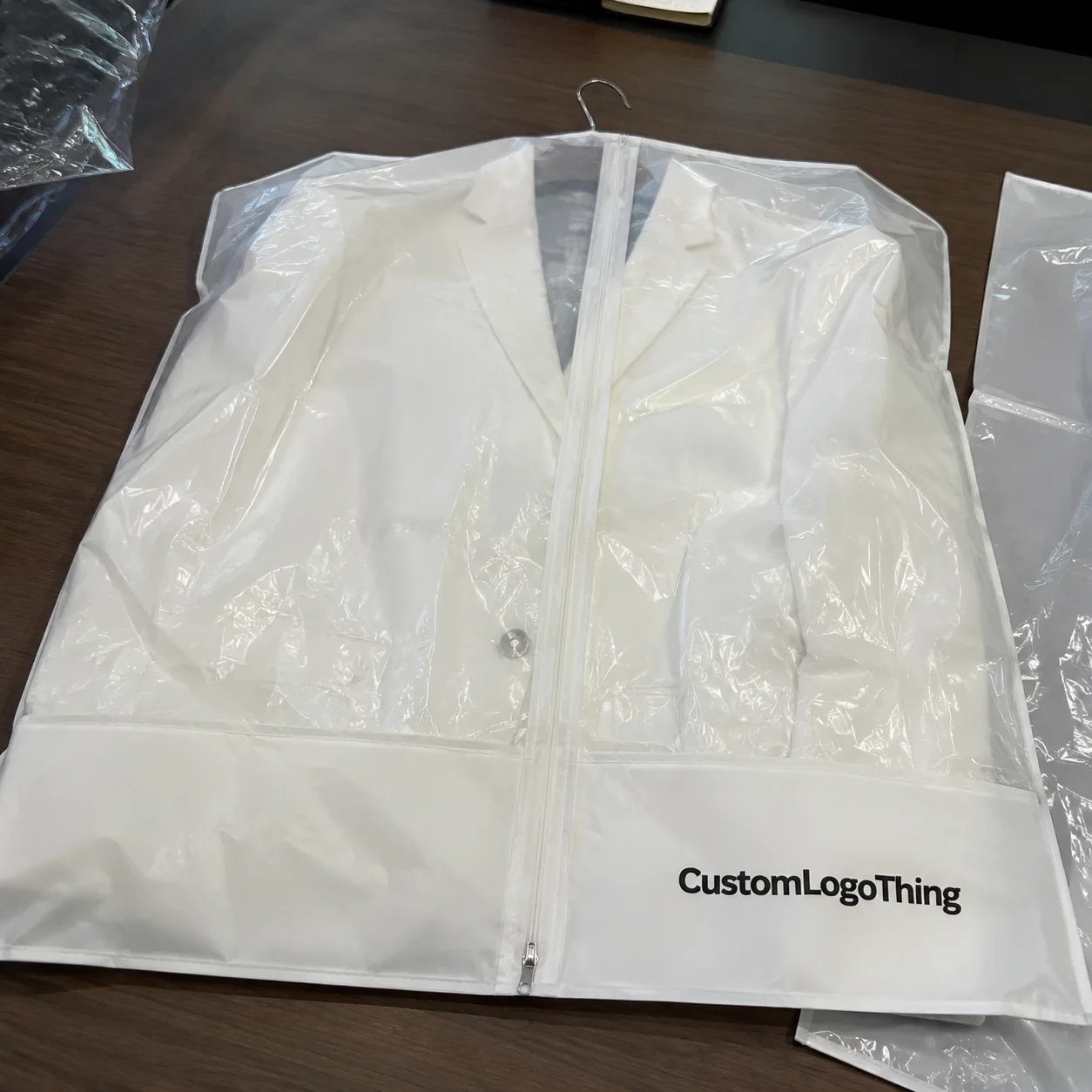
On an active packaging line, labels have to do several jobs at once. They identify the product, carry compliance information, support shelf presentation, and keep operations moving at the expected speed. If one of those jobs fails, the result is usually rework, wasted labor, or a package that feels less dependable than the food inside.
A well-applied label also signals control. Buyers may not describe it that way, but they notice when the front panel is centered and the nutrition panel lands square where it should. Clean alignment suggests care in production. Crooked application suggests the opposite. That reaction is common in retail packaging, especially when products sit side by side on a shelf.
For growing brands, custom food labels stickers often bridge the gap between plain containers and more expensive structures such as printed pouches or custom printed boxes. A clear bottle paired with a carefully built label can look polished without forcing a company to carry large inventories of preprinted packaging. That flexibility makes labels especially useful for pilot runs, seasonal releases, limited flavors, and test-market assortments.
Labels also make daily operations easier. Color-coded variants, a reserved space for lot codes, and predictable copy placement help staff pull the right SKU during filling and packing. If a team is hand-labeling 500 units a day, release behavior and label shape matter. If an applicator is running 20,000 labels, unwind direction, gap, and roll setup stop being minor details and become part of the main production spec.
How Food Packaging Labels Work From Face Stock to Adhesive Performance
A food label is a layered construction. The top layer is the face stock, which is the printable material people see. Beneath that sits the adhesive. The label stays on a release liner until application. Add ink, a finish, and a die-cut shape, and you have the full build.
Common face stocks include paper, white BOPP film, clear BOPP film, and specialty materials designed to create a more textured or premium look. Paper is often a sensible fit for dry, shelf-stable goods such as spice jars, bakery sleeves, or carton labels where moisture is limited. BOPP, or biaxially oriented polypropylene, is widely used for refrigerated or damp environments because it resists tearing and handles condensation better than standard paper.
The adhesive matters just as much as the printable surface. Standard permanent adhesives often work well on clean glass and many plastics in dry conditions. Cold-temperature or freezer-grade adhesives are better suited to products labeled before refrigeration or stored in chilled conditions. Oily containers, lightly textured surfaces, molded fiber, and compostable substrates can be trickier. Many ordering mistakes start right here: the material looks good on paper, but nobody checks whether the adhesive suits the actual container and storage conditions.
Finish choice affects both appearance and durability. Gloss laminate usually increases color vibrancy and adds scuff resistance. Matte finishes create a softer shelf presence and can make type easier to read under bright store lighting. Lamination adds a protective layer against moisture and abrasion whether the finish is gloss or matte. Soft-touch films can create a premium feel, though they are not always the right fit when tight budgets or heavy moisture exposure are part of the job.
Application method shapes the format. Hand application can work with sheets or rolls, though rolls are often faster for repetitive use. Machine application usually requires labels on rolls with the correct unwind direction, gap, core size, and outer diameter. Those details are not difficult to manage, but they need to be established early if the labels are headed for an applicator.
The main point is simple: label performance comes from the whole construction working together. Surface, temperature, moisture, finish, handling, and application method all influence whether custom food labels stickers will keep looking right after they leave the press.
A label can look perfect on a proof and still fail in production if the adhesive, finish, or roll format does not match the way the package is filled, stored, and handled.
If you want a broader reference on packaging materials and production practices, the Association for Packaging and Processing Technologies offers useful technical resources at pmmi.org. Material certification discussions often lead buyers to standards such as FSC for responsibly sourced paper products.
Key Specs That Matter Most for Size, Material, Adhesive, and Compliance
Size should begin with the container, not the artwork. Measure the usable label area on the actual package and leave room away from seams, shoulders, bottom radii, and closures. On a small jar, a front label that runs even 0.125 inch too tall can creep into a curve and start lifting. On a pouch, a label set too close to a zipper or gusset may wrinkle once the package is filled.
Curved and tapered surfaces need extra attention. A narrow bottle may take a slimmer label with more vertical emphasis, while a tapered deli tub may need a revised shape to reduce flagging. One of the most common buying mistakes is approving a clean rectangle because it looks neat on screen, even though the container would perform better with rounded corners or a narrower width.
Material choice should follow the environment. Paper labels are often a strong fit for dry goods, cartons, and lower-moisture applications. Film labels are usually a better fit for refrigerated foods, sauces, meal prep containers, and any package likely to sweat during storage or transit. If labels will rub against corrugated dividers, ice packs, or neighboring containers, a laminate or varnish becomes much more valuable.
Adhesive compatibility deserves a direct review as well. Glass is usually straightforward. Plastics are more varied than many buyers expect because PET, HDPE, PP, and coated flexible films do not all behave the same way. Metal tins, textured paperboard, molded fiber, and compostable containers often need more testing. A label may not touch the food itself, but it still needs to perform in the environment surrounding the package.
Compliance copy affects label size more than many teams expect. Ingredient lists, allergen statements, nutrition panels, net contents, UPC barcodes, and room for lot or date coding all compete for space. Text that technically fits can still print too fine if contrast is weak or reverse type is used poorly. In real production, 6-point type is already pushing readability on some materials and press conditions. Black text on a light solid background is usually safer than fine lettering dropped over a busy image.
- Check barcode quiet zones: leave enough clear space around the code so scanners are not competing with nearby graphics.
- Reserve coding space: thermal inkjet or stamped date areas need a smooth, readable zone.
- Review regulatory copy early: compliance language should shape the layout from the start, not get forced in at the end.
Before final approval, confirm copy accuracy against current regulatory requirements and retailer rules. Allergen wording, net quantity formatting, and barcode placement are far easier to correct during proofing than after 10,000 labels are boxed and ready to ship.
Custom Label Process and Timeline: From Quote to Delivered Rolls
The smoothest projects usually follow a straightforward sequence: Request a Quote, review artwork, confirm materials, approve a proof, print, finish, pack, and ship. Trouble usually begins when one of those steps gets rushed or important information is missing.
For an accurate quote, provide the label size, shape, quantity, container material, storage conditions, application method, and preferred finish. If the labels will run by machine, include unwind direction, core size, and any maximum roll diameter your applicator allows. If those details are still unknown, ask before placing the order. That conversation is far cheaper than a rerun.
The proofing stage deserves careful attention. Verify the copy, dieline, orientation, bleed, color expectations, barcode position, and any variable data fields. If the nutrition panel needs to sit on the right side of a front-facing jar, make sure roll orientation supports that placement. A proof can look visually correct and still be operationally wrong if the label dispenses in the wrong direction.
Production timing depends on the level of customization. A standard paper or BOPP construction in a common size may move through production in roughly 5 to 10 business days after proof approval. More specialized builds with laminates, metallic effects, unusual shapes, or multiple SKU versions often land closer to 12 to 15 business days, and sometimes longer if material supply is tight. Transit time is separate. Two-day shipping does not shrink a ten-day production queue.
Order early for new product launches, trade shows, seasonal programs, or multi-SKU retail rollouts. Good timelines come from clear specifications and quick approvals, not from hoping missing details can be solved later on press.
| Project Type | Typical Specs | Common Production Window | Watchouts |
|---|---|---|---|
| Short-run hand applied | 500-2,500 labels, standard paper or BOPP | About 5-8 business days | Proof changes can easily add 1-2 days |
| Mid-run retail SKU | 5,000-25,000 labels, laminated film | About 8-12 business days | Check barcode placement and roll direction |
| Multi-version launch | Several SKUs, custom die cuts, premium finish | About 12-15 business days | Version control and proof approval timing |
Cost and Pricing Factors Behind Food Label Sticker Quotes
Most quotes for custom food labels stickers come down to the same core variables: size, shape, material, adhesive, quantity, color coverage, finish, and number of versions. A 2 x 3 inch matte paper label for a dry spice jar is a very different project from a 4 x 6 inch gloss laminated BOPP label for a refrigerated meal tray.
Quantity has a strong effect on unit price. Short runs usually cost more per label because setup is spread over fewer pieces. A run of 500 labels might land around $0.18 to $0.40 each depending on material and coverage, while 5,000 labels built to similar specs may drop closer to $0.05 to $0.14 each. Those ranges are practical estimates, not guarantees, because final pricing depends on the full specification.
Specialty features increase cost. Custom Die Cuts, clear films, textured stocks, metallic inks, foil details, and premium soft-touch laminates all add to the total. Multiple SKUs can shift pricing too, especially when each version carries different copy, barcodes, or color changes. Minimum order quantities vary for the same reason. Some jobs are efficient at 500 pieces, while others make more sense at 1,000, 2,500, or higher because of press setup and finishing needs.
Buyers often get caught by hidden cost drivers. Rush production, repeated revisions, split shipments, variable data updates, and freight across multiple cartons can create a wide gap between two quotes that first looked similar. The lowest total is not always the strongest value. If a cheaper label fails in cold storage or scuffs badly in transit, the savings disappear quickly through relabeling, waste, or poor shelf presentation.
A fair quote comparison usually comes down to matching the details that affect performance:
- Match the material: paper and BOPP do not perform the same way and should not be compared as equals.
- Match the finish: matte varnish, gloss laminate, and no overlaminate produce different results.
- Match the adhesive: standard permanent and freezer-grade adhesives are priced differently for good reason.
- Match the quantity structure: compare the same volume and number of SKUs.
- Match the format: sheets and machine-ready rolls serve different applications.
If the label is part of a broader product packaging refresh, compare how it works with surrounding elements such as cartons, inserts, or shipper cases instead of pricing it in isolation.
How to Order the Right Labels Without Slowing Down Your Packaging Project
Start with measurement. Use the filled container rather than a flat template and capture the usable label area in inches or millimeters. Note seams, curves, lid overhang, and any coding zone that must remain open. If several SKUs are involved, list which dimensions stay the same and which ones change.
Gather the essential details next: product type, package material, storage conditions, quantity, artwork status, compliance text, and whether application will be by hand, semi-automatic equipment, or a full production line. That information keeps the quote grounded in the real job from the beginning.
Format choice follows from the application method. Sheets can work for low-volume manual application or internal test runs. Rolls are usually better for repeated hand application and are typically required for automated labeling. If the package will face refrigeration, oil exposure, or freezing, ask for material and adhesive guidance before finalizing the art. That one step prevents a surprising number of costly corrections later.
Proof review should be deliberate. Check trim lines, safe area, type size, orientation, barcode distance from edges, and any lot code or expiration date zone. If you are moving to a new jar, lid, pouch, or substrate, request a sample or pilot run and test it on filled containers under real conditions for at least 24 to 72 hours. Condensation, curved surfaces, and handling reveal problems that empty-container testing often misses.
- Measure the usable panel on the actual container.
- Confirm storage and handling conditions.
- Prepare artwork and required compliance copy.
- Choose sheets or rolls based on the application method.
- Request material and adhesive guidance for demanding conditions.
- Review the proof for size, copy, orientation, and barcode placement.
- Test a sample if the package format is new.
- Approve production only after operational details are confirmed.
The same discipline helps when labels need to coordinate with other packaging elements, whether that means matching colors across Custom Labels & Tags or aligning the look with broader Custom Packaging Products in a larger brand system.
The Most Common Food Label Mistakes and the Smart Fixes
One frequent mistake is choosing paper for a wet or refrigerated environment simply because the upfront cost is lower. Paper can work very well in the right setting, but condensation changes the job quickly. The fix is usually a film construction, most often BOPP, paired with an adhesive suited for cold application or cold storage.
Type that is too small causes another common problem. Ingredient statements, allergens, and net contents may fit inside the layout, yet become hard to read once printed on a compact label with busy graphics. The best fix is to simplify the packaging design, increase contrast, and reserve enough panel space before the artwork is treated as final.
Container curvature often gets ignored until the first applied labels start flagging at the edges. Straight-sided jars are forgiving. Tapered tubs and narrow bottles are not. A practical correction may be reducing the label width, adding rounded corners, or adjusting the shape to follow the container rather than forcing the same rectangle onto every SKU.
Proofing errors can be more serious than cosmetic ones. Missing allergen copy, incorrect net contents, poor barcode placement, and no room for lot or expiry codes are all avoidable. A proof checklist helps here, and it should be treated like a release document rather than a quick visual preview.
Quote comparisons can also go wrong. One supplier may price paper with no laminate, while another prices laminated film, and the lower total appears better until actual performance is considered. The fix is to compare the same material, finish, adhesive, quantity, and roll format before deciding.
Most label failures are not printing failures. They start as specification mistakes and only show up later on the line, in the cooler, or on the shelf.
If distribution testing matters for your product, especially for chilled foods or e-commerce meal kits, resources from organizations like ISTA can help frame the stresses caused by abrasion, moisture, and repeated handling.
Next Steps to Choose, Test, and Reorder Labels with Less Guesswork
A simple next step is to build a usable spec sheet before requesting quotes. Measure the container, confirm the environment, list the required copy, estimate usage volume, and document the application method. That gives you a far better starting point than sending artwork alone and hoping the rest gets figured out later.
The sheet itself does not need to be complicated. Include label size, substrate, finish, adhesive type, quantity, SKU count, unwind direction if needed, and whether the labels are hand-applied or machine-applied. That short summary reduces back-and-forth and makes reorders much easier.
Testing matters. Apply samples to filled containers whenever possible. A dry, empty jar sitting on a desk does not tell you what a cold filled jar will do after case packing and refrigeration. Give the label 24 to 72 hours under real conditions, then check for edge lift, scuffing, readability, and barcode scan performance. Products exposed to oil or heavy handling deserve a longer test, with close attention paid to corners and leading edges.
Teams managing several flavors or sizes may benefit from standardizing label widths or heights across SKUs where the containers allow it. That can simplify inventory planning, shorten reorder decisions, and reduce line complexity. It also helps maintain consistent branded packaging and package branding across the range.
Reorder timing should reflect real consumption and realistic lead times. If average monthly use is 8,000 labels and replenishment usually takes 10 to 12 business days plus transit, waiting until one carton remains is an easy way to trigger a rush order. A simple reorder point with a safety buffer usually solves that problem.
The central takeaway is straightforward: custom food labels stickers perform best when design, material, adhesive, and application are planned together. Before sending a purchase order, measure the real container, confirm where the package will live, verify the compliance copy, and test a sample under actual use conditions. That is the clearest path to labels that look right, run cleanly, and reorder with less guesswork.
FAQ
What material is best for custom food labels stickers on refrigerated products?
Film materials such as BOPP are usually a better choice than standard paper for refrigerated products because they handle condensation and repeated handling more effectively. The adhesive matters just as much as the face stock, so a cold-temperature construction is often the safer option if labeling or storage happens in chilled conditions. Testing on the actual container is still the best way to confirm performance before a full run.
How much do custom food label stickers usually cost per unit?
Unit cost depends on size, quantity, material, finish, and the number of versions or SKUs. Larger runs usually reduce the per-label cost because setup is spread across more pieces. The most useful comparison is between quotes with matching specifications rather than total price alone.
Can custom food packaging stickers be applied by hand and by machine?
Yes, though the format needs to match the application method. Hand application can work with rolls or sheets, while machine application usually requires a specific roll orientation, label gap, core size, and unwind direction. Sharing equipment details early helps prevent expensive mismatch issues.
What information do I need to request a quote for food label stickers?
Provide the label size, shape, quantity, container material, storage conditions, and application method. It also helps to include artwork status, desired finish, and whether multiple SKUs or versions are involved. Clear specifications lead to more accurate pricing and lead times.
How long does it take to produce custom food labels stickers?
Lead time depends on proof approval, material choice, quantity, finishing, and shipping distance. Standard constructions usually move faster than heavily customized jobs with special laminates or multiple versions. Production time and shipping time should be treated as separate parts of the schedule.


