Custom luxury boxes that change the first impression
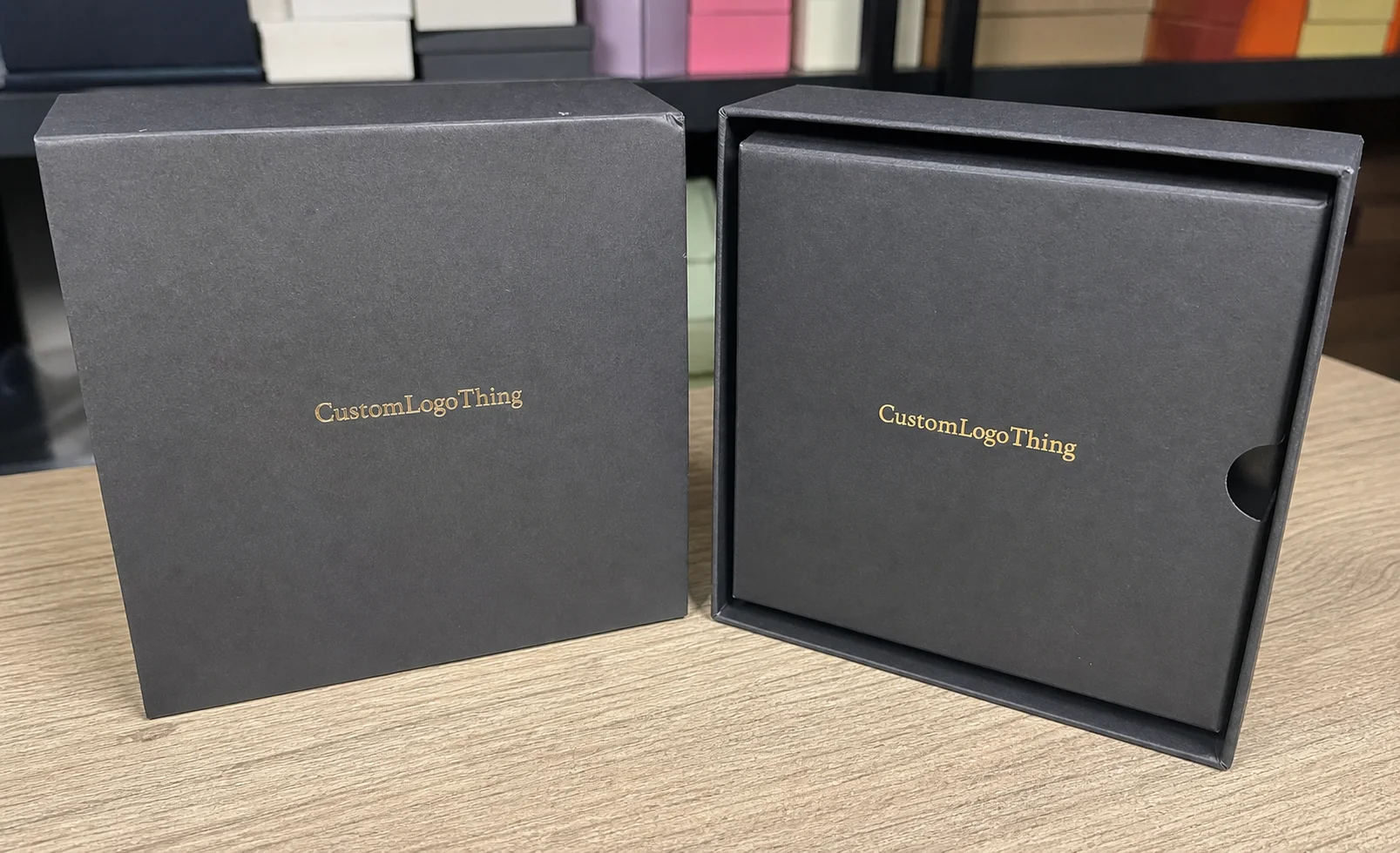
Custom luxury boxes do more than contain a product. They shape the first judgment a buyer makes, often before the item is visible. A rigid setup box, a magnetic closure, or a drawer-style carton signals care and value in a way a thin folding carton usually cannot. The box becomes part of the product experience, not just the shipping method.
That matters because buyers read packaging quickly. The material weight, closure feel, surface finish, and lid release all influence how the product is perceived. A luxury box can raise perceived value fast, but poor execution is just as obvious when the corners are soft, the lid drifts, or the finish scuffs in transit.
From a buying standpoint, the real purpose is practical: the box must fit the product, protect it, and present it cleanly. If it feels overdesigned, the brand can look nervous. If it feels generic, premium positioning weakens.
These boxes are common in cosmetics, gift sets, jewelry, apparel, fragrance, electronics, and corporate gifting. In those categories, branded packaging is part of merchandising, not decoration.
The useful question is not whether a mockup looks expensive. It is whether the final box still feels right after production, transit, and repeated handling. That is the difference between packaging that photographs well and packaging that performs.
If you are comparing formats, reviewing the broader Custom Packaging Products range first can help match the structure to the product, the budget, and the shipping route.
How premium box construction actually works
A luxury box is a stack of decisions disguised as a single object. The core is usually rigid chipboard or paperboard, often around 1.5 mm to 3 mm thick depending on the product size and weight. That board is wrapped in printed paper, coated paper, textured stock, or specialty material. Then come the finishing layers: glue, creasing, edge wrapping, closure hardware, and inserts if needed.
The construction choice affects more than appearance. A rigid setup box feels substantial and stacks neatly in retail environments. A magnetic closure improves the opening moment and usually gives a tighter lid alignment. A drawer box creates a staged reveal and works well for multi-part kits. A lift-off lid box is simpler to make consistently and can be easier to assemble at scale. None is universally best.
- Rigid setup boxes for a heavy, gift-like feel and strong shelf presence.
- Magnetic closure boxes for controlled opening and a more polished presentation.
- Drawer or slide boxes for staged reveals and products with accessories.
- Lift-off lid boxes for clean branding and simpler assembly behavior.
Each structure has tradeoffs. A rigid setup box gives strong presence but can increase freight volume. A drawer style looks refined, yet the tray needs precise die-cutting so it does not bind. Magnetic closures feel premium, although the magnets add cost and can complicate material separation if the design is not kept simple.
A premium box should feel inevitable. If the structure, print, and finish do not support the product story, the box becomes a very expensive contradiction.
Printing and finishing sit on top of the structure rather than replacing it. That is why custom printed boxes can look rich even before embossing, foil, or specialty coatings are added. A restrained logo on a textured wrap is often stronger than a crowded surface full of effects.
There are still hard production limits. Once the board thickness, fold allowances, and glue flaps are set, the engineering is largely fixed. Artwork can move, finishes can change, and inserts can be redesigned, but the underlying dieline should not be treated like a blank canvas.
Key specs that control fit, feel, and durability
Internal dimensions matter more than outside dimensions. A box that is 1 or 2 mm off in the wrong direction can turn a good design into a poor fit. In premium packaging, that small gap is the difference between a deliberate fit and a loose or pinched assembly.
Board thickness is usually the first spec to lock. For small luxury items, 1.5 mm chipboard may be enough. For larger or heavier products, 2 mm to 3 mm is more typical because it improves rigidity and keeps corners cleaner after wrapping. The wrap paper matters just as much. Coated art paper, tactile textured paper, and specialty stocks all change how the box catches light and how it feels in the hand. That tactile cue does real work in package branding.
Finish selection moves perception quickly. Soft-touch lamination reduces glare and gives a velvety surface. Matte coatings keep the look controlled. Gloss makes color pop but also shows scuffs sooner. Foil stamping gives a reflective accent, yet too much can make a box feel busy instead of premium. Embossing and debossing create depth without adding color. Spot UV can work for logos or a small pattern, although it should be used sparingly.
There are also technical checks that matter before a run is approved. Square corners, flush edges, tight wrap alignment, and adhesive coverage affect whether the box looks premium at close range. On rigid work, loose tolerances are what create expensive-looking Boxes That Still feel off.
Insert design deserves a separate line in the budget. A foam insert, molded pulp tray, paperboard cradle, or fabric-lined cavity keeps the product from rattling and reduces corner damage. If the item moves inside the box, the packaging has already failed in a practical sense.
For shipping validation and recycled-content claims, standards matter. Many teams reference ISTA methods for parcel testing, especially for boxes that will move through multiple handling points. For paper sourcing, FSC-certified board remains one of the clearest documentation points when sustainability claims need to be credible.
Before quoting, confirm the following:
- Exact internal dimensions with the product fully packed.
- Board grade and thickness.
- Paper wrap type, print coverage, and finish.
- Insert material, cavity count, and tolerance.
- Expected transit method and handling pressure.
Cost, pricing, and MOQ: what drives the quote
A quote for custom luxury boxes is usually a bundle of cost centers, not a single number. Size, board grade, artwork coverage, finish complexity, insert design, labor, and run length all move the price. A small rigid box with one-color branding sits in a very different cost band from a large magnetic box with foil, embossing, and a custom fitted tray.
MOQ changes the economics quickly. Setup work, die-cutting, wrapping, and assembly are spread across fewer pieces on a small run, so the unit price climbs. Once the quantity rises, the unit price usually falls because tooling and labor are distributed across more boxes. That does not mean the largest quantity is always the best choice. It means the order should reflect real demand, storage capacity, and cash flow.
| Box style | Typical spec | Common MOQ | Indicative unit price | Best fit |
|---|---|---|---|---|
| Rigid setup box | 2 mm chipboard, printed wrap, matte lamination | 500 to 1,000 units | $1.20-$2.40 at 5,000 units; $2.20-$4.50 at 1,000 units | Gift sets, cosmetics, premium apparel |
| Drawer box | Rigid tray, paper wrap, insert, optional foil | 500 to 1,000 units | $1.60-$3.20 at 5,000 units; $2.80-$5.80 at 1,000 units | Accessories, curated kits, jewelry |
| Magnetic closure box | Rigid board, soft-touch lamination, magnet set | 1,000 units or more | $2.10-$4.20 at 5,000 units; $3.50-$7.00 at 1,000 units | High-ticket retail packaging, corporate gifts |
These figures are broad ranges, not commitments. A dense artwork layout, a specialty paper, or a more complex insert can move pricing quickly. Freight also changes the math. A box that looks inexpensive ex-works can become expensive once palletizing, destination handling, warehouse receiving, and international shipping are included. Landed cost is the number that matters.
There are several line items buyers often miss on the first pass:
- Sampling or prototype charges.
- Cutting dies, tooling, or magnetic component costs.
- Color matching adjustments and proof revisions.
- Assembly labor for complex inserts or multi-part builds.
- Freight, insurance, and destination handling.
The cleanest comparison is built from the same spec sheet across every quote. Match the dimensions, materials, finish, insert, quantity, and delivery assumptions. If those inputs differ, the prices are not truly comparable.
Production process and turnaround: from proof to delivery
The production path is usually predictable, but delays show up in specific places. A typical job moves through brief, dieline, artwork, proofing, sample approval, production, quality control, and shipment. Each stage has a decision attached to it. If the dimensions are still changing, the timeline slips. If one stakeholder keeps revising logo placement, the schedule slips again.
- Brief: confirm dimensions, quantity, product weight, finish, and launch date.
- Dieline: approve the structural template before artwork is locked.
- Artwork: place logos, copy, and finish callouts against the dieline.
- Proof: check color, alignment, and panel sequence.
- Sample: verify fit, closure, and presentation.
- Production: print, wrap, assemble, and inspect.
- Shipment: pack, palletize, and dispatch.
Where does time usually disappear? Artwork revisions are one reason. Dieline changes are another. Finish approvals can also consume days if the team is debating subtle details without a reference sample. Color matching is a frequent source of delay because what looks like a design issue can actually be a paper absorption issue, an ink balance issue, or a finish interaction issue.
For simple rigid runs, a realistic window is often 12 to 15 business days from proof approval to completion, not counting shipping. More complex builds with foil, embossing, specialty papers, or custom inserts can stretch into 18 to 30 business days. Add transit time on top of that.
Quality control should check more than print quality. Boxes need to be tested for squareness, lid fit, edge wrapping, glue hold, surface scuffing, and insert retention. A sample can look good on a table and still fail after a short parcel journey if the corners crush or the finish marks too easily.
For teams building custom printed boxes into a launch calendar, the sequence matters. Lock the product first, lock the structure second, then finalize the artwork and finish choices. That order reduces rework and keeps the box aligned with the product it is meant to frame.
Common mistakes that make a premium box feel ordinary
The quickest way to weaken a premium carton is to overload it. Too many finishes, too many colors, too many structural cues. The box starts looking like a spec sheet instead of a brand asset. In luxury packaging, restraint usually reads better than decoration.
Another common mistake is ordering before the product is truly final. A bottle grows by a few millimeters, an accessory is added later, or a tray depth changes after samples are approved. Then the fit is wrong, the lid bows, or the contents rattle. Packaging should be treated as part of the product system, not the last task.
Surface durability gets ignored too often. A high-gloss finish may look sharp in a render, but it can scratch quickly in transit. Dark wraps show rub marks. Soft-touch coatings can pick up shine at the edges after repeated handling. If the box is meant for retail packaging or shelf display, it should be tested under the same pressure it will face.
The cheapest quote can also be the most expensive outcome. Lower prices sometimes hide lighter board, weaker print registration, slower assembly, or a higher defect rate. Once freight, rework, and replacement units are included, the savings can disappear.
Sanity checks before approval:
- Does the box still feel premium after a few open-close cycles?
- Does the product stay centered without rattle?
- Do the edges stay clean after packing and transit?
- Does the finish match the brand’s price point, or fight it?
- Does the structure support reuse if that is part of the brand story?
Expert tips for a cleaner spec and smarter next order
If you want a better quote and a better box, simplify the brief before you simplify the design. Choose one structural feature, one hero finish, and one insert solution. That is usually enough to create a premium result without pushing the build into unnecessary complexity.
Build a one-page spec sheet before you request pricing. Include dimensions, quantity, product weight, insert needs, finish, color targets, delivery location, and launch date. If the product is still changing, say so clearly. That kind of clarity helps the supplier price the job correctly and reduces the chance of re-quoting halfway through production.
Order a prototype or white sample first if the product is new, fragile, or high value. That step catches fit issues, closure tension, and presentation problems before the full run is committed. A sample also reveals things photos do not show: how the lid feels, whether the insert holds the item firmly, how the corners behave under pressure, and whether the opening motion feels too loose or too stiff.
For the next order, compare samples, confirm budget, lock the timeline, and move only when the spec is tight enough to support the result you want. That is the practical way to order custom luxury boxes without gambling on appearance, fit, or cost.
A box is not just packaging; it is a repeatable manufacturing object. The more precise the spec, the more consistent the result. Brands that treat it that way tend to get cleaner runs and fewer surprises in transit.
Frequently asked questions
How much do custom luxury boxes usually cost?
Pricing depends on box size, board grade, finish complexity, insert Design, and Order quantity. Smaller runs carry a higher unit cost because setup and labor are spread across fewer boxes, while larger runs reduce the per-unit price. Ask suppliers to quote the same spec sheet so you can compare landed cost fairly.
What is the typical turnaround for luxury custom boxes?
Simple rigid boxes can move faster than complex builds with foil, embossing, or custom inserts. A realistic timeline includes proofing, sample approval, production, and shipping as separate stages. Build in buffer time if your launch depends on color matching or structural revisions.
Which materials work best for premium boxes?
Rigid chipboard is the standard choice when the goal is a heavier, more luxurious feel. Wrapped paper, textured stocks, and specialty laminates change the tactile impression quickly. Choose materials based on product weight, transit distance, and whether the box is intended to be reused.
How do I make sure the box size is correct?
Measure the product plus any insert, tissue, sleeve, or accessory that must fit inside. Allow tolerance so the item seats cleanly but does not rattle or shift during shipping. Request a sample or prototype before approving a full run.
Can custom luxury boxes be eco-friendly?
Yes, if you choose recycled board, FSC-certified paper, and low-impact inks. Reduce excess lamination, magnets, and mixed materials where possible. Ask whether the design can be simplified for easier recycling after use.


