Custom Made Reusable Grocery Bags: What Buyers Should Specify First
Ordering Custom Made Reusable grocery bags looks simple on paper. In production, the bag is judged under weight, friction, moisture, and repeated folding, which is a much harsher test than a flat proof on screen. A logo matters, but a weak seam, short handle, or badly chosen substrate will matter more after the third trip from the store.
The cleanest orders start with use case, not artwork. A checkout bag, a farmers market tote, a subscription insert, and a premium merch piece all need different construction and different cost control. Treating them as the same product leads to quote drift, long approval cycles, and a bag that looks better than it performs.
There is also a broader packaging point here. A reusable grocery bag rarely stands alone; it often sits beside cartons, inserts, tags, and other branded packaging elements. If the bag is part of a larger system, the brief needs to align with the rest of the packaging line so the customer does not feel like they are handling two separate brands.
“A bag that fails early is not premium branding. It is waste with a logo on it.”
Custom made reusable grocery bags: what buyers miss first
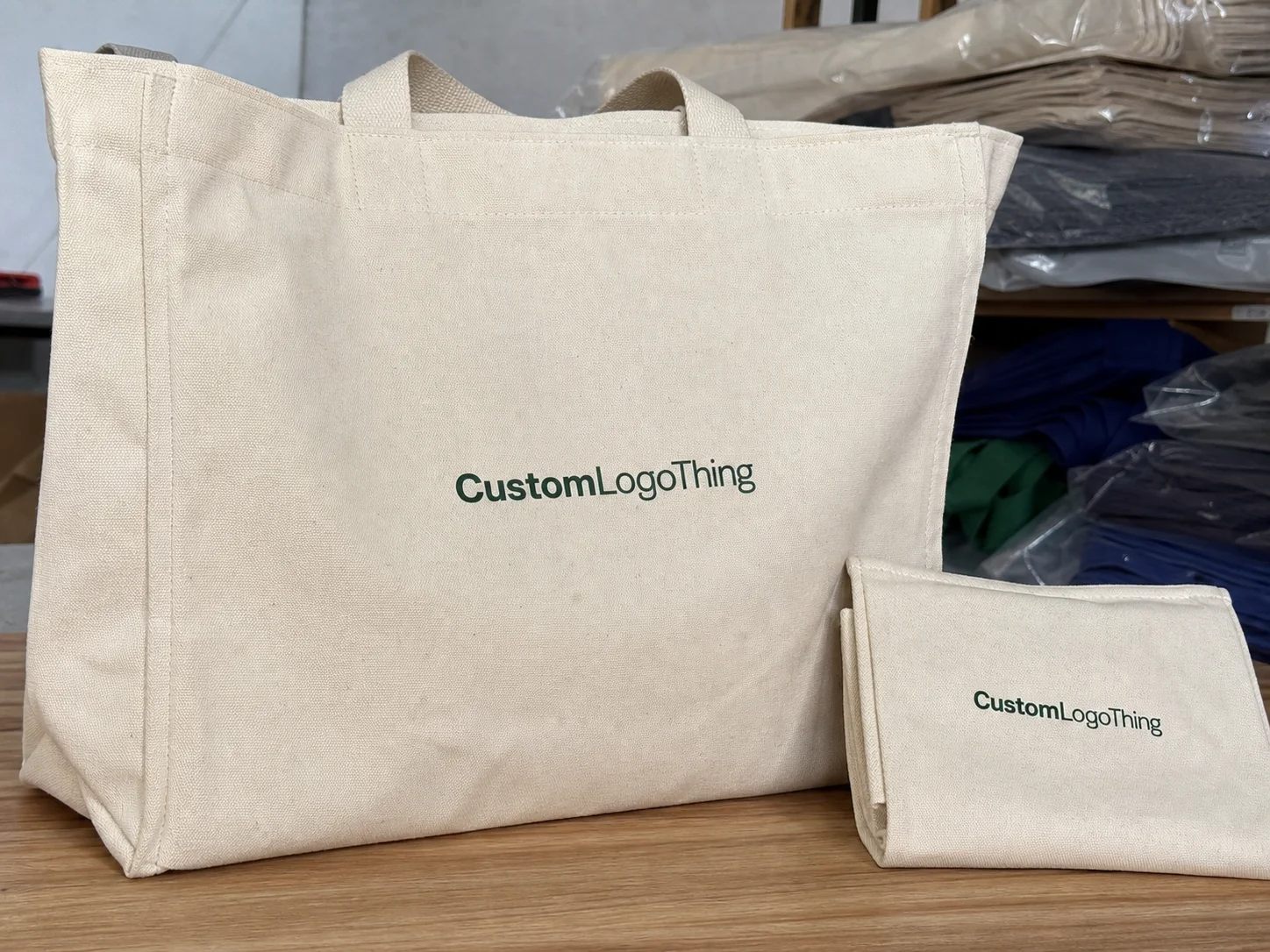
Many first-time buyers start with print coverage because it is the easiest thing to visualize. That instinct is understandable, but it is rarely the right order of priorities. Reuse depends on structure, and structure is built from dimensions, material weight, gusset depth, handle reinforcement, and seam quality.
If any one of those elements is under-specified, the bag becomes inconvenient fast. A tote that tips over in a trunk, digs into the hand, or collapses under mixed groceries will not get many second chances. The branding may be strong, but the user experience will suppress repeat use.
The useful way to brief custom made reusable grocery bags is to anchor the bag to the actual setting in which it will be used:
- Retail giveaway: lower unit cost, moderate print coverage, easy handout size.
- Grocery checkout: stronger load rating, reinforced handles, wider gusset, practical fold.
- Farmers market: abrasion resistance, stain tolerance, comfortable carry, good volume.
- Subscription box: compact pack size, polished finish, branding that photographs clearly.
- Merch or promo item: more visual identity, but still built for repeat use.
That distinction matters because a bag is evaluated in motion. It is seen in a cart, at checkout, in a car trunk, and on a kitchen counter. A design that looks perfect in a mockup can feel clumsy when loaded with a carton of milk, soft produce, and one heavy item pulled in from the side.
For buyers trying to keep costs controlled without defaulting to the cheapest possible material, a restrained layout often works better than a crowded one. A simple tote with the right proportions can feel more intentional than a busy bag with multiple print effects and no structural discipline.
How the bag construction actually works
Material choice is the first lever, but it does not decide the whole outcome. Nonwoven polypropylene is usually the low-cost entry point for promotional runs. Woven polypropylene adds structure and better abrasion resistance. Cotton and canvas give a more tactile, premium feel. rPET supports a recycled-content story, provided the sourcing claims are documented cleanly.
If sustainability claims are part of the brief, ask how recycled content is verified and what documentation is available. For general materials guidance, the EPA recycling resources are useful. If the program includes paper tags, sleeves, or cartons, FSC-certified materials can keep the paper side of the packaging story aligned.
Construction often changes performance more than the substrate name on its own. Side gussets increase usable volume. Reinforced bottoms spread weight. Stitched seams generally hold up better than light heat seals in lower-cost builds. Welded edges can work on some nonwoven styles, but only if the material and weld line are matched properly.
Material and decoration choices
Decoration is not just about appearance. It affects cost, turnaround, and how the bag ages. Screen printing is often efficient for simple spot-color graphics. Flexographic print can work well on the right nonwoven substrate. Heat transfer handles more complex artwork. Embroidery feels premium, but it adds labor and can slow production. Woven labels and sewn patches are quieter options that can suit retail packaging programs without overpowering the bag itself.
The practical tradeoff is simple: the method that looks strongest in a rendering is not always the method that survives folding, abrasion, and occasional moisture exposure. For custom made reusable grocery bags, the best decoration method is the one that still looks acceptable after real use, not just after approval art.
What buyers should ask for
- Material weight: ask for gsm or oz, not just the fabric name.
- Load target: define the expected carry weight in kilograms or pounds.
- Handle reinforcement: specify stitching, box stitching, or a reinforced patch.
- Print zone: identify exact logo placement and maximum imprint size.
- Packing format: request folding guidance if the bag will be distributed in bulk or retail-ready form.
Cost, pricing, and MOQ: what changes the unit price
Unit price for custom made reusable grocery bags is shaped by more than quantity. Size, material, fabric weight, print count, handle reinforcement, finishing, and packing format all move the number. A basic one-color promotional tote and a premium multi-color bag with stitched detailing are not the same product, even if their outside dimensions are close.
MOQ changes the math quickly. Higher minimums spread setup costs across more pieces, which lowers unit price. Small test runs almost always cost more per bag because the screening, plate, or machine setup still has to happen, but the cost is divided across fewer units. That is why a 500-piece quote can look like one market and a 5,000-piece quote can look like another.
Shipping and sampling are the line items that often get missed during early budgeting. A low factory quote can stop looking low after proofing, freight, duties, carton charges, and warehouse handling are added. If the bag is part of a larger branded packaging program, ask for total landed cost, not only production cost.
| Material | Typical MOQ | Typical unit price | Best fit | Lead time clue |
|---|---|---|---|---|
| Nonwoven polypropylene | 3,000 to 5,000 pcs | $0.35 to $0.65 | Promotions, checkout bags, high-volume giveaways | Often 12 to 18 business days after proof approval |
| Woven polypropylene | 2,000 to 3,000 pcs | $0.55 to $1.10 | Heavier grocery use, better abrasion resistance | Often 15 to 25 business days |
| rPET | 3,000 pcs or more | $0.90 to $1.60 | Recycled-content programs, clean modern branding | Often 18 to 30 business days |
| Cotton or canvas | 1,000 to 2,000 pcs | $1.20 to $2.80 | Premium retail packaging and merch programs | Often 20 to 35 business days |
Those figures are directional. A 10 x 12 inch tote with one-color print and standard handles will price differently from a 15 x 16 inch bag with boxed corners, full-color decoration, and reinforced stitching. The more precise the brief, the more meaningful the comparison.
If you want quotes that can be compared honestly, give each supplier the same quantity, delivery window, target load, and acceptable print method. Otherwise the numbers may appear comparable while describing different products with the same general name.
Production process and turnaround from artwork to delivery
The production sequence is predictable even if the schedule is not. Most orders move through brief, spec confirmation, artwork setup, proof approval, sampling, bulk production, inspection, packing, and shipment. A clean brief keeps custom made reusable grocery bags on track because it reduces rework at the proof stage.
Stock materials move faster than custom materials. Standard colors, common fabric weights, and simple layouts usually save time. Custom-dyed fabric, specialty coatings, laminated finishes, or difficult registration can add days or weeks. That is not an excuse; it is how the production line actually behaves.
- Brief: define size, material, print method, quantity, and delivery target.
- Prepress: confirm artwork, placement, and color values.
- Proof: review a digital mockup or production sample.
- Sampling: check handle feel, stitch quality, and fold behavior if needed.
- Bulk run: manufacture the approved specification.
- Inspection and packing: verify counts, print quality, and carton setup.
- Shipment: plan freight early so it does not become the critical path.
Delays usually come from missing artwork dimensions, slow proof approval, or last-minute changes after sampling has started. The fastest way to keep a tote order moving is to approve one complete spec sheet up front. That sheet should include measurements, material, decoration method, quantity, and whether the bags need folding, banding, or master-carton packing.
For larger programs, basic transit testing is worth asking about. If bags are shipped with inserts or bundled in cartons, ask whether the packing format has been checked against common shipping abuse scenarios rather than only visual inspection. Practical transport testing matters even for a simple tote because a good bag can still arrive damaged if the package design is careless.
Key specs that decide durability, comfort, and branding
Dimensions decide usefulness. A slightly wider gusset can matter more than a louder graphic because it determines whether the bag handles boxed goods, produce, and mixed items without bulging awkwardly. For many grocery programs, a bag that fits a typical shopping basket is more useful than one that only looks large in a mockup.
Fit and load
Handle length and reinforcement decide comfort. If the drop length is too short, the bag digs into the hand. If it is too long, the tote swings oddly and can hit the calf. A common target load for grocery use is around 10 to 15 kg, but that depends on fabric weight, seam structure, and how the handles are attached.
Stitching details matter here. Box stitching or reinforced tabs can improve durability without changing the outside appearance much. That is one reason experienced buyers ask for construction photos, not only artwork proofs.
Branding and finish
Print placement affects perception more than print density. A sharp logo in the right zone often does more for package branding than full-coverage decoration. In the real world, the bag is seen while moving, while loaded into a trunk, and while sitting on a counter. Clean branding survives those situations better than cluttered artwork.
If the bag is one part of a wider product packaging system, keep the visual language consistent with cartons, sleeves, and inserts. The same brand should feel like the same brand whether the customer is opening a box or carrying a bag home. If that system needs to be coordinated, it helps to compare options inside Custom Packaging Products.
Care and stain resistance also deserve attention. A light-colored cotton tote may look premium on day one, but it can age quickly if it is exposed to produce residue or damp packaging. Darker tones, denser weaves, and simple care instructions usually hold up better over repeated use.
- Best for visibility: centered logo, one or two colors, high contrast.
- Best for durability: reinforced handles, stitched gussets, abrasion-tolerant substrate.
- Best for premium feel: cleaner edges, tighter print control, structured body.
Common mistakes when ordering reusable grocery bags
The most expensive mistake is chasing the lowest quote without checking the material weight, seam quality, or print durability. Cheap bags that fail early are not cheap. They become a repeat purchase that should never have been needed.
Another common error is designing for the rendering instead of the shopping trip. Real groceries are uneven, sometimes cold, sometimes damp, and rarely arranged neatly. A bag that looks excellent as a flat mockup can fail the first time someone adds a watermelon, a carton, and a few boxed items.
Many buyers overcomplicate the print and under-spec the structure. A simpler design with stronger handles, better bottom support, and a cleaner silhouette usually feels more premium over time. That is true for custom made reusable grocery bags and for other branded packaging items that are handled often.
Folding and distribution are easy to overlook. A bag can ship well in bulk and still be awkward to store, hand out, or retail if the folded size is wrong. If the bags are meant to sit beside other merchandise, the folded footprint should be planned the same way shelf-ready packaging is planned.
Three mistakes show up again and again:
- Buying on artwork alone: the logo looks good, but the bag does not carry well.
- Skipping sample review: issues with stitching or handle feel appear too late.
- Vague specs: suppliers quote different products, so the comparison is meaningless.
Expert tips before you request a quote
Start with the use case, then tune the appearance. That order saves money and avoids rework. If the bag must hold heavy grocery loads, durability comes first. If it is a premium retail handout, finish and visual restraint may matter more. The right answer depends on what the customer will do with it after the handoff.
Ask for at least one physical sample if the order is large enough to justify it. A sample tells you more than a render ever will: handle feel, foldability, color accuracy, stitch quality, and how the bag behaves under load. That is especially useful if the project also includes product packaging or custom printed boxes, because the bag needs to sit comfortably inside the rest of the packaging system.
A useful quote request should include:
- Dimensions: finished size and gusset depth.
- Material: exact substrate, weight, and color.
- Decoration: print method, color count, and placement.
- Construction: handle style, reinforcement, and seam type.
- Quantity: target run size and any replenishment plan.
- Deadline: approved delivery window, not only a desired ship date.
- Packing: bulk packed, folded, banded, or retail-ready.
That is the shortest path to a useful comparison. It also keeps custom made reusable grocery bags aligned with cost, lead time, and real-world durability. If the brief is strong, the quotes become easier to trust, and the final bag has a better chance of becoming part of the customer’s routine rather than another forgotten giveaway.
What material is best for reusable grocery bags?
Nonwoven polypropylene is usually the lowest-cost option for promotions. Woven polypropylene offers more abrasion resistance for heavier daily use. Cotton or canvas gives a more premium feel, while rPET suits programs that need a recycled-content story. The best choice depends on carry weight, reuse frequency, and how much structure the bag needs to hold its shape.
How much do custom reusable grocery bags cost per unit?
Price depends on size, material, fabric weight, print complexity, handle reinforcement, MOQ, and freight. Simple high-volume builds can land in the mid cents range, while premium cotton or rPET bags often move into the dollar range. Samples, packing, and shipping can change landed cost more than the factory quote suggests, so they should be included early.
What MOQ should I expect?
MOQ varies by material and print method. Lower minimums are possible, but unit price usually rises because setup costs are spread across fewer pieces. If you need a test run, use stock materials, reduce color count, and keep the design size modest.
How long does turnaround usually take?
Turnaround includes proofing, sampling, bulk production, inspection, packing, and freight. Stock materials and simple layouts often move faster than custom colors or complex finishing. Fast approval on your side is one of the biggest factors in keeping the schedule under control.
How do I make the bag feel premium without overspending?
Use a cleaner print layout, stronger handle reinforcement, and a material with enough structure to hold shape. Premium feel usually comes from fit, finish, and durability, not from piling on colors or decorative effects.
For most buyers, the best way to evaluate custom made reusable grocery bags is the same way experienced packaging teams evaluate any repeat-use item: judge the sample by how it performs in hand, how long it lasts, and how well it supports the rest of the packaging design across the full customer experience.

