Custom Mailer Box Buying Guide for Smarter Shipping
A customer receives a great product in a weak box. One corner is crushed, the lid looks tired, and the whole order feels cheaper than the item inside. That is the part brands forget until replacements, refunds, and irritated emails start showing up.
A custom mailer box should be treated as a shipping tool first and a branding surface second. Yes, print matters. So does the opening experience. But if the structure is wrong, the nicest artwork in the room is just expensive cardboard with a confidence problem.
Good packaging does several jobs at once. It protects margin, controls dimensional weight, speeds up packing, stores efficiently, and helps the customer feel the product was handled with care. The best box is not always the flashiest one. Often, it is the one your team barely complains about because it folds fast, closes cleanly, and survives the carrier network without drama.
That sounds boring. Excellent. Boring packaging tends to be profitable packaging.
What a Custom Mailer Box Actually Does
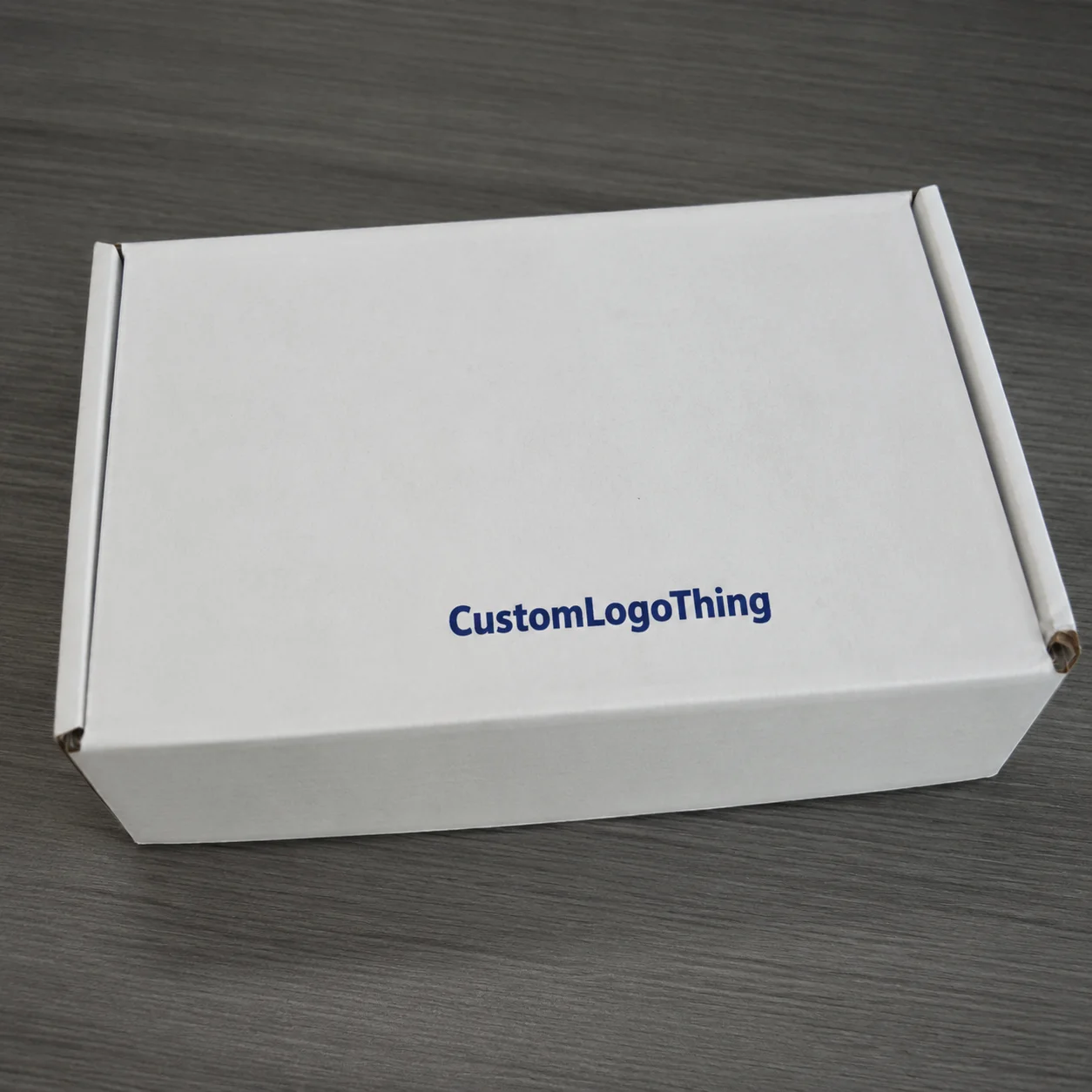
A custom mailer box is usually a self-locking paperboard or corrugated package built around a specific product, brand, and shipping method. It is printed, die-cut, scored, folded, and sized so the product fits properly without needing a pile of filler. Most mailer styles use front tuck tabs with side locks, so many light-to-midweight shipments do not need tape.
The job is bigger than decoration. A good mailer affects product protection, freight cost, storage space, pack speed, perceived value, and repeat purchase confidence. If the box is too large, shipping cost creeps up. If the board is too weak, damage claims rise. If the folding sequence is awkward, labor cost quietly eats into every order.
Stock mailers are pre-made sizes with limited branding. They work well for early testing, especially if monthly order volume is still low or the product mix keeps changing. Fully custom mailers are built to your internal dimensions, artwork, board grade, and finish. Subscription boxes often use similar structures but are planned around recurring kitting, batch assembly, and presentation.
Rigid gift boxes are a different animal. They feel premium, but they are heavier, cost more, and usually need an outer shipper for parcel delivery. Folding cartons are thinner retail packages, often used for cosmetics, supplements, candles, accessories, and small consumer goods that still need a separate shipping box. Standard corrugated cartons are the brown workhorses: strong, useful, and not trying to be a lifestyle shoot.
For most ecommerce and retail packaging programs, the buying decision comes down to seven things: size, material, print method, quantity, unit cost, timeline, and mistakes you can avoid before production. Get those right and the box supports the product. Get them wrong and the packaging becomes a recurring tax on every shipment.
How Mailer Boxes Work From Flat Sheet to Unboxing
Mailer boxes start as flat sheets of paperboard or corrugated board. A cutting die creates the outer shape. Score lines mark where the board folds. Panels become the lid, base, side walls, dust flaps, locking tabs, and front tuck closure. Folded, the structure looks obvious. Flat, the dieline can look like a cardboard octopus.
Boxes usually ship flat to a warehouse, studio, co-packer, or fulfillment partner. Staff fold them by hand, load the product, add inserts or protective fill, then close the front tuck. For apparel, accessories, cosmetics, small home goods, wellness products, and many subscription kits, that closure may be enough. For heavier products, high-value goods, or rough parcel routes, a label seal, wafer seal, or tamper sticker may be smarter.
Corrugation matters. E-flute is thin, usually around 1.5 mm, and offers a cleaner print surface with a lower profile. B-flute is thicker, closer to 3 mm, and gives better crush resistance. Some programs use paperboard instead of corrugated if the item is light and presentation matters more than puncture resistance.
There is no universal winner. The right board depends on product weight, transit risk, packout, and the look you want when the customer opens the lid.
Buying a custom mailer also means thinking about how it behaves after production. Does it stack neatly? Does it collapse flat without warped panels? Can workers fold it without forcing the creases? Do the locks stay closed after the box is filled? If the answer is no, the artwork can still look great while the operations team hates the thing by week three.
The unboxing moment is not magic. It is sequence. The package arrives. The customer sees the print. They lift the lid, pull a tab, or remove a sleeve. The product appears in a controlled position instead of sliding into view like it lost a fight in transit. That pause matters. It makes the shipment feel intentional.
Print behaves differently depending on the board. Solid dark coverage on kraft can shift color and absorb ink unevenly. White ink on darker stock can look sharp, but it adds complexity and proofing risk. Small type can soften on rougher corrugated surfaces. The cleanest results usually come from coated white stock, restrained artwork, and a print method suited to the order volume.
Key Specs That Decide Protection, Print Quality, and Fit
If a custom mailer box fails, it usually fails because one spec was guessed. Size, board, print, finish, and inserts all interact. Choose one wrong piece and the whole assembly starts lying to you.
Size and fit
Start with the product, not the box. Measure the length, width, and height of the packed item, including any tissue, sleeve, bottle cap, accessory pouch, hangtag, retail carton, or instruction card that ships with it. Then add only enough tolerance for hand packing and normal material variation.
A common mistake is approving internal dimensions that look fine on a screen but leave the product sliding during transit. Empty space is where damage starts. It also makes the presentation feel cheap, especially if the customer opens the lid and sees a small product stranded in a large box.
For many products, about 0.25 to 0.5 inches of slack on each side is plenty. Fragile items, irregular shapes, and products with display-style reveals may need more, but that should be designed into the packout. If you need a paperboard insert, molded pulp tray, foam insert, or corrugated partition, build it into the spec from the start. Retrofitting an insert later is annoying and usually more expensive than planning correctly the first time.
Material and board grade
Paperboard works for lighter items and strong presentation. Corrugated board is better for shipping strength. For direct-to-consumer mailers, E-flute often gives a good balance of printability and protection. B-flute is better for heavier SKUs, bundled subscriptions, glass containers, dense accessories, or carrier routes with a higher damage risk.
If you are shipping glass, liquids, electronics, ceramics, supplements in glass jars, or hardware with sharp corners, test the packaging under real parcel conditions. Hope is not a testing protocol.
FSC-certified board is common and worth asking for if sourcing claims matter to your brand or retail channel. It does not automatically make the box stronger, but it can support procurement requirements and sustainability messaging. If you need recycled content, curbside recyclability, compostable components, soy-based inks, or plastic-free claims, confirm exactly what is included. Vague green language is cheap. Documentation is the part that counts.
Print method and finish
Digital printing usually makes sense for lower quantities, short runs, seasonal artwork, and frequent design changes. Offset printing is better for higher volumes, cleaner color control, and detailed graphics. Flexographic printing is common on corrugated packaging, especially when artwork is simpler and cost per unit matters more than tiny type precision.
Each method has a place. The mistake is pretending they behave the same.
Finishes change both appearance and handling. Matte lamination gives a soft, modern look and can reduce scuffing. Gloss makes colors pop, though fingerprints and glare may become annoying. Soft-touch lamination feels premium, but it raises cost and can show rub marks if the package gets handled heavily. Spot UV can highlight logos or graphic elements, but it only works when the base artwork is clean enough to carry it.
One practical check: make sure the finish will not crack at score lines after folding. This is one of those problems buyers notice after the boxes are printed, which is a very expensive time to become enlightened.
Inserts and interior presentation
Inserts are not just for luxury packaging. They keep products from shifting, separate accessories, guide the customer’s eye, and reduce damage in transit. Common options include paperboard dividers, molded pulp trays, die-cut inserts, corrugated partitions, and foam.
Molded pulp is durable and has a strong sustainability look, but it may not match every premium aesthetic. Foam protects well, though many brands avoid it for environmental, retail, or customer perception reasons. Paperboard inserts can look clean and print well, but they may not protect heavy or fragile products without extra structure.
If your product has odd shapes or multiple accessories, a custom insert often saves money later by reducing returns and complaints. One well-planned insert usually beats three filler materials stuffed in at random. Customers notice the inside of the box. They may not describe the insert correctly, but they notice whether the product arrives neatly or looks like it was packed during a fire drill.
Testing and standards
For shipping performance, ask whether the completed pack can be tested to ISTA or ASTM methods. Not every project needs formal certification, but these standards give structure to drop tests, vibration tests, compression checks, and handling simulations. That matters for fragile products, new carrier lanes, high return rates, or large production runs.
Testing is especially useful before ordering thousands of printed units. Request a plain structural sample first, then a printed prototype if color and finish matter. Pack the actual product, not a similar item that “should be close enough.” Then ship test units through the same carrier method customers will experience.
Boring? Yes. Cheaper than a reprint? Also yes.
Custom Mailer Box Pricing, MOQ, and Unit Cost Drivers
Pricing for a custom mailer box depends on size, board grade, print coverage, finish, order quantity, insert requirements, tooling, packing format, and freight. There is no honest universal price because a two-color kraft mailer and a full-coverage laminated mailer with interior print are not remotely the same product.
For rough planning, simple custom mailers in moderate quantities often land around $0.40 to $1.20 per unit, depending on specifications. Larger runs with simple print can go lower. Smaller quantities, premium finishes, interior printing, specialty coatings, or multiple inserts can push costs above $2.00 per unit. Very small orders can cost more because setup and tooling have nowhere to hide.
If a supplier quotes a dramatic low price without asking for dimensions, board, ink coverage, quantity, and destination, something is missing. Maybe freight. Maybe tooling. Maybe the board grade. Maybe reality.
Minimum order quantity matters because custom dies, prepress, setup, and sampling have fixed costs. Many suppliers want at least 500 to 1,000 units for custom work, and some prefer 3,000 or more for better pricing. Digital programs can sometimes support lower quantities. Offset, litho-lam, and specialty finish programs usually make more sense at higher volumes.
If you only need a few hundred boxes, stock packaging with custom labels, belly bands, stickers, sleeves, or printed tissue may be the smarter bridge. It will not feel as tailored, but it can protect cash while you validate size, demand, and repeat order patterns.
Size drives cost more than many buyers expect. Bigger boxes use more board, more ink, more freight space, and more storage room. Even a small dimension change can shift the quote because it affects sheet layout, die efficiency, pallet count, and shipping class. A 6 x 4 x 2 inch mailer and a 9 x 6 x 3 inch mailer are not just different sizes. They may live in different cost worlds.
Print coverage matters too. A one-color logo on kraft is cheaper than full-bleed exterior print, interior print, white ink, foil stamping, embossing, or spot UV. Special finishes can be worth it for premium products, launch kits, retail display, and gifting programs. They should still be deliberate choices, not impulse buys because the sample looked fancy under perfect lighting.
Freight is the cost people forget until the invoice arrives. Flat-packed mailers are efficient, but they still take volume. Ask how many units fit per master carton, pallet, or container. A low unit price can get ugly if packout is inefficient or the boxes are shipping across long distances with too much air in the cartons.
Process and Timeline From Quote to Delivered Boxes
The standard path starts with a quote request, then artwork review, dieline confirmation, sample approval, production, quality checks, and shipping. If your inputs are incomplete, every step slows down. Packaging suppliers are not mind readers. Give them internal dimensions, product weight, quantity, board preference, print requirements, finish, insert needs, and delivery destination.
Typical timing often looks like this: quote in 1 to 3 business days, dieline and proof work in 2 to 5 business days, sample production in about 5 to 10 business days, and mass production in roughly 10 to 20 business days after approval. Transit time is separate. So are revision cycles. One missing dimension can cost a week. Two missing dimensions can cost your patience.
Good suppliers will ask for vector artwork, Pantone or CMYK targets, logo placement, barcode requirements, inside print details, and any required marks. They may ask for product photos or a physical sample to verify orientation and fit. If the packaging will be used for retail, confirm legal copy, recycling marks, country-of-origin language, warning statements, and barcode quiet zones before proof approval.
Proofing is where expensive misunderstandings get caught. A digital proof shows layout, copy, logo placement, and general print position. It does not fully prove color, texture, board feel, fold behavior, or scuff resistance. A physical sample is better when fit, finish, or color sensitivity matters.
For high-volume runs, seasonal launches, or premium products, ask for a production-quality sample if timing allows. The cost is small compared with printing 8,000 units and discovering the logo is technically centered but visually awkward on the folded panel.
Quality control should include more than “the box looks nice.” Check internal dimensions, lock strength, score alignment, print registration, color consistency, coating adhesion, scuff marks, glue placement if used, and carton count. Pull samples from different points in the run when possible. If the first sample is perfect and the last pallet is not, congratulations, you have a production problem with better branding.
Delivery planning matters. Boxes rarely arrive, get assembled, and ship the same day unless the operation is tiny. Build a buffer for freight delays, sample revisions, packaging line testing, and demand spikes. A clean packaging launch often starts with the deeply unglamorous habit of ordering before you are down to the last pallet.
Common Mistakes That Make Mailer Packaging Expensive
The biggest mistake is overboxing. Brands order a large box “just in case,” then pay more for board, filler, freight, and storage while the product rattles around like it is trying to escape. It also makes the unboxing feel less premium, which is a nice bonus nobody wanted.
Another mistake is designing for the mockup instead of the real product. A beautiful render can hide zipper pulls, bottle shoulders, uneven pouches, hangtags, product bundles, instruction cards, and accessories. Real products have thickness, friction, and annoying little details. So do the people packing them.
Wrong print method, wrong volume, wrong expectations. That combination gets expensive quickly. A small order with full-coverage artwork on a process built for higher setup costs may be painful. Choosing the cheapest print option for a premium product can also backfire. The middle ground usually involves matching print method to order volume and deciding which visual details actually matter.
Ignoring distribution is another costly habit. If boxes will sit in a humid warehouse, ship long distances, ride in mixed cartons, or move through multiple handling points, ask how the board and finish handle abrasion, compression, and moisture exposure. A lovely box that arrives scuffed is not lovely anymore.
Brands also get trapped by trend-chasing. Magnetic closures, oversized lids, heavy rigid boxes, foil everywhere, and complex inserts can all sound impressive until you price them for recurring orders. If the product is not premium enough to justify the labor, storage, and freight, do not pretend it is. Customers can tell when packaging is trying too hard.
The quiet mistake is forgetting pack speed. A box that takes 20 extra seconds to assemble may not sound terrible until you multiply it by thousands of orders. If the structure needs tape, extra hands, or a training session with diagrams, the unit price is only part of the cost.
Next Steps Before You Request a Mailer Box Quote
Before asking for a quote on a custom mailer box, gather the details that actually matter: product dimensions, packed weight, target quantity, shipping method, print style, finish preference, insert needs, and delivery location. Simple list. Frequently skipped. Then everyone acts shocked when quotes come back all over the map.
Write down the real priority. Lower shipping cost? Better protection? Premium appearance? Faster assembly? Smaller storage footprint? A balanced spec can do several things well, but packaging always makes you choose somewhere. Better to choose on purpose.
Ask for at least two structure or material options if you are unsure. Compare E-flute against B-flute, kraft against white-coated stock, exterior-only print against interior print, or a paperboard insert against molded pulp. Small changes can create meaningful differences in cost, appearance, lead time, and protection.
Request photos, folding instructions, or an assembly video if the box will be packed by hand. Awkward folding causes more trouble than many buyers expect. If workers need to fight the tabs or crease panels manually, that problem will show up every day until the next production run.
Think through the customer’s first five seconds. They see the outer surface, touch the board, open the lid, and notice how the product sits inside. A well-made mailer makes those moments feel controlled. Not loud. Not overdone. Just intentional.
That is what good packaging does. It makes the shipment look like it was always supposed to arrive that way.
FAQs
What is the difference between a mailer box and a shipping box?
A mailer box usually has a self-locking flap structure and a more presentation-friendly profile. A shipping box is typically a standard corrugated carton designed mainly for transport and closed with tape.
Is a custom mailer box good for fragile products?
Yes, if the board grade, fit, and inserts are chosen correctly. Fragile products often need stronger corrugated board, a custom insert, and parcel testing before launch.
Can I order a small quantity?
Sometimes. Digital printing and stock-based programs can support lower quantities, but fully custom tooling usually becomes more economical around 500 to 1,000 units or higher.
What is the best material for ecommerce packaging?
There is no single best material. E-flute works well for many ecommerce products because it balances print quality and protection. B-flute is better for heavier or more fragile shipments. Paperboard suits lighter items and presentation-focused packaging.
How do I keep pricing under control?
Keep dimensions tight, limit special finishes, match the print method to the order volume, and avoid unnecessary inserts. The cheapest box is not the thinnest one. It is the one that protects the product without overengineering itself into your budget.
How long does production usually take?
A typical custom mailer project can take 3 to 6 weeks once quoting, proofing, sampling, production, and transit are included. Rush timelines are possible in some cases, but they leave less room for testing and corrections.
If you are comparing packaging options, start with product size, shipping method, packed weight, and target unit cost before obsessing over artwork. That is how you get a custom mailer box that looks good, protects well, and makes sense beyond the first photo.