Buyer Fit Snapshot
| Best fit | Custom Boxes for Small Business projects where brand print, material claims, artwork control, MOQ, and repeat-order consistency need to be specified before quoting. |
|---|---|
| Quote inputs | Share finished size, material target, print colors, finish, packing count, annual reorder estimate, ship-to region, and any compliance wording. |
| Proofing check | Approve dieline scale, logo placement, barcode or warning zones, color tolerance, closure strength, and carton packing before bulk production. |
| Main risk | Vague material claims, crowded artwork, missing packing details, or unclear freight terms can make a low unit price expensive after revisions. |
Fast answer: Custom Boxes for Small Business: Production Spec, Color Control, and Delivery Risk should be specified like a repeatable production item. The safest quote records material, print method, finish, artwork proof, packing count, and reorder notes in one written spec.
Production checks before approval
Compare the actual filled-product size with the drawing, then confirm tolerance on folds, seals, hang holes, label areas, and retail display edges. Reserve space for logos, QR codes, warning copy, and material claims before decorative graphics fill the panel.
Quote comparison points
Review material grade, print process, finish, sampling route, tooling charges, carton quantity, and freight assumptions side by side. A quote is only useful when the supplier can repeat the same color, closure quality, and packing count on the next order.
When a customer receives custom Boxes for Small business, the verdict starts before the product is touched. I’ve watched that happen on packing benches in Chicago, in loading bays outside Dallas, and during brand launches in Brooklyn where the box drew more comments than the item inside. That sounds dramatic until you look at the behavior: packaging is the first physical brand touchpoint, and it can shape perceived value in under five seconds.
Small business owners often treat packaging as the last line item, almost an afterthought. I get why. You’re juggling inventory, cash flow, customer emails, and the one printer that decides to jam only when you’re already late. But that assumption costs money. The right custom Boxes for Small business can keep a ceramic mug intact after a 36-inch drop, make a $24 candle feel like a $40 gift, and help a lean brand look far more established than its headcount suggests. That combination matters more than many founders want to admit.
At Custom Logo Things, I’ve seen small founders move from plain white mailers to custom printed boxes and stop apologizing for their packaging overnight. The shift wasn’t cosmetic alone. Shipping damage fell, customer photos increased, and repeat orders improved because the box felt deliberate. In one project shipped from a facility in Houston, the brand cut replacement shipments by 19% over 90 days after switching to a snugger mailer with 32 ECT corrugated board. Honestly, I think that’s one of the most underrated growth moves a small brand can make. It is the practical side of custom Boxes for Small business.
Custom Boxes for Small Business: What They Are and Why They Matter
Plain language first: custom Boxes for Small business are packaging built around your product, your brand, and your shipping method. That can mean adjusting dimensions to fit a lotion bottle, printing a logo on a mailer, adding a foam insert for glass, or choosing a matte coating that feels better in the hand. It is not just “a box with a logo.” It is packaging design shaped for a specific job, often built from materials like 350gsm C1S artboard, 32 ECT corrugated board, or 18pt SBS paperboard depending on the product and route.
I’ve had clients say, “We only need something basic,” and then show me a product rattling around in a carton like a coin in a tin can. That’s the moment I usually have to bite my tongue (or not, depending on the day). That is where packaging stops being decoration and starts performing. Good product packaging controls movement, supports stacking, survives carriers like UPS and FedEx, and still looks credible on a kitchen table or retail shelf. In practical terms, a box designed for a 1.2 lb skincare set in Atlanta behaves very differently from a box made for a 6 lb candle trio in Portland.
There’s a signal embedded in the box itself. A plain brown mailer with no print suggests one thing. A carefully sized box with clean typography, a logo, and a crisp opening sequence suggests another. The product may be identical, yet package branding changes how customers read the offer. That matters for repeat purchases, giftability, and social sharing, especially for small brands selling through Etsy, Shopify, or local retail shelves in cities like Austin and Seattle.
Compare it this way: a plain corrugated mailer can move products from A to B, but custom Boxes for Small business can do that and act like a mini storefront. The box can carry the same visual system as your website, labels, and inserts. In that sense, packaging becomes the smallest billboard you own, and unlike a paid ad, it stays in the customer’s home for minutes or days rather than milliseconds.
There’s also a very practical angle. Small brands rarely have enterprise-level volumes, but they still need polished retail packaging and shipping protection. That is where custom boxes for small business punch above their weight. A modest order of 500 or 1,000 units can still create the feel of a much larger brand if the structure and print are handled well. For a startup in Miami or a family brand in Nashville, that first carton run can change how the business is perceived at a glance.
“The box is the first employee the customer meets.” I heard a brand manager say that during a fulfillment audit in Los Angeles, and it stuck with me because it’s accurate. If the first employee looks confused, the whole experience starts off wrong.
For readers comparing plain mailers to branded packaging, the gap is bigger than aesthetics. A plain shipper can save a few cents per unit, but custom boxes for small business can reduce complaint emails, reduce damage claims, and make unboxing feel intentional. That is a trade many brands should at least model before deciding. If a damaged replacement costs $18 in product plus $7.50 in postage, a box upgrade of $0.22 looks very different on the spreadsheet.
If you are sourcing custom boxes for small business, think in terms of outcomes: protection, presentation, and efficiency. If a box improves only one of those, it may still be worth it. If it improves all three, you usually have the right packaging plan. A compact mailer made in Shenzhen with a 3 mm bleed and a 35 lb test liner can outperform a prettier but looser box every time.
How Custom Boxes for Small Business Work From Design to Delivery
The process starts with measurement. Not rough measurement. Exact measurement. When I visited a folding carton plant outside Shenzhen, one production manager showed me a rejected run caused by a 2.5 mm sizing error. That tiny miss created a ripple: products shifted, print alignment changed, and inserts no longer seated correctly. With custom boxes for small business, millimeters matter, and so do board tolerances measured in the factory spec sheet.
The workflow is simple on paper. Measure the product and any accessories. Choose a box style. Build the artwork. Confirm the dieline. Approve a sample. Move into production. Book freight. Each step can move the schedule by days if files or dimensions are off, and somehow it always feels like the one thing you thought would be easy turns into a minor headache. A sample approved on Tuesday in Guangdong may still need 12 to 15 business days from proof approval before the first production cartons are ready, then another 7 to 18 days for ocean or air transit depending on where the warehouse sits.
Dielines are the map, not the decoration
A dieline is the flat template that shows fold lines, cut lines, glue areas, and safe print zones. Ignore it, and the finished box may crop a logo, misplace a barcode, or expose a seam where you expected artwork. For custom boxes for small business, the dieline is what keeps design from becoming a guess, especially when the board is 350gsm C1S artboard or 32 ECT corrugated and the folds need to land exactly where the plant expects them.
Most packaging suppliers will ask for artwork in AI, PDF, or EPS format, built to the exact dieline. Bleed usually needs to extend 3 mm beyond the cut line, though that depends on the supplier’s spec sheet. A good prepress team will also check whether text is at least 5 pt, whether reversed type is readable, and whether the logo sits safely away from folds. In one Toronto job, shifting a QR code just 4 mm solved a scan issue that would have cost the brand a reprint.
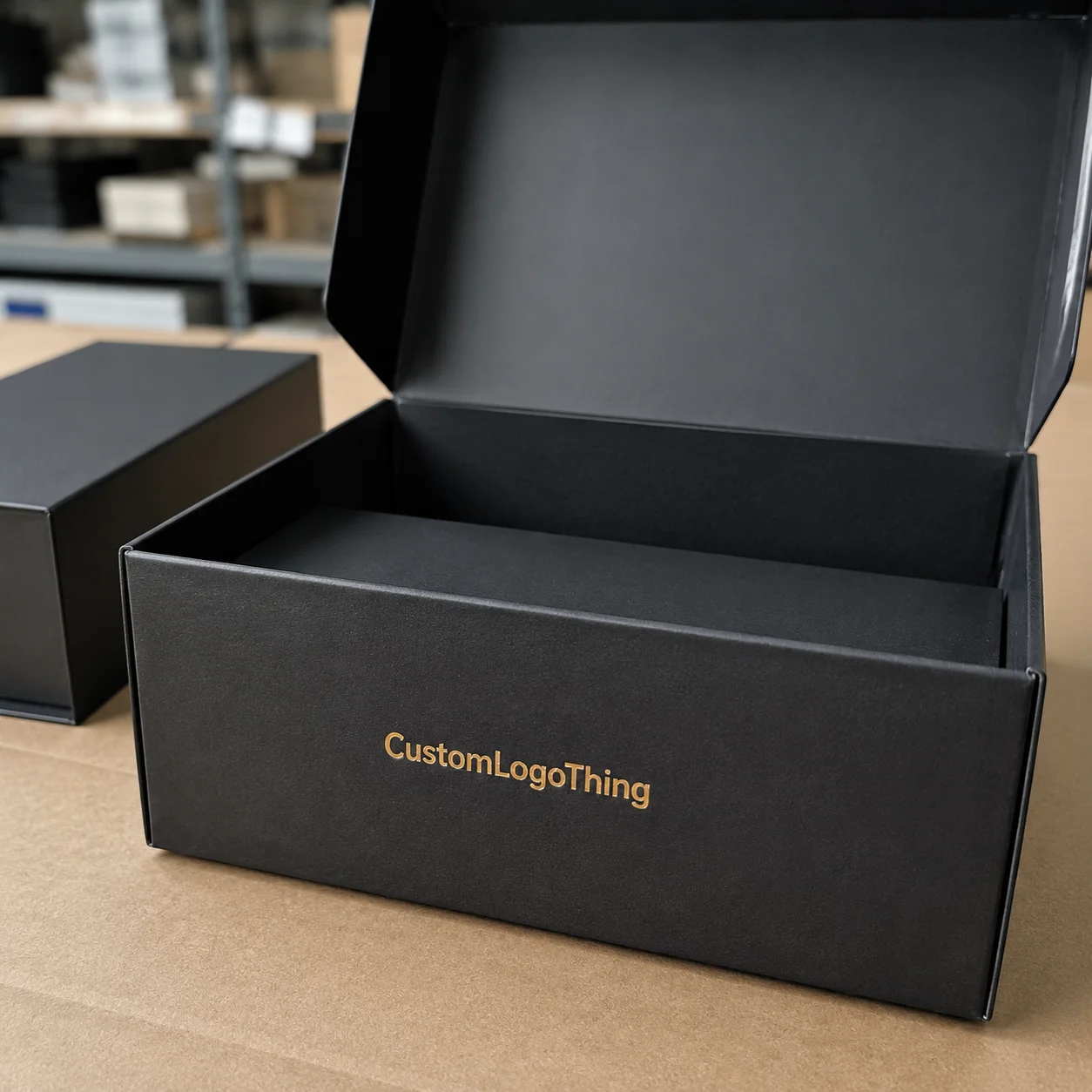
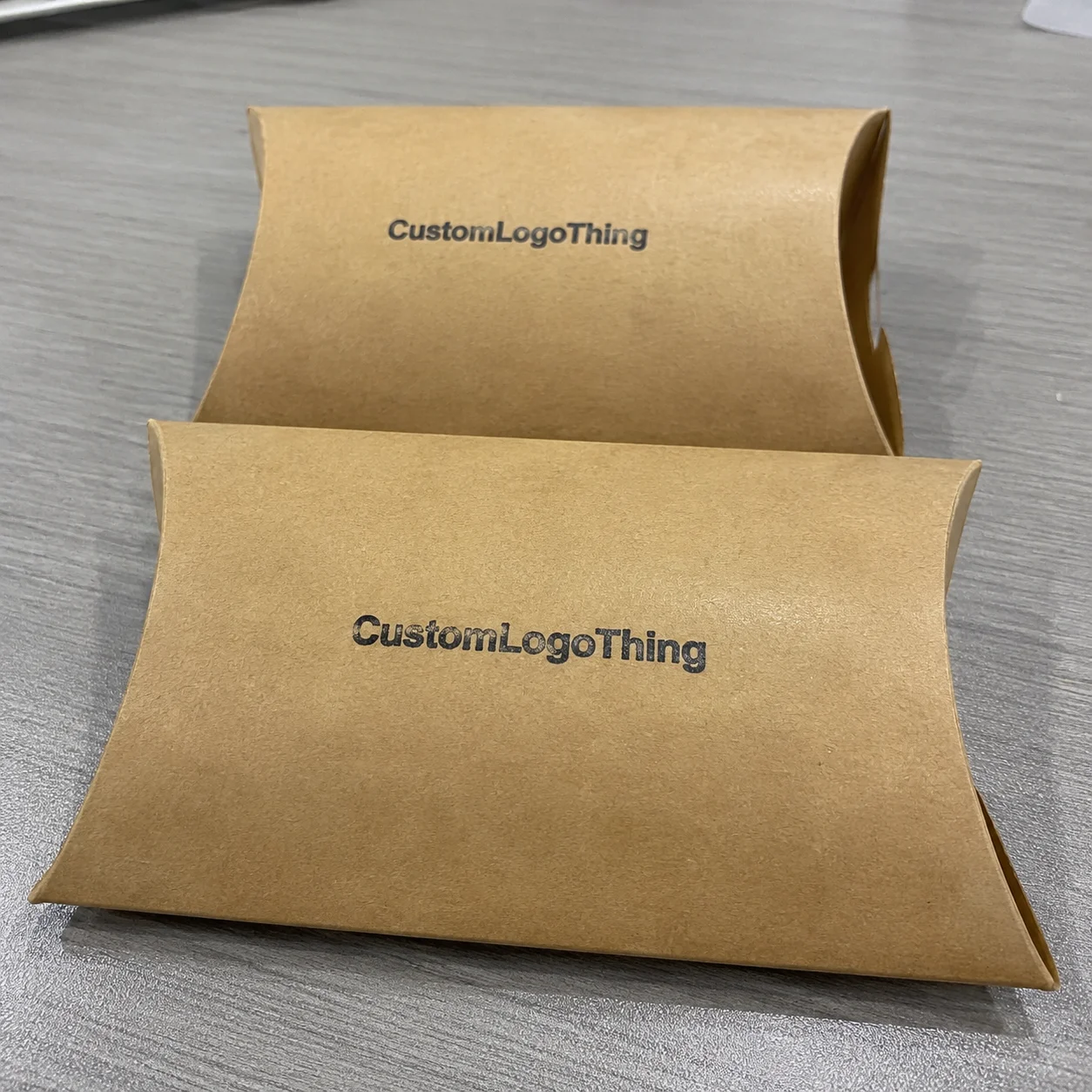
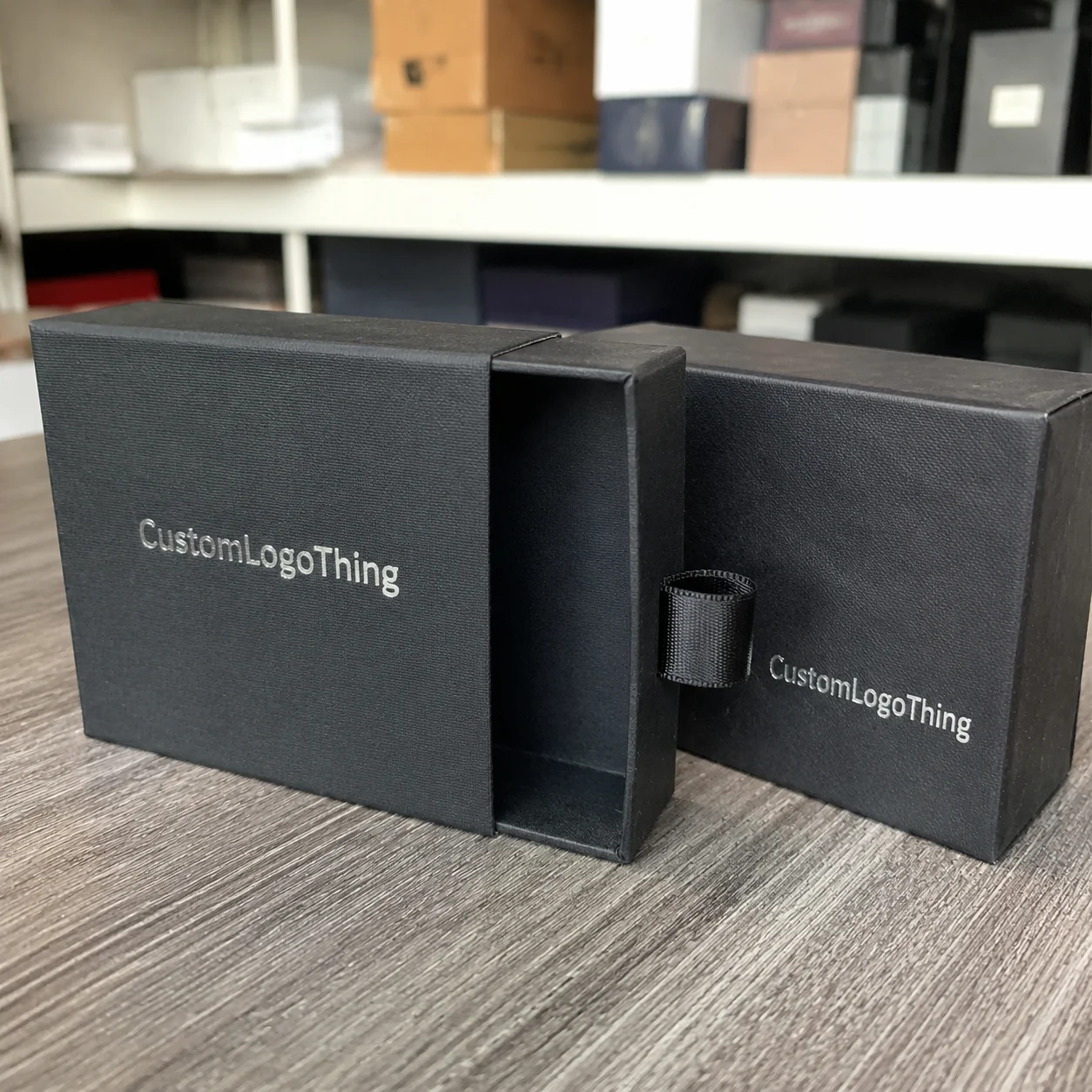
Common box types for small brands include mailer boxes, tuck-top boxes, shipping cartons, rigid boxes, and custom inserts. Mailer boxes are usually the workhorse for ecommerce. Tuck-top cartons suit lighter retail products. Rigid boxes feel premium but cost more and usually require more storage. The best choice for custom boxes for small business depends on product weight, shipping method, and brand positioning, whether you are shipping from London, Los Angeles, or a warehouse in Phoenix.
| Box style | Typical use | Relative cost | Best for |
|---|---|---|---|
| Mailer box | Ecommerce shipment | Moderate | Subscriptions, gifts, apparel, beauty kits |
| Tuck-top box | Retail shelf or light shipping | Low to moderate | Cosmetics, supplements, small accessories |
| Shipping carton | Transit protection | Low | Heavy or bulk items |
| Rigid box | Premium presentation | High | Luxury gifts, electronics, high-margin goods |
Digital mockups help, but they are not enough by themselves. I’ve seen a mockup look perfect on screen and fail in the hand because the product slid when the flap closed. That is why physical samples matter. A sample reveals how the board feels, how the print lands on the surface, and whether the closure holds under pressure. For custom boxes for small business, one sample can save a run of 5,000 units from disaster, especially when the first run is being produced in Dongguan or Ningbo for a launch in New York.
Timelines usually break down like this: 2 to 4 business days for artwork and dieline confirmation, 5 to 10 business days for sample production depending on box complexity, 10 to 20 business days for manufacturing, and then freight on top. Rush work is possible, but it often costs more because the factory may need to reshuffle machine time or split a carton line. That is not always the case, but it happens often enough to plan around. A printed run in California may be ready in 8 business days; a comparable run in Ho Chi Minh City may be cheaper but require 3 to 5 additional transit days.
If you are sourcing custom boxes for small business from overseas, add customs clearance and port delays into the schedule. A carton run can be “done” at the plant and still be two weeks away from your warehouse. I’ve seen smart founders learn that lesson the hard way, usually after promising a launch date with all the confidence in the world. That is why good suppliers talk in full landed timelines, not just production days, and why they specify whether the quote is EXW, FOB, or DDP.
Key Factors That Shape the Best Custom Boxes for Small Business
Five decision buckets drive most packaging outcomes: protection, branding, cost, sustainability, and operations. Ignore one and the box may look good on a quote sheet but fail in real life. That is the trap with custom boxes for small business. The box is rarely “just a box.” It is a set of tradeoffs, and the tradeoffs are visible in the first 30 seconds of assembly on a fulfillment table in Denver or Birmingham.
Start with protection. A 14-ounce candle does not need the same structure as a glass serum bottle, and neither one needs the same insert strategy as a ceramic planter. Surface finish matters too. A high-gloss paperboard may look striking, but it can show scuffs faster than an uncoated or matte stock. For fragile products, the question is not “Can it look premium?” It is “Can it survive handling, vibration, and a 30-inch drop?” Standards like ISTA test methods exist for a reason, and a test from a lab in Chicago can reveal more than a month of guesswork.
Branding comes next. Good package branding is usually restrained. That sounds counterintuitive, because founders often want every inch of the box to “say something.” The boxes that perform best tend to use one strong logo, one or two brand colors, and a clean interior message. That is enough for most custom boxes for small business. Dense copy and noisy graphics often print poorly, especially on kraft or recycled board sourced from mills in North America or southern China.
Cost is where reality shows up. Order quantity, board grade, print method, and finishing all affect the final price. A 1-color flexographic box will usually cost less than a 4-color digitally printed mailer with soft-touch lamination and foil stamping. If your product margin is $8, you cannot spend $2.50 on packaging without a strong reason. If your margin is $60, the math changes quickly. A brand in San Diego selling a $38 hair tool set can usually justify a far more polished carton than a wholesaler moving $9 hardware accessories.
Sustainability deserves honesty, not slogans. Recycled corrugate, FSC-certified paperboard, right-sized cartons, and reduced void-fill are all meaningful choices. “Eco-friendly” on a box is not proof of much. If the package is oversized, heavy, or coated in too much plastic film, the green claim weakens. For brands asking for custom boxes for small business, I usually recommend the simplest sustainable win first: reduce empty space. That cuts freight, filler, and often customer frustration too. See EPA recycling guidance for broader material considerations. A box trimmed by just 12 mm in each direction can reduce shipping volume enough to matter on a 2,000-unit order.
Operations often decide whether the packaging works week after week. Do you have shelf space for 1,000 flat-packed cartons? Can your fulfillment team fold the box in under 20 seconds? Will the supplier hold your dieline for a reorder, or will you need to rebuild artwork every time? These questions sound boring until a packing line gets backed up at 4:30 p.m. and someone is manually taping the last 80 units. I have been in that room in Newark, and it is not charming. For custom boxes for small business, the best board spec is useless if the packout takes 47 seconds per unit.
Here is a fast checklist I use when evaluating custom boxes for small business with clients:
- Product weight: under 1 lb, 1 to 3 lbs, or heavier than that?
- Transit risk: low, moderate, or high drop sensitivity?
- Brand goal: retail shelf, ecommerce unboxing, or gift presentation?
- Storage limit: do you have room for flat cartons in bulk?
- Reorder frequency: monthly, quarterly, or seasonal?
One supplier negotiation I remember well involved a skincare brand in Portland that wanted a foil-stamped rigid box for every unit, but their reorder volume was only 300 at a time. The supplier quoted a premium because setup time ate the margin. We shifted them to a printed folding carton with an embossed logo panel and upgraded insert. The customer still got a polished experience, and the brand saved nearly 28% on packaging spend. That is the kind of compromise that makes custom boxes for small business workable.
Pricing and Budgeting: What Custom Boxes for Small Business Really Cost
Pricing is where most packaging conversations get vague, so let’s make it concrete. For custom boxes for small business, the final unit price is usually shaped by six line items: setup, design support, material, print method, finishing, and freight. Those costs are not always shown clearly on the first quote, which is why comparing “per box” numbers without context can be misleading. A quote from a factory in Guangzhou can look cheaper than one from Ohio until you add freight, duty, palletizing, and cartons for the master shipper.
A basic 1-color mailer in corrugated board might land at around $0.62 to $0.95 per unit for 1,000 pieces, depending on size and board. A 4-color printed mailer with matte lamination may land closer to $1.10 to $1.85. Add specialty finishes like foil, embossing, or spot UV, and the number can move well beyond that. These are typical working ranges, not guarantees, because box size and freight zone matter just as much as print. In a 5,000-piece run, some suppliers can quote as low as $0.15 per unit for a simple unprinted structural carton, but only when the dimensions are standardized and the board grade is uncomplicated.
Lower quantities almost always cost more per box. That is not a sales trick; it is basic manufacturing economics. The press setup, die cutting, plate prep, and proofing costs get spread across fewer units. If a run of 5,000 boxes costs $0.38 each and a run of 500 boxes costs $0.92 each, the math is telling you where the fixed costs sit. For custom boxes for small business, volume is the biggest price lever you control, and it is why many brands in the UK and Canada move from 250-piece trial runs to 1,000-piece orders once demand proves out.
| Packaging choice | Typical unit cost range | What you get | Best fit |
|---|---|---|---|
| Plain mailer | $0.30–$0.55 | Transit protection only | Low-margin fulfillment |
| Printed mailer | $0.62–$1.85 | Protection plus branding | Most ecommerce brands |
| Rigid presentation box | $2.50–$6.50 | Premium unboxing and shelf presence | Giftable, high-margin products |
| Custom insert system | $0.18–$1.20 | Product stability and layout control | Fragile, multi-item kits |
Hidden costs catch people off guard. Sample revisions can add a week and a few hundred dollars. Rush production may trigger overtime. Oversized cartons can increase shipping class and waste void-fill. Ordering 2,000 boxes when you only need 700 in the next quarter can tie up cash and warehouse space. That is the quiet part of custom boxes for small business: packaging is a financial decision, not just a creative one. A brand in Minneapolis that saves $0.08 per unit on print but adds $0.21 in freight because of oversized dimensions is not actually saving money.
My advice is to budget packaging against product price and lifetime value. If your average order is $28 and repeat purchase is rare, you probably need to stay close to the low end of the printed mailer range. If your average order is $95 and customers buy again three times a year, a more elevated box can pay back faster. The logic is simple: the more customer value the packaging supports, the more room you have to spend. A candle subscription in San Francisco can justify a different box than a bulk supplement order in Phoenix.
One practical rule I use: keep packaging at roughly 3% to 10% of retail price for most consumer goods, depending on fragility and category. That range is not a law. Jewelry, cosmetics, and premium gifts often run higher because presentation matters more. Heavy hardware, by contrast, usually needs a tighter spend. For custom boxes for small business, fit the budget to the product economics, not to a competitor’s Instagram feed. If your box is made in Dongguan and ships to Toronto, the landed cost may still be lower than a domestic premium box with expensive finishing.
Step-by-Step: Choosing the Right Custom Boxes for Small Business
Step 1 is measurement, and I mean exact measurement. Measure the product at its widest, tallest, and deepest points, then add space for tissue, wrap, bubble, or inserts if those are part of the packout. I once saw a soap brand in Philadelphia choose a box 6 mm too short because they measured the bar before shrink wrap was added. The whole run had to be adjusted. Custom boxes for small business reward precision, especially when the final carton has to fit a 100 ml bottle, a dropper, and a leaflet in the same cavity.
Step 2 is defining the customer journey. Ask where the box begins and ends. Does it arrive by parcel carrier, sit on a retail shelf, or get handed over in a boutique bag? Will customers keep the box for storage? Will they reuse it for returns? The answer changes structure, print, and even closure style. A fold-and-tuck box with a thumb notch feels different from a magnetic rigid box, and that difference matters in custom boxes for small business, particularly when the unboxing happens in a home in Seattle versus a counter sale in Nashville.
Step 3 is box style selection. If the product ships directly to homes, a mailer box may be the smartest option because it balances durability and presentation. If the product is light and sold in retail, a tuck-top carton may work better. If there is a bundle of items, you may need inserts or partitions to prevent movement. The best custom boxes for small business designs are the ones that reduce extra packing steps while still protecting the product. A box built for a 3-item candle set in Denver should not require a separate outer shipper just to survive standard parcel handling.
Step 4 is artwork preparation. This is where many first-time buyers slow down. A clean logo file, Pantone references if needed, correct bleed, and readable copy can save a round of revisions. I recommend building a simple file checklist before sending anything to print:
- Confirmed box dimensions and dieline version
- Vector logo files
- Final copy approved for front, side, and inside panels
- Color specs: CMYK, Pantone, or both
- Barcode or QR code tested at actual print size
Step 5 is sample approval and real-world testing. Do not approve a box only because it looks good on a PDF. Assemble it. Load it. Shake it gently. Drop it from a realistic handling height. Put it in a shipping carton if that is the final packout. Some suppliers use ISTA-inspired internal testing, and that is useful, but your own real-world check matters too. For custom boxes for small business, one afternoon of testing can prevent weeks of customer complaints, and it can tell you whether 18pt SBS is enough or if you really need corrugate.
Here’s a packaging brief structure I recommend before requesting quotes:
- Product name and dimensions
- Target quantity: 500, 1,000, or 5,000 units
- Box type preference
- Shipping method and destination
- Brand assets available
- Target budget per unit
- Desired finish: matte, gloss, soft-touch, natural kraft, or premium rigid
When that brief is complete, suppliers can quote accurately. When it is not, you get a guessing game. I’ve sat in meetings where three vendors quoted wildly different numbers because one assumed a shipping box, another assumed a display carton, and the third assumed a premium printed rigid structure. The fix was not better pricing. It was clearer inputs. That is often the real secret behind successful custom boxes for small business, whether the boxes are produced in Ontario, Malaysia, or Southern California.
Common Mistakes Small Brands Make With Custom Boxes
The biggest mistake is choosing packaging based on appearance alone. A beautiful box that crushes in transit is not a good box. I’ve seen brands spend more on foil than on board strength, then blame the carrier when dents showed up. With custom boxes for small business, structure comes before decoration. A box built in a Manila plant with flimsy board and no edge support may look fine on a monitor and fail after one route in a parcel truck.
Another common error is overbranding. Too much text, too many colors, and too many messages can make the box feel busy. I once reviewed a snack brand’s packaging that had a slogan, ingredients, a QR code, a mission statement, and three social handles on every panel. The result looked more like a brochure than a box. Cleaner custom printed boxes usually perform better because they are easier to read and cheaper to print. A single black logo on kraft stock can often do more than a full-cascade design with seven ink colors.
Sizing mistakes are expensive. If the box is too large, the product moves. If it is too small, the carton may bulge or fail during closure. Extra dead space also pushes up freight cost because you are shipping air. That is especially painful for ecommerce where dimensional weight can change the shipping class. For custom boxes for small business, a few extra millimeters can cost money every single shipment. A 10 x 7 x 4 inch carton may cost less to ship than a 12 x 9 x 5 inch carton, even if the product weighs the same 14 ounces.
Skipping samples is another classic misstep. Online mockups can hide weak corners, inaccurate colors, or insert fit issues. A proofing checklist helps too. Verify spellings, barcodes, panel orientation, and the inside/outside print sequence. I’ve had clients catch a reversed flap only because they assembled the sample on a packing table and noticed the logo disappeared when the lid folded. That kind of error is easy to miss on screen, and maddening if you discover it after 1,000 boxes are already in the warehouse.
Timeline mistakes hurt just as much. People often plan for production but forget approval time, freight time, and delays caused by artwork revisions. A factory can finish a run in 12 business days and the boxes still won’t arrive for another 10 to 18 days depending on the lane. Custom boxes for small business need schedule discipline. Otherwise, launch dates slip and fulfillment teams scramble. A launch planned for April 5 in Boston can easily become April 19 if the proof sits untouched for four days.
A final warning: do not assume every supplier uses the same material spec. “350 gsm board” from one source may not behave the same as “350 gsm board” from another if coatings or flute profiles differ. Ask for exact construction details, not broad labels. That is how you avoid the uncomfortable moment when a quote looks perfect and the sample feels flimsy. Ask whether the carton is 350gsm C1S artboard, 32 ECT corrugated, or a hybrid build with a separate wrap, because those differences change how the box performs in real shipping.
Expert Tips to Get More Value From Custom Boxes for Small Business
One of the smartest moves I’ve seen is a brand using a single versatile box size for three product lines. The box had a custom insert system that adapted to two jar sizes and one bottle size. That simplified inventory, reduced MOQ headaches, and improved reorder speed. Versatility is underrated in custom boxes for small business. A tea brand in Vancouver, for example, can use one mailer width for both sampler packs and full-size tins if the insert is designed carefully.
Print strategically. You do not need to cover every square inch. A strong logo, one brand color, and a short inside message can carry more impact than a crowded full-wrap design. I’ve seen bare kraft mailers become memorable just by adding a deep black logo, a one-line thank-you note, and a clean interior print. That is often enough for excellent branded packaging. In many cases, a two-color print on a 32 ECT mailer is more effective than a four-color design with weak contrast.
Unboxing improvements do not always require expensive finishes. Tissue paper, a printed thank-you card, or a simple insert can elevate the experience without adding much to the unit price. In some cases, a well-fitted insert is more valuable than a glossy exterior because it reduces product movement and damage. For custom boxes for small business, functional beauty usually wins. A $0.06 card and a $0.12 insert can do more for perceived care than a $0.40 coating upgrade.
Supplier-side questions save time and money. Ask what material they recommend for your product weight. Ask whether the design is easy for fulfillment staff to assemble. Ask for sample photos from similar clients. Ask how they handle reorders. A supplier with good records can often reproduce a box faster because the dieline, finish, and production spec are already documented. That matters when you are scaling custom boxes for small business from 500 units to 5,000, especially if the factory is in Suzhou or a domestic plant in Ohio.
Batch planning helps too. If you know you will launch a seasonal bundle, order packaging early enough to avoid rush freight. Last-minute box orders are where budgets get punished. A planned reorder system lets you keep an eye on inventory, production lead time, and storage cost. Small brands that treat packaging like stock management usually outperform those that order only when they are almost out. A 6-week reorder window is far safer than hoping a rush job will clear in time for a December launch.
One more practical note: compare your packaging supplier against the broader category, not just one quote. If you need both cartons and inserts, look at complete Custom Packaging Products rather than item-by-item buying. A supplier that understands the full packout often spots efficiency opportunities a single-item vendor misses. That can lower total cost even if the box price itself is not the absolute lowest, especially when the final shipment must land in Atlanta, Paris, or Vancouver on a fixed retail schedule.
“The cheapest quote is often the most expensive mistake.” I’ve heard that from plant managers in Guangdong and Illinois, and I’ve seen it play out when low-cost boxes crushed under normal parcel handling. The invoice looked great. The replacement cost did not.
The best custom boxes for small business do three things at once: they protect the product, they support the brand, and they make life easier for the people packing orders. If one of those is missing, the design is incomplete. A box that works in a 2-person shop in San Diego and still performs after 1,500 units a month is doing real business work, not decorative work.
Next Steps: How to Start Your Custom Boxes for Small Business Project
If you want to move forward, start with the basics: measure your product, set a realistic packaging budget, gather your logo files, and write a one-page packaging brief. That brief should include dimensions, quantity, shipping method, target price, and whether you need inserts, coatings, or special finishes. For custom boxes for small business, the clearer the brief, the smoother the quote process. A supplier in California or Vietnam can usually quote faster when they know whether the final packout needs a 1-piece mailer, a tuck-end carton, or a 2-part rigid setup.
Then compare box styles against how the product ships. A box that looks perfect on a shelf may be inefficient in parcel delivery. A box that is great for fulfillment may not communicate enough premium value for retail. The right decision depends on the customer journey, not on a catalog photo. That is the part many people get wrong. A matte black mailer can be ideal for a direct-to-consumer skincare drop, while a kraft tuck-top carton may make more sense for a farmer’s market brand in Portland.
I also recommend ordering samples before committing to a full run. Even a single sample can show you whether the closure feels right, whether the artwork sits where you expected, and whether the product fits with enough tolerance. If you sell multiple SKUs, test the main one first and then verify the edge cases. That is usually the fastest path to reliable custom boxes for small business. A sample approved in 48 hours can save a 3,000-unit run from a costly reprint later.
Once you have a sample, run a small shipping test. Send a few units to different addresses, preferably by your normal carrier. Check the corners, the print, the insert fit, and the customer reaction. The feedback is often sharper than any internal opinion. I’ve seen a brand discover that customers loved a small interior message and barely mentioned the exterior graphics. That kind of insight helps refine product packaging without overcomplicating it, and it often comes from a test shipment to three ZIP codes rather than a boardroom debate.
If you want a short checklist, use this:
- Measure product dimensions precisely
- Set a per-unit budget range
- Gather logo, copy, and color specs
- Request quotes from more than one supplier
- Approve a sample after real handling tests
- Plan reorders before inventory runs low
There’s no prize for the fanciest packaging if it is late, damaged, or too expensive for your margin. The winning version of custom boxes for small business is usually the one that supports sales and operations at the same time. That balance is harder than it looks, but it is absolutely worth getting right. A box produced in Newark, shipped to Ohio, and packed in under 15 seconds is doing the quiet work that keeps a business healthy.
FAQ
How do custom boxes for small business help with branding?
They make the brand recognizable from the moment the parcel arrives. Consistent colors, logo placement, and box style create a more polished customer experience, and that can encourage photos, shares, and repeat purchases. In practical terms, custom boxes for small business turn delivery into part of the brand story, whether the box is opening in Miami, Manchester, or Melbourne.
What is the minimum order for custom boxes for small business?
Minimums vary by supplier, box style, and print method. Simple mailers or folding cartons may allow lower entry quantities than rigid boxes or special finishes. If you are starting small, ask about short-run samples or low-MOQ options before you commit to a larger quantity of custom boxes for small business. Some factories will start at 250 units, while others want 500 or 1,000 depending on the die and print setup.
How long does it take to produce custom boxes for small business?
Production time depends on sampling, artwork approval, manufacturing, and freight. File changes and dieline revisions are common delay points. A straightforward run can move quickly, but if you want custom boxes for small business delivered on schedule, approve proofs promptly and leave room for shipping time. In many cases, the full timeline is typically 12-15 business days from proof approval, plus transit.
Are custom boxes for small business expensive?
They can be cost-effective when the box style and quantity match the product margin. Per-unit pricing usually drops as volume rises, and simple designs on standard materials are usually the easiest place to start. For many brands, custom boxes for small business are less expensive than the losses caused by damage, poor presentation, or oversized shipping. A 1,000-piece run at $0.78 per box is often easier to defend than replacing ten damaged orders a week.
What should I prepare before ordering custom boxes for small business?
Have exact product dimensions, a rough quantity estimate, brand artwork, shipping details, and a target budget ready. A clear packaging brief helps suppliers quote accurately and reduces revisions. The more complete your prep, the faster you can move from idea to finished custom boxes for small business, especially if your supplier is quoting from Shenzhen, Los Angeles, or Toronto.
If I had to boil this down to one sentence, it would be this: good custom boxes for small business protect the product, strengthen package branding, and keep the operation realistic. That combination is rare, but it is the standard worth aiming for, whether your first run is 500 units or 5,000. The best next move is simple: measure the product precisely, ask for a sample, and test it in real shipping conditions before you place the full order.