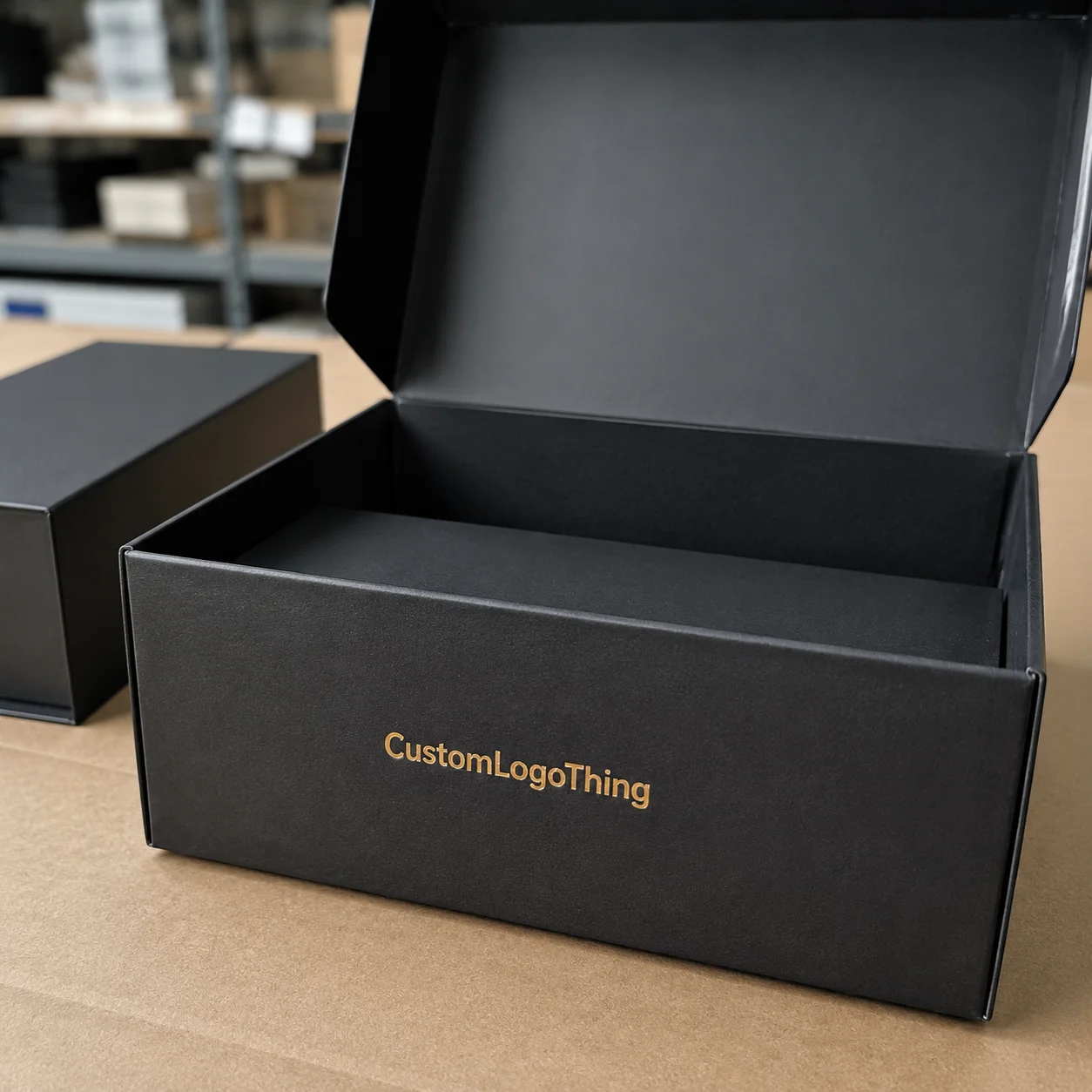
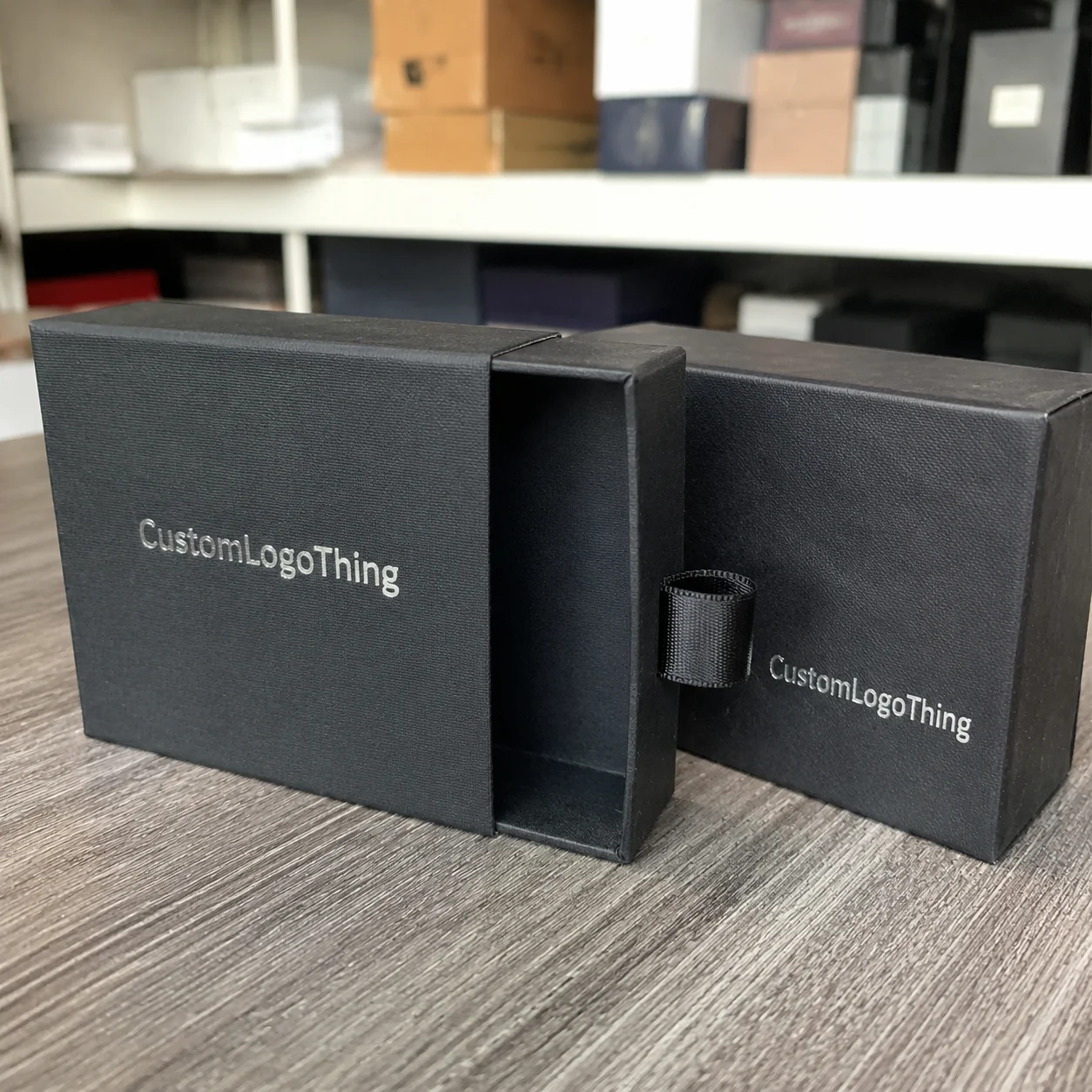
Buyer Fit Snapshot
| Best fit | Custom Mailer Boxes with Logo projects where brand print, material claims, artwork control, MOQ, and repeat-order consistency need to be specified before quoting. |
|---|---|
| Quote inputs | Share finished size, material target, print colors, finish, packing count, annual reorder estimate, ship-to region, and any compliance wording. |
| Proofing check | Approve dieline scale, logo placement, barcode or warning zones, color tolerance, closure strength, and carton packing before bulk production. |
| Main risk | Vague material claims, crowded artwork, missing packing details, or unclear freight terms can make a low unit price expensive after revisions. |
Fast answer: Custom Mailer Boxes with Logo: Design, Cost, and Use should be specified like a repeatable production item. The safest quote records material, print method, finish, artwork proof, packing count, and reorder notes in one written spec.
Production checks before approval
Compare the actual filled-product size with the drawing, then confirm tolerance on folds, seals, hang holes, label areas, and retail display edges. Reserve space for logos, QR codes, warning copy, and material claims before decorative graphics fill the panel.
Quote comparison points
Review material grade, print process, finish, sampling route, tooling charges, carton quantity, and freight assumptions side by side. A quote is only useful when the supplier can repeat the same color, closure quality, and packing count on the next order.
On a packing line, custom mailer Boxes with Logo are rarely just “the box.” I’ve stood beside conveyors in Dongguan, Shenzhen, and a plant outside Chicago where the carton is the first thing the customer touches, the first thing the warehouse team scans, and sometimes the first thing that tells the brand story before the product even appears. I remember one factory visit in Guangdong where a line supervisor picked up a plain shipper, shrugged, and said, “It works.” Then he held up a printed mailer and said, “This one actually sells.” Yeah. That about sums it up. That is why custom mailer boxes with logo carry more weight than most people expect, especially once you’ve watched a pallet of plain shippers disappear into a fulfillment center and compared that to a run of printed mailers that customers actually save.
At Custom Logo Things, the conversation usually starts with branding, but the real job of custom mailer Boxes with Logo is a little broader: protect the item, keep the shipping process efficient, and present the product in a way that feels intentional rather than improvised. When those three things work together, the package feels like branded packaging instead of just a container. Honestly, I think that’s the difference between “we shipped it” and “we built a brand experience.” Small wording shift. Huge business impact. And in a project I reviewed for a skincare brand in Los Angeles, that shift alone helped the team justify moving from plain brown shippers to printed mailers at $0.31 per unit on a 10,000-piece run.
Custom Mailer Boxes with Logo: Why They Matter
Many brands assume a mailer box is only there to survive transit, but that view misses what happens at the packing table. In my experience, custom mailer boxes with logo often become the first physical brand touchpoint a customer remembers, especially in ecommerce where the outside of the parcel may be the only retail packaging the buyer sees before opening the order. I’ve watched a candle brand in New Jersey switch from plain corrugated shippers to custom mailer boxes with logo, and their returns team told me customers began sending photos of the box itself before they ever mentioned the wax or fragrance. That’s not a minor detail. That’s free marketing with cardboard attached, and the same brand later reordered 8,000 units in three colorways because the unboxing photos kept showing up on Instagram.
Plain language helps here: custom mailer boxes with logo are sturdy folding carton-style shipping boxes printed or decorated with a brand mark, used for ecommerce, subscription kits, gift sets, and promotional fulfillment. You’ll see them in apparel, beauty, supplements, candles, influencer PR kits, and even small electronics. The format is popular because it can act like product packaging and shipping packaging at the same time, which often removes the need for an extra outer carton. Less nesting doll nonsense. More efficiency. A standard 350gsm C1S artboard mailer works well for lighter presentation kits, while E-flute corrugated is better for heavier shipments that need more crush resistance on routes through Texas, Ontario, or cross-border freight lanes.
That double duty matters on a busy line. A well-built mailer protects against scuffs, minor compression, and handling wear, while a well-designed exterior creates an unboxing moment that feels deliberate. I’ve seen brands spend money on tissue paper, stickers, and filler when a cleaner approach with custom mailer boxes with logo would have delivered a better result with less labor. Honestly, I think a lot of companies overcomplicate package branding because they separate “shipping” from “presentation” when the customer experiences both at once. In a Seattle fulfillment center I visited, removing two filler items saved 14 seconds per order, which added up to real labor savings over a 5,000-piece month.
The feel of the box changes with small decisions. A kraft board with a single black logo reads differently than a white SBS mailer with soft-touch lamination and foil stamping. The first feels earthy and practical; the second feels like premium retail packaging. Neither is automatically better. It depends on the product, the shipping lane, and what the brand wants to signal. A $0.15-per-unit kraft version at 5,000 pieces can be the right answer for refill kits, while a $0.94 premium mailer from a plant in Shenzhen makes more sense for PR boxes heading to influencers in New York or London.
One thing I tell clients is this: custom mailer boxes with logo are not just design objects. They are working parts of a warehouse system. If the box jams the line, crushes at the corners, or slows pack-out because the tuck flap is awkward, that beautiful branding becomes a daily annoyance. Good packaging design respects both the customer and the person sealing 2,000 orders before lunch. Trust me, nobody wants to be the person fighting a stubborn flap at 6:30 a.m. with a pallet jack beeping in the background. And if the spec is wrong by even 2 mm, you’ll hear about it from the packers before the designer even finishes their coffee.
How Custom Mailer Boxes with Logo Are Made
The manufacturing flow for custom mailer boxes with logo starts long before ink hits board. First comes the dieline, which is the flat structural template that shows folds, cut lines, glue areas, and lock tabs. On the factory floor, I’ve seen a one-millimeter mistake in the dieline cause a whole run to bow at the closure panel, and once that happens, the line operators notice it immediately because the box no longer closes with the clean snap everyone expects. A millimeter sounds tiny on a screen. On a production line in Dongguan, it becomes everyone’s problem very fast.
After the dieline is approved, structural engineering checks the inside dimensions, board thickness, and product fit. Then the artwork is placed onto the template, print files are prepared, and the plant moves into production. The steps usually run in this order: print, die cut, score, fold, glue, inspect, pack flat, and palletize. For custom mailer boxes with logo, those small details matter, because a clean score line and correct glue flap tolerance can be the difference between a box that stacks neatly and one that opens during transit. A corrugated mailer with a 1.5 mm flute profile will behave very differently from a 350gsm C1S board mailer once it’s packed on a 1.2-meter pallet for export.
Board selection changes everything. E-flute corrugated is a common choice because it gives better cushioning and crush resistance, especially for fragile goods or heavier bundles. White SBS paperboard is smoother and better for high-detail graphics, but it does not behave like corrugated when the shipment gets rough. Kraft paperboard gives a more natural look and pairs well with earthy branding. In our Shenzhen facility conversations, I’ve often advised brands to pick the board based on how the package will travel, not just how it looks on a sample table under bright lights. That sample table is usually lying to you anyway. A box that looks perfect in a showroom can show edge whitening after two airport transfers and a week in a humid warehouse in Singapore.
Print method is the next big choice. Digital printing works well for short runs and fast turnarounds because the setup is simpler and variable artwork is easier to manage. Flexographic printing is efficient for larger runs and simpler graphics, especially one- or two-color branding on kraft. Offset lithography is usually the best choice when a brand wants crisp detail, gradients, and highly controlled color across a bigger order. Custom mailer boxes with logo can be produced with any of these methods, but the right answer depends on quantity, image complexity, and budget. A 1,000-piece digital order in 10 business days is one thing; a 20,000-piece flexo run moving through a Guangzhou plant is a very different beast.
Finish options are where custom mailer boxes with logo start to feel more like retail packaging than shipping packaging. Matte lamination gives a softer, quieter surface. Gloss makes color pop. Soft-touch lamination adds a velvety hand-feel that many beauty and apparel brands like. Aqueous coating is practical and cost-conscious. Foil stamping, embossing, and spot UV all add dimension, but they also increase setup complexity. I’ve had client meetings where the design team wanted three special finishes on a box that was going to ship 18-ounce glass jars; that’s usually the point where I remind everyone to prioritize durability first and decoration second. Otherwise you’re just decorating a problem. A foil-stamped lid on a box that costs $0.42 to make sounds cute until the corner crush rate jumps and the returns team starts screaming.
There are also practical issues that never show up in a mockup. Glue flap width affects bond strength. Score quality affects how the board folds after 500 or 5,000 openings. Insert design controls whether a product rattles around or arrives seated properly. In one factory outside Chicago, I watched a team test inserts for a skincare set by dropping fitted samples from 30 inches in three orientations, then checking for edge rub on the bottles. That kind of field reality is exactly why custom mailer boxes with logo should be treated as part of a controlled packaging system, not just a printing job. If the insert is off by 3 mm, the bottle leans, the cap scuffs, and the customer opens a “premium” kit that looks like it had a rough night.
If you want to compare mailer styles alongside other branded formats, the broader catalog of Custom Packaging Products can help you see where mailers fit against cartons, sleeves, and insert-based kits. For brands that need lightweight postal packaging, Custom Poly Mailers can also be worth evaluating, especially when weight and moisture resistance are top priorities. I’ve seen West Coast apparel brands save 18% on outbound shipping by switching some SKUs to poly mailers and keeping custom mailer boxes with logo only for premium drops.
Key Factors That Affect Design and Price
Price is where custom mailer boxes with logo get misunderstood most often. Buyers look at a sample and assume the quote is mostly about print, but the real cost is driven by size, board grade, print coverage, finish complexity, and quantity. A small run of 500 custom mailer boxes with logo with full-bleed artwork and soft-touch lamination can cost more per unit than a run of 10,000 plain kraft mailers with one-color branding, even if both boxes look simple from across a room. That’s the part people hate hearing, but it’s still true. A 500-piece premium run can land around $1.12 per unit, while 5,000 units of a simpler version can drop to $0.15 per unit if the structure is standard and the print is limited.
Order quantity matters because setup costs are fixed. Plates, cutting dies, press setup, sample approval, and machine changeovers all need to be paid for, and those costs spread more efficiently when the run is larger. That is why custom mailer boxes with logo often get cheaper per unit at higher volumes. I’ve seen a kraft mailer drop from $0.74 each at 1,000 units to $0.31 each at 10,000 units once setup was distributed across the larger batch. Same box. Different math. Very different mood in the pricing meeting. A supplier in Dongguan once showed me the numbers on a 15,000-piece order and the per-unit cost fell another 9 cents simply because the print line stayed on the same board grade for the whole run.
Hidden variables can bite budgets. Inserts add material and labor. Multiple artwork versions add prepress time. Specialty inks can require extra handling. A window cutout changes the die. Box dimensions can even affect postage because a carton that crosses a carrier threshold may shift a package into a more expensive zone. That is why a quote for custom mailer boxes with logo should always account for the package as shipped, not just the sheet as printed. I’ve sat through enough supplier negotiations to know the “little” line item is usually where the budget starts crying. A 1/8-inch bump in depth can push a parcel into a higher dimensional weight tier, and suddenly the packaging savings disappear into postage.
| Option | Typical Use | Approx. Unit Cost at 5,000 pcs | Typical Lead Time | Notes |
|---|---|---|---|---|
| Kraft mailer, one-color logo | Apparel, basics, simple ecommerce orders | $0.15–$0.32 | 10–14 business days | Good for cost control and low-friction pack-out |
| White SBS mailer, full-color print | Beauty, gifts, subscription sets | $0.28–$0.58 | 12–16 business days | Better graphics, less crush resistance than corrugated |
| E-flute corrugated mailer, printed exterior | Fragile or heavier items | $0.35–$0.72 | 12–18 business days | Stronger structure, good for shipping performance |
| Premium mailer with foil and soft-touch | Luxury, PR kits, retail presentation | $0.68–$1.40 | 15–25 business days | Best for high perceived value, but higher setup complexity |
Budget tiers help buyers make sensible decisions. A simple kraft version with one-color branding is often enough for subscription refills, sample kits, or low-margin goods. Mid-tier custom mailer boxes with logo usually include better print coverage, a more polished exterior, and maybe an interior message or pattern. Premium versions add multi-panel artwork, foil, embossing, or a custom insert. I’m blunt about this with clients: if the product sells on price, do not overspend on finishes. If the box is part of the selling story, that same finish can pay for itself through perceived value and repeat sharing. I’ve seen beauty brands in California get away with a $0.78 box because the social media lift was real; I’ve also seen snack brands waste money on foil when the customer threw the mailer straight in the recycling bin.
The smartest packaging design choices usually reduce waste rather than add decoration. A box sized properly for the item can cut void fill, lower damage rates, and keep shipping costs down. If a set of candles arrives loose in a carton, people blame the box and the brand. If the same candles arrive in custom mailer boxes with logo with a snug insert and clean closure, the product feels more expensive even if the raw materials only changed by a few cents. One project I reviewed in Toronto used a custom insert that cost $0.04 more per unit but reduced breakage enough to save far more than that in replacements.
For brands comparing custom printed boxes, I like to talk about the difference between “nice enough” and “economically justified.” A premium look is wonderful, but if it adds 14 days to production and pushes your fulfillment team into overtime, you may not actually win anything. Custom mailer boxes with logo should support sales, not complicate them. If your launch date is fixed for March 18 and your samples won’t be approved until March 6, the premium finish might need to wait. Simple math. Annoying, but simple.
Step-by-Step Process for Ordering Custom Mailer Boxes with Logo
The best projects start with measuring the product properly. I always ask for inside dimensions, not just a rough estimate, because custom mailer boxes with logo are unforgiving when a bottle is 2 mm too tall or a folded garment has more bulk than expected. If the item is irregular, such as a gift set with multiple pieces, the box may need an insert or a wider depth than the team first imagined. That is normal. It is much better to discover the issue during sampling than after 8,000 units are already on a truck. I’ve seen that truck arrive too. Nobody was smiling. One cosmetics client in New Jersey had to rework a 6,000-piece order because the lip balm tray sat 4 mm too high and the lid bowed on close. Fun times. Not really.
Once the dimensions are set, the team should define the shipping goal. Is this box going straight to the customer’s doorstep, or is it also meant to sit on a shelf? Will it be packed by hand or by machine? Do you need custom mailer boxes with logo that can stack 6 high on a conveyor, or are you building a presentation kit that will mostly be opened in a boutique or office? Those answers shape the structural choice, board selection, and closure style. A box made for 2,000 daily warehouse pulls in Atlanta needs different strength than a PR kit headed to 40 influencers in Los Angeles.
Proofing is where good projects get saved. The dieline should show the live area, the bleed, the fold lines, and any glue areas that must stay free of critical text or logos. I’ve reviewed artwork where a brand mark was placed half an inch too close to the lock tab, and it would have disappeared the moment the box was assembled. Vector file formats like AI, EPS, or print-ready PDF are usually the safest starting point because they keep edges clean at production scale. For custom mailer boxes with logo, a sharp proof review is not optional; it is the difference between a clean run and an expensive reprint. If your proof is approved on Thursday, a normal production schedule from a facility in Guangdong or Zhejiang typically runs 12-15 business days from proof approval for a standard one-color or full-color mailer.
Sampling and production timeline depend on the structure and decoration. A basic digitally printed run may move from proof approval to completion in 10 to 14 business days. A premium version with inserts, foil stamping, and multiple revisions can take 15 to 25 business days or more. Material availability matters too. If the paperboard has to be sourced specially, or if a plant is already scheduled heavily, timelines stretch. I always tell clients not to promise a launch date until they have a confirmed sampling path, because custom mailer boxes with logo can move fast, but only when the inputs are ready on time. A plant in Shenzhen can move quickly; a plant in Ohio can move quickly too; what kills speed is waiting on artwork corrections from three people who all think they are the final approver.
Here is a practical workflow that works well on real projects:
- Measure the product and confirm the inside dimensions.
- Choose the board: kraft, SBS, or corrugated.
- Pick the print method based on run size and artwork detail.
- Review the dieline and place artwork with proper bleed.
- Approve a sample or digital proof.
- Lock the reorder spec sheet so the next run matches.
Fulfillment and warehouse planning should happen at the same time. Boxes need to pack flat if the operation stores them in a tight footprint. They need to open predictably if the packers are moving quickly. They need to hold up if the shipment sits in a hot trailer or cold receiving dock for a day. Custom mailer boxes with logo are part of a larger operational system, and the best programs are the ones that make life easier for the team filling orders at 6:45 a.m. with a pallet jack humming in the background. If your warehouse in Dallas is handling 3,000 orders a week, even a half-second saved per box matters.
Common Mistakes Brands Make with Custom Mailer Boxes
The first mistake is choosing the box by outside dimensions alone. That almost always causes trouble. If you only look at the outer measurements, the product may shift inside, or the total carton size may push shipping costs higher than necessary. I’ve seen brands order custom mailer boxes with logo that looked perfect on paper but were 12% too large in practice, which meant more filler, more movement, and higher postage. A box that “sort of fits” is usually the one that creates the most noise in operations. On a 4,000-piece run, that mistake can translate into hundreds of dollars in extra filler alone.
The second mistake is designing artwork before the dieline is confirmed. Logos can land too close to folds, flaps, score lines, or tuck areas. When that happens, the brand mark looks chopped or distorted once the box is assembled. On one cosmetic project, the marketing team had a beautiful front panel that was ruined because the gold foil sat directly over a score line; the foil cracked every time the box opened. That is the sort of thing a prepress review should catch early. If not, congratulations, you just paid extra to make a problem shinier. The fix would have been boring: move the foil 5 mm and approve the revised proof. Boring beats broken.
Another common issue is overusing specialty finishes. A little foil or spot UV can elevate custom mailer boxes with logo, but too much can make the surface busy and raise costs quickly. Special finishes also slow some production steps and can complicate coating adhesion if the file is not built correctly. In my opinion, a clean logo, disciplined typography, and one strong visual idea usually beat a box stuffed with every finish option the sales team can name. Design restraint is underrated because everyone wants to show off at once. I’ve watched a brand in Miami stack matte, foil, emboss, and spot UV onto one lid and then wonder why the unit price jumped from $0.42 to $0.89.
Ignoring product weight and transit stress is another expensive mistake. A lightweight apparel box does not need the same flute profile as a glass bottle kit. Corrugated flute direction matters, corner compression matters, and stack strength matters if pallets are being warehoused before fulfillment. For fragile goods, custom mailer boxes with logo should be tested against realistic handling, not just admired in a sample room. The team at ISTA has long published useful packaging test protocols for transit performance, and that kind of testing mindset is worth following. Their guidance is worth a look at ISTA. If your product sells in Canada and the U.S., test for both seasonal humidity and temperature swings too. Cardboard remembers weather.
The last mistake is forgetting reorders. A first run might be perfect, but if the brand never saves the approved spec sheet, future orders can drift in color, board grade, or structural details. That is how a packaging program slowly becomes inconsistent. I’ve seen companies spend months building a polished system for custom mailer boxes with logo, only to lose the consistency on the second reorder because nobody recorded the exact board callout and print profile. Then everyone acts surprised, which is always adorable. A reorder file with the exact die number, board spec, and Pantone callout can save a lot of regret later.
Expert Tips for Better Branding, Durability, and Unboxing
Keep the logo placement simple and intentional. A mark that reads clearly at arm’s length and in a quick phone photo tends to perform better than one crammed into a corner with too much visual noise around it. For custom mailer boxes with logo, I often recommend one strong front-panel placement, a secondary interior message, and maybe a subtle repeating pattern if the brand story needs more movement. If the customer can identify the brand in two seconds from a porch photo, you’re doing the job right.
Use the box exterior to tell the story, but do it with restraint. Color blocks, typography, and a clean logo can feel more expensive than a crowded layout. If the brand has strong package branding, the box can echo that identity without copying every element from a website banner. I’ve seen custom printed boxes gain more customer appreciation when the inside lid carries a short message, a care instruction, or a thank-you line that feels human instead of corporate. Funny how “thank you, we packed this for you” does more than a paragraph of marketing fluff ever could. A simple inside print can add very little to the cost—sometimes just a few cents per unit—while making the box feel considered.
For durability, choose the structure based on the item weight and breakability. Heavier candles, glass jars, and electronics usually benefit from stronger flute profiles or added inserts. If the product shifts even slightly, the corners can scuff and the customer notices immediately. Custom mailer boxes with logo should be designed to control movement first, then appearance. That order matters. A 2.5-pound skincare set in a white SBS mailer may look elegant until the bottle cap smashes into the lid during parcel sorting in Phoenix.
Testing the shipping threshold is smart business. Ask for a sample, pack the real product, and run it through the actual mail path if possible. If the parcel must fit into a carrier rate tier, measure the finished assembled carton, not just the flat blank. I’ve sat in meetings where a 1/4 inch change in depth saved a brand thousands of dollars in postage over a year. That kind of detail is invisible in design comps, but it is very real in operations. A box that stays under a carrier threshold by 0.2 inches can be worth more than a fancy finish nobody notices.
Think beyond the mailer itself. Tissue paper, insert cards, seals, and labels all contribute to the unboxing sequence. A coordinated kit feels more thoughtful than a box with one flashy feature surrounded by generic filler. If you are building a complete branded packaging program, it can help to align the mailer with other materials in the order flow, including secondary bags and low-weight shipping formats. That is where custom mailer boxes with logo and other formats from Custom Packaging Products can work together instead of competing. I’ve seen a DTC apparel brand in Portland use the same black typography across mailers, stickers, and hang tags, and the whole order felt more expensive without adding much cost.
“We used to treat the box like overhead. Now we treat it like a sales asset.” That was a line from a client in a beauty startup meeting I still remember, because her team had just changed from plain shippers to custom mailer boxes with logo and saw fewer damaged units, better unboxing photos, and less packing labor on every hundred orders. The reorder landed at 5,000 units, and the CFO stopped complaining once the claims came down.
One last tip: if your operation is especially cost-sensitive or the product is lightweight and flexible, compare mailers to other formats before locking in the spec. In some cases, a simpler shipper or a branded poly option may be the better fit, especially if moisture resistance or low weight matters more than presentation. That is why I often ask teams to compare custom mailer boxes with logo against Custom Poly Mailers before making a final decision. A $0.09 poly mailer can beat a $0.38 box for certain product lines, and that difference matters when margins are thin.
For brands serious about sustainability claims, the material conversation should include fiber sourcing and end-of-life considerations. If the board is FSC-certified, say so only if the certification is current and documented. The Forest Stewardship Council has clear standards, and their site at FSC is a good place to verify terminology. I also encourage teams to check reusable and recyclable claims against local guidance, not assumptions. The EPA offers practical material reduction and recycling resources at EPA recycling guidance. If your cartons are headed to California or the UK, verify local labeling language before you print 12,000 units and pray.
Next Steps: How to Plan Your Box Project
If you are ready to move forward, start with the product itself. Measure the height, width, and depth, then note whether the item needs an insert, a divider, or extra headspace for protective wrap. Once that is done, decide what the box must accomplish: shipping protection, retail presentation, or both. Custom mailer boxes with logo work best when the goal is clear from the beginning. Otherwise you end up with a box that tries to do everything and does none of it well. A 9 x 6 x 3 inch mailer, for example, may be perfect for a sock brand in Atlanta but useless for a candle set in glass jars.
Then collect your artwork files and set a target budget. Vector logos, brand colors, and a rough idea of print coverage will make the quoting process much easier. Ask for at least two material options and one structural sample if the project is important enough to matter. I’ve seen too many teams choose the cheapest version only to reorder a better one three months later. It is usually less painful to compare options now than to fix a mismatch after launch. If you need a realistic benchmark, ask for one quote on 350gsm C1S artboard and another on E-flute corrugated so you can compare feel, freight, and durability side by side.
Also ask about the reorder process. Will the supplier keep your exact spec sheet? How will they handle a repeat run if you need 2,000 more units in six weeks? Will the artwork be held as a master file? Those questions matter because custom mailer boxes with logo are not just a one-time purchase; they become part of the brand’s operating rhythm. The good suppliers in Shenzhen, Dongguan, and Ningbo understand this and build reorder records around die numbers, Pantone references, and board callouts instead of guesswork.
Here is the order of priorities I usually recommend:
- Protection — Will the product arrive intact?
- Appearance — Does the box support the brand story?
- Budget — Does the unit cost fit the margin?
- Shipping efficiency — Does the size work with carrier rules and warehouse flow?
That order is not fixed forever, but it is a good starting point. If a box protects poorly, the rest of the project loses value fast. If it protects well but looks awkward, the brand loses the marketing benefit. The best custom mailer boxes with logo sit in the middle: strong enough for the shipping lane, polished enough to feel intentional, and priced in a way that makes repeat ordering realistic. A $0.23 unit that saves one damage claim out of 50 can outperform a prettier $0.41 box every time.
My honest advice after years on the floor is simple: do not treat packaging as an afterthought. Custom mailer boxes with logo are most effective when design, material, print method, and logistics are planned together from the first conversation. That is how you get a box that ships cleanly, looks good in a customer photo, and still makes sense when you are ordering 5,000 more. If you can get the proof approved on Tuesday and the cartons delivered by the end of the following two weeks, that is the kind of boring operational win that keeps a brand alive.
FAQs
What are custom mailer boxes with logo used for?
They are used for ecommerce shipping, subscription boxes, press kits, gift packaging, and branded product delivery. Custom mailer boxes with logo protect items in transit while also creating a polished first impression when the customer opens the package. I’ve seen them used for everything from $18 candle sets to $200 influencer kits, usually with different board specs and print finishes.
How much do custom mailer boxes with logo cost?
Price depends on size, board type, print method, finish, quantity, and whether inserts are included. Simple kraft mailers with one-color branding can start around $0.15 per unit for 5,000 pieces, while premium printed custom mailer boxes with logo with special finishes can run $0.68 to $1.40 per unit at the same quantity. A 500-piece pilot order will almost always cost more per unit because setup costs have less room to spread out.
How long does production usually take?
Timeline varies by sample approval, artwork readiness, material selection, and order volume. A straightforward run of custom mailer boxes with logo typically takes 12-15 business days from proof approval in a standard Guangdong or Zhejiang facility, while a more complex box with inserts, foil stamping, or multiple revisions can take 15 to 25 business days. If material sourcing changes or the plant is at capacity, add a few more days rather than pretending the calendar will cooperate.
What file format should I send for the logo and artwork?
Vector files such as AI, EPS, or PDF are usually best for clean print results. The artwork should be built to the dieline with proper bleed, safe zones, and correct color setup so the custom mailer boxes with logo print correctly. If your logo only exists as a low-resolution PNG from a website header, expect problems. The printer will, too.
Should I choose a mailer box or a regular shipping carton?
Choose a mailer box when branding, presentation, and a cleaner unboxing experience matter. Choose a standard shipping carton when the focus is mostly on bulk protection and cost efficiency. Custom mailer boxes with logo are usually the better fit when package branding is part of the sales strategy, especially if your customer opens the box on camera or shares it on social media.
If you are planning your next packaging run, I’d start with fit, then finish, then freight. That order keeps the project grounded. And if you want a box that does more than move from warehouse to doorstep, custom mailer boxes with logo are still one of the most practical, flexible, and brand-friendly tools in the package design toolbox. A good one can cost $0.15 a unit, ship in 12-15 business days after proof approval, and make your brand look a lot more expensive than it actually was. Which, frankly, is the point.