Product quality can be excellent and still fail on shelf if the package lets in light, moisture, or oxygen. That is why Custom Mylar Bags appear so often in snacks, coffee, supplements, herbs, and specialty retail goods: the barrier does more than the graphics ever can. A good bag protects the product first, then sells it.
From a packaging buyer’s point of view, the format sits in a useful middle ground. It is smaller and lighter than many rigid packages, yet it can outperform plain poly bags on protection and presentation. That combination matters when you are balancing shelf appeal, shipping efficiency, and product stability.
There is also a practical reason these bags keep showing up in sourcing conversations: the same pouch can support a startup launch, a seasonal release, or a mature SKU with repeat orders. The challenge is not finding a bag. The challenge is matching the film structure, sealing method, and print build to the product instead of treating them as separate decisions.
Custom mylar bags: what they are and why brands use them
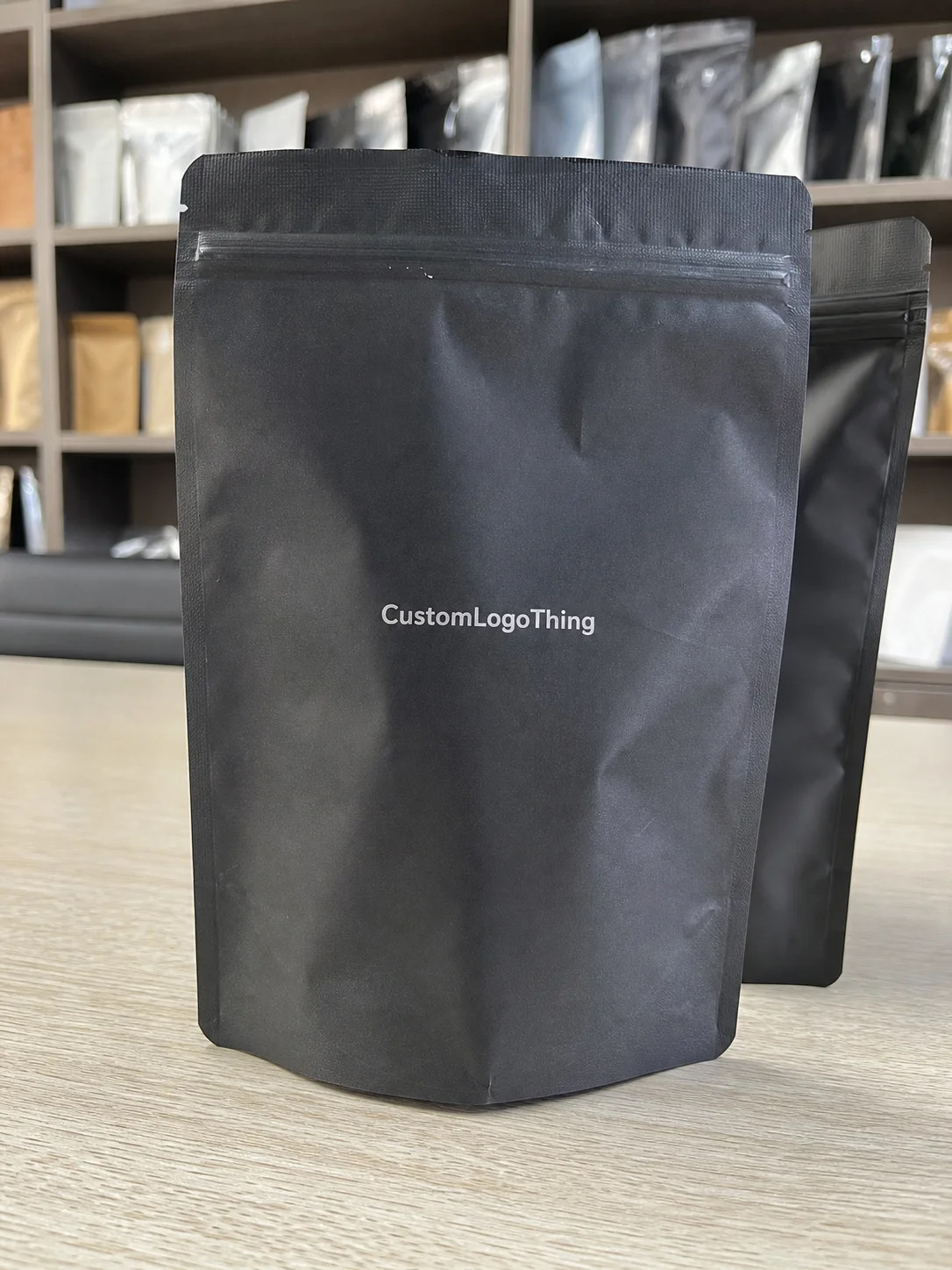
“Mylar” is often used as shorthand for a multilayer flexible pouch rather than a single material. In practice, most Custom Mylar Bags use laminated films built to improve barrier performance. The goal is straightforward: keep outside conditions out and product characteristics in.
That matters for fresh food, aroma-heavy products, and anything sensitive to humidity. A snack that loses crunch in two days feels cheap even if it was made well. A supplement that picks up odors or fades under bright retail lighting can look old before it moves. Better barrier packaging helps reduce both problems.
Brands also like the format because it supports strong package branding without taking much shelf space. Compared with paper-based alternatives, these bags can offer a tighter seal, better moisture resistance, and a cleaner print surface. Compared with standard poly bags, they usually deliver more protection and a more premium retail presentation.
The buyer-facing upside is clear:
- Freshness protection for oxygen- or moisture-sensitive goods
- Compact shelf presence with enough front-panel space for branding
- Convenience options like resealable zippers and tear notches
- Better storage behavior for products that sit in warehouses or pantries
That said, these bags are not the right answer for everything. If the product only needs basic containment, a simpler format may be cheaper and easier to source. But if you need presentation plus protection, custom mylar bags are often one of the most practical choices in flexible packaging.
For brands comparing formats, it helps to think in terms of use case. Custom printed boxes may be better for stacked retail displays or fragile items. Paper pouches can work for dry goods with lower sensitivity. But when odor retention, light protection, and resealability matter, custom mylar bags usually move to the top of the shortlist.
“The biggest mistake I see is buying for artwork first and barrier second. Shelf appeal matters, but if the seal or film spec is wrong, the package fails where it counts.”
There is a second mistake that shows up often: assuming every pouch described as “mylar” performs the same way. Two bags can look nearly identical online and behave very differently in storage because the film gauge, seal layer, and barrier layer are not the same. The difference shows up later, usually after a product has sat in a hot warehouse or been opened and closed several times.
How the film structure and sealing process work
A typical pouch is built in layers. You may hear suppliers talk about an outer print layer, a barrier layer, and an inner sealant layer. The outer layer carries the graphics. The barrier layer helps block oxygen, moisture, and light. The inner layer is designed to seal cleanly under heat.
That layered design is the real reason these bags perform differently from a plain plastic bag. A single-film poly pouch can be fine for basic containment, but once a product needs longer shelf stability or scent control, the structure starts to matter. The film stack is doing the heavy lifting.
The closure process matters too. Heat sealing creates the final barrier at the top or bottom of the bag, depending on the structure. If the seal is inconsistent, product protection drops fast. A weak seal can look fine on a pallet and still fail under pressure, temperature changes, or rough handling. Buyers often focus on graphics, then discover the seal is the actual quality checkpoint.
Optional features add convenience and utility:
- Zipper closures for reclosability after opening
- Tear notches for cleaner opening
- Hang holes for display merchandising
- Transparent windows for visible product cues
Barrier performance depends on the product risk. Light-sensitive goods benefit from opaque or metallized structures. Moisture-sensitive items need stronger water vapor resistance. Odor-heavy products need good aroma retention so the bag does not become part of the smell story.
Printing and lamination affect performance too. Heavy ink coverage, metallic effects, and matte finishes can change the final feel and, in some constructions, influence cost and flexibility. If the supplier is serious, they should discuss the full structure, not just the front-panel artwork.
For buyers who want a technical benchmark, industry groups such as the International Safe Transit Association and packaging standards referenced by the U.S. Environmental Protection Agency are useful starting points for thinking about transit durability and material decisions. Those standards do not replace product-specific testing, but they do keep the conversation grounded.
In buying terms, the real test is whether the structure matches the product’s failure points. Coffee loses aroma, dried fruit absorbs moisture, botanicals fade under light, and powders clump when humidity slips through the film. The right pouch is not about looking premium in isolation. It is about resisting the specific form of damage that hurts that category.
Key specs that affect performance, branding, and cost
If you are comparing custom mylar bags, start with the specs that move the needle most: thickness, size, finish, closure type, and bag style. Those five choices influence protection, shelf feel, and price more than almost anything else.
Thickness is usually measured in mils or microns, depending on supplier language. A thicker film can feel more premium and resist puncture better, but it also tends to cost more. The right choice depends on the product. A lightweight snack may not need the same wall strength as a dense, sharp, or crush-sensitive item.
Size is trickier than it looks. Buyers often choose based on fill volume alone and forget headspace, seal area, and how the product sits inside the bag. A 250 g product in a stand-up pouch may need a very different footprint than the same weight in a flat pouch or gusseted format.
Finish changes perception fast. Matte often reads premium and restrained. Gloss can brighten color and give a sharper retail pop. Metallic or foil effects can signal higher value, though they can also raise cost and complicate print choices. In branded packaging, these are not cosmetic decisions; they influence how the product is read from three feet away.
Bag style matters too. Stand-up pouches are popular for retail display because they sit upright. Flat pouches are efficient for smaller portions or samples. Gusseted bags help with volume and shape. The right structure depends on the merchandise, not just the mood board.
For product-specific risk, use this simple filter:
- Oxygen-sensitive: coffee, nuts, some supplements
- Moisture-sensitive: dried fruit, powders, gummies
- Light-sensitive: herbs, botanicals, specialty ingredients
- Odor-sensitive: fragranced products, herbal items, concentrates
Compliance questions can also affect the spec sheet. Food contact requirements may call for material declarations or testing. Some categories need child-resistant features, especially where local regulations or retailer standards demand them. If you are in a regulated category, ask early. Late compliance changes are expensive.
Artwork complexity is another cost driver. A single-color design is usually easier than a full-coverage, high-detail print with multiple spot colors. More color means more setup and more room for variation. But more importantly, it can affect readability. Good packaging design knows when to stop.
| Spec choice | Typical buyer benefit | Cost impact | Best fit |
|---|---|---|---|
| Matte finish | Premium, restrained look | Moderate increase | Premium retail packaging |
| Gloss finish | Bright color and strong shelf pop | Usually lower than specialty finishes | High-visibility brands |
| High-barrier film | Better protection against light and moisture | Higher material cost | Sensitive food and aroma products |
| Zipper closure | Convenience after opening | Small to moderate increase | Repeat-use products |
| Custom window | Product visibility | Depends on structure and print area | Retail goods needing proof of contents |
If you want to compare more formats beyond pouches, the product mix at Custom Packaging Products is a useful place to see where bags, boxes, and other product packaging options fit relative to each other.
One overlooked spec is seal width. A narrow seal may save a little material, but it can be less forgiving during filling and transport. A wider seal gives more tolerance, especially on higher-speed packaging lines or products with irregular edges. Buyers usually only notice this after a few failed samples, which is exactly the wrong time to learn it.
Custom mylar bags pricing: what drives unit cost and MOQ
Pricing for custom mylar bags is not one number. It is a stack of choices. Size, film structure, print method, finish, order quantity, and add-ons all shape the final quote. Two bags that look similar on a website can differ by a meaningful amount once the real specs are set.
The biggest driver is usually volume. A lower minimum order quantity, or MOQ, often means a higher per-unit price because setup costs are spread across fewer bags. If you order 500 pieces, you are paying for many of the same prep steps as a 5,000-piece run, just with fewer units to absorb them.
As a rough buying frame, simple small runs may land in a much higher unit-cost band than larger production runs. A basic pouch order in the low hundreds can be several times the per-unit cost of a larger 5,000-piece run, especially if the design uses multiple colors or specialty finishes. Exact numbers depend on structure and print coverage, but the pattern is consistent: volume lowers unit cost.
Here is a practical comparison buyers often use during sourcing:
| Order profile | Unit cost tendency | Typical tradeoff | Buyer fit |
|---|---|---|---|
| Small run | Higher | Lower inventory risk, higher unit price | Launches, test markets, limited editions |
| Mid run | Moderate | Balanced cost and flexibility | Growing brands |
| Large run | Lower | Better unit economics, more inventory commitment | Established SKUs, national distribution |
There are hidden costs buyers should ask about before approving a quote. Plate or setup fees may apply for certain print methods. Sampling costs can add up if you need multiple proof rounds. Freight matters too, especially if the packaging is bulky or the delivery timeline is tight. Rush charges are common when the launch date is immovable.
Material choices can shift the economics quickly. A standard structure with limited print may be very different from a premium, high-barrier bag with metallic effects and a zipper. That is why evaluating unit cost alone can be misleading. A cheaper bag that fails in storage or lowers sell-through is not really cheaper.
A practical price range helps, but only as a reference point. For lower-MOQ custom mylar bags, buyers often see unit pricing that feels high because tooling and setup are spread over a small order. Larger runs can drop the per-unit cost sharply, especially once the print is standardized. The price curve is usually less about the bag itself and more about how much setup the order requires relative to the volume.
Honestly, the smartest way to judge pricing is to compare total value. Ask what the bag is protecting, how it will look beside competitors, and whether it supports the sell-through you need. Good pricing is not just low cost. It is the right cost for the job.
Production steps and lead time: from artwork to delivery
The production process is usually more orderly than buyers expect, but only if the brief is clear. A typical order starts with a concept outline: bag size, closure style, finish, quantity, print requirements, and any compliance needs. From there, the supplier creates or confirms a dieline, then checks the artwork against the chosen structure.
Proofing is where many delays begin. If the artwork needs fixes, colors adjusted, or print-safe margins corrected, time can slip quickly. Missing details create even bigger problems. A supplier cannot finalize a food-safe bag spec, child-resistant feature, or display requirement if the buyer leaves the field blank.
Once proofs are approved, production begins. Printing, laminating, curing, slitting, bag-making, and quality checks all take time. The timeline varies by order size and complexity, but many buyers should expect something like 12-15 business days from proof approval for simpler runs, with longer windows for larger quantities or more complex structures. Sampling adds time before that.
Here is the part buyers often underestimate: the queue matters. Even if the actual manufacturing steps are straightforward, factory workload can extend lead time. That means two identical orders placed in different weeks may not ship on the same schedule.
A sensible planning framework looks like this:
- Brief and spec confirmation: 1-3 business days
- Artwork and proofing: 2-7 business days depending on revisions
- Sampling: additional days if you need a physical sample
- Production: often 12-15 business days after approval for standard runs
- Shipping: variable based on destination and freight method
For brands launching seasonal products or coordinating with custom printed boxes, the calendar can get tight fast. Build in time for proof corrections, not just manufacturing. That extra buffer is what keeps a packaging launch from becoming a scramble.
Sampling deserves its own line in the timeline because it often exposes issues that digital proofs hide. A proof can show layout and color direction, but it does not tell you whether a zipper feels stiff, whether the finish fingerprints easily, or whether a matte surface dulls your logo more than expected. Those details matter at retail.
Common mistakes buyers make when ordering
The first mistake is sizing by volume only. Powder, snacks, and gummies all occupy space differently. The wrong bag dimensions can leave too much headspace or not enough seal area, which affects both the look and the performance.
Second, buyers overdesign the print. A dense visual can look impressive in a mockup and muddy on shelf. If the brand name, variant, and key claim are not readable at distance, the package is doing too much. Clarity usually sells better than decoration.
Skipping samples is another costly shortcut. A proof on screen does not tell you how the zipper feels, whether the seal closes evenly, or how the finish looks under store lighting. If the bag is meant to protect a product with specific barrier requirements, a sample is not optional. It is insurance.
Storage environment gets ignored more often than it should. A product packed well but stored in heat, humidity, or direct light can still degrade. The package is part of the system, not the whole solution. That is true for most product packaging, but especially for sensitive contents.
Finally, buyers sometimes forget the logistics footprint. Bag dimensions affect shipping efficiency, warehouse space, and pallet configuration. A slightly larger pouch may seem harmless until you calculate storage and freight across thousands of units. Small changes can add up.
Another frequent issue is inconsistent specification language. One email says “kraft-style matte pouch,” another says “foil barrier stand-up bag,” and the sample request never clarifies seal width or zipper type. That kind of ambiguity creates variation at the production stage. A good order sheet should read like a spec, not a mood board.
Expert tips for a smarter packaging decision
Start with the product’s real risk factors. Does it need oxygen protection, light blocking, odor control, or humidity resistance? Match the structure to the risk instead of choosing the fanciest option. That one move usually improves both performance and cost control.
Keep the artwork hierarchy simple. The brand name should be the easiest element to read, followed by the product type and any claim that helps the buyer understand the offer. If the package is competing in a crowded retail environment, too much visual noise can weaken the sell.
Ask for a sample that matches the exact size, finish, and closure you plan to order. A generic sample tells you very little. A matched sample tells you whether the zipper works smoothly, whether the film feels stiff or flexible, and whether the print sits the way you expected.
Compare value, not just the quote. A bag that costs a little more but improves shelf appeal, product protection, and conversion may pay for itself faster than a cheaper version. That is especially true for premium food, wellness, and specialty retail packaging, where the package is often the first trust signal.
Plan for reorder consistency early. If the first run is successful, you do not want color drift, material variation, or a changed finish on the next one. Build specs tightly and keep records. That is boring work, but it protects the brand.
For buyers who want to think more like procurement and less like guesswork, a simple rule works well: choose the structure first, the artwork second, and the price last. That order keeps the package honest.
Also, if sustainability claims matter to your audience, check sourcing language carefully. If a supplier references FSC-certified paper components or recycled content, verify the documentation. Standards and claims should match the actual build, not the marketing copy. The Forest Stewardship Council is a useful reference point when paper elements are part of the package mix.
For many brands, custom mylar bags are not just a container. They are part of the sales system. The right one can protect product quality, support stronger package branding, and simplify logistics in a way that plain bags rarely do. Choose the specs carefully, ask direct questions about Pricing and Lead time, and treat the first run as a prototype for the next. That is how custom mylar bags become a smart packaging buy instead of an expensive guess.
There is one final filter worth using before approval: if a package cannot survive a week of real handling, it is not ready for a full run. That means checking fill behavior, seal integrity, zipper function, shelf stance, and how the print looks after the bag is handled a few times. It is a small amount of work compared with reordering or correcting a weak launch.
FAQ
What are custom mylar bags used for in packaging?
They are used for products that need stronger barrier protection than standard plastic bags. Common uses include snacks, coffee, supplements, herbs, cosmetics, and specialty retail goods. They help with freshness, odor control, shelf appeal, and storage stability.
How do custom mylar bags protect products better than regular plastic bags?
Their layered film structure is designed to block more light, moisture, and oxygen. A proper heat seal improves protection and helps maintain product quality longer. Optional closures like zippers add convenience without sacrificing the sealed barrier.
What affects the price of custom mylar bags the most?
Size, material thickness, print complexity, finish, and added features are the biggest drivers. Order quantity has a major impact because setup costs are spread across more units at higher volumes. Special requirements like food-safe materials or child-resistant features can also increase cost.
How long does production usually take for custom mylar bags?
Timeline depends on artwork readiness, proof approval, production complexity, and order size. Sampling and revisions can add time before full manufacturing begins. Rush jobs are sometimes possible, but they often increase cost and narrow options.
What should I check before placing an order for custom mylar bags?
Confirm the exact bag size, closure style, finish, and barrier needs for your product. Review artwork carefully and ask for a proof or sample before mass production. Ask about MOQ, unit cost, shipping, and any setup fees so the quote is complete.


