A custom name makeup bag does more than hold lipstick and brushes. It changes the way a small accessory is treated. A plain pouch gets shoved into a drawer. A personalized one gets kept, carried, and noticed. That difference matters for retail, bridal sets, event kits, and gift-with-purchase programs.
From a buyer’s point of view, the bag is not just packaging and not just a travel item. It sits in the awkward middle ground where utility meets branding. That is exactly why the spec matters. Material, closure, print method, and proofing all affect whether the finished piece feels thoughtful or disposable.
The order can be simple. It can also go sideways fast if the names, artwork, and production notes are loose. The fix is not complicated: define the use case first, then build the bag around it.
What a Custom Name Makeup Bag Actually Signals
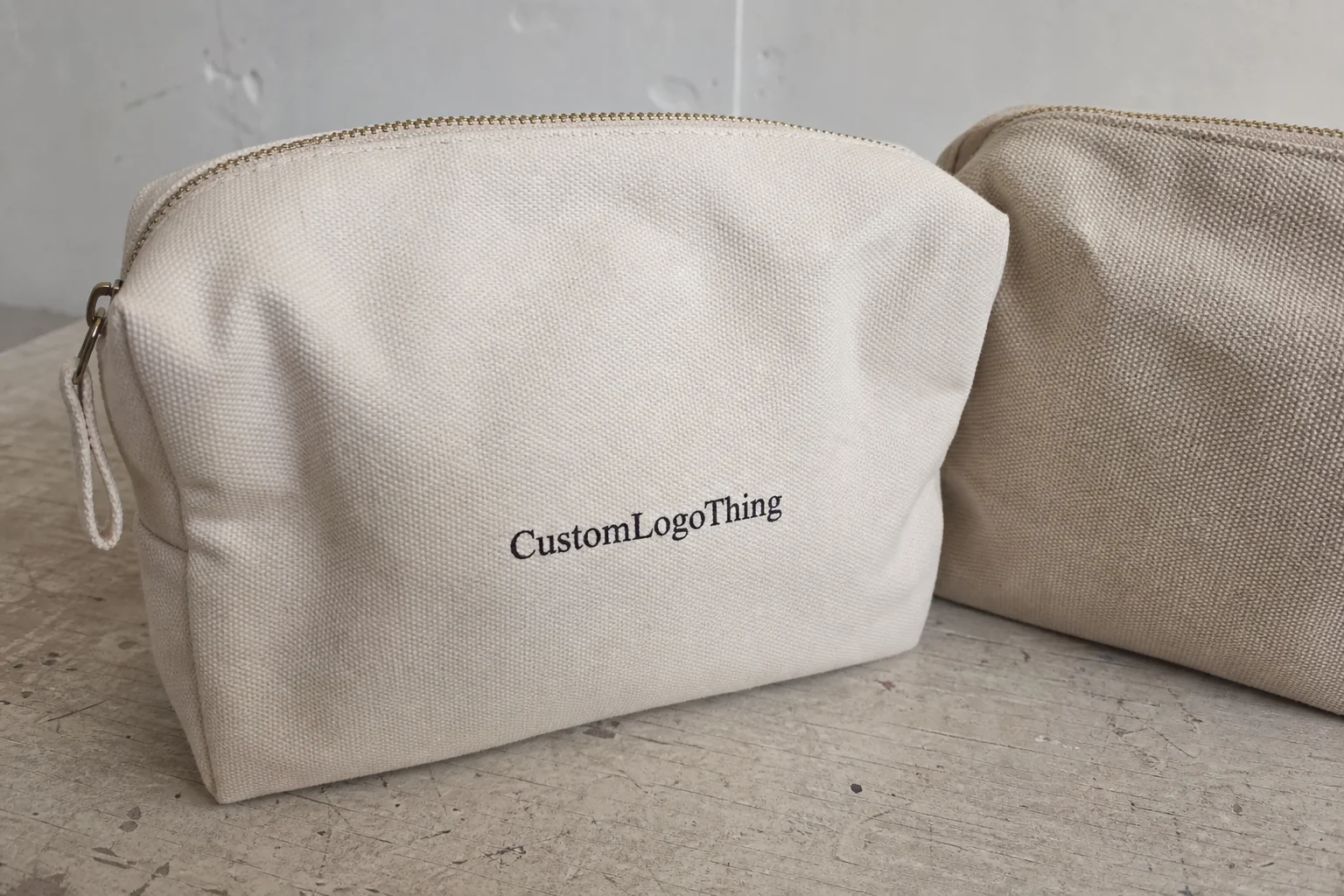
Adding a name changes the read instantly. The item stops feeling generic. It feels assigned to someone, which is why a custom name makeup bag works so well in gifting and event settings. People tend to keep items that feel personal. They are much quicker to toss items that look like spare packaging.
In practice, this category usually means a cosmetic pouch or zip bag personalized with an individual name, team name, event label, or brand mark. The format is familiar, but the intent changes. A blank pouch supports storage. A personalized pouch supports identity.
That is why the use cases stay broad. Bridal parties use them for bridesmaid gifts. Brands include them in influencer mailers and employee onboarding kits. Retailers sell them as seasonal add-ons or bundle them with skincare and beauty sets. Event teams use them in welcome packs. Same product. Different job.
Material choice is the first thing buyers underestimate. Clear PVC gives visibility and a more utility-driven feel. Frosted PVC softens the look and hides clutter. EVA and PEVA tend to feel lighter and less rigid in hand, which can suit gifting better than a hard-edged promo item. If the pouch is part of a larger branded set, it should match the tone of any Custom Packaging Products or outer cartons used with it.
Here is the part people miss: a pouch is not a pouch. Thickness, seam quality, zipper feel, and print contrast all change how the final piece is judged. A thin bag with fuzzy printing reads cheap. A cleanly made bag with strong contrast reads intentional, even when the base material is simple.
How the Personalization Process Works
Good orders start with structure, not decoration. Decide the size, material, closure style, thickness, and print method first. Then decide how the name will appear. Direct print, heat transfer, decal application, or a custom panel all have different setup costs and different failure points.
If every bag carries a different name, the job becomes variable-data production. That means the supplier needs a clean spreadsheet, a casing rule, and a clear answer on duplicates, nicknames, and spelling corrections. A file that mixes “Sarah,” “SARAH,” and “sarah” creates unnecessary friction during proofing and packing.
The proof stage is where most problems should be caught. A proper mockup should show the exact font, placement, color, and printable area. It should also show the relation between the name and the zipper line, seam, or logo. If the artwork sits too close to the edge or disappears on translucent film, the proof should expose that before production starts.
For orders that combine a name with a logo, hierarchy matters. The eye should know what to read first. If the logo, name, and secondary copy all compete for attention, the pouch starts looking crowded. That is a common issue in product packaging solutions that try to do too much on a very small surface.
The production team also needs to know the bag’s role. Retail packaging, giveaway item, and resale product are not the same brief. A retail order usually needs tighter print QC and cleaner packing presentation. A promo run may allow simpler finishing if the volume is high and the message is short. The more individualized the job, the more important it is to treat QC as part of production, not as an afterthought.
Cost, MOQ, and Unit Pricing
Pricing usually starts with six variables: size, material, thickness, personalization method, number of colors, and packaging requirements. Leave one out and the quote looks cleaner than it should. That is how surprise costs show up later through sample fees, setup charges, or freight adjustments.
MOQ matters because setup work gets spread across the run. A smaller order usually means a higher unit price, especially if each bag carries a different name. The printer still has to prepare files, confirm placement, and inspect output whether the order is 300 pieces or 5,000.
Buyers usually get the clearest picture by asking for three pricing tiers. The spread shows where the money goes. A small increase in thickness or print quality may be minor at scale and annoying on a short run. That is normal. What matters is seeing the tradeoff before the order is approved.
| Option | Typical Spec | Approx. Unit Price at 1,000 | Approx. Unit Price at 5,000 | Best Fit |
|---|---|---|---|---|
| Entry-level clear PVC pouch | 0.25 mm material, one-color name print, standard zipper | $0.42-$0.68 | $0.21-$0.34 | Promotions, simple retail add-ons, large event runs |
| Frosted EVA or PEVA pouch | 0.30-0.40 mm material, individual name print, soft finish | $0.58-$0.92 | $0.30-$0.48 | Gift sets, bridal orders, nicer branded packaging |
| Premium thick film pouch | 0.45 mm or above, higher-contrast print, upgraded zipper pull | $0.95-$1.60 | $0.50-$0.88 | Retail packaging, premium kit inserts, resale-focused orders |
Two extra numbers deserve attention. Setup fees often fall somewhere around $40-$150 depending on complexity. Sample fees commonly sit in the $25-$80 range, and sometimes they are credited back on bulk orders. Neither is unusual. Both should be visible before approval.
A simple design on standard material will stay close to the base quote. Add thicker film, individualized names across the full run, custom zipper pulls, or extra inserts and the total climbs. If the order also includes Custom Printed Boxes or other secondary packaging, budget those items together. That gives a real cost view instead of a falsely low one.
Rule of thumb: the fewer variables, the more predictable the price. Every added layer of uniqueness increases coordination time and usually raises the unit cost.
Material Choices That Change Look, Durability, and Use
Clear PVC is the familiar option because it shows contents, handles moisture well, and prints cleanly. It works when visibility matters or when the design needs a crisp retail look. A custom name makeup bag in clear PVC can still feel premium if the edges are neat, the zipper runs smoothly, and the print sits in the right place.
EVA and PEVA usually feel softer and less rigid. That makes them a better fit for travel kits and gift sets where hand-feel matters more than full transparency. Frosted film can hide clutter and look calmer on a shelf. For retail packaging, that matters because presentation affects whether the item reads as useful or disposable.
Thickness changes both durability and perception. A 0.25 mm pouch is serviceable for light use. Move into the 0.35-0.45 mm range and the bag holds shape better, resists wrinkling more effectively, and feels more substantial. Thicker still can look premium, but it also adds cost and sometimes stiffness. More material is not automatically better.
Buyers Should Ask about more than the front face. Seam strength, zipper life, scratch resistance, odor, and flexibility in colder conditions all matter. A pouch that looks good in a proof but clouds, cracks, or deforms in transit is a packaging failure, not a decoration problem. For larger shipments, shipping test standards such as ISTA test protocols give a useful reference for handling and transit stress.
There is also the sustainability question, and it needs a clean answer. Plastic-based pouches are usually chosen for durability and water resistance, not for environmental virtue. If the broader package includes paper inserts, swing tags, or cartons, specifying FSC-certified paper for those parts is a practical improvement. It does not turn the pouch into paper. It does improve the rest of the kit.
Production Steps and Lead Time: From Mockup to Delivery
The production path is usually straightforward: brief, spec confirmation, digital proof, sample or pre-production approval, bulk manufacturing, inspection, packing, and shipping. The weak point is almost always the handoff between proof and production. If the artwork file, name list, and packing notes do not match, the order slows down before the first pouch is made.
Lead time grows for predictable reasons. Variable names take longer to check than one static design. Special film colors, upgraded zipper pulls, and custom packaging inserts require more coordination. Color matching gets more complicated on transparent and frosted materials than it does on paper or board.
For a simple run, a buyer may see digital proofs in 1-2 business days, sample review in 5-7 business days, and bulk production in roughly 10-18 business days after approval. That is a normal range, not a promise. High-mix orders with individualized names, multiple SKUs, or layered packaging can take longer.
Shipping is the variable people forget until the schedule is already tight. Domestic freight is usually manageable. Imported orders need more buffer for customs, linehaul, and last-mile delivery. If the pouch is part of a larger kit, the outer cartons, labeling, and pallet pattern all matter too. Buyers who treat product packaging as one system avoid a lot of avoidable panic later.
There is a real difference between a rush job and a rushed job. A rush job is planned around a smaller quantity, a simpler layout, and clear tradeoffs. A rushed job is what happens when approvals drag, artwork keeps changing, and the delivery date never moves. Suppliers can move fast. They cannot fix a moving target.
Common Mistakes That Create Delays or Bad Results
The first mistake is artwork quality. Low-resolution files, vague font requests, and inconsistent name lists trigger reproofing and slow the project down more than almost anything else. If the order includes multiple names, send one clean spreadsheet with one spelling standard and one casing rule. That small discipline saves real time.
The second mistake is size blindness. Buyers approve the bag shape before they test what will actually go inside. Lipsticks, compacts, travel brushes, and mini sprays all change usable space once the zipper closes. A bag can look perfect on screen and still be too shallow, too narrow, or too short for the intended contents.
The third mistake is weak contrast. Light text on shiny clear plastic can disappear under store lighting or in phone photos. That is not a design preference issue. It is a visibility issue. If the bag needs to be read from a distance, ask for a proof on the actual material, not just on a white digital mockup.
A useful proof check is boring, and that is exactly why it works: spelling, placement, quantity, color, and packing notes all need to be confirmed before production starts. One missed detail can affect every unit in the order.
The fourth mistake is skipping the packaging conversation. If the pouch ships with insert cards, tissue, or an outer carton, those elements should be reviewed together. A custom name makeup bag can carry the identity of the gift, but the surrounding pieces determine how polished the full presentation feels. That is where packaging design either supports the product or gets in the way.
One more point: approval discipline matters. If a supplier sends a final sign-off, use it. Check each name against the list, verify placement, and confirm whether packing is bulk or individual. These are not administrative extras. They are the controls that keep a small project from turning into a correction run.
Practical takeaway: treat the pouch like a packaging project, not a gift-shop impulse buy. That mindset removes a large share of preventable delays.
Next Steps for a Quote That Ships Correctly
Before asking for pricing, build a one-page spec sheet. Include dimensions, quantity, material preference, closure style, print area, personalization rules, delivery destination, and deadline. If the order includes a custom name makeup bag for multiple recipients, attach the name list in a clean file and state the capitalization you want. One page does more than a long email thread ever will.
It also helps to ask for three quote scenarios at once: entry-level, mid-range, and premium. That comparison makes the tradeoffs visible. You can see how much a thicker film, better zipper, or cleaner print changes the total without guessing. If the bag is part of a larger kit, ask the supplier to show the relationship between the pouch, inserts, and any outer cartons so the full package stays aligned.
Request a mockup and sample photo before approval, especially if the run includes individualized names. The proof should be checked line by line against the final list. A tiny spelling error can turn a personal item into dead stock, and that is an expensive way to learn the value of precision.
The best result is simple. The bag feels useful, looks intentional, and arrives on time. That happens when the spec is clear, the proof is disciplined, and the production plan is built around real constraints instead of wishful thinking.
What is a custom name makeup bag used for?
It is used for gifting, retail add-ons, bridal sets, influencer kits, travel storage, and branded promotional packaging. Personalization makes the bag feel more intentional, which can improve keep rates and perceived value. It works best when the buyer wants a small, practical item that also carries identity or brand recognition.
Which material is best for a custom name makeup bag?
Clear PVC is strong when visibility and water resistance matter. EVA or PEVA can feel softer and more premium in hand. The best material depends on the bag's use case, the desired look, and the budget.
How much does a custom name makeup bag usually cost?
Price depends on size, material, print method, personalization complexity, and order quantity. Setup fees and sample charges can raise the first-order total even when the unit price looks low. Unit cost usually improves as quantity increases and the design becomes simpler.
How long does production take for personalized makeup bags?
Lead time usually includes proof approval, sample review, production, quality control, and shipping. Simple orders move faster; individualized names, premium materials, and special finishes add time. International freight can extend the schedule even after manufacturing is complete.
What should I send before requesting a quote for a custom name makeup bag?
Send dimensions, quantity, material preference, closure style, print area, and deadline. Include a clean name list if each bag will be personalized. Attach artwork or a reference image so the supplier can confirm feasibility and pricing faster. For the cleanest result, treat the custom name makeup bag like a full packaging brief, not a loose idea.

