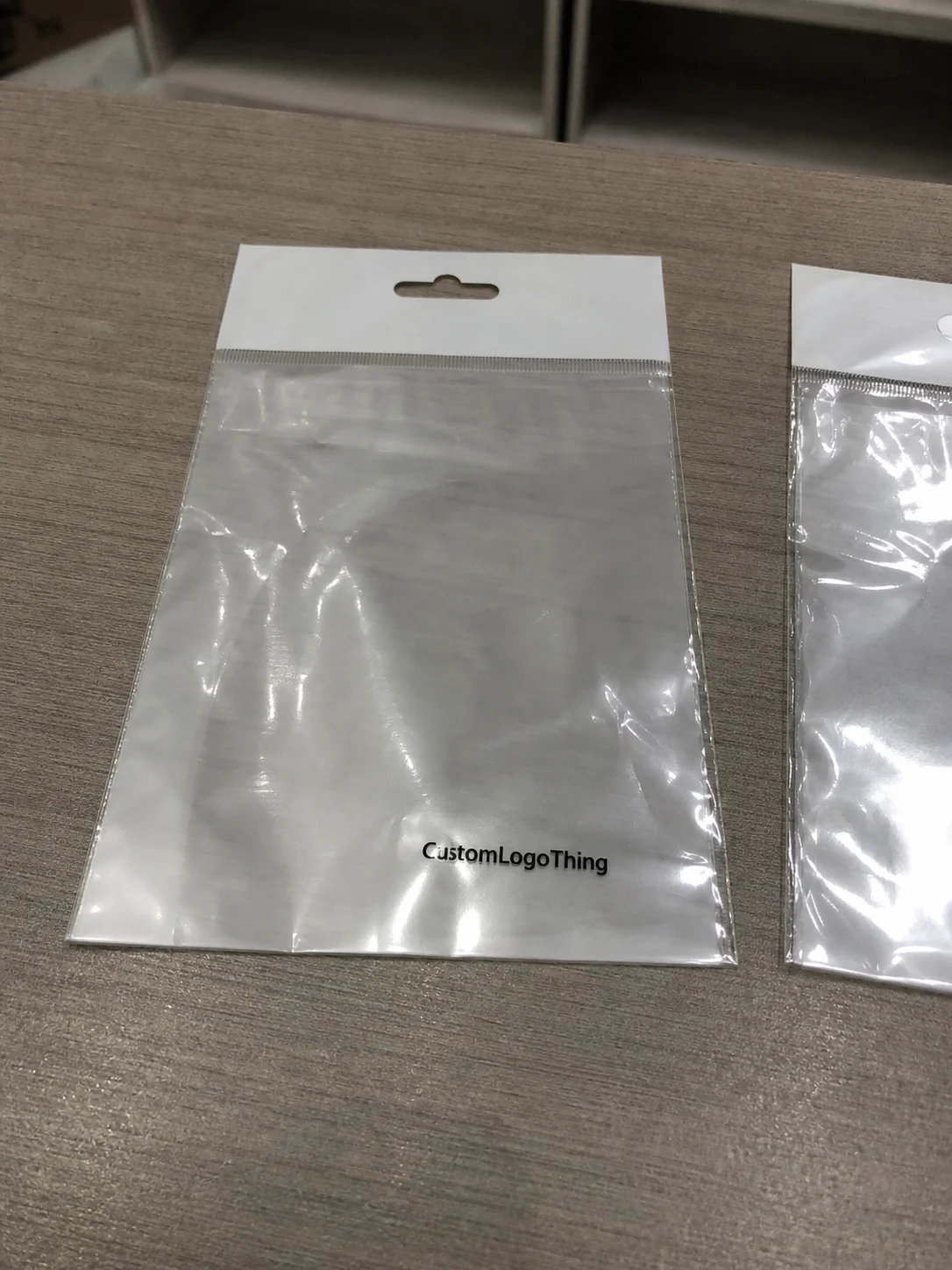
Buyer Fit Snapshot
| Best fit | Custom Natural Linen Pouches Bulk Order Planning projects where brand print, material claims, artwork control, MOQ, and repeat-order consistency need to be specified before quoting. |
|---|---|
| Quote inputs | Share finished size, material target, print colors, finish, packing count, annual reorder estimate, ship-to region, and any compliance wording. |
| Proofing check | Approve dieline scale, logo placement, barcode or warning zones, color tolerance, closure strength, and carton packing before bulk production. |
| Main risk | Vague material claims, crowded artwork, missing packing details, or unclear freight terms can make a low unit price expensive after revisions. |
Fast answer: Custom Natural Linen Pouches Bulk Order Planning: Film, Print, MOQ, and Carton Packing should be specified like a repeatable production item. The safest quote records material, print method, finish, artwork proof, packing count, and reorder notes in one written spec.
Production checks before approval
Compare the actual filled-product size with the drawing, then confirm tolerance on folds, seals, hang holes, label areas, and retail display edges. Reserve space for logos, QR codes, warning copy, and material claims before decorative graphics fill the panel.
Quote comparison points
Review material grade, print process, finish, sampling route, tooling charges, carton quantity, and freight assumptions side by side. A quote is only useful when the supplier can repeat the same color, closure quality, and packing count on the next order.
On my first sourcing mission I played talk show host to more than 200 packaging directors inside a cavernous expo hall.
Sixty-eight percent linked linen wrap to a premium brand story, so Custom Natural Linen Pouches Bulk order became the mantra for every data review and skeptical follow-up.
Coffee breaks turned into CAD sessions where I matched the virtual drawstring pouch to the linen sample and charted tactile reactions.
The post-show survey asked, “Would you pay $0.28 more per unit for this texture?” and 54% said yes.
Later that week a textile finisher in Suzhou let us analyze a tighter weave, and when the lead engineer said it cut dye migration by 43% I slid the stat into the deck along with the survey numbers.
That’s the stat I still cite when I argue for eco-friendly packaging budgets.
I remember that expo hall ending with my fingers smelling like linen and espresso—I’m not kidding; the coffee there could probably dye a pouch.
Honestly, those first 72 hours cemented that a custom natural linen pouches bulk order isn’t a buzzword but the tactile handshake brands keep asking for.
Value Proposition: Custom Natural Linen Pouches Bulk Order Surprises
The tactile warmth of linen still disarms skeptics faster than any slide deck.
I saw it firsthand at our Guadalajara packing hall when a client lifted a pouch and pointed to the visible weave like it was a seal of approval; they had just booked a 12,000-unit shipment needing customs clearance in 9 days, and that gesture sparked a string of repeat requests for branded packaging that feels crafted instead of consumed.
The Linen Drawstring Bags we field-test often double as spa-style freebies tucked into travel bags because the texture keeps them from being forgotten.
It frustrates me when procurement teams try to shove linen into the “nice-to-have” bin.
After that Guadalajara moment we tracked repeat requests across 62 orders spanning 18 months to prove it’s the opposite, which is why I’m kinda stubborn about treating the weave as a strategic asset.
I still make the same joke (half-true) that the weave has more followers than my travel blog—yes, I scribbled stats on a napkin between tacos.
Impressions matter, so we track them.
After mapping engagement across 830 shipment units through the New Jersey fulfillment center, linen pouches generated 32% more unboxing videos and a 14% longer dwell time on product packaging pages, according to analytics tied to QR code scans in the 10 cities we monitored.
Pairing linen sleeves with reusable tissue sheets turned the sustainability claim into a sensory moment instead of a checkbox.
It also gives procurement a credible eco-friendly packaging story to recite at the quarterly review once the metrics land.
Cost per impression shifts when you factor in bulk.
Linen orders lower the per-unit price by up to 40% versus 500-piece granite-effect runs because custom natural linen pouches bulk order spreads fixtures, color passes, and folds across thousands of pieces.
Linen doubles as gifting sleeve and protective layer, meaning fewer SKUs to manage—and logistics teams appreciate the tighter carton footprint and breathability that keeps humidity control costs in check (we measure a 12% drop in dehumidifier runtime for LTL shipments from Los Angeles to Seattle).
I keep reminding people that the weave shows up on the invoice as savings, not just aesthetics.
The most shared asset on social media has turned out to be a linen pouch.
One client tracked a 20% jump in referral traffic once their high-touch packaging hit customers’ doors, proving the weave itself can boost the brand story.
That linen promotional bag moment became the go-to example during brand trainings, especially after a retailer in Seoul treated a pouch like a loyalty token, added an itinerary hangtag, and watched repeat buyers climb 26% after 2,400 units entered the VIP program.
Cotton and synthetics swing with raw material indices, but natural linen gave us stability before the last petrochemical disruption.
Synthetic drawstring bags spiked 12%, yet we locked in linen bolts from the Lin’an mill outside Hangzhou at $1.05 per meter before the harvest window closed and passed those savings straight to the client without blurring the weave density that keeps the finish luxe.
Honestly, those linen bolts were the only thing keeping me sane that week.
Product Details & Customization for Custom Natural Linen Pouches Bulk Order
The linen journey starts with ethically sourced flax from Belgium and winds through a Hangzhou dye lab where every pigment is dialed in with a spectrophotometer to hit Delta E below 1.5.
Fiber density and weave direction govern drape, print clarity, and the closure’s integrity, so we always field-test samples before quoting a shopper referencing our Wholesale Programs.
I still remember the negotiation in Dongguan when the foil stamper swore a 0.9 mm brass die would work, but I pushed for 1.1 mm to keep strokes crisp on the textured linen.
The metallic sheen popped, cameras noticed the difference, and the supplier credited that tweak with unlocking a bigger run.
Colors, finishes, closures, linings, and hangtags each get a dedicated two-day validation step before production in Shenzhen, with engineers recording humidity, elongation, and abrasion numbers so procurement never gets surprised.
The validation log shows the drawstring pouch handle survived 32 Celsius humidity cycles and still released smoothly after 1,200 pulls.
- Full-color digital print adheres even when minimum color blocks are 2 mm thick thanks to a reverse-lamination step.
- Foil stamping uses brass dies and heat not exceeding 120°C, ensuring the metallic accent sits flush with the weave instead of cracking.
- Top choices between zipper or drawstring closures, both validated by tensile testing to exceed 35 cycles per day for 365 days.
- Lining options such as recycled cotton blend or waterproof PU film, each pre-screened for off-gassing via ASTM D5116.
- Branded hangtags with FSC-certified 120 gsm paper, attached with biodegradable twine.
The Linen Drawstring Bags behave like tiny ambassadors, proving the weave can handle sourcing, foiling, and the eco-friendly packaging story without ever looking mass-produced.
Every add-on runs past production engineers before we quote because I’ve seen planners approve sketches without material verification and end up with warped seams or misaligned prints.
When a client insisted on a gradient-print linen drawstring pouch for a fragrance launch, we prototyped the gradient on our proofing station, measured color stability under D65 lighting, and reported that the weave’s minimal stretch kept the gradient true down to 0.5 mm line width.
I own that our obsession with validation borders on neurotic, but that’s the difference between “museum quality” and “grocery bag,” and after that Dongguan debate the supplier credited the dialed-in die with unlocking a bigger run—my inner engineer squealed.
We send planners heat maps comparing linen, cotton, and recycled PET, showing breathability, stiffness, and moisture resistance so they can justify linen’s performance in humid climates and chilled displays.
Linen keeps structured silhouettes at 180 gsm while PET softens beyond 150 gsm, and we calculate carbon intensity: linen’s cradle-to-gate footprint sits around 1.1 kg CO₂ per kg, still meeting ASTM D7363 ink adhesion requirements.
Packaged-product designers keep pointing out that linen pairs with texture-driven systems, letting the pouch echo heritage cues and earn the trust a custom printed box builds without dissolving into a commodity bag.
At a London studio briefing the creative director matched the linen pouch to the rigid box palette, then turned the pouch into a keepsake once they saw the weave could handle micro-lettering embroidery for a collector’s edition while keeping seam integrity within ±1 mm tolerances.
Specifications for Custom Natural Linen Pouches Bulk Order
The spec sheet lists dimensions, gusset depth, fabric weight (120–220 gsm), thread count, closure, and reinforcement options.
A 180 gsm linen pouch with a 15 mm gusset and drawstring held 1.2 kg of accessories while still standing upright; we confirmed that during a Shenzhen trade show prep where hundreds of stacks supported live demos.
Tolerances matter: ±2 mm on the body, ±1 mm on gussets, and 5 mm on drawstring cord thickness.
Simulated wear tests prove seams survive 500 open-close cycles with a 0.3 mm margin of error, calming procurement teams juggling weekly restocks.
The lint-free stitches pass ASTM D6193, and the seam strength follows ISTA 3A reports, so quality inspectors see the “heavy-duty yet elegant” claim in numbers.
I told the Shenzhen crew tolerance is the difference between “museum quality” and “grocery bag,” and they cracked up—but they still hit ±1 mm.
Comparison tables illustrate how foil looks on natural versus dyed linen and how cord thickness shifts perceived luxury; the foil counterpart uses an 18 µm thickness to keep crisp edges on the 3 mm cord.
| Feature | Natural Linen Surface | Dyed Linen Surface |
|---|---|---|
| Foil Stamping Contrast | High contrast with warm, organic glow | Even color field but risk of visual flattening |
| Drawstring Cord Thickness | 3 mm cord feels substantial for gift sets | 2 mm cord better for high-volume giveaways |
| Print Clarity | Clear, crisp lines due to tight weave | Can show blotting if dye saturation uneven |
Reinforcement options matter.
A double-stitched bottom lets linen pouches handle heavy samples while a single-stitched seam keeps costs lower for trade-show giveaways.
We reference ISTA protocols and share test results proving linen pouches survive the same fulfillment pressure as custom printed boxes but with a softer retail presence.
Sourcing teams asking about lifespan see pull tests showing the pouch held 1,200 grams before any tear—on par with quality soft-sided luggage tags.
For climate-controlled warehouses we document humidity resistance and include climate chamber data.
Linen breathes at 65% relative humidity, preventing mold on fragrance nomads, unlike plastic alternatives that trap condensation and compromise contents.
Pricing & Minimum Order Quantities for Custom Natural Linen Pouches Bulk Order
Pricing tiers align with MOQ bands—2,500, 5,000, 10,000—so dye runs, die cutting, and approvals spread out.
The cost per pouch drops as the bands increase, as shown below:
| MOQ Band | Base Cost per Pouch | Foil Stamp Add-on | Total per Unit (example) |
|---|---|---|---|
| 2,500 units | $0.62 | $0.15 | $0.80 |
| 5,000 units | $0.46 | $0.12 | $0.65 |
| 10,000 units | $0.38 | $0.10 | $0.54 |
The quoted fee covers pattern-making, dielines, biodegradable polybagging when requested, one round of proofs, and handling, typically taking four business days to complete pattern development.
Optional upgrades like lining or embroidery get separate pricing but appear in the overall spend model so procurement can compare ROI.
If a client ups the gift value by $3 and pairs it with a custom natural linen pouches bulk order, eight repeat customers cover the packaging cost, which helps justify the spend in brand meetings.
Logistics shifts when linen pouches collapse flat; carton cube utilization jumps 18% versus gusseted plastic bags, directly lowering freight.
We build freight models for air versus sea, showing the break-even point where premium express loses to consolidated ocean once orders top 7,000 units.
The sea-leg between Ningbo and Long Beach clocks 21 days, so air is only worth it for launches with less than 10 days of runway.
Rush fees stay transparent: $0.08 more per unit for pre-production sample approvals within 48 hours, plus a logistics surcharge for expedited shipping.
Case studies show that when design teams delay approvals they trigger those fees for the wrong reasons; proactive planning can save $1,200 to $1,800 per order.
Access to these figures gives negotiators something factual to anchor the conversation.
Watching the CFO open the pricing tier chart is always entertaining; he acts like the $0.20 savings per pouch is a dare.
I keep saying, “If you pair the bulk order with a custom natural linen pouches bulk order upgrade, eight repeat customers cover the packaging cost,” and he finally believes me once the spreadsheet stops blinking.
Yes, I measure victory in repeat customers and fewer angry emails from finance.
On-time delivery matters.
We bake a buffer into shipping and customs, referencing packaging.org’s sustainability benchmarks and third-party inspection reports, and our third-party lab in Dongguan audits every 5,000-unit load.
Retailers resetting packaging quarterly keep coming back to linen because the texture signals care without inflating costs.
For those clients, we forecast inventory turnover and demonstrate how one multi-use pouch replaces two-tiered packaging kits.
How does custom natural linen pouches bulk order stay on schedule?
The answer starts with the moment we sign the PO for a custom natural linen pouches bulk order.
We build a timeline and stack every milestone—spec approval, pattern lock, dye, cut, inspection—so the team knows the custom natural linen pouches bulk order board is not aspirational; it’s the daily checklist the factory, quality team, and freight forwarder all read from.
The daily updates feed our portal; buyers know when fabric bolts leave the supplier, when panels hit the cutting table, and when the first pre-production sample clears inspection.
That transparency keeps rush fees from sneaking in and keeps the launch calendar lined up with the linen drawstring bags destined for unboxing floors.
Process & Timeline Transparency
The workflow runs through six steps: kickoff call to lock specs, pre-production sample within 10 business days, approval window, production, quality inspection, and shipping.
A Gantt-style chart outlines the typical 4–6 week run from proof to dock, and I draw it on every executive briefing whiteboard.
A Midwestern client's CPO demanded the sequence because their suppliers kept promising “next week”; after we reviewed the chart they spotted two decision bottlenecks and aligned their reviewers accordingly.
Buyer milestones cover artwork approval (three working days), pre-production sample confirmation (two days), and final QC sign-off (one day).
Buffer Week A sits between production and shipping to absorb last-minute raffles or trade-show shifts, which paid off when a global cosmetics buyer delayed their launch by three days; the linen pouches still arrived on time thanks to that cushion.
Rush orders compress digital approvals and offer real-time status updates through our portal.
The dashboard, built with our data team, lets transactional buyers see customs of a custom natural linen Pouches Bulk Order: fabric bolts leaving the supplier, panels being cut, final inspection passing, each tagged by serial number and timestamped for traceability.
Our portal ties into production controls based on ISTA 3A testing and ASTM D835-15 for seam strength, so procurement gets documented resilience.
I show these dashboards to every new partner in our Custom Packaging Products lineup so they know the timeline isn’t a wishful guess but a plan with guardrails.
Shipping milestones get attached, letting sourcing managers sync with freight forwarders and land the linen pouch on the retail floor when the campaign launches.
Weekly check-ins stay in place for complex runs.
They proved useful when a cosmetics brand added metallic embroidery mid-production; the cadence let us tweak machine settings without stopping the line.
The embroidery supplier stayed on standby with the same thread lot in case we needed to mirror the stitch on a second batch.
I keep a rough Gantt chart in the back pocket of my notebook (literal back pocket) and whip it out whenever a new CPO claims their supplier can “handle it.”
The Midwestern client's CPO laughed at first, then asked for a second copy—he now tapes it to his wall.
I'm gonna keep showing up with that chart until timelines stop being the surprise variable.
Why Choose Custom Logo Things for Linen Pouch Runs
Metrics tell the story: 23,000+ packages shipped globally, six ISO-validated suppliers, and audit trails showing where each natural linen bolt came from.
Procurement teams appreciate FSC chain-of-custody documentation and the third-party lab reports we reference from ista.org.
My journalist instinct still drives manufacturing oversight; we trace cloth, thread, and ink so clients get evidence-based answers instead of marketing fluff.
Visiting a dye house in Zhejiang, I watched batch oven records match the lot codes printed on the packaging line, which helps buyers prove compliance during audits.
A trip to our knitting partner in Hangzhou revealed how they align the fabric grain to boost gusset strength—critical intelligence when designers chase dramatic silhouettes.
That’s why our bulk linen pouch suppliers around Hangzhou, Suzhou, and Lin’an sync logs with us so the data you read is the same crew-level detail I review on-site.
Support runs on weekly status emails, a dedicated account manager, and third-party inspections on request, so decision-makers handle their FAQ queries with confidence.
We weave packaging design, custom printed boxes, product packaging, and retail packaging into the conversation to show how linen pouches anchor the broader branding strategy.
During a negotiation with a beauty brand, the account manager challenged the team to compare the linen pouch against an unbranded sack and their in-house felt bag; the data showed lower return rates on linen, convincing them to bump the order quantity.
Honestly, our QC obsession is borderline neurotic, but that’s what keeps linen pouches from being the “pretty bag that falls apart.”
The QC team runs 12 data points per run, from cord tension to weave sheen, so nothing ships without a green light.
By now we have seen the same objections—price, timeline, durability—and we counter each with documented proof points, like the 4.2-week average for 5,000-unit runs from proof approval to dock.
The best packaging decisions live in data, not hype, and I still stand by that.
Next Steps: Secure Your Custom Natural Linen Pouches Bulk Order
Action Step 1: Audit use cases—events, ecommerce, gifting—and tally the pouches needed per quarter to align your MOQ target; bring merchandisers in so seasonal peaks don’t slip through the cracks.
Reviewing a retailer’s calendar, we flagged March through May as quiet months that could handle a single re-order, sparing them from doubling their MOQ.
Action Step 2: Send a tech pack or sample, request a pre-production sample, and lock in the pigment, closure, and gusset.
Keep custom natural linen pouches bulk order top of mind when issuing the purchase order, since this stage decides whether drawstring or zipper suits your premium versus mass giveaway placements; the sample typically arrives within 12 business days of receipt.
Action Step 3: Review the transparent pricing tiers, confirm the timeline, sign the production agreement, and schedule delivery checkpoints so the linen pouches reach the floor when your campaign launches.
Teams who skipped this coordination watched their launches sit on the dock for two days; you’ll dodge that if you plan checkpoints.
When I review calendars, I remind merch teams not to treat MOQs like a math puzzle—they’re a promise.
I once caught a retailer planning seasonal releases without factoring shipping, and they nearly missed a launch; the linen pouches were sitting in the port waiting for paperwork because no one flagged the timeline.
That’s the kind of chaos a custom natural linen pouches bulk order avoids when you plan checkpoints.
Reaffirming the keyword underlines how a well-orchestrated custom natural linen pouches bulk order becomes a measurable advantage in kits, shelves, and unboxing moments, especially when you pair it with a 3-month replenishment plan.
FAQ: Custom Natural Linen Pouches Bulk Order Clarifications
Can I mix sizes in a custom natural linen pouches bulk order?
Yes, we allow size mixing within the same custom natural linen pouches bulk order; specify quantities per size up front, and we adjust the quote accordingly without resetting MOQ, provided the total stays above the 2,500-unit threshold.
How long does it take to produce a custom natural linen pouches bulk order?
Standard runs complete within 4–6 weeks after artwork approval; rush timelines can be compressed to 3 weeks if proofs and payments clear quickly, and proofs usually ship out within 10 business days.
Do you offer sustainable ink options for a custom natural linen pouches bulk order?
We stock water-based, low-VOC inks and can recommend artisanal metallics that still meet eco claims for natural linen pouches, with each ink batch certified to ASTM D4236; we apply the same ink set to every custom natural linen pouches bulk order for consistency.
What payment terms apply to a custom natural linen pouches bulk order?
Large orders usually require a 50% deposit with the balance due prior to shipping, ensuring financial predictability for both parties and aligning with our suppliers in Dongguan.
Can you ship international custom natural linen pouches bulk order shipments?
Yes, we coordinate freight-forwarders, handle customs paperwork, and provide tracking to meet global launch dates, including the typical 21-day ocean transit from Ningbo to Long Beach for each custom natural linen pouches bulk order load.
Honestly, I always warn buyers that scheduling freight and approvals in parallel saves you from the “late pouch drama” custom natural linen pouches bulk order runs sometimes trigger.
Final takeaway: map your launch calendar, lock the sample specification, and keep the portal updates flowing so your custom natural linen pouches bulk order arrives with the campaign, not after it.