Why windshield oil change stickers still work so well
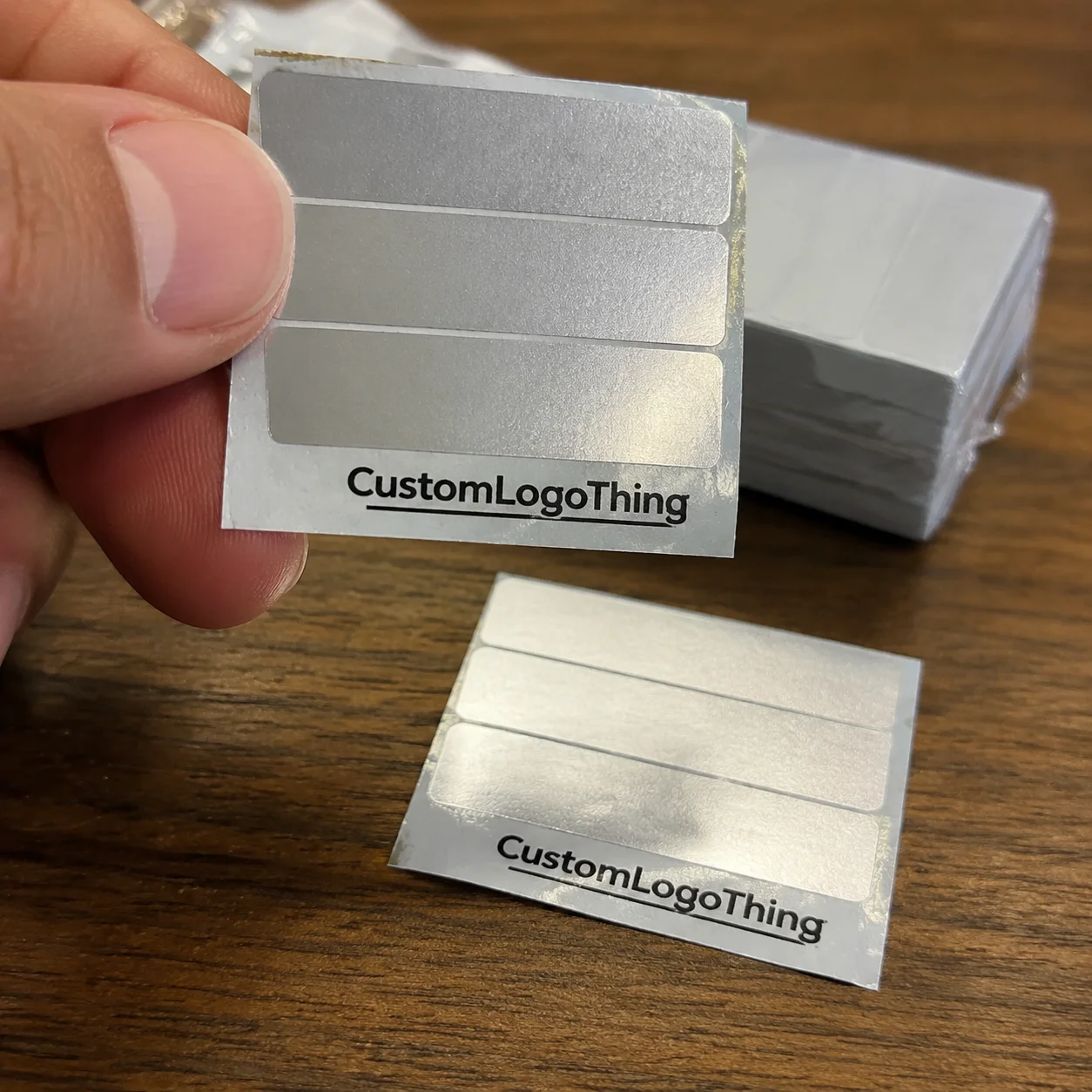
Drivers forget service intervals faster than most shop owners expect, which is why custom Oil Change Stickers for windshield placement still earns its place in the bay. A reminder on the glass is seen every time the driver starts the vehicle, while a note tucked into a glovebox or buried in a phone app can disappear from view almost immediately.
That visibility is the entire point. These labels usually sit in the upper corner of the inside windshield or another repeatable spot that is easy for the technician to find and easy for the driver to notice without interfering with the road view. A good sticker supports the next oil change, but it also reinforces the shop’s habits: clean presentation, clear communication, and consistent follow-through.
Custom Oil Change Stickers for windshield use are small pressure-sensitive labels built to hold on glass long enough to do their job, then remove cleanly when the next service reminder replaces them. Some are written on by hand. Others are printed with variable data, or designed with blank fields for mileage, viscosity, and date. The best versions are easy to read, quick to apply, and plain enough to avoid visual clutter inside the vehicle.
For buyers, the standard is practical: strong enough adhesion, clean removal, readable text, and enough room for the fields the team actually uses. If the label is cramped, smudges easily, or peels early, the shop pays for that mistake in rework and inconsistent customer communication.
How windshield reminder stickers work in service bays
The workflow is usually fast and repetitive. A technician grabs the sticker, fills in the service data, peels the liner, and applies it to clean glass before the vehicle leaves the bay. In higher-volume shops, that step has to take seconds, not minutes, so layout matters as much as adhesive selection.
Surface prep is the part many people underestimate. Dust, condensation, dashboard dressing, and oily residue can all weaken the bond, even on a label stock that looks fine at first glance. If the windshield is cool and damp, or the interior has been wiped with a silicone-heavy cleaner, the sticker may seem secure and still fail later. A quick dry wipe with a lint-free cloth usually helps more than people expect.
Material choice comes down to how much abuse the sticker will see before replacement. Paper labels are often enough for short service intervals and simple handwriting, especially if the print is high-contrast and the stock has a writable topcoat. Film labels, usually polypropylene or polyester, hold up better when moisture, wiping, or sun exposure are concerns. Removable adhesives are common because the label needs to stay put through heat swings and cold mornings, yet still come off without scraping.
Variable data is another useful lever. Many shops want the shop name fixed, then fill in the rest by hand. Others prefer digitally printed fields for service date, mileage, oil type, and even a barcode or appointment prompt. That can support internal tracking, which matters if the reminder ties into customer follow-up or repeat maintenance, but only if the layout is simple enough for the crew to use without slowing down the bay.
If the shop also uses branded packaging on receipts, service folders, or Custom Labels & Tags, the sticker becomes part of the same visual system. It is a small detail, but those details add up to a more organized customer experience.
Cost and pricing factors for custom oil change stickers
Pricing for custom oil change stickers for windshield usually comes down to six things: quantity, size, number of print colors, stock type, adhesive choice, and whether the data is fixed or variable. A simple one-color label in a standard size can stay inexpensive. Add more ink coverage, a synthetic film, or custom numbering, and the quote moves accordingly.
Small quantities usually carry a higher per-unit cost because setup time is spread over fewer pieces. Larger runs improve pricing when the artwork stays stable and the copy does not change from order to order. That is one reason many service operations order several versions at once, especially when they know their oil change format, mileage fields, and next-service intervals will remain the same for a while.
Finishing choices also affect the price structure. Rounded corners may be standard or slightly extra depending on the converter. Perforation, sequential numbering, and specialty coatings can all raise the quote. If the shop wants labels that write smoothly with pen or marker, the topcoat needs to be chosen carefully so ink dries cleanly instead of smearing across the glass.
| Option | Typical Use | Approximate Unit Cost at 5,000 pcs | Notes |
|---|---|---|---|
| Paper label, one-color print | Short service reminders, hand-filled fields | $0.04-$0.08 | Best for basic visibility and simple write-on use |
| Paper label with custom design | Branded reminder with multiple fields | $0.06-$0.12 | Good balance of cost and presentation |
| Synthetic film label | Moisture, heat, or longer display time | $0.09-$0.18 | Higher durability, better resistance to smudging |
| Variable-data printed labels | Dates, mileage, service codes, barcodes | $0.12-$0.28 | Pricing depends on data complexity and setup |
The cheapest label is not always the best value. A sticker that lifts early, prints too lightly, or takes too long to write on costs the shop more than the quote suggests. Compare unit cost against readability, removal performance, and labor saved in the bay. If the label slows the technician, the hidden cost is real.
Production steps and turnaround from proof to delivery
The production path is standard, but small mistakes still slow it down. Most orders start with specification gathering: label size, stock choice, adhesive type, print color, copy fields, and any branding elements. Then the artwork is set, the proof is prepared, and the buyer checks the layout before production begins.
The proof stage matters more than many people expect. If dimensions are off by even a small amount, the label may not fit the glass area the shop uses. If the copy is unclear, the team may not know whether a box is for mileage, date, or oil grade. And if the job uses variable data across several service lines, every field needs to be confirmed before the run starts. Revisions after approval are where timelines stretch.
For straightforward jobs, turnaround can be fairly quick once the proof is approved. More complex jobs, especially those with multiple versions, special finishing, or other branded packaging items bundled into the order, usually need more time. A realistic planning window is often 12-15 business days from proof approval for a standard custom run, though rush work may be possible depending on plant capacity and the exact spec.
“A clean proof is worth more than a pretty mockup. The best reminder label is the one the technician can use without thinking twice.”
Before approval, check the adhesive callout, label size, text hierarchy, and whether the writable areas still leave enough room for a date stamp or handwritten mileage. If the layout looks crowded on screen, it will feel worse on the line.
How to choose size, material, and adhesive strength
Size should follow the data, not the other way around. If the sticker needs to hold shop name, oil grade, date, mileage, and a next-service note, the label has to be large enough to keep each field legible. A cramped label pushes the writing smaller, and tiny handwriting is hard to read from outside the car.
As a practical range, many service reminders land somewhere around 1 x 2 inches to 2 x 3 inches, depending on how much information the shop wants to show. That is not a hard rule. Some operators prefer compact labels that disappear into the corner of the windshield, while others want a larger format that supports clearer branding and easier note entry. Consistency across the shop matters more than chasing the biggest size.
Removable adhesive is often the right choice because the sticker should stay in place through the service interval but still come off without damage when replaced. Permanent adhesive is usually overkill unless the shop has a specific reason for it. On cold glass, the wrong adhesive can fail early; on hot glass, an overly aggressive adhesive can leave residue that frustrates both technician and customer.
For paper versus film, think about display time and conditions. A coated paper label can be perfectly adequate if the sticker is applied cleanly and the service interval is short. A synthetic film label makes more sense if you want better resistance to moisture, dashboard humidity, or incidental rubbing. High-contrast ink, simple typography, and enough blank space matter just as much as the substrate because the reminder has to be read quickly, often in dim parking lots or through lightly tinted glass.
If your shop already standardizes Custom Packaging Products for retail packaging or internal service materials, use the same discipline here. The goal is not decoration for its own sake. It is clear communication that holds up in daily use.
Step-by-step ordering and application checklist
Before placing the order, confirm the exact fields you need. Shop name, service interval, date, mileage, next appointment window, oil viscosity, and any internal tracking notes should all be settled before artwork starts. If your team writes some information by hand and prints other parts, say that up front so the label design supports the workflow.
When requesting a proof, give the printer exact dimensions and the preferred adhesive behavior. Mention whether the sticker must be writable with pen, pencil, or marker, and whether windshield placement is always the same corner. The more standardized the application method is, the easier it is to keep labels consistent across bays and shifts.
The application itself is simple, but the details matter:
- Clean the windshield area with a dry, lint-free cloth.
- Make sure there is no condensation or oily residue.
- Place the sticker in the same corner every time.
- Press firmly across the full surface.
- Check that the writing or print is readable from outside the vehicle.
Inventory planning matters too. Order enough stock to cover peak weeks, separate versions by service package if your shop uses more than one reminder format, and set a simple restock trigger so you do not run low during busy periods. A lot of service teams wait too long to reorder, then pay more for a rush job than they would have spent planning ahead.
Common mistakes that shorten sticker life or reduce readability
The most common failure is not dramatic; it is just annoying. The label is too small, too glossy, or too crowded, so staff rush through the write-up and customers can barely read the reminder later. A windshield sticker does not need to be flashy, but it does need to be honest and legible.
Another mistake is choosing the wrong adhesive for the environment. Cold glass in winter, warm glass in direct sun, and dusty interiors all affect how the label performs. A sticker that seems fine in a controlled office environment may behave very differently in a service bay where temperature and humidity change all day long.
Proofing errors create their own problems. Tiny fonts, poor contrast, missing mileage units, or colors that disappear against tinted glass can make a sticker nearly useless. If the background is too busy, the reminder loses the one job it was supposed to do: communicate clearly at a glance.
Shops also get tripped up when they order too few versions. Then the crew improvises with handwritten notes that vary from bay to bay, and the result looks inconsistent. That weakens service communication and package branding, especially if the rest of the customer materials are polished and organized.
Expert tips for better service reminders and next-order planning
Standardize the layout if you can. One clean format for oil changes is usually better than three almost-identical versions, because staff learn it once and use it quickly. In a busy shop, reducing decision time matters.
If you are switching to a new glass type, adhesive style, or printing workflow, run a small test order first. A trial shows whether the label writes cleanly, stays positioned, and removes the way you expect. That kind of testing is ordinary in packaging design, and it applies here just as much as it does in product packaging or retail packaging work.
Track which format gets the cleanest removal and the best customer response. A simple comparison over a few weeks can tell you which label version the team prefers. Then use that information for the next reorder instead of guessing.
For buyers who care about sustainability signals, ask whether the stock or liner has an FSC path where relevant, or whether the supplier can document responsible sourcing for paper components. If you are evaluating broader compliance or environmental language, organizations like FSC and EPA can be useful references, depending on the material and claim. For general packaging standards and materials guidance, ISTA and PMMI are also practical starting points.
For most shops, the next order should be based on three things: the current dimensions, the actual bay conditions, and the feedback from the people applying the labels every day. That is the simplest way to keep a reminder useful instead of merely branded.
Frequently asked questions
What are custom oil change stickers for windshield use made of?
They are usually pressure-sensitive paper or film labels with a writable or printable surface. The adhesive is selected to hold securely on glass but still allow clean replacement when the next service is due.
How long do windshield oil change reminder stickers stay on?
That depends on adhesive strength, temperature swings, sun exposure, and whether the glass was cleaned before application. Most are designed to last through the service interval, not permanently.
Can I print mileage and service dates on windshield stickers?
Yes, many formats support variable data such as dates, mileage, viscosity, or next service reminders. Clear field layout helps staff fill them in quickly and keeps the message readable to drivers.
What affects the price of custom windshield oil change stickers?
Quantity, size, colors, stock type, adhesive choice, and variable data setup are the main cost drivers. Higher quantities usually reduce unit cost, while custom finishing or rush production can increase it.
How do I choose the right size for an oil change sticker?
Pick a size that fits the amount of service information without crowding the layout. The best choice is one that is easy to write on, easy to read, and consistent with how your shop applies reminders.
