Custom OnlyFans stickers are a small packaging detail that can change how a shipment feels when it arrives. They give creator mailers, fan gifts, insert cards, and subscription bundles a finished look without adding much cost or complexity.
For buyers, the real decision is not whether to add stickers. It is which size, stock, finish, and cut style will work for the package, the budget, and the timeline. A clean spec sheet usually matters more than a flashy mockup.
And yes, custom OnlyFans stickers can be very straightforward: paper, vinyl, matte, gloss, holographic, kiss-cut, or die-cut. The difference is in how the piece performs once it is printed, packed, and handled.
Why custom promo stickers get noticed fast
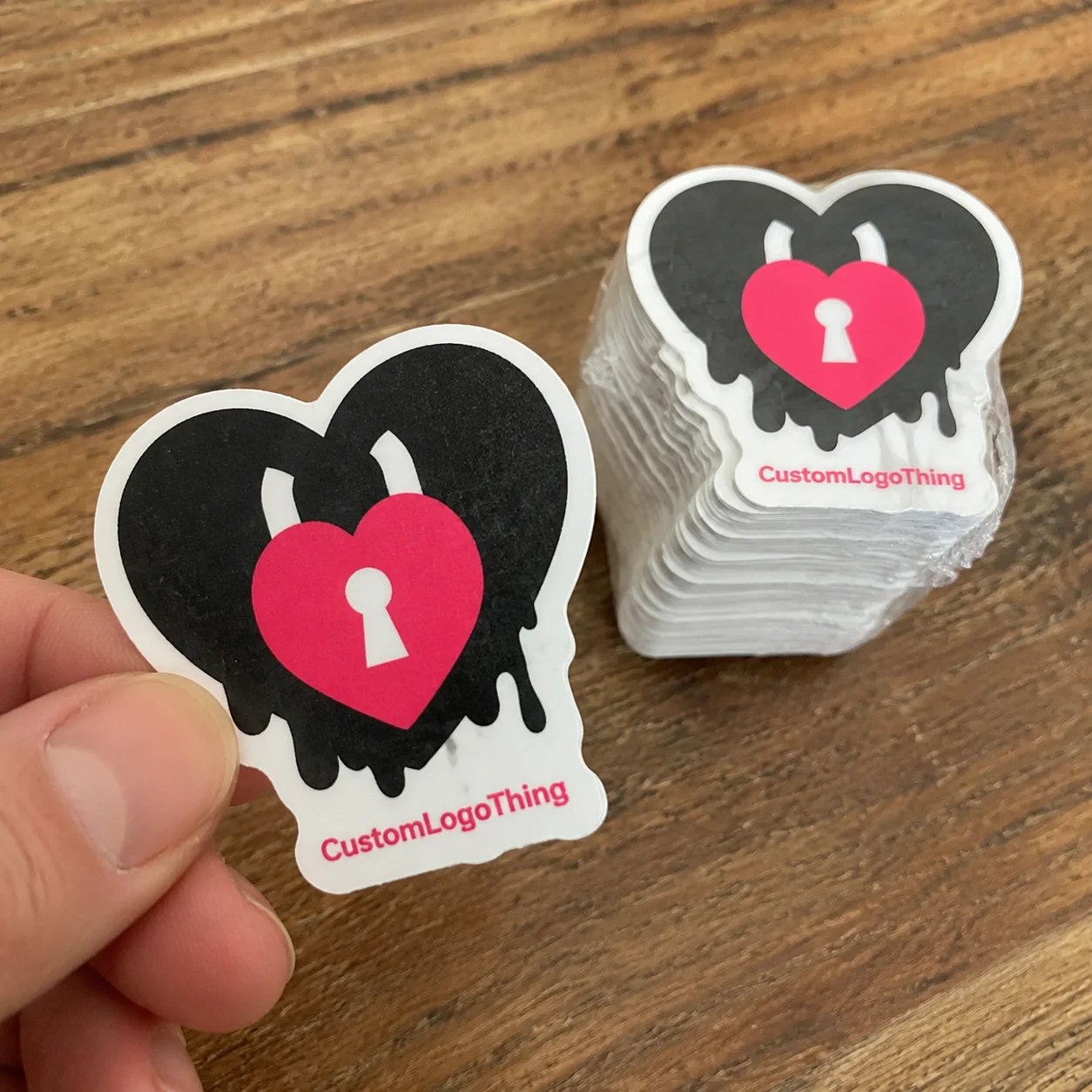
Stickers get seen before they get used. They sit on envelopes, tissue, mailers, boxes, and insert stacks long before the package is fully opened, which gives them more branding weight than many buyers expect.
In practical terms, custom OnlyFans stickers are branded labels or promo decals used for creator mailers, package inserts, fan gifts, and subscription bundles. Some buyers want a clean logo sticker. Others want a handle, QR code, short tagline, or seasonal design that helps the pack feel intentional.
They work because they are inexpensive to distribute, easy to add to an order, and easy for fans to keep. A good sticker can end up on a laptop, water bottle, phone case, or mirror, which means the brand keeps traveling after the package is gone. A bad one disappears into the trash, usually because the size, contrast, or finish was wrong.
A sticker is not decoration first. It is a small branding asset with a job: get noticed, get remembered, and make the package feel worth opening.
For related packaging items, it helps to pair stickers with Custom Labels & Tags or broader Custom Packaging Products so the full presentation feels coordinated.
For buyers who care about material choices, the same sourcing logic applies here as it does in larger packaging projects: match the stock to the use case. The EPA’s sustainable packaging guidance and FSC’s certification resources are useful references for responsible material selection. See EPA sustainable packaging guidance and FSC certification resources.
How the sticker ordering process works
The workflow is simple enough, which helps because packaging projects can become messy fast. Start with size, shape, finish, material, and quantity. Then add artwork or request file cleanup if the design is not print-ready. Most suppliers can quote from those basics before production starts.
For custom OnlyFans stickers, the usual order path looks like this:
- Choose a size, often 2", 3", or a custom die-cut dimension.
- Select the shape: square, circle, rectangle, kiss-cut, or fully die-cut.
- Pick the material and finish: paper, vinyl, matte, gloss, or holographic.
- Upload artwork or request cleanup, cut lines, or layout support.
- Review a digital proof and approve it.
- Move into printing, cutting, finishing, and packing.
Proofing is where a lot of buyers get careless. If your sticker includes a logo, social handle, QR code, or small text, the proof is the last chance to catch a typo, a margin issue, or a QR code that scans fine on screen but fails in the real world.
Print method matters too. Digital printing is common for shorter runs and variable art. Offset can make sense at larger volumes. Specialty finishes like spot gloss or metallic effects add visual impact, but they also increase setup complexity. Lamination improves durability, especially on Vinyl Stickers That will be handled often or exposed to moisture.
Typical production steps include file prep, color review, printing, die-cutting or kiss-cutting, laminating if needed, and then packing. Real orders have moving pieces, so the process only looks instant when the supplier has already hidden the difficult parts.
| Sticker type | Best use | Typical feel | Durability |
|---|---|---|---|
| Paper | Short-run inserts, low-cost promo | Light, simple, budget-friendly | Low to moderate |
| Vinyl | Mailers, giveaways, longer-term use | Smoother, more premium | High |
| Holographic | Attention-grabbing promo packs | Bold, flashy, high impact | High, depending on finish |
| Matte laminated | Premium branding, softer look | Clean, modern, less reflective | High |
Cost, pricing, and MOQ factors that change the quote
The quote changes because printing is not magical. Quantity, size, stock, finish, shape complexity, and artwork cleanup all affect cost. A simple 2" circle on paper stock is a different production job than a custom die-cut vinyl sticker with holographic lamination and a QR code embedded in the layout.
From a buyer’s point of view, minimum order quantity, or MOQ, is the first tradeoff to understand. Lower quantities are easier to test, which helps when you are still figuring out what fans keep. The downside is a higher per-piece price. Larger orders usually lower the unit cost.
Here is a realistic budgeting frame for custom OnlyFans stickers:
- Budget option: Paper or basic vinyl, simple shape, lower coverage, smaller quantity.
- Mid-range option: Vinyl with gloss or matte finish, clean die-cut shape, better durability.
- Premium option: Holographic, metallic, specialty cut, or laminated finish for stronger unboxing presence.
For rough planning, small runs can land around $0.30 to $0.80 per unit depending on size and complexity. Mid-size runs often drop into the $0.12 to $0.35 range. Large runs can go lower, especially if the design is simple and the cut is standard. Add-ons like individual packing, white ink, or specialty finishes push the price up.
The smartest budget frame is simple: decide whether the goal is maximum reach, premium presentation, or the lowest possible unit cost. You usually only get two of the three. If the sticker needs to support a launch or a subscription bonus, spend more on finish and clarity. If it is just a basic insert, keep it clean.
Complex shapes are not always worth it. A custom silhouette can look strong, but if the outline becomes too intricate, production gets harder and the cost climbs. Sometimes a clean rectangle with a sharp layout prints better and performs better.
Artwork specs and print choices that affect results
Good printing starts with good files. Vector artwork is safest for logos, typography, and simple icons because it scales cleanly. High-resolution PNG or JPG files can work if the design is straightforward and the file is prepared correctly.
Cut lines, bleed, and safe margins matter more than most people expect. Bleed is the area that extends past the trim so there is no white sliver after cutting. Safe margin keeps text and critical elements away from the edge. Cut lines define the shape. If a QR code sits too close to the border, or if a logo touches the cut boundary, the final piece can look off-center even when the file looked fine on screen.
Color is another place where buyers get surprised. Bright monitor colors often print a little more muted. Neon blues, hot pinks, and electric greens can shift depending on stock and finish. Gloss tends to make colors feel brighter and more saturated. Matte softens contrast and can make the design feel more premium or more subdued, depending on the palette.
For creator promo, the layout should do real work. Put the handle where it can be read in a second. Keep calls to action short. Make QR codes large enough to scan easily, with enough quiet space around them. If the code is decorative first and functional second, it is already failing.
Specific specs that usually help:
- Use bold type at small sizes.
- Keep QR codes at least 0.8" wide when possible.
- Avoid ultra-thin script fonts for handles.
- Ask for a proof note on color shifts and trim placement.
That kind of planning is exactly why custom OnlyFans stickers can outperform fancier promo pieces. The job is not to impress other designers. The job is to get used, remembered, and shared.
Production timeline, turnaround, and delivery planning
Timelines depend on proofing, printing, finishing, and shipping. A simple sticker run can move quickly. A custom die-cut order with specialty lamination and multiple artwork revisions can slow down fast. The biggest delay is often not the press. It is the approval process.
As a practical estimate, small digital sticker runs often take about 7 to 12 business days after proof approval. More involved jobs can take 12 to 18 business days, especially if they include specialty materials or custom cutting. Shipping adds extra time, and rush orders usually carry a premium.
Plan backward from the event, not forward from the quote. If you need stickers for a launch, subscription push, creator meetup, or influencer mailer, build in time for revisions and transit. Keep a small buffer for reprints too.
From a packaging buyer’s perspective, the cleanest schedule looks like this:
- Artwork sent early enough for a real proof review.
- Approval given quickly, ideally within one or two business days.
- Production started with enough time for finishing and packing.
- Delivery scheduled before the sticker becomes urgent.
That is how you avoid the classic problem: the packaging is ready, the insert cards are stacked, the Custom Printed Boxes are here, and the stickers are still in transit.
Common mistakes that make sticker orders look cheap
The fastest way to waste money is to design for the screen and ignore the physical object. Vague sizing, cluttered layouts, tiny text, and weak contrast all make a sticker feel disposable. If the fan cannot read the handle quickly, most of the value is already gone.
Another common mistake is choosing a finish because it looks cool in isolation. Gloss can make bold colors pop, but it also shows glare. Matte can feel elevated, but if the art depends on shine and contrast, it can flatten the design. The finish should match how the sticker will be handled and where it will live.
Shape can also backfire. Overly complex die-cuts may look clever in a mockup, but they can reduce readability and add cost. A strong silhouette is usually enough. If the outline starts competing with the logo, the sticker is doing too much and saying too little.
Under-ordering is another issue. A single sample pack does not tell you much. Neither does a tiny test run if you plan to use the stickers across several campaigns. If fans are going to keep them, peel them, or reuse them, you need enough volume to see how they perform.
Expert tips for ordering better promo packs
If the sticker is a core promo piece, test two sizes or two finishes. If it is a throw-in extra, keep it simple. The best orders usually start with a clear use case and one or two smart variations, not six versions competing for attention.
A two-piece structure works well for many creator packages: one primary logo sticker and one smaller secondary sticker for inserts or envelopes. That setup makes sense because one format usually cannot do both jobs well. The larger piece carries brand presence. The smaller one handles utility, reminders, or a subtler call to action.
Ask for proof notes on color, trim, and QR placement before approving the run. If the QR code matters, inspect it. If the handle is tiny, verify legibility. If the cut line feels too tight, say so. You are paying for a physical item, not a mood board with a shipping label.
Build sticker orders around a real use case:
- Welcome packs: small branded pieces that make a first shipment feel intentional.
- Subscriber bonuses: collectible items fans are more likely to keep.
- Event giveaways: simple, high-visibility pieces with quick recognition.
- Influencer mailers: polished inserts that support package branding and social sharing.
That approach also helps the stickers match the rest of the kit, whether you are using branded packaging, custom printed boxes, or a mixed set of inserts.
What to do next before you request a quote
Before you ask for pricing, make a short checklist: target quantity, approximate size, finish preference, shape, and intended use. Those five inputs usually get you much closer to a useful quote than a vague “How much for stickers?” email.
Prepare the artwork files and decide whether you need help with cleanup, cut lines, or QR readability. If the file is messy, say so. If you want the sticker to match existing package branding, mention that too. Good suppliers can move faster when they know what the sticker needs to do inside the full packaging setup.
Compare at least two material or finish options against your budget. Maybe one version is plain vinyl and the other is matte laminated. Maybe one is a standard circle and the other is a custom die-cut. The goal is not to buy the most expensive option. The goal is to choose the one that fits the campaign, the packaging, and the timeline.
That is the real value of custom OnlyFans stickers: they make the package feel more deliberate without blowing up the budget. Buy them for the use case, not the fantasy. If they are there to support a launch, a subscriber bonus, or a mailer That Actually Gets opened, the best sticker is the one that works in the real pack.
What are custom OnlyFans stickers used for?
They are used for creator promo, packaging inserts, fan mail, giveaway bundles, and subscriber welcome packs. They help make small shipments feel more branded without adding much cost per order.
How much do custom OnlyFans stickers usually cost?
Pricing depends on quantity, size, material, finish, and shape complexity. Larger quantities usually lower the unit cost, while specialty finishes and custom die-cuts raise it.
What file should I send for custom sticker printing?
Vector files are best, especially for logos and clean text. If you only have a PNG or JPG, it should be high resolution and set up carefully for print.
How long does production usually take?
Turnaround depends on proof approval, printing, finishing, and shipping. Rush options may be available, but approving artwork quickly is often the biggest time saver.
What’s the best finish for promotional stickers?
Gloss is eye-catching, matte feels softer and more premium, and vinyl is a safer pick for durability. The best choice depends on whether the sticker is for packaging, giveaways, or longer-term use.


