Order Custom Bumber Stickers That Actually Get Seen
Most custom bumber stickers are judged from six feet away, in traffic, for about two seconds. That is a hostile reading environment. Tiny text, delicate fonts, muddy contrast, clever-but-confusing artwork, and six-line mission statements all fail quickly once brake lights, glare, and motion enter the picture.
A bumper sticker is an adhesive decal built for vehicles and outdoor exposure. Buyers use them for brand visibility, political messaging, bands, school clubs, nonprofits, fundraisers, parking access, merch tables, product inserts, and customer giveaways. Simple object. Surprisingly unforgiving job.
Why Custom Bumber Stickers Are Harder Than They Look
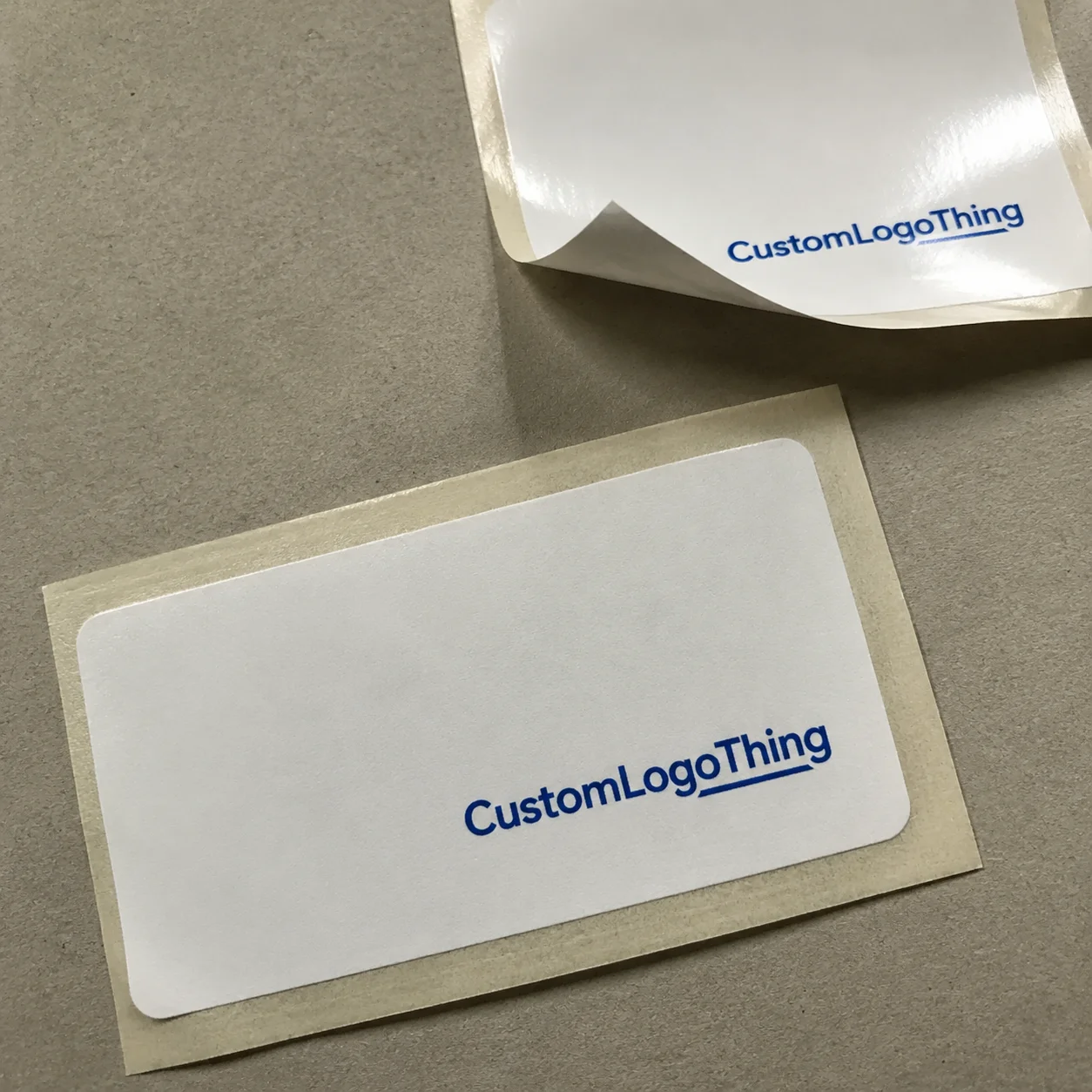
A real bumper sticker is not a paper label with confidence. It needs a flexible film, outdoor-rated adhesive, readable printing, and a finish that can handle sunlight, rain, road grime, temperature swings, and the occasional car wash brush that looks like it was designed for farm equipment.
The spelling deserves a quick cleanup. Many buyers search for custom bumber stickers when they mean custom bumper stickers. Search engines can usually understand the typo. Production cannot. Bleed, safe margins, adhesive selection, file resolution, and proof approval still have to be right.
From a packaging buyer’s perspective, bumper stickers sit near decals, labels, merch inserts, and small brand collateral. They are compact printed pieces that carry a message into the physical world. Unlike a label on a box or a sticker tucked inside a package, a vehicle decal may spend years in UV light, rain, oil mist, dust, salt, and heat. That changes the material conversation immediately.
The main buying decisions are not mysterious: material, adhesive, size, finish, artwork setup, quantity, proofing, timeline, and shipping. The problem is that each choice affects the others. A low-cost paper stock might work for a notebook giveaway. Put the same stock on a bumper in July and it may curl at the edges before the campaign gets any traction.
Quick rule: if the message cannot be understood in two seconds from several feet away, simplify it before ordering. The road is not a brochure rack.
How Printed Bumper Stickers Work From File to Finish
A typical bumper sticker has four layers: printable vinyl or film, pressure-sensitive adhesive, an ink layer, and a release liner that peels away before application. Better outdoor versions add a clear laminate or UV coating over the ink. That top layer is not decoration. It helps resist scratches, moisture, fading, and abrasion from handling, weather, and washing.
Production method depends on quantity, artwork, and color expectations. Digital printing is common for short runs, quick turnarounds, multiple versions, gradients, photos, and detailed graphics. It works well from about 50 pieces into the low thousands. Screen printing can be more economical for larger runs with simple spot colors because setup takes longer, but the ink deposit can be durable and consistent. Flexographic printing usually belongs to high-volume work where plates, setup, and calibration can be justified across thousands of pieces.
Artwork prep is where many orders slow down. Logos should be vector files, usually AI, EPS, SVG, or print-ready PDF. Raster images should be 300 DPI at final size, not 300 DPI before someone stretches them across a ten-inch rectangle. CMYK color mode gives more predictable print output than RGB, which looks brighter on a backlit screen. Add bleed around trimmed edges, commonly 0.125 inch, and keep text or important details inside a safe margin of about 0.125 to 0.25 inch.
Finishing changes both appearance and performance. Gloss finish gives stronger color pop and a retail-style shine. Matte finish reduces glare and can look cleaner on modern brand designs. Clear laminate is the safer choice for longer outdoor use. Die cut shapes follow a custom outline. Kiss cut stickers stay on a larger backing sheet and peel away cleanly, which is useful for handouts, packaging inserts, and retail-ready sticker sheets.
Indoor promotional stickers and outdoor bumper stickers should not be quoted as the same item. One may live on a laptop. The other faces sun, rain, parking lots, winter road salt, and questionable wash chemicals. Different job. Different build.
Key Specs That Decide Durability, Readability, and Stick
Start with material. White vinyl is the default workhorse because it prints cleanly, handles outdoor exposure well, and gives strong contrast for color. Clear vinyl can look sharp on glass or light surfaces, but it is risky on dark paint, tinted windows, or visually busy backgrounds. If the design cannot be read, the material choice has failed even if it looked clever on the quote sheet.
Adhesive is the next major decision. Permanent adhesive is standard for bumper stickers because buyers usually want the decal to stay in place for months or years. Removable adhesive makes more sense for short campaigns, seasonal promotions, event parking passes, temporary branding, and situations where residue is a bigger concern than maximum outdoor life. Low-tack adhesives can reduce cleanup, but they may not hold as well on curved plastic, textured surfaces, or vehicles exposed to high heat.
For measurable quality, ask whether the supplier can provide peel adhesion and shear performance references. ASTM D3330 is commonly used for peel adhesion testing, while ASTM D3654 relates to shear adhesion. A buyer does not need to become a lab technician to order decals, but those standards signal that the supplier is thinking beyond “it sticks.”
Size affects both readability and cost. A classic 3 x 10 inch rectangle works well for slogans, campaigns, and simple brand statements. A 4 x 6 inch sticker gives more room for logos, illustrations, or stacked copy. A 5 x 5 inch round or square format suits badges, clubs, mascots, and merch. Custom die-cut shapes are worth paying for when the outline strengthens the design, not because the phrase “custom shape” sounded good in a meeting.
- Best for slogans: 3 x 10 inch rectangle with high-contrast text.
- Best for logos: 4 x 6 inch oval, rectangle, or rounded rectangle.
- Best for badges: 3 x 3 inch to 5 x 5 inch circle or square.
- Best for merch: kiss-cut sheets or die-cut singles with retail-ready backing.
Readability is blunt. Use one main message, thick fonts, strong contrast, and a clear focal point. Keep the logo large enough to recognize. Skip tiny URLs unless the sticker is meant to be read up close, such as a package insert or a merch freebie. If the slogan needs a paragraph, it is not a bumper sticker. It is a pamphlet in denial.
For finish, ask about UV inks, clear laminate, gloss or matte coating, water resistance, scratch resistance, and expected outdoor life. Basic outdoor vinyl may be enough for a short campaign. Better vinyl with laminate can often last 2 to 5 years depending on climate, sun exposure, washing, application surface, and surface prep. Harsh cleaners, desert sun, freezing winters, and constant abrasion shorten real-world life.
Placement matters too. Avoid designs that block driver visibility, mimic official permits, or use reflective effects without checking local rules. Reflective vinyl can be useful for safety decals, but it can create compliance headaches for promotional pieces. If the sticker is going on packaging, store displays, equipment, or windows instead of a car, the adhesive and finish may change.
Pricing, MOQ, and Unit Cost Without the Guesswork
Pricing depends on quantity, size, material, print coverage, number of colors, finish, laminate, die-cut complexity, artwork versions, proofing needs, and shipping speed. That is why a serious quote asks specific questions. Mildly annoying? Yes. Useful? Also yes.
Small digital runs may land around $0.40 to $2.00 per sticker, depending on size, finish, and setup. Mid-size orders often drop into the $0.15 to $0.75 range. Very large runs can go lower if the design is simple, the size is standard, and the material is not specialty stock. Custom bumber stickers with die cuts, laminate, rush production, or multiple artwork versions will sit higher than plain rectangles on standard white vinyl.
MOQ follows the production method. Digital bumper sticker orders may start around 50 to 100 pieces. Screen printing often makes better financial sense at 500 or 1,000 pieces and up. Flexo jobs usually need much larger volume because plates, setup, and calibration have to be spread across enough units. The press does not care that someone only wants twelve. It still has to be set up.
| Order Type | Typical Quantity | Common Unit Range | Best Use |
|---|---|---|---|
| Short digital run | 50 to 250 pieces | $0.40 to $2.00 | Events, small launches, test designs, multiple artwork versions |
| Mid-size digital or screen run | 500 to 2,500 pieces | $0.15 to $0.75 | Campaigns, merch drops, nonprofit giveaways, local brand visibility |
| Large-volume production | 5,000+ pieces | Often below $0.15 to $0.40 | National promotions, retail inserts, high-volume package branding |
Bigger orders reduce unit cost because setup time, proofing, file prep, press calibration, finishing, packing, and administration get spread across more pieces. A 100-piece order still needs artwork review, material setup, printing, trimming, quality checks, packing, and shipping. That fixed work is why tiny runs feel expensive per unit.
Prepare quote details before asking for pricing: final size, quantity, shape, material, finish, indoor or outdoor use, artwork status, target delivery date, and shipping destination. If the bumper decal is part of a larger campaign with Custom Labels & Tags, custom mailers, retail inserts, or product packaging, say so. Color consistency and finish matching can matter across a full print program.
Do not chase the lowest quote without checking material grade, outdoor rating, adhesive quality, proofing process, and whether shipping is included. A cheap sticker that fades fast is not a bargain. It is delayed disappointment with a tracking number.
Process and Timeline: What Happens After You Request a Quote
The normal ordering flow is straightforward: submit specs, upload artwork, receive a quote, approve pricing, review a digital proof, approve production, print, finish, quality check, pack, and ship. The job moves faster when the buyer sends complete information at the start. Radical, but true.
Quotes often take 1 business day when specs are complete. Proofing may take 1 to 2 business days. Production commonly takes 3 to 7 business days after proof approval for standard vinyl, common shapes, and normal quantities. Shipping depends on destination and service level. If delivery speed matters, mention it before the quote is finalized, not after cartons are packed.
Several issues slow jobs down: missing artwork, low-resolution files, unclear sizes, late proof approvals, custom die lines, specialty materials, color matching, and rushed shipping decisions. Brand-critical color matching may require printed samples or drawdowns, especially if the bumper sticker needs to match retail packaging, product labels, or custom printed boxes.
Proof approval is the main handoff. Production usually does not begin until the buyer approves the proof. If the proof email sits unanswered for three days, the lead time did not betray anyone. The clock was waiting.
Rush printing may be possible for simple shapes, standard white vinyl, and print-ready artwork. Complex die cuts, specialty adhesives, multiple versions, and huge quantities need more room. Build in buffer time for events, product launches, political campaigns, retail drops, school fundraisers, trade shows, and seasonal promotions. Carriers and calendars are not famous for mercy.
If stickers are shipping as part of a display kit or packaging program, ask how cartons will be labeled and packed. ISTA testing standards, available through ISTA, apply more directly to transit packaging than bumper decals, but the principle still matters: printed materials should arrive flat, clean, usable, and protected from crushing or moisture.
Step-by-Step Ordering Guide for Better Bumper Decals
Step 1: Decide the Job of the Sticker
Start with purpose. Is it brand awareness, event merch, campaign visibility, resale, package insert, club identity, parking access, or customer giveaway? The job decides size, message, material, and finish. A resale sticker needs better presentation than a free handout. A long-term outdoor decal needs better construction than a one-week event sticker.
Step 2: Choose the Viewing Distance
A car-window giveaway can handle more detail than a road-facing bumper sticker. Design for the real setting, not the zoomed-in artboard. View the design at actual size, then step back six feet. If the message turns into decorative noise, fix it before production.
Step 3: Pick Size and Shape
Start with a standard rectangle if budget matters. It is efficient to print, trim, pack, and ship. Use die cutting when the shape strengthens the design, such as a mascot outline, product silhouette, state shape, or bold logo mark. Extra shape complexity adds cost and can create thin points that lift, tear, or catch during handling.
Step 4: Select Material and Finish
Use outdoor-rated vinyl for vehicle use. Add laminate if the decal needs longer outdoor life or stronger scratch resistance. Pick matte if glare is a problem. Choose gloss if brighter color and shine matter. For eco-minded packaging programs, ask suppliers about paper liners, liner waste handling, and FSC-related paper components where relevant. The Forest Stewardship Council is a useful reference for responsible paper sourcing, although vinyl itself is a separate material issue.
Step 5: Prepare Artwork Correctly
Use vector logos, outlined fonts, embedded images, bleed, safe margins, CMYK color, and a clear die line for custom shapes. Keep QR codes large enough to scan after printing. A QR code below about 0.8 inch wide can become unreliable, especially with low contrast, poor quiet-zone spacing, or curved placement.
Step 6: Review the Proof Carefully
Check spelling, crop, final size, color notes, phone numbers, QR codes, URLs, and alignment before approving. Read every word out loud. It feels silly. So does receiving 2,000 stickers with the wrong web address.
If the sticker belongs to a broader brand rollout, compare it against your Custom Packaging Products, retail displays, labels, and inserts. Package branding works better when color, tone, and message feel intentional across every printed piece.
Common Design and Buying Mistakes That Waste Money
Mistake 1: Using too much text. Bumper stickers work best when the message is short, bold, and instantly understood. If it takes more than two seconds to read, trim it. Five words often beat fifteen.
Mistake 2: Choosing weak contrast. Dark gray text on black vinyl may look refined on a monitor and useless on a moving vehicle. Contrast is not optional. Use black on white, white on dark blue, yellow on black, or another strong pairing that survives distance and motion.
Mistake 3: Ordering indoor stock for outdoor use. Paper labels and cheap adhesives can curl, fade, crack, or peel when exposed to heat, rain, and UV light. Indoor stickers are fine for notebooks, boxes, and short-term handouts. They are not built for bumpers.
Mistake 4: Forgetting the surface. Bumpers, windows, painted metal, powder-coated surfaces, and plastic trim can behave differently. Dirt, wax, oil, silicone residue, and cold temperatures all weaken adhesive performance. Clean, dry surfaces usually bond best.
Mistake 5: Ignoring proof details. Typos, wrong phone numbers, fuzzy QR codes, missing bleed, and off-center artwork are easier to fix before printing. After printing, they become expensive souvenirs.
Mistake 6: Buying only on unit cost. A cheaper sticker that fades in a month is not savings. It is waste with your logo on it. Lovely.
Most failed bumper sticker orders are not caused by one dramatic disaster. They are caused by small lazy choices stacking up. Low-resolution art. Too much copy. No laminate. Weak adhesive. Rushed proof approval. Then everyone acts surprised when the finished product looks cheap.
Next Steps Before You Send Artwork to Print
Before requesting a quote, gather the basics: final quantity, target size, desired shape, outdoor life expectation, finish preference, artwork file, delivery deadline, and shipping address. If the exact size is undecided, send two practical options, such as 3 x 10 inches and 4 x 6 inches. That gives the supplier a clean way to compare cost.
Choose one primary message and one secondary detail at most. Examples: slogan first, logo second; brand name first, website second; event name first, date second. More than that usually turns the sticker into a tiny billboard with anxiety.
Print a paper mockup at actual size before ordering. Tape it to a wall, step back six feet, and see if it still reads. Primitive? Yes. Useful? Also yes. This cheap test catches bad font sizes, crowded layouts, weak contrast, and logos that looked huge on screen but disappear in real life.
Test QR codes and URLs from the proof, not just the original file. Scaling, print contrast, and quiet-zone spacing can affect scan performance. Keep enough blank space around QR codes and avoid placing them too close to a trimmed edge, rounded corner, or heavy texture.
Request a sample for high-volume orders, retail resale, specialty adhesive needs, unusual surfaces, or brand-critical color matching. Samples cost time, but they can prevent larger losses. For a 100-piece giveaway, a digital proof may be enough. For a 10,000-piece merch or campaign order, seeing the material first is sensible.
Before ordering custom bumber stickers, simplify the artwork, confirm outdoor material, Choose the Right adhesive, and ask for a proof that shows final size, shape, finish, and delivery timing. Clean inputs make cleaner stickers. Funny how that works.
FAQ
What material is best for custom bumper stickers?
Outdoor-rated white vinyl is the safest default because it prints cleanly, resists moisture, and works well on most vehicle surfaces. Add laminate or UV coating if the stickers need longer outdoor life, stronger scratch resistance, or better protection from sunlight. Use clear vinyl only when the design has strong contrast and the final surface will not make the artwork hard to read.
How much do custom bumber stickers usually cost?
Small runs often range from about $0.40 to $2.00 per sticker depending on size, finish, and setup needs. Mid-size and bulk orders can drop closer to $0.15 to $0.75 per sticker because setup costs are spread across more pieces. Custom shapes, rush production, laminate, specialty adhesives, and multiple designs can raise the quote.
What size should I choose for custom bumper sticker printing?
A classic 3 x 10 inch rectangle works well for slogans, campaigns, and simple brand messages. A 4 x 6 inch sticker is better for logos, illustrations, or designs that need more vertical space. For readability, keep the main text large enough to read from several feet away and avoid cramming in small details.
How long does it take to produce custom bumper decals?
A typical order may need 1 business day for quoting, 1 to 2 business days for proofing, and 3 to 7 business days for production after proof approval. Rush timelines may be possible for standard materials, simple shapes, and print-ready artwork. Custom Die Cuts, specialty finishes, large quantities, and slow proof approval can extend lead time.
Can custom bumber stickers be removed without damaging paint?
Removability depends on adhesive type, surface condition, sticker age, heat exposure, and how long the decal has been applied. Removable adhesive is better for temporary campaigns, but it may not last as long outdoors as permanent adhesive. For safer removal, warm the sticker gently, peel slowly, and clean residue with a surface-safe adhesive remover.