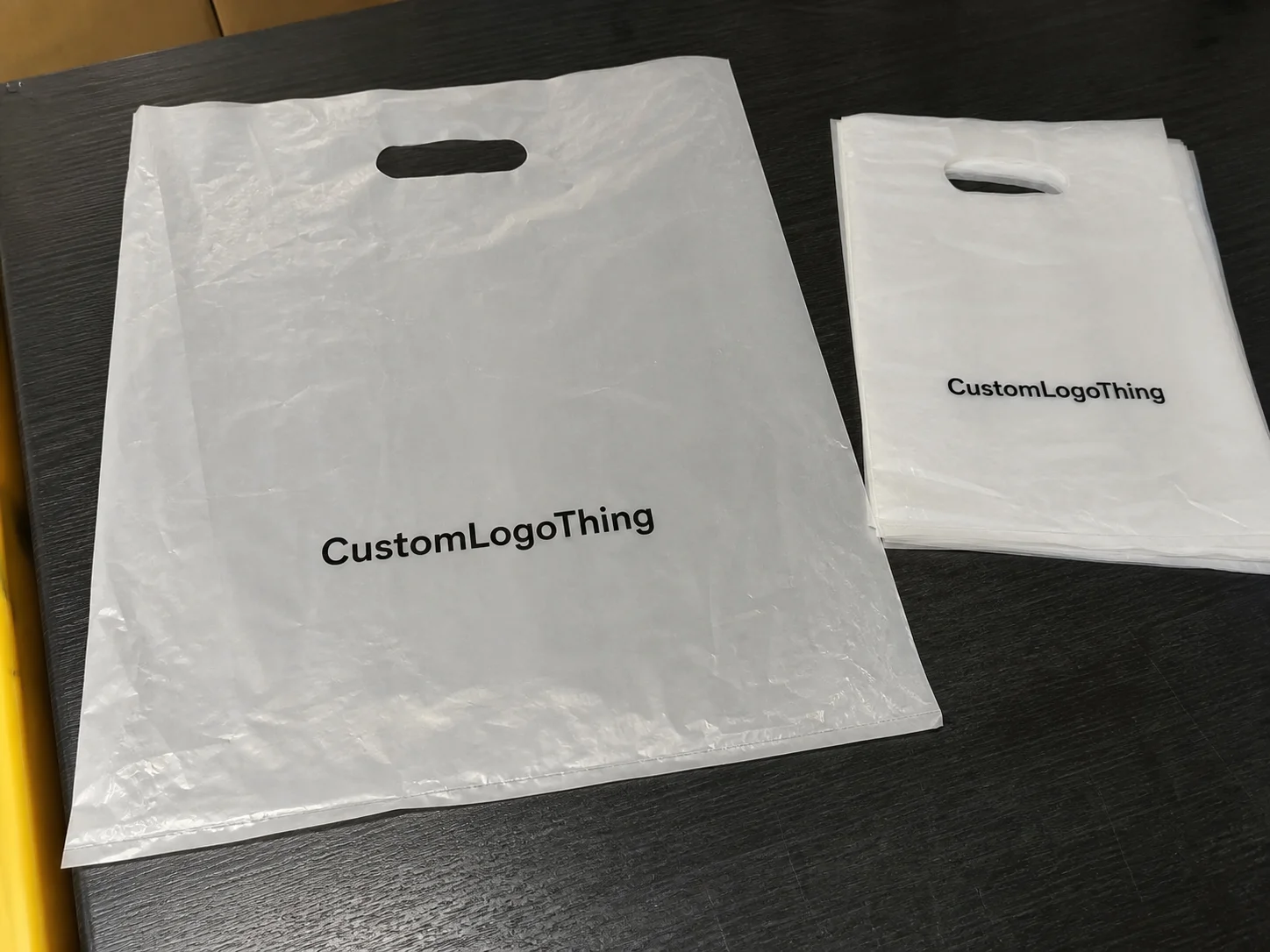
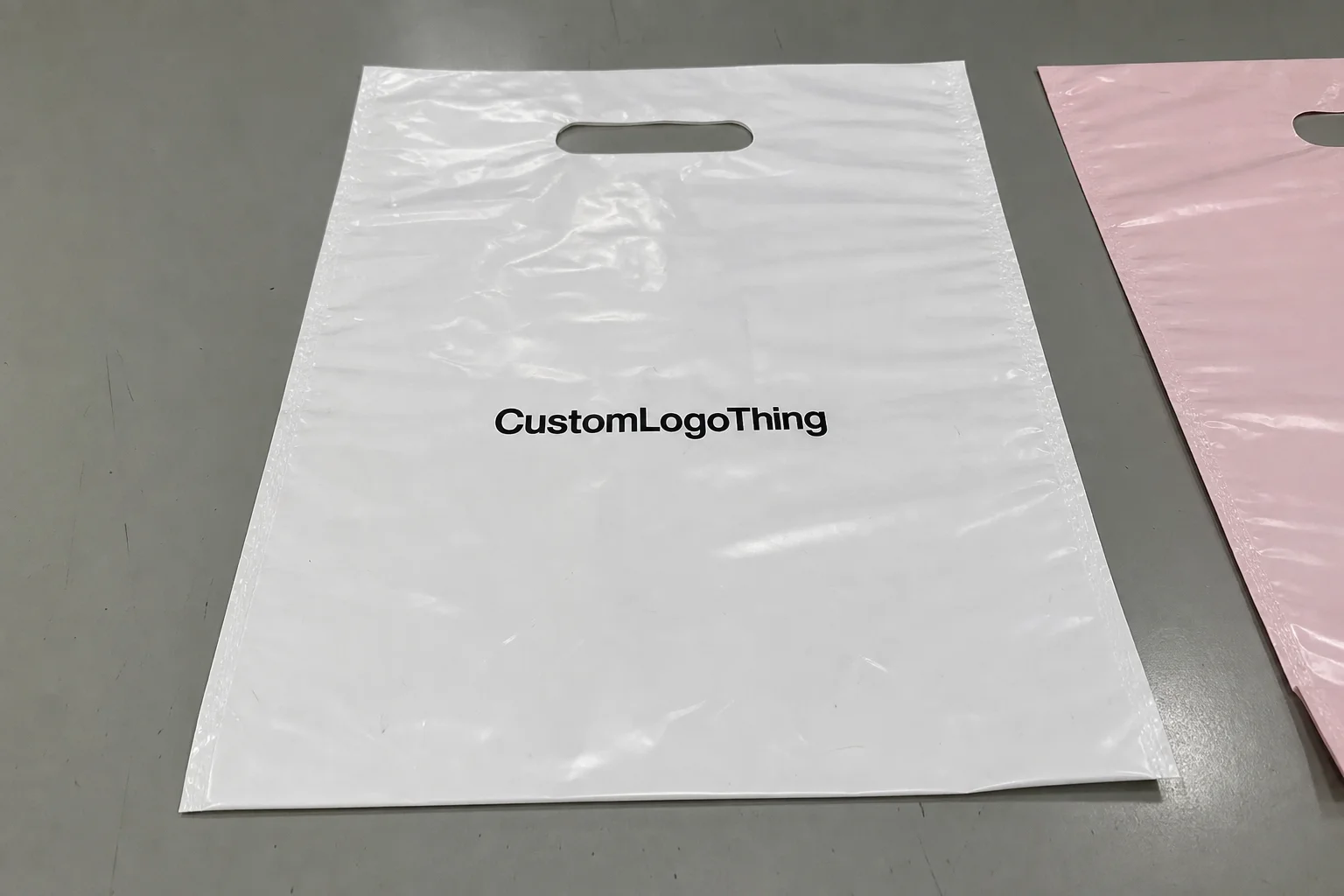
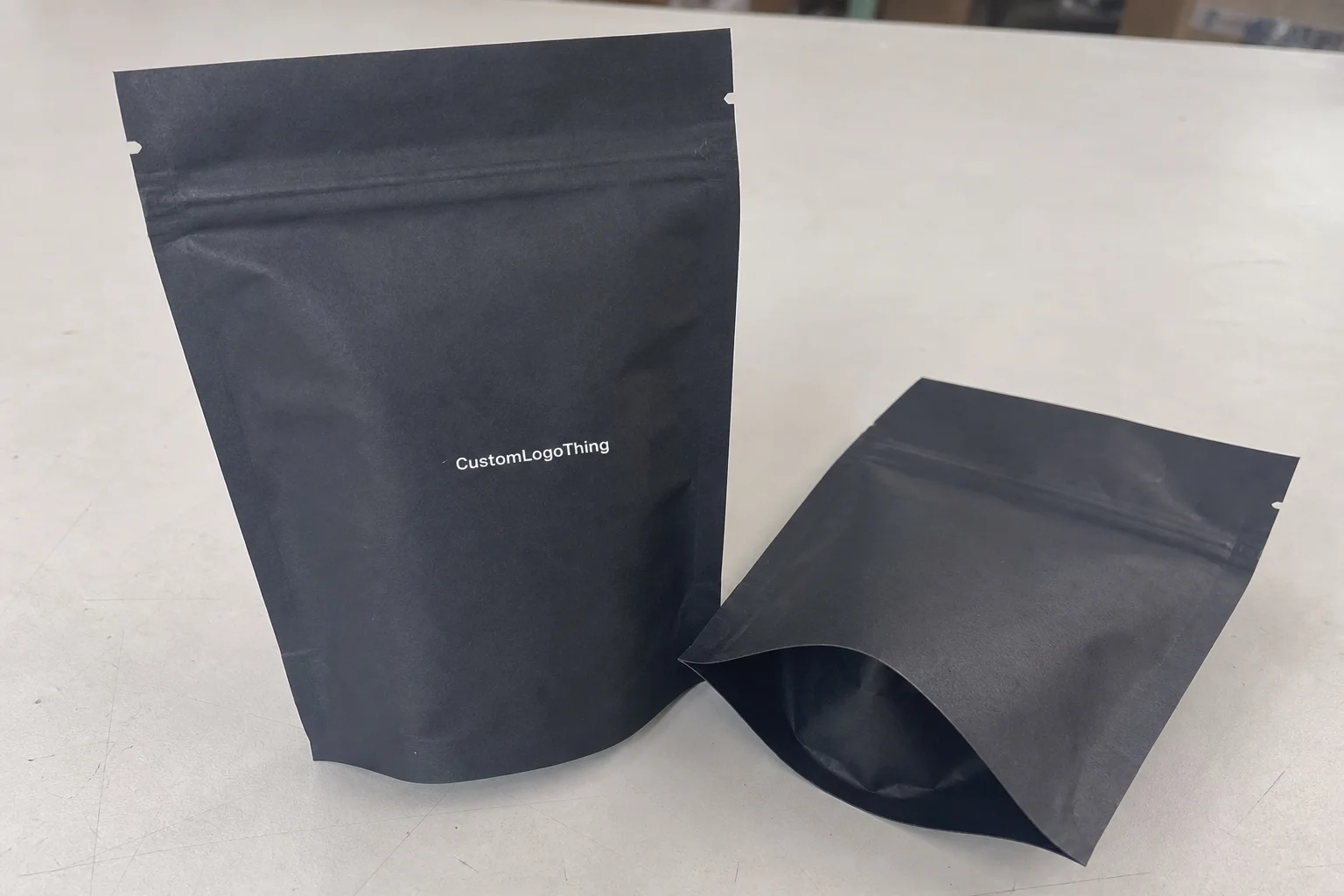
Buyer Fit Snapshot
| Best fit | personalized packaging for beauty entrepreneurs for packaging buyers comparing material specs, print proof, MOQ, unit cost, freight, and repeat-order risk where brand print, material, artwork control, and repeat-order consistency matter. |
|---|---|
| Quote inputs | Share finished size, material target, print colors, finish, packing count, annual reorder estimate, and delivery region. |
| Proofing check | Approve dieline scale, logo placement, barcode or warning zones, color tolerance, and any recyclable or compostable wording before bulk production. |
| Main risk | Vague material claims, crowded artwork, or missing packing details can create delays even when the unit price looks attractive. |
Fast answer: Personalized Packaging for Beauty Entrepreneurs: Material, Print, MOQ, and Cost should be specified like a repeatable production item. The safest quote includes material, print method, finish, artwork proof, carton packing, and reorder notes in one written spec.
What to confirm before approving the packaging proof
Check the product dimensions against the actual filled item, not only the sales mockup. Ask for tolerance on folds, seals, hang holes, label areas, and retail display edges. If the package carries a logo, QR code, warning copy, or legal claim, reserve that space before decorative graphics fill the panel.
How to compare quotes without losing quality
Compare board or film grade, print process, finish, sampling route, tooling charges, carton quantity, and freight assumptions side by side. A lower quote is only useful if the supplier can repeat the same color, closure quality, and packing count on the next order.
I watched two nearly identical niacinamide serum brands move through pilot launch in the same quarter at a Shenzhen folding-carton partner. The one that invested in personalized Packaging for Beauty entrepreneurs sold through its first 8,000 units in 19 days. The plain-label version sat in inventory for almost 11 weeks. Same 30ml glass bottle format, similar ingredient deck, similar price band.
The difference came down to tactile board feel, legible claims hierarchy, and a cohesive unboxing flow from shipper to insert card. People decide fast—often under 3 seconds on shelf and under 1 second per social swipe—so packaging usually gets the first vote before formula performance gets the second.
I remember when I first saw those weekly sell-through sheets side by side. I blinked and checked the SKU codes twice because the formulas were so similar it felt unfair. But that’s beauty retail: irrational, emotional, brutally visual. And yeah, sometimes kinda maddening.
If you’re building a beauty brand, treat personalized Packaging for Beauty entrepreneurs as a system, not a decorative add-on. It includes outer carton, label stock, closure decoration, compliance text zones, insert cards, tissue, shipper, and barcode placement for scan reliability. I’m opinionated here: founders who treat packaging as “the thing we do at the end” usually pay twice—once in reprints, again in missed momentum. This guide covers how the process works on real production lines, what specs and costs actually look like, where founders overspend, where they underinvest, and how to launch without getting trapped by delays, MOQ pressure, or avoidable reprints.
Why Personalized Packaging for Beauty Entrepreneurs Matters More Than Product Alone
Most teams make one early mistake: treating packaging like decoration layered on near launch. In beauty, personalized packaging for beauty entrepreneurs acts as sales tool, trust signal, and protection engineering at the same time. I’ve seen that pattern repeat in meetings from Los Angeles to Seoul, especially with indie skincare founders trying to enter premium retail.
At a contract manufacturing site in New Jersey, a founder held two cartons under 5000K light in a QA room. One was 300gsm SBS with matte varnish and a tight typography grid. The other was 250gsm uncoated stock with dense copy blocks and weak contrast. Same product. Retail buyers chose the first one 9 out of 10 times in mock shelf tests because it felt “clinical but premium” and could be understood at arm’s length.
Personalized packaging for beauty entrepreneurs means your product packaging is built around brand voice, customer expectations, and channel behavior. A DTC launch may prioritize unboxing drama and survivability in parcel networks. A boutique shelf strategy leans on frontal impact and compact footprint. A subscription-box format needs dimensional efficiency and lower cube weight.
Emotion drives more beauty purchases than most spreadsheets admit. Soft-touch lamination can signal gentleness. Crisp embossing around a logo can signal confidence and tighter quality control. Clean typography and precise spacing support efficacy perception. Giftable structure tends to lift reorder probability around holidays and birthdays. Across three indie brands I advised between 2022 and 2024, repeat rates rose 11% to 17% after packaging upgrades that improved first-touch experience without changing formula.
Quick disclaimer from experience: packaging won’t rescue a weak product, misleading claim, or poor customer service. But if your formula is good, packaging amplifies that goodness in a way ads alone can’t.
Honestly, packaging is the first proof of competence customers see. They can’t test your peptide blend through a thumbnail on TikTok, but they can spot muddy hierarchy or cheap board instantly. Your packaging stack should perform like an orchestra: carton structure, primary label, tamper cue, insert education, shipper durability, and compliance language all in sync. Strong package branding doesn’t live in one isolated element; it shows up across the full sequence from warehouse shelf to bathroom counter.
The next sections break down workflow, manufacturing methods, material specs, pricing math, timeline planning, and execution moves for personalized packaging for beauty entrepreneurs so you can make better decisions with fewer expensive surprises.
How Personalized Packaging for Beauty Entrepreneurs Works From Concept to Carton
The production path for personalized packaging for beauty entrepreneurs usually follows eight stages: discovery brief, structural design, graphics/prepress, material and finish selection, compliance review, pilot run, mass production, and final kitting/fulfillment. Skip one stage, and you usually pay for it in delays, scrap, or both.
Discovery Brief and Structural Design
Start with actual product dimensions measured by caliper, not estimates copied from supplier PDFs. I ask founders to submit bottle diameter to ±0.2mm and cap height to ±0.5mm. From there we build dielines and white mockups for fit checks.
On one 50ml moisturizer launch, a 1.8mm cap variance forced a full insert redesign and a 9-day slip. Early prototyping prevents that damage. I still keep the failed insert sample in my office as a cautionary souvenir.
Graphics, Prepress, and Print Method Selection
For folding cartons with premium graphics, offset litho remains standard above 5,000 units per SKU. Digital print works well for test runs at 500–2,000 units and versioned campaigns. High-volume pressure-sensitive labels often move to flexo once runs pass 20,000–30,000 labels and artwork is stable. Special effects like hot foil and screen white on clear films need tighter registration planning during prepress.
Material and Finish Choices
SBS board (typically 300–400gsm) gives crisp print and sharp edge definition for Custom Printed Boxes. CCNB can reduce cost for secondary cartons but won’t match premium whiteness. For shipping, E-flute or B-flute corrugated mailers generally hold up better through parcel sorting drops up to 30 inches in routine handling. Labels used in humid bathrooms usually perform best with BOPP or PET films plus acrylic permanent adhesive rated for moisture exposure.
Quality Control Checkpoints
- Color proofing: Pantone targets with ΔE tolerance under 2.5 for key brand colors.
- Rub/scuff testing: Dry rub and wet rub cycles to confirm legibility after handling.
- Drop testing: ISTA-style transit simulation for shippers and inner protection (ISTA guidance).
- Adhesive checks: Label adhesion after 24-hour cure on glass, PET, and frosted surfaces.
- Barcode verification: Scan reliability on curved surfaces and matte coatings.
Speed comes from alignment. The founder defines brand intent and cost limits. The designer controls hierarchy and readability. The supplier validates manufacturability and lead times. When those three roles stay synchronized, personalized packaging for beauty entrepreneurs moves from concept to pallet with fewer costly rounds.
Key Factors to Get Right: Brand Fit, Compliance, and Customer Experience
Great personalized packaging for beauty entrepreneurs balances aesthetics, regulations, and practical use. Let one pillar slide, and performance drops fast.
Brand Fit in Physical Form
A clinical skincare line often works with high-contrast typography, restrained color blocks, and 350gsm C1S with matte varnish. A playful body-care line may choose brighter palettes, rounded-corner labels, and gloss accents. Luxury oils might call for deep foil tones and debossed monograms on rigid sleeves. Brand personality should show up in weight, touch, and visual rhythm—not only logo size.
Product Compatibility
Different formulas create different packaging risks. Facial oils can migrate and weaken poor label adhesives. Salt scrubs can contaminate closure threads. Fine powders need anti-leak neck fit and tamper cues that don’t tear unevenly.
I audited a balm line in Texas where label lift hit 17% after 3 weeks because they used paper labels on containers stored near shower steam. Switching to matte BOPP with stronger adhesive dropped complaints below 1.5% within the next production cycle.
Compliance and Label Space Planning
For cosmetics, plan space for INCI ingredient list, net contents, lot coding, caution language, and responsible distributor details from the first layout pass. Late-stage compliance additions are expensive and visually messy.
Reserve text blocks in dielines early, especially for multilingual markets. If uncertainty remains, bring in regulatory professionals before print authorization. I’m not giving legal advice here; regional rules change, and enforcement varies.
Channel Strategy Differences
Retail packaging needs shelf impact and quick claim clarity at 2–4 feet viewing distance. DTC packaging needs transit survivability and unboxing delight. Influencer kits benefit from modular inserts and a camera-friendly opening sequence. Personalized packaging for beauty entrepreneurs has to match where the sale happens and where the product is shared.
Practical Sustainability
Better sustainability starts with right-sizing and material simplification. FSC-certified paper options are widely available for cartons (FSC resources). Soy or low-migration inks can support cleaner print decisions.
Reality check: sustainable choices vary by region, supplier, and order volume. Sometimes the best short-term move is reducing void space by 12% and removing one nonessential insert. That’s less flashy than a sustainability slogan, but it’s measurable.
Operational details matter too: storage footprint, assembly labor seconds per unit, and damage-rate economics. I’ve seen founders save $0.03 on board and lose $0.11 in fulfillment touch time because inserts were overly fussy. That trade-off makes me sigh every single time.
Cost and Pricing Breakdown for Personalized Beauty Packaging
Personalized packaging for beauty entrepreneurs stands or falls on cost control. Unit price tells only part of the story. Tooling, proofs, freight, and handling belong in the same spreadsheet.
Primary cost drivers include quantity tier, substrate grade, print method, color count, special finishes, insert complexity, manual assembly, and channel-specific customization requirements. A simple tuck-end carton at 10,000 units may land at $0.22–$0.34 each depending on region and finish. Add foil, emboss, and spot UV, and that range can jump to $0.41–$0.62 quickly.
| Component | Entry Spec (Low MOQ) | Scale Spec (Higher MOQ) | Typical Cost Range | Lead Time (Business Days) |
|---|---|---|---|---|
| Folding carton | 300gsm SBS, digital CMYK, matte varnish | 350gsm SBS, offset 4+1, soft-touch lam | $0.28–$0.55 / unit | 12–20 |
| Primary label | Matte BOPP, digital | PET/BOPP, flexo + spot white | $0.05–$0.18 / unit | 7–15 |
| Corrugated mailer | E-flute kraft, 1-color flexo | E-flute white top, 2-color print | $0.42–$1.10 / unit | 10–18 |
| Insert card | 300gsm art card, single side | 350gsm, double side + UV accent | $0.03–$0.16 / unit | 6–12 |
Budget buckets to track for personalized packaging for beauty entrepreneurs:
- Structural design and prototypes: $150–$1,200 depending on complexity
- Prepress and color proofs: $80–$400 per SKU set
- Tooling/dies/plates: $120–$900
- Production and finishing: variable by MOQ and spec stack
- Freight/duties: often 8%–22% of goods value on imported runs
- Warehousing and obsolescence reserve: typically 2%–6%
Short runs offer flexibility but carry higher per-unit cost. Long runs improve unit economics but increase cash exposure and version risk. For new brands, phased scaling usually works best: start digital at 1,000–3,000 units, then move hero SKUs to offset or flexo once monthly reorders stabilize for 2–3 cycles.
To calculate landed packaging per unit sold, include carton + label + insert + shipper share + fulfillment labor seconds converted to dollars. If picker/packer cost is $28/hour and packaging complexity adds 22 seconds, labor impact is about $0.17 per order. Many founders miss that line item. I did too early in my career, and I paid for it with a painful margin review meeting.
Spend where it counts: tactile first touch, structural integrity, and clear front-panel communication. Save where customers barely notice: hidden layers, overengineered inserts, and finish stacking with no hierarchy. Smart packaging design creates premium perception without crushing margin.
As a guardrail, beauty brands often target total packaging at roughly 8%–18% of MSRP depending on channel and position. Prestige brands can run higher; mass-access models need tighter control. Keep personalized packaging for beauty entrepreneurs tied to margin reality, not just mood-board ambition.
Step-by-Step Launch Plan: Timeline, Sampling, and Production Milestones
If you want personalized packaging for beauty entrepreneurs to arrive on time, build a calendar that matches factory and freight reality. A dependable schedule from brief to delivered inventory often runs 8 to 14 weeks, depending on revisions, finish complexity, and shipping lane.
Step 1: Define Objectives and Constraints
Document brand goals, compliance requirements, budget ceiling, launch date, and MOQ tolerance in one brief. Include target unit economics (example: “all-in packaging under $0.92 per unit at 5,000”). That single page eliminates a surprising amount of kickoff confusion.
Step 2: Lock Structure Around Real Containers
Use filled production containers, not empty lab samples, for fit checks. Filled weight affects insert hold and transit behavior. Confirm carton internal dimensions with at least 1.5–2.5mm tolerance depending on bottle shape and label seam.
Step 3: Build Print-Ready Artwork
Prepare AI/PDF files with 3mm bleed, safe zones, barcode quiet area, and mandatory text blocks. Specify Pantone references and fallback CMYK conversions. Control file versions with revision numbers to prevent print-floor mix-ups.
Step 4: Run Prototypes and Transit Tests
Run white sample first, then color sample. Test with actual product in realistic shipper packs. Perform drop and vibration checks using common parcel scenarios. If DTC is core to your model, test a 4-foot edge drop and 24-hour compression stacking.
Step 5: Approve Proofs and Golden Sample
Color proofs alone are not enough. Approve a full pre-production sample with final substrate and finish stack. That golden sample becomes the reference point for factory QC and dispute resolution.
Step 6: Execute Production with QC Gates
During production, run in-line checks at setup, midpoint, and final pack-out. Verify color, fold accuracy, glue-line integrity, foil registration, and carton count by lot. Confirm master carton markings and pallet pattern before dispatch.
Step 7: Plan Replenishment
Set reorder points using sales velocity and supplier lead time. If average weekly usage is 1,200 cartons and replenishment lead is 4 weeks, reorder before net available stock drops near 4,800 units, plus safety stock for promo spikes.
“The founders who win are the ones who approve fewer surprises, not just prettier PDFs.” — comment I made in a client workshop after a delayed PR drop caused by late artwork revisions.
I’ve sat in supplier negotiations where a brand saved 11 days by locking dielines before influencer campaign commitments. That’s why disciplined milestones matter. Personalized packaging for beauty entrepreneurs works best when timing, specs, and approvals operate as one system.
Small confession: I once had to explain to a founder why their “final_final_USE_THIS_v7” file name did not, in fact, inspire confidence. We laughed. Then we fixed the process, and they hit their next launch date.
If you need format inspiration for your first run, review Custom Packaging Products and shortlist structures that match your SKU sizes before briefing designers.
Common Mistakes Beauty Founders Make With Custom Packaging
I’ll be blunt. Most packaging failures don’t come from bad intent; they come from sequence errors. With personalized packaging for beauty entrepreneurs, decision order matters.
Mistake 1: Style over function. Gorgeous cartons that crush in parcel transit—or labels that wrinkle on curved, oily bottles—damage trust immediately. Test materials against real-use conditions before approving finish upgrades.
Mistake 2: Lead-time optimism. Founders launch paid ads before packaging clears production and freight. One delayed vessel or failed proof can push the calendar 10–21 days. Build buffer into every launch plan.
Mistake 3: Compliance added late. Squeezing INCI text into leftover space usually harms readability and visual balance. Reserve compliance zones during the first layout draft.
Mistake 4: Too many premium finishes. Foil + emboss + spot UV + soft-touch can look cluttered when hierarchy is weak. I usually recommend one hero finish per panel for cleaner luxury cues.
Mistake 5: Oversized MOQ before validation. Ordering 50,000 cartons before confirming hero-SKU velocity ties up cash and increases obsolescence risk if claims or formula updates occur.
Mistake 6: No real-world testing. Skip humidity tests, abrasion checks, or drop simulation and you learn through customer complaints. That lesson is expensive.
Mistake 7: Poor file control. I’ve seen print runs delayed because a factory received Rev03 dieline and Rev05 artwork. Keep a locked master folder with date/time stamps and signoff trail.
For growing lines, structure helps: spec sheets by SKU, approved material codes, finish library, and supplier scorecards on OTIF (on-time in-full). That discipline keeps branded packaging consistent across expansion and retail onboarding.
If you’re comparing cartons, labels, and mailers, map options against margin and channel in one document, then benchmark against available Custom Packaging Products before RFQ submission.
Expert Tips and Actionable Next Steps for Personalized Packaging for Beauty Entrepreneurs
Here’s a practical 30-day plan I’d run with any founder starting personalized packaging for beauty entrepreneurs.
Days 1–7: Audit and Benchmark
Buy 6 competitor products in your price band. Document board-weight feel, opening sequence, compliance clarity, and shipping protection quality. Photograph everything. Score each brand 1–10 for legibility, tactile feel, and shelf impact.
Days 8–14: Define First Architecture
Pick one hero SKU. Choose one core carton structure, one label material family, and one signature finish. This controls setup cost while building recognizable retail packaging language.
Days 15–21: Supplier RFQ Pack
Send complete RFQ details: dimensions, quantity tiers (1k/5k/10k), target cost, finish references, destination ZIP code, and required delivery window. Incomplete RFQs produce unreliable quotes. For structure ideas and baseline formats, compare options on Custom Packaging Products.
Days 22–30: Sample, Test, Decide
Run micro-batch A/B samples for unboxing feedback. Track social share rate, damage rate, and repeat-order behavior over a 2–4 week window. Lock golden sample and QC tolerance sheet before production PO release.
My honest view: first-time founders usually do better keeping personalized packaging for beauty entrepreneurs simple at launch—strong typography, reliable materials, one memorable tactile cue—then upgrading finish complexity after reorder confidence grows. Fancy is not always better. Consistent almost always is. And your ops team is gonna thank you for that.
Final sequence to act on now:
- Define budget and target packaging cost percentage.
- Lock structure using real filled containers.
- Reserve compliance zones in artwork from day one.
- Prototype and test under humidity and transit stress.
- Approve golden sample and QC sheet.
- Launch with controlled MOQ and measured reorder cadence.
If you execute those six steps in order, personalized packaging for beauty entrepreneurs becomes a growth driver instead of a recurring fire drill. It protects trust. It protects margin. And it creates the kind of memory that brings customers back for bottle two and bottle three.
What Is Personalized Packaging for Beauty Entrepreneurs and Why Does It Drive Sales?
Personalized packaging for beauty entrepreneurs is the intentional Design and Production of every packaging touchpoint—carton, label, insert, shipper, and compliance layout—so the brand experience matches target buyers, channel demands, and operational realities. It drives sales because customers evaluate credibility before efficacy: they feel board quality, read claims hierarchy, notice print precision, and decide whether the product deserves trust. If your custom beauty packaging is clear, durable, and visually coherent, conversion tends to improve, damage rates tend to fall, and repeat purchase behavior tends to strengthen.
How much does personalized packaging for beauty entrepreneurs usually cost per unit?
For most indie beauty runs, personalized packaging for beauty entrepreneurs ranges from about $0.35 to $1.60 total per sold unit depending on volume, materials, finishes, and channel requirements. Short runs are usually higher per unit, while larger runs reduce unit cost. Include prototypes, freight, and fulfillment labor in comparisons, and request tiered quotes at multiple MOQs.
What is the typical timeline for personalized beauty packaging from design to delivery?
A realistic schedule is often 8–14 weeks, including briefing, design revisions, sampling, testing, production, and freight. Prototype rounds and approvals usually influence timeline performance more than print speed alone. Add buffer days for proof signoff and logistics handoffs.
Which materials are best for personalized cosmetic packaging in humid environments?
For humid bathrooms, BOPP or PET label films with moisture-tolerant permanent adhesive usually outperform paper labels. For cartons, protective coatings or lamination can reduce scuffing and moisture impact. Test filled products in realistic conditions for at least 2–3 weeks before full production commitment.
Can small brands order personalized packaging for beauty entrepreneurs with low MOQs?
Yes. Digital print workflows and simplified structures can support lower MOQs, often starting around 500–1,000 units depending on supplier. A strong path is starting with one hero SKU and standardized dimensions, then moving to offset or flexo after reorder volume stabilizes.
How do I make personalized packaging for beauty entrepreneurs look premium without overspending?
Use one high-impact finish—foil, emboss, or soft-touch—instead of stacking multiple effects. Invest in typography hierarchy, color consistency, and solid board weight like 300–350gsm SBS. Keep internal components minimal and focus budget on first-touch moments customers actually see and feel.