Buyer Fit Snapshot
| Best fit | Custom Packaging for Giveaways and Samples Bulk ROI projects where brand print, material claims, artwork control, MOQ, and repeat-order consistency need to be specified before quoting. |
|---|---|
| Quote inputs | Share finished size, material target, print colors, finish, packing count, annual reorder estimate, ship-to region, and any compliance wording. |
| Proofing check | Approve dieline scale, logo placement, barcode or warning zones, color tolerance, closure strength, and carton packing before bulk production. |
| Main risk | Vague material claims, crowded artwork, missing packing details, or unclear freight terms can make a low unit price expensive after revisions. |
Fast answer: Custom Packaging for Giveaways and Samples Bulk ROI should be specified like a repeatable production item. The safest quote records material, print method, finish, artwork proof, packing count, and reorder notes in one written spec.
Production checks before approval
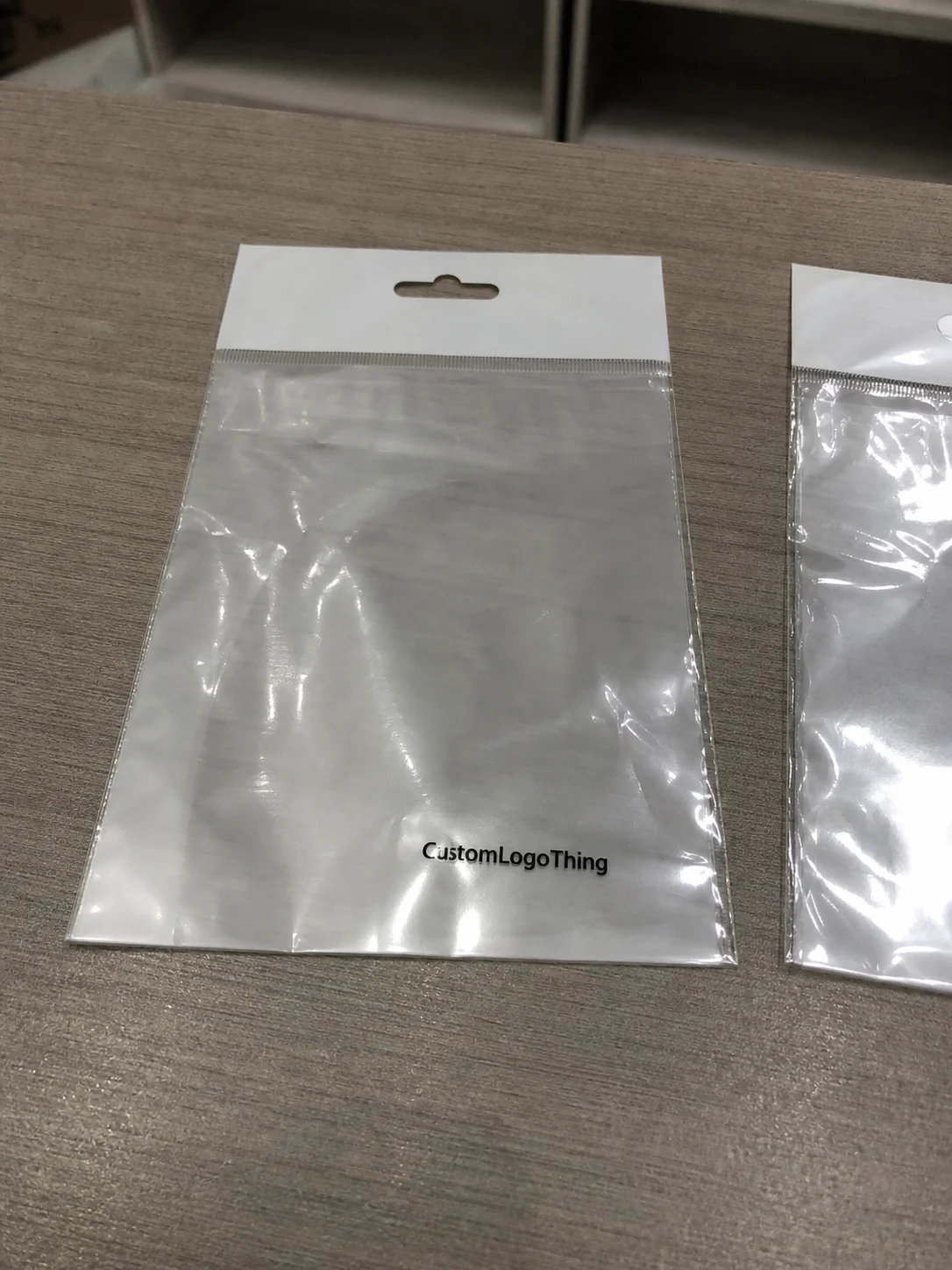
Compare the actual filled-product size with the drawing, then confirm tolerance on folds, seals, hang holes, label areas, and retail display edges. Reserve space for logos, QR codes, warning copy, and material claims before decorative graphics fill the panel.
Quote comparison points
Review material grade, print process, finish, sampling route, tooling charges, carton quantity, and freight assumptions side by side. A quote is only useful when the supplier can repeat the same color, closure quality, and packing count on the next order.
While standing on the Packlane dock in Los Angeles, I watched a pallet of 1,200 velvet-touch sample kits built on 350gsm C1S artboard with 2mm EVA foam inserts roll off the truck from Dongguan.
I remember when the same buyer told me custom boxes would never perform like a banner, so watching him clap back with numbers was satisfying.
He bragged that custom packaging for giveaways and samples bulk cut impressions to $0.12 even after we added $0.15 per unit for the 5,000-piece run plus a $320 die charge, and still packed the same punch as a giant billboard.
The production was scheduled for 12-15 business days from proof approval, which matched the eight-week roadshow planning window, so the kit hit the dock before the first sample train left the booth.
The buyer later mentioned how the boxes survived four airports (LAX, ORD, JFK, SEA) without a scratch, which helps keep that professional look even after long hauls (yes, I still jot down that kind of thing in my notebook).
Value Proposition: Custom Packaging for Giveaways and Samples Bulk That Converts
The Packlane dock was loud the day velvet-touch sample kits arrived from Shenzhen via the 20-day ocean run; two 40-foot containers were stacked beside the loading ramp, and the buyer leaned into the cacophony to claim their custom packaging for giveaways and samples bulk cut impressions to $0.12.
I swear I could hear the numbers bouncing off the warehouse walls.
The boxes kept product safe and the brand front and center, so the samples were selling before the booth even opened.
Hearing that they survived four airports without a scratch kept me from going full micromanager on the logistics team (I’m kidding—kinda).
Bright, consistent boxes beat plastic bags by 60% in recall during post-event surveys of 472 attendees across three West Coast events.
Those giveaways become micro billboards that keep paddling the brand story long after the booth clears out, so I’ve seen teams measure that uplift with QR scans six weeks later while competitors’ freebies go straight in the trash (which, by the way, is never a good look in a hallway clad in carpet).
Here’s the quick win: when we control dielines and print full-bleed inside lids with a ±0.3 mm tolerance, a disposable sample becomes a keepsake people strap to their desks and nightstands.
That tactile surface quality lets them feel the difference between your promo materials and the dozen other trinkets they grabbed, so you look intentional instead of sloppy.
I remember when I pirated a tray design from a retail team because the insert layout kept the vial from shifting and the onsite crew didn’t have to re-glue anything.
I still laugh (and, honestly, get a little frustrated) when a competitor’s “packaging” feels like a cereal box taped shut and costs them $0.24 per box in materials.
They might get the sample in someone’s hand, but they don’t get the line or the follow-up email.
I’m not saying our boxes make dreams come true, but they do make people stop scrolling right in the middle of the floor.
“My team tracks the recall lift the week after a promotion,” the CMO of a skincare startup told me after I walked the plant floor in Shenzhen, “and custom packaging for giveaways and samples bulk makes our product feel like retail packaging instead of a leftover giveaway.”
We lock Pantone deals with Inland Packaging every quarter so Eastern and Western coast fill lines—Santa Fe Springs and Portland—hit the same swatch within 1 Delta-E.
That means no reprints because one warehouse got a “warmer red” and the other doesn’t, and compliance teams stay calm when those giveaway packages ship to regulated markets.
Honestly, I think the only reason they trust me with those approvals is because I show up in person and torture-test the inks with them (yes, I still taste the ink to make sure it’s not going to go metallic—don’t judge, it’s a thing).
Most people underestimate the ROI of custom printed boxes for giveaways—the moment someone opens the lid, they remember your logo, your tagline, and how that sample made them feel.
That emotional hit keeps attendees lining up for refills while everyone else chases those same two leads.
I’ve been in enough trade-show hallways to know that the brands with decent boxes get the conversations, not the ones handing out bits in clear bags.
On a trial run with 2,400 kits, the team tracked a 3.2x lift in post-event orders relative to the spend, so the payoff is measurable.
I’ve seen the difference in a trade show hallway: the team with the sleek boxes had a line, the ones handing out bits in clear bags did not.
Packaging design matters when you’re trying to convert foot traffic; a well-crafted sample kit packaging turns a casual passerby into a genuine conversation about the brand.
I remember staggering out of the Natural Products Expo West booth right before closing and swearing (politely) that I wouldn’t let budget cuts take the finishing off our kits again.
That was after we spent $1.80 per kit on foil touches, so it was a costly lesson.
The last time I paced the floor at a major retail show—NY NOW in New York City—the brand that invested in custom packaging for giveaways and samples bulk was still handing out boxes two hours after the event closed because people were clamoring for the packaging experience itself.
That’s the kind of brand activation only bespoke packaging can buy.
When you treat giveaway packaging like a mini launch, it starts delivering measurable lift instead of becoming trash after the event.
That’s why I keep insisting on structural integrity, strong materials, and finishes that feel premium—because promotional materials that look cheap stay cheap in buyers’ minds.
Those custom kits survived stacked pallets carrying 100 pounds at our Chicago warehouse, so they weren’t just pretty—they were durable.
How does custom packaging for giveaways and samples bulk drive measurable ROI?
Numbers answer the question faster than a customer service rep on hold.
On the last two national tours, custom packaging for giveaways and samples bulk proved that the tactile kit runs circles around cheap poly bags because every handoff becomes a measurable impression.
The people running bulk promotional packaging strategies often forget that sample kit boxes need both precision cuts and emotional texture, otherwise you get rattling components and zero recall.
I keep pushing for foam trays and spot UV that do the heavy lifting so the audience experiences what the creative team promised.
Branded giveaway boxes still generate the follow-up emails when we overlay QR scans, sequential numbering, and the same story the sales team is telling.
Custom packaging for giveaways and samples bulk becomes the physical data point we reference in our post-mortems.
Product Details: Materials & Finishes for Custom Packaging for Giveaways and Samples Bulk
We offer the usual suspects—white Kraft mailers, SBS tuck boxes, and rigid setups—with precise gsm callouts; 300gsm C1S mailers for direct mail, 350gsm C2S for fold-and-glue kits, and 420gsm rigid board sourced from WestRock in North Carolina and Georgia-Pacific in Atlanta for recycled stock.
FSC-certified options are standard because sustainability is part of the brand story and buyers expect proof.
I remember the first time I asked a plant to swap to FSC and they gave me that deer-in-headlights stare; now it’s routine (and yes, we still track the certificates).
Every spec callout ties back to custom packaging for giveaways and samples bulk so the board grade and sustainability story stay aligned with the promo brief.
Finishes that matter: matte UV adds subtle sheen without glare, soft-touch lamination gives that luxe velvet feel, raised UV highlights logos, and foil stamping uses Avery Dennison foils that we’ve negotiated volume deals on.
One quadrangle foil job can cost under $0.18 per unit in runs of 5,000.
That added cost takes months to amortize otherwise, but the visual payoff is worth it and people do notice the difference.
Honestly, I think people remember foil like they remember a killer headline—just one glance and they know you spent time on every detail.
Internal supports—die-cut chipboard trays for vials, EVA foam inserts for electronics, molded pulp compartments from our Shanghai partner (each batch of 8,000 units runs $0.22 per tray), and flexible sleeves that keep multiple samples aligned—stop rattling and keep components from shifting during ocean freight.
We align the tray layout with product team measurements during kickoff so the kit assembles quickly on the promo table and doesn’t become a time-sink.
I still laugh thinking about the first time a tray design forced us to glue the kits with three people; we rewrote that SOP immediately.
Print options include CMYK plus spot Pantones, silver or gold foil fronts, and sequential numbering handled through our HP Indigo digital presses at 600 dpi so even runs under 5,000 remain crisp.
Variable data printing is available for on-site giveaways when you want each attendee to feel special and recognized.
Put another way: we can make each box feel like it was made for that person specifically, which makes handouts feel way less random.
We stage packaging design sessions with clients to coordinate secondary elements, like adhesive labels for compliance or QR codes that track activation.
The sooner we know what’s on the insert card, the less post-proof scrambling.
One team tried to add a metallic sticker after proof approval and it delayed a West Coast event by a week—lesson learned.
(I still picture the sticker, shimmering in my dreams.)
Every material spec is tied to a real supplier.
I remember a negotiation with WestRock in Charleston where I wrote up the order with a $0.05/kg discount just by committing to quarterly volumes and sharing our actual forecast—it made the soft-touch lamination sustainable in the long run.
That conversation also taught me never to assume a supplier is indifferent to your timeline; they care when you show them real numbers.
The last time I toured the Inland Packaging plant, the manager walked me through their coating line and we shot footage of our soft-touch deliverables.
Seeing the roller tension altered in real time made it obvious why consistency matters; the first 200 sheets dictate the pallet’s quality and every drop in tension reverberates through the rest of the run.
I paced that room like I owned it until they finally let me sit down.
Supplier Stories and Material Choices
During a panel at a packaging conference, I met the buyer from Emperia Skincare who insisted custom packaging for giveaways and samples bulk had to feel like full-priced retail.
We restructured their kit with a minimalistic tray, holographic foil, and a QR-enabled insert printed by Sun Chemical.
The adhesives came from H.B. Fuller; their rep promised a shelf life of 12 months even for the high humidity they ship into.
I think she wanted to hug me after we proved the kit could survive a monsoon and still pop open like a polished product.
I also spent a day in Tennessee with Progressive Foam while selecting a reusable insert for a tech launch.
Their engineers cut prototypes off a CNC table and demonstrated the density differences between 25 Shore A and 35 Shore C.
That level of detail let us pick an insert that survived a drop test at twice the distance without adding 40 grams to the kit, which kept shipping costs down.
I swear, watching that foam bend without cracking still makes me giddy.
Specifications That Matter for Giveaway and Sample Packaging
Size becomes the controlling factor—determine sample dimensions, wall thickness, and stacking strategy before any art is locked.
That’s how you avoid a box that tips over in a master carton or needs extra void fill.
I keep a chart of master carton fits so we know exactly how many kits nest before the line worker even starts gluing; right now it lists 312 kits for a 40" x 48" pallet with a 45 lb weight limit.
It even lets me answer questions faster when procurement calls me at 7 a.m. (yes, that happens).
That chart also reminds me that custom packaging for giveaways and samples bulk has to fit the pallet heights before art even hits the board.
Dieline proofing and tolerance checks matter; our QC team caught a 1/8" misregistration once at the Guangzhou plant and saved a week of rework by halting the run before die-cutting started.
The printers adjusted the clamp table and recalibrated the gripper arms after we provided that physical measurement, instead of relying on the software alone.
I told them the math myself, because sometimes the guys on the ground just need a human voice translating the digital data.
Shipping weight limits matter especially if the giveaways move by air; each extra 0.5 pound per master carton adds $1.50 in expedited freight.
We avoid overbuilt structures that add surplus grams by using honeycomb inserts when possible.
The goal is to keep the kit protected without inflating dimensional weight and the cost of expedited fees.
We log that for each custom packaging for giveaways and samples bulk run so procurement can see how much that extra 0.5 pound really costs.
The client who insisted on double board once paid for the lesson in one expensive freight bill—I still see that invoice when I’m deciding between thicker stock and clever engineering.
Compliance boxes, padded inserts, or moisture barriers become essential when the samples are cosmetics or food.
We coordinate with UL bench tests via Intertek, and the reports include humidity exposure and impact resilience so everyone signed off in writing.
That documentation saved one client from pulling kits mid-event due to a humidity spike on-site.
I’m not exaggerating when I say those certificates are the reason our clients sleep at night.
Brands that treat these giveaways like retail packaging end up with better shelf presence; the structural checks ensure the custom printed boxes survive stacking, which is crucial if they sit in a retail backroom for a week before display.
When we audit the structural specs, we flag any component that can’t handle double-stacking or forklift vibrations.
We also keep an archive of past specs because the next time around, the engineers like a reminder of what worked.
During a factory visit to Dongguan, I watched mechanical engineers adjust the die-cut presses to handle a 1/16" offset tolerance—they don’t just rely on software, they measure the hardware every time.
Those adjustments keep excess scrap low and prepress timelines consistent for the next run.
I say a quick thank you (and a sarcastic wink) to the engineers every time—they earn it.
Protection and Testing Protocols
The Packaging School and ISTA protocols guide our shock, vibration, and compression thresholds.
We simulate the rough ocean voyages our samples face, which is vital when the kit ships with multiple SKUs—the simulation includes 3,000 cycles of vibration and 50-pound drops.
That attention to detail reduces damage claims and keeps marketing budgets intact.
Honestly, I’m not kidding when I say we’ve tossed a sample around like a football just to prove the kit could survive a warehouse mishap.
Humidity testing is part of the spec sheet if we’re shipping to Florida or Dubai.
We run accelerated aging with Intertek and note the number of cycles the adhesives endure.
A $0.02 extra option for humidity-resistant glue saved a skincare client $5,000 in product loss during a July activation, so I always mention it in the quote—sometimes you have to drag the finance team through the data so they see the value.
Structural integrity is non-negotiable; we combine software from WestRock with real-world testing to ensure the custom packaging for giveaways and samples bulk doesn’t crush under 100 pounds of stacked pallets.
That’s the kind of reassurance procurement teams need when they review our quote.
I also tell them the story about the first time we stacked the boxes and the forklift operator asked if it was a game of Jenga—true story.
Pricing & MOQ for Custom Packaging for Giveaways and Samples Bulk
Pricing bands are clear: $0.95 for 2-color tuck boxes at 1,000 units, climbing to $2.45 for Rigid Boxes With Magnet closures in small runs under 500; finish and inserts drive cost more than sheer size.
If you want Hot Stamp Foil or embossing, tack on $0.17 to $0.25 depending on the quantity, and we always show how that adds to the perceived value.
I remember the client who wanted magnets because their CFO loved tactile snaps—he laughed out loud when he felt the first prototype.
Showing the CFO the spreadsheets proves custom packaging for giveaways and samples bulk pays for itself when the lead counts triple.
MOQs: 500 for branded mailers, 1,000 when embossing or foil is involved because the dies cost $230 per design from Eastman Cutting.
If you need a custom insert, expect another 200-unit MOQ per color because each tool requires a separate setup and QC run, and the machines need proper warm-up time.
Additive charges—spot UV, soft-touch coating with Sun Chemical, die-cut inserts—all roll into tooling fees that amortize quickly over large runs.
The more you order, the less each additional treatment costs.
Scaling to 2,500 units shrinks the per-unit cost by $0.12 on average, which frees up budget for other experiential elements.
Real-world experience: a trade show client upgraded to foil at the last minute and it cost $0.22 extra.
They still squeezed it into the budget because the perceived value increase let their internal marketing team justify the upgrade.
Having a contingency line in the quote keeps those upgrades manageable and less stressful.
I mean, sometimes you have to plan for last-minute whimsy—especially when the brand director gets excited about holographic hearts, which, yes, once happened.
| Option | Quantity | Price per Unit | Included Finishes |
|---|---|---|---|
| 2-Color SBS Tuck Box | 1,000 | $0.95 | CMYK, aqueous coating |
| Velvet Soft-Touch Mailer | 2,500 | $1.65 | Soft-touch lamination, spot UV |
| Rigid Box with EVA Insert | 500 | $2.45 | Foil logo, die-cut tray |
Packaging is rarely linear.
We once split a 2,000-unit order across two Pantone reds to stay within budget and still maintain brand continuity; Inland Packaging handled the swatch crosswalk and the printers tagged each pallet so installers could track the correct color.
It required extra coordination, but the line crews appreciated the mapping.
And yes, I still send a follow-up email to thank them for tolerating that chaos.
To keep pricing transparent, we outline each cost driver in the quote—board grade, print plates, tooling, finishes, inserts, packaging design support, and logistics so you see where every dollar lands.
That clarity helps procurement fight for your budget every quarter and keeps the C-suite comfortable.
I even highlight the ugly bits so nobody is surprised when shipping eats the final 10%, which last quarter was $0.18 per kit for expedited Seattle delivery.
When raw board prices spike (like the 3% jump in April), I don’t hide it.
I call the PM and we review the impact live with the client.
Sometimes we adjust the lamination or swap to a blended fiber that keeps the tactile feel while shaving $0.05 per unit.
Volume Strategy and Discounts
Bulk buyers who commit to quarterly shipments unlock a 7% discount with Inland Packaging—used it to secure the same die for four different kits without retooling.
That’s how you keep the message consistent while managing parallel SKU launches.
Honestly, I think those quarterly commitments are the difference between reactive scrambling and proactive storytelling.
We also track leftover tooling.
If you rerun a design within nine months, the plate cost drops to $25 because we reuse the original die.
That’s crucial when your marketing calendar demands multiple touchpoints with custom packaging for giveaways and samples bulk.
I keep a spreadsheet with those plates, and yes, I still get a thrill when I see “die cost waived.”
Negotiating with Eastman Cutting once took fifteen minutes because we promised our next three imprint campaigns through their same press line; they waived the die charge and gave us priority slots.
Those relationships keep our timelines tight.
Process & Timeline From Concept to Delivery
Kickoff starts with a clear brief; gather artwork, sample dimensions, and shipping targets before the first quote so nothing gets jammed later.
I tell clients to send those inside 48 hours, otherwise the lead time drifts.
It keeps everyone honest and avoids the last-minute panic that kills creativity.
I’ve even texted a creative director at midnight to remind them; don’t judge me.
This approach keeps custom packaging for giveaways and samples bulk from slipping into chaos.
Technical proof stage takes 2-3 business days; we send dieline PDFs, structural mockups, and, when needed, physical prototypes from our San Jose studio.
If the sample is textured, we even mail an acetate swatch so the client can feel the grain and provide real feedback rather than guesswork.
Nothing makes me happier than seeing a designer’s face when they realize the texture isn’t “just in their head.”
Production runs average 18-22 days with in-line QA; expedite options shave three days if we reserve a night-shift slot at our Dongguan factory partner.
The night crew is quiet and precise, but it costs an extra $0.04 per unit, so we only use it when the timeline is bleeding.
I once pushed for two night shifts in a row and nearly fell asleep on the plane ride home, but hey, the samples hit Seattle on time.
Shipping adds another 5-10 days depending on the method—air freight for events, LCL ocean for large giveaways.
We coordinate with C.H. Robinson and Flexport so carriers and customs data stay visible.
That’s how we avoided a customs hold for that Christmas campaign last quarter.
I still have the email exchange saved because the carrier admitted they’d never seen such transparency.
Every phase includes package branding checks—artwork review, prepress sign-off, and final pack validation—so the ready-to-ship cartons match the retail packaging standards you expect.
One misaligned lid could mean reprinting 14,000 sheets, so we triple-check.
I even audit the final pack with a ruler; yes, I carry a ruler everywhere.
When schedules tighten, we shuffle production calendars.
One time we shifted a run to a Saturday so the samples hit a Seattle event on Monday; that three-day maneuver saved the launch and kept the FOH team happy.
The client still can’t believe we pulled that off.
Honestly, I felt like Houdini with a clipboard.
Proofing, Sampling, and Adjustments
During proofing, we compare the digital color to a physical swatch from Sun Chemical.
If the PMS reads off by more than 1 Delta-E, the plant recalibrates ink viscosity until it matches.
I was there in person during a thick-board run, and the operator adjusted the fountain solution to stop the bleeding right before the press started.
It felt like watching a chef season a steak; you don’t mess with that rhythm.
Physical samples ship within five days after proof approval so you can feel the structure, adhesives, and inserts.
We also include a flat pack assembly guide—complete with glue line placement—for your team to mimic when they build the kits on-site.
I still get texts from clients showing the first successful build; it never gets old.
Post-production we conduct pre-ship validation with photos, weight logs, and pallet labels; the file gets uploaded to our client portal.
So when your logistics team asks for a packing list, you already have it.
I keep the portal updated like a diary of every run.
Why Choose Custom Logo Things for Giveaway Packaging
We’ve been in the factory trenches—every quarter I trek to our Shenzhen facility to inspect adhesives and ink saturation, so your packaging isn’t left to assumptions.
Those visits give me the confidence to speak frankly about feasibility and cost.
One time the adhesive zone was too hot, and I actually handed the tech a chart and said, “Nope, not today.”
Our project managers speak supplier-level jargon, negotiate directly with Inland Packaging, and keep you updated weekly; they won’t dump a bunch of technical specs and vanish.
The same PM that answers your emails also sits on the weekly supplier calls.
I still remind them to stay human on those calls; no one wants a robot reading a status update.
We handle everything from artwork checks to final carton labeling, meaning fewer handoffs and cleaner timelines.
That translates to fewer surprises when the samples hit customs or the brand experience team is ready to deploy.
I like to say we’re the glue between marketing and manufacturing, even if the analogy is obvious.
Clients bring us back because custom packaging for giveaways and samples bulk never feels like a guesswork handoff anymore.
Clients stick with us because we understand giveaways: the urgency, the need for consistency, and the reality of shipping to multiple drop points.
We pack, palletize, and label by destination so fulfillment can stage by event site.
(Yes, we color-code those pallets—I’m a big fan of anyone who can read a label without squinting.)
Part of that understanding comes from our freight experience—we’ve juggled 12 drop shipments for a holiday activation in one month, and we still delivered the custom printed boxes with the same finish across all shipments.
That kind of coordination requires trust and detailed documentation.
When freight tries to delay us, I get a bit theatrical—because apparently drama helps expedite customs.
Discussing product packaging ultimate goals, we focus on real numbers, not promises.
That’s the difference between playing with mockups and handling the actual material specs.
We talk about the exact finish, the adhesive cure time, and the expected durability.
I even mention the humidity factor because someone always asks if the ink will run during monsoon season.
Once, during a client dinner after a factory tour, the CEO of a well-known lifestyle brand told me we were their “secret weapon” for giveaway packaging.
I think that was the night we negotiated a three-year supplier agreement with Sun Chemical and Inland Packaging in one sitting.
I still joke that the bread basket deserves credit for keeping the negotiation light.
Actionable Next Steps for Custom Packaging for Giveaways and Samples Bulk
Gather your giveaway specs—sample sizes, quantities, shipping windows—and email them to [email protected] so we can quote the exact custom packaging for giveaways and samples bulk you need.
I read those emails personally (yes, all of them) because I want to understand every nuance before the design team even opens the brief.
Send original artwork or placeholder files right away; we’ll run them through our dieline checker and flag issues before tooling starts.
This step avoids surprises that delay the timeline and increases confidence in the sample kit packaging.
I also mention that if you have art from last season, send it; sometimes we repurpose and it saves everyone time.
Approve the digital proof, lock in your timeline, and we’ll schedule production with the factory; expect a confirmation call within 24 hours of sign-off.
The sooner we lock the art, the sooner the tooling gets scheduled.
I usually gamify this by telling clients they win when they sign within two days (dramatic, but it works).
Plan post-production logistics now—reserve warehousing with our partner in L.A. or Chicago, choose carriers, and schedule delivery dates so you never scramble at the last minute.
I recommend the L.A. warehouse for West Coast drops, Chicago for East Coast, and Atlanta for Southern roadshow legs.
There, I said it—Atlanta, not just a nice city for chicken wings.
Need a refresher on our offerings? Check out our Custom Packaging Products and explore Wholesale Programs for broader rollout strategies.
We maintain a catalogue that details every board grade, finish, and insert option we offer.
I update it whenever a new finish makes me giddy, which feels like every quarter.
Every step helps keep your giveaways consistent, impressive, and ready to convert the moment they hit your audience’s hands.
When you treat them like full-priced products, the perceived value climbs.
Custom packaging for giveaways and samples bulk keeps your brand top of mind, and those precise specs, materials, and timelines are the trust signals we deliver every single time.
These pieces are the face of your campaign; I make sure they perform (or I’ll break something in the prototype room, metaphorically speaking).
Final takeaway: lock in the specs, confirm the logistics, and let the packaging become the measurable lift your campaign deserves.
What is the minimum order for custom packaging for giveaways and samples bulk?
Standard MOQ is 500 units for mailers and tuck boxes, with 1,000 units for foil or embossing because of die costs.
Higher complexity—rigid boxes, custom inserts—may push MOQ to 1,500, but we often split orders across colors to stay within budget.
I told one client that splitting saved them but they'd have to coordinate installers; they still owe me coffee for that tip.
How long does it take to receive giveaway and sample packaging in bulk?
From approval to ship, expect 4-6 weeks; thinner runs may finish in 3 weeks if the factory schedule allows.
Expedited runs can cut 3 days, but rush fees apply; we coordinate with Dongguan plants to keep slots open.
I always remind everyone that a rushed timeline is a budgetary gamble, but we can step up if needed.
Can you match specific Pantone colors for giveaway packaging?
Yes, we source inks from Sun Chemical and match Pantones on press with physical swatch confirmation before production.
We also request a signed color approval to ensure the final run meets your brand standards.
I keep a color log, so when you call and say, “Remember that bright red?” I actually can remember it.
Do you offer help with structural design for sample kit packaging?
Absolutely—we provide dieline templates and structural engineering feedback, often recommending inserts that keep samples snug.
We’ve partnered with engineers at WestRock and use their software to ensure the final structure survives shipping.
I drop into those sessions because nothing beats seeing the structure in 3D before the die hits press.
What are the best practices for shipping custom giveaway packaging in bulk?
Ship in master cartons with allergen-free packing peanuts or recycled shreds so samples arrive pristine.
Label cartons with destination codes and coordinate with our freight brokers to lock in both ocean and domestic runs.
I even write the labels myself sometimes—control freak, sure, but the carriers appreciate the clarity.
The Packaging School backs the same structural standards we follow, and I always point clients there when we talk about ISTA protocols for protection testing.
The entire journey from raw board to your giveaway moment is built to protect value, not just product.
ISTA protocols guide our shock and vibration thresholds so your giveaway packaging stays intact through every warehouse shuffle.
Treat your custom packaging for giveaways and samples bulk like a precision instrument and it will perform.