Custom Pet Stickers: How to Order the Right Sticker Set
What Custom Pet Stickers Are Really Used For
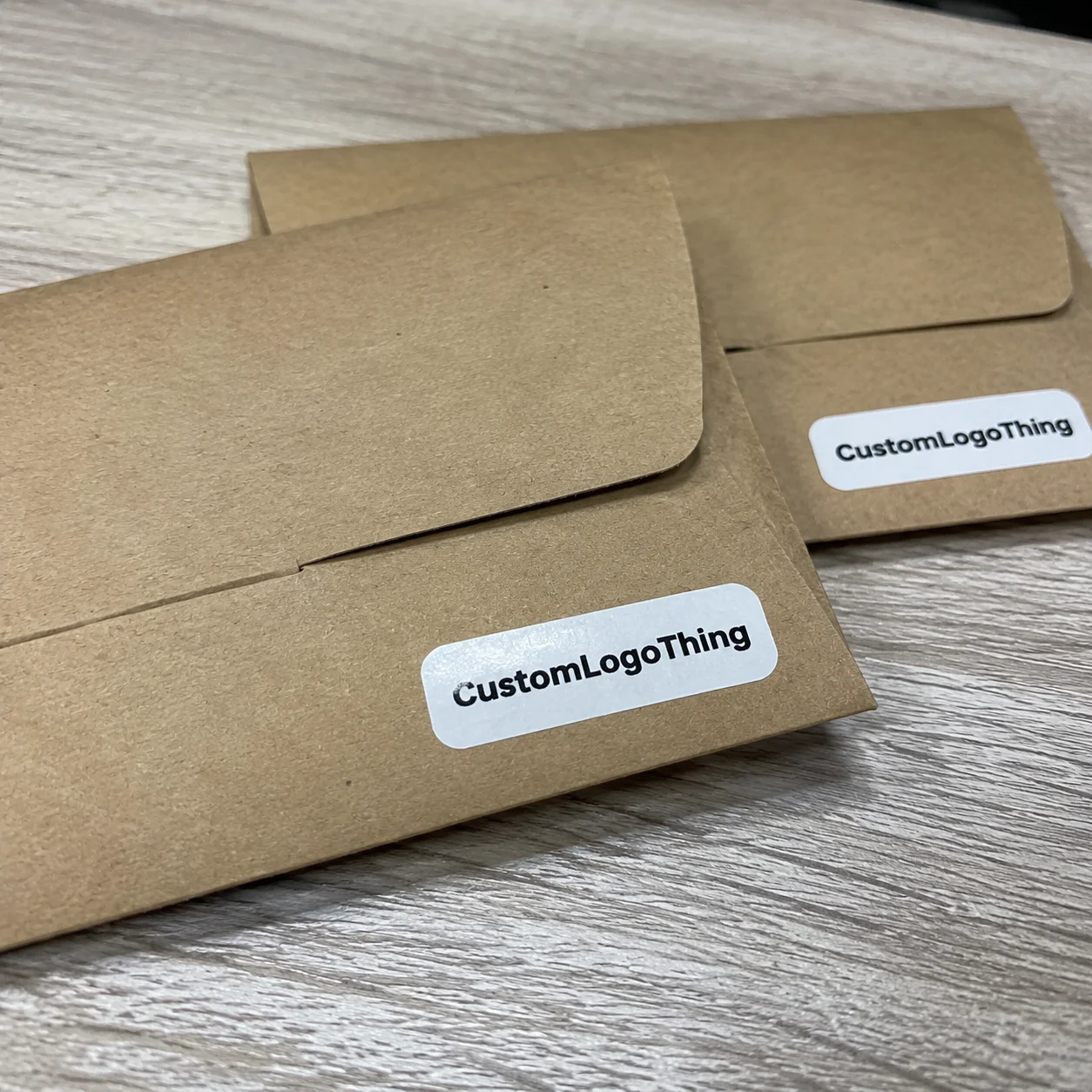
Plenty of pet brands spend real money on packaging, then finish it with a generic label that looks like it was printed five minutes before a craft fair. Custom Pet Stickers can fix that without forcing a full redesign of every pouch, jar, box, bottle, or mailer.
At the basic level, they are printed adhesive graphics made for pet brands, groomers, shelters, subscription boxes, pet bakeries, trainers, event merch, and individual pet owners. They can show a logo, pet portrait, flavor name, QR code, care instruction, adoption message, or a bulldog wearing sunglasses. Some of those sell better than they should.
The trap is treating every sticker like the same product. A decorative laptop sticker is not the same as a shampoo bottle label. A pouch seal is not the same as an adoption-event giveaway. A QR code sticker needs scanning accuracy. A photo-based portrait needs clean image detail, a sensible cut path, and enough size to show fur texture without turning the dog into a fuzzy potato.
The best sticker is not always the fanciest one. Waterproof vinyl makes sense for grooming products, water bowls, freezer packs, coolers, or anything handled with wet hands. Matte paper may be the better choice for bakery bags, tissue wrap, thank-you seals, and dry indoor packaging. Holographic film is fun for merch, but it is ridiculous for a two-inch ingredient label. Shocking, I know: not every job needs sparkle.
Common uses include sealing treat pouches, branding shipping boxes, labeling grooming bottles, adding feeding instructions, promoting rescue events, personalizing customer orders, and turning a customer’s dog into a repeat-order magnet. If you already use Custom Labels & Tags, stickers can extend the same visual system across inserts, samples, mailers, and event handouts without rebuilding the whole packaging setup.
That flexibility is why pet stickers get ordered so often. They are small, fast, and relatively affordable. They are also very visible when the material is wrong, the cut line is sloppy, or the artwork was pulled from a social media thumbnail. Tiny product. Very obvious mistakes.
How Pet Sticker Printing Works From Artwork to Adhesive
Sticker production follows a predictable path: artwork setup, proofing, material selection, printing, lamination if needed, cutting, quality checks, packing, and shipping. That order matters. Skipping proof review because “the logo is already online” is how you get cropped ears, off-center borders, and QR codes that scan only under studio lighting and emotional support.
Most short-run pet sticker orders use digital printing because it handles flexible quantities, multiple designs, and quick file changes well. Digital is practical for 100, 250, 500, or 1,000 pieces, especially if the order includes different breeds, names, flavors, rescue messages, or seasonal graphics. Larger repeat orders may move into offset-style or flexo-style production, especially for roll labels where the unit cost matters and the design stays stable.
The tradeoff is simple. Digital gives flexibility. Larger-format production can lower unit cost once the volume is high enough to justify setup, tooling, and press time.
A sticker is not just ink on sticky paper. It has a face material, ink, optional laminate, adhesive layer, backing liner, and cut style. Not glamorous. Very important. The face material controls the base look and durability. The laminate adds scratch, moisture, and rub resistance. The adhesive decides whether the sticker stays put on cardboard, glass, plastic, kraft paper, or a curved bottle.
Cut style changes how the sticker is used. Kiss-cut stickers are cut through the top layer but left on a backing sheet, which makes peeling easier and works well for giveaways. Die-cut stickers follow the design shape and feel more premium for merch. Sticker sheets are useful when you need small paw prints, flavor markers, names, icons, or multiple mini designs in one set. Roll labels are faster for product packaging because staff can apply them by hand or with a dispenser.
Standard circles, squares, rectangles, rounded rectangles, and ovals usually cost less than complex cuts. Production is faster, waste is lower, and the cutting path is easier to control. A custom silhouette of a long-haired cat with whiskers, paws, and a dramatic tail may look adorable on screen. It may also be annoying to weed, slow to cut, and fragile at the edges.
Artwork quality is the part buyers underestimate. Pet photos need enough resolution to hold fur detail, eyes, whiskers, collars, shadows, and tiny name text. For print, 300 DPI at final size is a common target. Vector files such as AI, EPS, SVG, or clean PDF are best for logos and typography because they scale without jagged edges.
Screenshots, compressed messaging-app images, and tiny web logos do not become premium print files because someone clicked upload. Print is honest. Brutally honest.
The proof should show final size, cut path, bleed, safety margins, color placement, and any white ink layer if the sticker is printed on clear material. Bleed is often around 0.125 inch beyond the cut line, while faces, names, QR codes, and key text should sit safely inside the trim area. A dieline tells production where to cut. Review it carefully. The machine will follow the file, not the intention behind the file.
Material, Finish, and Adhesive Choices That Actually Matter
Material choice controls durability, cost, and how the sticker feels in the customer’s hand. Paper is the budget-friendly option for dry indoor packaging, bakery bags, envelopes, thank-you seals, and short-term promotions. White vinyl is tougher and better for moisture resistance. Clear vinyl gives jars, bottles, and product windows a cleaner no-label look. Kraft paper supports natural treat branding, especially for small-batch bakery or organic-style products.
Holographic film is loud, shiny, and useful for playful merch or limited drops. Waterproof synthetic labels are the practical choice for shampoo, freezer items, wet handling, refrigerated products, or anything exposed to moisture.
Finish matters too. Gloss makes colors pop and gives the sticker a bright retail look. Matte reduces glare and can make small text easier to read. Soft-touch feels more premium, but it costs more and may show scuffs depending on handling. UV coating adds shine and some surface protection, though it is not the same as a full laminate. Laminate is the stronger option for Stickers That Get rubbed, splashed, shipped, or handled repeatedly.
Adhesive is where plenty of pretty packaging either works or fails. Permanent adhesive is the default for product labels, mailers, boxes, jars, and pouches. Removable adhesive works for temporary promotions, event stickers, or surfaces where residue would be a problem. Freezer-grade adhesive helps with cold storage, frozen treats, and refrigerated pet products. Repositionable adhesive can help during application, but it may not grip as strongly over time as a permanent option.
Practical rule: if the sticker touches hands, water, oil, grooming product, freezer packs, or shipping abrasion often, pay for the stronger material and laminate. Saving two cents and getting peeling corners is not a strategy. It is a future complaint.
Surface compatibility is not optional. Stickers behave differently on corrugated cardboard, glass, flexible plastic pouches, squeeze bottles, metal tins, textured paper, and coated custom printed boxes. Adhesive does not care about your brand mood board. It cares about surface energy, texture, curve, temperature, and residue.
Low-energy plastics can be harder to bond to. Textured kraft paper reduces contact area. Curved bottles create tension at the edges. Oily bakery bags can weaken paper labels fast. A label that behaves perfectly on a flat sample card can lift on a squeezable bottle after a few days because the container keeps flexing.
Durability depends on moisture, oil, cold storage, sunlight, rubbing, pet shampoo exposure, and shipping abrasion. If the sticker goes on a box that ships across the country, the surface may rub against corrugate, mailers, ice packs, or other products for several days. If it goes on a grooming bottle, test it with wet hands and product residue before ordering thousands. For broader packaging performance thinking, the International Safe Transit Association publishes useful transport testing resources at ista.org.
| Material | Best Use | Durability | Typical Cost Lane |
|---|---|---|---|
| Matte or gloss paper | Dry treat bags, inserts, bakery seals | Low to moderate; indoor use | Budget |
| White vinyl with laminate | Grooming bottles, merch, outdoor handouts | High; strong water and rub resistance | Mid to premium |
| Clear vinyl | Jars, bottles, product windows | Moderate to high; depends on laminate | Mid to premium |
| Kraft paper | Natural treats, rustic retail packaging | Low to moderate; dry use | Budget to mid |
| Holographic film | Merch, event giveaways, playful branding | Moderate to high; finish-dependent | Premium |
Pricing, MOQ, and Unit Cost for Pet Sticker Orders
Sticker pricing depends on size, shape, material, finish, quantity, number of designs, cut style, packaging format, and artwork prep. A 2-inch paper circle label is not priced like a 4-inch laminated die-cut vinyl portrait with white ink on clear film. Same category. Different animal. Literally, sometimes.
Small batches cost more per sticker because setup, proofing, file handling, material waste, and machine time are spread across fewer pieces. Larger runs usually reduce unit cost once production becomes efficient. As a rough planning range, simple paper stickers may land around $0.08 to $0.25 each at moderate quantities. Laminated vinyl die-cuts may sit closer to $0.25 to $0.85 each depending on size, quantity, shape, and finish.
Specialty films, white ink, complex shapes, tight color matching, rush production, and individual packaging can push higher. These are planning ranges, not universal pricing. Any supplier pretending every sticker has one neat price is selling confidence, not accuracy.
Minimum order quantity depends on production method. Digital printing often allows lower MOQs, sometimes around 50 to 100 pieces for simple stickers. Roll labels, specialty films, custom finishing, and larger commercial runs may start closer to 500, 1,000, or more. If you need ten versions with 100 pieces each, ask whether the designs can be ganged together on sheets or printed as a combined run. That can reduce setup pain.
Common cost drivers include waterproof vinyl, clear stock, holographic film, soft-touch laminate, complex die cuts, multiple artwork versions, tight color matching, rush production, white ink, and individual bagging. Roll direction can matter if labels are machine-applied. For hand application, it is usually less dramatic, but still worth confirming if your team uses dispensers or needs labels to peel from a specific side.
Buyers can reduce cost without making the sticker look cheap. Standardize sizes. Use circles, squares, rounded rectangles, or simple die lines. Combine multiple designs on sticker sheets. Avoid specialty finishes unless they support the product or the brand moment. Order enough quantity to move past the painful tiny-batch pricing tier. Provide clean print-ready artwork so you are not paying for preventable file cleanup.
Ask for a quote that lists size, quantity, material, adhesive, finish, cut type, proofing, production time, shipping method, and whether setup fees are included. If you are building a broader packaging program with boxes, mailers, labels, and inserts, compare the sticker specs against your other Custom Packaging Products so materials and finishes do not fight each other.
Process and Timeline: What Happens After You Request a Proof
A clean order sequence looks like this: submit specs and artwork, receive a quote, approve material and size, review the digital proof, approve production, print, cut, inspect, pack, and ship. The timeline starts after proof approval, not after the first casual email asking, “Can you make this cute?” Cute is not a production spec.
Simple files can often be proofed within one to two business days, depending on queue and file quality. More complex work needs more setup. Pet portraits, sticker sheets, QR code stickers, clear film, white ink, multiple designs, and custom dielines can take extra prepress time. If the file arrives as a blurry screenshot with a heart emoji covering the pet’s ear, expect questions. Reasonable ones.
Production time varies by quantity, material availability, finishing, die-cut complexity, color matching, and format. A small digital run may produce faster than a large roll-label order with specialty stock. Many standard sticker orders fall into a rough production window of 5 to 10 business days after proof approval. Complex or higher-volume jobs may need 10 to 15 business days or longer.
Shipping is separate. Do not confuse factory turnaround with the delivery date. That mistake causes panic emails, and nobody looks good in those.
If you need stickers for a product launch, adoption event, subscription box, retail drop, trade show, or holiday promotion, build in buffer time. Order samples or a smaller pilot run before committing to thousands of pieces. Test the sticker on the real package surface, under real handling conditions, for at least 24 to 72 hours if adhesion matters. For shipping-heavy packaging, check how the sticker handles compression, rubbing, temperature swings, and normal warehouse handling.
Rush orders can be possible, but they narrow your options. You may have fewer materials, fewer finishing choices, higher cost, and less room for artwork corrections. If the deadline is fixed, say so early. A good quote needs the delivery date, not just “ASAP,” which is not a date and never has been.
Common Ordering Mistakes That Make Pet Stickers Look Cheap
The biggest mistake is uploading low-resolution pet photos and expecting crisp fur detail. If the source file is soft, compressed, dark, or pulled from social media, the printed sticker will show it. For portrait stickers, use the original camera image whenever possible and crop with enough space around ears, tails, collars, and faces.
Tiny text is another repeat offender. A 1.5-inch sticker cannot carry a logo, pet name, website, social handle, ingredients, slogan, QR code, and six claims. The sticker is not a billboard. It is barely a coaster.
For small packaging seals, give the sticker one job: brand mark, flavor, thank-you note, simple instruction, or QR code. If legal copy, ingredients, directions, or warnings are required, use a larger product label instead. Nobody enjoys reading six-point type while holding a bag of dog treats.
Ignoring bleed and safe margins causes cut-off paws, chopped ears, uneven borders, and logos sitting too close to the edge. If a sticker has a border, make it thick enough to tolerate tiny cutting movement. A hairline border around a die-cut pet shape may look elegant on screen and slightly drunk in production. Machines are precise, but no physical cutting process is perfect to zero tolerance.
Poor material matching also makes stickers look cheap. Paper stickers on wet shampoo bottles soften and peel. Removable adhesive on shipping boxes may lift in transit. Glossy finishes can create glare that makes small text hard to read under retail lighting. Clear stickers without a white ink layer may disappear on dark packaging. Kraft paper can mute colors, which may be great for natural branding and terrible for neon artwork.
Color expectations need a grown-up conversation. Screens glow. Stickers reflect light. Materials absorb or bounce ink differently. A brand color can shift between paper, vinyl, clear film, and kraft stock unless you provide targets. If color is critical, ask about Pantone matching, printed samples, or approved color references. The Forest Stewardship Council also has useful background on responsible paper sourcing at fsc.org if paper choice is part of your sustainability positioning.
Operational mistakes are boring but expensive: ordering too few, skipping proof review, changing artwork after approval, forgetting to test the sticker on the actual package, or failing to confirm roll direction. If you sell through retail packaging or subscription kits, order extras for samples, replacements, damaged units, photography, influencer mailers, and staff mistakes. People peel crooked stickers. It happens.
Next Steps Before You Place a Pet Sticker Order
Before asking for a quote, decide the sticker’s job. Is it a seal, label, giveaway, merch piece, QR code, event handout, product identifier, or personalized portrait? One sticker can do two jobs. It usually should not do seven.
Next, choose the application surface. Cardboard, glass, coated paper, plastic pouch, squeeze bottle, metal tin, and textured kraft all behave differently. Measure the available space with a ruler, not your optimistic eyeballs. Pick a quantity range, such as 250, 500, and 1,000 pieces, so the supplier can show price breaks. Confirm whether the sticker needs water resistance, freezer performance, outdoor use, or extra rub protection.
Prepare artwork correctly. Use vector logos when possible. Provide high-resolution pet photos, ideally 300 DPI at final print size. Include brand colors, preferred finish, and any required fonts. Keep text readable and leave room for bleed. If the design includes a pet photo, name, logo, and website, choose a larger size or cut the extra copy. White space is not wasted space. It is where the design breathes.
Choose two or three size options before requesting a quote. For packaging seals, 1.5 to 2.5 inches usually works well. For merch or laptop-style stickers, 3 to 4 inches gives pet artwork more room. For jars or bottles, measure the panel width and check whether the label needs to wrap around a curve. A sticker that looks perfect flat may wrinkle on a tight radius.
Ask for a proof that shows size, cut line, bleed, material, finish, adhesive, and quantity. Mystery is fun for detective novels, not print production. If the order matters, test samples on the real package, bottle, pouch, box, jar, or mailer before approving a large run.
The simple decision path is not complicated: paper for dry indoor packaging, laminated vinyl for durability, clear film for minimal branding, kraft for natural treats, holographic for playful merch, and roll labels for fast product application. Before ordering custom pet stickers, gather artwork, surface details, quantity, deadline, and finish preferences. A useful quote starts with useful information. Funny how that works.
FAQ
What size should I choose for custom pet stickers?
For packaging seals, 1.5 to 2.5 inches usually works well. For merch, laptop stickers, water bottles, or photo-based pet portraits, 3 to 4 inches gives the artwork more room. Measure the actual bag, box, jar, or bottle before choosing. Guessing from a screen is how you get a sticker that looks weirdly tiny. If the design includes a pet photo, name, logo, and website, choose a larger size or remove extra text.
Are waterproof pet stickers worth the extra cost?
Yes, if the sticker goes on shampoo bottles, water bowls, outdoor packaging, coolers, freezer items, refrigerated products, or anything handled with wet hands. Waterproof vinyl with laminate usually costs more than paper, but it helps prevent smearing, peeling, and tired-looking labels. For dry treat bags, thank-you inserts, bakery packaging, and indoor giveaways, paper or standard vinyl may be enough.
What artwork file is best for personalized pet stickers?
Vector files such as AI, EPS, SVG, or clean PDF are best for logos and text because they scale cleanly. For pet photos, use the highest-resolution original image available, not a screenshot from Instagram or a compressed messaging app file. Keep important details away from the cut edge and ask for a proof showing bleed, safety margins, and the dieline.
How long does it take to make custom dog stickers or cat stickers?
Simple digital sticker orders can often move quickly after proof approval, while specialty materials, die cuts, white ink, and larger quantities take longer. A practical production range is often 5 to 10 business days for straightforward work and 10 to 15 business days or more for complex jobs. The real clock usually starts after artwork and proof approval, not when the first quote request is sent. Add shipping time separately, especially for launches, events, subscription boxes, or retail deliveries.
How can I lower the unit cost on pet logo stickers?
Order a higher quantity, use standard shapes, reduce specialty finishes, and avoid unnecessary size variations. Combine multiple designs on sticker sheets if the format fits your use case. Send clean print-ready artwork so you are not paying for avoidable file cleanup or delaying production. If you are ordering custom pet Stickers for Product Packaging, ask for price breaks at two or three quantities before locking the final count.


