Create Custom Stickers That Do More Than Decorate
A plain mailer, glass jar, candle box, or retail pouch can look unfinished until one well-sized sticker gives it a brand face. Brands create custom stickers to solve several packaging problems at once: add a logo, seal a flap, identify a scent or flavor, point shoppers to a QR code, or turn stock packaging into something that feels retail-ready.
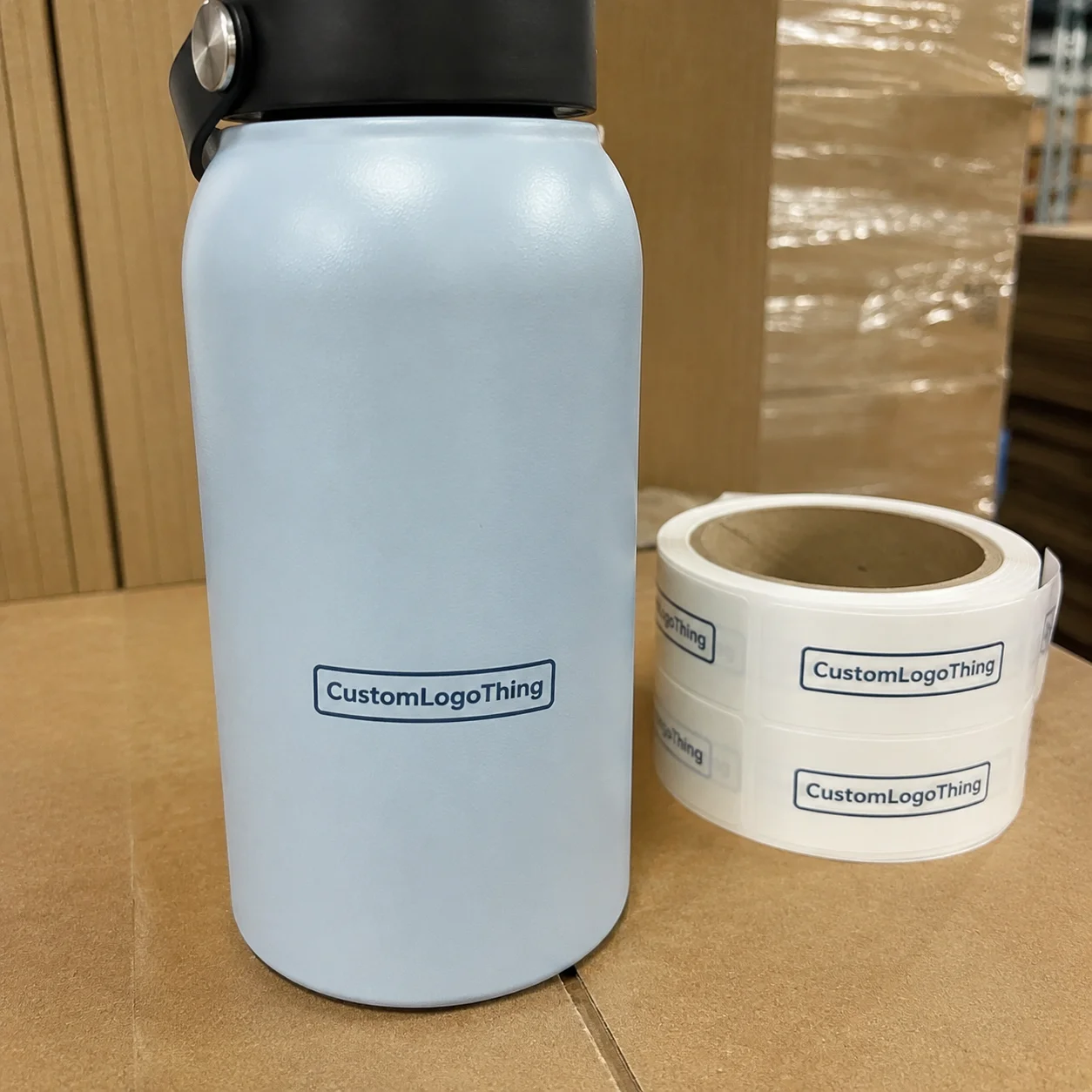
Custom stickers are printed adhesive pieces made to a chosen size, shape, material, finish, and adhesive strength. They can work as packaging labels, marketing inserts, event giveaways, compliance notices, promotional seals, batch markers, or simple package branding. That range explains why they show up on small-batch bakery boxes, cosmetics jars, subscription kits, beverage bottles, e-commerce envelopes, candle tins, and sample bags.
Not every sticker has the same job. A decorative sticker may only need to look attractive on an insert card. A product label has to carry readable information, often including ingredients, weight, barcode, batch code, or warning language. A seal sticker needs enough tack to stay closed through fulfillment, but not so much that it shreds a delicate carton. A QR-code sticker needs contrast, quiet space, and a printed size that scans cleanly. A giveaway sticker should peel easily from the liner and feel decent in the hand.
Here is the practical distinction many buyers miss: stickers are not just a cheaper substitute for Custom Printed Boxes. They are a flexible packaging tool. For growing brands, they can upgrade stock bags, cartons, jars, tins, mailers, and pouches without committing to large packaging runs or long lead times. They also help test seasonal campaigns, limited flavors, regional offers, and short-run retail packaging before the brand invests in fully printed packaging.
Good sticker decisions start before artwork. Size, adhesive, surface, finish, roll direction, liner type, and application method all affect the finished result. A design that looks clean on a screen can fail on a curved jar, wrinkle on a pouch, or lift from a textured mailer. The details below cover how production works, what drives cost, which materials fit which jobs, and how to order with fewer proof revisions.
How Custom Sticker Production Works From File to Roll
Sticker production usually follows a steady path: artwork review, material selection, proofing, printing, finishing, cutting, quality checks, winding or sheet packing, and shipping. The sequence sounds simple. It is not casual. Each step catches problems that get expensive once a press is running: missing bleed, blurry logos, wrong cut lines, unreadable small type, or an unconfirmed roll direction.
Digital printing is common for shorter runs, variable designs, and jobs that need quick edits. It works well when a brand needs 250, 500, or 1,000 stickers for a launch, market test, event, or small fulfillment batch. Larger repeat orders may use flexographic or offset-style production, depending on the material, print coverage, color targets, finishing requirements, and label format. Those methods can be more efficient at scale, but they usually require more setup and tighter file control.
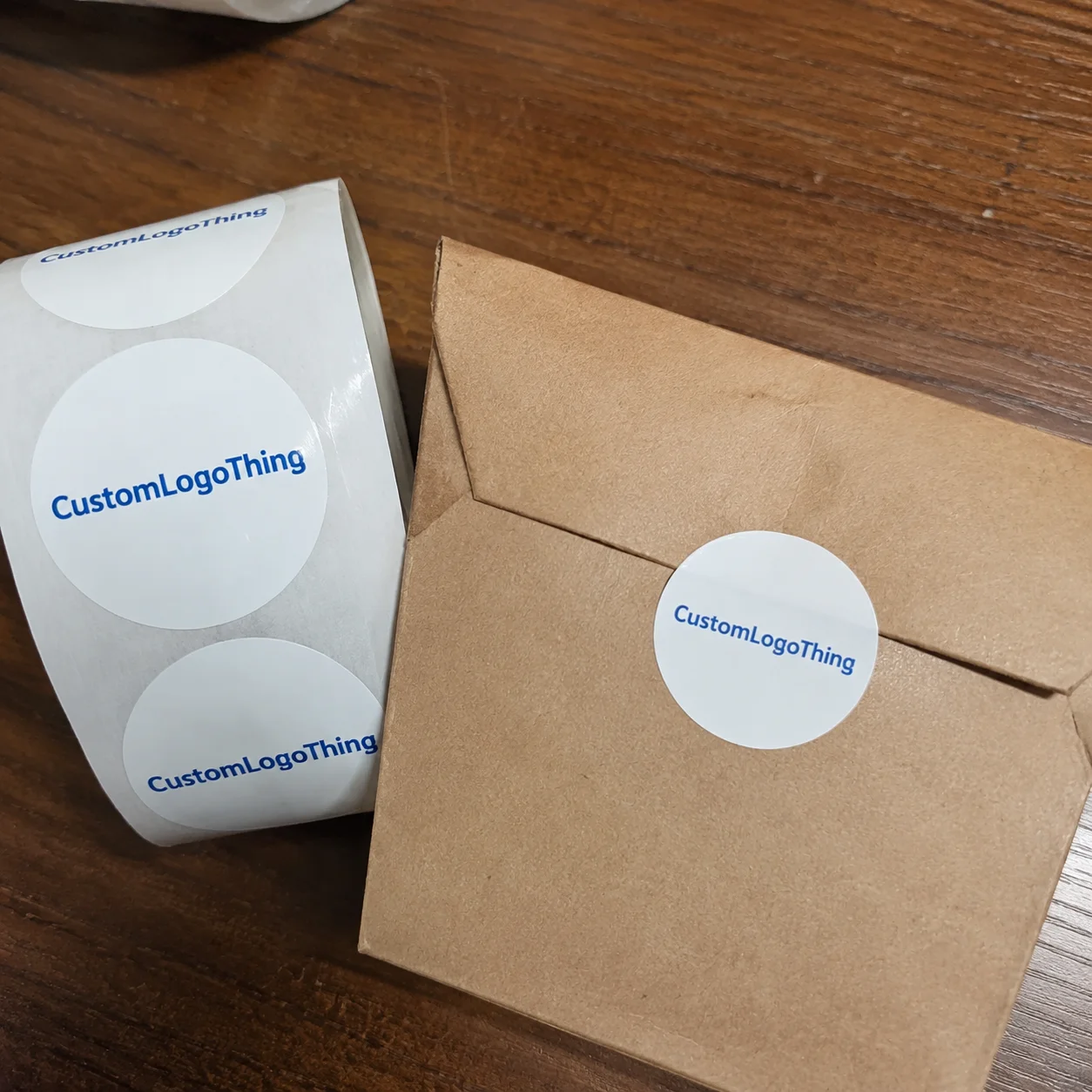
Die cutting shapes the sticker after printing. Standard circles, rectangles, squares, and rounded rectangles are usually straightforward. Custom shapes are possible too, including contour-cut logos, scalloped seals, kiss-cut sheets, and individual die-cut pieces for inserts or giveaways. For roll labels, the liner stays continuous so the stickers can run through a hand dispenser, tabletop labeler, or automatic applicator.
Proofing is the checkpoint that keeps the order honest. A digital proof should confirm layout, size, color callouts, bleed, cut line, safe margins, and text placement before production begins. If the sticker includes a barcode or QR code, scan it from the proof when possible and scan finished pieces before full application. Small codes can fail if they are printed too small, placed over a busy background, trimmed too close, or printed on a highly reflective stock.
Color needs a practical warning. Screens glow; stickers reflect light. Colors can shift between a monitor and printed adhesive stock, especially on kraft paper, metallic film, clear film, textured materials, or uncoated papers. If color matching matters, provide Pantone references or Request a Printed sample. That does not guarantee identical results across every material, but it gives production a real target instead of a guess from a backlit screen.
On a packaging line, roll details can matter as much as artwork. Core size, roll outside diameter, unwind direction, label gap, liner release, and leading-edge orientation affect machine application. A roll wound the wrong way may be fine for hand labeling and useless on a machine set for a specific feed direction. If stickers will be machine-applied, confirm the applicator requirements before ordering volume.
Materials, Adhesives, and Finishes That Change Performance
The face stock is the visible material your design prints on. Paper is usually the economical choice for dry indoor use, such as bakery boxes, thank-you inserts, retail bags, and short-term promotions. White BOPP, a polypropylene film, is a common step up for product labels because it resists moisture better than paper and gives artwork a clean white surface. Clear film creates a “no-label” look on glass or glossy plastic, although white ink may be needed behind parts of the artwork so colors do not vanish against the product.
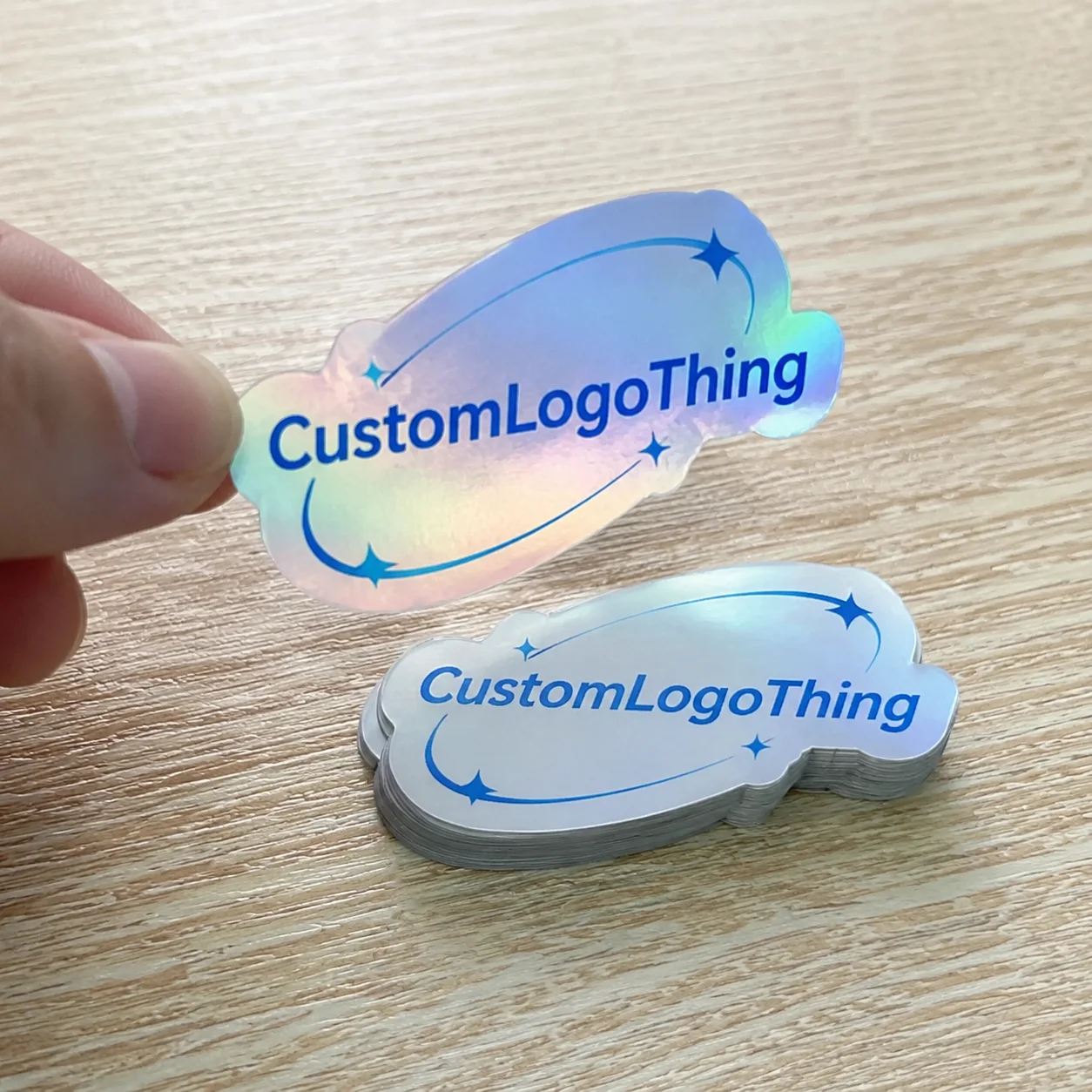
Kraft paper has a natural, textured look that suits handmade, earthy, and low-gloss packaging, but it mutes colors and does not behave like film around moisture. Metallic film adds shine for premium products, gift packaging, candles, cosmetics, and limited releases. The caveat: glare can make small text or barcodes harder to read. Metallic stocks usually work best when the design leaves room to breathe instead of filling every square inch with tiny detail.
Adhesive choice is just as critical as the face stock. Permanent adhesive is used for long-term product labeling and general package branding. Removable adhesive is better for temporary promotions, pricing stickers, or retail stickers that should peel without heavy residue. Freezer-grade adhesive is built for cold environments, including refrigerated foods, frozen items, and chilled beverages. Aggressive adhesive helps with rough kraft mailers, textured cartons, low-energy plastics, and other difficult surfaces.
The package surface changes everything. Glass is usually friendly if it is clean and dry. Coated cartons often accept stickers well, but matte coatings and soft-touch laminations can vary. Flexible plastic pouches may wrinkle, expand, or fight the adhesive near seams, gussets, and zipper closures. Candle jars can carry fragrance oil on the surface, which weakens adhesion. Tins and curved bottles need labels sized so the edges do not lift from tension.
Finish options affect both appearance and durability. Matte finishes give retail packaging a softer, quieter presentation. Gloss makes color look brighter and can add light moisture resistance. Soft-touch lamination feels premium, especially on cosmetics, candles, and gift products, though it can scuff if the wrong laminate is selected. Varnish or film laminate can improve abrasion resistance for items handled often during kitting, shipping, or store display.
Waterproof and oil-resistant constructions matter for cosmetics, bath products, food jars, beverage bottles, refrigerated goods, and candles. A paper sticker may look beautiful on day one and wrinkle after one cold transit cycle or a little condensation. Performance should come before appearance if the sticker must seal a box, scan at checkout, survive moisture, or carry required information.
| Sticker Material | Best Use | Typical Strength | Buyer Watchout |
|---|---|---|---|
| Paper | Dry boxes, inserts, bags, short promotions | Lower cost and easy printability | Not ideal for water, oil, or heavy handling |
| White BOPP film | Food jars, cosmetics, bath products, bottles | Durable, moisture-resistant surface | Usually costs more than standard paper |
| Clear film | Glass jars, clear bottles, minimal branding | Clean no-label appearance | May need white ink for color opacity |
| Kraft paper | Natural, handmade, rustic package branding | Warm texture and organic look | Colors print more muted than on white stock |
| Metallic film | Premium goods, gifts, limited editions | High-impact shine | Glare can reduce small text readability |
Cost and Pricing Factors for Custom Sticker Orders
Sticker pricing is driven by size, quantity, material, adhesive, print coverage, finish, cut complexity, setup needs, proofing, packing style, and shipping. A 1.5-inch paper circle on sheets is a very different job from a 4-inch clear film label with white ink, gloss laminate, roll winding, and machine-application specs.
Quantity breaks matter because setup, make-ready, file handling, and material handling are spread across more pieces. A small digital run of 250 to 500 stickers may carry a much higher unit cost than 2,500 or 5,000 pieces. Depending on size and material, a basic 2-inch paper sticker might land around $0.08 to $0.22 per piece in moderate quantities, while specialty film labels with laminate can move into the $0.18 to $0.45 range or higher. Treat those as working ranges, not fixed quotes. Material, finish, freight, artwork cleanup, and delivery speed can shift the number quickly.
Shape affects cost too. Standard circles, squares, rectangles, and rounded rectangles are usually more economical because tooling or cutting paths are simple. Intricate custom die-cut shapes with tight corners, thin points, or delicate edges may slow cutting and weeding, especially on individual pieces. For a giveaway, a contour-cut logo may be worth the extra cost. For sealing a mailer flap, a standard circle often does the job better and cheaper.
Material cost follows performance. Paper is often the lower-cost option. White film adds durability. Clear and metallic films can add cost, especially with white ink layers or specialty finishes. Freezer-grade, removable, or aggressive adhesives can also increase price because they are more specific than general-purpose permanent adhesive. Laminates and varnishes add another layer of material and processing time.
Minimum order quantities vary. Some projects can start with short digital runs of 100 to 250 pieces, useful for samples, events, and early product testing. Specialty materials, roll formats, custom dies, or machine-applied labels may require higher minimums, often 1,000 pieces or more depending on construction. Ask early if the sticker uses an unusual adhesive, custom roll spec, exact color target, or nonstandard material.
For a cleaner quote, provide exact size, quantity, material preference, finish, application surface, indoor or outdoor use, roll or sheet format, and delivery deadline. Photos help, especially if the sticker goes on a textured mailer, curved jar, flexible pouch, or coated carton. You can also review related options under Custom Labels & Tags if the project is closer to a product label than a promotional sticker.
Process and Timeline: What Happens Before Stickers Ship
A practical sticker timeline starts with a quote request, then artwork submission, file check, proof approval, material confirmation, production scheduling, printing, finishing, quality control, packing, and transit. The clock usually starts after proof approval, not after the first inquiry. Missing artwork, an undecided size, or unclear material specs can hold a job in prepress while the launch date keeps moving closer.
For straightforward digital jobs, production may take a few business days after approval. More involved orders often need 7 to 12 business days, and specialty materials, custom dies, color matching, or high-volume roll labels can take longer. Freight time is separate. A rush label order that ships on a Friday can still miss a Monday filling appointment if the receiving dock is closed or the carrier hits a delay.
Common timeline variables include order quantity, material availability, custom die requirements, proof revisions, specialty finishes, and packing format. Roll-packed labels need winding, core size, and orientation checks. Individually cut stickers may need extra finishing and counting. Sheets can be efficient for small batches and kits, but they still need clean kiss cuts and usable margins.
Rushed orders need fewer open questions. Final size, shape, material, finish, shipping address, and approval contact should be confirmed before production is scheduled. If three people review the proof and each sends a different change, the schedule will suffer. Assign one final approver and have that person check spelling, color notes, size, quantity, barcode, QR code, and cut line placement in one pass.
For launches, samples or a short test run can save real money. Test the sticker on the actual container, not only on a desk. Apply it to a cold bottle, oily jar, textured kraft mailer, or curved tin if that is where it will live. Leave it for 24 to 48 hours if possible. Check edge lift, wrinkling, scuffing, condensation, and scanability. Standards groups such as ISTA are useful references for broader package testing thinking, especially when shipping and handling conditions are part of the risk.
Packaging floor rule: approve the sticker the way it will be used. A label that looks perfect flat on a proof sheet may behave differently on a filled pouch, chilled bottle, or curved candle jar.
Build in buffer time for approval, transit, and receiving inspection, especially if stickers are needed for kitting, fulfillment, retail display, or product filling. A day spent checking the first shipment can prevent thousands of crooked, lifting, or unreadable labels from reaching customers.
Step-by-Step Guide to Ordering Stickers Without Rework
Good sticker orders start with a clear job description. Before you create custom stickers, decide whether the piece is meant for branding, sealing, labeling, warning, pricing, promotion, QR scanning, tamper-evidence, or product identification. One sticker can do more than one job, but crowded designs usually fail first in small sizes.
- Define the function. A seal sticker needs different adhesive behavior than a giveaway sticker. A product label needs readable text and enough durability for handling, storage, and sale.
- Measure the application area. Use a ruler or caliper, and leave room for curves, seams, ridges, zipper closures, lids, crimped edges, or box folds. On a 2-ounce jar, even an extra 0.125 inch can cause edge lift.
- Choose the format. Rolls are efficient for hand application, label dispensers, and applicators. Sheets work well for small batches, kits, and office use. Individual die-cut pieces make sense for inserts, events, and customer giveaways.
- Prepare the artwork. Vector logo files are preferred for sharp edges. Raster images should be high resolution at final print size. Outline fonts, add bleed, keep text inside safe margins, and mark the cut line clearly.
- Confirm material and adhesive. Choose based on the actual surface and storage environment, not only the look of the design. Dry paperboard, oily glass, cold bottles, and flexible pouches do not ask the same thing from an adhesive.
- Review the proof slowly. Check spelling, barcode scanability, QR destination, color notes, size, quantity, cut line placement, finish, and packing format before approval.
- Inspect the first shipment. Apply several stickers to the real package. Check adhesion, alignment, color, roll direction, liner release, and fit before full application begins.
Artwork is where many rework loops begin. A clean file should include bleed, usually around 0.0625 to 0.125 inch depending on the supplier’s template, plus safe margins so text does not crowd the cut. Thin borders near the edge can look uneven after normal cutting tolerance, even on good equipment. If the sticker is very small, simplify the design before shrinking everything down.
Barcodes and QR codes deserve their own check. Keep enough quiet space around the code, avoid metallic glare behind it, and test the printed size. For many retail barcodes, the safest choice is a clean white background with strong contrast. If you are using QR stickers for promotions or instructions, confirm the destination URL before proof approval. Nobody wants to apply 5,000 stickers that point to an unfinished page.
For broader product packaging programs, stickers may be only one piece of the system. A brand might combine a stock mailer, custom tissue, thank-you card, and sticker seal for a polished unboxing experience. If you are comparing packaging components together, browse Custom Packaging Products so the sticker size and finish support the full presentation instead of fighting it.
Common Sticker Mistakes and Next Steps Before You Order
The most common sticker mistakes are simple and preventable: ordering too small, skipping bleed, using low-resolution art, choosing paper for wet environments, ignoring curved containers, placing text too close to the cut line, and forgetting roll direction. Another quiet mistake is selecting a material from a photo without thinking about the package surface. A rough kraft mailer and a glossy glass jar may need very different adhesives.
Adhesion testing matters because a sticker that works on a flat coated box may lift on a textured mailer, oily jar, cold bottle, or flexible pouch. Pressure, dwell time, temperature, and surface cleanliness all affect the bond. Many pressure-sensitive adhesives get stronger after several hours, so judging performance five seconds after application can be misleading. Clean glass with residue from fragrance oil or food filling can also fool you; the surface looks fine, but the adhesive sees contamination.
Small stickers need discipline. A 1-inch circle is not the place for a long brand story, three icons, a QR code, a social handle, and a flavor name. Use fewer words, stronger contrast, and enough white space for logos, ingredients, barcodes, or QR codes to remain readable. If compliance information is required, confirm the minimum type size and placement expectations for your product category before printing.
A simple pre-order checklist can prevent most revisions:
- Final sticker size and shape
- Order quantity and expected reorder quantity
- Material, adhesive, and finish preference
- Application surface and storage environment
- Indoor, outdoor, refrigerated, or wet-use conditions
- Roll, sheet, or individual packing format
- Deadline, shipping destination, and receiving constraints
For sustainability claims, be careful with language. A sticker material, adhesive, and liner all affect recyclability and disposal, and claims should match the actual packaging system. Resources from groups such as the Forest Stewardship Council can help buyers understand paper sourcing claims, while your supplier can confirm whether a specific sticker construction fits your packaging goals.
The strongest sticker orders are specific. Gather the package sample, measure the application area, choose two material options, prepare the best artwork files you have, and request pricing with photos of the surface if adhesion is uncertain. Brands that treat stickers as engineered packaging pieces, not decorative afterthoughts, usually get cleaner branding, better fit, and fewer production surprises.
Custom Sticker FAQ
What do I need before I create custom stickers for packaging?
Have the sticker size, shape, quantity, artwork file, application surface, preferred material, finish, and deadline ready before requesting a quote. If the sticker goes on a jar, pouch, mailer, or box, measure the exact placement area and share photos so the adhesive and shape can be matched to the surface. For roll stickers, confirm whether they will be applied by hand or machine, because roll direction and core size can affect usability.
What is the best material for custom product stickers?
Paper works well for dry indoor packaging, inserts, bakery boxes, and short-term promotions where cost matters most. White BOPP or similar film is better for moisture resistance, cosmetics, food jars, bath products, and labels that need more durability. Clear film is useful for a minimal no-label look, while kraft and metallic materials are stronger choices for specific brand styles.
How much does it cost to make custom stickers?
Cost depends on size, quantity, material, adhesive, finish, shape complexity, packing format, and shipping requirements. Larger quantities usually reduce unit cost because setup and production time are spread across more stickers. For accurate pricing, provide exact specs instead of asking for a general price per sticker.
How long does custom sticker production usually take?
The timeline depends on proof approval, material availability, quantity, finishing, cutting, packing format, and shipping distance. Production time typically begins after artwork and proof approval, not at the first quote request. Projects with specialty materials, custom dies, tight color matching, or machine-applied roll requirements may need extra lead time.
Can I create custom stickers if my artwork is not print-ready?
Yes, but the file may need cleanup before proofing, especially if the logo is low resolution, fonts are missing, or the cut line is unclear. Vector files are preferred for logos and sharp text, while raster images should be high resolution at the final print size. A good proofing step should catch size, bleed, margin, spelling, barcode, QR code, and cut-line issues before production.