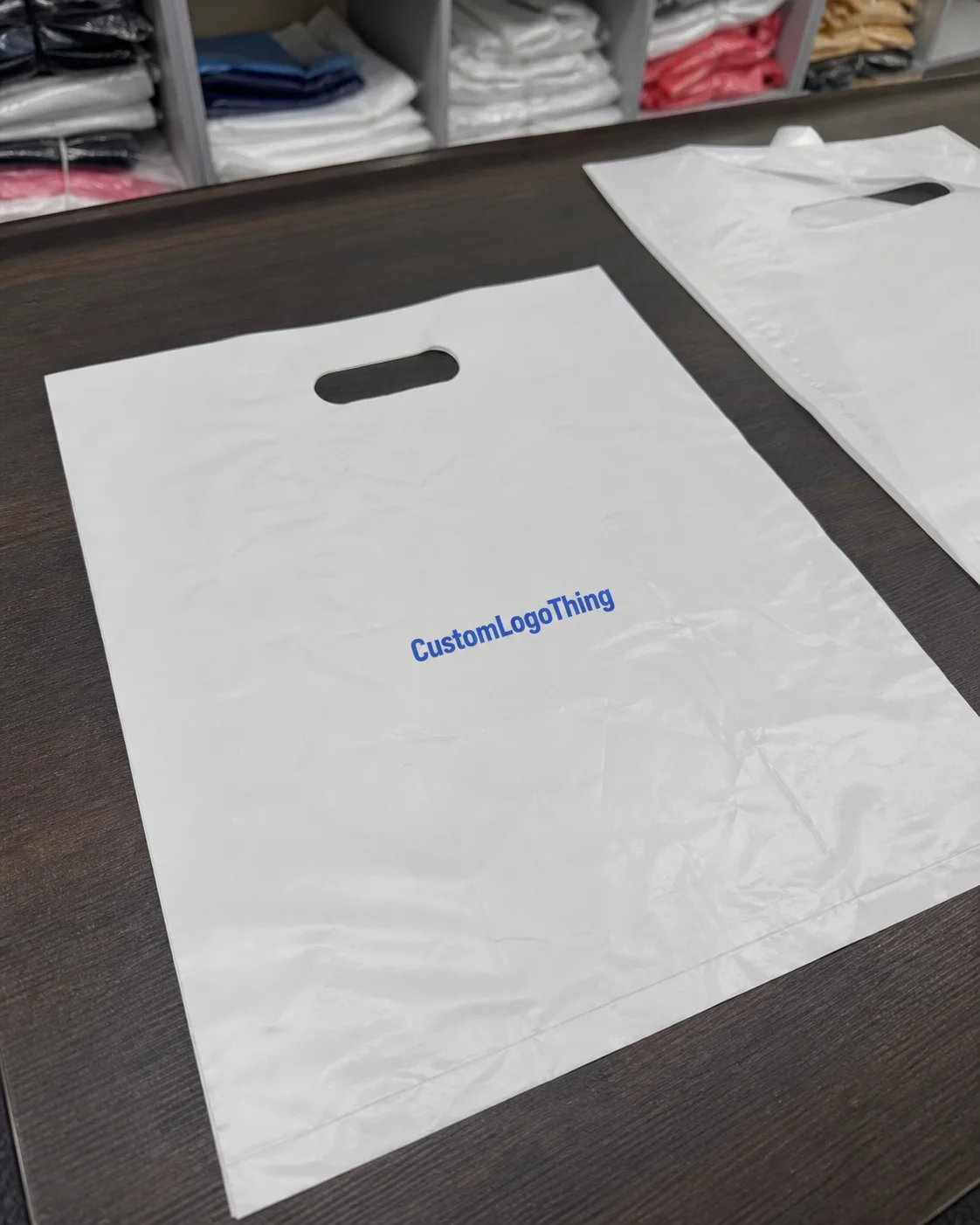
Custom Plastic Bag tags are a small packaging component, but they affect both presentation and operations. A good tag makes the bag look finished, keeps key information readable, and supports faster sorting, scanning, and shelf setup. A poor one curls, scuffs, peels, or fails to scan when the bag is handled in real conditions.
For buyers, the main decision is not whether to use a tag, but which construction fits the bag, environment, and workflow. Material, adhesive, print method, data layout, and finishing all change how well the tag performs and what it costs.
What custom plastic bag tags are—and why they matter
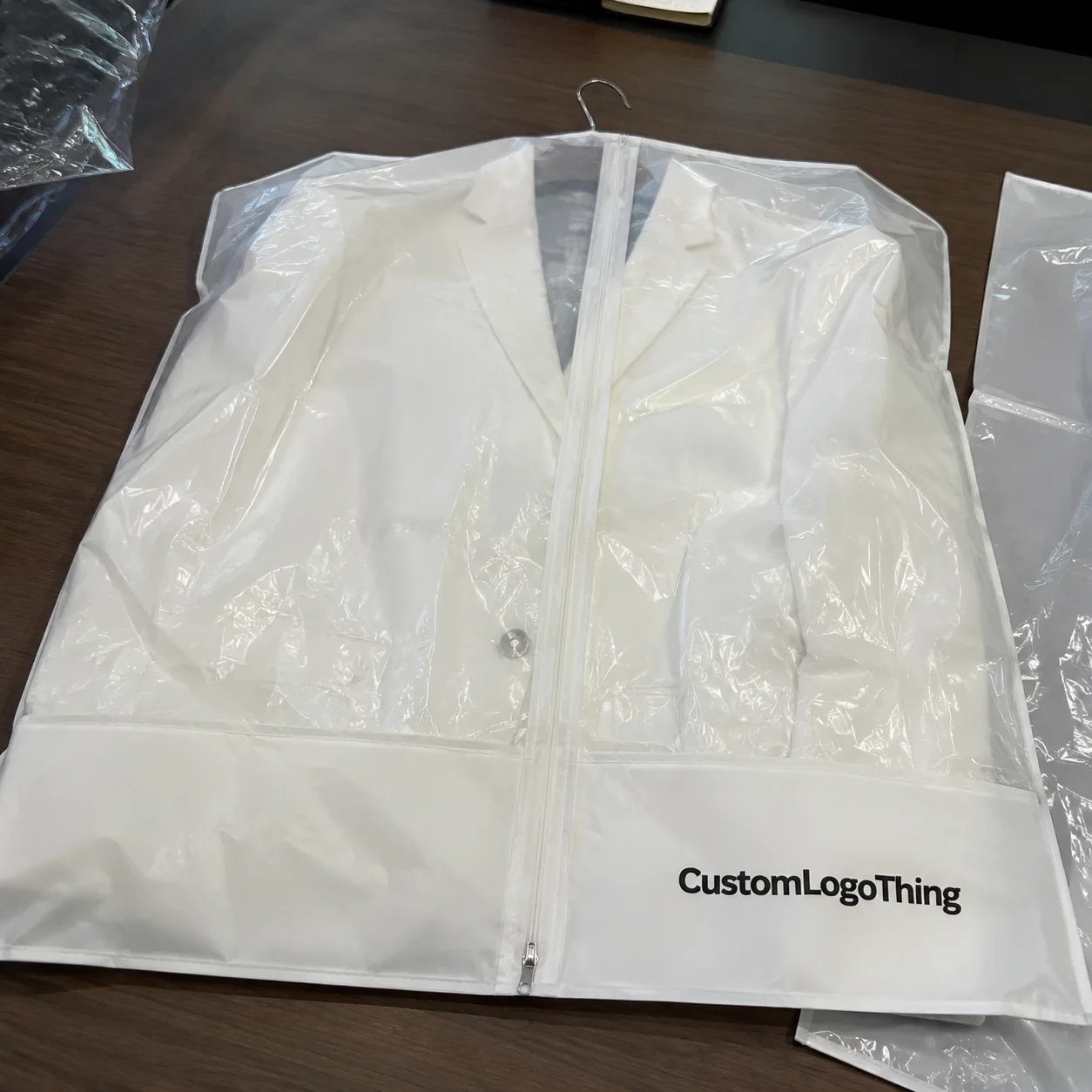
Custom plastic bag tags are printed identifiers made for plastic bags. In practice, that can mean hang tags, header cards, pressure-sensitive labels, or insert cards visible through a clear bag. Each format solves a different problem, so using the right term during quoting matters.
A hang tag attaches at a closure point or through a punched hole. A header card sits at the top of the bag and may also help close it. A pressure-sensitive label bonds directly to the film. An insert card stays inside a clear bag and avoids outside adhesion issues altogether. If a supplier quotes the wrong format, the tag may look fine in proofing and still fail in use.
The right construction depends on how the bag is filled, stored, shipped, and displayed. A dry retail poly bag may only need a clean label or insert card. A bag that moves through chilled storage, parcel handling, or repeated warehouse scanning may need a stronger face stock, better adhesive, or a protective finish.
Buyers usually see the value in three places:
- Identification: size, SKU, barcode, lot, price, or handling data stays clear and consistent
- Operations: easier SKU separation, faster picking, and fewer packing errors
- Presentation: the bag looks intentional instead of improvised
The tag is often read before the bag itself, so its print quality and clarity carry outsized weight.
If the bag is part of a broader branded packaging program, the tag should match that system. Color, gloss, typography, edge shape, and print sharpness influence whether the package feels coordinated or pieced together.
How the bag tag process works from artwork to assembly
Most projects go more smoothly when the use case is defined before artwork is finalized. Is the tag mainly for shelf display, compliance data, warehouse sorting, or shipping identification? That answer drives size, substrate, print method, and attachment style.
The usual process is straightforward: define use case, select material, prepare artwork, review proof, produce, finish, and apply or insert. Problems usually come from incomplete specifications rather than complex manufacturing.
Print method affects cost, detail, and flexibility:
- Digital printing: good for shorter runs, multiple colors, and frequent artwork changes
- Screen printing: useful for bold spot colors and dense coverage on certain materials
- Flexographic or label production: efficient for repeat programs and higher volumes
Small setup choices matter. Buyers may need a specific size, rounded corners, a punch hole, variable numbering, QR code, UPC, or a finish that matches other packaging pieces. A hole too close to the edge can tear. A barcode that looks clean on screen may still fail if quiet zones are too tight.
For accurate quoting and faster proofing, suppliers usually need final dimensions, quantity, logo files, print copy, barcode data, color targets if matching matters, and notes on how the bag will be used.
The proof stage is the best place to catch avoidable issues: logo legibility at final size, contrast, barcode spacing, safe margins, and fit with the attachment method. Teams ordering through Custom Labels & Tags should also confirm how the chosen construction behaves on the actual bag surface before approval.
Material, adhesive, and design factors that change performance
Material choice should follow real handling conditions, not the mockup. Paper stocks are economical and work well in dry retail settings with light handling. Polypropylene and other film-based constructions are stronger where moisture, friction, or repeated contact are expected. Coated stocks improve print definition, while lamination adds surface protection when scuffing or condensation is a risk.
Adhesive selection is one of the most common failure points. Plastic bags vary by film type, surface energy, finish, additives, and storage temperature. A label that bonds well to one poly bag may edge-lift on another that looks almost identical. Cold storage, humidity, dust, oil, and static all make adhesion more difficult.
That is why test application matters. If the bag moves through chilled storage, warm warehouses, or parcel transit, those conditions should be part of the evaluation. Assuming that any label for plastic will perform the same on every film often leads to rework.
Design affects performance too. A tag can be attractive and still fail if type is too small, contrast is weak, or the barcode is crowded. Information hierarchy matters: item name, size, price, and scannable code all need space. If too much copy is forced into a small format, the result usually looks cheaper and scans worse.
Durability issues rarely show in a digital proof. They appear after bags are packed, rubbed together, stacked, shipped, and handled. That is when curling edges, torn holes, scuffing, and ink rub become costly.
- Paper stock: lower cost, suitable for dry and lighter-duty retail use
- Polypropylene: better for damp conditions and frequent handling
- Coated labels: sharper print with added surface protection
- Laminated finishes: stronger abrasion resistance and better color hold
Consistency with the rest of the package matters as well. If the tag finish and color feel disconnected from the bag, insert, or carton, the brand looks less controlled. Programs that also include Custom Packaging Products usually benefit from matching finish and print style across components.
For buyers who need reference standards, ISTA is useful when transit durability matters, and FSC may matter when paper-based components require certified fiber claims.
Custom plastic bag tags: cost, MOQ, and unit pricing
Pricing is usually driven by five variables: quantity, material, print method, finishing, and assembly. A simple one-color label on standard stock is relatively low cost. Pricing rises with specialty adhesives, die cuts, lamination, variable data, punch holes, or hand assembly.
MOQ follows standard print economics. Short runs have higher unit pricing because setup is spread over fewer pieces. Larger runs reduce unit cost, but only if the design and construction are stable enough to justify volume. If the team is still testing size, layout, or adhesion, a pilot run is often cheaper than correcting a large order.
Here is a practical comparison of common buying patterns:
| Option | Typical use | Approx. unit cost | Best for |
|---|---|---|---|
| Short-run digital tag | Launches, seasonal offers, limited SKUs | $0.18-$0.45 | Testing artwork or smaller quantities |
| Standard printed tag | Regular retail or warehouse use | $0.08-$0.22 | Steady reorders and mid-volume programs |
| Specialty construction | Moisture, freezer, or heavy-handling environments | $0.20-$0.60+ | Performance-critical packaging |
These ranges are broad because construction details move cost quickly. A laminated tag with variable data and Custom Die Cutting will not price like a plain retail label. Buyers should ask for itemized quotes that separate stock, print, finishing, and assembly instead of one bundled figure.
Clear specifications also improve quote accuracy. Stable dimensions, final artwork, defined materials, and confirmed data reduce revisions and simplify repeat ordering. The same discipline helps on custom printed boxes and other packaging components.
Production steps and timeline: what to expect before shipping
A realistic schedule usually begins after quote approval and runs through artwork review, proofing, revisions, production setup, printing, finishing, quality checks, and shipment. Straightforward jobs with ready artwork move faster. Specialty adhesives, unusual shapes, and variable data add checkpoints and usually extend lead time.
Most delays are preventable. Missing barcode data, low-resolution logos, unclear copy, late edits, or requests for uncommon materials often slow a job before printing even starts. Changes after proof approval are especially disruptive because they may require file resets, new setup, or another approval round.
Quality checks should cover more than spelling and color. Registration, count accuracy, finishing quality, barcode readability, and material compatibility all matter. If the tag must scan quickly in a warehouse, scan testing is a reasonable request. If it sits over a fold, seal, or closure area, fit testing is just as important.
Lead times such as 12–15 business days after proof approval are often more reliable than broad rush claims. Custom work depends on how complete the specification is and how many production steps are involved.
Common mistakes that make bag tags look cheap or fail early
The most common mistake is choosing by appearance alone. A digital proof can look crisp while the production piece peels, smears, or bends after limited use. That gap usually comes from choosing stock or adhesive without enough attention to handling conditions.
Size and placement are another frequent problem. A tag that is too large can overwhelm a small bag. One that is too small leaves no room for hierarchy. Tags applied over seams, curves, or textured areas are more likely to wrinkle or lift.
File preparation also affects perceived quality. Low-resolution logos, missing bleed, thin rules, poor contrast, and compressed barcode areas make finished tags look weaker even on good material. If brand color matters, it should be specified during proofing rather than judged from a screen.
Finally, too much content often hurts both function and appearance. More icons, more colors, and more copy usually create clutter, not premium presentation. Clear hierarchy and open space read better and scan better.
- Match construction to storage and handling conditions
- Keep text and barcodes readable at final print size
- Use strong contrast for scanning and shelf reading
- Avoid decorative extras that add cost without improving function
What should you look for in custom plastic bag tags?
Focus on fit, durability, clarity, and repeatability. The tag should match the bag surface, stay secure in real storage conditions, keep codes and text readable, and align with the rest of the package.
A practical review checklist helps:
- Confirm the tag format: hang tag, header card, label, or insert card
- Match stock and adhesive to the actual bag film and environment
- Check barcode readability and text size at final dimensions
- Review placement on the bag, especially near seams or closures
- Request a sample or applied proof before full production
- Standardize sizes across SKUs where possible to simplify reorders
A sample on the actual bag surface is often the safest step, especially when the film is unusual or the data must scan reliably. It lets the team check bond strength, glare, edge lift, and overall feel before committing to volume.
Many buyers also benefit from a simple internal spec sheet listing size, material, finish, print count, adhesive type, placement, barcode format, and storage conditions. That keeps marketing, purchasing, and operations aligned and makes reordering easier.
The best buying decision balances appearance, function, and cost. A tag that looks good but fails in transit is not a good buy. One that survives anything but weakens shelf presentation may not be right either. Well-made custom plastic bag tags support the package quietly by keeping information in place, helping the bag look finished, and reducing avoidable friction in packing and display.
For broader packaging programs, it helps to think in systems. A clean bag, a well-matched tag, and consistent package branding create a more credible presentation and smoother day-to-day handling.
What are custom plastic bag tags used for?
Custom plastic bag tags are used to identify, brand, price, or organize plastic bags in retail, shipping, warehouse, food service, and promotional applications. They may carry barcodes, SKU data, size information, handling notes, or simple brand graphics.
What affects the cost of custom plastic bag tags?
Quantity, material, print method, finish, assembly, and design complexity all affect the cost of custom plastic bag tags. Prices usually rise with specialty adhesives, die cutting, lamination, variable data, or other added production steps.
How long does the production process usually take?
Timing depends on artwork readiness, proof approval, material availability, print method, and finishing requirements. Simpler custom plastic bag tags can move quickly, while custom constructions or data-driven tags usually need more lead time.
What information should I send for an accurate quote?
Send dimensions, quantity, artwork files, print copy, barcode or variable data, material preferences, adhesive requirements, and notes about where and how the bag will be used. That information helps the supplier recommend the right construction for your custom plastic bag tags and quote it accurately.
How do I choose the right tag for my plastic bags?
Choose the tag based on the bag surface, storage conditions, handling level, and the information it needs to carry. A sample or applied proof is the best way to confirm adhesion, readability, and overall appearance before ordering custom plastic bag tags at scale.