A plastic bag seems minor on a purchase order until it fails at checkout. If you are sourcing Custom Plastic Bags St Louis businesses use every day, the real issue is not whether a logo can be printed. It is whether the bag carries the product comfortably, holds up under normal handling, prints cleanly, and still makes sense once setup and freight are included.
Bags are often treated like commodities until something goes wrong: film feels too thin, print looks muddy, the handle pinches under weight, or the “cheap” option becomes a visible quality problem. The right way to buy is simple: start with function, confirm print requirements, then price the version that meets both. The same discipline applies across Custom Packaging Products and other branded packaging systems.
Why custom bags matter more than most people think
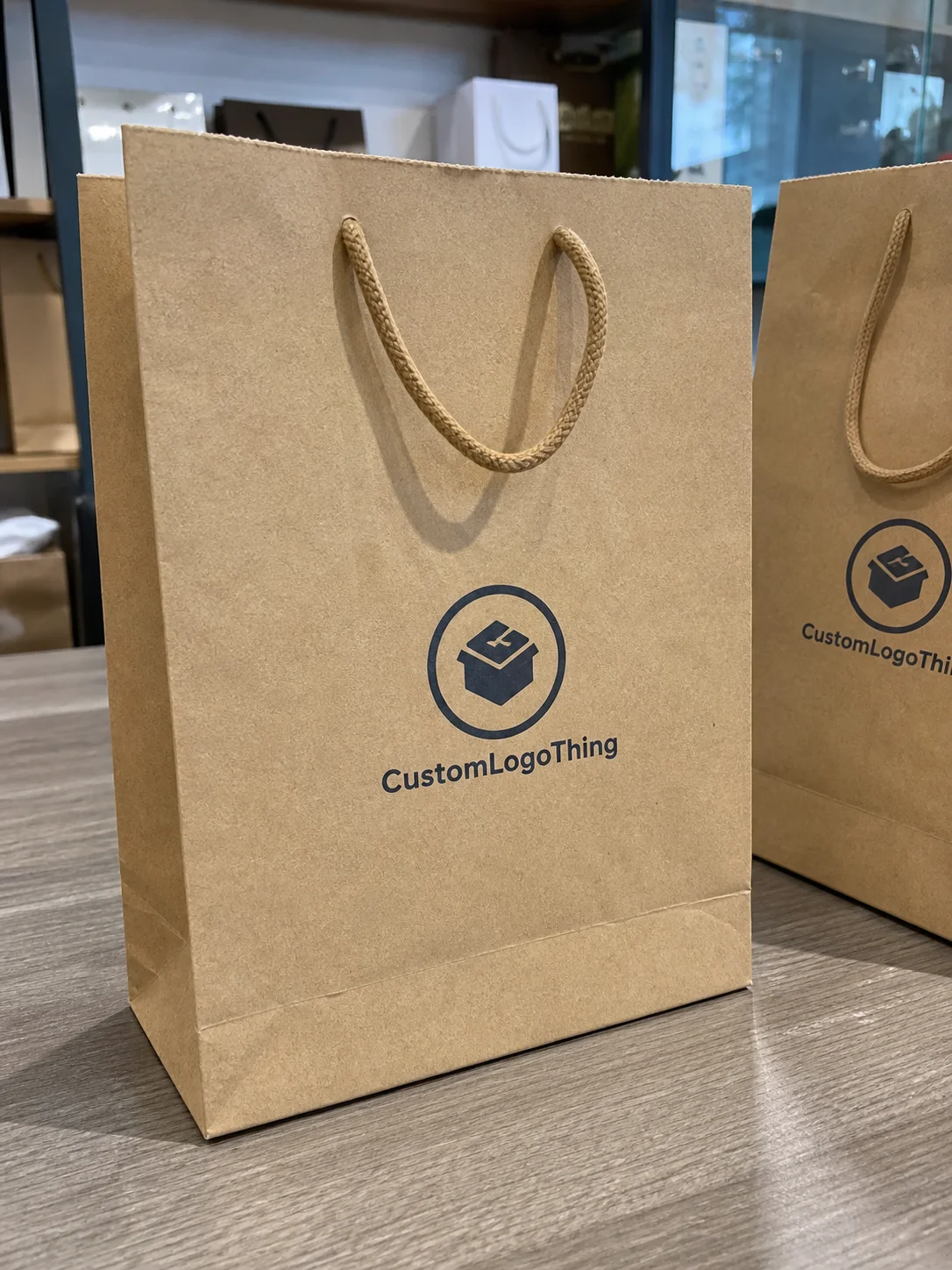
The bag is often the last physical item a customer touches before leaving. People notice handle comfort, stiffness, opacity, noise, and whether the bag opens easily at the register. A bag that sags around box corners or cuts into the hand does not feel economical. It feels poorly specified.
Printed Plastic Bags cover very different applications: retail carryout, takeout, event handouts, pharmacy pickup, and gift packaging. Each use case changes the right style, film, and thickness. A boutique handing over apparel should not buy the same bag as a takeout counter packing warm containers.
Most orders fall into a few recurring categories:
- Retail stores that need branded carryout at a manageable cost
- Food service and takeout operations that need reliable strength and fast loading
- Trade shows and events that need lighter bags in larger quantities
- Pharmacies and dispensaries that need consistency, discretion, and readable print
- Gift and specialty shops that want better presentation without moving to boxes
Bag quality directly affects carry comfort, perceived value, and reuse. Reuse matters because a clean, sturdy bag may be carried again for errands or storage, while a weak one is discarded immediately. The choice also affects packaging consistency. If the primary package looks polished but the carryout bag feels like an afterthought, the overall presentation breaks down.
The common mistake is reducing the decision to “logo on plastic.” It is really a choice about material, thickness, size, print method, and inventory planning packed into one line item.
How custom plastic bag printing works
The production process is straightforward once the variables are clear. Choose the bag style, set the dimensions, pick the film type and thickness, select the bag color and print method, then approve artwork before production begins.
Most buyers compare a short list of styles: T-shirt bags, die-cut handle bags, patch-handle merchandise bags, and wicketed bags. Each exists for a different operational reason. Grocery-style carryout, event giveaways, and apparel packaging do not behave the same in use, so they should not share the same specification by default.
Print method affects both cost and Minimum Order Quantity.
Common print methods in plain English
Flexographic printing is the standard for many volume runs. It uses plates, handles spot colors well, and usually becomes more cost-efficient as quantity rises.
Screen printing can work for bold one- or two-color artwork on certain bag programs, especially where graphics are simple.
Digital printing is available on some short-run programs. It can reduce setup burden on lower quantities, but per-unit pricing is usually higher and substrate options may be narrower.
Artwork needs to be print-ready, typically in AI, EPS, or press-quality PDF format with outlined fonts and defined colors. Pantone references help when the bag must align with an existing packaging system. Tiny text, hairline rules, large flood areas, and gradients are common trouble spots on flexible film. What looks sharp on screen may lose definition once ink is printed on plastic.
After artwork is submitted, the supplier typically sends a proof showing size, placement, print area, and color callouts. On flexo jobs, plate charges or setup fees are common. Once the proof is approved, production moves into printing, converting, packing, and shipping.
Plastic does not behave like paperboard. It stretches, flexes, and can shift slightly during production, so safe margins matter. In many cases, a restrained one-color design looks cleaner than a crowded multi-color layout fighting the material.
Cost, pricing, and MOQ basics
Pricing is driven by material, thickness, size, print colors, printed sides, and order volume. Freight and setup charges often change the final total more than buyers expect.
The biggest cost drivers are:
- Material type: HDPE, LDPE, or specialty blends
- Film thickness: more material means higher cost
- Bag size: larger bags use more resin and more shipping space
- Print colors: each added color can raise setup and production cost
- Printed sides: one side is cheaper than two
- Order volume: larger runs usually lower the unit price
As planning ranges, a one-color HDPE T-shirt bag in a standard size often falls around $0.06 to $0.16 per bag at 5,000 to 10,000 pieces. A heavier LDPE die-cut merchandise bag may land around $0.18 to $0.45 each. Frosted patch-handle retail bags and similar higher-presentation formats commonly range from $0.35 to $0.90+ per unit, depending on size, thickness, print coverage, and packing method.
These are budgeting ranges, not guaranteed quotes. Resin pricing changes, and freight can shift the total significantly, especially on bulky bags that cube out before they weigh out.
Why MOQ matters
MOQ means Minimum Order Quantity. Printed plastic bag minimums often start around 500 to 2,500 pieces for some digital or simplified short-run programs and rise to 5,000 or 10,000 pieces for conventional flexographic production. Unusual sizes, custom film colors, thicker gauges, or multiple spot colors can push the minimum higher.
Low minimums reduce inventory risk, but they usually do not produce the best unit economics. Short runs make sense when the artwork is new, the concept is changing, or usage is still uncertain. Once the spec is proven, larger volume usually improves unit cost enough to matter.
| Bag Type | Typical MOQ | Typical Unit Cost Range | Best Use |
|---|---|---|---|
| HDPE T-shirt bag, 1 color | 5,000-10,000 | $0.06-$0.16 | Takeout, convenience, grocery-style carryout |
| LDPE die-cut bag, 1-2 colors | 2,500-5,000 | $0.18-$0.45 | Boutiques, gifts, retail packaging |
| Frosted patch handle bag | 2,500-5,000 | $0.35-$0.90+ | Premium merchandise and events |
| Short-run digitally printed bag | 500-2,500 | $0.40-$1.20+ | Testing, promos, short campaigns |
Setup charges regularly catch buyers off guard. Plate creation, screen setup, artwork cleanup, PMS matching, or special packing can add anywhere from $50 to several hundred dollars. Rush production often adds 10% to 25%, sometimes more.
Buyer rule: Ask whether the quote includes setup, proofing, freight, and plate or color charges. A low unit price can hide an average landed cost.
If sustainability is part of the brief, ask about recycled content, downgauging options, and material efficiency. Recycled content can affect opacity, print contrast, feel, and availability. The EPA’s recycling resources are useful for planning, but local acceptance still varies by market and material stream.
Process and lead time: from quote to delivery
Lead time depends on the supplier, but many delays start on the buyer side with missing dimensions, unclear artwork, or slow proof approval.
The typical process looks like this:
- Inquiry: submit size, style, quantity, artwork, and needed date
- Spec confirmation: material, gauge, handle style, print colors, and print area
- Quote review: unit price, setup, freight, and turnaround
- Proofing: review artwork placement, orientation, and details
- Approval: final sign-off from the buyer
- Production: printing and converting
- Shipment: packed, labeled, and delivered
For many domestic or stock-based custom programs, production after proof approval often lands around 10 to 15 business days. Straightforward jobs may move in 7 to 10 business days. Specialty films, larger quantities, or busy press schedules can extend the timeline to 3 to 5 weeks. Imported programs often run 6 to 10+ weeks once ocean freight and inland delivery are involved.
Rush service can help, but only within real production limits. If plates still need to be made, a custom film tint is not in stock, or the press calendar is already full, paying extra may not solve the problem.
Buyers can speed up quoting by sending a usable specification on day one:
- Exact dimensions: width, gusset if any, and height
- Bag style: T-shirt, die-cut, patch handle, wicketed, and so on
- Material or desired feel: crisp HDPE, softer LDPE, clear, white, frosted, tinted
- Thickness or target load
- Estimated quantity
- Artwork files
- Required in-hands date and delivery ZIP code
If the bag must fit a folded sweatshirt, boxed candles, clamshell meal containers, or products with sharp corners, say so directly. If the logo needs to align with an existing packaging system, provide the Pantone callout. Use-case details improve recommendations faster than generic requests do.
For broader retail and shipping programs, it helps to understand the basics of ISTA standards. A plastic carryout bag is rarely the whole shipping system, but it still needs to fit the durability expectations of the packaging around it.
Choosing the right bag specs for your use case
Bag specs should follow the actual contents. Buyers often start with the logo and work backward, which is how the wrong size or wrong film gets approved.
Common bag styles
T-shirt bags are the economical workhorse for takeout, convenience retail, and high-volume checkout. They are usually made from HDPE, which feels crisper and lighter than LDPE while still carrying good weight for the cost.
Merchandise bags are the classic flat retail bag, often in LDPE. They present better, feel softer, and make more sense for apparel, gifts, cosmetics, and specialty retail.
Die-cut handle bags offer a cleaner silhouette. They work well for promotions and general retail, but handle comfort depends heavily on thickness and load. For heavier contents, a reinforced patch handle is usually a better choice.
Wicketed bags are more operational than decorative. They are common in bakery, food, and production environments where quick loading matters more than presentation.
Thickness and strength
Light handout bags may only need about 1.25 to 1.75 mil. Heavier retail carry bags often run 2.0 to 3.0 mil or more, depending on size and load. HDPE is sometimes quoted in gauge rather than mil, so confirm the measurement system being used.
Thicker is not automatically better. The target is enough strength for normal use with a margin for rough handling. Overbuilding wastes money; underbuilding fails in public.
Size planning
Start with the largest item the bag must hold comfortably. Then add room for tissue, inserts, receipts, or secondary packaging. A bag that fits exactly on paper often packs badly in real use.
Color and finish choices
Clear bags show the contents and often suit practical retail or food-adjacent uses. White bags usually provide strong logo contrast at lower cost. Frosted bags shift the presentation upscale and soften visibility of the contents. Tinted bags can support a brand color system, but custom tints often increase minimums and lead times.
If the bag needs to coordinate with displays, labels, boxes, or other Custom Packaging Products, match the finish to the rest of the system. Consistency usually looks more deliberate than isolated upgrades.
Useful add-ons
- Bottom gussets for boxed or bulky contents
- Reinforced patch handles for heavier loads
- Fold-over tops for more structure on merchandise bags
- Recycled content where sustainability targets apply
Storage and handling conditions also matter. Heat can soften some films, sharp corners can stress weak spots near the handle, and tight case packing can create more creasing than expected. A desk sample is not the same as daily use at the register.
Common mistakes buyers make with printed bags
The most common mistake is ordering the wrong size. A bag can look fine on a quote and still arrive too short for a boxed candle, too narrow for a folded hoodie, or too shallow for a meal container plus sides. If there is any doubt, test the actual product in a blank sample or a stock bag with similar dimensions.
The second mistake is chasing the cheapest possible film. Efficient is good; flimsy is not. Bags that stretch around corners, distort the print, or tear near the handle usually cost more in waste, complaints, and reorders.
Another recurring issue is overcrowded artwork. Plastic bags are not catalogs. A strong logo, clear brand name, and perhaps a website or short message are usually enough.
Proof approval also gets rushed. Screen proofs do not always reveal how contrast, registration, or fine details will behave on film. Check orientation, spelling, print area, bag dimensions, and which side is considered front.
Industry-specific requirements are easy to overlook. Pharmacies may need discretion and legible compliance copy. Food service operators need bags that work with warmth, moisture, and container shape. Event teams may need lighter bags that still hold brochures without tearing at the handle.
One more problem hides inside vague terminology. “Premium quality” and “heavy duty” mean very little unless the quote also lists material, thickness, size, handle style, and print details.
Simple rule: If the quote does not list size, material, thickness, print colors, and handle style, it is not specific enough to approve.
What should you know before ordering custom plastic bags St Louis?
Clean quotes come from clean inputs. A one-page spec sheet prepared before reaching out can remove most unnecessary back-and-forth.
What to include in your spec sheet
- Bag type
- Dimensions
- Material
- Thickness
- Bag color
- Print colors and number of printed sides
- Quantity needed
- Required delivery date
- Delivery address or ZIP code
Gather artwork in vector format next. AI, EPS, or editable PDF is usually best. If brand standards exist, include Pantone references and usage notes.
Request a quote that breaks out:
- Unit price
- Setup or plate charges
- Proofing charges, if any


