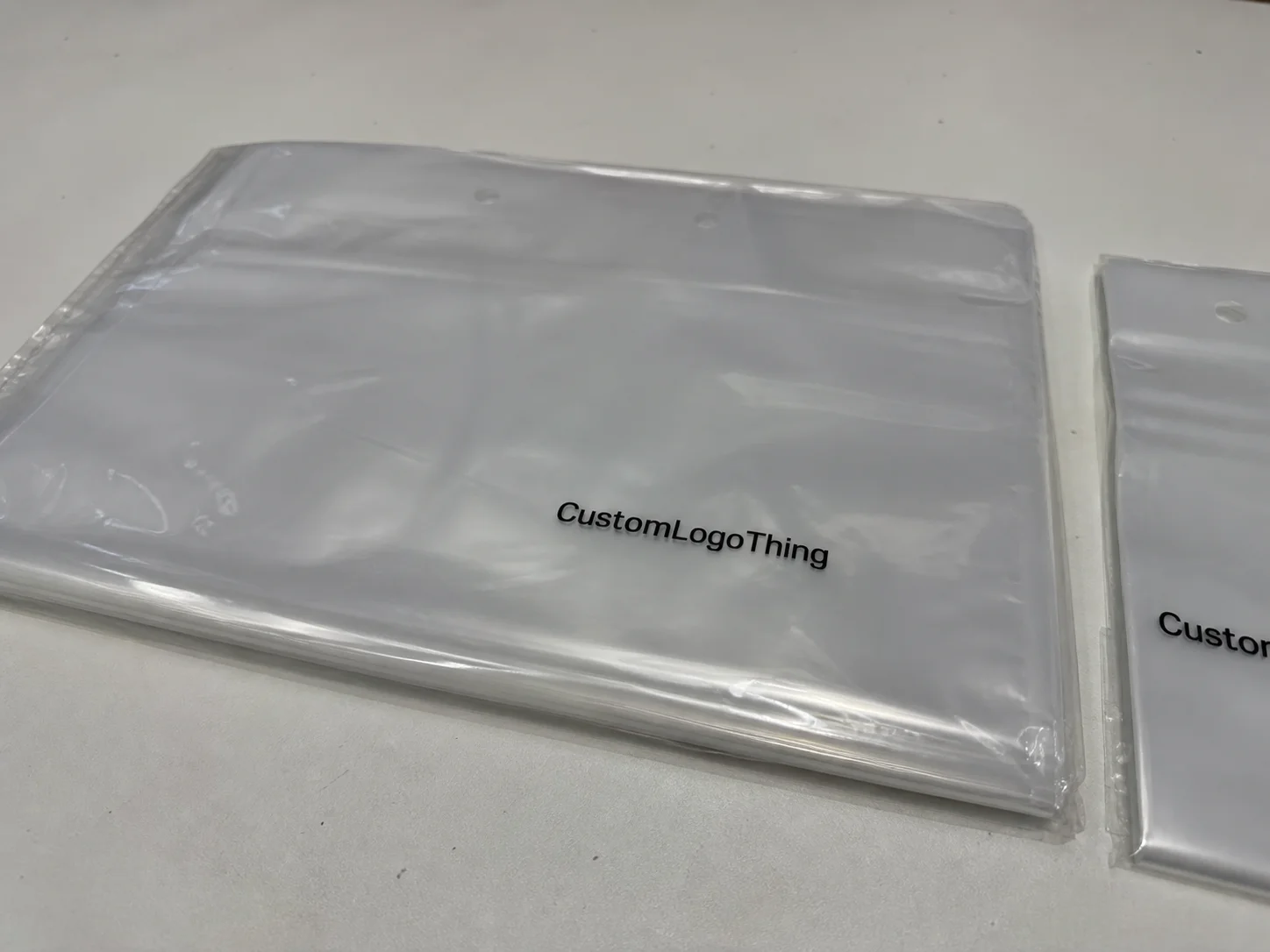
Why a custom poly bag can solve messy packing problems

If you have ever watched a product slide around inside a carton, arrive dusty, or look uneven on the shelf, you already understand why a Custom Poly Bag is such a useful packaging format. It is not the flashiest part of the packout, but it often solves the day-to-day problems that create waste, rework, and presentation issues faster than almost any other option.
A custom poly bag is simply a polyethylene bag made to your size, thickness, print, and closure requirements instead of being pulled from a stock shelf. That difference sounds minor until you see how much time is lost when a bag is too loose, too tight, too flimsy, or awkward to seal. In production, those small frustrations add up quickly.
Buyers use these Bags for Retail packaging, fulfillment, bundling, inner wrapping, and light protective overwrap. They show up around apparel, parts, inserts, stationery, hardware, sample kits, and products that do not fit neatly into a standard carton. Flexibility is the real advantage here, not novelty.
Most projects start with a few basic decisions:
- Size to match the packed product and loading method
- Thickness for puncture resistance, clarity, and hand-feel
- Film type for cost, flexibility, or a crisper appearance
- Print for logos, warnings, size marks, or handling notes
- Closure such as open-end, zip seal, tape seal, or heat seal
- Perforation or venting for packing speed or product behavior
The right choice depends on how the product is packed, stored, and shipped. A bag that fits the work flow cleanly can reduce labor, improve shelf appearance, and cut down on the little defects that come from forcing a generic bag to do a job it was never sized for.
That is why the best custom poly bag orders usually start with a clear spec sheet instead of a vague request. The more practical the inputs, the fewer surprises later.
How a custom poly bag is made and printed
Most poly bags begin with polyethylene film, usually supplied as layflat tubing or flat roll stock. The resin is extruded, cooled, slit or folded, and then converted into bags through cutting, sealing, and finishing. That converting step is where many of the important decisions get locked in, because the same resin can behave very differently once gauge, additives, and bag style are changed.
A custom poly bag may be made from tubing that is cut to length and sealed on one or both ends, or from flat film that is folded into a bag and side-sealed. Gussets, perforations, tear notches, hang holes, and resealable features are added during conversion. Those details matter because they affect how the bag loads, stacks, opens, seals, and presents itself on the shelf or packing line.
Printing is commonly done with flexographic presses, especially for higher-volume runs with simple graphics and a limited number of colors. A one-color logo, size callout, or handling instruction is common, and for many buyers that is enough. More complex artwork is possible, but it adds setup time, proofing, and closer attention to ink coverage and registration.
Packaging buyers often learn the hard way that a design that looks fine on a screen may behave differently on film. Film stretch, ink opacity, and seal placement all influence the final result. If the artwork runs too close to a fold, or the contrast is too weak for the chosen film, the final bag can look softer and less legible than expected.
Custom sizing also affects the packing floor. If a bag is too long, operators waste time folding or adjusting it. If it is too short, the product may catch during insertion and wrinkle at the opening. That is not a minor cosmetic issue; it slows down the line and creates avoidable handling problems.
Material gauge, additive packages, and artwork setup all influence the end result. Anti-static additive, UV resistance, slip level, and recycled-content blends can all be useful, but only when they fit the product and storage conditions. When the packaging system includes more than one component, it often helps to compare the bag with other formats through a supplier that also offers Custom Packaging Products, especially if you need the whole program to look consistent across multiple SKUs.
Size, thickness, film type, and closure choices that matter
Size is the first spec to get right, and it should be based on the actual packed product rather than the retail dimension on a drawing. Measure width, length, and, if needed, gusset depth. Then think through the loading method. A folded shirt, a boxed accessory, and a rigid part all enter a bag differently, so “close enough” sizing often creates avoidable waste.
Thickness is usually described in mils, which is a simple way to think about body, puncture resistance, and handling feel. A lighter garment bag may work well at 1.5 to 2 mil, while heavier items or products with sharp edges may need 3 mil, 4 mil, or more. There is no universal answer. Product weight, corners, transit abrasion, and storage time all affect the choice.
Film type changes both look and performance. LDPE is common because it is flexible, clear enough for many retail uses, and easy to convert. HDPE has a crisper feel and can be made thinner for a similar-looking bag profile, though it is not as soft and usually is not the first pick when the goal is a smoother hand-feel. Recycled-content blends are becoming more common, but the exact appearance and seal behavior depend on the resin mix and the production setup. For buyers who need a technical reference point, it helps to align specs with guidance from groups like the Flexible Packaging Association and with shipping test expectations such as ISTA methods when the bag is part of a transit package.
Closures should follow the workflow, not habit. Open-end bags are the simplest and fastest option for high-speed packing. Zip seals make sense when the end user needs reuse. Tape seals are useful for fulfillment and insert packaging. Heat seals are preferred when tamper evidence or a cleaner retail finish matters. If the packing line uses a form-fill-seal system, the closure style and bag orientation must match the equipment, or speed drops immediately.
| Option | Best for | Typical strengths | Tradeoffs |
|---|---|---|---|
| LDPE bag | Retail items, apparel, inner wraps | Flexible, clear, easy to handle | May need higher gauge for sharp edges |
| HDPE bag | Lightweight packing, utility use | Cost-efficient, crisp feel, thinner profile | Less soft and less elastic than LDPE |
| Zip seal bag | Reusable packaging, sample kits | Convenient opening and closing | Higher unit cost than open-end styles |
| Heat seal bag | Retail packaging, tamper-sensitive items | Clean finish, secure closure | Requires sealing equipment and process control |
Price should not be the only filter. A slightly thicker film or a different closure can reduce damage, improve presentation, and lower labor at the packing table. That is usually better value than saving a fraction of a cent on the unit price.
Custom poly bag cost, pricing, and MOQ basics
Price for a custom poly bag is usually driven by six things: size, gauge, resin choice, print colors, bag style, and order quantity. Larger bags use more material. Thicker films use more resin. More ink colors mean more setup and more press time. Special features such as gussets, vent holes, or resealable closures add cost because they add converting steps.
MOQ exists because setup costs have to be spread across the run. Printing plates, material changeover, color matching, machine setup, and quality checks take time whether the order is 3,000 pieces or 300,000. On a small order, those fixed costs push the unit price up. On a larger run, they are diluted, which is why buyers often see a better unit cost after they reach a higher quantity tier.
As a rough buyer-side range, a simple unprinted bag at modest quantity may land in the low cents per unit, while a printed, thicker, or specialty bag can move into a noticeably higher range depending on the specification. A 5,000-piece order can price very differently from a 50,000-piece order even if the bag looks almost identical at a glance. Resin market conditions, print coverage, and how efficiently the bag nests in the web layout all affect the quote.
Use the same frame of reference for every supplier quote:
- Match the finished dimensions
- Specify the same gauge and resin blend
- Keep print colors and print locations consistent
- Confirm whether bags are packed loose, folded, or on rolls
- Check whether tooling, freight, and cartons are included
That last point matters more than many buyers expect. A quote that looks cheaper on paper can become more expensive once packaging, palletizing, or freight is added. The cleanest comparison comes from a single spec sheet that every supplier is quoting against. If you also buy related items like Custom Poly Mailers, standardizing those specs can make purchasing much easier to manage.
There are also practical ways to cut cost without hurting the bag. Simplifying to one print color, using a standard width, or trimming unused extra length can lower price without weakening performance. In packaging work, the goal is not to make the bag more elaborate; it is to make it fit the job with the least waste.
Process and timeline: from quote to shipment
The normal path starts with discovery: product dimensions, use case, quantity, print needs, and seal style. After that comes spec confirmation, artwork prep, proofing, production, and packing. The sequence is straightforward, but delays usually come from incomplete inputs, not from the process itself.
First-time orders often take longer because the spec and print setup are being finalized at the same time. If dimensions are approximate, the supplier may need to adjust the artwork layout or revise the bag width. That can add days before production starts. Clean information speeds everything up.
Proof type matters too. A digital mockup is fast and useful for layout review, but it is not the same as a production proof or sample. A mockup shows where the logo sits. A physical sample shows how the film feels, how the print reads on the actual material, and whether the closure works the way your packing team expects. For higher-risk programs, especially launch inventory, a sample is worth far more than a screen image.
Lead time depends on complexity, but most printed bag projects go more smoothly when buyers leave room for proof approval, production, and transit. A simple unprinted run may move faster. A printed order with color matching or special converting features needs more breathing room. If the bags support a seasonal launch, build the calendar backward from the ship date so there is room for revision.
For planning, it helps to think in three buckets:
- Fastest: repeat orders with unchanged specs
- Typical: new printed orders with clear artwork and dimensions
- Slowest: new structures, unusual closures, or unclear product data
If the bag is protecting goods in transit, ask whether the packaging should be evaluated against an ISTA sequence or a similar internal drop and vibration check. If the broader packaging program includes sustainability targets, it can also help to review adjacent paper components through resources from the Forest Stewardship Council, even though the film itself is plastic. Good packaging decisions usually sit at the intersection of performance, cost, and shelf life, not just material claims.
Common spec mistakes buyers make with poly bags
One of the most common mistakes is choosing the bag size before measuring the actual packed product and the insertion method. A product that slides straight in needs less extra room than one that has to be angled, stacked, or folded first. If the fit is too tight, labor goes up immediately. If the fit is too loose, the product shifts, wrinkles, and looks less finished.
Another frequent miss is underestimating gauge. Thin film may look fine in a sample, but sharp edges, corners, and heavy contents can stress it quickly. During transit, abrasion from cartons, pallets, and repeated handling can turn a good-looking bag into a torn one. A small gauge upgrade is often cheaper than handling damage claims later.
Artwork can also fail if the color and film are not planned together. Light ink on a tinted bag, small text on a glossy surface, or a logo placed too close to a fold line can make the mark weak or unreadable. That matters in retail packaging, where the bag is part of the presentation, and in fulfillment, where the print may need to carry barcode or handling information.
Another trap is treating protection and display as the same requirement. A bag built only for protection may look too plain on a shelf. A bag built only for display may be too light for shipping. Good branded packaging sits in the middle: enough visual polish to support package branding, enough material strength to survive handling, and enough simplicity to run efficiently.
Finally, buyers sometimes forget to confirm seal method, bag orientation, and equipment compatibility. If the line expects a certain opening direction or seal placement, the wrong format can slow production right away. Even a well-made custom poly bag becomes a poor choice if operators have to fight it at every pack station.
Next steps for ordering the right custom poly bag
The cleanest way to order a custom poly bag is to prepare a short spec sheet before asking for quotes. Include product dimensions, estimated quantity, target gauge, closure type, and print goals. If there are sharp edges, temperature swings, or moisture concerns, mention those too, because they can change the film recommendation.
Ask for a quote with artwork, annual usage estimates, and any packing-line constraints. If the bags run through automation, say what the equipment needs. If the bags are part of a larger product packaging system, note whether the style needs to coordinate with custom printed boxes, labels, or inserts so the look stays consistent across the shelf and shipping lane.
Before signoff, request a sample or mockup if the order is new. Check fit, print placement, sealing behavior, and carton count. It is also smart to confirm storage needs, especially if the order is large enough to sit in inventory for months. Bags store well when kept dry and away from excess heat, but they still deserve a practical plan.
Here is the checklist that usually catches the most issues:
- Confirm actual packed dimensions
- Choose gauge based on real handling risk
- Review print location and readability
- Check closure method and equipment match
- Keep the approved spec in writing for reorders
Once that is in place, reordering gets much easier and much more consistent. That consistency is the main reason a custom poly bag is worth the effort: fewer surprises, cleaner packing, better presentation, and a packaging program that behaves the same way every time.
What is a custom poly bag used for?
It protects, contains, and presents products during storage, shipping, and retail display. It is commonly used for apparel, accessories, parts, printed inserts, and bundling applications, and it can also improve packing speed by making product handling more consistent.
How do I choose the right thickness for a custom poly bag?
Match gauge to product weight, sharp edges, and how much abrasion or puncture risk the bag will face. Lighter, flexible items often need less thickness than rigid or irregular products, and when in doubt, request a sample or compare two gauges against the actual product.
What affects the price of a custom poly bag the most?
Size, material type, thickness, print colors, bag style, and order quantity are the biggest drivers. Setup costs and MOQ can raise the unit cost on smaller runs, and simplifying the spec usually has more impact than chasing small design changes.
How long does it take to produce a custom poly bag order?
Lead time depends on artwork readiness, proof approvals, bag complexity, and production schedule. Simple orders move faster than printed or highly customized bags, and the cleanest way to shorten the timeline is to provide exact specs and approve proofs quickly.
Can a custom poly bag be printed on both sides?
Yes, many bags can be printed on one or both sides depending on the film and production setup. Printing both sides may change pricing and artwork planning, so it is important to confirm print area, ink colors, and where the bag opens before final approval.