Personalized plastic grocery bags do a fairly unglamorous job, which is exactly why they matter. They carry groceries, survive checkout, and keep a store name visible after the customer leaves. If the bag is built well, the branding works twice: once at the register and again when the bag gets reused for a lunch run, a trash liner, or a random chore at home.
The medium is not fancy. The economics are. A printed grocery bag has to balance cost, speed, weight, and durability without slowing down the front end. If you choose the wrong bag, you pay for it in tears, returns, or a lane full of awkward repacks. If you Choose the Right one, nobody thinks about it, which is the point.
For grocery, convenience, and neighborhood retail, the bag is part packaging and part operating equipment. It needs to open easily, hold shape, and print cleanly. Everything else is decoration.
Personalized plastic grocery bags
Personalized plastic grocery bags: why they still matter at checkout
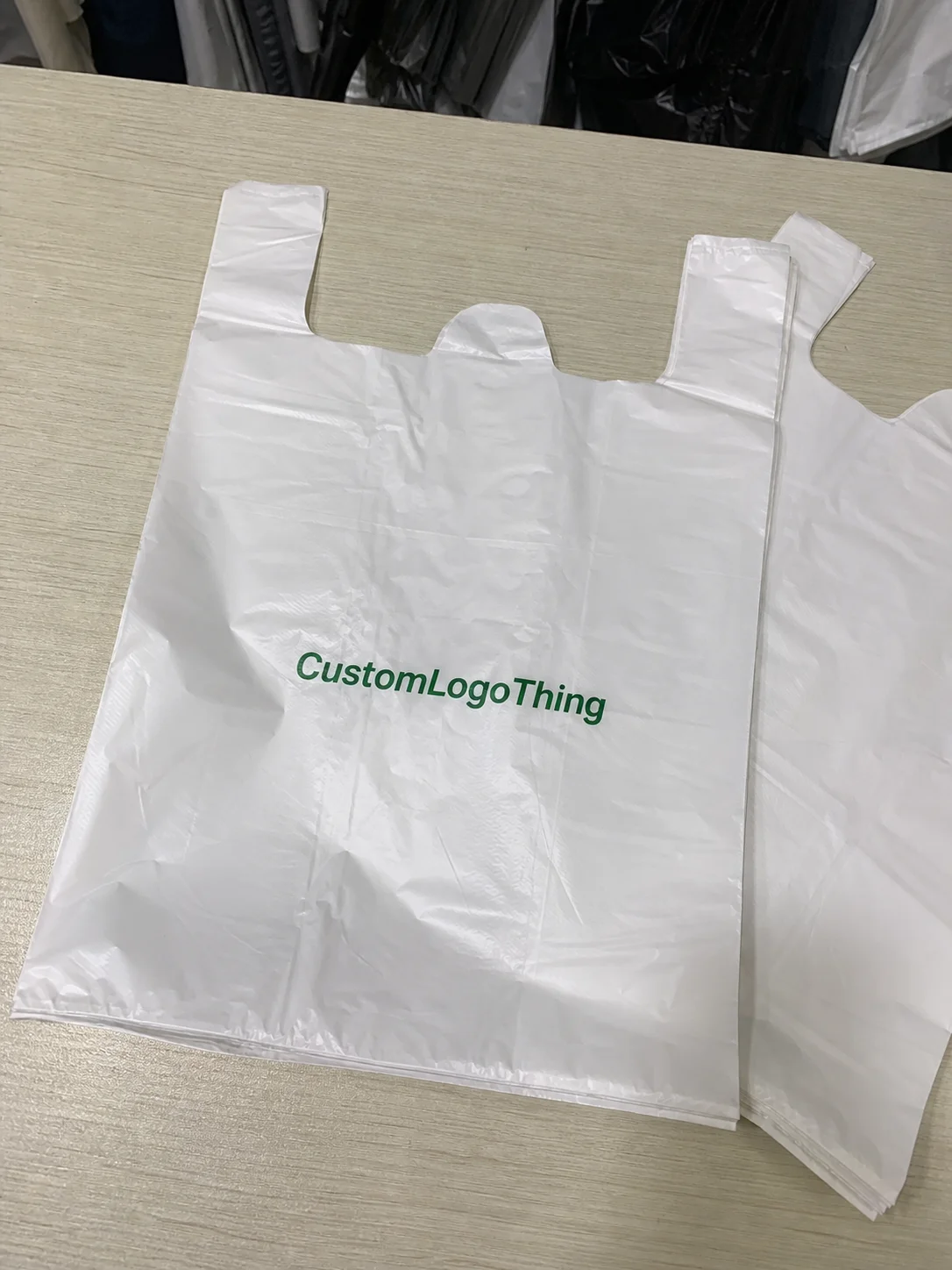
At checkout, speed beats theory. A plain bag works, but a printed bag does more than carry product. It puts the store name in the customer’s hand and keeps it there long after the receipt is gone. That repeated exposure is cheap compared with most advertising, and unlike a poster on the wall, the bag travels.
There is also a practical side. A printed bag tends to signal that the store has made a decision about standards. That sounds small, but customers notice those details. A neat carryout bag with a readable logo feels more intentional than a generic sack pulled from a box.
From a buyer’s perspective, the job is simple on paper and slightly annoying in practice: pick a bag that fits the load, make sure the print is readable, and avoid paying for specs that do nothing for your checkout line. The main decisions usually come down to five variables:
- Bag style
- Film thickness
- Print method and color count
- Quantity
- Timeline
Those five choices drive almost everything else. A small change in thickness can alter unit price. A second print color can push setup costs up. A tighter deadline can force rush fees or fewer proof rounds. This is why two quotes that look close on the surface can end up very different once the details are lined up properly.
How customization works, from artwork to printed bags
The customization process is straightforward if the buyer sends clean inputs. First comes the bag style and size. Then artwork. Then the supplier checks print area, ink coverage, and any legal or recycling text. After that, a proof goes out for approval. Production does not really begin until the proof is accepted and the final spec is locked.
Most grocery buyers end up choosing one of three formats. T-shirt carryout bags are the familiar handle bags used at the majority of grocery and convenience counters. They are fast, familiar, and cheap to run in volume. Die-cut handle bags have a cleaner look and are common for higher-end retail, prepared foods, and takeout where presentation matters more. Gusseted bags add extra room at the sides or bottom so square cartons, produce, and awkward groceries sit better instead of bulging the seams.
Artwork is where the rough edges show up. Simple logos, bold type, and one clear message usually print well. Thin strokes, tiny text, gradients, and complex shading are more likely to turn soft or lose detail. Flexographic printing, which is common for this category, does best with art that was made to be printed, not just displayed on a screen.
If a logo was built for a website header, there is a decent chance it will need cleanup before it can go onto a bag. Screen files and print files are not the same thing. A good supplier should say that plainly instead of pretending every file can be dropped into production without changes.
Proofing deserves more attention than it usually gets. Check spelling, placement, line weight, handle orientation, and any claims tied to recycled content or local retail rules. If the supplier is matching a spot color, confirm whether that match is exact or approximate. A bag can look fine on screen and still miss in print if the art was not prepared for the actual process.
For broader packaging and transit references, I keep the ISTA test procedures and the EPA's waste and recycling resources in mind when handling claims, shipping, or disposal language affects the order.
Specs that change performance at checkout
The specs that matter are the ones that decide whether the bag works in a lane, not the ones that make the quote look technical. Start with size, thickness, handle style, gusset depth, and seal strength. Those are the levers that control how the bag behaves once it is filled with real groceries.
Thickness is usually measured in mils. Too thin, and the film stretches, pinches, or splits when a customer loads canned goods, bottles, or frozen items. Too thick, and you pay for resin you do not need. For many retail carryout jobs, the range lands somewhere around 0.6 to 1.5 mil. Heavier-duty orders can run above that if the load actually calls for it.
Thickness alone is not the full story. Two bags with the same mil count can behave differently if the resin blend, seal quality, or gauge consistency changes. That is why serious suppliers talk about film performance, not just the number on the spec sheet. ASTM D1709 is one common reference point for dart impact performance, and it is more useful than thickness by itself when you are trying to understand how a film resists puncture and sudden stress.
Bag shape matters just as much. A wider gusset gives the bag more room to sit flat and hold boxes or stacked items better. A narrow bag can look neat, but if the bottom is too tight, it becomes a poor choice for groceries that do not pack into a perfect cube. Handle style changes comfort too. T-shirt handles are fast and economical. Die-cut handles feel better in hand and are often preferred for lighter retail goods where presentation matters.
Seal quality is another place where low-cost bags cut corners. If the bottom seal is weak or inconsistent, the bag can fail right where the load transfers. That failure is not subtle. It creates a mess at the register and leaves the store eating the cost of the replacement.
The cheapest bag on the quote sheet is not cheap if it tears when the cashier lifts it. That is just a different way of paying for the problem.
One useful test is to ask the supplier how the bag performs with the actual contents you expect to load. A bag for bakery items is not the same as a bag for detergent, frozen goods, or mixed groceries with sharp edges. If the order is built around real usage, not a guessed spec, the final result is usually better and cheaper over time.
Material and compliance details that affect the order
Material choice changes both performance and cost. Most grocery bags are built from variants of polyethylene, usually HDPE, LDPE, or blends that modify feel and tear resistance. HDPE gives a lighter, crisper bag with good cost control. LDPE tends to feel softer and can improve flexibility. Some operations want a blend because it balances stiffness, clarity, and seal behavior better than a single resin.
Recycled content is another variable buyers ask about more often now. It can help with sustainability targets, but it can also affect color consistency and print appearance. Post-consumer content may introduce slight visual variation from run to run. That is not a defect if everyone agrees on it up front. It is a problem only when someone expects virgin-film clarity and gets a more muted finish instead.
Regulatory language deserves care. Some regions have bag restrictions, recycled-content requirements, or labeling rules. Those rules are not universal, and they change often enough that copying old copy into a new spec sheet is a bad habit. If a bag needs compliant wording, the supplier should confirm the current phrasing before plates are made.
Storage and handling matter too. Plastic film can get distorted by heat, pressure, or poor warehouse conditions. If bags sit too close to a hot wall, in direct sunlight, or under heavy stacked cartons, print and film quality can suffer before the bags ever reach the register. That is not a marketing problem. It is a logistics problem.
For buyers comparing material options, the clean question is not “what is best?” It is “what fits the load, the climate, the checkout speed, and the brand standard?” That is a practical question. It usually produces a better answer.
Cost, MOQ, and unit pricing for custom bags
Pricing usually comes down to five variables: quantity, bag size, thickness, number of print colors, and artwork complexity. Resin grade and recycled-content targets can move the number too, especially if the order needs a consistent look across a large run.
MOQ, or minimum order quantity, is where buyers often get surprised. Lower runs almost always cost more per bag because setup, plates, and press time get spread across fewer units. For basic one-color retail bags, a common starting range is 5,000 to 10,000 pieces. Some suppliers will go lower, but the unit price can jump quickly once the run gets small.
Comparison only works when the specs are truly matched. Match size, thickness, color count, packaging format, and freight terms. If one quote includes heavier film or a larger print area and the other does not, the numbers are not comparable. That sounds obvious. It still gets missed all the time.
| Bag type | Typical spec | Best use | Common unit range at scale |
|---|---|---|---|
| T-shirt carryout | 0.6-1.25 mil, 1-2 spot colors | Fast grocery checkout | $0.05-$0.12 |
| Die-cut handle | 1.5-3 mil, cleaner retail finish | Specialty retail or premium takeout | $0.10-$0.24 |
| Gusseted grocery bag | 0.8-1.5 mil, more carry room | Heavier or awkward loads | $0.08-$0.18 |
| Heavier custom bag | Above 1.5 mil, stronger seal profile | Dense checkout loads | $0.15-$0.30+ |
Those numbers are only a planning frame. Plate charges, freight, rush fees, proof revisions, and spoilage overage can all change the final invoice. Ask for a quote that separates setup from unit price. If the vendor hides everything inside one number, the quote is not clean enough to compare.
One useful buying test is to request two quotes: one on the base spec and one on the upgraded version. The difference tells you whether the extra thickness, print coverage, or handle style is worth paying for. If the gap is a few cents and the stronger bag solves a real handling problem, the choice is easy. If it is not, you have a clear reason to stay with the lighter option.
Production steps, proofing, and turnaround expectations
The production sequence is usually predictable. That is the good part. The delays tend to come from the same handful of places, and almost all of them can be avoided if the spec is clean.
- File check and artwork cleanup
- Color confirmation and placement review
- Digital proof approval
- Plate making or engraving prep
- Printing and curing
- Cutting, sealing, and packing
- Shipment and delivery
The proof stage is where expensive mistakes get stopped. Check spelling, logo placement, print scale, handle alignment, legal text, and any compliance wording tied to recycled content or local retail rules. If the art uses a Pantone target, confirm whether the supplier is matching a spot color or translating it into process inks. Those are not the same thing, and they do not print the same way.
Turnaround depends on order size and complexity, but a standard custom run often lands around 12 to 18 business days after proof approval. Simpler jobs can move faster. Larger runs, multi-color orders, or bags with custom packaging can take longer. Rush production is possible in some cases, but it usually raises cost and leaves less room for adjustments.
The real clock does not start at the first email. It starts when the proof is approved and the final spec is frozen. If the artwork is still changing, the schedule is still soft. That distinction matters more than buyers like to admit, especially when a store opening or promotion date is fixed.
Late file swaps, vague dimensions, and repeated proof edits are the fastest way to push a launch back by a week or more. If the bags are tied to a seasonal reset or event, build a buffer into the schedule. The cost of that buffer is usually lower than the cost of a panic reorder.
Common mistakes and expert tips for better print results
The recurring mistakes are not dramatic. They are ordinary, which is why they happen so often. Buyers choose a bag that is too thin, send artwork with weak resolution, then overload the design with tiny text that has no business being on a carryout bag in the first place.
Color choice causes trouble too. Pale ink on clear film can disappear. Dark logos on dark bags lose contrast. Gradient-heavy artwork can turn soft or blotchy once it hits plastic. If the design only works on a bright monitor, it is probably too delicate for this application.
There are a few simple habits that improve results fast:
- Keep the logo bold and readable at arm’s length
- Use typefaces with enough stroke weight to survive print
- Ask for a sample or swatch before committing to the full run
- Request overage if the order is mission-critical
- Explain exactly how the bag will be used at checkout
The last point matters more than most people think. A bag for light bakery items is not the same as a bag for heavy groceries, outdoor handoff, or longer handling in a busy store. If the environment is rough, say so. A generic bag may pass a visual check and still fail in real use.
One good quality-control move is to request an actual sample bag with the planned layout before approving a full run. That is especially useful if the logo has fine lines, a reversed-out lockup, or compliance text that must remain readable. A small delay up front is cheaper than a pallet of bags that look fine from ten feet away and wrong in the hand.
Another useful check is to verify the finish under the store’s actual lighting. Fluorescent and LED lighting can change how contrast reads. A design that looks strong in a design file can flatten out under checkout lighting, which makes readability worse than the proof suggested.
What to send before you request a quote
If you want a clean quote, send a complete brief instead of a loose request. The better the inputs, the fewer rounds of follow-up you need, and the faster the quote becomes useful.
- Bag style
- Dimensions
- Thickness target
- Quantity
- Print colors
- Artwork files
- Needed delivery date
Ask for a few details in the first response: unit price, setup fees, MOQ, proof timeline, freight estimate, and whether overage is included. If the quote leaves out freight or plate charges, you still do not know the actual landed cost.
It also helps to ask what the supplier needs from the artwork team. Some want vector files. Some want Pantone references. Some need a bitmap for a quick mockup and a separate production file. That sounds tedious, but it prevents avoidable file back-and-forth. Time lost on file cleanup is usually more expensive than time spent getting the spec right the first time.
That is the practical value of personalized plastic grocery bags. They are not glamorous. They are a retail work tool that has to look good, hold up, and print consistently. Choose the Right thickness, print format, and timeline, and they do their job without drama. Choose badly, and they make every mistake visible at the register.
How much do personalized grocery bags usually cost?
Pricing depends mainly on quantity, bag thickness, print colors, and whether setup or plates are included. Larger runs usually lower the unit cost, while short runs cost more per bag because fixed production costs are spread across fewer pieces.
What is the minimum order for custom plastic grocery bags?
MOQ varies by supplier and print method, but lower minimums usually come with a higher unit price. For basic printed carryout bags, many orders start around 5,000 to 10,000 pieces, though some suppliers will quote smaller runs.
Which bag style is best for heavy checkout loads?
Gusseted bags and sturdier handle styles usually perform better when customers load multiple items or heavier groceries. The best choice depends on the load, the bag’s thickness, and how the bags are handled at checkout.
How long does production take after proof approval?
Turnaround depends on quantity, bag style, and print complexity, but 12 to 18 business days after proof approval is a reasonable planning window for many custom runs. Rush jobs are possible in some cases, but they usually cost more and leave less room for changes.
Can I print a full-color logo on personalized grocery bags?
Sometimes, but simpler artwork usually prints cleaner and costs less on plastic grocery bags. If your logo uses gradients, tiny text, or thin strokes, ask for a proof review before you commit. For most retailers, personalized plastic grocery bags work best when the design stays bold, readable, and built for the way the bag will actually be used.