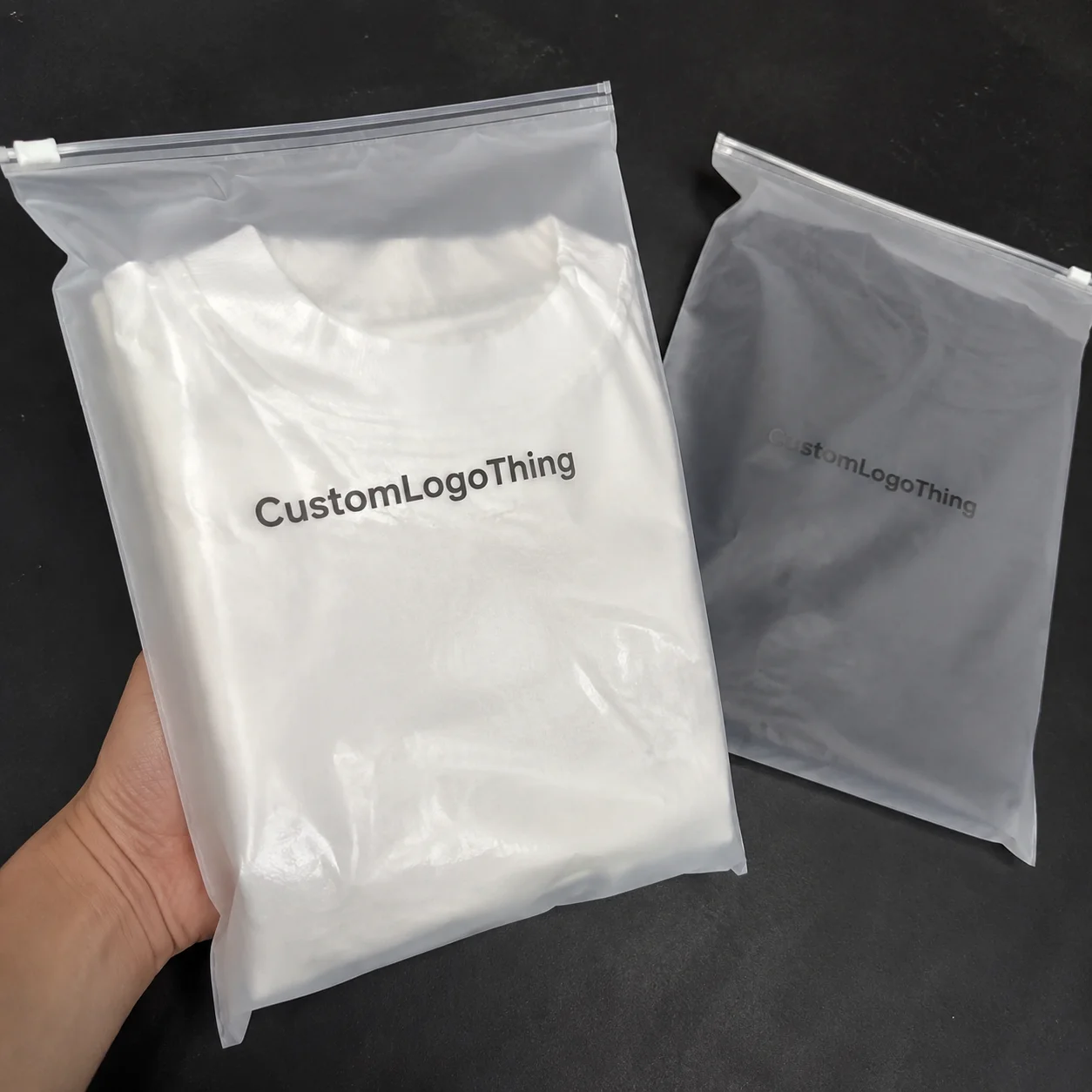
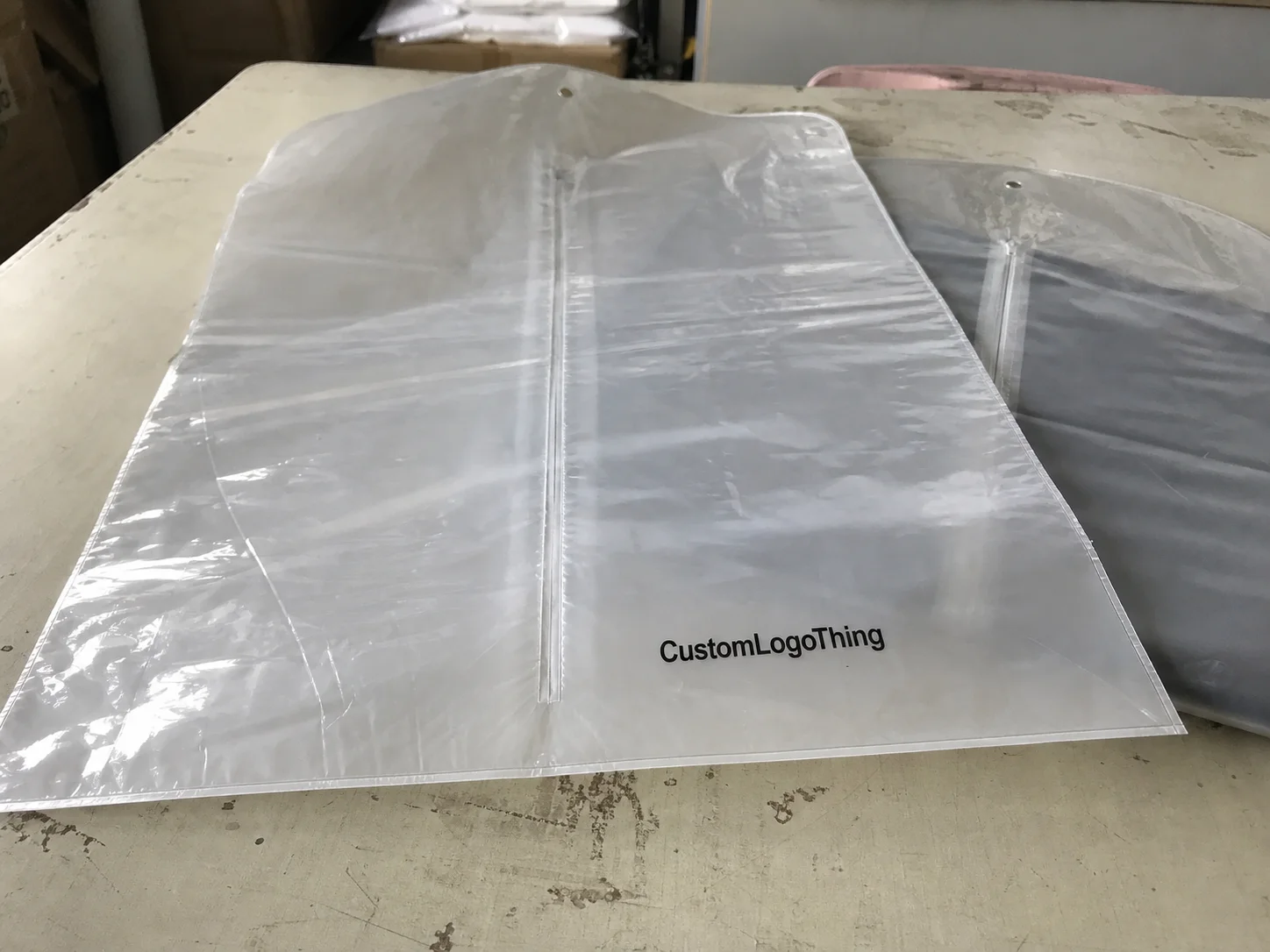
What custom poly bags solve before they ever touch your product

If you searched Custom Poly Bags how to choose, you are probably trying to avoid a packaging mistake that looks small on paper and expensive in production. That instinct is right. Poly bags seem simple until they tear at the seal, trap too much air, waste carton space, or make a decent product look strangely cheap.
Custom poly bags are built around your size, film, closure, and print requirements rather than pulled from a stock list. That difference affects more than appearance. A Bag That Fits the product and the packing line usually reduces wasted film, cuts handling time, and lowers the odds of ugly pack-out or transit damage.
They show up everywhere: folded apparel, retail kits, replacement parts, event bundles, spare components, e-commerce mailers. Some only need to keep dust and scuffs off. Others have to protect, display, carry a barcode, hold a warning statement, and still look intentional on shelf. The spec that works for an inner bag in a warehouse will often fail in retail.
Fit is the first problem custom bags solve. Too much extra space lets items slide, wrinkle, and look careless. Too little space slows insertion, stresses the seal area, and frustrates the packing team. It also inflates labor in a quiet, hard-to-track way. Many buyers chase fractions of a cent on unit cost while ignoring labor and freight, even though those two costs can outrun the bag itself.
Film thickness is the next trap. Thin film may be fine for lightweight soft goods. The same bag can fail around a zipper pull, metal trim, hard corner, or rough carton edge. Thicker film generally improves puncture resistance, but it is not a universal upgrade. Sometimes it just raises cost, creates a stiffer bag than the product needs, and slows manual packing.
The right bag is usually a negotiated compromise between protection, appearance, line speed, compliance, and cost. Anyone offering a perfect answer without tradeoffs is mostly selling comfort.
That is the actual job: choose a bag that protects the product, looks right for the selling context, runs cleanly through the packing process, and does not create a second problem in storage or reordering. Not glamorous. Useful every day.
How custom poly bags work: film, structure, closures, and printing
Start with the film, not the logo. Most bad buys begin in the opposite order.
Common resin options include LDPE, HDPE, PP, co-extruded blends, and recycled-content structures. LDPE is soft, flexible, and widely used for general packaging. HDPE has a stiffer, crisper hand and can feel noisier. PP usually offers better clarity and a cleaner retail presentation, which is why it often appears where product visibility matters.
Thickness is usually specified in mil. A folded T-shirt may work in the 1.5 to 2.5 mil range; heavier goods or products with harder edges may need 3 mil or more. That is not a rule, only a starting point. The same nominal thickness can behave differently depending on resin and film construction.
Structure matters as much as material. Flat bags are simple and economical. Gusseted bags add depth for bulky items. Header bags support hanging display. Adhesive-seal bags speed up pack-out. Zipper bags allow reopening and reuse, but add cost and bulk. Die-cut handles are common in event and retail packaging. Poly mailers shift the priority toward shipping durability rather than shelf appearance.
Closures get less attention than they deserve. Open-top bags with heat sealing can give a cleaner finished look, but they add equipment, temperature control, and one more step on the line. Self-seal adhesive strips are faster. Resealable closures are more convenient for the user, though not always necessary. Vent holes help release trapped air in soft goods. Hang holes matter for merchandising. Perforations can simplify multipack separation.
Printing basics that actually affect the result
Printing choice can turn a good bag into an overpriced one. Flexographic printing is common for larger runs and stable artwork. Digital printing can make sense for shorter runs, multiple versions, or art that changes often. One-color work is easier to keep consistent. Multi-color graphics increase setup demands, cost, and the chance that weak art files or poor contrast become visible in production.
Placement matters more than many teams expect. A centered logo on a flat proof may look visually off once the product sits inside a clear bag. Transparent packaging complicates design because the product becomes part of the graphic field. Light ink over a dark garment can lose punch. Fine text near a seal area can drift into trouble.
The best-looking bag is rarely the one with the most ink. Good packaging behaves like good editing. Remove clutter, and the product has room to do its job.
How to choose custom poly bags: the specs that matter most
Any serious answer to custom poly bags how to choose starts with size. Measure the product in its packed condition, not in a neat flat sketch that ignores folds, inserts, labels, tissue, instruction sheets, or bundled pieces. Then allow enough room for easy insertion and clean sealing without leaving a large pocket of empty film.
Buyers often undersize width and oversize length. The result is familiar: the product feels cramped side to side, the top flops, the bag looks awkward, and material is wasted in the least useful place. Better fit usually improves both appearance and pack speed.
Thickness should follow risk. Lightweight apparel can often use thinner film with no trouble. Hardware, textured parts, kits with mixed components, or anything exposed to rougher handling usually deserves more gauge or a different structure. The tradeoff is straightforward. Thinner bags lower material cost and reduce bulk. Thicker bags add puncture resistance and can feel more substantial in hand.
Clarity and finish shape perception. High-clarity film works well if the product itself sells visually. Frosted or matte finishes can feel more refined, though they may soften printed color. Opaque film hides contents and improves privacy. Glossy clear bags can look premium on one product and bargain-bin on another. Context decides.
Strength and puncture resistance are related, but not identical. A soft film may feel pleasant and still fail fast around corners. A stiffer construction may survive handling better but present differently on shelf. The only reliable way to judge that tradeoff is to test the actual product. Spreadsheets help; they do not replace handling.
Compliance is where lazy assumptions get expensive. Depending on the application, you may need suffocation warnings, recycling marks, food-contact documentation, barcodes, retailer labeling, lot coding, or internal warehouse identifiers. If the bag enters e-commerce or club retail, the requirements often tighten. Sustainability claims need backup. “Eco-friendly” on its own is marketing fog.
Recycled-content film can reduce virgin resin use and support wider packaging goals. It can also affect clarity, feel, seal behavior, and print consistency depending on the blend. That does not make it a poor choice. It means the structure needs to be evaluated like any other technical spec rather than treated as a moral shortcut.
Before requesting quotes, lock down a short list of non-negotiables:
- Finished bag size, including whether dimensions are width x length or width x gusset x length
- Minimum film thickness or acceptable range
- Film type such as LDPE, PP, or a recycled-content structure
- Closure style such as open top, self-seal, zipper, or heat seal
- Print requirements, including color count, placement, warnings, and barcode areas
- Clear, frosted, matte, or opaque appearance
- Estimated annual usage and reorder cadence
Suppliers can quote around a clear spec. They can only guess around a vague one, and vague quoting rarely leads to apples-to-apples comparisons.
| Spec choice | Typical use | Main tradeoff |
|---|---|---|
| 1.5-2.0 mil clear LDPE | Light apparel, inner protection | Lower cost, lighter feel, less puncture resistance |
| 2.5-3.0 mil film | General retail packaging, mixed kits | Better durability, higher material cost |
| PP high-clarity bag | Retail display where visibility matters | Sharper presentation, stiffer hand, often higher cost |
| Gusseted or zipper bag | Bulkier products, reclosable use | More material and conversion cost, better usability |
| Recycled-content film | Sustainability-focused programs | May vary in clarity, feel, and print consistency |
Cost, pricing, MOQ, and unit cost: what actually moves your quote
Custom poly bag pricing is usually driven first by material usage, then print complexity, then run size, then added features. That order surprises people because buyers naturally focus on graphics. The plastic itself usually carries more weight.
A larger bag in heavier film costs more before anyone adds a logo, zipper, hang hole, or special pack count. Material is the floor. Everything else stacks on top of it.
The main quote drivers are predictable:
- Bag dimensions and total film area
- Thickness or gauge
- Resin type and any recycled-content requirement
- Number of print colors and total coverage
- Closure style and added features such as vent holes or hang holes
- Packing method, bundling, carton counts, or special labeling
MOQ means minimum order quantity, but the practical meaning is simpler: the smallest run that still justifies setup, plates, machine time, waste allowance, and scheduling. Printed poly bags often carry plate or prepress costs, which is why very short runs can look harsh on a per-unit basis.
Pricing usually drops quickly as volume rises into an efficient range, then flattens. That first jump matters most. Later volume increases may save much less than buyers expect. Chasing a tiny unit-cost improvement by doubling inventory can backfire if the artwork changes, storage space gets tight, or the bags sit long enough to become dead stock.
For rough budgeting, plain custom clear bags at higher quantities might fall around $0.08 to $0.18 per unit. Printed, larger, or heavier-gauge bags often land closer to $0.15 to $0.35. Specialty features, low quantities, or multiple artwork versions can push the number higher very quickly. These are planning ranges, not promises. Resin markets move, freight moves, and small spec changes have a habit of multiplying.
Hidden cost traps tend to repeat:
- Oversizing the bag and paying for unused film on every unit
- Adding thickness “just to be safe” without testing whether it solves a real risk
- Splitting volume across too many SKUs or artwork versions
- Ignoring freight and warehouse space while fixating on unit price
- Ordering so late that rush freight wipes out any savings from the production quote
Ask whether plate or tooling charges are one-time costs for repeat designs or recurring on every order. Also ask about quantity breaks, carton pack counts, and tolerance ranges. A quote that looks cheap can still create headaches if carton counts are awkward for your line or if size tolerances are tighter in your internal spec than in the supplier's standard process.
A useful buying exercise is to request two options: a budget version and a performance version. One might use lighter film or fewer print colors. The other might add durability, a cleaner closure, or better clarity. Side-by-side quotes reveal where the money is going far better than a single low number with no context.
Process and lead time: from artwork approval to delivered bags
The normal sequence is simple enough: confirm specs, Request a Quote, review artwork, approve a proof, sample if needed, run production, pack finished bags, and ship. Problems usually enter through missing information, late approvals, or assumptions nobody bothered to test.
Delays often start with incomplete specifications. A missing size tolerance, unclear seal requirement, or weak artwork file can stall the job before production begins. Color revisions after proofing do the same. So does holding a proof for a week and expecting the original delivery date to remain untouched.
Samples can mean very different things, so ask carefully. A material swatch tells you about feel, gloss, haze, and stiffness. A blank size sample confirms fit. A printed preproduction sample shows how logo placement, readability, opacity, and warnings actually behave on the chosen film. If the product is awkward, fragile, or presentation-sensitive, a real sample is worth the extra time.
Quality control should focus on the things that actually fail in use: width and length tolerance, film thickness, seal strength, print registration, barcode readability, closure performance, and carton counts. If the bag includes a self-seal strip, test the release liner and adhesive placement. If the bag is clear, inspect for excessive haze or gels. If it is printed, rub test the ink and check whether dark contents distort the appearance.
First orders nearly always take longer than repeats because there are more chances to catch something before it becomes inventory. A rough planning window for many custom runs is 12 to 20 business days after final proof approval, depending on complexity, plant load, and whether new print plates or special materials are involved. Freight time is separate. So is warehouse receiving. Ship date is not dock date, and dock date is not line-ready date.
For testing context, packaging teams often reference organizations such as ISTA for transit testing and ASTM for material-property methods. Those standards do not choose the bag for you, but they help define how performance is checked.
What is the best way to answer custom poly bags how to choose?
The shortest useful answer is this: match the bag to the product, the packing process, and the real display or shipping conditions. Not the mockup. Not the sample folded by the neatest person in the office. Not the optimistic version of how the line behaves on a calm Tuesday.
- Measure the packed product. Include inserts, labels, folded dimensions, and any bundled pieces.
- Define the job. The bag may need to protect, display, seal, ship, hang, or do several of those at once.
- Choose the structure and closure. Match the format to both line efficiency and the customer experience after purchase.
- Select film type and thickness. Base it on product weight, edge profile, clarity needs, and handling risk.
- Set print requirements early. Logo placement, warnings, barcodes, and front/back art all affect production.
- Match quantity to real usage. MOQ only makes sense once it is tied to reorder rhythm and storage reality.
- Request at least two quote options. Cost-first versus performance-first usually exposes the real decision.
- Test with actual product. Insert it, seal it, stack it, scan the barcode, and judge how it looks under real conditions.
If the bag is hard to load, the seal area looks stressed, the barcode curves into unreadability, or the finished pack looks cramped or floppy, the spec needs work before volume goes live. Those failures show up fast during physical testing and somehow remain invisible in email chains.
One early question helps more than most buyers expect: is this bag meant to sell the product, protect the product, or do both? Retail-facing bags give more weight to clarity and presentation. Shipping-focused bags care more about seal integrity, puncture resistance, and dimensional efficiency. If one bag has to do both jobs, expect compromise. Packaging is full of those.
Common mistakes buyers make with custom bags
A common mistake is buying from a photo. A competitor's bag may look right on screen and still be wrong for your dimensions, closure, film feel, line speed, or compliance needs. Copying appearance is easy. Copying a working specification without data is luck dressed up as strategy.
Another is choosing thickness by instinct. “Feels strong” is not a measurable standard. Product weight, corner profile, transit conditions, and seal stress tell a better story than a squeeze test at a conference table.
Fill method gets ignored more often than it should. A bag can be technically correct and still waste labor every day. If operators have to pry the opening apart, squeeze out trapped air, or fight the adhesive strip, line efficiency drops even if the unit price looked attractive.
Artwork causes its own category of trouble. Small bags do not have much usable print area once seal zones, barcodes, legal copy, and hang holes are accounted for. Trying to force a large logo, decorative pattern, warning statement, and retail barcode onto one compact face usually creates clutter instead of impact.
Other repeat mistakes include:
- Approving a proof without checking orientation, seal margins, or barcode placement
- Forgetting required warnings or retailer-specific labels
- Buying too much before testing pack-out and product presentation
- Starting a reorder only when stock is nearly gone
- Assuming recycled content, matte finish, or thicker film will automatically improve brand perception
The last point deserves honesty. Buyers often pay for features they hope will signal quality, then discover the customer barely notices while operations feels every added complication.
Next steps if you are deciding between two bag options
If you are split between two specifications, strip the comparison back to facts. Confirm packed dimensions, target quantity, closure type, print color count, compliance copy, and actual end use. Then ask for quotes built around clearly defined constructions rather than vague product names.
Request blank samples or the closest material matches before finalizing artwork. Build a comparison sheet with size, thickness, resin, print method, MOQ, lead time, carton pack, and unit cost. That simple exercise keeps the discussion from drifting into taste, memory, and assumptions.
Run a practical test with real product and real handling. If the bags are meant for shipping, do a small internal drop or transit check. If they are meant for display, view them under actual store or warehouse lighting with the product inside. Custom Packaging Products and Custom Poly Mailers should be judged by performance in use, not by how flattering the mockup looks on a sales sheet.
It also helps to compare poly against other packaging formats if the decision is still open. A broader merchandising program may point toward custom printed boxes or a mixed system instead. The cheapest poly bag is sometimes exactly right. Other times it creates more problems than it solves.
The practical answer to custom poly bags how to choose is not complicated, but it does require discipline: fit the product, fit the process, fit the budget, and make sure the reorder path is predictable. A bag that performs well once is useful. A bag that performs well every reorder is packaging you can actually live with.
FAQ
How do I know what size custom poly bag to choose?
Measure the product in its packed state, including folds, inserts, labels, and any bundled pieces. Leave enough room for easy insertion and sealing, but avoid large empty areas that waste film and make the package look sloppy. A blank size sample is usually the fastest fit check before production.
What thickness is best for apparel or soft goods?
Many light garments work well in the 1.5 to 2.5 mil range, while bulkier items or products exposed to rougher handling may need 3 mil or more. The right choice depends on fold size, edge profile, shipping conditions, and whether the bag is mainly for display or transit. Test with the actual product rather than guessing from feel alone.
What affects the price of custom printed poly bags the most?
Bag size and film thickness usually drive cost first because they determine material usage. Resin type, recycled content, print colors, coverage area, closure style, and added features all affect the quote. Higher quantities often reduce unit cost, but only if the inventory still makes sense for your usage rate and storage space.
How long does it take to produce custom poly bags?
First orders generally take longer because specifications, artwork, proofs, and samples may need review. Repeat orders are often faster if the construction stays the same. Many custom runs fall within roughly 12 to 20 business days after final proof approval, with freight and receiving time added on top.
Should I choose recycled-content poly bags or standard virgin resin bags?
Recycled-content options can support sustainability goals and reduce virgin resin use, but they may change clarity, feel, seal behavior, or print consistency depending on the structure. The better choice depends on branding priorities, performance needs, and any compliance requirements tied to the application.