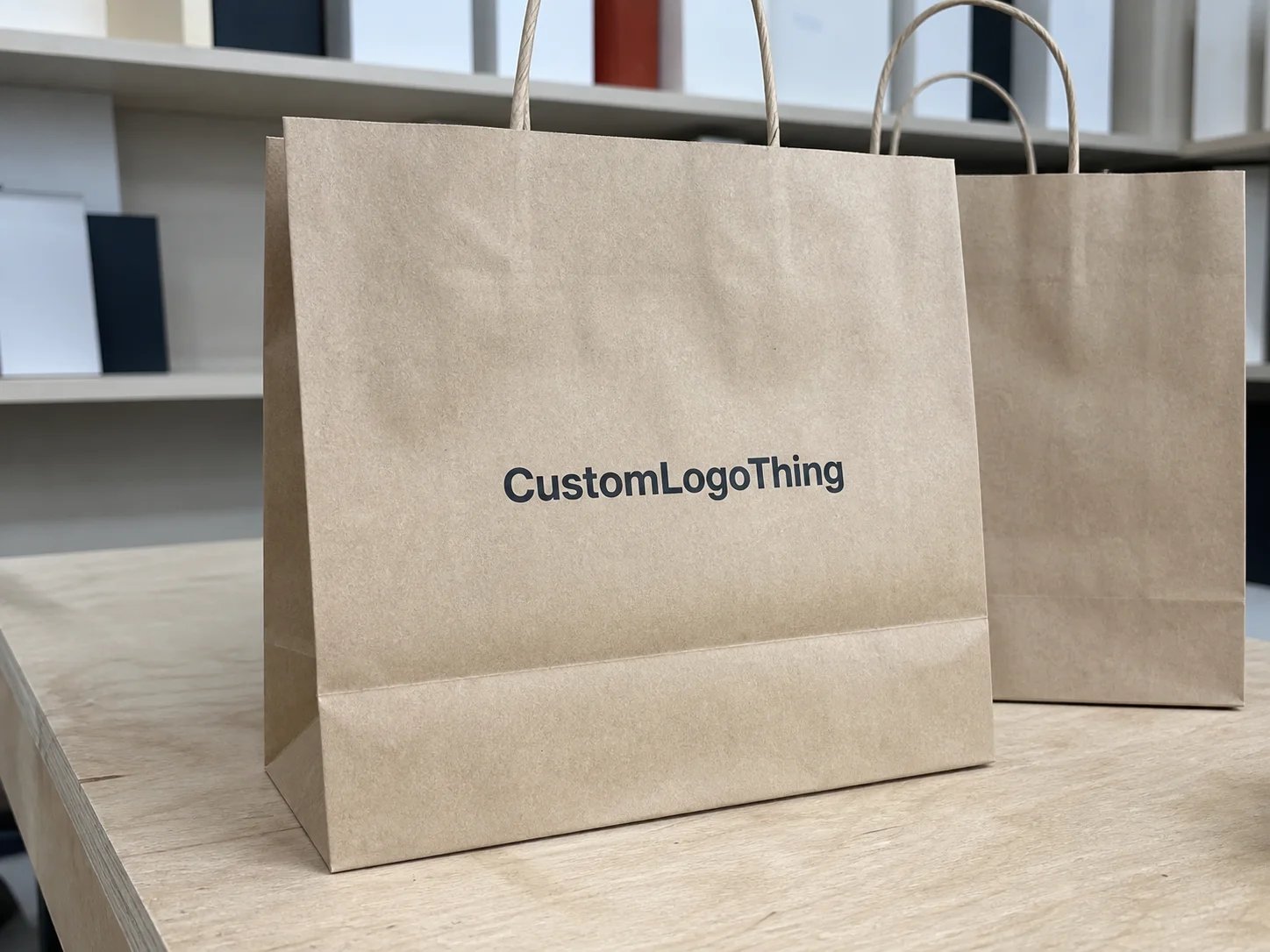
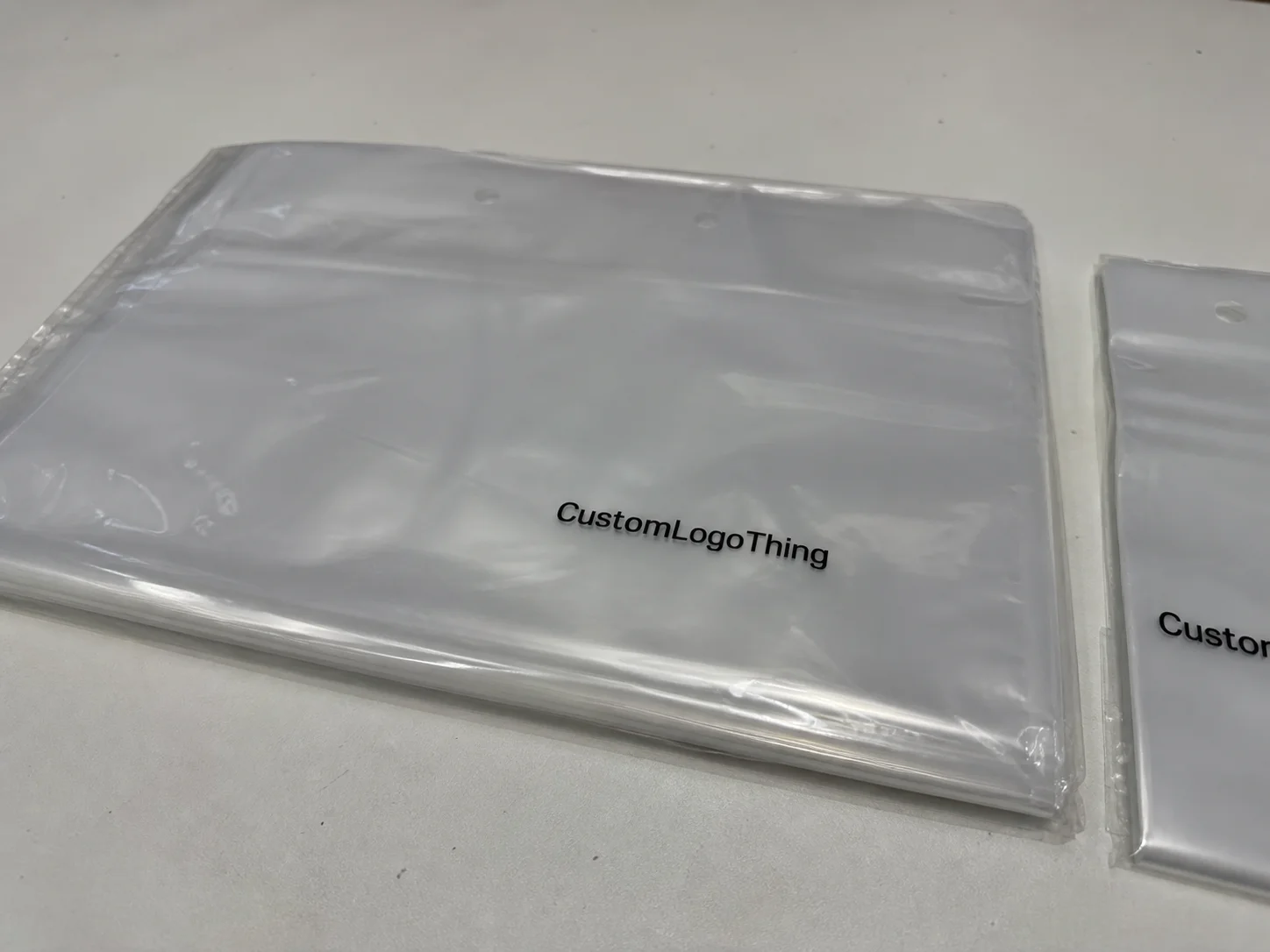
A brand may save $0.03 on a mailer and lose $6 to $18 on a replacement order when split packages, reship freight, labor, and support time are added. That is why any useful poly mailers price guide has to look beyond piece price. Size, film construction, print coverage, freight density, and failure risk all affect the real cost.
For most ecommerce shipments, poly mailers are a small spend compared with postage and fulfillment labor, but they still affect cube efficiency, transit protection, and arrival quality. If you are comparing Custom Poly Mailers with stock options, the goal is simple: the right bag, at the right volume, with the right balance of cost and performance.
Why shipping damage often costs more than the mailer itself
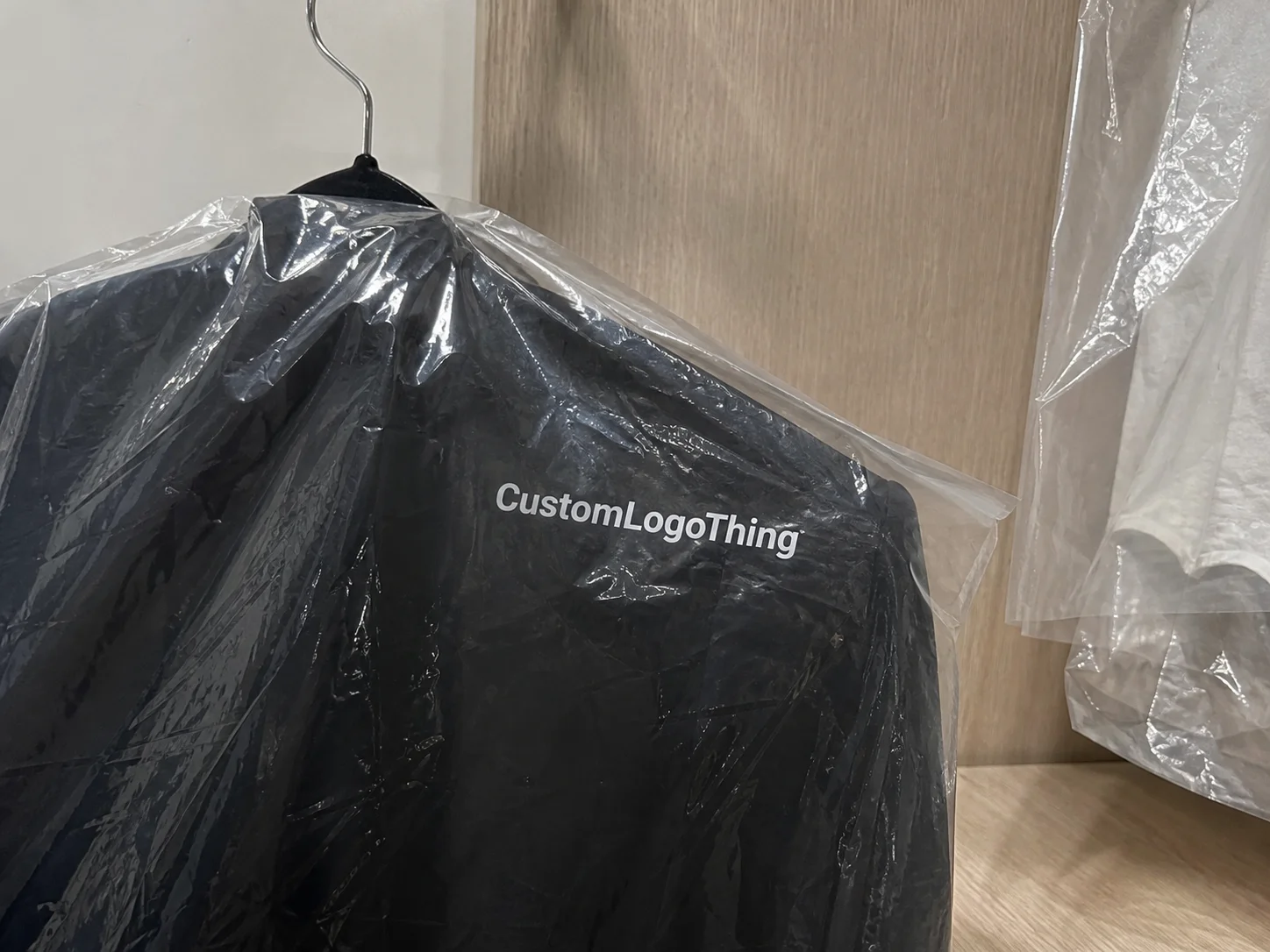
Stock mailers often cost about $0.06 to $0.18 depending on size and thickness. Custom printed versions commonly run $0.10 to $0.35+ in moderate volumes. One failed shipment can erase the savings from hundreds of bags. Once outbound freight, replacement handling, customer service, and possible return processing are included, a single bad delivery often costs $10 or more.
Soft goods are not always low-risk. A folded tee is easy work for a light bag; a sweatshirt with zipper hardware, stacked garments with hang tags, or bundled accessories can puncture weak film quickly. Conveyor friction, corner drops, overpacked cages, and rain exposure expose underbuilt mailers fast.
The better comparison is total shipped cost per successful delivery, including:
- Mailer unit cost
- Pack speed and sealing consistency
- Carrier cost tied to oversized packs
- Split, puncture, or tamper-related failure rates
- Return handling if a second seal is needed
- Arrival condition and customer experience
Practical rule: if a mailer saves pennies but raises split rates, it usually stops being the cheaper option.
What buyers are actually purchasing when they order custom poly mailers
Buyers are rarely purchasing a generic polyethylene envelope. They are buying a combination of dimensions, seal performance, opacity, print quality, puncture resistance, and run-to-run consistency.
Most poly mailers work well for apparel, textiles, plush items, accessories, and documents. Once the product has rigid corners, crush-sensitive surfaces, or leak concerns, a corrugated shipper or a more protective format may be the better choice.
Main style options
- Standard courier mailers: plain or printed, usually with one permanent adhesive strip.
- Opaque mailers: common for privacy-sensitive shipments.
- Dual-pocket versions: add an exterior sleeve for packing slips or shipping documents.
- Returnable double-seal mailers: one strip for outbound use and a second for returns.
- Bubble mailers: plastic exterior with interior cushioning for light impact protection.
Material decisions that change performance
Virgin resin often delivers more predictable appearance, seal behavior, and film strength. Recycled-content blends may support sustainability goals and can perform well if the structure is specified correctly. Buyers should ask for construction details, target thickness, and tolerance information rather than relying on broad marketing claims.
Co-extruded film is often preferred because layered construction can improve opacity, seal integrity, and print surface performance. Finish matters too: gloss usually gives stronger color pop, while matte can feel more premium but may show handling marks differently.
Stock sizes usually move faster and avoid setup charges. Custom Printed Mailers add prepress work, longer lead times, and MOQs, but they make more sense when order volume is stable and branding is unlikely to change soon.
Specifications that move performance and freight economics
Quotes only become comparable after the basic specification is fixed. The key fields are width, length, flap size, film thickness, opacity, seam construction, adhesive type, and finish.
Thickness and gauge
Thickness is usually listed in mil in U.S. buying and micron in many international quotes. One mil equals 25.4 microns. Custom mailers commonly fall between 2.0 and 3.5 mil.
- 2.0-2.25 mil: lightweight apparel and low puncture-risk shipments
- 2.5-3.0 mil: mixed apparel and moderate handling stress
- 3.0 mil+: heavier items, sharper edges, or rougher handling
Desk samples can be misleading. A bag that feels acceptable by hand may fail once it is packed quickly, stacked tightly, and moved through parcel networks.
Size selection and hidden cost
Oversizing wastes resin, reduces pieces per carton, takes more storage space, and slows packing when excess film has to be folded or tucked. In most programs, the smallest safe size is the most economical choice.
Print variables that affect price
Print cost changes with details often skipped in RFQs:
- Number of colors
- Flood coverage versus simple logo placement
- One-side versus two-side print
- Inside print requirements
- Registration tolerance
- Artwork complexity
A one-color logo on white film is a very different job from a full-coverage design with inside messaging and tight color targets.
Sustainability claims need precise wording
If recycled content or recyclability matters, ask what the claim covers: post-consumer content, post-industrial content, store drop-off compatibility, or local disposal limits. The EPA’s recycling guidance is a useful starting point, but local acceptance still varies.
Poly mailers price guide: pricing, MOQ, and unit cost drivers
The main point of a poly mailers price guide is that the category itself does not set the price. Dimensions, thickness, print coverage, order quantity, material mix, and resin conditions do. Two mailers that look similar online can differ in cost by two times or more.
MOQ exists because custom production includes fixed setup work: artwork prep, possible cylinders or plates, material staging, press changeover, and efficient bag conversion. Stock mailers can be sold in lower quantities because that setup cost has already been absorbed into inventory.
Typical pricing logic by specification
| Mailer Type | Common Spec | Typical MOQ | Illustrative Unit Range | Main Cost Drivers |
|---|---|---|---|---|
| Stock plain mailer | 10 x 13 in, 2.5 mil, no print | 100-500 pcs | $0.06-$0.14 | Distributor markup, carton quantity, domestic freight |
| Custom 1-color mailer | 10 x 13 in, 2.5 mil, exterior logo | 3,000-5,000 pcs | $0.10-$0.20 | Print setup, resin use, quantity tier |
| Custom full-coverage mailer | 12 x 15.5 in, 2.5-3.0 mil, multi-color | 5,000-10,000 pcs | $0.18-$0.35+ | Ink coverage, dimensions, run complexity, freight |
| Returnable double-seal mailer | 12 x 15.5 in, dual adhesive | 5,000+ pcs | $0.16-$0.32+ | Extra adhesive strip, construction detail, print |
| Recycled-content custom mailer | 10 x 13 in, 2.5 mil, PCR blend | 5,000+ pcs | $0.12-$0.26+ | PCR percentage, film availability, print treatment |
These numbers are directional. Resin pricing, freight, and geography change landed cost, but the pricing structure is consistent enough for planning.
The cost drivers that matter most
- Larger dimensions: more resin per unit and fewer pieces per carton
- Thicker film: stronger feel and higher material consumption
- Additional colors: more setup and tighter print control
- Flood printing: more ink use and more demanding registration
- Special construction: return seals, document pouches, or specialty finishes add conversion steps
- Order quantity: lower unit cost at scale, but more inventory to carry
That last point matters. A lower unit cost at 50,000 pieces is not automatically the better buy if branding may change, storage is limited, or reorder timing is uncertain.
Freight should be treated as its own line item. An attractive ex-works or FOB price may stop looking attractive once bulky cartons, rush delivery, or longer final-mile routes are added. Ask for landed cost when possible, or at least a shipping estimate tied to the destination ZIP code or port.
It also helps to request multiple quantity tiers, such as 5,000, 10,000, and 25,000 pieces, so the price curve is visible.
What is the best way to read a poly mailers price guide?
The best use of a poly mailers price guide is as a comparison tool, not a promise sheet. Price only means something after the specification is fixed. A guide should help you separate a low headline number from actual landed cost, including setup, freight, and failure risk.
Start with fit. Match the mailer to the packed product as closely as possible without creating sealing problems. Then compare thickness in mil or micron. After that, check whether the quote is for stock, custom print, recycled-content film, or a returnable structure.
A useful guide also exposes hidden mismatches. If one quote includes one-side print and another includes two-side flood coverage, they are not equivalent. If one supplier excludes freight and another includes it, the lower number may not be the cheaper buy. Clean comparisons require matching size, film type, thickness, print scope, quantity tiers, and destination.
Production process and lead time from artwork approval to delivery
Lead time is one of the most misunderstood parts of custom mailer buying. A printed order usually moves through these steps:
- Inquiry and specification review
- Artwork submission
- Dieline or layout confirmation
- Quotation and revisions
- Sample or proof approval
- PO release or deposit
- Production scheduling
- Printing and bag conversion
- Quality-control inspection
- Carton packing, labeling, and shipment
Under normal conditions, custom mailer production often takes about 12 to 20 business days after final proof approval, plus transit time. Stock mailers can move much faster because they are already warehoused.
Delays usually come from ordinary issues: missing flap dimensions, low-resolution RGB artwork, late proof approvals, color changes, or incomplete ship-to information.
Samples do not equal production timing
A quick sample does not mean a quick full run. Samples may be digital mockups or short proofs produced outside the standard press queue. Full production also includes scheduling, material allocation, inspection, and freight coordination.
Variables that influence turnaround
- Print method and color count
- Total order volume
- Film availability
- Peak-season production load
- Need for physical samples or approval rounds
- Freight mode: parcel, LTL, ocean, or air
If timing is tight, build in buffer. Buyers validating shipment performance can also refer to ISTA guidance when the shipping environment is severe or product value is high.
How to compare suppliers without overpaying for the wrong specification
A cheap quote is only useful if the product is actually the same. Buyers still compare 2.0 mil against 60 micron without converting units, or approve a “10 x 13” bag without clarifying whether the flap is included. Those gaps create bad comparisons and expensive surprises.
Read every quote line by line
- Is thickness listed in mil or micron?
- Do the dimensions include the flap?
- Is print one side or both sides?
- Is the material virgin, recycled blend, or unspecified?
- Are carton labels and pack counts defined for receiving?
- Is freight included, estimated, or excluded?
Then look at ownership cost. A supplier with a slightly higher piece price may still be the better fit if tolerances are tighter, shipments are more reliable, and reorder consistency is stronger.
Ask for evidence where it counts: print samples, seam photos, closure details, recycled-content documentation, and thickness tolerances. If sustainability language is central to your program, ask for specifics. If the project also involves paper inserts or related formats, standards from groups like FSC may be relevant.
If you are comparing broader format options, a supplier’s wider Custom Packaging Products line can also indicate whether they can support future changes in your shipping mix.
Next steps to get an accurate quote fast and avoid costly revisions
The fastest route to a usable quote is to narrow the specification before asking for pricing. RFQs that only say “need Custom Poly Mailer” usually produce vague numbers and avoidable revision cycles.
Buyer checklist for a strong RFQ
- Finished dimensions: width x length, plus flap length
- Product weight range: average and maximum packed weight
- Target thickness: in mil or micron
- Material preference: virgin, recycled blend, co-ex, opaque, matte, or gloss
- Print details: color count, coverage, and inside or outside print
- Artwork format: AI, EPS, or print-ready PDF
- Quantity tiers: trial run and reorder volume
- Required delivery window: in-house date, not just ship date
- Destination: ZIP code, warehouse, or port
- Special requirements: return seal, document pouch, recycled-content target, or barcode placement
A simple decision framework
Start with the smallest safe size. Match thickness to product weight, edges, and handling risk. Then compare stock and custom options across two or three quantity tiers. That sequence prevents a common mistake: approving a bag that looks good in a proof but is oversized, underbuilt, or unnecessarily expensive in daily shipping.
If print accuracy, opacity, seal performance, or finish matters, request a sample or physical proof. Better inputs produce tighter quotes and fewer revisions.
The practical use of a poly mailers price guide is simple: narrow the specification first, compare true landed cost second, and only then decide whether the lowest piece price is actually the best buy.
FAQ
How is poly mailers pricing calculated for custom orders?
Custom pricing usually depends on size, film thickness, material type, print complexity, order quantity, and shipping destination. Setup cost is spread across the run, which is why small custom orders often look expensive on a per-piece basis. The most useful quote includes multiple quantity tiers so you can see where unit cost starts to improve.
What MOQ should I expect for custom poly mailers?
For many printed programs, a realistic starting point is 3,000 to 5,000 pieces, though some structures require more. Stock mailers usually allow much lower purchases because they are already produced and warehoused. If MOQ is a problem, ask whether a standard size, fewer colors, or simpler artwork changes the threshold.
Do thicker poly mailers always cost more per shipment?
They usually cost more per unit because they use more material, but not always more per successful shipment. A light gauge that splits during transit can create replacement costs far beyond the savings on the bag itself. The right comparison is the combined cost of packaging, damage, and reshipping.
How long is the lead time for printed poly mailers?
A common planning range is 12 to 20 business days after final proof approval for production, plus transit time. Timing depends on artwork readiness, color count, production load, and freight mode. Samples often move faster than full production and should not be treated as a direct lead-time predictor.
What information do I need to request a poly mailers quote?
Provide finished dimensions, flap style, thickness, material preference, print scope, order quantity, destination, and timing. It also helps to describe the product being packed, especially if there are sharp edges, hardware, or higher packed weights. Better inputs produce tighter quotes and fewer revisions.