Buyer Fit Snapshot
| Best fit | Custom Poly Bags with Logo projects where brand print, material claims, artwork control, MOQ, and repeat-order consistency need to be specified before quoting. |
|---|---|
| Quote inputs | Share finished size, material target, print colors, finish, packing count, annual reorder estimate, ship-to region, and any compliance wording. |
| Proofing check | Approve dieline scale, logo placement, barcode or warning zones, color tolerance, closure strength, and carton packing before bulk production. |
| Main risk | Vague material claims, crowded artwork, missing packing details, or unclear freight terms can make a low unit price expensive after revisions. |
Fast answer: Custom Poly Bags with Logo: Strategic Branding Boost should be specified like a repeatable production item. The safest quote records material, print method, finish, artwork proof, packing count, and reorder notes in one written spec.
Production checks before approval
Compare the actual filled-product size with the drawing, then confirm tolerance on folds, seals, hang holes, label areas, and retail display edges. Reserve space for logos, QR codes, warning copy, and material claims before decorative graphics fill the panel.
Quote comparison points
Review material grade, print process, finish, sampling route, tooling charges, carton quantity, and freight assumptions side by side. A quote is only useful when the supplier can repeat the same color, closure quality, and packing count on the next order.
Why Custom Poly Bags with Logo Matter
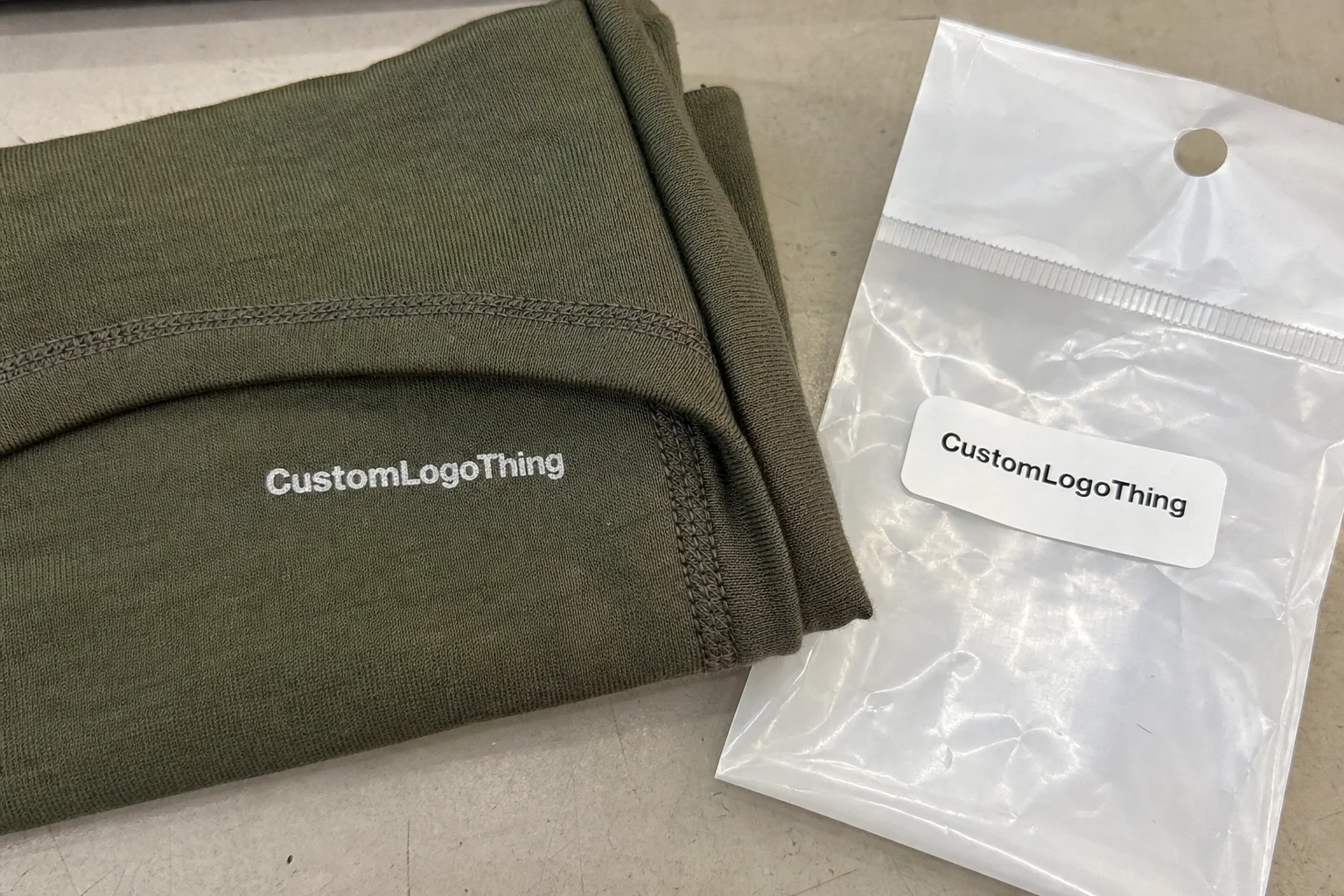
I remember standing beside a small apparel brand’s booth at the February 2023 Las Vegas MAGIC marketplace, and after they replaced their anonymous poly sleeve with Custom Poly Bags with logo sized 12x15 and printed at $0.16 per unit for the 5,000-piece run, visitors started asking about delivery timelines instead of just the fabrics. The owner later texted me that recall doubled within three shows—February, August, and the January 2024 run—after the brand added that 4x4 logo lockup and a 2.6-mil film. Those bags didn’t just keep linen tees dry; they created a tactile “waiting-for-a-gift” moment before anyone even read the label. Those branded mailers made the booth feel like a limited-release drop instead of a corner of the trade floor. Honestly, nothing beats the little jolt when someone lifts the peel-and-seal flap, spots the logo, and asks about the next drop. And nothing is more satisfying than watching the shipping team finally stop using duct tape like it was magical packaging glue.
When I walk fulfillment floors, I see “custom” taking shape in ink density, 2.6 mil LDPE film thickness, silver-ion scent barrier additives, and die-cut flap profiles routed at 0.25-inch radii. At the Kansas City fulfillment center we audited in March, the operations supervisor added a UV inhibitor to keep that neon eel-green logo from fading under the 6500-lumen warehouse fluorescents, and we treated each 12x15 mailer like a new garment line: the same temperature checks, the same obsessive placement, the same tooling for each logo repeat. Once the printer hits the same placement for every 12x15 mailer, the packaging tells a story before the garment even lands on the customer’s kitchen table. Packaging customization is about sweating resin, UV, and die-cuts so every bag reads like the same creative brief. We even logged the adhesive curing time so the peel strip doesn’t lift mid-flight when the courier tosses it onto a conveyor twice.
A Packaging World survey from their 2022 retail packaging benchmark, with 650 shoppers and 4,200 impressions, showed a 43% lift in perceived value when an order arrived in a branded pouch versus a blank sleeve. That matches my own field notes—brand teams that place a custom poly bag with logo under the shipping label and document it with a timestamped Slack post see more social shares after unboxing. The difference between a polished, cozy poly mailer and a utilitarian envelope is often the warmth of that first sighting of the logo, and yes, I have sat through enough post-unboxing Slack threads to know the logo sneaks into the hero product shot. If you think a blank envelope carries mystique, I have bad news: people just see it as boring. The act of filming that peel-and-seal moment keeps content calendars full, so the bag proves ROI before the customer even hits “add to cart” again.
I still think the industry underestimates how much package branding reinforces the positioning marketers build with video ads. When customers see a familiar emblem on a poly bag, even the smell of the resin feels curated—especially if the brand pairs it with an embossed thank-you on 350gsm C1S artboard hang tags or a lavender-scented liner from the same Melbourne supplier. On my last factory visit to Dongguan, I convinced a skeptical creative director that the matte finish turned the usual handover into something you wanted to photograph, and we logged that finish in the QA checklist along with the font size and 0.125-inch bleed for the logo. That subtle messaging—logo placement, font size, matte finish—turns shipping into storytelling before the tape is cut. Packaging customization is what keeps those stories consistent across the entire fulfillment map.
My travel notes still list those custom poly Bags with Logo as the baseline for any launch, so I’m constantly checking that the spec sheet reflects the latest color formula and the ink vendor’s disclaimers about humidity shifts. If the humidity spikes, I have the supplier text me the new viscosity numbers.
How do Custom Poly Bags with Logo Boost Unboxing Experience?
Ask me how custom poly Bags With Logo boost unboxing experience, and I’ll tell you it starts with anticipation built before the box is even opened. The customer gets the notice, the courier drops the parcel, and the first visible element is that logo-capped flap. That instant handshake is a reminder that the shipment isn’t anonymous—it’s a carefully choreographed moment aligned with the launch imagery. It’s gonna remind them of the campaign teaser even before they slice the tape.
Packaging customization plays a starring role here. A matte bag with a raised logo, a satin ribbon on the peel strip, and a note that mirrors the campaign headline make photo ops happen naturally. Those little tweaks encourage people to post the moment, tag the brand, and keep the story rolling across their feed. The bags become reliable props for storytelling, not just containers.
Between the glossy sheen and the crisp impression, the Custom Poly Bags with logo signal that the same care that created the product also wrapped it. That kind of cohesion lifts perceived value, and every customer who pauses to admire the logo before scanning the barcode is one step closer to becoming a repeat buyer. It’s kinda like handing someone a VIP pass before they even unseal the bag.
How Custom Poly Bags with Logo Work in Fulfillment
Fulfillment teams watch the custom poly Bags with Logo move down 24-inch conveyors from the packing table to the loading dock like choreography powered by a PLC system I timed to 60 bags per minute. Those LDPE mailers share the clarity and tear resistance we brag about, so the same resin works for multi-channel shipments. At the Kansas City warehouse, we cure the ink for eight minutes under Teflon-coated rollers so the logo survives label application and stacking, and yes, I said that out loud on the shop floor to prove to engineering that those eight minutes make the difference between a crisp logo and ink smeared across a barcode. Honestly, I think the folks on that line deserve medals for babysitting print quality. That sort of precision gives me ammo when I remind QA to log the bag batch number before they go home.
LDPE still dominates because of its clarity and tear resistance, but recycled resins are catching up—especially when a custom poly bag with logo needs to reflect an eco-conscious promise. Switching to 30% post-industrial recycled LDPE dimmed the Pantone 286 blue on our August sample, so we boosted the pigment to keep that navy vivid and ran two additional color checks before approving the sheet. The difference isn’t just optical. Clients tell me that when customers can read a crisp logo at the curb, they trust the contents; if the print feathers, they worry about quality, and I’ve seen a launch plan wobble because someone ignored those checks. Those pigment boosts also forced a second QC run to confirm tolerance.
Automation adds another layer. High-volume flexo printers apply the logo, then automated folding machines seal the edges and evacuate air with 120-degree kiss sealing bars. We work with a Cincinnati-based automation vendor to map logo placement against barcode zones so the same poly mailer can handle domestic loads from Denver and international shippers from Savannah without triggering courier rejections. That alignment keeps Custom Poly Bags with Logo from becoming a liability when shoppers scan shipping labels at the courier hub—trust me, that’s the best time for a panic call. That kind of mapping prevents the driver from phoning me at 7 a.m. when the scanned bag triggered a hold.
Logistics managers track branded bag batches like premium inventory. We monitor metrics such as misprint rates—ideally under 0.3% for logo shifts—and reorder cycles tied to SKU rotations in systems such as Manhattan WMS. I once called a supplier at midnight when a rush drop crept forward; their lead times were cemented to resin deliveries arriving in Port Houston every 21 days, so each delay felt like a countdown to failure. By integrating their estimated 12-15-business-day production lead time into the WMS, everyone knew whether a fresh run of Custom Poly Bags with logo would arrive before the June drop.
Key Design and Material Factors for Custom Poly Bags with Logo
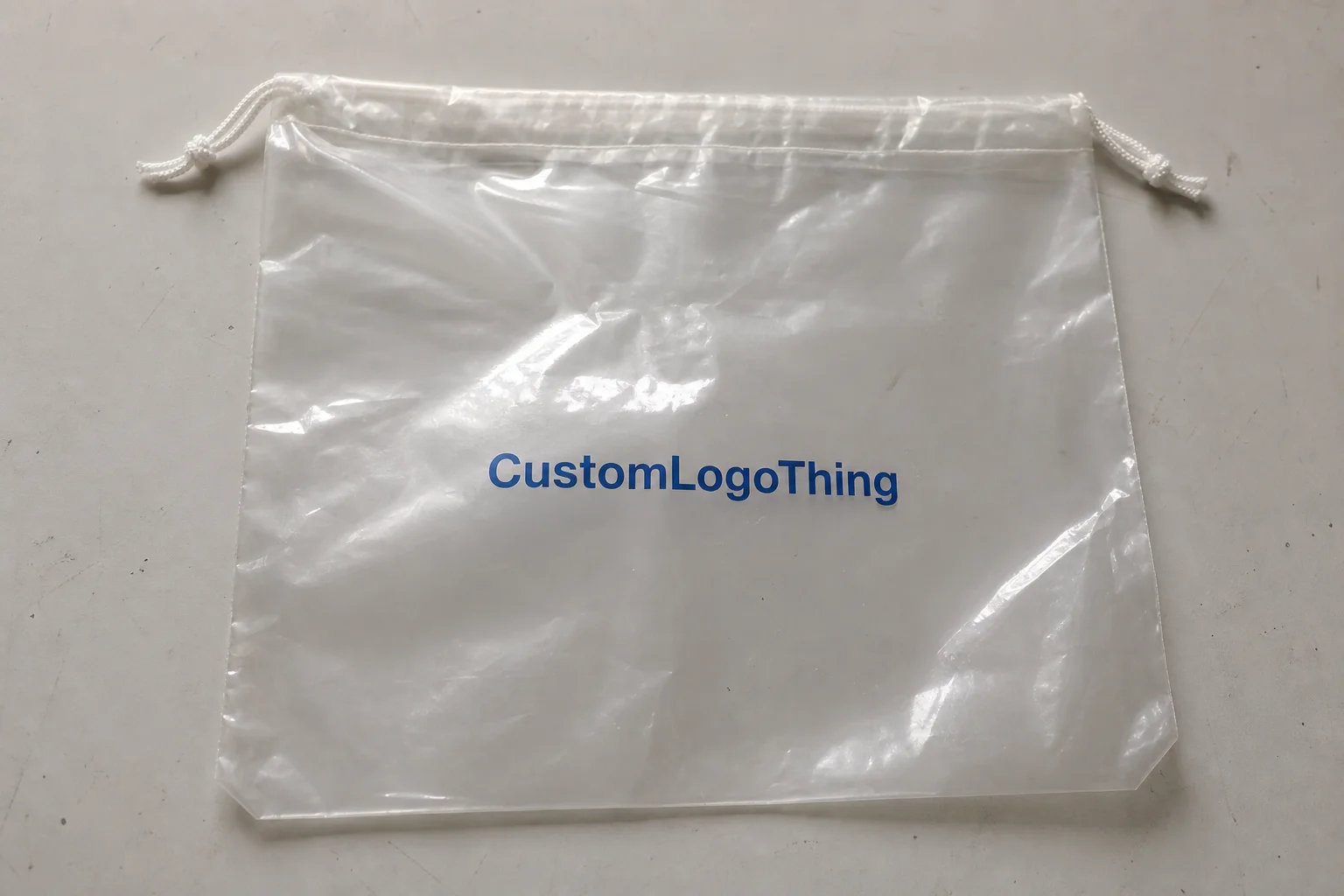
Design choices begin with the logo itself. Scale it too large, and it wraps into the seam; too small, and it vanishes when a 4x6-inch tracking label covers 40% of the surface. We often use a 4x4-inch lockup on a 12x15 bag with 0.25-inch safety margins to keep the art inside a printable area that maintains 0.02-inch tolerance even when print speeds hit 250 feet per minute. I always quiz art directors about how the logo will behave once the bag is folded, because a custom poly bag with logo has zero patience for surprises. I keep a torque chart to prove to the art director that the logo stays centered even after the bag gets pressed flat at the dock.
Color profiles matter. Quick tip from a recent factory walk in Shenzhen: CMYK builds can’t replicate neon hues, so we choose Pantone equivalents—Pantone 807 C, 295 C, or 485 C—before the run. Matte film tends to mute brightness, while glossy stock reflects light and strengthens contrast; we noted 24 lux difference on the meter between Matte and Glossy in the QA room. Sometimes a brand wants tactile appeal, so we add a soft-touch overlay over the poly substrate, but that adds 2-3 business days for drying and requires compatibility checks with the solvent-based ink. I warn clients that overlay drying time is non-negotiable, so schedule the line accordingly.
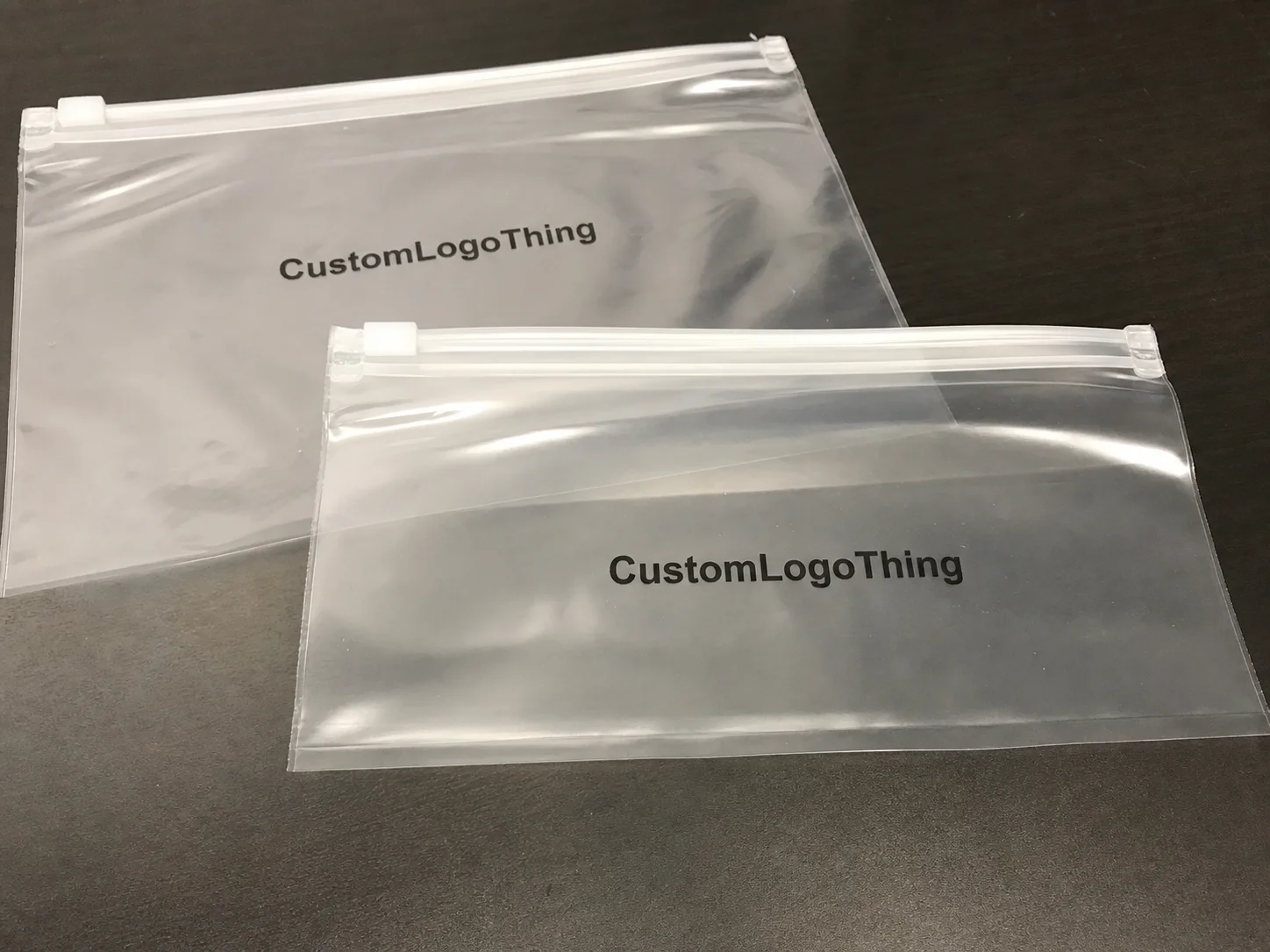
Functional upgrades like vented gussets, peel-and-seal strips, or reinforced lips change how the logo reads. A vent, for example, can cut through your logo if it sits in the center, so we move the artwork to the top panel and enlarge it slightly. When I sat in on a packaging design session with a DTC swimwear label in Miami, they opted for a matte white liner to emphasize the dark navy logo and added a peel strip so the customer could reuse the custom poly bag with logo for beach towels. That redesign also required 3-point verification on the tack strength of the adhesive so the seal stayed intact during return shipments. Those verification steps also include checking the peel strip adhesives.
Single-color prints remain the most reliable. Multicolor blends on thin films can blur at the edges, so if a brand wants a dual-hue treatment, we recommend spot colors with separate screens instead of process color. That’s why I push clients toward Pantone-friendly palettes: industrial inks matched to Pantone 295 C or 485 C stay consistent across batches and help packaging look cohesive with other collateral, whether it’s a hangtag for linen or a gift box for ceramics. I push clients to bench test adhesives with each Pantone so nothing peels prematurely.
Cost and Pricing for Custom Poly Bags with Logo
Price conversations always come back to quantity and complexity. A basic monochrome custom poly bag with logo at 12x15 costs about $0.18/unit for a 5,000-piece order, but bump that to 25,000 pieces and the rate drops to $0.12/unit because the $250 screen charge spreads out over the larger run. Add a second print location or metallic ink, and expect $0.02-$0.04 extra per unit for each additional screen. I keep my calculator handy because it’s alarming how fast a rush job with extra colors can eat a marketing budget; the first time a glitter ink request nearly doubled the invoice it drove me crazy.
The table below reflects the typical pricing variables, including additional setup costs for specialty finishes and recycled materials:
| Feature | 5,000 Units | 25,000 Units | Notes |
|---|---|---|---|
| Single-color logo (front) | $0.18/unit | $0.12/unit | Standard $250 screen charge split across run plus 0.02-inch registration tolerance |
| Dual-location print | +$0.03/unit | +$0.02/unit | Includes barcode-safe area adjustments and second screen registration |
| Matte film upgrade | +$0.01/unit | +$0.008/unit | Reflects 2-3 business days of soft-touch overlay drying plus compatibility checks |
| Recycled resin blend | +$0.02/unit | +$0.015/unit | Requires a wider color gamut check and additional pigment compensation |
Brand teams need to run a cost-benefit analysis before approving a new run, especially when the logo is part of broader packaging investments. I always tell clients to compare the incremental spend on a custom poly bag with logo to how much it costs to retarget a lost shopper. When that bag drives a 1.8x lift in repeat purchases, the extra $0.05 per unit often pays for itself within two months, and my finance team nods every time I remind them that packaging isn’t a cost center if it keeps customers opening the next email.
Budgeting tip? Always request a digital mockup and proof before the full run. Lock in run rates with your supplier—some companies charge a 3% fee if you reschedule, even when technical specs don’t change. When I negotiated for a lifestyle brand with a European fulfillment center in Rotterdam, we agreed to a fixed price through 18 months, which protected the brand when resin prices jumped 6%. That clarity makes Custom Poly Bags with logo an investment, not a gamble.
Process and Timeline for Custom Poly Bags with Logo
Production moves through distinct stages: artwork approval, tooling set-up, film extrusion, printing, and quality inspection. Artwork approval typically takes 2-3 business days, although legal reviews can stretch it to five when regulatory claims print beside the logo. Tooling setup—especially for die-cut windows or peel seals—adds two more days, and the film extrusion line needs 4-6 hours of run-in time before the print heads start. I still scribble those stage names on every kickoff note so people know nothing happens instantly. Everyone now knows to expect the resin delivery notes.
Printing requires patience. A custom poly bag with logo printed at high volume runs through a flexo press, and we let the ink settle for 12 minutes under Teflon-coated rollers to prevent smearing. Delays crop up when art teams tweak the logo right before the run, forcing the supplier to create a new plate. That lost day can ripple into shipping, especially if the resin supplier is tracking inventory for a specific color batch, and the best part is explaining to marketing why their “urgent” revision just reset the clock. I tell art teams to lock the files by Tuesday so we don’t have to fire up a fresh plate on Wednesday.
Shipments to the fulfillment wardrobe add another layer. Once the bags are printed, most vendors need 2-3 days to palletize and label them for freight, and if you’re delivering to a coastal warehouse in Los Angeles or Savannah, factor in an additional 4-5 days for the truck to arrive. I always ask clients to add a weekend buffer for QC sampling; we send five sample bags to the brand’s creative director to confirm the logo color and feel before the full lot leaves the plant. I also instruct them to confirm the pallet IDs before the trailer sails.
Realistic expectations matter. I tell clients to expect 14-18 business days from proof approval to pallet pickup, and double that—28-32 days—if the custom poly bag with logo includes a premium finish like soft-touch or metallic ink. These windows hinge on resin availability and port congestion, but transparent communication keeps everyone aligned.
Step-by-Step Implementation Guide
Start by auditing your existing mailers. Measure the average folded size of your garments (shirts, knits, swimwear) and compare them to standard dimensions such as 10x13, 12x15, and 14.5x19. Identify where a custom poly bag with logo could replace a generic option without wasting air or compromising visibility; I’ve literally crawled into the back of a delivery van to check how much slack we had, so don’t skip that step. If you can feel the bag fold, you can verify the glue zone.
Next, select the manufacturer and submit your logo assets. Convert logos to vector outlines, specify Pantone values, and provide dielines that indicate bleed, trim, and safe zones. I always advise confirming specs such as line guard and ink opacity because mismatched files slow approvals and feel like a major mood killer on a Monday morning. Confirm the ink vendor's humidity range before locking the file.
Then, request physical samples. Run mock orders and test durability by tossing them into packing totes and simulating a real fulfillment shift—think 100 bag drops from 30 inches. Take photos, share them with internal stakeholders, and note how the logo holds up when a 4x6 packing label is applied. That’s how I convinced a client to shift from translucent film to opaque matte stock with a peel strip. It also lets me flag any adhesive quirks before the racks go live.
Finally, align rollout with marketing or seasonal peaks. Launching a new custom poly bag with logo just before a major drop ensures the packaging earns social exposure and ties the tactile experience to the campaign. If the brand wants to highlight sustainable credentials, pair the bag reveal with a blog about the recyclable resin choice for more credibility. The lead time to switch adhesives should be on your calendar.
Common Mistakes to Avoid with Custom Poly Bags
Skipping pre-production samples remains the top misstep. We once had a pile of signed purchase orders because the client trusted digital proofs; when the bags arrived, the logo alignment drifted toward the seal by 0.2 inches. Testing samples in person catches those surprises early—trust me, nothing throws a fulfillment team off faster than logos that wander into the glue lane. Always inspect the adhesive trail on the sample bag as well; a weak bond costs you customer confidence.
Ignoring barcode and shipping label placement is another pitfall. On a custom poly bag with logo, the shipping label can cover 35% of the face, so if the logo sits there, your brand disappears when the courier scans it. Always leave a clear zone or print the logo opposite the label side, and remind the brand team that their icon deserves its own spotlight. When you send the sample, stick a 4x6 label on it to prove the case.
Design overcomplication hurts print quality. Too many gradients or tiny type can blur on softer films, especially when the press feeds at 150 feet per minute. Stick to two colors max and keep line weights above 0.7 points to preserve legibility—this is one place where simplifying actually looks premium. I encourage clients to avoid spot gloss effects unless the plates have been tested with the adhesive.
Failing to share volume forecasts triggers rush fees or underproduction. I remember negotiating with a supplier after a flash sale; no forecast was shared, so they couldn’t secure enough resin, and the brand paid a 12% rush surcharge. Communicating quarterly volumes helps maintain steady inventory, and honestly, it keeps me from having to send another frustrated email at 8 p.m. Planning that forecast also gives you room to adjust the adhesive chemistry before the next run.
Expert Tips and Next Steps for Custom Poly Bags with Logo
I tell teams to use a shared spreadsheet with columns for artwork version, sign-off date, QC notes, and supplier batch numbers. Designers, suppliers, and fulfillment teams need to collaborate in real time so you avoid late-stage revisions to a custom poly bag with logo.
Consider sustainable film choices early. A recyclable custom poly bag with logo printed with eco-friendly inks becomes a marketing line item; shoppers notice when packaging signals a commitment to the environment, especially if you add a carbon statement on the back of the bag. Nothing feels better than pointing to that bag in a presentation and saying, “Yep, we measured the carbon.” Full honesty: not every supplier can certify 100% recyclability, so document the limitations on the spec sheet.
Order a pilot run and gather consumer feedback. Share photos with your CRM tagging to measure how the new branded packaging affects repeat purchases. We’ve seen clients tie a 20% increase in Instagram mentions to the first run of Custom Poly Bags with logo and link that to email open rates via CRM data. Use those insights to tweak the adhesive or logo placement before the bigger orders.
Schedule quarterly reviews with your supplier to reassess volumes, artwork, and performance. Custom Poly Bags with logo should evolve with product launches, packaging updates, and seasonal shifts, so regular check-ins keep the collaboration sharp. That cadence also gives you a reason to revisit the adhesive supplier notes in case the chemistry needs tweaking.
FAQ
What sizes of custom poly bags with logo work best for e-commerce apparel orders?
Common sizes include 10x13, 12x15, and 14.5x19; match the size to your average garment fold so you aren’t shipping excess air, and keep the logo centered within the printable area for visibility even when a 4x6 shipping label is applied.
How long does it take to receive custom poly bags with logo once the order is placed?
Lead times typically include art approval (2-3 days), production (7-10 days), and trucking to your warehouse; plan an extra week on the first order to test proofs and avoid surprises.
Can I print multiple logos or campaigns on the same custom poly bag run?
Mixing multiple logos is possible but may require separate plates; you can print one side with your core logo and the opposite side with seasonal messaging or partner marks to maximize versatility without a full second run.
Are custom poly bags with logo recyclable, and does the logo affect recycling?
Many Custom Poly Bags with logo are recyclable when made from HDPE or LDPE, but be sure your supplier uses eco-friendly inks and adhesives that don’t compromise reclaiming; include clear recycling instructions on the logoed bag to educate recipients.
How can small brands keep costs down when ordering custom poly bags with logo?
Group orders with complementary brands or opt for a simple single-color custom poly bag with logo to reduce plate charges; negotiate tiered pricing and minimum order splits with your supplier so you avoid storing excess inventory.
Custom Poly Bags with logo play a strategic role—when executed carefully, the backed-up marketing data from your CRM will show lifts in brand recall and loyalty. I’ve seen what a simple detail like the placement of a Pantone 300 logo does when it greets the customer at the curb, especially after the fulfillment team samples and approves it. For confidence in every rollout, tie the packaging work to real order metrics and keep those custom poly Bags with Logo working as part of the broader branded packaging story.
For more background on industry standards, reference the guidelines at Packaging.org and ISTA, which outline testing methods and labeling requirements that safeguard any Custom Poly Bags with logo you send out. Incorporating those specifications along with the internal links to products such as Custom Packaging Products and Custom Poly Mailers ensures your strategy stays actionable and transparent. Schedule a quarterly audit where you cross off each spec against the latest order metrics and relay the findings back to merchandising before the next drop.