Buyer Fit Snapshot
| Best fit | Custom Poly Bags Comparison projects where brand print, material claims, artwork control, MOQ, and repeat-order consistency need to be specified before quoting. |
|---|---|
| Quote inputs | Share finished size, material target, print colors, finish, packing count, annual reorder estimate, ship-to region, and any compliance wording. |
| Proofing check | Approve dieline scale, logo placement, barcode or warning zones, color tolerance, closure strength, and carton packing before bulk production. |
| Main risk | Vague material claims, crowded artwork, missing packing details, or unclear freight terms can make a low unit price expensive after revisions. |
Fast answer: Custom Poly Bags Comparison: Choose the Right Type should be specified like a repeatable production item. The safest quote records material, print method, finish, artwork proof, packing count, and reorder notes in one written spec.
Production checks before approval
Compare the actual filled-product size with the drawing, then confirm tolerance on folds, seals, hang holes, label areas, and retail display edges. Reserve space for logos, QR codes, warning copy, and material claims before decorative graphics fill the panel.
Quote comparison points
Review material grade, print process, finish, sampling route, tooling charges, carton quantity, and freight assumptions side by side. A quote is only useful when the supplier can repeat the same color, closure quality, and packing count on the next order.
What Makes Custom Poly Bags Different? A Quick Comparison Start
The first time I ran a Custom Poly Bags comparison on a line in a Midwest converting plant, I had two bags on my hands that looked nearly identical under the warehouse lights, yet one sealed cleanly at 275°F and the other fought us every step of the way. That kind of difference is exactly why a custom poly bags comparison matters, because the bag that looks right on a desk can behave very differently once it hits a real packing table, a carton sealer, or a retail shelf.
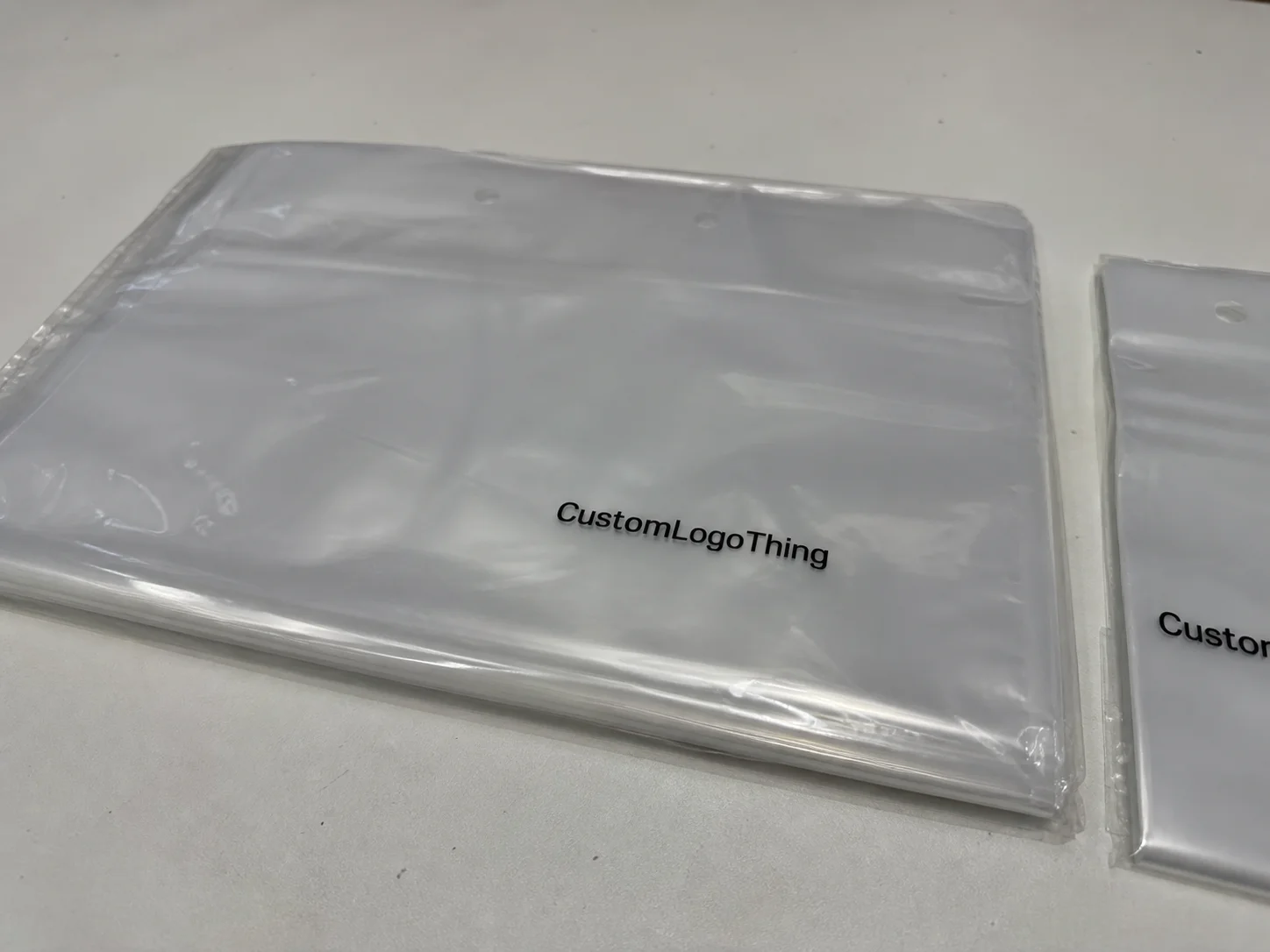
In plain language, Custom Poly Bags are flexible plastic bags made to your size, thickness, printing, and closure requirements. They are not the same as stock bags pulled from a shelf, and they are not identical to mailers or retail sleeves either. A stock bag might save money up front, but a custom size can reduce excess film, improve product presentation, and speed up packing by a few seconds per unit, which adds up fast on a 1,000-piece run. That is why a thoughtful custom poly bags comparison should include material, thickness, closure style, printing method, and the product’s actual end use.
Too many buyers compare only one number: unit price. That is the easiest trap in packaging design and product packaging work. The better question is whether the bag protects the product, supports branded packaging, and keeps the line moving without constant adjustments. I’ve stood beside operators in a Southern California fulfillment center where a “cheaper” bag cost more in labor because it wrinkled, stuck to itself, and slowed packing by nearly 12%. That’s a painful lesson, and it’s one I’ve seen more than once.
Throughout this Custom Poly Bags comparison, keep three goals in mind. First, protection. Second, presentation. Third, efficiency. If a bag does only one of those well, it may not be the right choice. A good comparison helps you match the bag to a product’s weight, surface finish, and shipping path, whether it’s going into retail packaging, e-commerce fulfillment, or industrial storage.
“Two bags can share the same width, length, and print, but if one has a 1.5 mil LDPE film and the other has a 2.5 mil blend with tighter seal control, they are not the same bag in the real world.”
How Custom Poly Bags Are Made and Why It Changes Performance
A proper Custom Poly Bags comparison starts with how the film is made. Most bags begin with resin pellets that are extruded into film, then either blown or cast depending on the desired finish and performance. Blown film usually offers better toughness and a little more stretch, while cast film often gives a clearer, glossier look with tighter gauge control. After that, the film is printed, slit, folded, sealed, and converted into finished bags or open sleeves. Each step influences the final feel in your hand and the way the bag performs on a production line.
LDPE, LLDPE, and HDPE each bring something different to the table. LDPE, or low-density polyethylene, is softer and more flexible, which makes it a favorite for many retail packaging applications. LLDPE, linear low-density polyethylene, adds better puncture resistance and tear strength, so it often shows up in bags that need a little more abuse tolerance during shipping. HDPE is stiffer, lighter for its strength, and often used where a crisp feel or lower gauge is desired. In a Custom Poly Bags comparison, that material choice can matter more than the artwork.
Printing method also changes what you get. Flexographic printing is common for repeat jobs and can be economical for one- to four-color work, especially when the artwork is stable. Rotogravure can deliver extremely consistent ink laydown and rich coverage, though the tooling cost is usually higher, which makes sense for larger runs. Digital print is useful for shorter quantities or artwork changes, and I’ve seen it save a brand from holding obsolete inventory after a packaging redesign. The tradeoff is that color consistency, speed, and substrate compatibility still need to be checked carefully.
On the factory floor, the little details matter. Seal strength, gusset formation, and registration control can make a bag feel premium or sloppy before a customer ever touches it. I once watched a team in a New Jersey converting plant lose half a shift because registration drift caused the logo to sit 3 to 4 mm off center. The bags still “worked,” but the brand owner rejected them because the print looked misaligned on shelf. That is the kind of real-world result a Custom Poly Bags comparison should help you prevent.
Thickness is usually measured in mils, and it directly affects durability, drape, and perceived quality. A 1.25 mil bag will feel very different from a 3 mil bag, even if the printed artwork is identical. More thickness is not always better, though. If the product is light and the bag is oversized, too much film can make the package look bulky and cost more than needed. The right Custom Poly Bags comparison balances strength, look, and line performance rather than chasing the highest mil number on the quote.
Custom Poly Bags Comparison: Key Factors That Actually Matter
Material choice sits near the top of any Custom Poly Bags comparison. If you need a soft hand feel and good clarity for apparel, accessories, or printed inserts, LDPE or a blended film often makes sense. If you need better puncture resistance for sharper corners, hardware, or components, a stronger LLDPE blend may be the safer choice. HDPE can be a smart option when stiffness and lower material usage are priorities, but it is not always the best fit for premium visual presentation.
Thickness and durability are closely related, but not identical. Lightweight retail items may pack fine in a thinner film, while heavier e-commerce or industrial items often need more gauge to avoid pinholes and tears during transit. I’ve seen brands specify 4 mil because “thicker must be better,” only to discover the bag was harder to open, slower to pack, and overkill for the product. A smarter custom poly bags comparison uses stress level, not gut feeling, to choose the film.
Closure style changes the entire user experience. Heat seal bags are ideal when tamper resistance or dust protection matters, and they fit neatly into high-speed packing workflows. Zipper closure bags work better for repeat access and customer convenience. Adhesive flap styles are common in mailers and some retail packaging jobs, while open-top bags are the fastest for bagging lines where the closure happens elsewhere. If you also use Custom Poly Mailers, the closure conversation gets even more important because the use case may be shipping rather than display.
Print quality and branding are where a custom poly bags comparison becomes part of package branding, not just protection. Clear bags show the product, frosted bags soften the view, colored bags create visual separation, and opaque bags hide the contents for a cleaner retail display. White underprint can make a logo pop on colored film, especially when the artwork includes fine type or bright spot colors. That kind of detail matters in branded packaging because the bag becomes part of the product packaging story, not just the wrapper around it.
Barrier needs should not be ignored. Basic poly bags do a good job against dust and light moisture, but they are not a cure-all. If you need odor control, UV resistance, or stronger moisture protection, you may need a specialized film structure or a different packaging design altogether. For products going into long transit or humid storage, I always ask how the bag will be handled after it leaves the packing bench. The answer often changes the custom poly bags comparison dramatically.
Size and fit are easy to underestimate. A bag that is too large creates excess material, sloppy presentation, and wasted freight; one that is too small can pinch the product, stress the seal, or slow the operator down. I’ve worked with a cosmetics client whose 6 x 9 bag was actually better as a 5.5 x 8.5 custom size, because the tighter fit improved shelf appearance and cut film usage by a noticeable amount. That is the practical side of a custom poly bags comparison: the right dimensions often save more than a cheap unit price does.
Custom Poly Bags Pricing: What Actually Drives Cost
Pricing in a custom poly bags comparison usually starts with four big drivers: film type, thickness, bag size, and print coverage. Add quantity, and the pricing picture changes quickly. A 5,000-piece run of a simple 2 mil clear bag will not cost the same as a 25,000-piece run of a full-coverage printed frosted bag with a zipper. The material itself might only be one slice of the cost; press time, setup, and converting labor can be just as important.
Low-volume orders tend to carry more setup burden per unit. Plate-making, color matching, and press make-ready still happen whether you buy 1,000 or 100,000 pieces, so the per-bag cost drops as the run gets larger. I once sat in a supplier negotiation where the customer wanted a 2-color bag at 2,500 pieces and expected a price similar to a 20,000-piece order. The difference was nearly 38% per unit, and that gap was almost entirely driven by setup and production efficiency. That is a classic custom poly bags comparison mistake.
Special features increase cost, but they can also improve usability. A resealable zipper adds convenience. A hang hole can help with retail display. A gusset can improve capacity and shelf presentation. A matte finish can make a brand feel more premium than a glossy one, especially in fashion or beauty packaging. None of those features is free, yet the extra cost may be justified if they improve sell-through or reduce repacking.
Here is a practical way to think about the price ladder in a custom poly bags comparison:
- Plain clear bags: usually the lowest cost, especially at higher quantities.
- One-color printed bags: moderate cost increase, often a strong value for simple branding.
- Full-coverage branded bags: higher cost due to ink coverage, setup, and color control.
There are hidden costs too. Spoilage allowance, freight, custom sizing, proofing, and sample production all affect the final budget. If a supplier quotes only the unit price and leaves out sampling or artwork changes, the quote is not really apples-to-apples. A solid custom poly bags comparison should include those items so you can see the true landed cost, not just the face value on the quote.
How Do You Choose the Best Bag in a Custom Poly Bags Comparison?
The best custom poly bags comparison begins with the product itself. Ask four questions: How much does it weigh? Does it have sharp edges? Is it fragile? Will it be displayed, stored, or shipped? A soft apparel item, a metal component, and a cosmetic pouch do not belong in the same bag spec, even if they are close in size. I’ve seen teams waste weeks because they started with the packaging supplier instead of the product requirements.
Next, match the film to the product. Flexible retail items often do well with lighter LDPE, while heavier or sharper items usually need a tougher film or thicker gauge. If the product has corners, seams, or hard edges, a stronger blend can help prevent punctures during packing and transit. That is where a custom poly bags comparison becomes technical rather than cosmetic.
Then choose the closure based on how the bag will be used. Heat seal works well when tamper evidence matters or the bag should stay closed after packing. Zippers make sense when customers will open and close the package multiple times. Open-top bags are ideal when throughput matters more than reclosure. In a high-volume fulfillment operation, I’ve seen a 2-second difference per unit turn into hours of labor across a month.
Print and finish should follow your brand goals. If the product needs to show through, clear or frosted film may be better than opaque film. If you need strong shelf impact, a printed colored bag can support retail packaging and package branding just as well as some custom printed boxes do, especially for soft goods or small accessories. If your brand leans premium, finish details like matte, soft-touch-style effects, or careful ink contrast can change how buyers perceive the product before they ever touch it. That is another reason a custom poly bags comparison should include visual samples, not only spec sheets.
Finally, request samples and test them in real conditions. Do not test a bag only on a clean office table. Put the exact product in the bag, run it through the sealing equipment, stack it in a carton, and see how it handles friction, dust, and handling. If possible, check against relevant standards such as ISTA procedures for transit testing and review packaging material guidance from EPA recycling resources when sustainability is part of the brief. A good custom poly bags comparison is verified in the real packing environment, not imagined from a catalog.
Common Mistakes When Comparing Custom Poly Bags
The biggest mistake in a custom poly bags comparison is choosing by price alone. Cheap film that tears, clouds up, or fights the seal bar can cost more in labor, scrap, and complaints than a slightly better bag. I’ve watched a buyer save a few cents per unit and then lose far more when operators had to slow the line to clear jams every 20 minutes. That is not savings. That is hidden expense.
Another common error is ignoring seal compatibility. A bag can look fine on paper and still fail on the actual equipment if seal temperature, dwell time, or pressure is off. Weak closures lead to leaks, dust intrusion, or wasted line time, especially in operations with older sealing jaws or variable maintenance. In a serious custom poly bags comparison, the machine matters as much as the film.
Sizing mistakes are just as costly. Too much extra material makes the package look loose and inefficient, while too little room can cause wrinkling or stress around the seal. That affects not only presentation but also throughput. If you’re comparing bags for retail packaging, fit becomes part of the brand experience, and if you’re comparing bags for shipping, fit becomes part of the protection plan.
People also assume all print methods look the same. They do not. Ink density, registration, substrate clarity, and finish all change the result. A design that looks crisp in a PDF can look muddy on thin film if the underprint is missing or the color choices are too close to the film tone. That is why a custom poly bags comparison should always include printed samples or at least approved press proofs.
Skipping sample approval is one of the fastest ways to discover trouble after the order is already in motion. Once the resin is scheduled, the plates are mounted, and the press is running, corrections become more expensive and slower. A short approval step can save a long production headache, and honestly, that one habit has prevented more client friction than any fancy spec sheet ever did.
Expert Tips for a Smarter Comparison and Better Results
If you want a better custom poly bags comparison, build a simple scorecard. I like to rate options across five areas: protection, appearance, cost, speed, and sustainability. Give each category a 1 to 5 score, then compare the totals. It is not fancy, but it keeps the discussion grounded when sales language starts to crowd out engineering reality.
Ask suppliers for the exact resin blend, thickness tolerance, and seal specifications. A good vendor should be able to tell you whether the film is mono-layer or blended, what gauge tolerance they hold, and what seal type they use. If they can only tell you a generic product name, that’s not enough detail for a serious custom poly bags comparison. Specifics matter because they affect performance, consistency, and machine compatibility.
Build in lead time for artwork proofing, plate production, sample approval, and shipping. Simple runs can move faster, but custom printed jobs often need a few extra steps before production is locked. If the project also includes branded packaging elements such as inserts, stickers, or Custom Packaging Products, the schedule needs to reflect the full package, not just the bag. A realistic timeline protects your launch date and reduces rework.
If sustainability is part of your decision, compare recyclable mono-material options, downgauged film, and material reduction before jumping straight to the lowest price. The FSC standard is not for polyethylene film itself, of course, but many brands pair bag programs with FSC-certified paper components in broader product packaging systems. The point is to look at the whole packaging design, not just one component in isolation. That is where a thoughtful custom poly bags comparison can support both brand goals and operational goals.
Work backward from the end use. If the bag is for retail display, clarity, print accuracy, and hang presentation matter. If it is for fulfillment, seal speed and durability may matter more. If it is for industrial storage, puncture resistance and dust protection usually rise to the top. In my experience, the best bag is not the one with the longest spec sheet; it is the one that fits the process cleanly and keeps the line calm.
Best Next Steps for Comparing Custom Poly Bags
Before you request quotes, gather three things: item dimensions, weight, and desired closure style. Those basics allow suppliers to build a much cleaner custom poly bags comparison and reduce back-and-forth. If you can also share product photos, carton pack-out goals, and whether the bag will be displayed or shipped, even better.
Collect two or three sample bags that are close to your target and compare them side by side for clarity, seal strength, and handling speed. Put the product inside. Run the closure. Check how it looks under normal retail lighting or warehouse lighting. A sample that feels good in a sales office may behave differently on a packing bench with a busy operator and a stack of cartons beside it.
Prepare a short spec sheet with film type, thickness range, print colors, quantity, and target timeline. That makes supplier quotes easier to compare, and it helps you avoid the “same bag, different assumptions” problem that shows up so often in packaging procurement. If you want to review more formats, materials, and related options, Custom Packaging Products is a helpful place to see how bags fit into a broader product packaging program.
Ask each supplier for an apples-to-apples quote that includes unit price, setup costs, sample costs, and lead times. If one quote includes freight and another does not, adjust them before making a decision. A careful custom poly bags comparison should make the differences visible instead of hiding them in fine print.
My advice is simple: balance function, branding, and production efficiency, then choose the bag that supports all three. The lowest number on the page is not always the best value, and in packaging, the cheapest mistake is often the one you never make because you compared the right things up front.
FAQs
What should I compare first when looking at custom poly bags?
Start with the product itself: size, weight, sharp edges, and whether it needs protection from moisture or dust. Then compare film type, thickness, and closure style, because those three usually determine real-world performance in a custom poly bags comparison.
How do I know which thickness is best in a custom poly bags comparison?
Use thickness to match the product’s stress level, not just to maximize material. Lighter retail items may only need a thinner film, while heavier or sharper products usually need a thicker option for durability in a custom poly bags comparison.
Are printed custom poly bags more expensive than plain bags?
Yes, printing usually adds setup and production cost, especially with multiple colors or full coverage. The tradeoff is stronger branding, better shelf appeal, and a more polished customer experience in your custom poly bags comparison.
How long does production usually take for custom poly bags?
Timeline depends on artwork approval, plate or setup requirements, sampling, and order size. Simple runs can move faster, while highly customized bags with special finishes or printing often need more lead time in a custom poly bags comparison.
What is the most common mistake people make in a custom poly bags comparison?
They focus on unit price and ignore fit, seal strength, and print quality. The better approach is to compare total value, including how the bag performs in packing, shipping, and customer use during a custom poly bags comparison.
If you’re narrowing down options now, start with a short list, request samples, and compare them against a simple spec sheet. That approach turns a noisy custom poly bags comparison into a practical buying decision, and it usually leads to better packaging design, stronger branded packaging, and fewer surprises on the production floor.