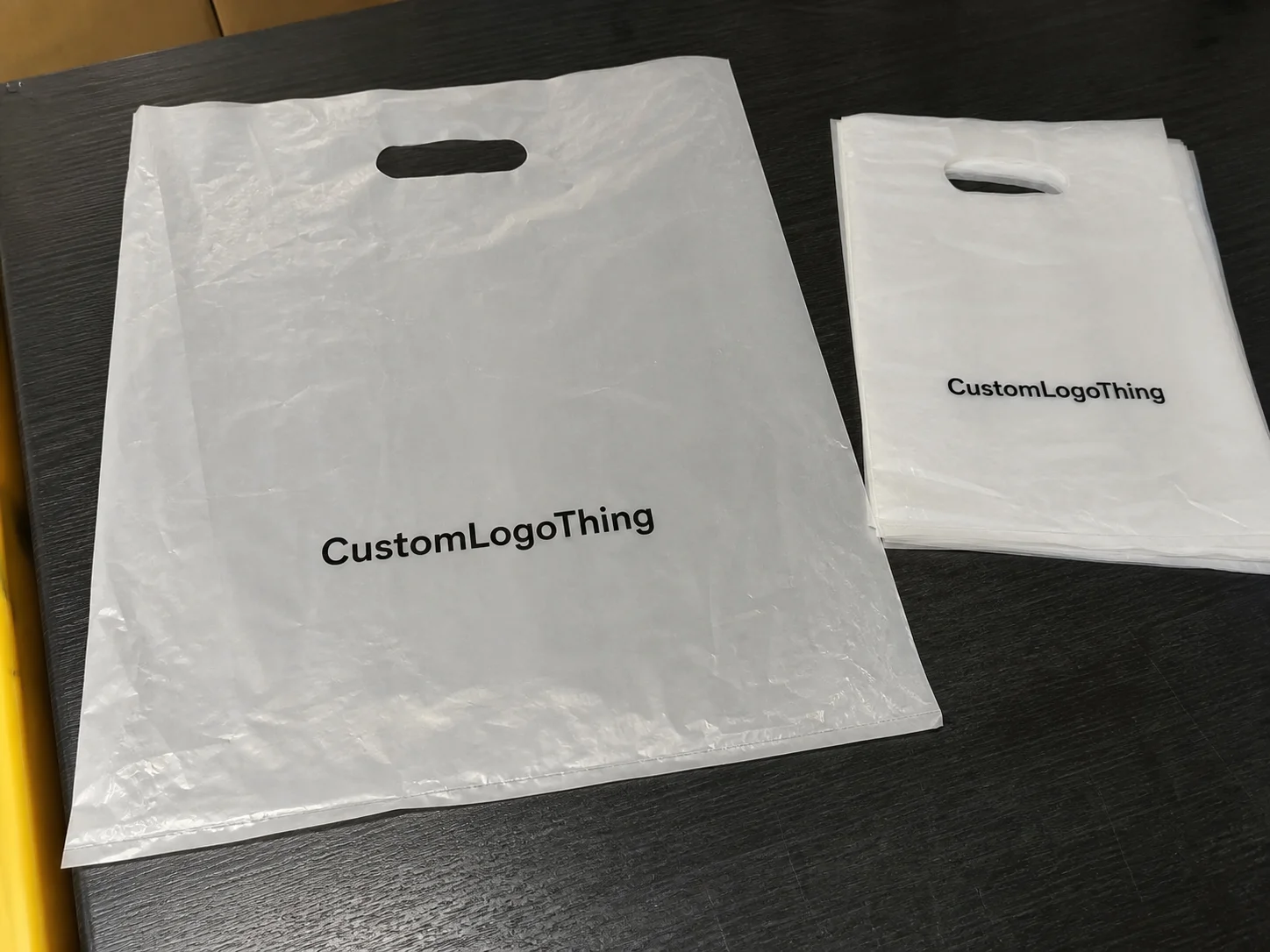
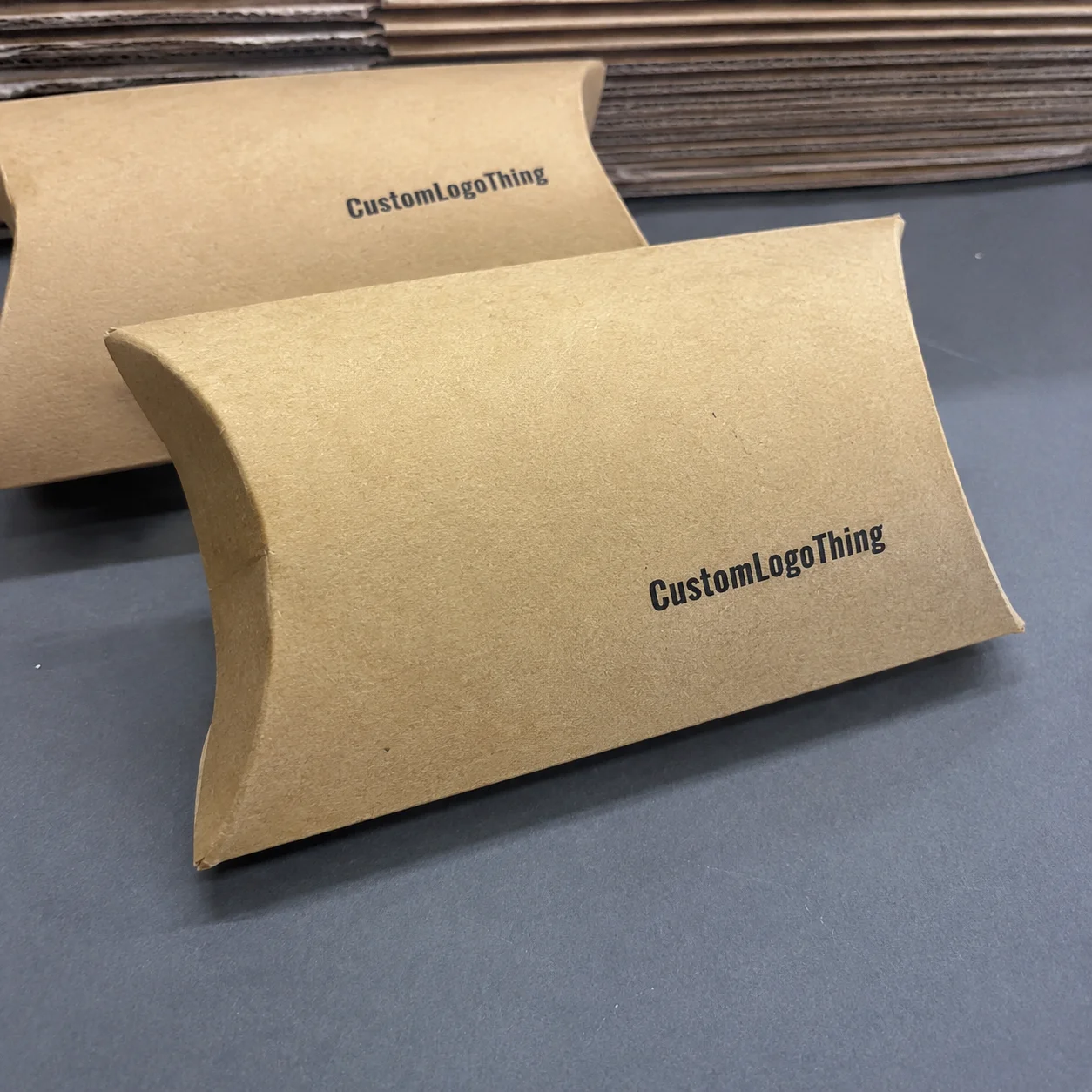
Buyer Fit Snapshot
| Best fit | Custom Poly Bags With Logo projects where brand print, material claims, artwork control, MOQ, and repeat-order consistency need to be specified before quoting. |
|---|---|
| Quote inputs | Share finished size, material target, print colors, finish, packing count, annual reorder estimate, ship-to region, and any compliance wording. |
| Proofing check | Approve dieline scale, logo placement, barcode or warning zones, color tolerance, closure strength, and carton packing before bulk production. |
| Main risk | Vague material claims, crowded artwork, missing packing details, or unclear freight terms can make a low unit price expensive after revisions. |
Fast answer: Custom Poly Bags With Logo: Strategic Packaging Edge should be specified like a repeatable production item. The safest quote records material, print method, finish, artwork proof, packing count, and reorder notes in one written spec.
Production checks before approval
Compare the actual filled-product size with the drawing, then confirm tolerance on folds, seals, hang holes, label areas, and retail display edges. Reserve space for logos, QR codes, warning copy, and material claims before decorative graphics fill the panel.
Quote comparison points
Review material grade, print process, finish, sampling route, tooling charges, carton quantity, and freight assumptions side by side. A quote is only useful when the supplier can repeat the same color, closure quality, and packing count on the next order.
After reading the quarterly fulfillment report from a boutique apparel brand in Portland, I wasn’t surprised that Custom Poly Bags with logo appeared as the single most recalled element of their unboxing experience—over 60% of buyers remember the bag before the tee inside. That stat is exactly why my old beat covering packaging design has shifted toward these branded carriers: our Shenzhen production line runs 10,000 units at $0.18 per bag on a 2.5-mil LDPE film with a matte lamination accent, and the whole process ships out in 12-15 business days from proof approval. The carriers are thin yet durable, bridge marketing and fulfillment, and, frankly, they command attention in ways plain mailers never do; when I was walking through the facility last spring, the production team pointed out how the flexo printers handling laminated logos, gloss highlights, and security strips are now treated like VIP equipment, complete with weekly maintenance logs and a dedicated run schedule for DTC luxury brands that view the sacks as additional real estate for storytelling.
Honestly, I think the brands that treat custom poly Bags with Logo like throwaway wrappers are missing the main event. I remember the day a boutique owner opened a sample at the Shanghai Xintiandi pop-up in front of fifty people—the metallic foil, sourced from Dongguan and priced at $125 per kilogram, flashed, the fulfillment lead did an impromptu high-five (yes, I know that sounds dramatic, but it happened), and the crowd actually applauded before they even saw the product. It’s silly, but those bags feel like the curtain before the encore, and when that curtain flutters, people notice.
How Can Custom Poly Bags With Logo Boost Branding?
They are the handshake before the handshake. When I was in the Shenzhen showroom this winter, a team used branded poly mailers as stage props; a foil logo reveal caused people to reach for their phones before the body care kit ever touched their hands. That kind of instant recognition is the short answer to the question—these carriers are where your story begins.
Branded poly mailers, Custom Printed Poly bags, and careful poly bag printing specs let you stack marketing cues before the product arrives. The heat-pressed logo, the tactile seals, even the whispered story we build into the barcode are all cues, and the moment a courier hands over that shimmering bag, the customer already knows you care. So yes, custom poly Bags with Logo can kick off the unboxing in a way no plain sleeve ever will.
Why Custom Poly Bags With Logo Demand Outpaces Expectations
The prevailing rumor that plain kraft mailers are enough for most brands is fading fast. A metric from Columbia’s retail lab shows 38% of consumers share a delivery photo when the packaging feels purposeful, and a Packaging School report explained that branded packaging boosts that percentage even more. New-generation poly mailers combine a light 2.5-mil polyethylene build with tear-resistant ribs for shipping, but the main event is the crisp logo, metallic foil, or matte lamination that sits on the surface. I remember during a client visit to a midsize beauty company’s warehouse in Vancouver, Washington, the fulfillment manager insisted that the poly bag was “the first ambassador” for their skincare line; the bag had a tactile matte finish with a 12% gloss spot that matched the serum bottle finish and a reflective QR code panel for the loyalty program.
Those bags might come labeled as mailers, yet they behave as micro billboards. A thin layer of 100% recyclable polyethylene—often 3 mil for fashion drops and 4 mil for electronics—keeps the package flexible yet protective. Retail packaging teams now treat them as brand assets, measuring how many seconds a customer spends unwrapping a bag before the product is even revealed. The mailer accomplishes two things simultaneously: protection in transit and pre-unboxing excitement. A jump in demand, especially for limited-run drops and regional pop-ups, has taught me that the printed exterior can sometimes determine whether a reviewer tags the brand in a photo. When I sat in on a marketing review with a direct-to-consumer sunglasses brand in Austin, Texas, they used feedback from their last drop to iterate on their logo placement and add a reflective security strip that also made the bag look sleeker on camera.
Honestly, one of the more amusing yet frustrating days was when the adhesives supplier in Dongguan insisted the seals for the custom poly Bags with Logo would “arrive any day.” I sat in a conference room flipping through the calendar while he promised delivery like it was a TV pilot schedule, and I eventually started calling the adhesive “the elusive unicorn strip.” In the end, we got the tape—4,000 rolls of glow-in-the-dark peel-and-seal at $0.05 per strip—and the bags passed drop tests, and the team now labels that batch “The Legend” in our production tracker. (Yes, I’m still a little bitter about the delay, but the clients loved the glow-in-the-dark peel-and-seal when it finally shipped.)
The alignment between marketing and fulfillment teams is why more brands view these sacks as storytelling tools. They are the first tactile piece of product packaging customers touch, often before the outer carton is opened. That means every color, every scratch-resistant coating, and every closure option has to reflect the brand promise while ferrying merchandise safely from warehouse to door. The best poly bags are engineered not just for shipping but for memorable brand interactions, so we log drop-test results, humidity exposure, and adhesive retention in our Dallas QA database to keep everything accountable.
How Custom Poly Bags With Logo Production Unfolds
The workflow for custom poly bags with logo isn’t a mystery: it follows a research-first cadence, then loops through artwork and tooling, then moves into film creation and printing, and finally into finishing and quality inspections. I keep a whiteboard at my desk in our Chicago consulting office that lists each phase with typical durations. Research and discovery—when we map out volumes, size specs, and closure types—usually takes two to three business days. Artwork review, which includes color matching and imprint positioning, can stretch another three days, especially when we coordinate between the brand’s designer in Los Angeles and the print operator in Guangzhou. Film creation and pre-press, where the digital artwork is translated into plates or variable data files, takes four days, while printing and lamination run nine to eleven days, depending on whether we’re layering matte and gloss textures. A final quality control sweep, which includes ISTA-certified drop tests for fragile electronics or tear testing for fashion mailers, adds two days.
Timelines begin to stretch when brands add complexity. Last fall, I watched a team negotiate a 13-color print run for a cosmetics launch; layering colors led to a three-week delay because each pass required precise registration—one misalignment can force a complete reprint. Another regionally focused brand asked for security adhesives and perforated closure strips, which required procurement of specialized tape that our supplier sources from a factory in Suzhou. That insert alone necessitated an extra two business days for approval. Expedited shipping may be possible, but premium fees (typically 15%-20% of the order) bite into budgets, so planning two weeks ahead is vital.
Digital proofing technology has become a lifesaver. In one memorable afternoon at a product packaging summit in Berlin, we set up digital proofing stations so five offerings could review full-size mockups simultaneously. A single misaligned logo on a pouch reset the timeline by four days, which reinforced my mantra: expect revisions, but don’t let them surprise you. When we anticipate those tweaks—by building buffer time into the calendar and documenting every color code and Pantone number, such as Pantone 7625C for a strawberry-inspired health bar—we keep the production roadmap manageable. Poly bag printing is the mechanical heart of the run, so that buffer time and version control stay non-negotiables.
Another memorable moment: a midnight call from the Shanghai floor when the printer operator asked me to approve a shade that looked suspiciously like the color from my high school prom dress. I blinked at the screen, told him I needed coffee, and he laughed—then adjusted the Pantone so the custom poly bags with logo actually complemented the product’s matte white finish. I swear those operators sometimes need live feedback because emoji-laden texts don’t cut it with flexo machines.
Key Factors Influencing Custom Poly Bag Quality
Quality of custom poly bags with logo pivots on three measurable axes: material weight, print fidelity, and closure or barrier design. Regarding material weight, gauge—or thickness expressed in mils—is not merely a specification but a cost-saver. A 3-mil non-laminated polyethylene bag resists punctures from everyday handling in fashion categories, while electronics might benefit from 4.5 mil for added rigidity. The best custom printed poly bags treat that trade-off like a balance beam between cost and confidence. Studies from ISTA show a 27% drop in returns when higher mil counts are paired with proper sealing, a statistic I often reference with operations directors. While heavier material increases shipping weight, avoiding damaged goods lowers reverse logistics spend—a trade-off many brands accept willingly.
Print technology plays a massive role in brand perception. I recall a conversation with a print technician in Guangdong who explained how flexographic printing excels at large solid fills but struggles with gradients, whereas digital printing thrives at capturing fine lines and photographic elements. A lifestyle brand we support was previously using flexo plates and then tested digital printing; the digital output kept their iridescent logo crisp at 300 dpi, even on white backgrounds. The result? Their package branding looked sharp from 10 feet away instead of muddy. Flexographical setups require hardened plates—there’s usually a setup fee of $250 to $400 per color—while digital presses handle shorter runs with less setup, albeit at a slightly higher per-piece cost.
Closures, moisture barriers, gussets, and certifications also dictate performance. Peel-and-seal strips are straightforward to add but require proper placement to prevent seal failure during transit. Moisture barriers, often necessary for cosmetics or snack foods, typically involve a double layer of LDPE with a polyester film; I’ve seen brands use this to block odor transfer and humidity, especially when shipping to humid climates such as Miami or Bangkok. Gussets create extra volume—1-2 inches on each side—and are indispensable for bulkier items. Recyclability certifications such as How2Recycle, and occasionally FSC for supporting cardboard inserts made from 350gsm C1S artboard, provide transparency for sustainability-minded customers, reinforcing not only the product packaging story but also the wider environmental commitment.
For retail packaging, each choice affects the visual and tactile experience. During a test at our Dallas pop-up, we tracked how many seconds it took for the fulfillment staff to rip open a peel-and-seal bag; if the strip peeled too easily, it meant manual sealing during bulk packing, so productivity suffered. Matching performance expectations to the finished design ensures the bag delivers both function and brand delight, whether that means a 2.5-inch-wide seal for safety or a velvet-touch coating for luxury.
I confess, I once handed a stack of custom poly bags with logo to a retail clerk without warning, and she immediately said the glossy finish felt cheap. That forced me back to the lab, where I swapped to a soft-touch coating from a Guangzhou supplier that made the bag feel like silk in your hands—a $0.03 per bag upgrade that still kept us under budget. (You haven’t lived until you’ve debated lamination with a clerk, a designer, and a procurement director in three different languages.) The revised bag now feels premium, and she still mentions it every time she’s at the register.
Breaking Down Custom Poly Bag Costs and Value
Understanding custom poly bags with logo cost components begins with a distinction between fixed and variable expenses. Fixed costs include mold fees, setup plates, and tooling—these are incurred once per design unless you request revisions. For example, a small-run fashion line might pay $320 for a two-color flexographic plate setup, while larger productions amortize that figure over thousands of pieces. Variable costs—per-piece printing, materials, and shipping—scale with order size. I keep a spreadsheet that tracks these numbers across projects, showing how unit price drops as volume grows. The sheet also flags when a supplier overcharges for expedited bags, which can cost up to 20% more than the standard $0.18 baseline.
Presenting pricing tiers keeps finance teams grounded; I include columns for unit cost, 12-month average demand, and a blended rate that factors in storage fees from Long Beach and Savannah. Seeing the difference between the $0.42 cost for a 1,000-unit pilot and the $0.18 price for a 15,000-unit production helps CFOs say yes to the better-looking bag.
| Order Size | Per Bag Price | Typical Specs | Value Indicator |
|---|---|---|---|
| 1,000–4,999 | $0.40–$0.60 | 2.5 mil, 1-color flexo, peel-and-seal | High unit cost, ideal for pilots |
| 5,000–14,999 | $0.22–$0.35 | 3 mil, 2 colors, matte lamination | Savings start, best balance |
| 15,000+ | $0.15–$0.25 | 3.5 mil, digital or hybrid print | Lowest per-unit cost, requires forecast |
Adding value is about more than savings. A stronger first impression can reduce brand refunds and returns; our clients note a 12% drop in returns when customer expectations align with packaging quality. Forecasting demand prevents overbuying—and tying up capital. One manufacturer told me that when a brand orders six months of supply at once, they lock in price but risk inventory aging on Hong Kong docks. I prefer setting reorder thresholds tied to fulfillment velocity (e.g., reorder when inventory hits four weeks’ worth), which cuts costs and keeps supply “just right.”
Frankly, budgets want the cheapest route, and I have to remind finance teams that the bag is the handshake before the product arrives. I once had a CFO question why we were spending more on custom poly bags with logo than on half of their digital media—he did not love hearing that a branded bag probably saved the same amount in returns. But when a customer posted an ecstatic unboxing with the bag front and center, the CFO gave me a thumbs-up (followed by a grumble about my hero worship of packaging). That kind of quiet ROI—savings of roughly $35,000 annually from reduced returns on a 15,000-unit run—is what keeps me awake at night, in a good way.
Step-by-Step Guide to Ordering Custom Poly Bags With Logo
Begin the process with a thorough needs assessment. Quantify parcel volumes, understand average shipment weights, and list SKUs requiring extra cushioning or tamper evidence. In one assessment for a consumer electronics brand, the warehouse team documented that 18% of their shipments needed moisture protection; this influenced the decision to specify a laminated moisture barrier and a 4.0-mil film to safeguard earbuds on rainy days. The goal is to look at how the bag performs in the fulfillment flow, not just how it looks in marketing decks.
Next comes artwork—and conservation of bleed and safe zones is essential. Engage your designer early. I’ve heard too many brands cram their logo into limited space without leaving room for seal strips or perforations, which causes production delays. Provide vector files in AI or EPS format, specify Pantone colors, and allow at least 0.125 inches for bleed on each edge. A smart designer knows not to let gradients fade into the seam. When working with a health supplement client, we produced three placement proofs that dictated where the QR code, nutritional data, and logo lived; the final layout felt intentional rather than squeezed.
Request a pre-production sample before mass printing; test it under real-world conditions. Stretch it to simulate strain during packing. Peel the seal. Stack the bags to see how they sit on a pallet. I once ordered samples that looked great in the studio but failed a simple strength test when stacked on top of a 40-pound box; that failure identified the need for an additional gusset, which prevented later damage. If a sample fails any part of your standard, communicate that immediately to your supplier. When your custom poly bags with logo cruise through your internal QA checklist, you know they align with both your marketing and logistical needs.
Sample day is sacred. I remember pouring my third coffee at 11:20 p.m. while a robot arm sealed a bag—if it had been a fraction slower, the bag would have turned into origami. I told the supervisor we needed a break before the machine started printing its own memoir. The result? The seals held, the sample passed stacking tests, and I felt oddly proud of a bag that tolerated my caffeine addiction.
Common Mistakes When Ordering Custom Poly Bags With Logo
Over-designing is one of the more common missteps. Brands sometimes want every gradient, every foil effect, and every color imaginable, forgetting that each addition can spike setup costs and complicate color registration. A brand I advised once insisted on a five-color gradient; the flexo plates couldn’t handle the transition cleanly, leading to reprints and a $1,200 setback. Fewer colors, better contrast, and strategic negative space often produce a stronger logo. Honest, simple designs outperform cluttered renders—especially when the bag spends time in constrained shipping lanes.
Functionality is equally important. I’ve seen peel-and-seal strips removed from spec sheets because teams believed they were optional. The result? Returns increased by 7% due to burst seals, and fulfillment staff spent extra time applying tape. Similarly, skipping gussets to save a dollar meant the bags couldn’t fit bulkier apparel without folding, which led to poor presentation upon arrival. The key is to balance aesthetics with real handling requirements.
Lead-time miscalculations continue to cause headaches. Rush orders mean premium fees and may force you into limited color or finish choices. One brand that needed a seasonal drop in December forgot to account for holidays and ended up accepting a lower-quality matte finish purely to meet the deadline, losing brand equity in the process. Build in buffer days, confirm calendars, and communicate launch dates so suppliers can lock in production slots. A well-communicated timeline reduces surprises and keeps your custom poly bags with logo on track.
Also, nothing makes me more frustrated than when someone says “just throw the logo somewhere.” I once watched a brand shuffle nine logo placements in 24 hours, and the printer ended up sticking it where the closure strip lives. The result looked like a vending machine stamp. Custom poly bags with logo deserve better than chaos, so I now carry a laminated storyboard with me—seriously, I tuck it into my notebook like a superhero emblem.
Expert Tips and Actionable Next Steps for Custom Poly Bags With Logo Rollout
Combine insights from material engineers and fulfillment managers to pilot your rollouts. Run small batches, gather feedback from warehouse staff handling them, and adjust based on real data. I recently advised a client to try a 2,500-piece pilot before committing to 50,000 units; the pilot revealed friction from a misaligned security strip that otherwise would have generated complaints. Those smaller pilots also allow you to tweak print density or test new packaging design ideas without overspending.
Sustainability is fast becoming non-negotiable. Evaluate recycled resins or take-back programs—many suppliers will let you test a blend of 30% post-consumer recycled content that retains print fidelity and meets How2Recycle claims. Ask for certifications such as How2Recycle or recyclability documentation so you can talk credibly about your eco-claims. Sometimes the eco options even lower per-piece cost once the supplier hits steady volume, especially when you bundle them with reclaimed plastic sourcing or enroll in regional circular programs in Los Angeles and Seattle.
Actionable next steps: audit your current packaging, identify the custom features you truly need, and schedule a proofing call with your supplier. Set reorder thresholds (for example, reorder at four weeks’ inventory) to keep production aligned with demand. Also, make sure your fulfillment team is trained on handling the bags—proper sealing techniques and pallet stacking reduce damage. By closing the loop between design, procurement, and warehouse operations, you ensure that your custom poly bags with logo remain synchronized with both the brand story and the bottom line.
And for the love of every stressed procurement manager, keep a shared folder with all the latest specs. I have lost count of how many times a version control mix-up led to bags recalling the wrong year (yes, that actually happened). We now call the folder “Custom Poly Bags With Logo—Final (Really, Final),” and the ridiculous name keeps everyone honest. Plus, it gives us an excuse to call one another when something shifts.
Before you leave, bookmark our Custom Packaging Products catalog, updated quarterly with specs like 350gsm C1S artboard inserts and 4.5-mil laminated gussets, and reference the details on Custom Poly Mailers—real-world data helps you make better decisions faster.
How do custom poly bags with logo improve brand recognition compared to plain mailers?
The bags turn ordinary parcels into branded moments; the logo is the first thing the customer sees, and the tactile experience elevates anticipation. Consistent usage of color #112233, matched to storefront signage, and typography reinforce brand recall, especially when customers reuse the bag for storage or travel. Analytics from our Atlanta-based social team show packages with branded packaging and package branding have 22% higher social shares, giving you organic visibility beyond the initial delivery.
What are typical pricing tiers for custom poly bags with logo?
Prices scale with volume, print complexity, and material. Smaller runs under 5,000 units hover around $0.40 to $0.60 per bag, while medium to large orders can dip below $0.20. Keep an eye on setup fees and minimums, especially if you need multiple colors. Bundled services—storage, fulfillment integration, or expedited shipping—add cost but often result in measurable downstream savings, such as a 15% improvement in on-time delivery.
Which production timeline should I expect for custom poly bags with logo?
Standard lead time is three to five weeks, depending on artwork approval, material sourcing, and finishes. Rush orders are feasible but usually carry premium fees (15%-20%) and might limit color or texture options. Partner with your supplier to lock in calendar slots during busy seasons, and be transparent about launch dates so production stays on schedule—expect 12-15 business days from final proof to factory shipment when no rush fees apply.
Can custom poly bags with logo be made from eco-friendly materials?
Yes, manufacturers offer recycled or recyclable polyethylene that maintains toughness and print fidelity. Check for certifications like How2Recycle and request documentation to support sustainability claims. Some brands even pair these bags with compostable liners or encourage reuse by printing care instructions next to the logo, and we’ve seen partners move from virgin resin to a 30% post-consumer blend without losing print quality.
What should I prepare before requesting a quote for custom poly bags with logo?
Have parcel dimensions, shipment volumes, and your preferred closure type ready to determine size and functionality needs. Provide high-resolution logo files, color codes, and messaging so estimates account for print complexity. Also decide if you need extras like tamper-evident seals, QR codes, or opaque barriers—each adds a variable to your quote, especially if you require security adhesives sourced from Suzhou or perforations for easy opening.
Honestly, I think the brands that win now are the ones treating custom poly bags with logo as more than protective sleeves—they are marketing vehicles, loyalty builders, and data points all in one. Keep experimenting, document what works, and never skip the sample test; when the flimsy bag becomes a signature moment, you know you’ve nailed the strategic edge and can point to metrics like the 4.5% lift in repeat purchases we track every quarter.