A dad hat can sell out in a weekend or sit in a stockroom until everyone politely calls it “brand marketing.” Custom Dad Hats for clothing brands are not cheap add-ons. They are wearable packaging, and your customer becomes the display whether you planned for that or not.
The appeal is obvious. A soft crown, curved brim, relaxed fit, and unisex styling make a dad hat easier to buy than a $92 hoodie or a heavy jacket. The price is lower. The sizing is simpler. The product works across streetwear, resortwear, skate, golf, fitness, and lifestyle labels without asking the customer to rebuild their wardrobe around one accessory.
That does not make the order simple. A weak blank, bad embroidery, wrong logo scale, or sloppy closure can make a good brand look like a vendor booth giveaway. The hat may be small, but customers still judge the fabric, fit, stitching, and finish. They should.
Why Custom Dad Hats Sell When the Details Are Right
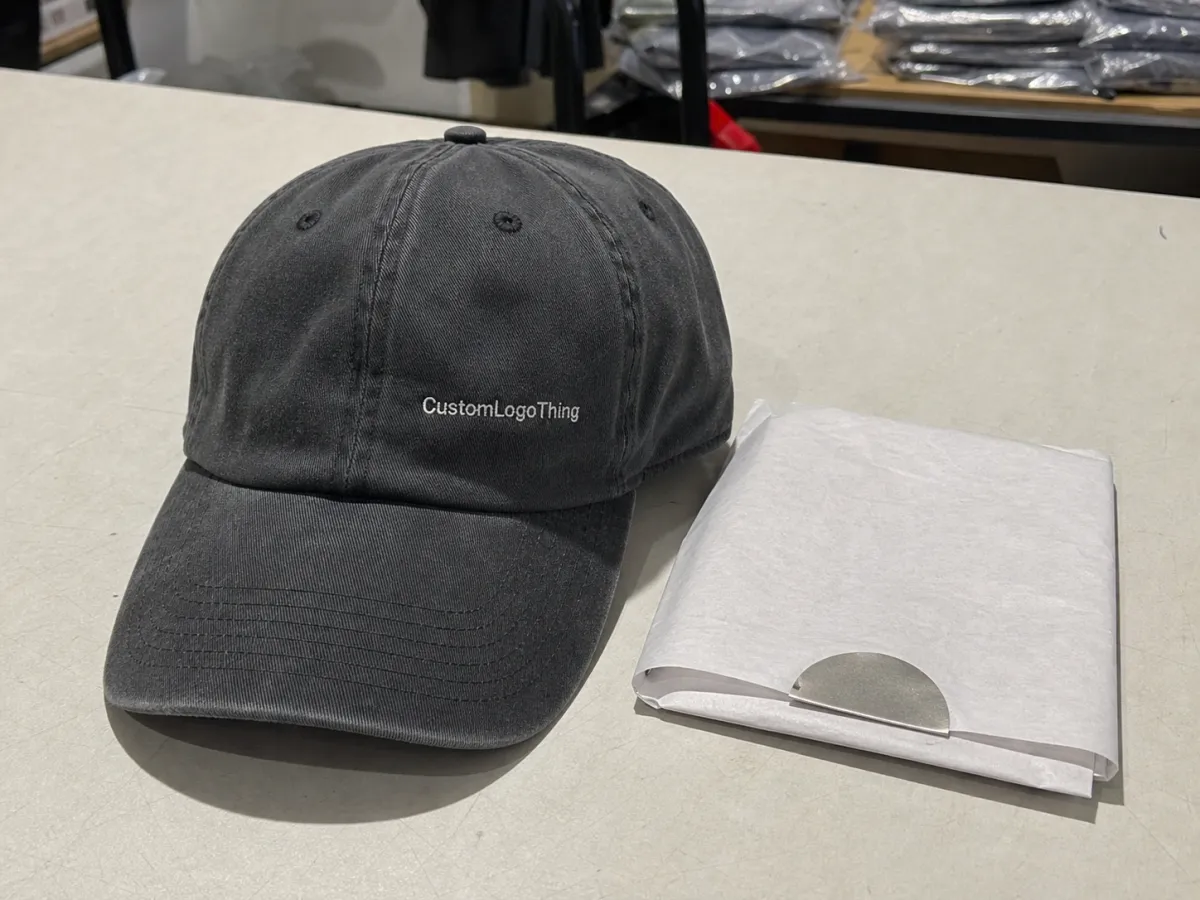
Here is the practical truth: a bad hat makes a good logo look amateur. Not “a little off.” Amateur. The blank shape, embroidery density, thread color, placement, sweatband feel, and fit decide whether the hat feels like real merchandise or something tossed into a conference tote bag.
A dad hat is usually an unstructured or lightly structured six-panel cap with a pre-curved brim. Common fabrics include cotton twill, washed cotton, corduroy, denim, canvas, nylon, and performance blends. Decoration can be direct embroidery, an embroidered patch, a woven label, a leather patch, or print. Each choice changes the read of the product.
For apparel labels, the hat also acts like branded packaging. A custom printed box gets opened once. A good cap gets worn to coffee, the airport, the gym, a beach trip, or a bad first date. That is useful exposure. Not flyer-in-the-recycling-bin exposure.
Brand positioning should drive the spec. A resortwear label may want washed cotton, faded pastels, and tonal embroidery. A skate brand may prefer canvas, contrast stitching, or a bolder front mark. A golf label may need performance fabric, moisture control, and a cleaner closure. One generic hat does not magically serve every customer. Shocking, I know.
The better approach is the same one used for packaging and apparel development: define the customer, define the use case, then build the product around that reality. The goal is not to slap a logo on the nearest blank. The goal is to make a hat customers actually wear after launch week.
Buyer rule: if the hat would not look good without your logo, your logo is doing too much emotional labor.
How Dad Hat Manufacturing Works From Blank to Finished Product
There are two main sourcing routes: decorate stock blanks or produce fully custom caps from scratch. Stock blanks are faster and usually cheaper because the cap already exists. You choose from available colors, add decoration, approve the proof, and move into production.
Fully custom hats cost more and take longer, but they give better control over fabric, panel shape, stitching, labels, trims, inner taping, closure, and packing. They make sense for repeat styles, premium drops, or brands that care about a very specific fit. They do not always make sense for a first 100-unit test where the real goal is to learn what sells.
Cap anatomy is simple once you stop treating it like a mystery object. The crown is the top portion that sits on the head. Panels create the cap shape, usually six for a classic dad hat. The brim is the curved front visor. The sweatband touches the forehead. Eyelets add ventilation. The closure adjusts the fit. Seam tape covers interior seams. The button sits at the top. The front decoration area is limited, so no, the full brand manifesto will not fit there.
Decoration choice matters. Embroidery is the standard for most custom dad hats for clothing brands because it looks premium, lasts well, and handles daily wear. Woven patches are better for tiny details, badge-style artwork, and small text. Leather patches can look rugged and retail-ready, but they also push the product toward outdoorsy or heritage styling fast. Screen printing can work on nylon or canvas, but it needs the right artwork and a fabric surface that will take the print cleanly.
Logo digitizing is the boring step that saves the order. A flat logo file has to become stitch instructions. Thin lines, gradients, tiny type, and excessive detail can turn into thread spaghetti. A supplier may ask to simplify the artwork, increase line weight, remove small text, or switch to a patch. That is not sabotage. That is physics with thread.
A sew-out or sample should come before bulk production for any paid product drop. Check scale, placement, thread colors, stitch quality, and fit. If you skip it, fine, but do not act shocked if 500 hats arrive with a logo that looks slightly too tall and very proud of itself.
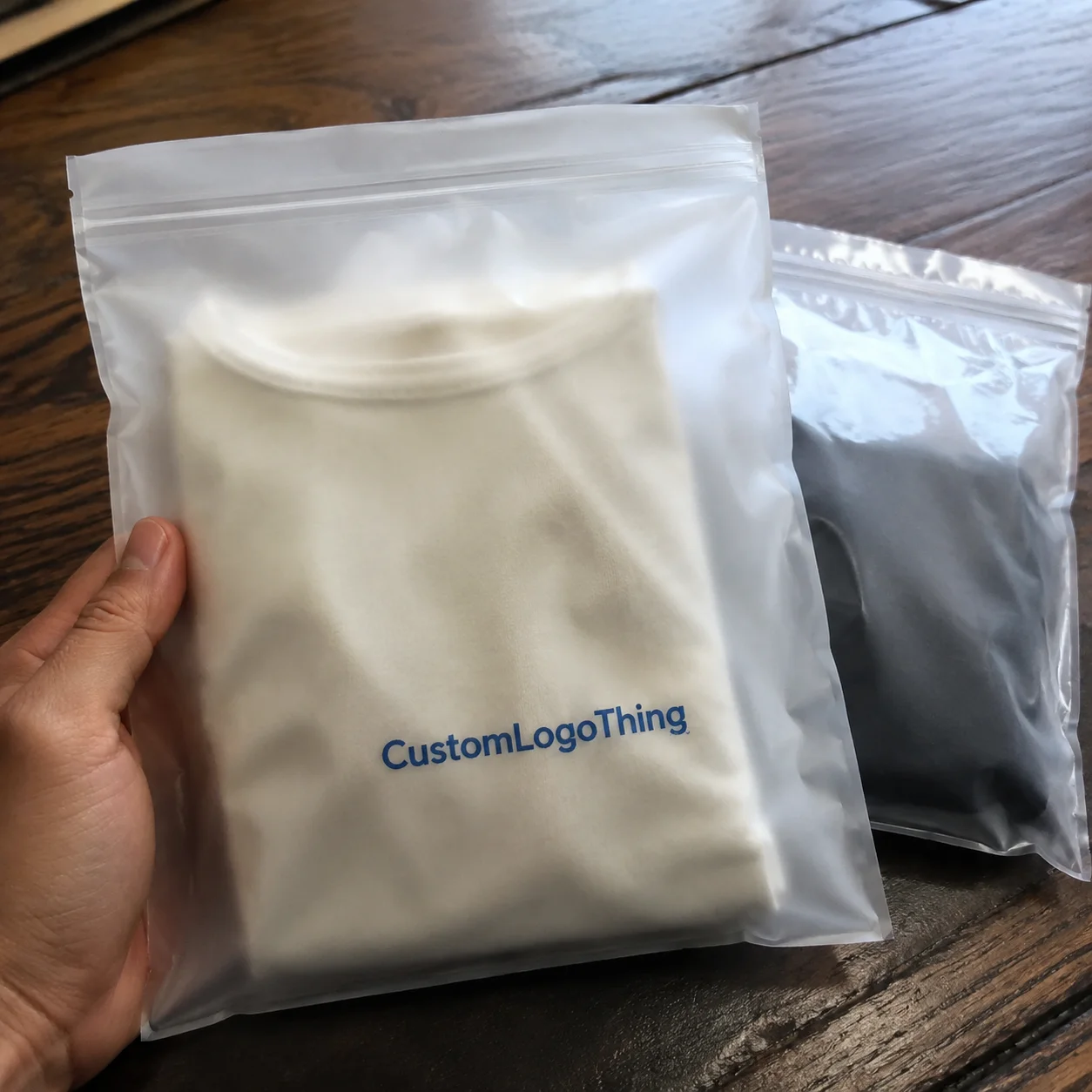
Packaging deserves attention too. Polybags, hang tags, barcode labels, branded inner taping, woven labels, carton packing, and retail stickers affect how the product moves through wholesale, ecommerce, and fulfillment. For brands already thinking about custom packaging products, hats should get the same retail discipline as apparel, boxes, and mailers.
Key Specs That Change the Look, Fit, and Brand Feel
Fabric changes almost everything. Washed cotton feels relaxed, vintage, and easy to wear. Cotton twill is classic and clean. Corduroy adds texture and fashion value, especially for seasonal drops. Denim feels casual and retro. Canvas is sturdier and more utility-driven. Nylon and performance fabrics feel sporty, technical, and lighter on the head.
Structure and crown profile decide the silhouette. Unstructured low-profile dad hats feel broken-in and casual. Lightly structured caps hold shape without looking stiff. Higher-profile caps can lean streetwear, athletic, or promotional depending on the blank and decoration. That last category is not a compliment.
Closures deserve more attention than they get. A metal buckle gives a clean retail look. A fabric strap feels classic and understated. A snapback can work for streetwear, but it changes the cap’s attitude. Hook-and-loop is practical for utility or event use, yet it often reads cheaper. Fitted sizing can feel premium, but now you are managing size inventory. Enjoy that spreadsheet.
Brim curve should match the category. A pre-curved brim is expected for dad hats, but curve depth matters. Too flat and the cap starts drifting toward snapback styling. Too curved and it can feel dated or overly outdoorsy. The sweet spot is usually a moderate curve that frames the face without looking like fishing gear, unless fishing gear is the point.
Logo placement has the same issue as package branding: scale can make or break the product. Front center is safest. Side embroidery adds subtle detail. Back embroidery can carry a tagline, URL, or small brand mark. Oversized embroidery can work for loud streetwear, but on a soft dad hat it can also look like someone lost a fight with a stitch machine.
Color strategy should be boring enough to sell and specific enough to feel branded. For a first run, a smart split is often one safe neutral, one brand color, and one limited color if the quantity supports it. Black, navy, stone, olive, khaki, washed charcoal, and cream tend to sell broadly. Custom-dyed colors give more control, but minimums and timelines go up.
| Spec choice | Best for | Tradeoff |
|---|---|---|
| Washed cotton with embroidery | Lifestyle, resortwear, basics, casual apparel | Soft vintage feel, but color variation can happen between dye lots |
| Cotton twill with front embroidery | Core merch and repeatable brand styles | Reliable and clean, though less distinctive than textured fabrics |
| Corduroy with woven patch | Fashion drops and seasonal capsules | Higher perceived value, but not as universal in warm climates |
| Nylon or performance fabric | Fitness, golf, travel, outdoor-lite brands | Lightweight and functional, but embroidery must be tested carefully |
Fit testing is not optional if the hat is a real product. Try it on different head sizes, hair types, and face shapes. A cap that only looks good on one model with perfect hair is not a product strategy.
Pricing, MOQ, and Unit Cost: What Actually Moves the Quote
Custom hat pricing is not one magic number. Unit cost depends on quantity, blank quality, fabric, decoration method, stitch count, number of logo locations, trims, packaging, sampling, freight, and duties. If someone gives a quote without asking for those details, it is either a placeholder or a trap wearing a nice hat.
Decorated stock blanks may land around the mid-single digits to low teens per unit at volume, depending on blank quality and embroidery. Smaller runs usually cost more per piece because setup, digitizing, handling, and production time are spread across fewer units. Fully custom caps often cost more, but they give stronger control over retail value and brand feel.
MOQ is a tradeoff. Lower minimums reduce inventory risk, which helps small brands test demand. Higher quantities usually unlock better pricing, more customization, and smoother production planning. Nobody beats math by asking nicely.
Embroidery cost drivers include stitch count, thread colors, 3D puff, metallic thread, difficult placements, and extra logo locations. A small clean mark is often cheaper and more premium than a giant dense logo. For many brand hats, front embroidery in the 2.25 to 3.25 inch wide range is a practical starting point, though the right size depends on logo shape and crown height.
Hidden costs are where budgets get cute, then ugly. Digitizing may run as a separate fee. Samples may be charged upfront. Revisions can add cost. Branded packaging, hang tags, barcode labels, freight, duties, warehousing, rush production, and fulfillment prep can shift landed cost more than people expect.
Work backward from retail price and margin. If a hat needs to retail at $32 and your landed cost is $14 before fulfillment, discounts, returns, and platform fees, the margin may be too tight. Adjust the blank, decoration, color count, packaging, or quantity before approving production. Hope is not a margin strategy.
| Quote factor | Typical impact | Practical buying advice |
|---|---|---|
| Order quantity | Higher quantity usually lowers unit cost | Ask for pricing at 100, 250, 500, and 1,000 units if available |
| Embroidery stitch count | Dense logos cost more and can stiffen the crown | Simplify artwork before quoting |
| Second logo location | Adds setup and production time | Use side or back embroidery only if it improves the product |
| Retail packaging | Adds cost but helps wholesale and fulfillment | Include polybags, hang tags, and barcodes in the quote request |
| Fully custom build | Higher MOQ and longer timeline | Use for repeat products or premium drops, not every test run |
Ask suppliers for options instead of one mystery number: good, better, best blanks; one-location versus two-location embroidery; standard packing versus retail-ready packing. The comparison will show what you are actually paying for.
Production Steps and Timeline From Artwork to Delivery
The normal process is straightforward: choose the cap style, confirm fabric and color, submit logo files, digitize artwork, approve the mockup, produce a sample or sew-out, approve production, manufacture or decorate, inspect, pack, and ship. Skip steps and the risk moves from the supplier’s desk to your inventory shelf.
Stock blank decoration can often move in a few weeks after artwork approval, depending on blank availability, decoration capacity, and shipping method. Fully custom hat production usually takes longer because materials, cutting, sewing, decoration, trims, labels, inspection, and freight all have to line up. Custom dyed fabric, imported trims, or special closures add more time.
Several things slow orders down. Unclear artwork. Late approvals. Changing thread colors after sampling. Out-of-stock blanks. Complex embroidery. Holidays. Freight delays. A logo file named “final-final-real-final.png” that is somehow still low resolution. These are normal production headaches, not rare disasters.
Proofing is not busywork. If you approve the wrong logo size, placement, thread shade, or cap color, the factory may produce exactly what you approved. Painful, but fair. Check the proof like a buyer, not like someone emotionally attached to the first mockup.
Build in buffer time for product drops, influencer seeding, wholesale delivery dates, and photoshoots. Hats arriving two days after launch are very cute if your goal is stress. A better planning rule is to set the launch date first, then work backward through sampling, production, transit, receiving, quality checks, photography, ecommerce setup, and fulfillment prep.
Rush orders may be possible, but rush production usually reduces options and increases risk. You may lose access to the best blank, the ideal thread color, or the sample step. For retail launches, that is a dangerous trade unless the quantity is small and the brand can absorb imperfections.
Quality control should be specific, not vibes-based. Check carton counts against the purchase order. Pull samples from different cartons. Look for crooked front embroidery, loose threads, puckering, uneven brim curves, closure defects, color variation, sweatband issues, and dirty handling marks. Measure logo placement against the approved sample. If hats are polybagged or barcoded, confirm the right SKU is in the right bag before fulfillment starts shipping returns to your future self.
For broader packaging and shipping standards, apparel teams can review resources from ISTA, especially if products ship through parcel networks or wholesale cartons. Sustainability claims and material choices should also be checked against credible guidance such as FSC certification where paper tags, cartons, or fiber-based packaging are involved.
Step-by-Step Ordering Guide for Apparel Brand Teams
- Define the role of the hat. Is it core merchandise, a drop accessory, event merch, wholesale product, VIP gift, or bundle item? The answer affects spec, budget, quantity, and packaging.
- Choose the customer and styling direction. A skate brand, golf label, gymwear brand, and minimalist basics company should not all buy the same washed black cap with white embroidery.
- Select the blank or custom build. Compare fit, crown height, fabric, closure, available colors, and sweatband feel before falling in love with the cheapest option.
- Simplify the artwork. Convert gradients, tiny text, and fine lines into embroidery-friendly shapes. Use vector files where possible: AI, EPS, or clean PDF.
- Request a quote with clear specs. Include quantity, cap style, fabric, color, decoration method, logo size, placement, thread colors, packaging, shipping destination, and deadline.
- Review mockups like a buyer. Check scale, spacing, alignment, and whether the hat still looks good from three feet away.
- Approve a sample or sew-out. If skipping this step, understand the risk instead of acting surprised later.
- Plan receiving and launch. Inspect cartons, count units, photograph the product, update ecommerce listings, and prep fulfillment before announcement day.
The best orders are boring in the right places. Clear files. Clear specs. Clear approvals. Clear deadlines. Drama belongs in campaign photography, not in a production email thread about whether beige thread is “too beige.”
If your brand already has retail packaging rules, apply them here. Match hang tags to your apparel line. Use barcode labels if the product enters wholesale or a warehouse system. Keep carton packing organized by colorway and SKU. If your team uses case studies to compare packaging results, evaluate hats the same way: sell-through, margin, repeat use, returns, and customer photos.
For paid launches, custom dad hats should be treated as SKU-level products. That means product names, SKU codes, inventory counts, product photos, care notes, packaging specs, and reorder planning. If that sounds like work, yes. That is because selling products is work.
Common Mistakes That Make Brand Hats Look Promotional
Mistake one: choosing the cheapest blank and expecting a premium result. Decoration cannot rescue a flimsy cap with a weird crown, scratchy sweatband, and sad little brim. Start with a blank that already feels worth wearing.
Mistake two: using artwork designed for a hoodie chest print. Cap decoration has less space and less tolerance for tiny details. Redraw the logo if needed. A simplified mark often looks more expensive than a detailed one forced into thread.
Mistake three: making the front logo too large. Bigger is not always more branded. Sometimes it just screams vendor booth. A 2.5 inch wide embroidered wordmark can look cleaner than a 4 inch logo trying to colonize the entire crown.
Mistake four: ignoring thread contrast. Black-on-black can look premium if intentional, especially for tonal fashion pieces. It can also disappear completely in product photos and real life. Test contrast under natural light, studio light, and ecommerce photography conditions.
Mistake five: ordering too many colorways too early. Small brands often split 200 units across five colors, then wonder why unit cost is high and inventory is messy. Start tighter. One safe color, one brand color, maybe one limited color. Earn the rainbow later.
Mistake six: skipping fit checks. A hat that looks great flat on a table can sit badly on the head. Product photos will not hide that for long, especially with customer-generated content.
Mistake seven: forgetting packaging and labeling. If hats are going into retail, wholesale, or fulfillment, barcodes, hang tags, size labels, polybags, and carton labels may matter. This is basic product packaging discipline, not decoration fluff.
Mistake eight: approving production under launch pressure. Bad timelines create bad decisions. The factory clock does not care about your Instagram teaser.
What to Prepare Before You Order
Start with a mini spec sheet before contacting suppliers. Include target quantity, launch date, cap style, fabric preference, colorways, logo file, decoration method, packaging needs, shipping destination, and any wholesale or fulfillment requirements. A clear request gets a clearer quote.
Pick two or three reference hats and document what you like about each. Crown height. Brim curve. Fabric weight. Closure. Embroidery size. Overall feel. Vague requests create vague quotes, and vague quotes turn into invoice surprises.
Decide your budget range and retail price before sampling. If the hat has to retail at $28, $34, or $42, the production spec needs to respect that reality. Margin should be designed before the sample is cute, not after everyone has emotionally committed to it.
Prepare artwork in vector format and create a simplified embroidery version if the logo is detailed. This saves time and prevents ugly compromises later. If your brand also sells apparel in Custom Printed Boxes, align hang tags, labels, and packing style so the hat feels connected to the rest of the line.
Ask for quote options. Compare stock blank versus fully custom, one-location versus two-location decoration, and standard versus retail-ready packaging. Order a sample or sew-out when the hat is part of a paid product drop. For giveaways, maybe you can take more risk. For merchandise customers pay for, inspect before bulk production.
Custom dad hats for clothing brands work best when the hat is treated like a real product, not leftover merch with a logo slapped on it. Buy the right blank, control the decoration, check the fit, plan the packaging, and give the customer something they will actually wear.
FAQ
What are the best custom dad hats for apparel brands selling retail merch?
The best option is usually a mid-weight cotton twill or Washed Cotton Dad Hat with clean embroidery, a low-profile crown, and an adjustable metal buckle or fabric strap. For fashion-led drops, corduroy, denim, canvas, or garment-dyed cotton can add perceived value without making the hat hard to wear. Start with neutral colors plus one brand color if you are unsure about demand.
How much do custom embroidered dad hats cost for clothing brands?
Cost depends on quantity, blank quality, embroidery complexity, logo locations, packaging, and shipping. Simple decorated stock hats are usually more budget-friendly, while fully custom hats cost more but allow better control over fabric, fit, labels, trims, and retail presentation. Ask for pricing at multiple quantities so you can see where the unit cost drops enough to justify a larger order.
What MOQ should a clothing brand expect for custom dad hats?
MOQs vary by supplier and production type. Stock blank decoration usually allows lower quantities than fully custom manufacturing. Lower MOQ is useful for testing demand, but the unit cost will usually be higher. If you need custom fabric colors, woven labels, branded taping, or special trims, expect higher minimums.
How long does it take to make custom dad hats for a brand launch?
Stock blank decoration is generally faster because the caps already exist and only need decoration, approval, packing, and shipping. Fully custom hats take longer because fabric, cutting, sewing, decoration, trims, inspection, and freight all add steps. Build in extra time for sampling, artwork revisions, launch photography, fulfillment setup, and shipping delays.
Should clothing brands use embroidery, patches, or printing on dad hats?
Embroidery is the safest retail choice for most dad hats because it feels durable and premium. Woven or embroidered patches work well for detailed logos, badges, and outdoor or heritage styling. Printing can work for specific designs, but it often feels less premium unless the artwork and fabric choice are very intentional.