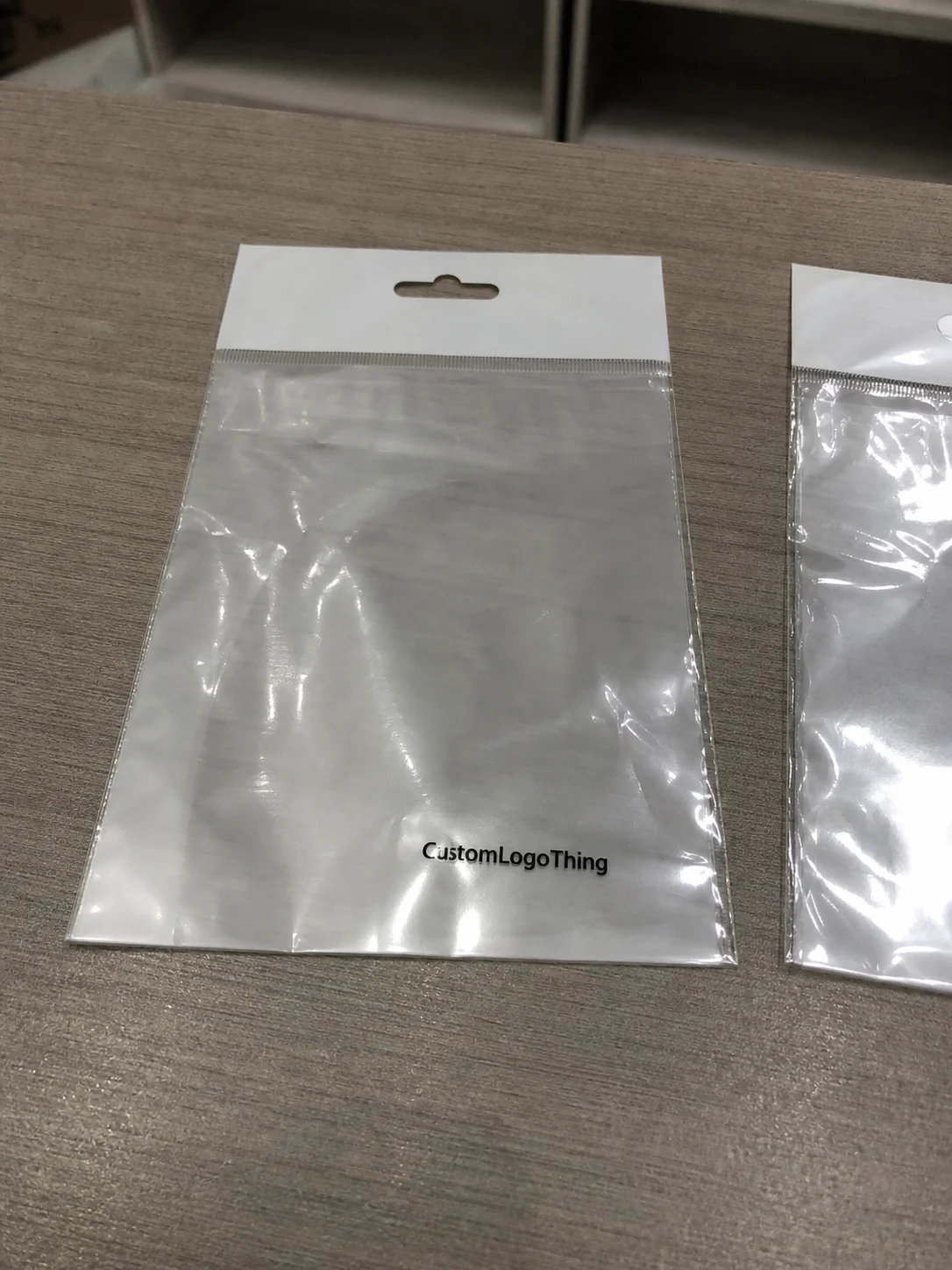
Buyer Fit Snapshot
| Best fit | Custom Pouch Packaging Wholesale Bulk projects where brand print, material claims, artwork control, MOQ, and repeat-order consistency need to be specified before quoting. |
|---|---|
| Quote inputs | Share finished size, material target, print colors, finish, packing count, annual reorder estimate, ship-to region, and any compliance wording. |
| Proofing check | Approve dieline scale, logo placement, barcode or warning zones, color tolerance, closure strength, and carton packing before bulk production. |
| Main risk | Vague material claims, crowded artwork, missing packing details, or unclear freight terms can make a low unit price expensive after revisions. |
Fast answer: Custom Pouch Packaging Wholesale Bulk: Film, Print, MOQ, and Carton Packing should be specified like a repeatable production item. The safest quote records material, print method, finish, artwork proof, packing count, and reorder notes in one written spec.
Production checks before approval
Compare the actual filled-product size with the drawing, then confirm tolerance on folds, seals, hang holes, label areas, and retail display edges. Reserve space for logos, QR codes, warning copy, and material claims before decorative graphics fill the panel.
Quote comparison points
Review material grade, print process, finish, sampling route, tooling charges, carton quantity, and freight assumptions side by side. A quote is only useful when the supplier can repeat the same color, closure quality, and packing count on the next order.
I’ve spent enough time walking converting floors in Dongguan, Shenzhen, and Huizhou to know that custom pouch packaging wholesale bulk is rarely about “just buying more units.” The real savings usually come from roll width efficiency, longer print runs, fewer changeovers on the line, and the kind of planning that keeps a press moving instead of idling while someone adjusts tooling for the third time before lunch. A 10,000-piece run can easily land around $0.15 to $0.28 per unit depending on size, laminate, and finish, while a 2,000-piece order may sit closer to $0.28 to $0.45 per unit because setup costs get spread over fewer pouches. Brands that handle custom pouch packaging wholesale bulk well tend to treat it as a production decision first and a branding decision second, because the pretty part only matters if the pouch actually runs cleanly.
At Custom Logo Things, I’ve watched food startups, coffee roasters, and supplement brands make the same mistake again and again: they compare unit price, then stop there like the rest of the equation doesn’t exist. A pouch that costs a little more per piece can still be the smarter buy if it protects the product better, fits the fill line with less fuss, and keeps package branding tight across every SKU. I remember one buyer in a small roasting facility outside Dongguan who was obsessed with shaving half a cent off the print quote, and then the “cheap” pouch turned into a very expensive pile of rework because the seal area was off by 3 mm and the valves leaked at the packing table. That is the practical side of custom pouch packaging wholesale bulk, and it is usually where the money hides.
I think a lot of buyers get under-briefed before they request quotes. They know they need a logo on a pouch, but they do not know whether the product needs a PET/PE structure, a matte finish, a zipper, or a high-barrier layer for oxygen control. That gap slows everything down, and it can make custom pouch packaging wholesale bulk look more expensive than it really is. A spec sheet with pouch size, fill weight, seal width, and target quantity—say, 8 oz in 5,000 pieces or 16 oz in 20,000 pieces—usually gets a far cleaner quote than a vague request. It also leads to fewer awkward email threads where nobody can tell whether the pouch needs to hold 8 ounces or 10, which is a thrilling way to lose a week.
Why Custom Pouch Packaging Wholesale Bulk Makes Sense
On a run I watched in a Shenzhen converting plant, the best savings did not come from a miracle material price; they came from reducing waste at the edges of the roll and keeping the press running longer without stopping to reset. That is the reality behind custom pouch packaging wholesale bulk. Once the film width is planned properly and the artwork is set for a larger run, press time per unit drops, and so does the labor tied to approvals, setup, and scrap. I still remember the sound of that line running steady after a painfully long calibration cycle—honestly, it was prettier than any design mockup I’ve ever seen. On that job, the factory was running a PET/PE laminate at roughly 120 microns total thickness, and the difference between a clean run and a messy one came down to a few millimeters of trim.
Custom pouch packaging wholesale bulk makes sense for brands that need stable cost control and repeatable presentation. A 10,000-piece run usually brings a better unit price than a 2,000-piece run, but the value goes beyond price. You get more consistent branding across shipments, better freight efficiency per case, and fewer emergency reorders during a busy season when the warehouse team is already stretched thin and somebody is asking if there are “just a few extra cases” hiding somewhere. There never are. In practice, I’ve seen carton loading improve by 8% to 12% when a pouch is designed to a tighter finished size, which can mean one less pallet per 5,000 units and a very real reduction in domestic freight from a factory in Foshan to the fulfillment center.
The difference between off-the-shelf pouches and custom pouch packaging wholesale bulk becomes obvious once you’ve handled both on a packing line. Stock pouches often leave too much headspace, which can make a product look underfilled and waste shelf space in retail packaging. Custom sizes, by contrast, let the pouch match the fill weight more closely, which improves appearance and reduces excess film use. In one client meeting, a snack company cut carton count by almost 14% simply by tightening pouch dimensions by 12 mm in width and 8 mm in height. I love numbers like that because they’re not theory; they’re pallet space, freight cost, and fewer headaches in receiving. On a 15,000-piece order, that kind of adjustment can also shave a few hundred dollars off outbound shipping from a plant in Jiangsu or Guangdong.
Food brands, supplement companies, coffee roasters, pet treat makers, wellness products, and private label retailers are the usual buyers for custom pouch packaging wholesale bulk. I’ve also seen smaller Amazon sellers move into bulk pouch purchasing once they reach steady monthly demand, because buying in quantity helps keep branded packaging consistent across reorder cycles. That consistency matters more than people think, especially when the same product is being photographed, shipped, and restocked from different locations. A buyer replenishing every 60 days with 5,000 to 8,000 units usually gets better color continuity, better zipper consistency, and fewer “why does this batch look different?” conversations than someone piecing together 500-unit orders.
Quality control still matters in bulk. Bigger orders should not mean looser checks. I always want to see seal integrity, print registration, barrier performance, and pouch flatness verified before cartons leave the plant. If the pouch is meant to run on an automatic filling line, I also want a test on the actual jaws and temperature settings, ideally at the same 135°C to 160°C range the buyer uses in production. Custom pouch packaging wholesale bulk only works if the product survives handling, transport, and store display without complaints from the customer. And yes, I have seen a “minor” seal issue turn into a very loud warehouse meeting, which is a special kind of performance art nobody asked for. On one coffee shipment leaving a factory near Shenzhen, a 2 mm wrinkle in the seal area was enough to trigger returns on 300 units before the issue was traced.
“The cheapest pouch is often the most expensive one after leaks, reprints, and returns.” That line came from a production manager in a coffee facility I visited outside Dongguan, and I still hear it every time someone wants to judge custom pouch packaging wholesale bulk by unit cost alone. On his line, the reprint bill for one bad 8,000-piece run was nearly $1,200, which erased the original savings in a single afternoon.
Custom Pouch Packaging Wholesale Bulk Product Types, Materials, and Structures
Several pouch formats show up again and again in custom pouch packaging wholesale bulk orders, and each one solves a different production problem. Stand-up pouches are the workhorse for retail shelves because they display well and accept zippers, valves, and windows. Flat pouches work better for samples, single-serve items, or products that need a simple, compact footprint. Spouted pouches suit liquids, sauces, and gel-style products. Gusseted pouches offer more volume flexibility, and child-resistant pouches are common in regulated categories where closure security matters. I’ve got a soft spot for stand-up pouches because they behave like the dependable coworker everyone wishes they had: boring in the best possible way. A typical stand-up pouch for snack items might use a 150-micron PET/PE structure with a 12 mm zipper and a 6 mm tear notch.
Material structure is where many buyers need plain language, not marketing fluff. For a general dry product, a PET/PE laminate is often enough. If the product needs stronger barrier protection, PET/VMPET/PE is a common choice because the metallized layer helps with oxygen and light resistance. For brands that want a more natural shelf look, kraft-style laminates can deliver the visual texture of paper with the functional benefits of film. In custom pouch packaging wholesale bulk, the right structure depends on the product, not the trend, even if a trend board somewhere insists otherwise. A matte kraft-look pouch with a 350gsm C1S artboard insert may look great for retail display, but the real decision should still be based on moisture vapor transmission rate, seal performance, and shelf-life targets, not just the mood board.
High barrier performance matters when the product is sensitive to moisture, oxygen, aroma loss, or light. Coffee, protein powders, pet treats, and some nutraceuticals often need more protection than dry snacks or bath salts. If a product contains oils or volatile aromas, I usually push buyers to think harder about seal area, film thickness, and barrier layers. A simple structure can be enough for stable goods, but not for materials that degrade quickly once exposed. That distinction saves money in custom pouch packaging wholesale bulk because you do not overbuild the pack when a simpler film will do the job. For example, a coffee roaster in Zhejiang might need a PET/VMPET/PE laminate with a one-way degassing valve, while a dry tea blend in Hebei could run fine on a lighter PET/PE film and save several cents per piece.
Functional features also change the cost and the performance of custom pouch packaging wholesale bulk. Tear notches help with first-open experience. Hang holes support retail merchandising. Degassing valves are standard for freshly roasted coffee. Clear windows let the consumer see the product, although they can reduce barrier if oversized. Tamper evidence builds trust in food and wellness categories. Rounded corners improve handling and can reduce snagging in cartons or displays. I’ve had clients ask for every feature at once, and that usually leads to a pouch that looks busy, costs more than it should, and somehow still needs another revision because somebody spotted “one more idea” after the proof was already approved. A zipper, valve, tear notch, and matte finish on the same pouch can add $0.03 to $0.08 per unit, which is a small number until you multiply it by 20,000 pieces.
Product weight and fill method influence everything. Powders settle differently than granules. Liquids place different stress on seals than dry snacks. Oily products can migrate if the wrong laminate is selected. When I was visiting a private label seasoning line in Guangzhou, the team had a repeated sealing issue because the powder was contaminating the seal area by less than 2 mm, but that was enough to create weak closures. The fix was not “stronger branding.” The fix was a slightly different mouth opening, a better seal jaw setup, and a pouch spec that gave the operator more control. That is the kind of detail that makes custom pouch packaging wholesale bulk successful. A 5 mm wider mouth opening and a 10 mm higher fill line often does more for quality than any cosmetic upgrade.
- Stand-up pouches for shelf display and zipper reclose
- Flat pouches for samples, sachets, and low-profile packs
- Spouted pouches for liquids, sauces, and refill products
- Gusseted pouches for higher fill volumes
- Child-resistant pouches for controlled-access products
Key Specifications to Confirm Before You Order
If you want custom pouch packaging wholesale bulk to move smoothly, your spec sheet needs to be complete before anyone asks for final pricing. The most important details are pouch dimensions, fill volume, film thickness, barrier needs, finish, closure type, and print coverage. I’ve seen a quote swing by more than 20% simply because the buyer was unsure whether the pouch needed an 8 oz fill or a 10 oz fill. That is a big difference when you are calculating film width, seal margins, and carton packing counts, and it’s the sort of thing that makes a procurement spreadsheet look like it got into a fight with itself. For a typical 10 oz coffee pouch, even a 5 mm change in width can alter the die line and shift the total material usage enough to matter on a 12,000-piece order.
Artwork is another place where buyers lose time. Your printer needs a clean dieline, bleed margins, and clear artwork files. Color matching matters too, especially if your brand depends on specific tones across branded packaging, Custom Packaging Products, and supporting materials like custom printed boxes. Some printers work primarily in CMYK, while others use spot colors for critical brand shades. In bulk runs, I prefer to ask upfront whether the output will be a process print or a mixed system, because that decision changes proofing and cost. A good production shop in Shenzhen or Dongguan should be able to give you Pantone comparisons, a PDF proof, and a hard-copy sample if your color is sensitive. And if your brand red turns into “sort of red, but tired,” that is how people end up sending me angry screenshots at 9 p.m.
Compliance is not optional, even if the order is a simple one. Food-contact requirements, recyclability claims, and label language all need review before production. If the pouch is for a regulated product, you may need additional copy or warnings. For reference, general packaging guidance from the Institute of Packaging Professionals and environmental criteria from the U.S. Environmental Protection Agency can help your internal team frame the discussion, even though final requirements depend on the exact product and market. If a product ships into California, the EU, or Canada, the claim language on a pouch can change, and that is not something you want to discover after 15,000 units are already in print.
Sampling is where careful buyers save money later. I always recommend requesting physical samples, filling them with the real product, and checking seal performance before mass approval. A pouch that looks great on a flat desk may behave differently once it is filled, dropped, or run through a finicky sealing head. For custom pouch packaging wholesale bulk, that sample step is often the difference between a clean launch and a warehouse headache. I’ve seen a “perfect” sample fail once the powder got involved, which is a humbling reminder that gravity remains undefeated. A test run with 50 to 100 filled units at the buyer’s own facility usually tells the truth faster than any email thread ever will.
Here is the kind of checklist I like to see from operations teams:
- Confirm sealing equipment compatibility with the pouch material and seal layer.
- Verify storage conditions for film, finished goods, and printed cartons.
- Check freight carton configuration and pallet height limits.
- Review fill weight, headspace, and finished dimensions.
- Approve artwork after proof comparison, not just on screen.
Custom Pouch Packaging Wholesale Bulk Pricing and MOQ
Pricing for custom pouch packaging wholesale bulk depends on a set of variables that buyers can actually control if they know where to look. Pouch size is the first one. Bigger pouches use more material, and more material means higher cost. Film structure is next. PET/PE is usually less expensive than a high-barrier laminate with metallized film, and a kraft-look finish may also carry an uplift depending on the surface treatment and print process. On a 5,000-piece order, a simple stand-up pouch may start around $0.16 to $0.22 per unit, while a high-barrier coffee pouch with a valve can move toward $0.28 to $0.42 per unit depending on thickness and features.
Print colors matter too. A two-color design is typically simpler than a six-color image-heavy layout. Matte finishes often cost more than gloss because of the surface treatment and appearance expectations. Special features such as zippers, hang holes, degassing valves, tear notches, and rounded corners each add cost and complexity. For custom pouch packaging wholesale bulk, every feature should earn its keep. I’m not against nice extras—I just prefer they do a job instead of showing up like decorative baggage. A matte soft-touch finish can add about $0.02 to $0.05 per unit on a 10,000-piece run, which is perfectly reasonable if the shelf presentation actually needs it.
MOQ changes with the production method. Digital printing often allows lower minimums, which is useful for test launches and small SKU sets. Gravure and flexo usually require larger volumes because tooling or plate costs need to be spread over more units. That is not a flaw; it is just how the line economics work. Larger runs lower the per-unit price, but they also require better inventory planning, because 20,000 pouches sitting in a warehouse can tie up cash if the forecast is weak. In many factories in Guangdong, a digital run might start at 500 to 1,000 pieces, while gravure may begin at 5,000 or 10,000 pieces depending on the pouch format and color count.
I’ve had more than one buyer tell me they wanted the “cheapest pouch,” and then, after a little math, they realized the cheaper option would create more returns from puncture, fading, or poor seal performance. A premium barrier film can cost more upfront, but it may reduce spoilage, customer complaints, and rushed reorders. That is why smart procurement teams look at the full equation in custom pouch packaging wholesale bulk, not just a line item. I honestly wish more quote sheets made that obvious instead of pretending the only number that matters is the one in bold. If a supplier quotes $0.15 per unit for 5,000 pieces, ask whether that includes the zipper, plate fee, proof, inner carton packing, and FOB shipping from Shenzhen or Ningbo.
A real quote should include more than a unit price. Ask for tooling or plate fees if they apply, proofing charges, packaging cartons, freight terms, and lead time. If a supplier gives you only an attractive per-piece number without the rest, you do not yet have a usable comparison. I also tell buyers to compare landed cost, especially for imported bulk pouch orders, because freight, duty, inland delivery, and warehousing can change the final number more than people expect. A difference of $0.03 per pouch can become a $750 gap on a 25,000-piece shipment once cartons, ocean freight, and domestic delivery are added.
A buyer in the health supplement space once told me he saved 7 cents a pouch by switching suppliers, then lost most of that in spoilage because the laminate was not strong enough for his powder’s shelf life. That is exactly why custom pouch packaging wholesale bulk should be priced as a system, not as a single material line. On his next order, he moved to a PET/VMPET/PE structure with a 120-micron total build, and the returns dropped sharply.
For buyers building a category plan, it can help to compare Wholesale Programs across sizes and finishes instead of approving one style in isolation. That way the brand can keep one packaging design language while still adjusting structure and cost by SKU. It is a cleaner way to handle custom pouch packaging wholesale bulk when product lines expand. A small-size sample pouch, a 12 oz retail pouch, and a 2 lb refill pouch can all sit inside one consistent visual system if you plan the dielines and material family together from the start.
Ordering Process and Production Timeline
The usual order flow for custom pouch packaging wholesale bulk starts with inquiry, spec review, quote, artwork setup, proof approval, sampling if needed, production, inspection, and shipment. That sounds straightforward, but the time spent in each step can vary a lot. If artwork is final and the material is already available, things move faster. If the job needs custom film sourcing, compliance review, or test fills, the timeline grows naturally. In a well-run Guangdong factory, the process often begins with a 24-hour quote turnaround, a 2 to 4 day proof cycle, and then production once the proof is signed off.
Digital short-run sampling is not the same thing as full production on wider manufacturing lines. A sample printed digitally may be perfect for visual approval and size checks, but the final production run may still need separate setup on gravure or flexo equipment. That is why I tell buyers not to confuse a sample pouch with the finished production pouch. They should match in structure, color expectations, and fit, but the production process can still differ. I’ve learned that lesson the hard way, and frankly, the press doesn’t care about anyone’s optimism. A sample made in a Shenzhen studio can look fantastic, while the same design on a 15,000-piece gravure run may reveal a shift in gloss level or ink density if the proof was too loose.
On real factory floors, the quality checkpoints I trust most are print proof comparison, seal testing, drop testing, and final carton count verification. If the product has a zipper, I want to know it opens and closes cleanly at least several times. If the pouch is a spouted format, I want to check torque and leak control. If it is a food item, I want the fill line to validate that the product settles as expected. This is what practical custom pouch packaging wholesale bulk looks like behind the scenes. A proper drop test from 90 cm, a seal peel test, and a count check at carton-out are small steps that prevent much bigger complaints later.
Timeline planning matters most for seasonal launches and promotional pushes. If you wait until the last few weeks before a product release, freight options get tighter and expensive mistakes become more likely. I’ve seen a holiday coffee program nearly miss retail placement because the buyer left only ten business days for proofing and inspection. They made it work, but only by splitting freight and paying more than they expected. For custom pouch packaging wholesale bulk, a little lead time usually protects margin better than a rush order ever can. A seasonal order that starts 30 to 45 days before the shelf date is usually far calmer than one that begins after the retailer has already booked the endcap.
Here is the timeline pattern I usually recommend:
- Inquiry and quote: 1–3 business days if specs are complete
- Artwork and proofing: 2–5 business days, depending on revisions
- Sampling: 5–10 business days if physical samples are required
- Production: typically 12–15 business days from proof approval for standard runs, or 15–20 business days for more complex structures
- Inspection and shipment: 2–7 business days based on freight mode
Not every project fits that range, and I would never promise a fixed schedule without seeing the structure, artwork, and quantity. Still, this is a realistic planning frame for custom pouch packaging wholesale bulk when the process is managed cleanly. For a straightforward 5,000-piece PET/PE pouch with print-ready artwork, a factory in Dongguan can often move from proof approval to finished goods in about 12 to 15 business days; a higher-barrier pouch with a valve or matte finish may need a few more days.
Why Choose Custom Logo Things for Bulk Pouches
What I like about supporting buyers through Custom Logo Things is that the job is treated like packaging, not just graphics. That distinction matters. A pretty pouch that fails on the line is not a success, and a technically sound pouch that does not reflect the brand is also incomplete. The goal is to align structure, print, and application so the result works as real product packaging, not just a design mockup. If the pouch is going to sit next to a retail box made from 350gsm C1S artboard or ship with a matching label set, the whole family should look like it belongs together.
Our team understands the practical side of custom pouch packaging wholesale bulk: material selection, structure recommendations, print consistency, and the back-and-forth that happens during artwork and sampling. I’ve sat through too many supplier calls where nobody could explain why a pouch was curling, why the zipper failed, or why the colors shifted under store lighting. Clear technical support reduces that kind of friction, and it saves everyone time. Plus, it’s a lot nicer than those calls where three people keep saying “let me check with the factory” for twenty minutes straight. A good answer should include film thickness, seal temperature range, and a real production timeline, not just a polite shrug from the sales desk.
We also pay attention to how the pouch will be filled, displayed, and shipped. If a customer runs semi-automatic sealing equipment, that matters. If the product needs a stronger shelf face or a wider gusset for presentation, that matters too. The same is true for shipper cartons, palletization, and retail packaging requirements. Good custom pouch packaging wholesale bulk should fit the shelf, the line, and the truck. If a pouch needs to survive a 1.2-meter carton drop or stack 8 layers high in a warehouse in Foshan, that should be part of the spec from the start.
Custom Logo Things can also help buyers keep branded packaging consistent across categories, whether that includes pouch work, Custom Packaging Products, or related package branding pieces for a broader product rollout. I’ve seen brands win more shelf presence simply because every pack looked like it belonged to the same family, with matching colors, balanced typography, and a repeatable structure. If one SKU ships in a matte black pouch and another in a gloss white pouch with the same logo scale and a shared Pantone 186C accent, the line feels intentional instead of improvised.
Here is the honest truth: not every order needs the most complex pouch available. Sometimes a simpler build is the right answer. Other times, high barrier film is absolutely worth the extra cost. Our job is to help sort that out based on the product and the sales channel, not based on hype. That is how custom pouch packaging wholesale bulk should be handled if you want a result that performs after delivery. If the right answer is a 100-micron PET/PE pouch at $0.18 per unit for 5,000 pieces, we will say so; if the product truly needs a 5-layer barrier laminate with a valve and zipper, we will say that too.
What to Do Next Before Requesting a Quote
Before you request pricing for custom pouch packaging wholesale bulk, gather the exact pouch size, fill weight, product type, and any barrier or closure requirements. That one step saves a lot of back-and-forth. If you know the product is oily, moisture-sensitive, odor-sensitive, or light-sensitive, say so clearly. If the pouch must work on a specific filling line, include that too. A quote request that includes dimensions in millimeters, target quantity, and a photo of the current pack usually gets a much faster answer than a message that simply says “need pouch quote.”
Send artwork files, target quantity, packaging budget, and the reason for the order. A launch order is different from a replenishment order, and a private label expansion may need more SKU coordination than a single product drop. If you are deciding between matte, gloss, kraft-look, or high-barrier options, ask for a sample kit or material comparison. That small investment can prevent a costly redesign later in the process. In many cases, a buyer can compare three structures side by side—say PET/PE, PET/VMPET/PE, and a kraft-look laminate—before committing to the final production run.
My preferred decision path is simple: confirm specs, approve the sample, review the quote, lock the schedule, then place the production order. That sequence keeps custom pouch packaging wholesale bulk under control and reduces surprises. It also gives your internal team a clear timeline for operations, sales, and inventory planning. If the proof is approved on a Tuesday and the plant in Guangzhou says production will take 12 to 15 business days, your launch calendar can be built around something concrete instead of hopeful guessing.
One more thing I tell buyers often: compare not only price, but also lead time, quality consistency, and how well the pouch fits the product and filling line. A slightly lower quote can become the most expensive choice if it causes downtime or a packaging failure. The best custom pouch packaging wholesale bulk purchase is the one that arrives on spec, runs cleanly, and supports the brand without creating extra work for the warehouse. If a supplier can give you a clean sample, a written spec, and a reliable 12 to 15 business day production window from proof approval, that is worth more than a shiny price that falls apart later.
If you are ready to move from planning to action, Custom Logo Things can help you shape the right spec and move toward a production quote with fewer unknowns. For a lot of buyers, that is the point where custom pouch packaging wholesale bulk stops being a sourcing task and starts becoming a real operational advantage. A disciplined order with 5,000 to 20,000 pieces, a clear film structure, and a factory partner in Shenzhen or Dongguan can make the entire packaging program feel a lot less chaotic.
Custom Pouch Packaging Wholesale Bulk Buying: decision table
| Decision area | Best fit | What to verify | Risk if skipped |
|---|---|---|---|
| Film or paper thickness | Apparel, accessories, lightweight goods, and subscription boxes | Micron/GSM, seal strength, opacity, and puncture resistance | Thin material wrinkles, tears, or makes the brand feel low value |
| Closure and format | Self-seal mailers, gusset bags, zipper pouches, or drawstring bags | Opening size, resealability, hanging hole, and packing sequence | Wrong format creates returns, repacking, or poor display |
| Print area | Logo visibility and required compliance copy | Ink holdout, color contrast, barcode space, and proof approval | Artwork looks fine flat but disappears once the bag is filled |
FAQs
What is the typical MOQ for custom pouch packaging wholesale bulk?
MOQ varies by pouch type, print method, material structure, and whether the order uses stock components or fully custom films. Digital printing and simpler pouch formats often allow lower MOQs, sometimes starting around 500 to 1,000 pieces, while gravure or flexo runs usually require larger volumes, often 5,000 to 10,000 pieces or more. Ask for MOQ based on your exact size and finish so you can compare true production options for custom pouch packaging wholesale bulk.
How do I choose the right material for custom pouch Packaging Bulk Orders?
Match the film structure to the product’s needs for moisture, oxygen, aroma, or light protection. Use high-barrier laminates for coffee, supplements, and sensitive food products, and simpler structures for dry, stable goods. For example, PET/PE is common for general dry items, while PET/VMPET/PE is often used for higher barrier performance. If you are unsure, request a material recommendation based on product type and shelf-life goals for your custom pouch packaging wholesale bulk order.
How long does wholesale pouch production usually take?
Timeline depends on artwork readiness, sampling needs, production method, and the complexity of the pouch structure. Proofing and sample approval can add time, so it is best to finalize artwork early. For many standard orders, production is typically 12–15 business days from proof approval, while more complex jobs may take 15–20 business days. Plan ahead for seasonal launches and larger replenishment orders to avoid rushed freight decisions in custom pouch packaging wholesale bulk.
Can I order custom pouch packaging wholesale bulk with my own logo and colors?
Yes, custom pouch orders are built around your logo, brand colors, product information, and layout requirements. Provide print-ready artwork when possible, and confirm color expectations with proofs or samples before production. Consistent brand colors are especially important when ordering multiple SKUs or repeat runs of custom pouch packaging wholesale bulk. A Pantone reference, such as a specific red or black, helps the factory in Dongguan or Shenzhen match the final result more accurately.
What should I compare when evaluating bulk pouch suppliers?
Compare unit price, MOQ, material quality, print consistency, lead time, freight terms, and support during artwork approval. Also look at whether the supplier gives clear technical specifications and practical guidance on fit and sealing performance. The best value is usually the Supplier That Delivers reliable pouches with fewer production surprises, especially in custom pouch packaging wholesale bulk. A supplier that can quote $0.15 per unit for 5,000 pieces and still explain the laminate, seal layer, and shipment timeline is usually a better partner than one that only gives a low number.
Schema-Ready Q&A
Q: What is the typical MOQ for custom pouch packaging wholesale bulk?
A: MOQ varies by pouch type, print method, material structure, and whether the order uses stock components or fully custom films. Digital printing and simpler pouch formats often allow lower MOQs, while gravure or flexo runs usually require larger volumes. Ask for MOQ based on your exact size and finish so you can compare true production options.
Q: How do I Choose the Right material for custom pouch Packaging Bulk Orders?
A: Match the film structure to the product’s needs for moisture, oxygen, aroma, or light protection. Use high-barrier laminates for coffee, supplements, and sensitive food products, and simpler structures for dry, stable goods. If you are unsure, request a material recommendation based on product type and shelf-life goals.
Q: How long does wholesale pouch production usually take?
A: Timeline depends on artwork readiness, sampling needs, production method, and the complexity of the pouch structure. Proofing and sample approval can add time, so it is best to finalize artwork early. Plan ahead for seasonal launches and larger replenishment orders to avoid rushed freight decisions.
Q: Can I order custom pouch packaging wholesale bulk with my own logo and colors?
A: Yes, custom pouch orders are built around your logo, brand colors, product information, and layout requirements. Provide print-ready artwork when possible, and confirm color expectations with proofs or samples before production. Consistent brand colors are especially important when ordering multiple SKUs or repeat runs.
Q: What should I compare when evaluating bulk pouch suppliers?
A: Compare unit price, MOQ, material quality, print consistency, lead time, freight terms, and support during artwork approval. Also look at whether the supplier gives clear technical specifications and practical guidance on fit and sealing performance. The best value is usually the supplier that delivers reliable pouches with fewer production surprises.