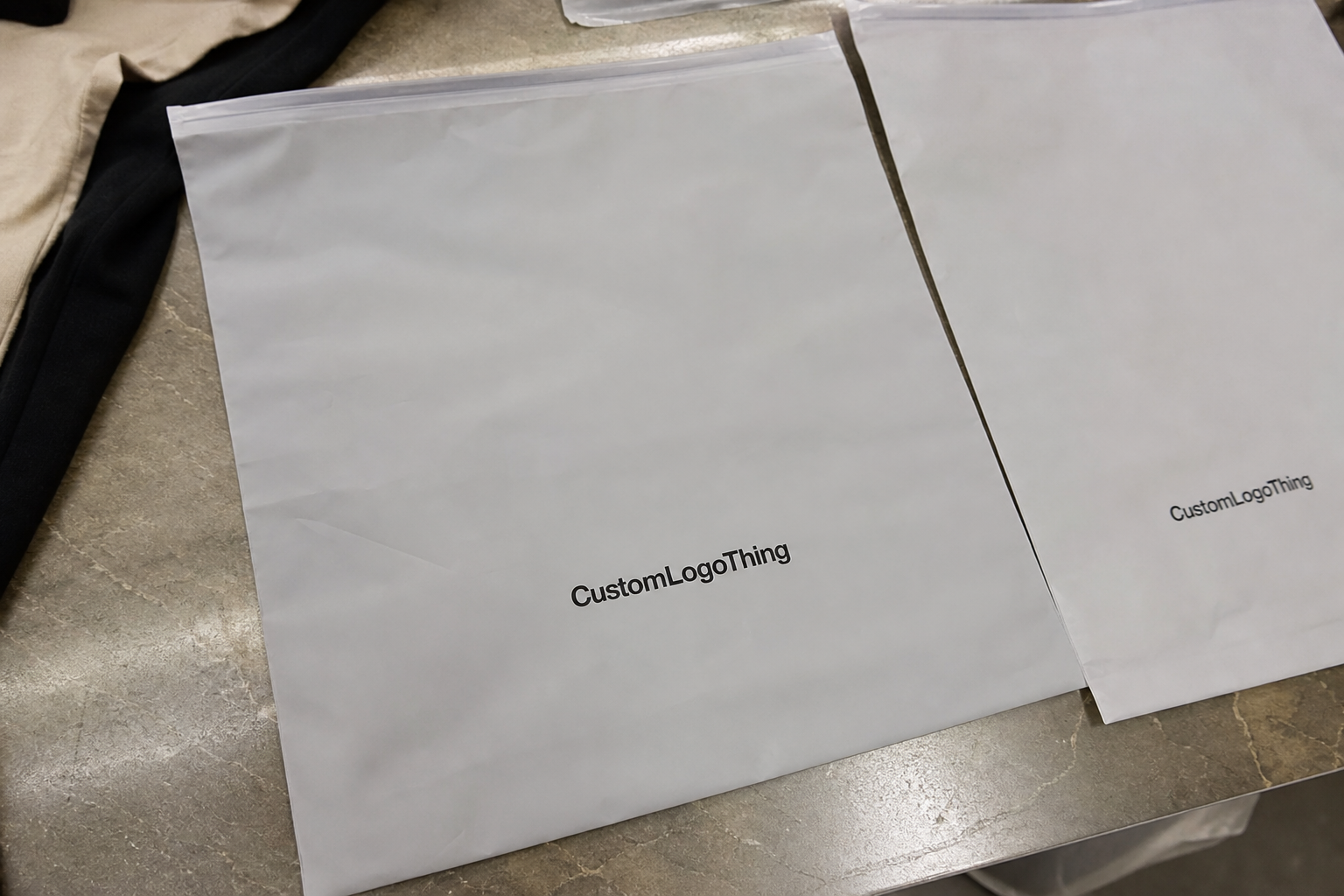
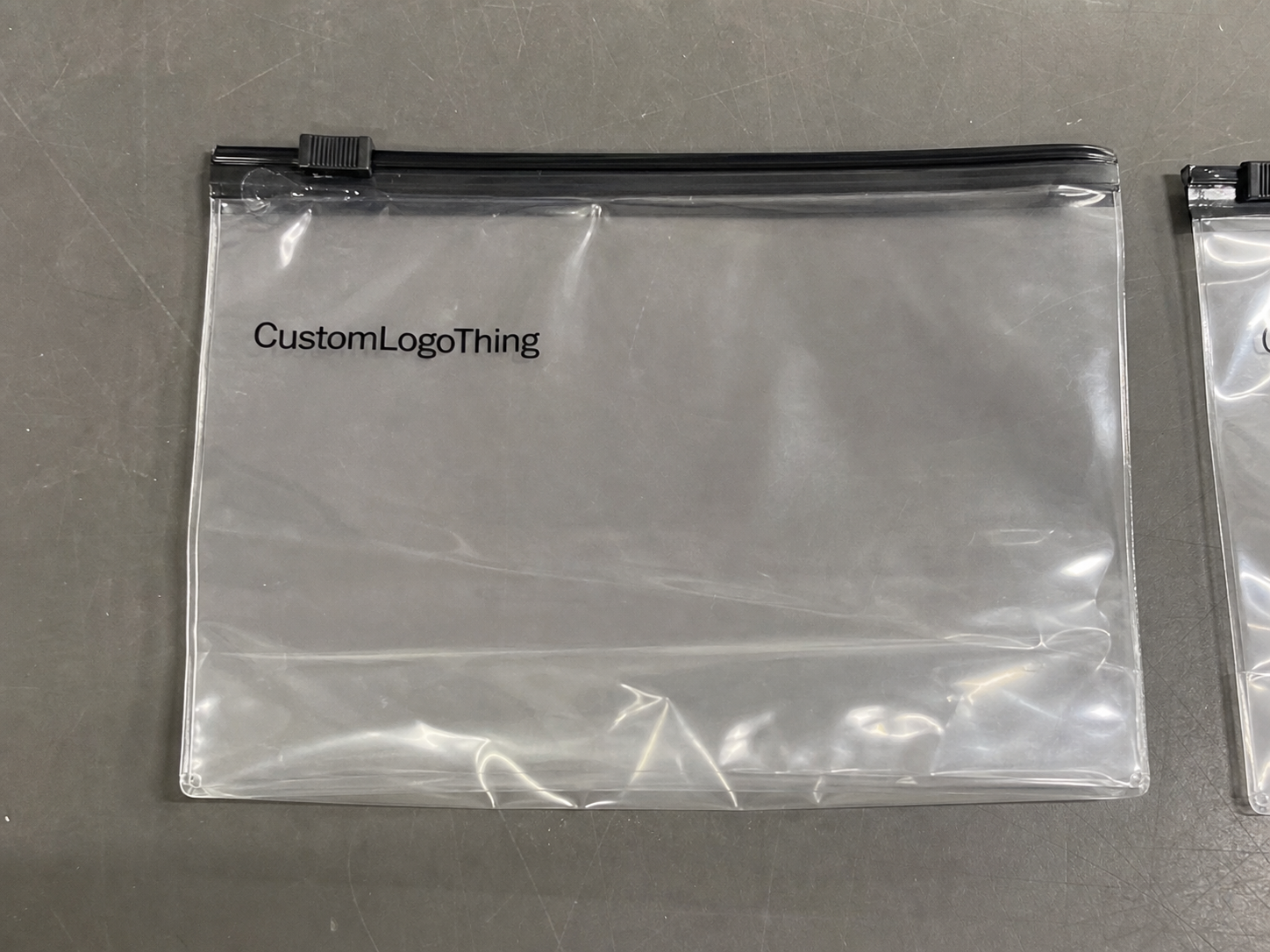
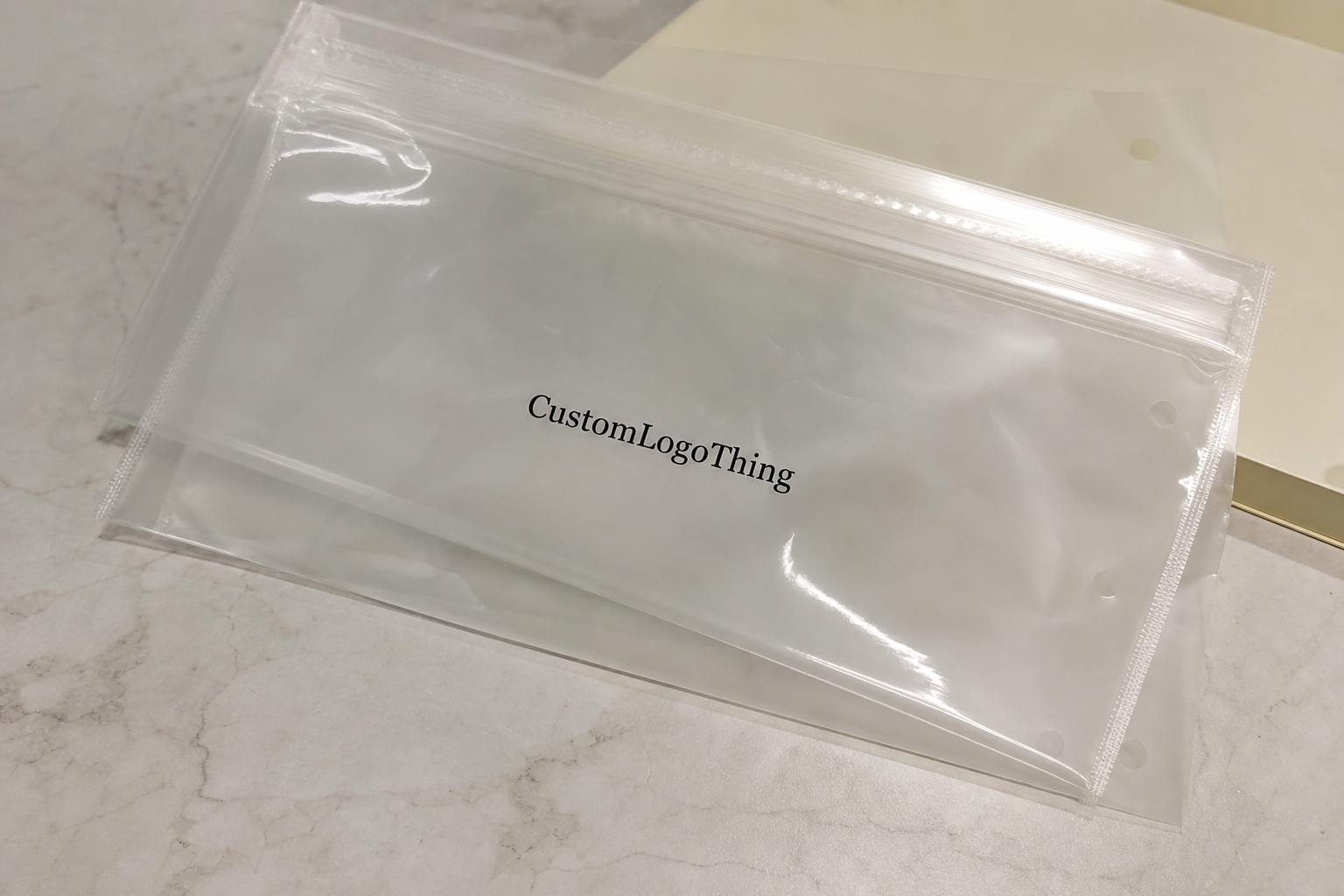
Custom printed canvas tote bags do a lot of work for a brand before anyone even opens them. They feel substantial in the hand, they carry a logo into daily life, and they signal a little more care than a thin disposable bag ever will. That first tactile impression matters. People notice it fast, even if they do not say it out loud.
What gets overlooked is that a tote is judged on more than print. Fabric weight, handle feel, structure, foldability, and overall finish all affect how the bag reflects on the brand. Buying well is less about chasing the lowest quote and more about matching the bag to the use case, the print method, and the experience you want customers to remember.
Why canvas totes feel premium the moment customers pick them up
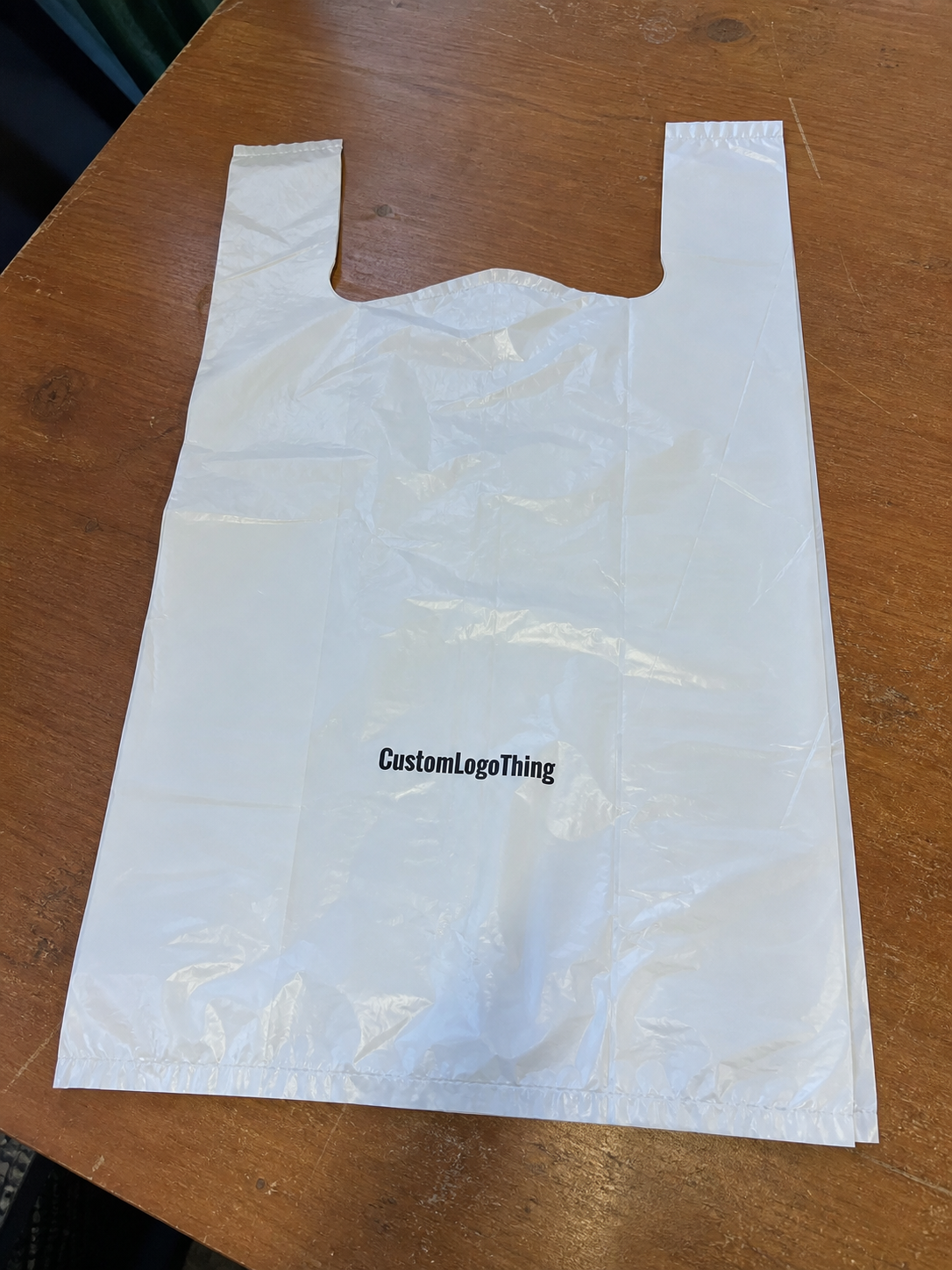
A tote gets evaluated in seconds. Someone lifts it, feels the body of the bag, glances at the logo, and decides whether it feels like a keepsake or just another handout. In practice, hand-feel and structure usually matter more than a polished mockup on screen.
Canvas is a woven cotton or cotton-blend fabric with enough body to hold up at retail counters, events, and in everyday carry. Lighter canvas can still look clean and useful, but heavier constructions tend to give better shape, better perceived value, and a longer usable life. That is one reason custom printed canvas tote bags show up so often in branded packaging, gift-with-purchase programs, and retail merchandising.
The main decisions show up early: fabric weight, handle style, color, print method, and intended load. A tote meant for a trade show handout does not need the same structure as one sold in a boutique or used as packaging for a premium item. Match the bag to the job, and the value starts to make sense.
A good tote should feel like part of the brand experience, not just a carrier for it.
Brands also like the longer life cycle. A reusable bag keeps the logo visible long after the original purchase, which is a real advantage over single-use packaging. If your packaging already includes custom printed boxes or wrapped inserts, the tote can extend that brand presence into everyday use without getting theatrical about it.
How printing works on canvas fabric
Printing starts with artwork setup, and that step can make or break the final result. A clean vector file in AI, EPS, or print-ready PDF format is usually the safest choice because it keeps edges sharp when scaled. Raster art can work too, but only if the resolution is high enough and the details are not too fussy.
Canvas has texture. That means tiny type, hairline strokes, and delicate gradients are more difficult than they look on a monitor. Ink sits differently on woven fibers than it does on smooth coated stock, so a thin serif font or a pale gray fade may lose clarity. This is where first-time buyers get surprised: the art is not bad, it is just too delicate for the material.
Common print methods include screen printing, heat transfer, and digital printing. Screen printing is the workhorse for bold logos and larger quantities because it gives solid coverage and reliable color consistency. It handles one-color and two-color designs especially well, as long as the artwork has strong contrast. Heat transfer can be useful for shorter runs or more complex multicolor graphics. Digital printing is often chosen for detailed art when the quantity does not justify screens.
Here is the practical comparison most buyers need:
| Print Method | Best For | Typical Strength | Watch-Outs |
|---|---|---|---|
| Screen printing | Bold logos, simple artwork, larger orders | Strong color, good durability, lower unit cost at scale | Screen setup adds upfront cost; fine detail is limited |
| Heat transfer | Short runs, multi-color logos, variable art | Flexible setup, good for smaller quantities | Finish can feel less integrated than ink on fabric |
| Digital printing | Detailed images, smaller runs, complex art | Good for gradients and photographic looks | Durability and feel depend on fabric and ink system |
After printing, the ink or transfer has to be cured or dried properly so it bonds as intended. That part is not glamorous, but it matters for washability and longevity. A well-cured print resists cracking and fading much better than one rushed through drying. Quality checks should also confirm color placement, print alignment, and whether the weave has affected edges or small text.
For buyers who care about handling and transit, it helps to think beyond the print itself. Packaging and promotional items often get judged by how well they hold up in shipping and repeated use, and organizations such as ISTA are a useful reference point when you want to think seriously about performance under real transport conditions.
Material, size, and decoration choices that change the final result
Canvas weight is one of the easiest spec lines to overlook and one of the most important. A lighter bag in the 6 oz to 8 oz range can work well for giveaways and event use, especially if the contents are not heavy. A heavier bag in the 10 oz to 12 oz range feels more retail-ready, holds shape better, and usually reads as a more premium packaging choice.
Size should follow use, not guesswork. A compact tote may be fine for literature, samples, or a small gift set. A wider bag with a deeper gusset is more useful for shopping, apparel, or multi-item purchases. If the tote is part of a packaging program, it should fit the actual box, bottle, or bundle the customer is carrying. That sounds basic. It still gets missed.
Handles matter more than many buyers expect. Short handles create a hand-carry feel, while longer shoulder straps make the tote more comfortable for commuting or trade show use. Gussets and bottom structure change capacity, but they also change the way the bag stands on a counter, which affects presentation in retail displays and gift sets.
Decoration choices shape the result just as much. One-color graphics are usually cleaner, cheaper, and more durable-looking. Multi-color artwork can be attractive, but every added color can increase setup complexity, registration risk, and cost. A large ink coverage area can look striking, yet it also changes hand-feel; a heavy print may stiffen the bag a bit.
Common spec choices buyers compare
- Fabric weight: lighter promotional feel versus heavier premium feel.
- Bag size: flat, gusseted, or oversized carry format.
- Handle length: hand-carry or shoulder-carry.
- Print coverage: small logo, full front, front and back, or wrap.
- Color selection: natural, black, white, or dyed canvas for stronger brand matching.
If you are building a broader branded packaging program, it helps to think of the tote alongside the rest of the packaging stack. A tote that complements custom printed boxes and tissue can lift the whole unboxing story, while a bag that clashes with the product packaging can make the brand feel less coherent. For more packaging formats, see Custom Packaging Products.
Custom printed canvas tote bags cost, MOQ, and unit pricing
Pricing is usually driven by five things: fabric weight, bag size, number of print colors, how many sides are decorated, and total quantity. Simple one-color runs on standard canvas usually cost less than multi-color artwork on heavy fabric with print on both sides. That sounds obvious, but the quote spread can still surprise buyers if they are comparing different specs without realizing it.
MOQ, or minimum order quantity, has a real effect on unit price. Small runs often carry a higher per-bag cost because setup work gets spread across fewer units. Larger runs tend to reduce the unit cost because screens, file prep, and proofing are amortized over more bags. Setup fees may look small on paper, but they matter on the first order more than on a reorder.
For a practical sense of scale, a simple promotional tote with one-color screen printing might land around $0.90 to $1.80 per unit at higher quantities, while heavier retail-style bags with more decoration can move well above that. Smaller runs can cost significantly more per bag. The exact number depends on ink coverage, bag spec, and whether the printer is pulling stock from inventory or manufacturing to order.
Here is a buyer-friendly way to compare quotes:
| Quote Element | What It Can Hide | Why It Matters |
|---|---|---|
| Very low unit price | Thinner fabric, smaller print area, limited color options | May reduce durability or brand impact |
| Moderate unit price | Balanced fabric weight and standard decoration | Often the best value for most programs |
| Higher unit price | Heavier canvas, larger imprint, special finishing, custom sizing | Can be worth it for retail packaging or premium gifting |
Comparing apples to apples is the real skill. Ask for the fabric weight in ounces, the exact dimensions, the print method, the number of ink colors, and whether setup fees are included. A quote that looks higher at first can actually be better value if it uses thicker canvas, cleaner printing, and more reliable finishing.
For sourcing decisions that touch sustainability, it helps to think about responsible materials and chain of custody more broadly. The FSC is not a canvas tote standard, but it is a useful reference for packaging components and paper-based materials that may sit alongside the bags in a broader program.
Production steps and timeline from artwork to delivery
The workflow is straightforward, but each step has a place where delays can creep in. It usually starts with a quote request, then spec confirmation, then artwork proofing, followed by a sample or virtual proof, production, finishing, and shipping. If approvals keep moving, the rest is manageable.
Artwork changes are the most common slowdown. PMS color matching, logo redraws, and size adjustments can add a day or two, sometimes more if multiple people need to sign off. Buyers also lose time when the print area was not defined clearly at the beginning, because the proof has to be revised before production can start.
Lead time depends on quantity and decoration method. Simple one-color screen prints can often move faster than multi-color or multi-location jobs. If the canvas color is stocked and the artwork is approved quickly, production may take roughly 12 to 15 business days from final proof approval. Larger orders, custom sizes, or seasonal rushes can extend that timeline.
Give extra time for events, retail launches, or product rollouts. If the tote is needed for an opening day, a trade show, or a subscription drop, place the order early enough that a revision or shipping delay does not turn into a problem.
Quality-minded buyers often ask about load and construction. Fair question. If the tote will carry heavier products or ship inside a larger package, check seams, handle attachment, stitch count where possible, and overall load expectations. ASTM-based thinking about material performance is useful here even when the tote is not going through a formal lab program.
Common ordering mistakes that weaken the branding payoff
One of the biggest mistakes is choosing a bag that is too thin for the intended load. A lightweight tote may be perfectly fine for handouts, but if customers are expected to carry bottles, boxed goods, or several items at once, the bag can lose shape fast. That hurts the presentation and may shorten useful life.
Another common issue is artwork that looks beautiful on a monitor but fails on woven fabric. Fine lines, tiny legal text, low-contrast gray on beige canvas, and subtle gradients are all risky if the print method is screen printing. The design can still be adjusted, but only if the problem is caught early.
Handle length and seam placement deserve more attention than they usually get. A logo too close to a seam may distort slightly, and a handle that is too short can make the tote inconvenient to use. Those details matter because a bag that is awkward to carry stops being reused, which weakens the brand exposure you paid for.
Finally, ordering by price alone is a false economy more often than not. A lower quote might mean thinner fabric, smaller imprint area, fewer proof checks, or less reliable print durability. For custom printed canvas tote bags, the better question is not “What is the cheapest option?” but “Which spec gives the strongest mix of value, durability, and brand fit?”
Expert tips for getting sharper prints and better value
Keep the artwork bold. High-contrast graphics print cleaner on canvas than delicate artwork, and they stay readable from a distance, which is exactly what you want from a reusable promotional item. If the logo has thin strokes, ask for a proof at actual size before approval.
Match tote color to legibility, not just taste. Natural canvas is classic and easy to work with, but black, navy, or dyed canvas can help a light logo pop. The tradeoff is that darker fabrics may need a different print approach or underbase, which can affect cost and finish.
Ask for the basic spec sheet in writing: fabric weight, dimensions, handle length, print area, and production method. You want those details locked before the order goes forward, especially if the bags are tied to a launch or paired with other branded packaging pieces.
There are a few sourcing habits that usually improve value:
- Plan reorders in sensible batches so the first setup cost is not repeated too often.
- Confirm whether the bags will be folded, boxed, or bulk packed for delivery.
- Choose a tote size that fits the actual product, not just a marketing idea of “big enough.”
- Keep the design simple if visibility matters more than artwork complexity.
From a packaging design perspective, the best tote is usually the one that quietly does its job: looks good, holds up, and makes the brand easier to remember. That is where product packaging and retail packaging overlap with utility, and it is usually where the better buying decisions live.
Next steps for ordering custom canvas totes with confidence
Before placing an order, get clear on five things: intended use, target quantity, artwork file type, preferred bag size, and budget range. Those inputs shape almost every other decision, including print method and lead time.
Then compare at least two spec sheets side by side, not just two prices. One quote may include heavier canvas, cleaner print coverage, or better finishing. Another may look cheaper but give you less durability or less usable print area. That comparison is where smarter buying happens.
Confirm the print method, the final proof, and the expected timeline before production starts. If the bags need to arrive before a launch, trade show, or seasonal promotion, build enough buffer to handle a revision or a shipping delay without stress.
Gather the artwork, define the use case, Request a Quote, and review the proof carefully before production. That sequence goes a long way toward getting custom printed canvas tote bags that feel right in the hand, represent the brand well, and support the broader packaging experience customers remember.
FAQ
What is the best print method for custom printed canvas tote bags?
Screen printing is often the best choice for bold logos, simple artwork, and larger quantities because it gives strong coverage and consistent color. Digital printing can work well for detailed designs or smaller runs, while heat transfer may suit short-run or multi-color jobs. The best method depends on the fabric, the art, and how the tote will be used.
How do I choose the right canvas weight for tote bags?
Choose lighter canvas for event giveaways and budget-friendly promotions where the tote will carry lighter contents. Choose heavier canvas for retail packaging, premium branding, or everyday use because it holds shape better and usually feels sturdier. The contents matter too; a bag that carries boxed goods or bottles needs more structure than one holding brochures.
Why does the unit cost drop as the order quantity increases?
Setup work such as screen prep, file adjustment, and proofing gets spread across more bags as the quantity rises, so the cost per unit falls. Larger runs can also reduce material costs. Even so, a lower unit price is not always the best value, because fabric weight, print durability, and finishing quality still matter.
How long does production usually take for custom canvas totes?
Lead time depends on quantity, decoration method, artwork approval speed, and whether the bag style is in stock. Simple one-color orders can move faster than more complex multi-color or multi-location prints. A realistic planning window often starts around 12 to 15 business days after final proof approval, but that can extend during busy periods.
What artwork files work best for canvas tote printing?
Vector files such as AI, EPS, or PDF are usually preferred because they scale cleanly and preserve sharp edges. High-resolution raster files can work if they are large enough, but small text and fine details may need adjustment. Sharing brand colors and placement preferences early helps make the proof match the intended look.