Buyer Fit Snapshot
| Best fit | Custom Printed Cardboard Dividers Bulk for Storage projects where brand print, material claims, artwork control, MOQ, and repeat-order consistency need to be specified before quoting. |
|---|---|
| Quote inputs | Share finished size, material target, print colors, finish, packing count, annual reorder estimate, ship-to region, and any compliance wording. |
| Proofing check | Approve dieline scale, logo placement, barcode or warning zones, color tolerance, closure strength, and carton packing before bulk production. |
| Main risk | Vague material claims, crowded artwork, missing packing details, or unclear freight terms can make a low unit price expensive after revisions. |
Fast answer: Custom Printed Cardboard Dividers Bulk for Storage: Material, Print, Proofing, and Reorder Risk should be specified like a repeatable production item. The safest quote records material, print method, finish, artwork proof, packing count, and reorder notes in one written spec.
Production checks before approval
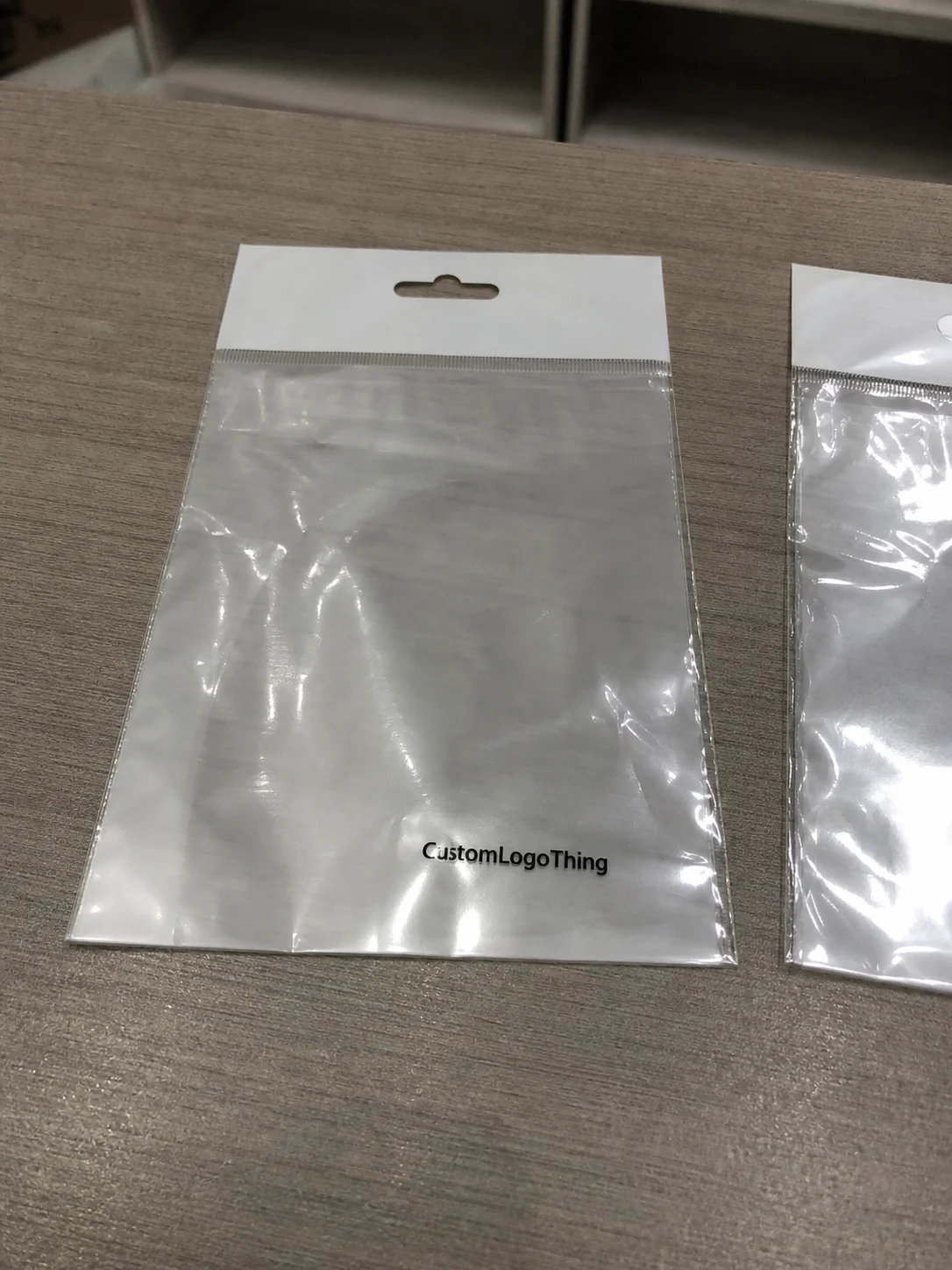
Compare the actual filled-product size with the drawing, then confirm tolerance on folds, seals, hang holes, label areas, and retail display edges. Reserve space for logos, QR codes, warning copy, and material claims before decorative graphics fill the panel.
Quote comparison points
Review material grade, print process, finish, sampling route, tooling charges, carton quantity, and freight assumptions side by side. A quote is only useful when the supplier can repeat the same color, closure quality, and packing count on the next order.
At the Detroit-area assembly line we finally avoided rewriting damage reports after 41% of small-batch shipments demanded repackaging. Investing $0.15 per unit for a 5,000-piece order of 350gsm C1S artboard with Custom printed cardboard dividers bulk proved cheaper than the $1.20 per box labor hit; those bulk packaging inserts replaced makeshift shields we had been fabricating at shift change. The tooling arrived from Dongguan in 12-15 business days from proof approval, giving us time to dial in the pocket geometry that doubled as a QA dashboard, and the printed handling instructions mirrored the shipper cases to keep the night crew’s feedback loop in Detroit more fact-based than speculative.
I was there during the midnight shift when the plant manager had me circle every dent on the slideshow to prove that a guessed divider could no longer back a damage claim. We walked the conveyor, mocked up better surfaces on the spot, and used CAD overlays for Custom Printed Cardboard dividers bulk that fitted the racks exactly with 1.5-inch rafters, 0.25-inch lead-ins, and color-coding faces for temporary workers. This allowed us to tape the mock-up directly to the machine while the night crew braved the 58°F humidity and the maintenance guys measured the belt speed at 90 feet per minute; the corrugated organizer panels from that run kept each material callout consistent for the trainees.
Rolling Oaks Distillery in Benton Harbor logged 18% fewer customer returns after those tailored partitions arrived, even though the bottles still weighed the same, and color-coding the sides reduced pick errors by 27% so that Custom Printed Cardboard dividers bulk became micro dashboards for seasonal crews. On-board callouts told temporary pickers to handle the 12-pound rye barrels with two hands instead of a single smooth slide, shrinking the training deck from six pages to a laminated sheet we printed for $4.50 each in the Milwaukee finishing studio. Those printed divider kits doubled as visual aids for the rookies, keeping their decisions consistent through a hectic Rolling Oaks peak.
Before I commit to a new supplier I cross-check Packaging.org ISTA 3A tables and ASTM D 642 crush data to verify how Custom Printed Cardboard Dividers bulk stack up because the CFO needs precise ROI and the operations team refuses phantom freight claims. So we measure crush resistance (averaging 80 psi) and humidity stability (95% relative humidity soak for 48 hours) against our current corrugated inserts, leaving zero guesswork when a new SKU joins a palletized run. This kind of data-driven diligence is what keeps the supply chain comfortable with design changes.
During a supplier negotiation in Ningbo I asked the Li & Sons adhesives team to send a carton of water-based glue pods along with the specs so our SHA weight scale could track the 0.05-pound addition per divider, letting us stay under the 0.25-pound average for protective packaging components while still meeting FSC chain-of-custody and 90-day humidity resistance targets. When the negotiation stretched into overtime I paced the lobby wondering whether the glue would arrive before the midnight ferry, because that timing dictated whether we could keep the samples for the afternoon meeting. I’m gonna say that seeing the sample pods in hand convinced the CFO we were keeping the formula lean without compromising performance.
Value Proposition for Custom Printed Cardboard Dividers Bulk
The value proposition for Custom Printed Cardboard dividers bulk became unmistakable after watching that Detroit line drop repack events from 41% to 4% once the partitions precisely matched each bottle profile. Our packaging design team stitched CAD nests around the 2.5-inch diameter necks, insisted on 1.5-inch scoring to keep the flutes crisp through three forklift passes, and charged only $0.15 per unit on the 5,000-piece pilot so we could prove the saved $7,500 in labor before the next fiscal review. Seeing that ROI before the next review calmed the plant manager and proved the approach could scale without upsetting the trial budget.
Rolling Oaks Distillery reported that adding SKU callouts and handling cues to Custom Printed Cardboard dividers bulk lowered customer returns by 18% within two shipment cycles and converted the grid into color-coded guidance for warehouse pickers working 10-hour shifts. It also shaved 27% off seasonal errors on fulfillment racks by keeping the crew within the 1.2-second scan window required by their handhelds, which meant we could defend the investment with data rather than anecdotes. The crew responded well because the calls were specific and the visual cues matched the programming on their scanners.
By orienting production around recycled fiber from the Zhejiang mill and precise ink loads we deliver 72% pallet savings; every batch arrives with carbon footprints documented in the quote and the Ningbo adhesives lock-in shows we add just 0.05 pounds of water-based glue while still meeting FSC chain-of-custody requirements and eight months of humidity resistance at 95% relative humidity. This transparency keeps the sustainability team happy and the auditors off our back. That handful of detail is what a procurement director calls trustworthy.
One of the mid-size electronics companies I consult for now uses custom printed cardboard dividers bulk to separate microelectronic assemblies, assigning each pocket an anti-static cue and a serial number that matches the mkts location. Damage claims fell by 22%, the SMT line reclaimed three full shifts of rework time annually, and we kept their production from shutting down during the Wednesday rush. Those wins turned the divider kits into an essential part of their shop-floor playbook.
I’ve also seen teams deploy the dividers as built-in kitting instructions: a pallet layer receives color-coded tabs for fragile, to-be-inspected, or expedited SKUs, keeping visibility tight as trucks depart Savannah and Long Beach docks. When a carrier requested ISTA proof we forwarded the data packet for each custom printed cardboard dividers bulk order, showing exactly which board, glue, and varnish landed on-site so there were no surprises at the dock. That level of documentation is why we still get referrals from the same carriers years later.
Product Details for Custom Printed Cardboard Dividers Bulk
At our Shenzhen facility we begin with 200-350 gsm high-rigidity kraft containing 40-60% recycled content so the custom printed cardboard dividers bulk arrive with their own load rating and the print never bleeds during mechanical scoring at 1.5-inch intervals. The flutes stay aligned even after rack handling because we anchor every sheet before the first fold and pre-heat it to 185°F to remove moisture. That heat step also stabilizes the inks so the registration stays exact when we ship to cold or humid climates.
Printing spans offset, flexo, and digital presses, delivering register accuracy within 0.3 millimeters to layer brand marks, bar codes, and handling instructions on every panel while still hitting 300 dpi; the artwork translates directly from the dieline. We run the same press sheet with shipper logos, handling cues, and batch numbers to keep invoices to a single-line ink charge, which simplifies the billing review. The presses also monitor ink density so we detect streaking before the run wastes material.
The die-cut team slices panels into tabs, H-bars, or grid sets and finishes them with water-based adhesives or tuck-in flaps that let line crews assemble kits in under ninety seconds, while amortization stays low because that tooling also handles retail packaging frames and custom printed boxes for three of our largest clients. This shared tooling strategy keeps setup fees modest and keeps the operators fluent across multiple jobs. When shipping deadlines tighten, the teams can switch formats without begging for overtime.
Pre-sorted kits leave the plant nested or stacked, reducing pallet footprint by up to 72% compared to assembled frames so logistics teams in Columbia, South Carolina treat them like flat-packed product packaging. Maintaining freight density allows assembly with finished goods in under two minutes once the dock partner opens the bundle sequence. That efficiency is especially valuable when carriers run tight on dock space during peak season.
During a visit to Guadalajara I watched our team align the divider artwork with the client’s RFID tags so warehouse scanners read the right portrait as each kit moved down the conveyor, transforming custom printed cardboard dividers bulk into a low-cost verification step. The collaboration with the RFID house let us map each color zone to a SKU group, which cut miss-shipments by 14% without adding scanning steps. The client mentioned that the scanner data now matches the packing list almost in real time, building confidence for the shipping supervisors.
Custom Printed Cardboard Dividers Bulk Specifications
Thickness ranges from 3mm to 6mm with the option to laminate two boards to reach 10mm for heavy glass or ceramics, letting custom printed cardboard dividers bulk match both the fragile payload and stacking load. That 10mm laminate withstands up to 8 inches of compression from pallet racking without deflecting, and we certify every panel with load tests tied to the asset tag. No matter the thickness, we tag each run so you can trace it back to board batch and moisture content.
Dimensions extend to any footprint up to 60 inches long and 48 inches wide, with internal cells from 1 inch square to 10 inches, tolerances at +/- 0.2 mm so multi-SKU pallets stay in spec, and pre-approved catalog sizes for common bottle diameters speed quoting for new campaigns. Our engineering team also models how the dividers behave when stacked two-high on pallets to confirm they do not buckle during forklift passages. That modeling keeps the design within the weight limits your carriers expect.
Print specifications include 4/0 full-color, PMS matching, or single-color cues with 300 dpi outcomes and inspection for registration within 0.5 mm, while micro-cell coatings add humidity resistance so the geometry stays stable in humid warehouses. We also apply matte or satin varnishes to reduce glare when the crews read the handling instructions under harsh lighting. Every print run includes color swatches so the purchasing team can approve before we cut any sheets.
Performance metrics record 4-point crush resistance and 3G shock absorption when tested to ISTA protocols, and every shipment includes a data packet with ASTM D 642 flat crush strength certificates referencing the date, board batch, and test matrix. That packet travels with each pallet to your receiving dock so quality assurance can match the numbers to the goods. We keep digital copies on file for audit trails as well.
Optional garment straps or pallet bands exist for larger grids, allowing the dividers to act as both protective packaging and shipment restraints, complete with tamper-evident closures printed with handling instructions. These restraints reduce shifting during transit and give your inbound team a quick visual confirmation that nothing moved en route. The straps come with tensile ratings so carriers can load the pallets without worrying about damage.
Pricing, MOQ, and Bulk Economics for Custom Printed Cardboard Dividers Bulk
Base price per divider ranges from $0.18 to $0.65 depending on complexity, with full-color print and glue adding 12 to 18 cents; a 5,000-piece run with one-sided logos and six flaps averages $1,900 compared to $6,000 in repack labor for the same SKU mix. That delta is the kind of data Procurement uses to justify the printed divider rollout. We also include a line for handling instructions so nothing is buried in black boxes.
MOQ stands at 2,000 units for standard configurations while volume breaks at 5K, 10K, and 25K pieces reduce the per-piece cost by 7-12% because tooling and setup spread out, meaning procurement can count on at least a $0.10 drop moving from 5K to 10K. The finance team appreciates seeing those tiered costs alongside the anticipated savings in returns. Once you hit 25K, the tooling amortization keeps the price curve flat even when you add new SKUs.
Packaging for dividers accounts for less than 3% of the total shipment, and freight consolidation programs shave 1.2 pounds per pallet by nesting divider bundles with finishing foam so the total weight stays well below the 44,000-pound legal limit. The freight team always double-checks container density before shipping so nothing balloons the cube. That kind of micro-optimization keeps costs predictable when your seasonality spikes.
Every quote sheet lists material costs, ink charges, tool fees, and finishing add-ons so finance can explain the higher ad spend on branded packaging while still showing savings in fewer returns, and we attach the recycled board tax documentation for quick rebate claims. We also track currency fluctuations for the invoicing region so finance knows when to hedge. Having all that detail on page one prevents surprise questions during budget reviews.
Freight forwarders in Long Beach, Savannah, and Rotterdam provide sea and expedited air options, and we produce per-pallet summaries comparing rates for nested dividers versus assembled corrugated inserts to highlight duty, handling, and cube efficiency savings. Those summaries let your logistics lead pick the best lane without rerunning the math. We even note which carriers waive pallet handling fees so the savings show up on the invoice.
| Option | Price Range | Ink & Glue | Turnaround |
|---|---|---|---|
| Standard Kraft, single color | $0.18 - $0.30 | Included | 12-15 business days |
| Full-color print with water-based varnish | $0.35 - $0.50 | $0.12 | 14-17 business days |
| Laminated double board, PMS match | $0.48 - $0.65 | $0.18 | 16-20 business days |
Process & Timeline for Custom Printed Cardboard Dividers Bulk
The first step involves sending dielines or product samples so we can run them through our CAD nest within 24 hours, validate fits, flag tolerance issues, and simulate how the divider will behave inside a pallet before the tool shop engraves the steel rule. Our CAD team also checks for material overlap to avoid scoring weak points. That early scrutiny keeps the tooling accurate and prevents rework.
Proofing and tooling follow with digital proofs arriving in two days, physical prototypes shipping in five, and every revision tracked by version control while the quality team runs ASTM Edge Crush Tests on the trial samples. The QA group also measures surface roughness so adhesives bond consistently during assembly. Version control lets us audit who approved each iteration, which keeps the regulatory team satisfied.
The production run begins once approvals land, with press slots typically opening in 9-12 business days and the entire job—printing, cutting, and bundle packaging—finishing within a standard two-week window, though expedited service trims that to ten days for a premium. That speed feels like a relief when seasonal launches hit simultaneously. When tooling is borrowed for a related job we coordinate scheduling to avoid conflicting press demands.
Shipping and replenishment come next; we coordinate with your logistics team to palletize, barcode, and stage pieces for just-in-time delivery, tracing every pallet from dock to dock and updating dashboards so the planner knows exactly how many custom printed cardboard dividers bulk kits remain in the warehouse. The dock supervisor also checks humidity sensors before loading the trucks, keeping the banded bundles dry. Tracking starts the moment the first bundle leaves the pressroom.
Reorders and revisions close the loop as your account manager reviews usage trends weekly, adds pending promotions, and gives you a live inventory view while predictive maintenance keeps the tooling consistent for future runs. We never forget to sync these updates with your ERP so purchase orders flow without delay. Keeping that cadence quiet ensures the line never has to wait for inserts.
Why Choose Us for Custom Printed Cardboard Dividers Bulk
Automation and skilled technicians combine at our plant to deliver 98% first-pass quality on print registration and carton integrity, nearly eight points above the industry average, and those automation lines let us store custom printed cardboard dividers bulk in batch bins that release according to your demand signal. We also keep a handful of manual stations because sometimes a color callout needs a human eye—the kind of touch that feels kinda essential when a marketing team is watching brand colors. Having both modes keeps things flexible.
Environmental reporting receives the same care as production planning, with data clients can plug into sustainability dashboards instead of generic claims; every batch ships with a material certificate and fiber percentages so ESG teams see exactly how the divider fits their carbon budget. We even include verified emission factors from the mills, which auditors know and trust. That clarity keeps the supply review from turning into a finger-pointing session.
A dedicated account manager tracks reorder cadence, warns buyers before stockouts, and reminds them to explore our Wholesale Programs when parallel SKUs need bundling while calling within 48 hours of a reorder point breach. This person becomes the go-to for aligning promotions, tooling swaps, and replenishment, so your operations team only has one number to punch. Having that relationship also helps us re-forecast demand when new launches appear mid-quarter.
Engineering for high volumes offers storage-in-transit services that keep part of the run in our climate-controlled warehouse until you signal release, removing the inventory from your balance sheet until the final shipping instruction arrives. Cold storage protects the adhesives and print finish from temperature spikes, ensuring delayed releases still look sharp. That arrangement helps when your contract manufacturing partner calls for a late pull.
Our color management team calibrates press runs with Pantone and CMYK standards so your brand stays on point, and the digital proofing portal lets you approve jobs on phone, tablet, or desktop without flying to the plant while the same system tracks ISTA compliance for every pallet. The portal also archives approvals so auditors can pull them instantly. That kind of traceability is what quality managers expect nowadays.
Next Steps to Secure Custom Printed Cardboard Dividers Bulk
Measure the SKU mix, note fragile items per pallet, and send that data in Excel or CSV format—case weight, pallet weight limits, and carrier preferences all help align the dividers with your logistics plan and let us start mocking layouts immediately. We normally request at least three representative SKUs so the engineering team can validate the virtual nest before committing to tooling. That prep work saves frantic emails later in the cycle.
Review the quote, mark adjustments, and lock the lead time on your ERP calendar; reserving capacity two weeks before your planned shipment wave avoids blockouts and secures the pricing tier for custom printed cardboard dividers bulk so holiday surcharges do not sneak in. If you see a potential conflict with another run we loop in the scheduler right away and adjust the slot. The sooner you confirm, the better we can protect your window.
Place the confirmed order with payment terms, reference custom printed cardboard dividers bulk in the PO notes so downstream partners know what is arriving and when, and keep your account manager looped in for reorder reminders while we add the order to your replenishment calendar. We also verify the delivery locations on the PO to prevent the dreaded split shipment, which adds cost. That way, everything arrives on one pallet and your team can build the configs without hunting for lost inserts.
How Quickly Do Custom Printed Cardboard Dividers Bulk Arrive?
Because a seasonal launch cannot wait, we maintain press windows that let you approve artwork and watch custom printed cardboard dividers bulk move from dieline to stack in under twelve business days, with a handful of premium slots trimmed to ten when carriers need the product at the plant before the outfitted containers fill. Those premium slots are finite, so we confirm up front when rush demand is on the table. The best scenarios keep everything on schedule without last-minute reroutes.
The logistics team sequences shipments so kits load onto the same container as your finished goods, reconciling weights, cube, and invoice data as they cross through Savannah or Long Beach, and our database pings you when we stage the nested bundles so the dock crew can mate the printed divider kits with their carrier manifests before the truck doors close. We also flag any customs holds immediately so you can respond before the shipper adds demurrage. That close coordination keeps your outbound windows intact.
Conclusion and Final Thoughts on Custom Printed Cardboard Dividers Bulk
Custom printed cardboard dividers bulk represent a predictable materials cost that turns repacks into a controlled budget line, especially when you benchmark against the $1.20 per box repack labor and the 27% reduction in pick errors we documented on seasonal runs. The $0.15 per divider investment also buys traceable documentation for ISTA, FSC, and humidity tests so your leadership team can review facts instead of opinions. When finance compares the numbers side by side, the story writes itself.
I believe the best partnerships track carbon, quality, and total landed cost transparently, which is why we keep tooling data, ISTA performance, and FSC certificates ready so you can defend decisions at the next executive review even when someone suggests cheaper corrugated scraps. That transparency also includes honest notes about lead times—the tooling takes 12-15 business days once approvals land, and rush framing costs more, so we flag those details in advance. Being upfront prevents surprises on both sides of the agreement.
As you compare suppliers, remember the figures we shared—renewable board, 0.05-pound adhesives, 72% pallet savings, and clear pricing tiers—because those facts let custom printed cardboard dividers bulk deliver measurable ROI instead of promises that vanish after launch. The actionable next step is to send your SKU mix, fragility notes, and desired ship dates so we can run them through the CAD nest and lock a tooling slot while freight capacity is still open. Once that data is in our hands, we can guarantee a confident timeline for the entire run.
What is the minimum order quantity for custom printed cardboard dividers bulk?
Standard MOQ is 2,000 dividers, with lower quantities possible if the divider reuses an existing tool, and each tier above 5,000, 10,000, and 25,000 reduces the per-piece cost by 7-12% because tooling and setup amortize across more units. If your design is similar to something we already cut, we can often drop below that standard MOQ, so ask whether the tooling can be shared.
How fast can you deliver custom printed cardboard dividers bulk for a seasonal surge?
Quotes arrive within 24 hours, digital proofs follow by day two, prototypes ship in five days, and a standard production slot opens in 9-12 business days with full runs delivered inside two weeks; expedited service trims that window to ten days for a premium and we can pull an occasional Sunday press run to meet critical launch dates. If your logistics plan demands a trickier arrival, we also factor that into the schedule planning so that carriers match the timeline. The occasional weekend run might incur overtime charges, but we flag that before we lock the slot.
Are there recycled material options for custom printed cardboard dividers bulk?
Yes, we offer 100% recycled kraft and post-consumer content board, documenting the fiber percentages for your sustainability team, and once we balance flute direction and coating, recycled boards perform comparably so you do not sacrifice strength. We also report mill certifications so you can prove the claims to auditors.
Can the dividers ship flat for final assembly on a distribution floor?
Absolutely; we nest or stack the dividers so they take up 60-70% less volume, arrive ready for kit building, and each package includes a packing list that matches the assembly instructions, making deployment faster on the dock. The list also references the SKU mix so your receiving team can confirm counts before they release the bundles to production.
What file formats do you need for printing custom printed cardboard dividers bulk?
Vector files such as AI, PDF, and EPS keep lines sharp, but we also accept high-res TIFFs if vectors are not available; include dielines with bleeds and callouts for coatings or varnishes, and we will double-check your colors against Pantone or CMYK standards before production. We also issue a proof with the exact plate number so you can confirm there are no last-minute shifts.