Buyer Fit Snapshot
| Best fit | Custom Printed Kraft Boxes Wholesale projects where brand print, material claims, artwork control, MOQ, and repeat-order consistency need to be specified before quoting. |
|---|---|
| Quote inputs | Share finished size, material target, print colors, finish, packing count, annual reorder estimate, ship-to region, and any compliance wording. |
| Proofing check | Approve dieline scale, logo placement, barcode or warning zones, color tolerance, closure strength, and carton packing before bulk production. |
| Main risk | Vague material claims, crowded artwork, missing packing details, or unclear freight terms can make a low unit price expensive after revisions. |
Fast answer: Custom Printed Kraft Boxes Wholesale: Specs, Pricing, MOQ should be specified like a repeatable production item. The safest quote records material, print method, finish, artwork proof, packing count, and reorder notes in one written spec.
Production checks before approval
Compare the actual filled-product size with the drawing, then confirm tolerance on folds, seals, hang holes, label areas, and retail display edges. Reserve space for logos, QR codes, warning copy, and material claims before decorative graphics fill the panel.
Quote comparison points
Review material grade, print process, finish, sampling route, tooling charges, carton quantity, and freight assumptions side by side. A quote is only useful when the supplier can repeat the same color, closure quality, and packing count on the next order.
I remember standing on a packing line in Columbus, Ohio, watching a 32 ECT kraft mailer survive transit better than a heavier-looking coated carton sitting right next to it. The buyer kept staring at it like the box had personally offended him. Then we ran the numbers. Custom Printed Kraft boxes wholesale can cut waste, freight weight, and damage rates at the same time, which is exactly why I keep recommending them to brands that want real packaging value instead of shiny distractions that look good for about five minutes.
I've spent more than 20 years around corrugators, folding lines, and print rooms in places like Shenzhen, Dongguan, and Chicago, and the same pattern keeps showing up: the smartest packaging decisions are usually the simplest ones. Honestly, I think people overcomplicate packaging because they want the box to do too many jobs at once. When a company buys Custom Printed Kraft boxes wholesale in the right structure, at the right board grade, with the right print method, the savings show up in shipping, in storage, and in how customers perceive the product before they even open it. That is not theory. That is what I have seen over and over again.
At Custom Logo Things, we approach Custom Printed Kraft Boxes wholesale as a practical packaging decision, not a design fantasy. You need specs that fit the product, pricing that makes sense at scale, and a production plan that does not create headaches for your warehouse team or your fulfillment partner. Nobody needs a box that makes the operations manager sigh before lunch (and trust me, they will remember). For many programs, we quote from factories in Guangdong and Zhejiang for lower-cost manufacturing, and we also work with North American converting partners in Illinois and Ontario when a faster domestic turnaround matters.
Why Custom Printed Kraft Boxes Wholesale Save Real Money
One of the first things I learned standing near a case erector at a Dayton, Ohio fulfillment center is that paperboard performance is not about looking expensive; it is about surviving the route in the least wasteful way possible. Kraft often outperforms fancier stocks in shipping because its stiffness-to-weight ratio is excellent, which means you can protect the product without paying for extra ounces that end up on a freight invoice. Freight companies are very happy to charge you for air. I am not. A 350gsm C1S artboard may look polished on a shelf, but for ship-safe packaging a 32 ECT or 44 ECT corrugated kraft build usually wins on cost per delivered unit.
Custom Printed Kraft boxes wholesale lowers unit cost for three reasons I have seen repeated across bakery runs, cosmetics launches, and apparel programs. First, shared setup costs get spread across more pieces. Second, gang-run efficiencies on the press reduce idle time. Third, carton utilization improves when the factory can nest more blanks on a sheet, especially on standard sizes like 6 x 4 x 2 inches or 10 x 8 x 4 inches. Simple sizes are boring. They also save money. Funny how that works. On a 5,000-piece run, I have seen basic one-color mailers land around $0.15 to $0.29 per unit depending on board grade and print coverage.
There is also the hidden savings that purchasing teams often miss on the first quote. A clean, properly sized kraft mailer can reduce void fill, which means less paper, less bubble wrap, and less labor at pack-out. Better shelf presentation can cut returns because customers do not receive crushed corners or messy inserts. In subscription packaging, a simpler fold structure can shave 4 to 7 seconds from every packing cycle, and across 20,000 units that is real labor money. If you have ever watched a team hand-pack boxes for eight hours straight in a Nashville warehouse, you know seconds are not “just seconds.” They pile up like forgotten shipping invoices.
I remember a meeting with a cosmetics client in Los Angeles who was spending heavily on high-gloss rigid cartons for a line of hand cream jars. The issue was not the carton cost alone; it was the damage rate caused by oversized packaging and too much internal movement. We shifted them into Custom Printed Kraft boxes wholesale with a tighter fit and molded insert, and their spoilage dropped enough that the operations manager actually called the second week to verify the counts. That kind of improvement is common when the box is designed for the product instead of for a mood board that never has to survive a truck ride.
For direct-to-consumer brands, kraft packaging sends a message of honesty and utility. Bakery businesses use it because the look feels clean and familiar. Apparel brands like it because it stacks well and prints nicely with understated logos. Cosmetics teams appreciate that kraft can make a brand feel grounded and premium without adding plastic-heavy embellishment. In each case, custom printed kraft boxes wholesale supports package branding that feels intentional, not forced. I have watched that same pattern hold up in Austin, Atlanta, and Toronto, where customers respond well to packaging that looks practical instead of precious.
Uncoated kraft is also easier to recycle in many curbside systems, and eco-minded buyers notice that. I am careful here, because recyclability depends on local collection rules, coatings, inks, and contamination, but plain kraft generally has a better environmental story than heavily laminated packaging. If your customer base cares about responsible materials, that can help conversion and reduce hesitation at checkout. People may not say “I bought this because the box was kinder to the planet,” but they absolutely notice when a brand looks like it thought things through. A 100% recycled kraft liner or an FSC-certified board option can make that story even more concrete.
For brands comparing packaging options, I like to think in terms of total cost per shipped order, not just cost per box. A carton that costs two cents more but saves one damaged shipment, one customer complaint, and four inches of void fill may actually be the lower-cost choice. That is the real business case behind custom printed kraft boxes wholesale. I have seen it play out on orders of 3,000 units in Texas and 50,000 units out of southern China, and the math still behaves the same.
Packaging standards and industry resources can help teams understand material testing and structural terminology, while EPA recycling guidance is useful when you want to align material choices with environmental messaging.
Custom Printed Kraft Boxes Wholesale: Box Styles and Uses
custom printed kraft boxes wholesale covers a family of structures, and the right one depends on product weight, shipping distance, and how the box will be opened. I have seen brands waste money on ornate packaging when a simple mailer would have done the job more reliably. Style selection matters because the structure drives labor, protection, and print impact. A box is not just a box. It is a tiny machine with a job to do, and a bad machine fails in the first 12 seconds of a fulfillment shift.
Common box styles I recommend
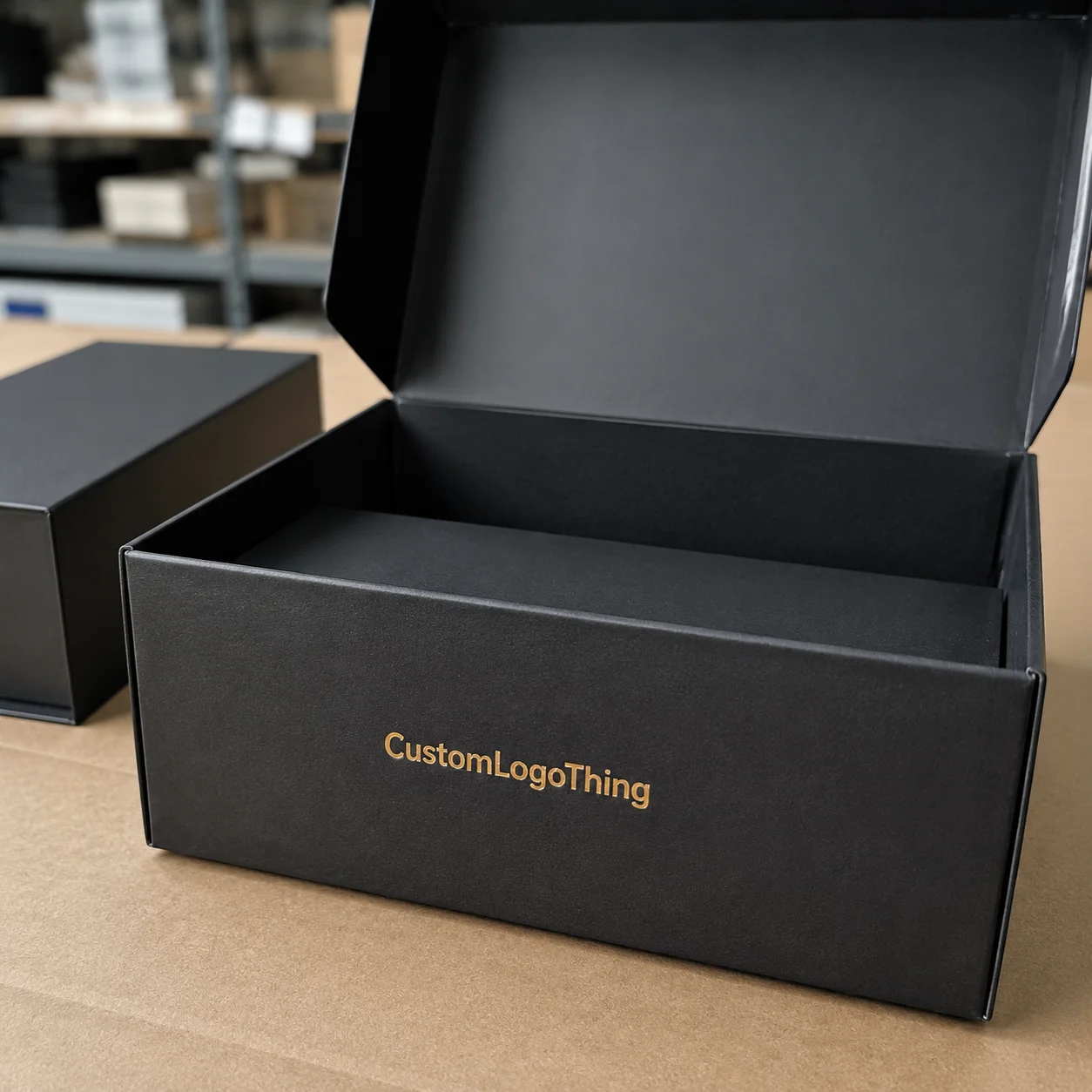
- Mailer boxes: Good for ecommerce, subscription kits, sample sets, and gift items. They usually ship flat and assemble quickly on a packing bench. In 6 x 4 x 2 inch and 9 x 6 x 3 inch sizes, they are one of the fastest options to run at scale.
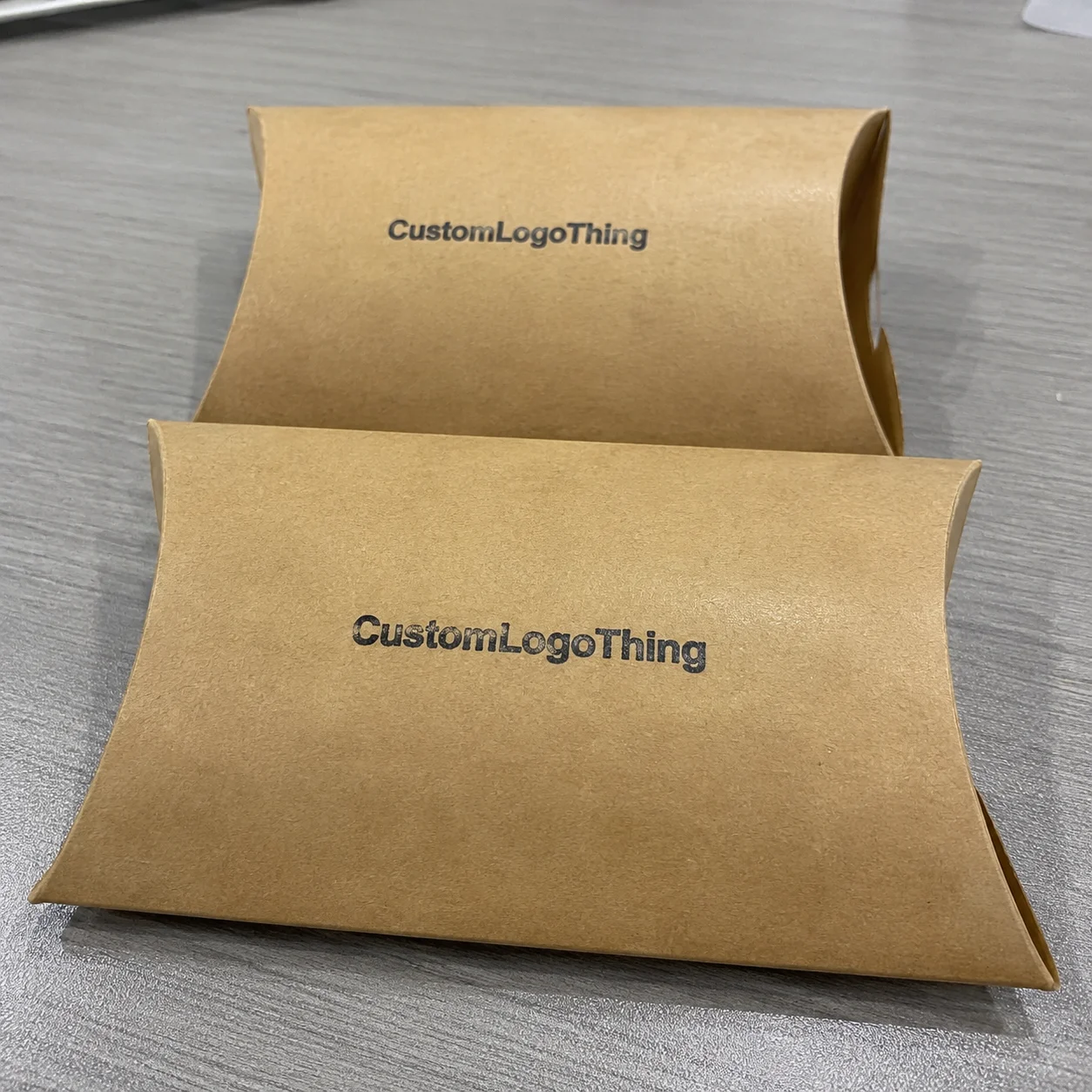
- Tuck end boxes: Best for lighter retail goods such as soaps, small candles, supplements, and cosmetics cartons. They often pair well with 300gsm to 400gsm paperboard, including 350gsm C1S artboard for premium shelf packaging.
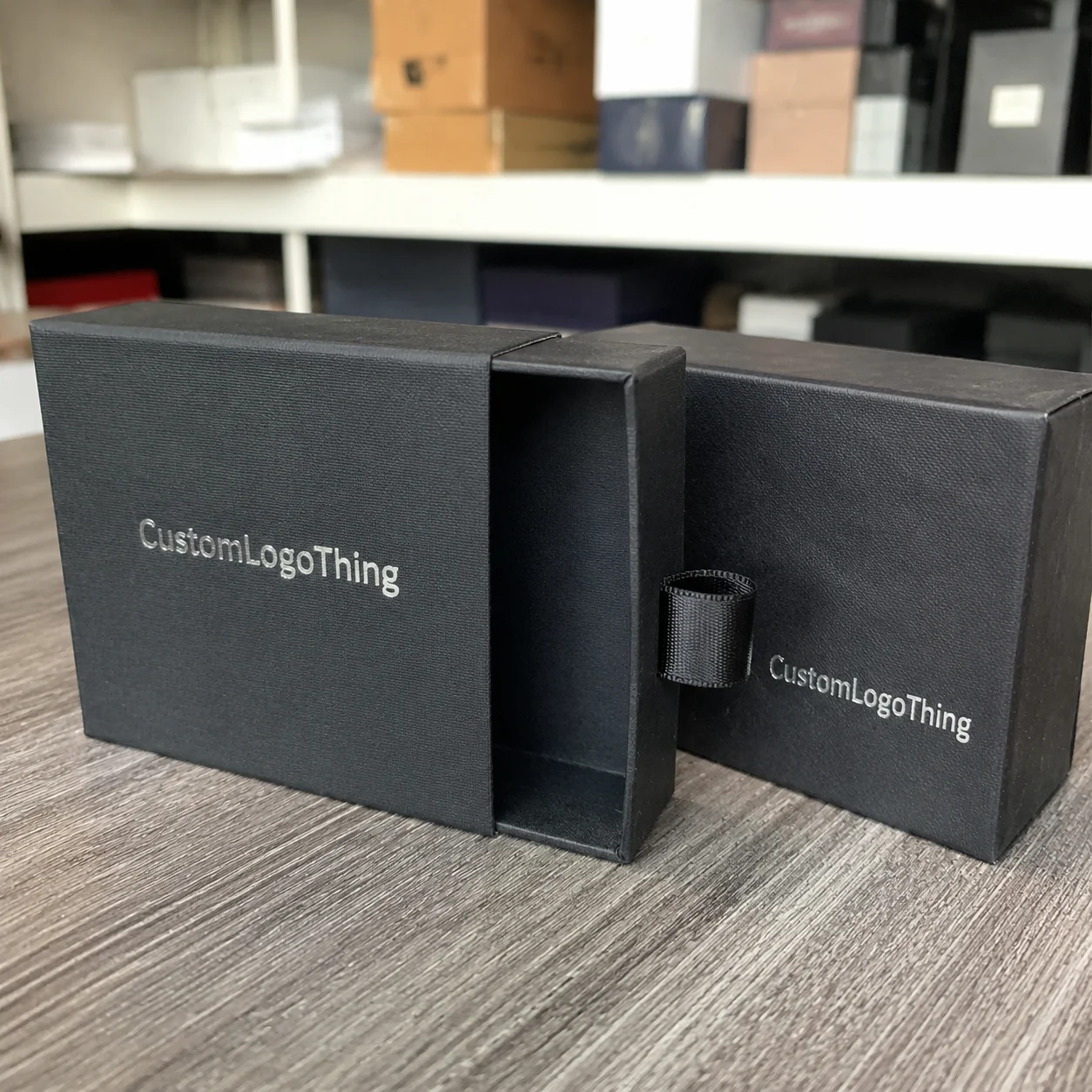
- Sleeve boxes: Useful when you want layered presentation for promotional sets or premium product packaging. A sleeve can add about $0.04 to $0.12 per unit depending on print and board choices.
- Gable boxes: Popular in food service, bakery, party favors, and takeaway packs because they carry well and fold into a built-in handle.
- Rigid-style kraft wraps: Often used for high-end presentation when the product needs a more substantial feel without a fully rigid board build. These are more common in Shanghai and Shenzhen factories that handle premium gifting programs.
- Crash-lock bottom cartons: A strong choice for heavier items that need quick assembly and a bottom that holds square under load.
For ecommerce, I usually steer buyers toward mailers or crash-lock bottom cartons because they hold up well in parcel networks. For light retail packaging, a tuck end box can be efficient and economical, especially if the shelf face is small and the barcode needs a clean front panel. For bakery programs, gable boxes and window cartons work well when the product should be visible but still protected. I have seen a lot of people overthink bakery packaging, which is hilarious until a frosting smear ruins the front of the carton. Then everyone suddenly cares about structure. A bakery chain in Denver once switched from a soft tuck carton to a locked-bottom gable box and cut same-day damage complaints by 18% in the first month.
Print method is the next big decision. One-color flexographic printing is often the workhorse for simple logos, line art, and shipping-friendly cartons. Multi-color offset printing on liners gives you sharper brand graphics and better image detail when the project justifies it. Digital print is valuable for short runs, seasonal testing, or brands that need variable artwork without buying large plates. That is where custom printed kraft boxes wholesale can be surprisingly flexible. I like that flexibility because it lets brands test without betting the whole budget on one huge run and a prayer. On a 1,000-piece pilot run, digital print can make sense; on 10,000 pieces, flexo or offset usually starts to win on unit cost.
Finish choices also change the feel. Matte aqueous coating is common because it protects the surface while keeping the look understated. Soft-touch lamination creates a smoother tactile finish, though it adds cost and can affect recyclability depending on construction. Spot UV accents can highlight a logo on a kraft surface, but I only recommend them when the brand really needs a contrast point; otherwise the natural paper texture already does much of the work. Sometimes the best answer is a natural uncoated surface, especially when the customer wants authentic branded packaging with minimal fuss. Honestly, the kraft itself already has personality. You do not always need to dress it up like it is going to a gala.
On the production floor, a good kraft carton should run cleanly through die-cutting, scoring, gluing, and folding without fighting the machine. I have watched operators at a Dongguan converting line reject a batch because the score lines were too shallow for consistent folds at speed. That is the sort of detail a buyer never wants to discover after the order is in motion. custom printed kraft boxes wholesale should be engineered for repeatability, not just for the first sample photo. Samples are polite. Production is honest. A supplier should be able to explain whether the job is running on a Bobst die cutter, an auto folder-gluer, or a semi-manual line, because those details affect both speed and consistency.
For buyers comparing broader packaging programs, our Custom Packaging Products page is a good place to see the range of structures we support, while the Wholesale Programs page shows how larger runs can be planned around demand forecasts and storage capacity.
Custom Printed Kraft Boxes Wholesale Specifications
Specifications are where good packaging projects get serious. I have seen a lot of pretty mockups fail because the buyer never defined the board grade, the tolerances, or the inside dimensions. With custom printed kraft boxes wholesale, the spec sheet is not paperwork for its own sake; it is the thing that keeps the order from turning into a warehouse headache. If you skip the specs, the box will remind you. Usually on a Friday. Usually after the truck is already booked.
Material options usually start with Natural Kraft Paperboard, white kraft, corrugated kraft, and recycled content blends. Natural kraft has that familiar brown fiber look and a strong sustainability story. White kraft gives you a brighter print surface, which can help logos and fine text pop. Corrugated kraft adds protection for shipping. Recycled content blends can be useful when a brand wants a more circular material story, but the exact fiber mix affects strength and appearance. I always tell clients to think about what the box needs to do first, and how pretty it needs to be second. Not because branding does not matter, but because crushed packaging is not a great look for anyone. For retail cartons, 350gsm C1S artboard with a kraft wrap can create a crisp presentation; for shippers, E-flute or B-flute corrugate usually performs better.
For structure, I ask about board caliper, flute type, inside dimensions, and how tight the product tolerances are. A rigid lipstick carton does not need the same build as a 2-pound candle set. A single-wall corrugated box may be enough for light to medium shipping loads, while heavier products often need double-wall construction or stronger flute profiles. If the line is going through parcel carriers, I also look at how much corner compression the box can tolerate. Parcel networks are not gentle. They are basically organized chaos with tape guns. For example, a 9 x 6 x 3 inch mailer might ship fine on E-flute, while a 14 x 10 x 6 inch kit bound for Amazon FBA in Kentucky may need B-flute or a stronger board spec.
| Box Structure | Best For | Typical Strength Profile | Common Print Method | Approx. Use Case |
|---|---|---|---|---|
| Natural kraft mailer | Ecommerce kits, apparel, subscriptions | Medium to high, depending on board grade | Flexo or digital | Direct-to-consumer shipping |
| Tuck end kraft carton | Retail cosmetics, soap, supplements | Light to medium | Offset or digital | Shelf display and secondary packaging |
| Crash-lock bottom carton | Heavier product packaging | Medium to high | Offset or flexo | Fast packing and stable base support |
| Corrugated kraft shipper | Fragile transit items | High | Flexo | Warehousing and parcel networks |
That table is a simplification, of course, because the final structure depends on carton size, stacking pressure, and how the box is packed. A 12-ounce jar in a small carton behaves very differently than a 48-ounce bundle of apparel accessories. Honest spec review is what prevents overbuilding or underbuilding, and both mistakes are costly. I have had buyers ask for “the strongest box possible” and then act surprised when the quote went up. Strength costs money. Physics is irritating that way. On a 5,000-piece run in Vietnam, changing from 24 ECT to 32 ECT can add a few cents per unit, but it can also save dozens of damaged returns.
Product weight, product size, and transit conditions determine whether a single-wall or double-wall kraft structure is recommended. If your cartons are traveling across the country through multiple sortation points, I usually advise testing to ISTA procedures that reflect real distribution stress rather than a hand-carry assumption. If you want a deeper technical framework, ISTA publishes widely used transit testing guidance for packaged products. For freight-heavy programs headed to Chicago or Atlanta distribution centers, compression and drop testing are not optional if you want to avoid expensive surprises.
Inserts and partitions deserve attention too. A die-cut insert can stop glass, ceramic, or fragile cosmetics from rattling during shipment. Partitions work well for multi-item sets, especially food kits or specialty beverage packs. Window openings can improve shelf appeal, but they must be placed carefully so the structure does not lose too much strength. I have seen buyers request huge windows for aesthetics, then wonder why the sides bowed under stack weight. Packaging design should protect the product first, then showcase it. If it can do both, great. If not, the product wins. A clear PET window can add roughly $0.06 to $0.18 per unit depending on size and assembly.
Artwork preparation is another place where a little discipline saves a lot of time. I ask clients for vector logo files, Pantone color targets, bleed, safe zones, and the exact barcode placement. Crisp file prep speeds up prepress approval and reduces the back-and-forth that stalls production. If you send raster art at low resolution, the press cannot magically fix it. The same applies to reversed panels and hidden copy areas. Good custom printed boxes are built from good files. A clean AI or PDF file with 3 mm bleed and outlined fonts usually keeps the prepress team from sending you a polite but annoyed email.
One client in apparel sent us a beautiful mockup, but the fold line crossed the center of the front logo. The design team had not accounted for panel geometry. We shifted the layout by 8 mm, rebuilt the dieline, and the print came out clean. That sort of adjustment is normal in packaging work, and it is exactly why custom printed kraft boxes wholesale benefits from experienced review before production begins. I wish I could say that story was rare. It is not. Designers love the front view. The box cares about every side.
Pricing, MOQ, and What Changes the Quote
custom printed kraft boxes wholesale pricing depends on a handful of variables that buyers can control if they know what to ask. Size, stock, print coverage, finishing, quantity, and whether the order needs stock tooling or custom tooling all change the quote. The smallest mistake I see is asking for “a kraft box” without defining the structure, because a mailer, a tuck carton, and a corrugated shipper all price very differently. That phrase makes suppliers twitch a little. I have seen it happen in factories in Ningbo and New Jersey alike.
MOQ is tied to material yield and setup. If the press has to be loaded, color matched, checked, and cleaned between jobs, that setup cost has to be spread over the run. Larger quantities reduce unit cost because the fixed expense of plates, dies, and make-ready gets divided across more pieces. That is why one quote might show $0.62 per unit at 2,000 pieces and $0.31 per unit at 10,000 pieces for the same general structure. The exact numbers depend on specs, but the pattern is consistent. For a 5,000-piece order in Guangdong, I would expect a simple one-color mailer to land far lower than a fully printed, laminated retail carton.
For practical planning, I encourage buyers to request prices at multiple breakpoints. A supplier should show unit pricing at 1,000, 3,000, 5,000, and 10,000 pieces if the project justifies it. That gives purchasing teams a real view of where the cost curve improves. custom printed kraft boxes wholesale is most effective when forecasted demand can support the better price tier without creating excess inventory risk. Nobody wants to save eight cents a box and then store 40,000 unused cartons like a very expensive cardboard museum. I have seen that museum, and nobody tours it twice.
Here are the main cost levers I talk through with clients:
- Fewer print colors: One- or two-color jobs usually cost less than full-coverage art.
- Simpler dielines: Straightforward folds and standard box styles reduce setup time.
- Standard board thickness: Common grades are easier to source and convert.
- Limited finishing: Skipping specialty coatings can keep the quote cleaner.
- Consolidated SKUs: One structure across multiple products lowers tooling complexity.
There are also hidden costs buyers should ask about directly. Plate charges for flexo or offset work may be separate. Cutting dies can be a meaningful one-time cost, often $120 to $350 depending on size and complexity. Freight should always be confirmed, especially if the shipment is going to multiple warehouse locations. Proofing and sample production can add time and expense. If the buyer needs finished goods held in storage before a launch, warehousing may also matter. A transparent supplier should explain each line clearly, not bury it in a vague total. If the quote is confusing, ask again. Then ask one more time if necessary. I have done it, and yes, it annoys people. Good. The numbers should be annoying, not the buyer.
Honestly, I think the best purchasing conversations happen when the buyer brings a forecast and asks for real breakpoints instead of a single number. That allows the supplier to recommend a packaging structure that fits both the launch and the growth path. custom printed kraft boxes wholesale should support the business plan, not force the business to absorb a bad packaging decision. If your reorder point is 7,500 units and your factory lead time is 12 business days, that should be part of the cost conversation from day one.
A fair quote will also reflect whether the buyer is ordering with standard internal dimensions or asking for a fully custom carton that needs structural development. If you need a new board combination, reinforced corners, or integrated inserts, the price should account for the engineering work. That is normal. It is better to pay for the right structure once than to replace damaged product later. I would rather explain a higher quote than explain a warehouse full of damaged goods. A packaging line in Michigan taught me that lesson the expensive way when a low-priced box failed at pallet level and took 600 units with it.
How Long Does It Take to Produce Custom Printed Kraft Boxes Wholesale?
The order process for custom printed kraft boxes wholesale is straightforward when the buyer has the basics ready, and messy when the details are scattered across emails. I like a clean sequence: inquiry, specification review, artwork check, structural or print proof, sample approval, production, finishing, and delivery. Each step removes uncertainty before the next one starts. It sounds simple because it is simple. People just love making it more difficult than it needs to be. A clean workflow can cut prepress back-and-forth by 30% or more on a typical 3,000-piece order.
Prepress is where a lot of mistakes are caught early. Reversed panels show up fast. Barcode placement problems show up fast. Under-bleed shows up fast. Weak fold areas or graphics too close to the crease also show up during review. A good prepress team will flag these problems before the run starts, because fixing them on press is slower and more expensive. And yes, the press crew will absolutely remember the file that caused them grief. In a factory outside Shenzhen, I once watched a single misplaced crease line add nearly a full hour to setup because the operator had to stop and reset the die.
There are different sample types, and each serves a different purpose:
- Flat mockup: Useful for checking dimensions and fold logic.
- White sample: Best for structural fit without print distraction.
- Printed prototype: Helpful for color, branding, and shelf presentation.
- Production sample: Used when the buyer wants to see a near-final version before full release.
Timeline depends on complexity. A simple run with approved artwork and standard tooling may move faster than a carton needing inserts, special coatings, or custom structural development. If everything is clear from the start, I have seen production finish in roughly 12 to 15 business days after proof approval, plus transit time. More complex jobs can stretch longer, especially if the factory is scheduling multiple finishing steps or sourcing a special board grade. I do not like promising a blanket lead time without checking the actual build. That is how people end up angry on the phone, and frankly, nobody needs that kind of hobby. Domestic North American orders can sometimes ship in 10 to 14 business days, while export jobs from Asia may need another 5 to 12 days for ocean or air freight depending on route.
Inside the plant, lead time is spent in very specific ways: die cutting, gluing, bundling, carton packing, and palletizing. If a project needs inside printing and then a laminate, the job may pass through multiple stations before it is boxed for shipment. Buyers rarely see that part, but it explains why a “simple” packaging order can still require a proper production window. A folder-gluer line in Dongguan can run 8,000 to 15,000 cartons per hour on a clean mailer job, but only if the spec is tight and the files are correct.
One of my more memorable factory visits was in a corrugated plant in Suzhou where a run of subscription mailers had to pause because the glue pattern was too close to a score line and the tabs were springing open. The operator corrected the application width, reran the line, and the issue disappeared. That is why I like working with suppliers who understand machine behavior as well as they understand artwork. custom printed kraft boxes wholesale should be checked on the floor, not just on a screen. The machine does not care how pretty your presentation deck is.
For companies building a launch calendar, the practical advice is simple: approve your design before you promise a ship date to customers. Packaging delays can ripple through photography, fulfillment setup, and retail delivery. A smooth run starts with a clear spec sheet and realistic timing. If someone says “we can figure it out later,” that usually means you will be figuring it out later. I have watched one delayed carton launch in Toronto push back a product drop by 17 days because the buyer did not lock artwork before holiday queue pressure hit.
Why Choose Us for Custom Printed Kraft Boxes Wholesale
At Custom Logo Things, we speak packaging as a manufacturing language, not just a marketing language. That matters because custom printed kraft boxes wholesale lives or dies on corrugator output, print registration, box fit, and pack-out realities. A pretty carton that slows your team down is not a good carton, no matter how it photographs. I have seen gorgeous packaging fail in real operations, and nobody gets a trophy for that. Our sourcing network includes converters in Guangdong, Zhejiang, and Ohio, so we can match the job to the lead time and budget instead of forcing every order into one lane.
We focus on reliable communication, clear specs, and recommendations grounded in product weight, transit risk, and display needs. If a candle set needs a stronger bottom and an insert, we will say that. If a tea sampler can move in a lighter tuck carton with a cleaner print panel, we will say that too. I would rather be direct and save a client from a bad structure than flatter them into an expensive mistake. Frankly, the honest answer is usually the useful one. On a recent cosmetics run in New Jersey, that kind of direct advice saved the buyer from choosing a board grade that would have added nearly 11% to the landed cost.
Our support covers dielines, material selection, sampling, and production coordination so buyers can move from concept to shipment with fewer surprises. Quality checks matter on the floor, so we pay attention to color checks, glue tests, crush resistance, and dimensional inspection. Those are not glamorous items, but they are the things that determine whether the box arrives square, prints cleanly, and holds up in warehouse handling. No one posts a celebratory photo of “excellent glue integrity,” but everyone notices when the bottom falls out. A good QC plan can catch tolerance drift within the first 200 units instead of after the full 5,000-piece run is already boxed.
I still remember a brand meeting where a buyer brought in two cartons from different suppliers and asked why one looked better but performed worse. The answer was simple: the “better-looking” carton had weaker board and a poor score pattern, so it crushed under pallet pressure. The plain one had the right construction. That is the kind of judgment we bring to custom printed kraft boxes wholesale. Facts first, cosmetics second. Fancy is great. Functional is better. I would rather ship a brown box that survives a 1,200-mile freight route than a glossy carton that collapses in warehouse stacking.
We also understand how Branded Packaging Works across sales channels. Ecommerce needs shipping performance. Retail packaging needs shelf appeal. Direct mail needs consistency. Subscription packaging needs low assembly time. When the packaging is designed for the channel, the product looks better and the operations team works faster. That is the sweet spot. A DTC brand shipping from Dallas has very different needs than a retail display program in Seattle or an export run headed to Vancouver, and we plan for those differences.
If you are comparing suppliers, ask whether they can explain why a particular board grade or print method is recommended. Ask how they inspect for glue integrity. Ask whether they can support different volume tiers. Those answers tell you more than a glossy sample ever will. A supplier who can talk through the boring details is usually the one who can save you from the expensive ones. I learned that the hard way during a supplier negotiation in Guangzhou, where the vendor who spent ten minutes explaining flute compression turned out to be the one who actually understood production risk.
How to Start Your Custom Printed Kraft Boxes Wholesale Order
Getting a quote for custom printed kraft boxes wholesale is easier when you prepare a few precise details before the first message. I recommend sending finished box dimensions, product weight, target quantity, logo files, print colors, and shipping destination. If you know whether the product is fragile, greasy, temperature-sensitive, or stackable, include that too, because it helps narrow the structure recommendation. The more precise you are, the less back-and-forth you need later. And fewer emails is always a nice side effect. A good first email can save a full day of spec clarification.
It is smart to request pricing at two or more quantity tiers. For example, compare 3,000 units against 5,000 or 10,000 units so you can see where the unit price improves enough to justify extra inventory. If the run is for a launch, ask what happens if demand beats forecast and you need a reorder. The answer matters for inventory planning. I have seen brands nail the launch and then scramble because nobody thought beyond “first order only.” Growth has a way of showing up uninvited. In one Chicago project, the buyer saved nearly $450 by moving from 3,000 to 5,000 pieces, but only because the supplier showed the exact breakpoints upfront.
Before production begins, confirm whether the order needs inserts, inside printing, retail-ready finishing, or export packaging. I have seen projects delayed because the buyer assumed inserts were included, only to discover that they required separate tooling and a different assembly process. Clear scope saves time. If you need a foam insert, molded pulp tray, or die-cut divider, tell the supplier on day one so the quote reflects the full build.
A simple next-step checklist works well:
- Send box dimensions and product weight.
- Share logo files and print colors.
- Ask for a dieline review.
- Approve a proof or sample.
- Confirm the production schedule.
- Verify freight destination and receiving details.
If you are buying for a brand that cares about product packaging, retail presentation, and practical pack-out, custom printed kraft boxes wholesale gives you a strong balance of cost, durability, and brand presence. For many programs, it is one of the cleanest ways to combine package branding with production discipline. It is not flashy. It works. Sometimes that is the whole point. A 5,000-piece run from a factory in Dongguan can be the difference between a launch that hits the calendar and a launch that drifts two weeks.
My advice is simple: verify the specs before placing the first wholesale run. Check the board, confirm the size, approve the artwork, and make sure the box suits the product and the shipping route. That is how you get a result that works in the warehouse, in the store, and in the customer’s hands. If the numbers, the structure, and the timeline all line up, you are not gambling on packaging anymore. You are buying the right box for the job.
FAQs
What is the typical MOQ for custom printed kraft boxes wholesale?
MOQ usually depends on box style, board type, and print method, with simpler structures often starting lower than complex retail cartons. Higher quantities reduce per-box cost because setup, tooling, and press time are spread across more units. A supplier should give quantity breakpoints so you can compare the smallest run against the best price tier. For example, a basic mailer job may start at 1,000 pieces, while a custom retail carton may make more sense at 3,000 or 5,000 pieces.
Are custom printed kraft boxes wholesale strong enough for shipping?
Yes, when the board grade and structure match the product weight and transit risk. Mailer boxes and corrugated kraft cartons can handle shipping well when they are properly sized and scored. Heavy or fragile products may need inserts, stronger flute profiles, or double-wall construction. A 32 ECT single-wall shipper may work for light apparel, while a 44 ECT box is more appropriate for heavier kits.
Can I print full-color artwork on kraft boxes?
Yes, but the kraft paper tone affects how colors appear, especially lighter shades and pastel tones. White ink or a white underbase may be needed for brighter color accuracy on natural kraft. Your supplier should review artwork files and suggest the best print method for the design. On natural brown kraft, deep colors such as black, navy, and forest green usually hold up better than pale yellow or blush pink.
How long does it take to produce custom printed kraft boxes wholesale?
Timeline depends on proofing, tooling, printing method, and finishing requirements. Simple runs with approved artwork move faster than orders needing custom inserts, specialty coatings, or structural development. A clear spec sheet and print-ready files help reduce delays during prepress. In many cases, production takes 12 to 15 business days from proof approval, plus shipping time from the factory in places like Shenzhen, Chicago, or Ontario.
What information do I need to get an accurate quote?
Provide finished box dimensions, quantity, material preference, print coverage, and any coatings or inserts. Include artwork files, shipping ZIP or destination, and whether you need stock samples or production samples. The more precise the specs, the more accurate the price and timeline will be. If you can also share product weight, carton stacking limits, and whether the order is for retail or ecommerce, the quote gets even tighter.