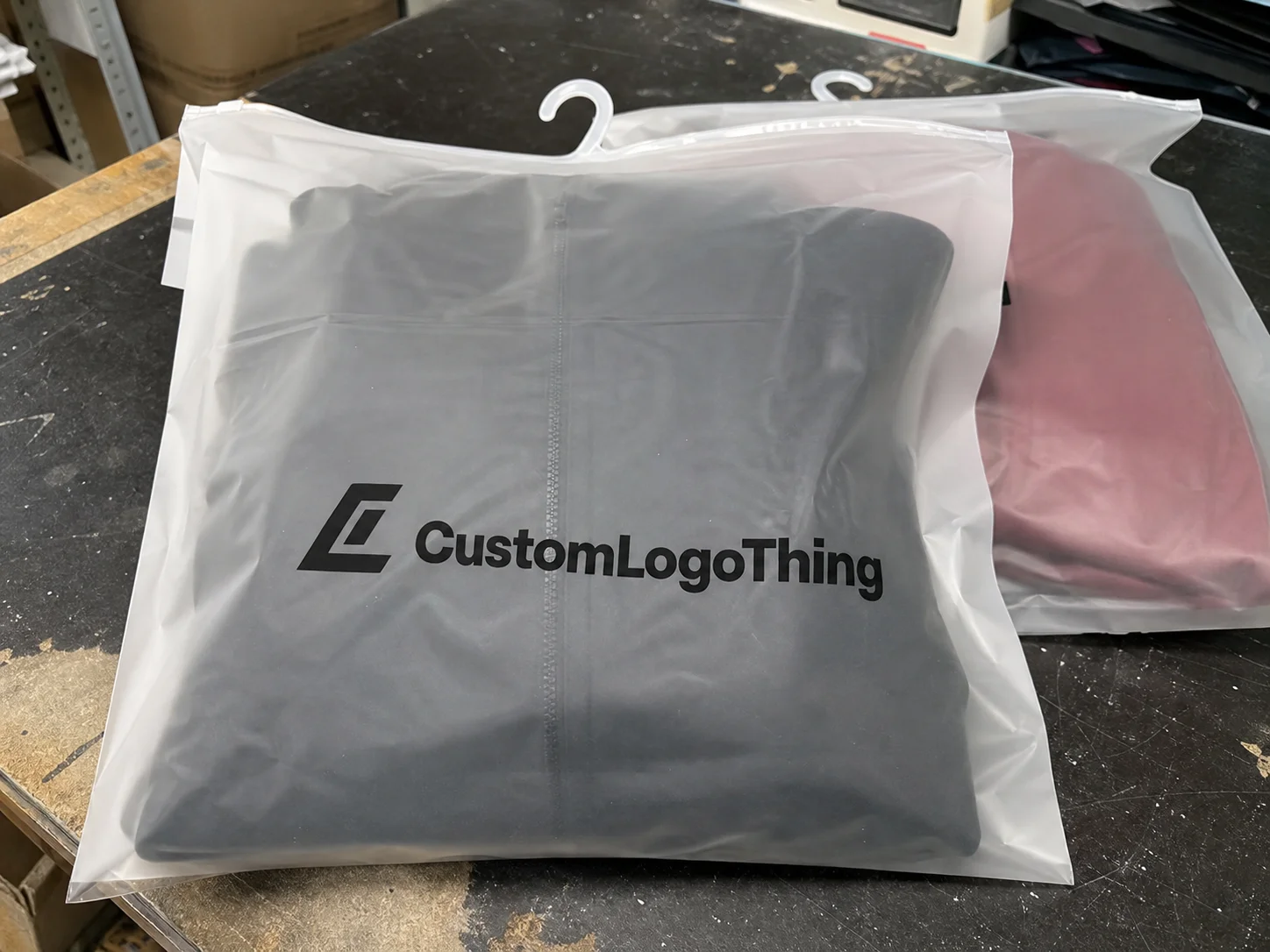
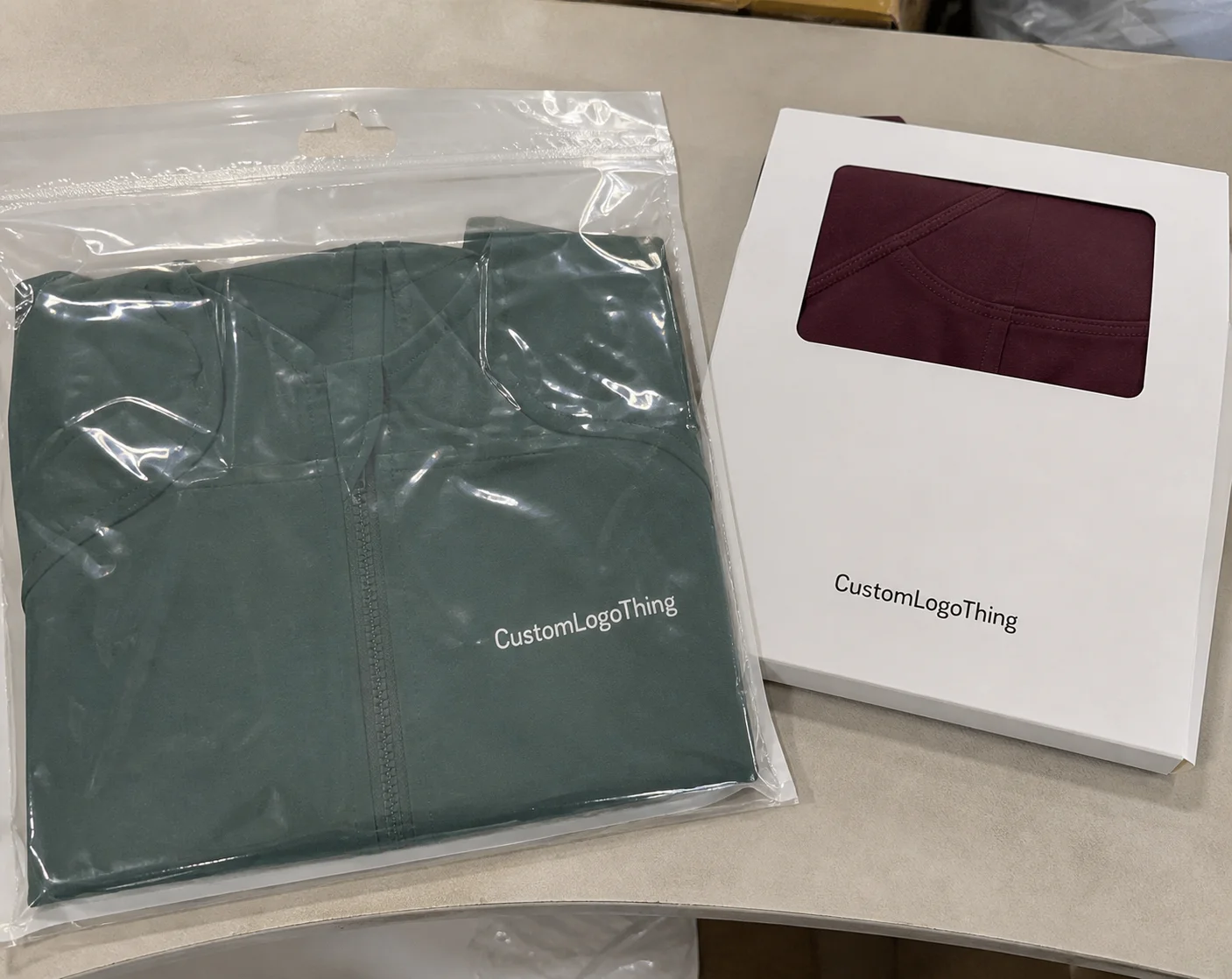
Buyer Fit Snapshot
| Best fit | Custom Printed Kraft Boxes Wholesale projects where brand print, material claims, artwork control, MOQ, and repeat-order consistency need to be specified before quoting. |
|---|---|
| Quote inputs | Share finished size, material target, print colors, finish, packing count, annual reorder estimate, ship-to region, and any compliance wording. |
| Proofing check | Approve dieline scale, logo placement, barcode or warning zones, color tolerance, closure strength, and carton packing before bulk production. |
| Main risk | Vague material claims, crowded artwork, missing packing details, or unclear freight terms can make a low unit price expensive after revisions. |
Fast answer: Custom Printed Kraft Boxes Wholesale: Pricing & Lead Times should be specified like a repeatable production item. The safest quote records material, print method, finish, artwork proof, packing count, and reorder notes in one written spec.
Production checks before approval
Compare the actual filled-product size with the drawing, then confirm tolerance on folds, seals, hang holes, label areas, and retail display edges. Reserve space for logos, QR codes, warning copy, and material claims before decorative graphics fill the panel.
Quote comparison points
Review material grade, print process, finish, sampling route, tooling charges, carton quantity, and freight assumptions side by side. A quote is only useful when the supplier can repeat the same color, closure quality, and packing count on the next order.
Custom Printed Kraft Boxes Wholesale: Why Brands Switch Faster Than They Admit
I watched a skincare brand in Dongguan cut packaging cost by $0.18 per unit in one purchase cycle by moving from 18pt coated SBS cartons to 350gsm natural kraft. Same dimensions. Better shelf reaction. That shift to Custom Printed Kraft boxes wholesale wasn’t about trend-chasing. It was math.
Most buyers obsess over ex-works unit price, and I get why. That number still burns teams when it’s viewed in isolation. Real landed cost gets decided by three boring variables: freight cube efficiency, damage rate, and assembly labor time. I’ve seen brands save $0.04 on carton unit cost and lose $0.11 in extra pick-pack labor because their tuck tabs fought every operator on the line.
If you run retail, subscription, or eCommerce operations and you’re actively sourcing, you need hard numbers, practical MOQs, lead-time reality, and fewer packaging surprises. Mood boards have their place. Margin protection matters more once freight spikes or fulfillment errors pile up.
In kickoff meetings at Custom Logo Things, I keep repeating one point: Custom Printed Kraft boxes wholesale performs best when material choice, print method, and logistics are engineered together. Teams that align those three usually unlock three wins at once:
- Lower cost per shipped order by $0.09–$0.31 depending on size and route
- Stronger sustainability story with FSC board options and reduced coating load
- Cleaner replenishment planning because specs are locked and reruns are predictable
Kraft isn’t magic, and it won’t fit every brief. Art direction that depends on high-opacity pastels across 85% coverage can be difficult on natural kraft unless you add white underprint, which shifts pricing fast. For most product packaging in personal care, food gift, wellness, and DTC, the economics are hard to ignore.
Buyers often realize late that “premium” doesn’t always mean glossy. I sat in a Chicago client meeting where two samples were on the table—one matte-laminated whiteboard and one uncoated kraft with a deep black one-color print. Nine out of twelve people chose the kraft box as “more premium” and “more honest.” That decision reduced print complexity and trimmed production by three business days.
This page is intentionally transactional. You’ll get practical ranges, timeline bands, and the variables that drive defects. If you’re comparing vendors for Custom Printed Kraft boxes wholesale, you should walk away knowing exactly what to ask before signing a PO.
Product Details: What You Actually Get With Custom Printed Kraft Boxes Wholesale
“Kraft box” is not one product. It’s a family of structures, board grades, and print workflows. Good sourcing starts by matching structure to use case instead of grabbing the cheapest template. Whether you’re buying custom printed kraft boxes wholesale for retail shelves or shipping lanes, structure comes first.
Common box styles and where they work
- Straight tuck end (STE): Retail shelves, cosmetics, supplements. Clean front panel. Fast machine loading.
- Reverse tuck end (RTE): Similar use, slightly better material yield on some sizes, usually a small cost edge at volume.
- Mailer box (roll end tuck front): eCommerce kits and subscription boxes. Better crush resistance than standard folding cartons.
- Auto-lock bottom: Heavier SKUs like glass bottles (250–500ml). Faster assembly saves labor, typically 20–35% faster than manual lock bottoms.
- Tray and sleeve: Premium gifting and retail packaging where presentation matters.
- Die-cut display: Counter display for multipacks; useful in pharmacy and impulse aisles.
Kraft board options: natural brown vs white kraft top
Natural brown kraft delivers the earthy look many brands want for package branding, and it hides minor transit scuffs better than bright white board. White-top kraft gives cleaner color reproduction and stronger contrast for complex artwork. I usually point clients toward natural kraft for one- to three-color systems with dark inks, while white-top fits better for photography or lighter hues.
Typical options we quote:
- Natural kraft paperboard: 300gsm, 350gsm, 400gsm
- White-top kraft: 325gsm, 375gsm
- E-flute kraft corrugated: approx. 1.5–1.8mm thickness for mailers
Printing methods and practical tradeoffs
For custom printed kraft boxes wholesale, print method shifts MOQ and quality expectations very quickly, especially across eco-friendly packaging programs with mixed SKU volumes.
- Flexo: Best for high-volume simple graphics. Lower plate complexity. Great for shipping-style designs and 1–2 colors.
- Offset litho: Premium graphics, tighter registration, better tonal control. More setup, better value above volume breakpoints.
- Digital: Fast for pilot runs and lower MOQs (often 300–1,000 units depending on size). Higher per-unit cost, minimal plate fees.
Finishing options that actually survive production
Uncoated kraft behaves differently than coated SBS. Spot UV can look patchy on raw kraft unless the surface is sealed first. Foil performs well in many cases, but very fine type under 6pt may lose crispness if board fibers are coarse.
- Aqueous coating for rub resistance
- Kraft-compatible matte varnish (instead of soft-touch film in many cases)
- Emboss/deboss for tactile branding
- Foil stamping for logos and seals
- Window patching for product visibility
Structural add-ons and compatibility details
Need inserts? We build kraft or SBS inserts for bottle stabilization, blister retention, and bundle spacing. Tear strips can be added to mailers for better unboxing. Tamper-evident labels can be integrated into pack-out SOPs. Glue points and lock tabs are adjusted based on pack speed and product weight.
For food adjacency or direct contact, we spec food-safe liners and migration-safe ink systems where required. If your team has compliance requirements, align them before artwork finalization. Reworking this later is expensive and slow.
You can scale branded packaging on kraft without sacrificing consistency. The key is locking board source, print profile, and tolerance window in writing from run one.
Specifications That Affect Performance (Not Just Looks)
Specs decide returns, damages, and rerun headaches. Pretty mockups don’t. The performance gap between average cartons and reliable custom printed kraft boxes wholesale usually shows up after the first freight cycle.
Board grades and GSM guidance
For lightweight cosmetics (under 120g product), 300–350gsm kraft paperboard often works. Denser items or taller cartons above 180mm height usually need 375–400gsm for better panel stiffness. For shippable kits over 1.2kg total packed weight, E-flute kraft corrugated is generally safer than thick folding carton.
Overbuilding wastes money too. One supplement company used B-flute for six sachets—massive overkill. We dropped to E-flute and saved $0.22/unit plus an 11% pallet cube improvement.
Corrugated vs folding carton: quick decision model
- Use folding carton if product is shelf-first, light, and shipped in master cartons with proper void fill.
- Use E-flute corrugated if parcel shipping is primary and impact risk is high.
- Use auto-lock structures if line speed matters and product is heavier than 350g per unit.
Transit distance matters. Domestic zone 2 and cross-border parcel to the EU are different stress environments, and longer routes require stronger compression performance.
Print-safe zones, bleed, and tolerances
Bad files create expensive reprints. Standard discipline:
- Bleed: 3mm minimum
- Safe zone from cut/crease: 3–5mm
- Barcode quiet zone: per GS1 requirement, don’t crowd it with graphics
- Dieline tolerance: typically ±0.5mm to ±1.0mm depending on structure
Real-world failure example: a client pushed 5pt light gray legal copy over a fold line on natural kraft. It disappeared in production. We reworked plate and art, lost four days, and paid rush freight. Totally avoidable.
Color expectations on kraft substrate
Kraft is warm-toned, so color shift is normal. Deep black, navy, and dark green hold best. Light pink and pale yellow can mute badly unless white underprint is added. White underprint improves vibrancy but adds cost and setup complexity. In many custom printed boxes projects, the better move is designing with substrate color as part of the palette instead of fighting it.
Compliance and documentation buyers ask for
Serious POs usually include requests like these:
- FSC-certified board chain-of-custody options
- Food-contact declarations where applicable
- Ink declarations for REACH/RoHS-aligned programs where required by market
- Transit testing references tied to ISTA standards for shipping packs
Quality checkpoints that protect your budget
Minimum controls we run:
- Preproduction sample approval
- Color drawdown or press check standard
- Compression/stack checks for shipping formats
- AQL inspection (commonly Level II, with agreed defect thresholds)
custom printed kraft boxes wholesale only scales cleanly when QC is defined before production, not debated after arrival.
Pricing & MOQ: Real Numbers for Custom Printed Kraft Boxes Wholesale
You want numbers. Good. Here are typical working ranges for custom printed kraft boxes wholesale based on common mid-size carton specs (approx. 120 x 60 x 180mm, 350gsm kraft, 1–2 color print, standard tuck structure, EXW Asia baseline). Final pricing depends on exact spec and freight lane.
| Quantity | Digital Print (USD/unit) | Offset Print (USD/unit) | Typical Use Case | Lead Time from Proof Approval |
|---|---|---|---|---|
| 500 | $0.78–$1.20 | $1.10–$1.65 | Pilot runs, SKU testing | 8–12 business days |
| 1,000 | $0.56–$0.92 | $0.72–$1.05 | Early retail placements | 10–14 business days |
| 5,000 | $0.38–$0.65 | $0.29–$0.52 | Core replenishment | 12–15 business days |
| 10,000+ | $0.31–$0.58 | $0.18–$0.39 | National rollouts | 15–20 business days |
What setup costs buyers forget
- Dieline engineering: $35–$120 for standard, $180–$450 for complex custom structures
- Die tooling: $90–$280 folding cartons, $250–$600 corrugated/multi-cut
- Offset plates: $25–$60 per color per size
- Physical sample: $45–$180 depending on finish and shipping speed
- Freight + duty + local delivery: often 12%–38% of ex-works value depending on lane
How specs move price
Four variables swing your quote the most:
- Board thickness/grade: 300gsm vs 400gsm can add 8%–18%
- Ink count and coverage: full coverage can cost 10%–25% more than logo-only print
- Finish complexity: foil + emboss combo often adds $0.04–$0.17/unit
- Insert and assembly complexity: custom fit insert can add $0.06–$0.24/unit
MOQ logic by print method and structure
Digital lowers entry MOQs, especially for straight tuck cartons. Offset wins above volume breakpoints. Flexo gets efficient at high volumes with simple graphics. Complex die-cut displays usually need higher MOQs because setup time and spoilage risk increase.
Short version:
- Digital carton MOQ: often 300–1,000
- Offset carton MOQ: commonly 1,000–3,000
- Corrugated flexo MOQ: often 2,000+
Landed cost beats unit cost
I negotiated a deal in Shenzhen where Supplier A beat Supplier B by $0.03 unit ex-works. Great on paper. Then we modeled pallet configs: Supplier A packed 80 pcs/carton, Supplier B packed 120 pcs/carton with safer corner protection. Final delivered cost favored Supplier B by $0.07 per saleable unit once freight and damage claims were included.
Always evaluate:
- Carton pack-out efficiency (units per master carton)
- Pallet utilization (height, overhang, container fill)
- Freight mode (air vs sea vs regional truck)
- Duty codes and documentation consistency
Negotiation tactics that actually work
For repeatable custom printed kraft boxes wholesale programs, I ask for these terms every time:
- Paper price lock window (60–90 days) tied to PO date
- Rerun pricing with exact spec reference and tolerance range
- Overrun/underrun policy in writing (example: ±5%)
- Defect credit mechanism tied to agreed AQL thresholds
Get it into PO terms. Not a chat thread. Not a promise on a call.
If you’re comparing suppliers, compare true equivalents: same dimensions, same GSM, same print coverage, same Incoterm. “Cheaper” quotes are often stripped specs in disguise.
Process & Timeline: From Dieline to Delivered Cartons
A clean workflow saves weeks. A sloppy one creates emergency freight bills. Most custom printed kraft boxes wholesale delays come from missing approvals, not from press time.
Standard workflow for custom projects
- Quote request with specs and quantity tiers
- Structural design and dieline draft
- Artwork preflight check
- Digital mockup and/or physical sample
- Approval sign-off
- Mass production
- In-line + final QA
- Shipping and delivery confirmation
Realistic timeline bands
- Plain reorder (existing die/art): 7–12 business days production
- New custom structure: 15–25 business days including sampling
- Multi-SKU launch (3–8 SKUs): 20–35 business days depending on approval speed
Most delays happen in pre-production, not on press. Teams sit on approvals for four days and still ask for the same lead time.
Digital mockup vs physical sample
Digital proofs validate layout, copy placement, and basic color intent. They do not validate fold performance, scuff resistance, or true substrate color shift. Physical samples validate structure, fit, and finish behavior in the real world. For any first-time custom printed kraft boxes wholesale run above $5,000, I strongly recommend a physical sample.
Common risk points and prevention
- Color drift: lock Pantone/CMYK targets and approve drawdown
- Board substitution: specify acceptable alternatives in PO or prohibit substitution
- Approval bottlenecks: assign one final approver, set 24-hour review windows
- Port congestion: build a 7–14 day freight buffer for launch-critical windows
Buyer responsibilities that prevent delays
Provide final AI/PDF artwork, verified barcode files, legal copy approved by your compliance team, and panel hierarchy locked before proof sign-off. If claims change after sampling, timelines reset. That’s the reality.
Expedite options and their cost
Need speed? Air freight can cut transit by 15–30 days versus sea, but total cost can land at 4x to 9x depending on route and volumetric weight. I’ve used split-shipment plans many times: 20% by air to protect launch date, 80% by sea to protect margin. Subscription brands with fixed billing cycles benefit most from that model.
For steady replenishment, lock rolling forecasts with your supplier. custom printed kraft boxes wholesale gets smoother once demand signals are shared at least 6–8 weeks ahead.
Why Choose Custom Logo Things for Custom Printed Kraft Boxes Wholesale
Plenty of suppliers can send a polished render. Fewer can keep reruns stable after three production cycles. That’s where we focus our attention.
At Custom Logo Things, we quote transparently. We don’t bury die fees or tack on a “paper surcharge” after artwork approval. If a spec is likely to fail in production or transit, we flag it early. I’d rather lose a decorative foil upsell than watch your team absorb damaged inventory and reprint freight.
How we handle production control
- Vetted board mills with consistent GSM and fiber profile
- Monitored print runs with in-line QC checks
- Final pre-shipment inspections using agreed AQL plans
- Documented color targets for repeat runs
Commercial advantages for procurement teams
Our clients get stable rerun specs, not “close enough” substitutions. We maintain revision-controlled dielines and print notes so your second and fifth PO match your first approved standard. Teams buying custom printed kraft boxes wholesale across multiple SKUs usually see margin protection from this consistency before they see it anywhere else.
Service style: direct and practical
You’ll get response windows that respect launch deadlines. If an issue appears, escalation is clear and immediate. No disappearing act during production week. I’ve sat on factory floors at 11:40 p.m. checking fold cracks under fluorescent light because launch dates were fixed and excuses had zero value.
“They talked us out of a fragile finish we thought we wanted. Saved us from a costly mistake and helped us pass transit tests.” — DTC wellness client, 40,000 units annual volume
Need broader options beyond kraft? Review our Custom Packaging Products lineup. If you’re scaling across SKUs and need pricing stability, our Wholesale Programs are built for exactly that.
Bottom line: we’re not here to sell shiny samples that fail drop tests. We’re here to deliver custom printed kraft boxes wholesale with predictable lead times, realistic MOQs, and pricing that holds up after PO approval.
Next Steps to Order Custom Printed Kraft Boxes Wholesale Without Delays
If you want a same-day estimate, send complete specs once—not across seven emails. A tight brief gives you faster, cleaner quotes for custom printed kraft boxes wholesale.
Spec checklist to send first
- Box dimensions in L x W x H (mm or inches, clearly labeled)
- Product weight per unit (grams/ounces)
- Target quantities (at least 2–3 tiers: 1,000 / 5,000 / 10,000)
- Print method preference or quality target photos
- Number of colors and approximate coverage percentage
- Finish requirements (varnish, foil, emboss, window, insert)
- Delivery ZIP/postal code and required in-hands date
File prep standards
- Vector logos (AI or print-ready PDF)
- CMYK/Pantone values for critical brand colors
- Barcode assets (EPS/PDF preferred) with size requirement
- Panel-by-panel copy hierarchy including legal text
If you only have PNG logos, we can rebuild them, but plan for 1–2 extra business days.
Decision sequence that avoids expensive resets
- Approve structure and fit first
- Approve color targets second
- Approve finishing last
Teams that reverse this order usually pay twice for sampling.
Pilot strategy for new lines
Start with one hero SKU. Validate performance in live shipping lanes for 2–4 weeks, then roll locked specs to the broader line. I’ve used this approach with subscription clients to cut launch defects from 3.8% to 0.9% over one quarter.
Procurement playbook for better buying decisions
- Request quotes in 2–3 quantity tiers
- Compare landed cost, not unit cost alone
- Confirm replenishment lead time in the PO
- Document rerun spec lock and substitution rules
If you’re ready to move, send your spec sheet plus quantity tiers today. We’ll quote custom printed kraft boxes wholesale with clear pricing bands, realistic timelines, and no bait-and-switch line items. Fast decisions come from complete inputs.
Frequently Asked Questions
What is the typical MOQ for custom printed kraft boxes wholesale orders?
Most programs start around 500–1,000 units for digital-friendly formats. Offset and flexo usually require higher practical MOQs, especially for complex structures, inserts, or specialty finishing. Ask for tiered pricing at 500, 1,000, and 5,000 units so the real breakpoints are easy to spot.
How much do custom printed kraft boxes wholesale cost per unit?
Unit cost depends on dimensions, board grade, print coverage, finish stack, and total quantity. A common range is $0.18 to $1.20 per unit depending on spec and volume. Compare landed cost (unit + freight + expected damage rate), not ex-works unit price by itself.
How long does production take for custom printed kraft boxes wholesale?
Reorders move faster than first-time custom structures. Typical production ranges from 7 to 20 business days after proof approval, plus transit time based on freight mode. Artwork and sampling approvals are usually the biggest schedule drivers.
Can custom printed kraft boxes wholesale include food-safe or eco certifications?
Yes. With the right board, ink, and coating stack, food-contact and sustainability requirements can be met. FSC-certified material options are widely available. Ask for documentation at quote stage so compliance is aligned before mass production.
What files do I need to start a custom printed kraft boxes wholesale order?
Start with dimensions, quantity tiers, and delivery location for accurate quoting. Then provide editable vector artwork (AI/PDF), color specs (CMYK/Pantone), and barcode files. Approve dieline and physical sample before full production to reduce rework risk.
What should you check before placing a custom printed kraft boxes wholesale PO?
Confirm six items: locked dieline revision, board GSM and grade, print method, finish stack, AQL threshold, and delivery terms. For custom printed kraft boxes wholesale, this single checklist prevents most budget drift and timeline surprises. If any of those points are still open, pause and close them before deposit.