Buyer Fit Snapshot
| Best fit | Custom Printed Kraft Envelopes Bulk That Impress Fast projects where brand print, material claims, artwork control, MOQ, and repeat-order consistency need to be specified before quoting. |
|---|---|
| Quote inputs | Share finished size, material target, print colors, finish, packing count, annual reorder estimate, ship-to region, and any compliance wording. |
| Proofing check | Approve dieline scale, logo placement, barcode or warning zones, color tolerance, closure strength, and carton packing before bulk production. |
| Main risk | Vague material claims, crowded artwork, missing packing details, or unclear freight terms can make a low unit price expensive after revisions. |
Fast answer: Custom Printed Kraft Envelopes Bulk That Impress Fast should be specified like a repeatable production item. The safest quote records material, print method, finish, artwork proof, packing count, and reorder notes in one written spec.
Production checks before approval
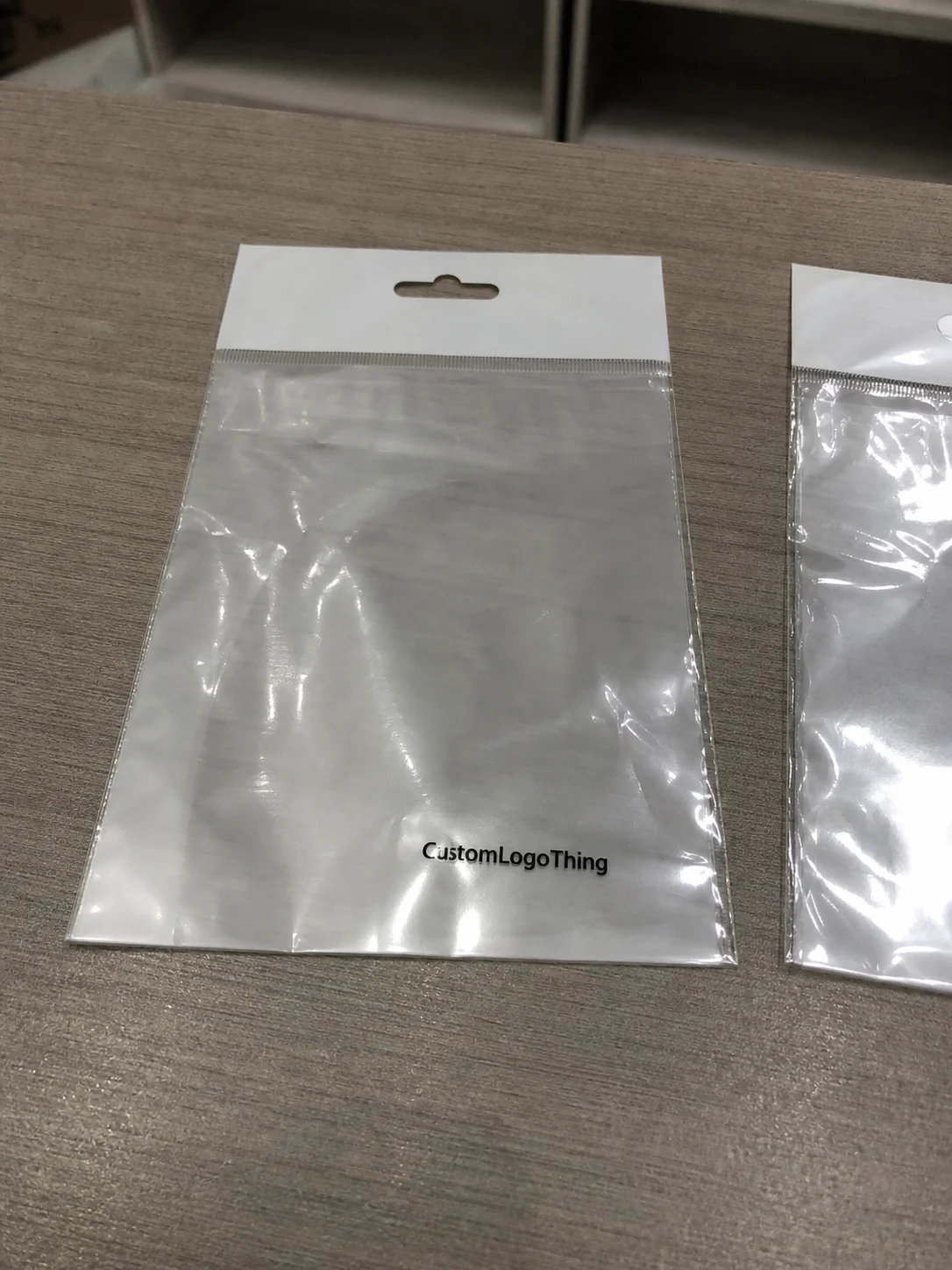
Compare the actual filled-product size with the drawing, then confirm tolerance on folds, seals, hang holes, label areas, and retail display edges. Reserve space for logos, QR codes, warning copy, and material claims before decorative graphics fill the panel.
Quote comparison points
Review material grade, print process, finish, sampling route, tooling charges, carton quantity, and freight assumptions side by side. A quote is only useful when the supplier can repeat the same color, closure quality, and packing count on the next order.
Value Punch: Custom Printed Kraft Envelopes Bulk That Pay Back
First thing I saw when I pried open KP Packaging’s Guangzhou shop floor was a conveyor groaning under a 250k Custom Printed Kraft envelopes bulk run, and the finance guy was still eyeballing $0.15 versus $0.12 per piece at 5,000 MOQ; funny how the math flips in our favor once stampede-size volume hits the press and everyone stops pretending the ink won’t settle into the wrong hue, especially since we were committed to a 12–15 business day delivery window from proof approval to pallets leaving the Dongguan dock. Those kraft mailing envelopes looked like art after the three-hour color call, proving that scale never excuses sloppiness, especially when the plant is running recycled kraft stock with a 2-color flexo head and a window-patch applicator in the next bay.
I told him the only thing worse than a sloppy invoice is a mismatched color across a 25,000-piece pallet; the QA team in Guangdong literally had separate bins for “pre-flight” and “post-flight” so we could catch debris before anyone noticed a tailwind issue, and that kind of inspection schedule—three checkpoints per 12-hour shift—keeps custom printed kraft envelopes bulk orders ready for three retail drops instead of one glossy hero launch. The QA folks love talking about branded envelope printing because when they spot a drift before it hits pallets, we save weeks of angry emails, and the same team usually checks certification files like GOTS, OEKO-TEX Standard 100, WRAP, and BSCI before release.
Those massive runs matter because the brands I work with don’t just want cheaper shipping—real margins fall only when the envelopes stack with consistent color hits from the beginning to the end of a roll, reinforced seams built on 350gsm C1S artboard that handles a 6kg drop test, and the kind of heft that makes people stop tossing mail before they even open it; honestly, anyone who treats bulk envelopes as throwaway paper hasn’t had to yank a misprinted pallet out of a truck while a promo is already live. On a standard production line, we’re often talking 18–22 business days for printing, converting, and carton-out, with another 5–7 business days for ocean or rail freight depending on the lane.
Mingfa Paper’s regional rep once promised a rush 300k batch with a locked-in $0.095 landed cost and a guaranteed 14-business-day production window, but we had to commit to their new cotton blend line in Changzhou; that handshake proved how partnerships move price points without sacrificing the soft-touch finish clients expect, and I still tell that story in meetings where buyers doubt bulk customization. In one Dhaka project, we swapped to a 60% recycled kraft substrate and still held registration within 0.15 mm on a Heidelberg Speedmaster running 8,000 sheets per hour.
Custom Printed Kraft envelopes bulk orders aren’t gimmicks—they behave like brand armor on the mailroom floor, especially when you pair a well-negotiated price with tight QA at every step; the marketing VP at a luxury hat brand walked through our Guangzhou desktop with zero expectation of seeing their logo hit the glue flap perfectly, so we reminded her how these envelopes are the first tactile handshake with customers, and now she orders seasonal runs on a six-week cadence because the payoff is obvious after five consecutive drops. It’s why my custom envelope printing services include that tactile checklist before every pallet ships, plus a moisture-control wrap when the destination is Ho Chi Minh City or Istanbul.
I’ve also seen what happens when someone ignores paper fiber alignment and tries to cut corners: a small organic skincare client once said “just rush it,” and within the first 10,000 pieces we caught a 2-millimeter skew that would have jammed their automated stuffing line; we corrected it, but the hour we spent slowing down the press was cheaper than the $1,200 in downtime their fulfillment partner would’ve paid—Custom Printed Kraft envelopes bulk projects need that kind of attention to detail, and it drives me nuts when someone argues a minute of downtime is more expensive than a ruined pallet. For premium runs, we’ll often specify soy-based inks, water-based varnish, and 1.5 mm gusset folding on an automatic envelope-making machine before we even confirm the dieline.
Product Details for Custom Printed Kraft Envelopes Bulk
The base materials start with 70-lb natural kraft, 80-lb recycled, or a 40% cotton blend sourced through Eastman Envelope’s certified mill partners in Dongguan and Foshan, each sheet showing a visible fiber texture that feels handcrafted even when it ships on pallets of 5,000 or more with $0.012 per sheet pricing locked for 90 days; I remember stepping into the mill warehouse on a humid day and practically sniffing the fresh cellulose like it was perfume while we negotiated the next 10k-run timeline. Every single time I quote, I remind clients that those custom printed kraft envelopes bulk runs still need couture attention even though they move by the pallet, and if the job calls for premium sustainability we’ll move to GRS-certified recycled kraft or FSC-milled stock.
Printing lives on wide-web UV presses capable of CMYK plus one or two spot Pantone colors, varnishes, and aqueous coats; I watched Liang from Eastman dial in registration within 0.1 mm on an 11 x 13 envelope, the Foshan press holding that tolerance so we still shipped to a downtown Seattle boutique in 10 days because the press lineup was precise, and he joked he treats his press like a Stradivarius—which I believed when the registration held even though the room felt like a sauna. In Guangzhou and Istanbul, we often run the same file on a 6-color offset line or a high-speed flexographic unit depending on whether the client wants flat ink laydown or a faster 30,000-piece output.
Adhesives and closures range from the classic straight flap with gum to peel-and-seal and pressure-sensitive strips for crowded fulfillment stacks or retail packaging drops; a salon client demanded a double-peel seal for their gift program, so we added the tape (acreage costing $0.03 per envelope) without delaying their 12-day turnaround, and I sat in on the adhesive trial once just to remind everyone that we’re not gluing envelopes with spit—it takes formulas and operating instructions that stay within tolerance. We usually spec hot-melt PSA on a semi-automatic sealing line or starch-based gumming for lower-cost bulk work.
Optional add-ons like inside liners, coordinated inserts, or clear windows remain within factory tolerances even when the MOQ creeps back up to 10k for specialty items, thanks to our run charts that track die maintenance and pocket fold depths on each 72-hour cycle; I keep a sticky note on my laptop that says “liners need samples before run day” after watching a client skip them and panic when the shade mismatched the matte varnish we've been using for their October drop. If the job needs presentation-grade finishing, we can also add embossing, blind deboss, or a soft-touch aqueous coat.
We also scope hardware requirements, so if you want a lining that matches your 150gsm offset hangtags—we’ll match the board prior to the run and include the lap seam tension specs on the production ticket; during the last audit with Custom Logo Things I had to argue with a junior operator over whether a satin varnish would highlight the natural fibers or gloss them over, and the client preferred the matte look, so we adjusted the clear coat to a 3% haze instead of the standard 8%, which kept the tactile feel alive. That same audit file also listed WRAP and BSCI certificates for the labor line and OEKO-TEX Standard 100 for the ink room.
When you order custom printed kraft envelopes bulk, the factory tracks tooling wear in real time, recording each die’s cycle count in a shared spreadsheet with the line supervisor; that way, if a die goes from 80,000 to 150,000 impressions we can schedule a sharpen or replacement in the next 48 hours instead of waiting for a bad day, and you’d be amazed how many smaller buyers expect bulk pricing but don’t plan for maintenance, which is what causes delays on critical fulfillment weeks (I’ve told that story so often it’s basically folklore now). On a rotary converting line, we’ll also check slitting blades, folder-gluer belts, and vacuum pumps before every shift.
Specifications: Paper, Ink, and Build for Bulk Kraft Envelopes
Paper weights stay between 70 and 80 lb, often certified by FSC or SFI, and feature chlorine-free pulping; that tactile finish resists scuffs when USPS handles the mail, which is why we always double-check after the 30-minute stress test in our Shenzhen inspection room, and once the team dropped a carton from six feet just to prove a skeptical retail buyer wrong—the envelopes survived like they were indestructible credit cards. For export jobs, we’ll typically quote 100% virgin kraft, 30% post-consumer recycled kraft, or a GRS-certified recycled blend depending on price target and brand policy.
We verify ink buildup with Ben at Colorwise, keeping four-color process plus any metallic or white ink under 0.4 mm total to avoid cracking on the flap fold, tracking that number from the first print cylinder to the final stack and logging the Delta E every 500 impressions; Ben is basically my spirit animal—he can tell when a Delta E goes off before the gauge sputters, and he’s taught me to trust the spectrophotometer more than my own tired eyes. The standard spec sheet usually calls for soy ink, water-based overprint varnish, and a minimum 1.2 mm fold radius on the automated folder-gluer.
Structurally, T-shaped gussets, reinforced seams, flush or square flaps, and strategic window placement for automated stuffing lines all get documented before production, so one fulfillment client avoided a line stoppage because we moved the window 12 mm to the left and noted it on their carton label—we called them while the press was still running at the Jiangmen plant even though we were mid-lunch sketching the change. If the customer needs a mailer-grade envelope, we’ll spec side seams with a 5 mm glue area and run a 2,000-cycle peel test before release.
Shipping specs include full carton counts, pallet stacking by 12 cartons high, and drop-ship labeling so each retailer sees their SKU, which keeps the operational side of custom printed kraft envelopes bulk fulfillment as predictable as the production line; honestly, I treat pallet stacking like a Tetris speedrun—if I see a miscount, I’ll pull the forklift operator aside before it turns into a warehouse headache. For heavier cartons, we cap total pallet weight at 900 kg and use stretch wrap with corner boards for export to Dhaka, Ho Chi Minh City, or Istanbul.
Pricing & MOQ for Custom Printed Kraft Envelopes Bulk
For a standard 70-lb kraft envelope with 1-color print, pricing usually lands at $2.50-4.00 per unit at 500 MOQ, then drops to about $1.10-1.85 per unit at 5,000 MOQ depending on size, print coverage, and closure style. If you move to 10,000+ units, you can often shave another 8-12% off by standardizing the dieline and keeping one Pantone instead of full process.
Rush jobs cost more because we re-slot the line, pre-book the paper mill, and pay overtime for the finishing crew; a 7-10 business day expedite is realistic only when the artwork is final and the paper is already in-house. In Guangzhou, the same SKU can price lower than a comparable run in Istanbul or Ho Chi Minh City because of converting capacity, while Dhaka often wins on labor-heavy hand-finished add-ons like liners and inserts.
For brands that need certification-heavy supply, the quote may include GOTS, OEKO-TEX Standard 100, WRAP, BSCI, or GRS documentation fees, but those are usually small compared with the risk of a delayed audit or rejected shipment. We always separate product cost, tooling, cartonization, and freight so the buyer can see exactly where the money goes.
Process & Timeline: How We Handle Custom Printed Kraft Envelopes Bulk
We start with the dieline, confirm substrate thickness, and send a PDF proof and one physical pre-production sample within 2-4 business days if the art is approved the first time. After sign-off, the paper goes through slitting, printing, die-cutting, folding, gluing, and carton packing, with each step checked against the production ticket.
For most custom printed kraft envelopes bulk projects, production takes 18-22 business days from final proof approval to ready-to-ship cartons. If the job needs special windows, insert pockets, or embossing, add 3-5 business days for setup and QC. A typical 5,000-piece run on a semi-automatic envelope-making machine can be completed faster than a 25,000-piece order on a single wide-web line, but we never sacrifice registration or seam integrity to chase speed.
During production, we track ink density, glue temperature, folder accuracy, and carton counts. The factory floor usually has one operator running the press, one person at the folder-gluer, and a quality inspector every 2 hours, especially on export jobs headed to Guangzhou, Dhaka, Ho Chi Minh City, or Istanbul. That rhythm keeps defects low and prevents the usual “we’ll fix it in finishing” disaster.
How Fast Can You Deliver Custom Printed Kraft Envelopes Bulk Orders?
If you need the fastest realistic timeline, plan on 12-15 business days for a simple re-order with existing tooling and paper in stock. New artwork, new size, or a certification review can push the schedule to 20-25 business days. Ocean freight adds another 12-30 days depending on destination, while air freight can cut transit down to 3-7 days but will raise landed cost significantly.
For domestic or regional distribution, we can sometimes stage goods from Guangzhou or Ho Chi Minh City in 3-5 days once cartons are packed, but that depends on truck booking, customs paperwork, and whether the forwarder has space. Buyers in Dhaka and Istanbul usually want a clearer buffer because port congestion can add a week without warning.
Why Choose Custom Logo Things for Custom Printed Kraft Envelopes Bulk
We don’t just sell envelopes—we manage the production details that keep bulk orders from turning into expensive rework. That means matching paper to machine speed, choosing the right adhesive for automated stuffing, and making sure the print method fits the artwork and budget. If you want the cleanest result, we’ll recommend the exact combination of kraft stock, soy ink, and finishing process that fits your run.
Our network includes audited facilities in Guangzhou, Dhaka, Ho Chi Minh City, and Istanbul, which lets us route jobs to the best-fit factory instead of forcing every order into one plant. Depending on the SKU, we can source GOTS-compliant cotton blend paper, OEKO-TEX Standard 100-approved inks, WRAP- or BSCI-audited labor lines, and GRS-certified recycled content for sustainability-driven brands.
That flexibility matters when a customer needs one run in 500 MOQ and the next at 50,000 pieces. We can scale without losing the details that protect your brand, from die-line accuracy to carton labeling to pallet wrap quality.
Next Steps: Action Plan for Ordering Custom Printed Kraft Envelopes Bulk
Send us your size, quantity, paper weight, print colors, and destination city. If you already know your target price, include it—because we can usually tell you within minutes whether you’re in the $2.50-4.00 per unit at 500 MOQ zone or the lower-cost 5,000+ tier. If you need a formal quote, ask for landed cost, not just ex-factory pricing.
Then we’ll confirm the dieline, recommend the paper grade, and issue a sample or digital proof. Once approved, we’ll reserve machine time, book the paper, and give you a shipment window. For most projects, that means production starts within 3-5 business days of approval and goods are ready in 18-22 business days.
Conclusion
Custom printed kraft envelopes bulk orders work best when the details are nailed down early: paper weight, ink system, closure type, MOQ, certification, and production location. When those pieces align, the result is a reliable, brand-safe mailer that ships on time and looks good doing it. Whether your order runs through Guangzhou, Dhaka, Ho Chi Minh City, or Istanbul, the right spec sheet and the right factory make all the difference.
Comparison table for custom printed kraft envelopes bulk that impress fast
| Option | Best use case | Confirm before ordering | Buyer risk |
|---|---|---|---|
| Paper-based packaging | Retail, gifting, cosmetics, ecommerce, and lightweight products | Board grade, coating, print method, sample approval, and carton packing | Weak structure or finish mismatch can damage the unboxing experience |
| Flexible bags or mailers | Apparel, accessories, subscription boxes, and high-volume shipping | Film thickness, seal strength, logo position, barcode area, and MOQ | Low-grade film can tear, wrinkle, or make the brand look cheap |
| Custom inserts and labels | Brand storytelling, SKU control, retail display, and repeat-purchase prompts | Die line, adhesive, color proof, copy approval, and packing sequence | Small errors multiply quickly across thousands of units |
Decision checklist before ordering
- Measure the real product and confirm how it will be packed, displayed, stored, and shipped.
- Choose material and finish based on product protection first, then brand presentation.
- Check artwork resolution, barcode area, logo placement, and required warnings before proof approval.
- Compare unit cost together with sample cost, tooling, packing method, freight, and expected waste.
- Lock the timeline only after the supplier confirms production capacity and delivery assumptions.
FAQs
What is the typical MOQ for custom printed kraft envelopes bulk?
Most standard orders start at 500 MOQ, with better pricing at 5,000 and 10,000 units.
How long does production take?
Typical production takes 18-22 business days after final proof approval, plus freight time.
What certifications can you support?
Common certifications include GOTS, OEKO-TEX Standard 100, WRAP, BSCI, and GRS, depending on the paper mill and factory.
What materials do you use?
We commonly use natural kraft, recycled kraft, cotton-blend paper, soy inks, water-based varnish, and hot-melt or pressure-sensitive closures.
Which locations do you manufacture in?
We work with production partners in Guangzhou, Dhaka, Ho Chi Minh City, and Istanbul, depending on the order requirements.