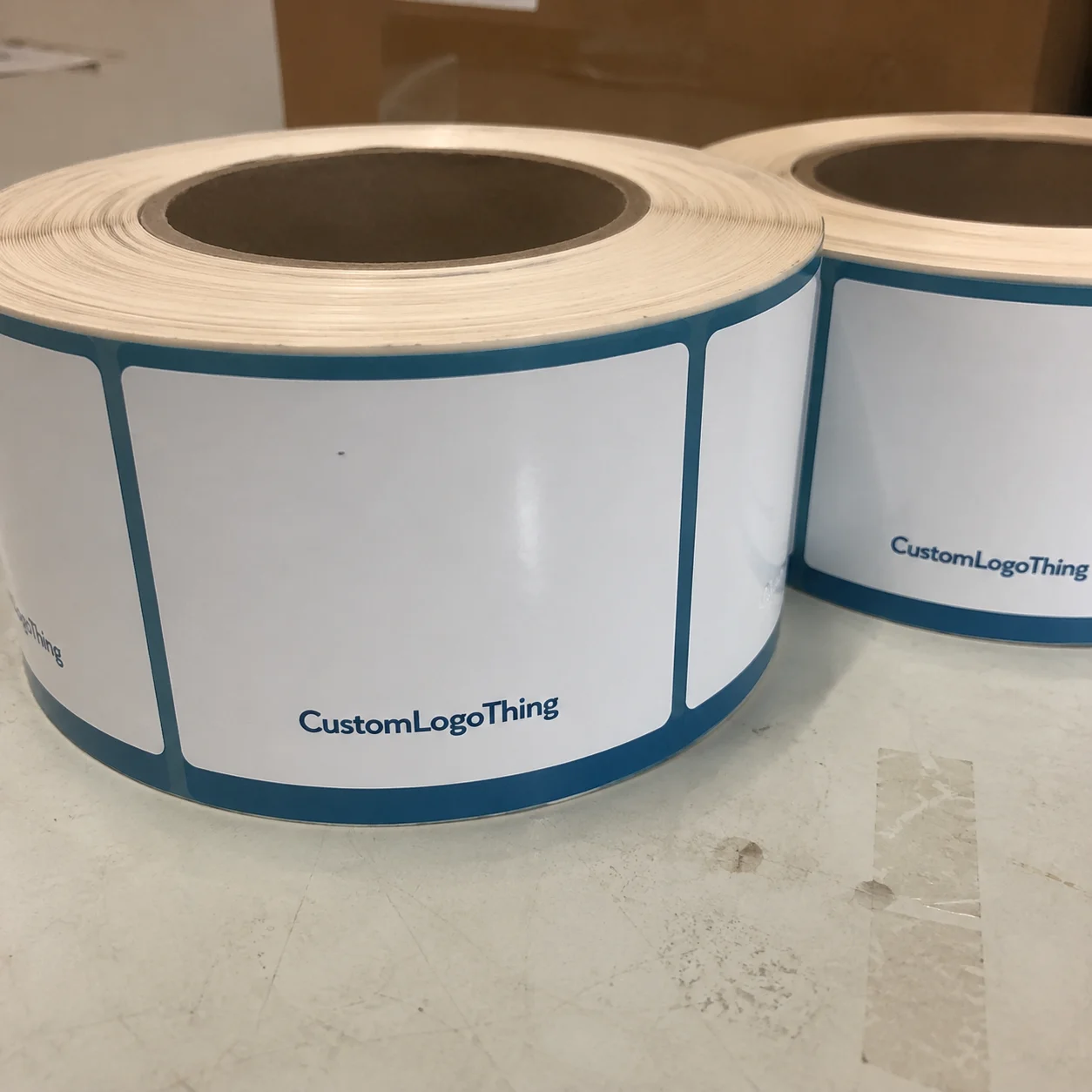
Custom printed magnetic labels sit in a useful middle ground. They are more controlled than loose signage, cleaner than adhesive labels on sensitive surfaces, and easier to update than anything that needs permanent mounting. For apparel brands, showrooms, and retail teams, that mix can solve a surprisingly common problem: how to label, sort, and present items without leaving residue or creating extra cleanup later.
They are not a universal answer. A magnetic label only makes sense where the surface supports it and the use case really benefits from reuse. On metal shelving, rolling racks, sample bins, display panels, and backroom organization systems, they can be very effective. On fabric, coated plastics, curved panels, or shipping cartons, they may be the wrong tool entirely. That distinction matters because the best-looking label is still a poor buy if it cannot stay put or if it slows down daily work.
For clothing brands, the appeal is practical as much as visual. Magnetic labels can support seasonal resets, sample rotation, rack identification, and premium retail presentation without forcing the team into adhesive removal or replacement every time the layout changes. They also fit neatly into a broader packaging system alongside Custom Labels & Tags and other Custom Packaging Products, especially when the brand wants the presentation to feel coordinated across more than one touchpoint.
What custom printed magnetic labels are and when they make sense
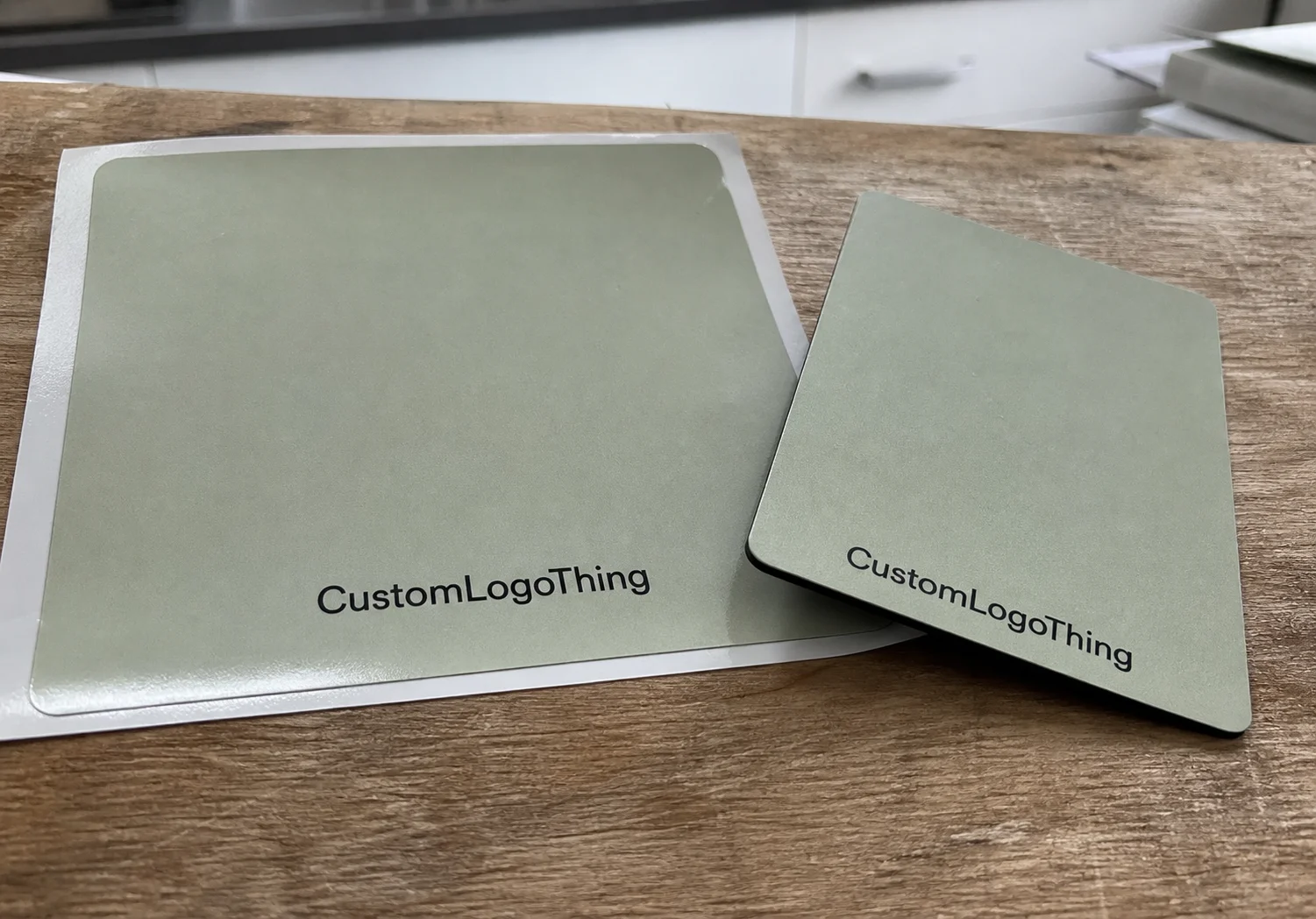
At a basic level, a magnetic label is a printed face attached to a magnetic substrate or magnetic backing so it can cling to a ferrous surface without permanent adhesive. The useful part is not the magnet alone. It is the combination of print quality, attachment strength, and the ability to reposition the label without damaging the surface underneath.
That becomes valuable in clothing operations where labels need to move. A showroom may reorganize samples by season. A retail floor may need a faster reset before a launch. A studio may use labeled bins for trims, size runs, returns, or photoshoot prep. In each case, the label is handling a job that changes often enough to make adhesive a weak fit. Clean removal is not a bonus there. It is the point.
These labels are also useful when presentation matters. A printed magnetic label can feel more polished than a handwritten tag or a temporary sticker, especially on a controlled display wall or metal rack system. If the brand is trying to keep packaging, fixture labeling, and internal organization visually consistent, magnetic formats can carry that look without making the layout permanent.
The limits are just as important. If the surface is non-magnetic, dusty, textured, curved, or constantly exposed to vibration, the label may not behave as expected. A label that sits perfectly on a steel display in a quiet showroom can start to shift on a crowded cart or in transit. Buyers should treat the surface and the handling environment as part of the spec, not as an afterthought.
“If the label moves often, the real test is not print quality alone. It is whether the piece still looks clean after repeated handling.”
That is why custom magnetic labels often work best for internal operations, retail fixtures, and reusable display systems rather than for one-time shipping or direct garment attachment. They are a control tool, not a universal label format.
How the magnetic backing, print, and finish work together
The construction is simple on paper and more demanding in practice. A finished piece typically includes a printable face, the artwork itself, a protective finish, and the magnetic backing or magnetized layer that provides hold. Each layer affects how the label looks, how it wears, and how long it keeps doing its job.
Face material and print method
The face material determines how the label receives ink and how crisp the details will appear. Digital printing is often the best fit for short runs, variable artwork, or jobs with logos, barcodes, garment codes, and small handling text. That matters more than buyers expect, because small type that looks fine on screen can turn soft or crowded once it is printed at final size.
For apparel use, legibility is usually more valuable than visual novelty. Deep brand colors can work well, but contrast needs to stay strong enough to read at a glance. Black type on a light field is still one of the safest choices for operational labels, inventory markers, and retail display pieces. If the label needs to coordinate with broader packaging design, the color system should be tested against the actual substrate rather than assumed from a mockup.
Finish and handling
The finish is often where a label either holds up or starts to look tired. Matte finishes reduce glare, which helps in stores with mixed lighting or overhead LEDs. Gloss can sharpen the visual impact, but it also reveals fingerprints, rub marks, and scuffs faster. Soft-touch can feel more premium, though it needs careful handling because some coatings show wear sooner than buyers expect.
A label that will be touched daily needs a finish chosen for abrasion resistance, not just appearance. If it is a display piece that stays in one place, the finish can be selected more for presentation. The wrong finish can make a technically correct label feel cheap after a week of use. The right finish can make a simple piece feel deliberate.
Magnetic hold and surface fit
The magnet is the part that gets tested in real life. Pull strength should match the surface and the job. Light display use on clean steel may only need a modest hold. Repositionable labels on sample shelving, rolling fixtures, or frequently handled racks need more grip. If the hold is too weak, the label drifts or peels at the edges. If it is too aggressive, removal becomes awkward and can slow the staff down.
Surface condition matters as much as the magnet itself. Dust, paint texture, curvature, and panel thickness all affect performance. A buyer who approves a label based only on a flat sample board can end up with a misleading result. The better approach is to test on the actual target surface, or as close to it as possible, before approving a larger run.
For production and transit expectations, standards from groups such as ISTA can help frame how packaging and printed pieces should survive handling. If a project is part of a larger materials program, public guidance from the EPA can also be useful when evaluating waste, disposal, and material choices.
Key specs that control durability, readability, and fit
Size is the first spec to settle because it affects everything else. A label needs enough room for the message, but not so much that it overwhelms the surface. Too little space leads to cramped type, weak hierarchy, and a piece that looks busy rather than premium. Too much space makes the label feel like a sign when it should read like a label.
Thickness is the next practical decision. Thicker constructions can feel more substantial and often lie flatter on the surface, but they can also increase cost and reduce flexibility in tighter applications. If the label will be stored flat, stacked, or moved frequently, thickness should be checked against the real workflow. A heavy build that looks impressive in a proof can still be inconvenient in use.
Color needs a separate review. Brand colors that seem accurate on a monitor may shift once printed on a different material or finish. That is normal. What matters is whether the final result remains clear, consistent, and easy to read. If the job requires exact color matching, request proofing on the chosen material instead of relying on screen expectations.
Readable type is another place where small mistakes become expensive. The label may only need a few words, but if the text is too small or too light, the benefit of the format disappears. The same applies to barcodes or item codes. If those elements are part of the label, they need to scan cleanly and remain legible at the actual viewing distance.
Magnetic strength should be specified with the use case, not with a generic assumption. Ask how often the label will be moved, whether it will sit in storage, and whether it will be exposed to shipment vibration, humidity, or repeated contact with other hard objects. A label that is fine for a showroom can still fail in a backroom environment if those factors were never part of the brief.
- Size: large enough for readable copy, small enough to fit the surface cleanly.
- Thickness: heavier builds can feel premium but may be less flexible and cost more.
- Color contrast: strong contrast improves quick identification at a distance.
- Magnetic hold: match the pull force to the surface quality and handling frequency.
- Exposure: account for humidity, rubbing, stacking, and repeated repositioning.
Custom printed magnetic labels pricing, MOQ, and quote drivers
Price is driven by a small set of variables, and they interact quickly: size, print coverage, number of colors, finish, magnetic thickness, quantity, cutting style, and packing method. A simple black-and-white label in a standard shape can be very different from a fully printed piece with specialty finishing and custom die-cutting. They are not interchangeable quotes.
Minimum order quantity changes the economics. Setup, proofing, and production prep get distributed across fewer pieces on a small run, so per-unit pricing is usually higher. That does not make the smaller order a bad choice. It makes it a diagnostic one. A first run should confirm fit, readability, magnet performance, and finish before the brand commits to a larger quantity.
| Order Type | Typical Use | Price Pressure | Best Fit |
|---|---|---|---|
| Short-run sample order | Proofing, internal testing, launch review | Higher per unit because setup is spread across fewer pieces | First-time spec checks |
| Mid-volume production | Seasonal retail or showroom use | Balanced unit cost and manageable inventory | Brands with repeat SKU or display needs |
| Higher-volume repeat run | Ongoing merchandising or multi-location rollout | Lower per unit once the spec is locked | Established packaging and retail systems |
For budgeting, many buyers will see simple magnetic labels land in a lower-to-mid price band at scale, while heavier builds, specialty finishes, custom shapes, and bundled packing can move the cost up quickly. The number itself is not very useful unless the comparison is clean. Ask for the same size, same artwork, same finish, same packing method, and same quantity across quotes. Otherwise, the price difference is mostly noise.
The quote should also show what is included. Digital proofs or physical proofs? Is finishing included? Are custom cuts extra? Is freight separate? Is there a charge for rush handling or split shipments? Those line items can change the real landed cost more than the headline unit price. For clothing brands, the best option is usually the one that balances presentation, reliability, and total cost without making the order difficult to use.
There is one more cost factor worth considering: rework. A label with weak magnet strength, poor print clarity, or a finish that scuffs too easily may be cheaper to buy and more expensive to own. Replacements, cleanup, and lost staff time are not dramatic line items, but they add up fast.
Production process and turnaround
The production path is familiar: inquiry, spec confirmation, artwork prep, proof review, production, finishing, packing, and shipment. The process itself is not complicated. What slows it down is missing information. If the size is vague, the surface is unclear, or the artwork arrives without bleed, the job stops early and the schedule slips before production has even begun.
Most delays come from a predictable list: incomplete artwork, late approvals, last-minute changes to quantity, and color expectations that were never tested against the actual material. First-time custom work almost always takes longer than repeat work because there is more to verify. That is normal. It just needs to be built into the timeline from the start.
Turnaround should be planned backward from the real deadline, not from the date the order is placed. Apparel teams often work around product drops, trade shows, showroom appointments, content shoots, or seasonal resets. If the labels arrive after the product has already been packed or displayed, the cost is not only the label order. It is the extra handling the team now has to absorb.
For that reason, buyers should approve the label alongside any related packaging pieces if they are part of the same launch. If the full system includes cartons, inserts, or other printed pieces from Custom Labels & Tags and Custom Packaging Products, the schedule is cleaner when those items are locked together rather than one at a time. That avoids a common problem where one piece is approved and the rest of the set keeps drifting.
External resources such as FSC can be helpful if the broader packaging program includes paper-based components or sourcing questions. Even when the magnetic label is a small item, it often sits inside a wider packaging decision that needs to stay consistent.
Common mistakes that waste budget or weaken performance
The first mistake is size mismatch. Labels that are too small become hard to read. Labels that are too large look awkward on the surface and can require redesign later. This usually happens when a mockup is approved on a screen before anyone checks the real dimensions on the fixture, rack, or display panel.
The second mistake is choosing a finish for appearance alone. A glossy label may look sharp at approval and still be wrong for the environment if the staff touches it frequently or if glare makes the text harder to read. A soft-touch finish can feel premium and still be too delicate for a busy storage area. The finish should follow the use case, not the other way around.
The third problem is file prep. Low-resolution graphics, weak contrast, missing bleed, and unclear dielines all create avoidable production friction. If the label includes small copy, the proof matters. A logo can look fine while the smaller operational text falls apart. That is why final-size review is more useful than zoomed-in screen review.
The fourth mistake is assuming the surface will behave like the sample board. Magnet performance changes with curvature, dust, coating, and contact pressure. A label that clings well in a controlled test can still move or peel in the field if the actual surface is less ideal. If the label will be moved often, spec for that environment, not for the cleanest possible one.
The fifth mistake is ordering too many units before the first run has been tested. Small quantities are not only for saving money. They are for catching problems early. A label that is slightly too large, slightly too weak, or slightly too glossy can often be corrected before a broader rollout. Once the larger order is produced, the same issue becomes a waste problem.
Next steps: build a cleaner spec before you order
Start by defining the job. Is the label for retail display, sample organization, internal inventory, or a branded presentation system? That decision shapes the rest of the brief. A label meant for a showroom wall will not need the same hold or finish as one used on a backroom rack that is handled all day.
Then write down the core details: dimensions, artwork content, finish, magnetic strength, quantity, and any special cutting or packing requirements. Keep the spec short enough to read in one pass, but specific enough that nobody has to guess. A clear brief reduces revision cycles and gives a printer enough information to quote accurately.
Artwork should be prepared with production in mind. Vector files are best for logos and type because they keep edges sharp at size. If the design contains small text, codes, or icons, check them at the final label dimensions rather than trusting a large-screen mockup. If the label must match other packaging elements, include those color references early so the print expectations are realistic.
Request a sample or proof when the piece is customer-facing or part of a new system. That one step can catch weak magnet hold, cramped copy, dull color, or finish problems before they become expensive across a full run. It is a practical checkpoint, not a formality.
Before approval, review the full workflow: where the label will sit, how often it will be moved, who will handle it, and what kind of wear it will see. If the project also includes Custom Labels & Tags, cartons, or mailers from Custom Packaging Products, approve the set together so the materials and timing stay aligned.
For clothing brands, custom printed magnetic labels make the most sense when the job calls for reuse, clean removal, clear branding, and a tidy presentation across changing retail or showroom environments. Defined properly, they reduce clutter and rework. Defined loosely, they become another item that needs to be replaced.
Are custom printed magnetic labels suitable for clothing packaging and retail displays?
Yes, when the application needs a reusable label that attaches to metal surfaces or display systems without permanent adhesive. They work well for seasonal merchandising, sample organization, and premium presentation where repositioning matters. They are not a fit for direct fabric application or non-magnetic packaging surfaces.
What affects the price of custom printed magnetic labels the most?
Size, quantity, print coverage, finish, magnetic thickness, and cutting style have the biggest effect on price. Small runs usually cost more per unit because setup and proofing are spread across fewer pieces. Freight, packing, and rush timing can also change the landed cost.
How do I choose the right magnetic strength for my label?
Base it on the target surface and the amount of handling the label will take. A label used on a clean showroom panel needs less hold than one that will be repositioned often or exposed to vibration. If the application is uncertain, test on the actual surface before placing a larger order.
What file should I send for custom printed magnetic labels?
Vector artwork is the safest choice for logos and text because it preserves sharp detail at production size. Include final dimensions, bleed if needed, and any color references. If the design uses small copy or codes, request a proof to verify legibility before production starts.
How long does production usually take for custom printed magnetic labels?
Turnaround depends on proof approval, quantity, finishing, and whether the job needs color matching or special cutting. Repeat orders can move faster than first-time custom work because the spec is already established. The safest schedule includes enough time for review before launch, display setup, or a seasonal reset.