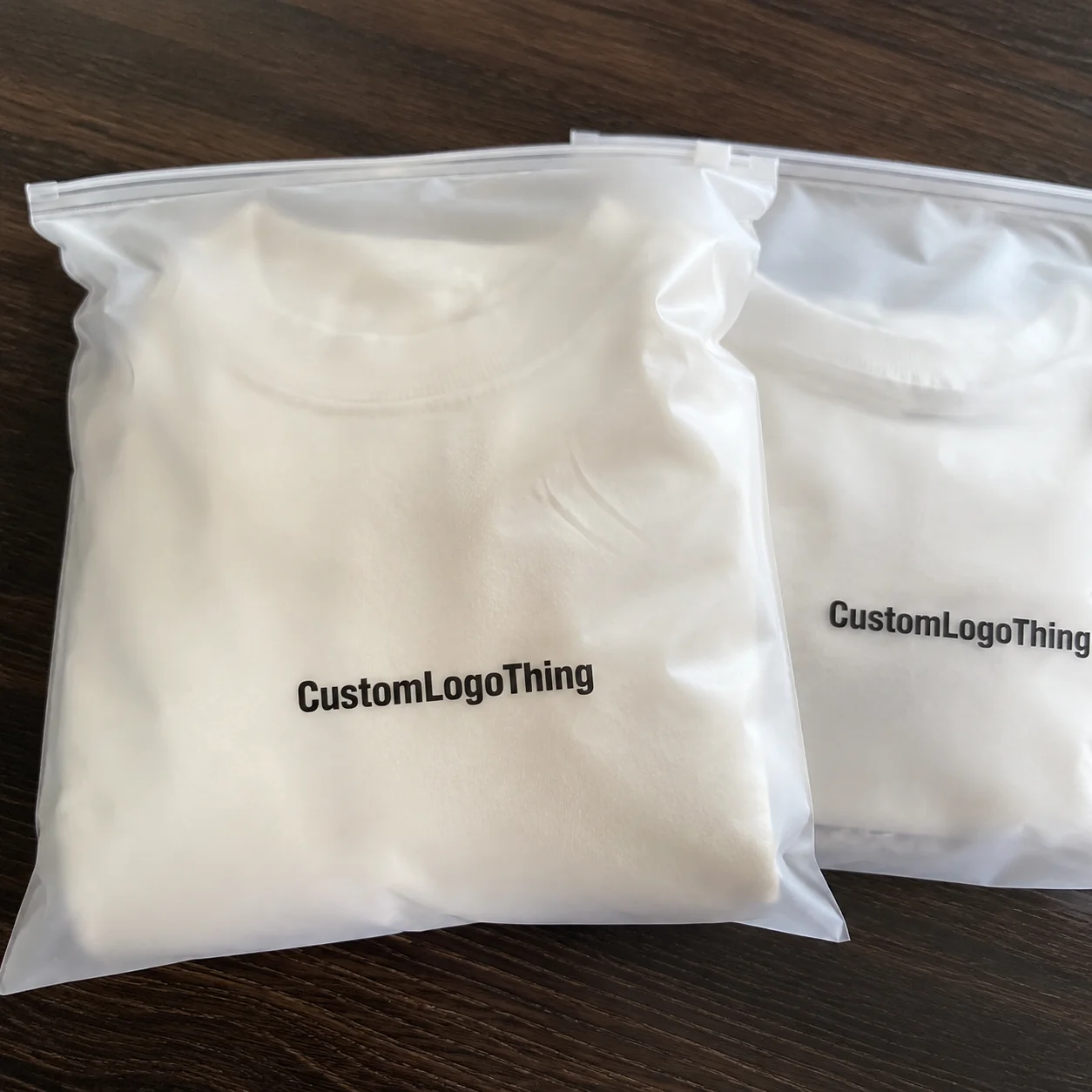
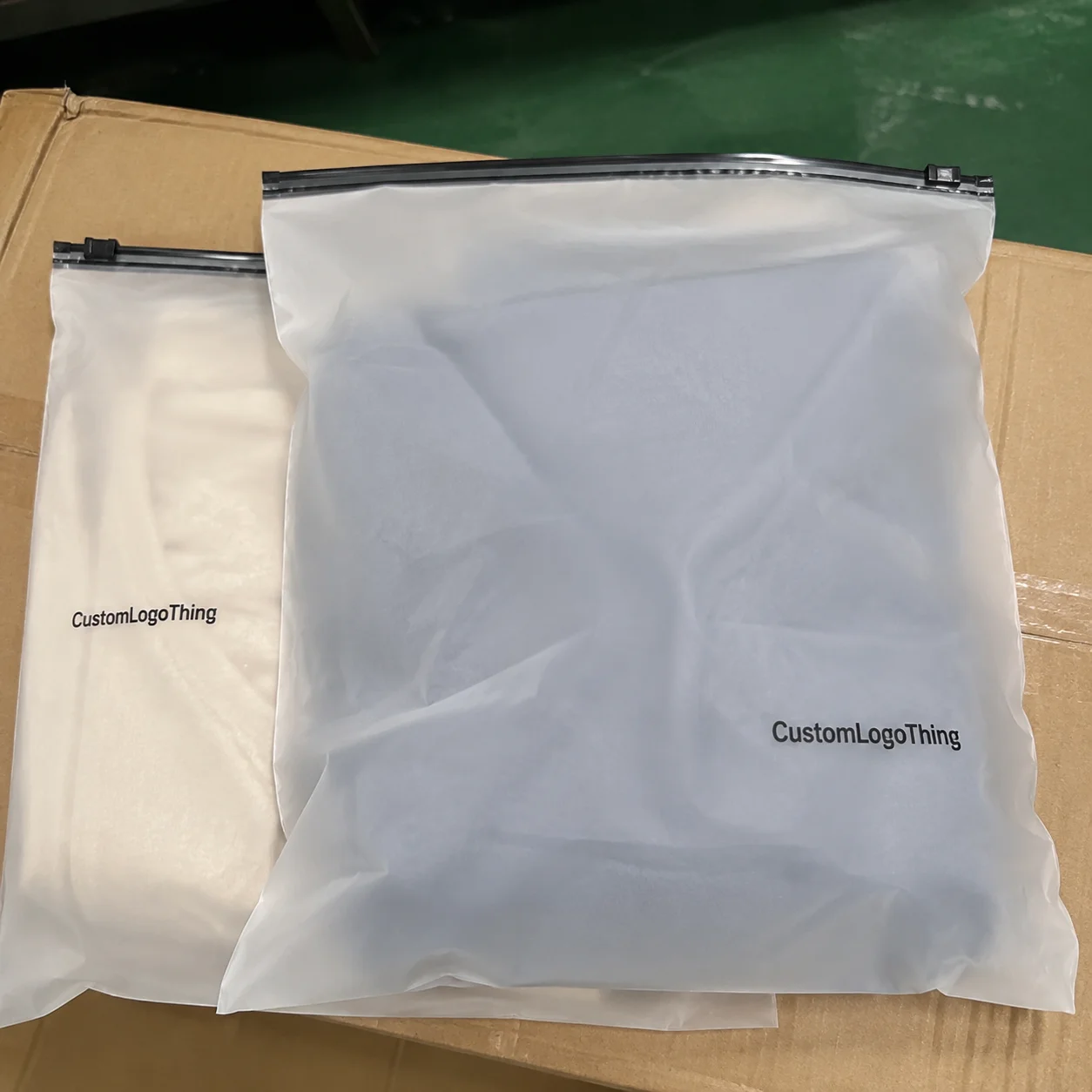
Buyer Fit Snapshot
| Best fit | Custom Printed Poly Bags Wholesale projects where brand print, material claims, artwork control, MOQ, and repeat-order consistency need to be specified before quoting. |
|---|---|
| Quote inputs | Share finished size, material target, print colors, finish, packing count, annual reorder estimate, ship-to region, and any compliance wording. |
| Proofing check | Approve dieline scale, logo placement, barcode or warning zones, color tolerance, closure strength, and carton packing before bulk production. |
| Main risk | Vague material claims, crowded artwork, missing packing details, or unclear freight terms can make a low unit price expensive after revisions. |
Fast answer: Custom Printed Poly Bags Wholesale: Pricing, Specs, More should be specified like a repeatable production item. The safest quote records material, print method, finish, artwork proof, packing count, and reorder notes in one written spec.
Production checks before approval
Compare the actual filled-product size with the drawing, then confirm tolerance on folds, seals, hang holes, label areas, and retail display edges. Reserve space for logos, QR codes, warning copy, and material claims before decorative graphics fill the panel.
Quote comparison points
Review material grade, print process, finish, sampling route, tooling charges, carton quantity, and freight assumptions side by side. A quote is only useful when the supplier can repeat the same color, closure quality, and packing count on the next order.
If you buy Custom Printed Poly bags wholesale, the savings usually show up where no one bothers to take a nice product photo: fewer pallet positions, lower freight bills, cleaner pack-out on the line, and less handling time for the crew loading product at 6 a.m. I’ve stood on enough factory floors in Shenzhen, Dongguan, and Foshan to know that a bag that looks “simple” on paper can change the whole rhythm of packing, especially when the line is pushing 8,000 to 12,000 units per shift. I remember one plant in Dongguan where the packers were basically sprinting because the old packaging needed two extra steps. The new bag shaved 2.7 seconds off each pack, which turned into real labor savings on a 40,000-piece run. Nobody wants to admit a bag can make or break a shift, but here we are.
Custom Printed Poly bags wholesale deserves a practical look, not a lazy price-per-thousand glance. The right spec can save money immediately. The wrong one can create curl, static, seal failures, and ugly rework that eats the savings back up before the first carton leaves the dock. Buyers love to obsess over unit price. Then they wonder why the warehouse is quietly bleeding cash. Honestly, I think that happens because packaging gets treated like a side quest instead of an actual production decision. I’ve seen a 1.5 mil bag work fine on a folded tee, then fail completely on a product with hard edges and a 400-gram insert. Same factory, same day, completely different outcome.
Why custom printed poly bags wholesale can cut packaging costs fast
One of the surprises I see with new buyers is that Custom Printed Poly Bags wholesale often comes in under the cost of buying plain retail-style packaging once you account for print setup, shipping density, and the way wholesale production is optimized around large rolls of film. A bag that costs a little more on paper can still save money if it speeds up packing or replaces a secondary label, insert, or overwrap. In a garment facility I visited outside Guangzhou, the production manager cut three seconds per pack simply by switching to preprinted poly bags, and on a run of 40,000 pieces that time mattered more than a fraction of a cent. Three seconds sounds tiny until you multiply it by a real production schedule. Then it gets loud fast. On a 10-hour shift, those seconds can turn into dozens of extra cartons finished before the last truck leaves the dock.
The business case is pretty simple. Poly bags are light, flat, and efficient to store. A carton of custom printed poly bags wholesale takes up far less space than rigid packaging, and the shipping weight stays low even when the print area is large. That matters for domestic shipments and even more for ocean freight, where every kilogram and cubic meter gets counted. If your product is apparel, small parts, supplements, cosmetics, e-commerce inserts, or retail overwrap, the math usually favors film packaging because you are not paying to move extra air or board. I’ve seen warehouses in Ningbo and Jiangmen overflow because someone thought “just use a bigger box.” Sure. Great idea. Until storage costs show up and ruin everyone’s mood. A single pallet of flat bags might hold 50,000 units; a comparable rigid pack can eat four times the cube.
There is also a floor-level benefit that buyers sometimes miss. When a packer can grab one printed bag, open it, load the product, seal it, and move on, the line stays cleaner and more predictable. I’ve watched teams in a hardware plant near Suzhou spend extra time digging for labels and tape because the packaging system was split across too many components. Once they switched to custom printed poly bags wholesale, the operation became simpler by one step, and simplicity is money when labor is tight. Simple is underrated. Also rare. Mostly because people keep adding “just one more thing” to the pack-out flow. In that plant, a 12-person packing crew was finishing about 900 more units per day after the change.
Buying wholesale changes the economics of print setup too. Small retail quantities often carry a heavy burden from plates, cylinders, setup time, and material waste. With custom printed poly bags wholesale, those fixed costs spread across a much larger run, so the per-unit price drops in a way that smaller buyers can feel immediately. That does not mean bigger is always better. A bad spec in a giant run is still a bad spec. It means the right bag, ordered at the right quantity, usually delivers a better total packaging cost than a last-minute retail purchase. On a 5,000-piece run, a one-color bag might land around $0.15 per unit, while the same spec at 20,000 pieces can drop to roughly $0.08 to $0.10 per unit depending on size and film gauge. Exact numbers move with resin prices and artwork coverage, because reality refuses to stay simple.
“The cheapest quote is not always the cheapest bag. If the film gauge is too light or the seal is inconsistent, you pay for it later in rejects and repacking.”
If you are comparing packaging options, it is worth looking at Wholesale Programs alongside your bag quote, especially if your product line includes multiple SKUs that can share the same size family. That kind of standardization is where custom printed poly bags wholesale can really move the needle, because a stable spec reduces purchasing complexity and improves pack-out consistency. I like boring, repeatable specs. They save money and reduce the number of “we need to talk about this emergency” emails. One buyer I worked with in Xiamen cut three packaging SKUs down to one bag size and saved 18% on annual buying cost just by standardizing the width and closure style.
For brands that care about presentation, poly bags also support strong package branding without the cost of heavier structures. A sharp logo, a clean one-color mark, or a multi-panel print can create the same shelf recognition that some buyers chase with custom printed boxes, but in a lighter and more efficient format for soft goods and lower-profile products. That is why I see custom printed poly bags wholesale used so often in apparel, club stores, and e-commerce fulfillment. It’s practical. It looks decent. And it doesn’t make the freight team sigh like they just got assigned extra cardio. A 250 x 350 mm flat bag with a bold black logo can look more polished than a badly designed carton that costs twice as much to ship.
Custom printed poly bags wholesale product details and use cases
There are several bag styles under the custom printed poly bags wholesale umbrella, and each one serves a different packing behavior. Flat poly bags are the simplest and often the most economical. Gusseted bags add side or bottom expansion, which helps when the product has thickness or irregular edges. Reclosable zipper bags are popular for consumer goods that get opened and closed multiple times. Side-seal bags offer a clean presentation for retail packaging, while header bags work well when hanging display or organized counts matter. A 10 x 14 inch flat bag might be perfect for a folded shirt, while a 12 x 16 x 3 inch gusseted version works better for bulkier knitwear or boxed accessory sets.
Material choice matters just as much as style. LDPE gives you flexibility, clarity, and a softer hand feel, which is why it shows up so often in garment packaging and product packaging where the bag needs to drape neatly. HDPE feels crisper and can give you a thinner-looking but still functional bag for certain applications. Mixed-film constructions can be used when you need a combination of stiffness, puncture resistance, or barrier performance. In a cosmetics packing line I visited in Guangzhou, the buyer wanted something that looked clean and held a print well, but also did not wrinkle badly under stack pressure; we ended up comparing LDPE and a slightly stiffer blend before they settled on the run. That kind of back-and-forth is normal. The trick is not pretending every film behaves the same just because it has “poly” in the name. A 2.0 mil LDPE bag and a 1.6 mil HDPE bag can feel like two different products in the hand.
Print method is another practical decision point. Flexographic printing is common for custom printed poly bags wholesale because it works efficiently on medium to high-volume runs and handles repeat brand graphics well. Gravure printing can suit larger volume programs where image consistency and ink laydown justify the tooling investment. The key is not which process sounds more advanced. The key is which one fits your quantity, artwork complexity, and acceptable setup cost. I’ve seen first-time buyers pay for gravure-style tooling when flexo would have served them better at 10,000 pieces; that is an expensive lesson if the run is only a test market launch. Nobody wants to explain that mistake to finance with a straight face. A simple one-color flexo setup can be approved in a day; a full-color gravure job can take longer and cost more before the first bag is even made.
Use cases are broad, but the best results come when the product and the bag are matched carefully. For apparel, custom printed poly bags wholesale can protect folded shirts, socks, knitwear, and private-label garments while keeping the shelf presentation tight. For hardware, abrasion resistance and seal consistency matter more, because sharp corners can punish light film. For supplements and food-adjacent packaging, barrier needs and regulatory language must be reviewed carefully, since not every film construction is suitable for direct contact or extended storage. For e-commerce inserts, bags can group accessories, manuals, or promotional pieces into one clean kit. A $0.09 bag that reduces repack complaints is usually a better buy than a prettier option that causes line headaches in Shanghai or Dallas.
Presentation choices also matter. Buyers can specify clear, frosted, tinted, matte, glossy, vented, resealable, or tamper-evident options depending on handling needs. That is one reason custom printed poly bags wholesale stays popular across so many categories: the bag can be tuned to the brand look and the physical job at the same time. When a client wants Packaging Design That feels deliberate but still economical, poly is often the first place I look. I know some people want the “premium” answer automatically. Fine. But if the bag does the job, looks good, and keeps costs sane, why make life harder? A matte-finish 2 mil bag with a clean white print can look surprisingly upscale on retail peg hooks in Toronto or Melbourne.
Below is a simple comparison of common bag styles I’ve seen quoted and run in real production settings.
| Bag style | Best for | Typical strength/presentation | Common notes |
|---|---|---|---|
| Flat poly bag | Apparel, inserts, light parts | Economical, clean print area | Fastest to convert, often lowest cost |
| Gusseted bag | Bulkier items, boxed goods, multi-packs | More capacity, better shape retention | Needs tighter spec control on fold and width |
| Zipper bag | Reusable consumer goods, kits, samples | Higher perceived value | Closure adds cost and setup complexity |
| Side-seal bag | Retail packaging, presentation-driven items | Clean edges, strong visual finish | Good for branded packaging with front-panel artwork |
| Header bag | Hang display, counted sets | Display-friendly | Header size and hole placement should be confirmed early |
If you are evaluating other formats as well, our Custom Packaging Products page can help you compare where custom printed poly bags wholesale fits against alternative product packaging options like labels, cartons, and mailers. For some lines, especially e-commerce, the bag works best as part of a broader packaging design system rather than as a stand-alone decision. I’ve seen a 300-piece apparel launch use a 9 x 12 inch printed bag inside a rigid mailer and save both cube and labor.
For brands that ship soft goods directly, I also see buyers compare bags to Custom Poly Mailers. That comparison is smart, because the decision often comes down to whether the product needs a protective shipping outer or a presentation bag inside a larger carton. Both can support package branding, but the use case is different. A mailer built for a 0.5 kg parcel in Seoul is not the same thing as a display bag for folded garments in a store planogram.
Custom printed poly bags wholesale specifications to compare before ordering
Before you approve a run of custom printed poly bags wholesale, I always tell buyers to lock down the core specification fields first: width, length, gusset depth, thickness in mil, seal style, and print area. Those six items control most of the outcome. I’ve seen a brand lose a week because they approved artwork before confirming whether the width was measured flat or open, and that small confusion created a size mismatch in receiving. The factory did exactly what the PO said, but the buyer and the plant were speaking slightly different measurement languages. Classic. Absolutely classic. A 12-inch flat width and a 24-inch open width are not the same thing, even if someone writes both in an email like they are.
Thickness is one of the most misunderstood details. A 1.5 mil bag and a 2.0 mil bag may look similar in a spreadsheet, but they behave differently on a line. Heavier film can improve puncture resistance, reduce tear risk, and often feels more premium in retail packaging. Lighter film can lower cost and improve flexibility, which is useful for apparel and many e-commerce inserts. For custom printed poly bags wholesale, the right thickness depends on the product’s edges, stack pressure, and how the bag is handled after packing. It is not always the case that thicker is better; sometimes thicker film causes more curl or makes the bag harder to open quickly. And yes, a bag that fights the operator is a bag that will annoy everybody by lunch. A 2.5 mil bag might be perfect for a sharp-edged tool kit, while a 1.2 mil film may work fine for a lightweight T-shirt.
Print specifications deserve just as much attention. Decide early on how many colors you need, whether the design is one-sided or two-sided, and whether the artwork will sit on clear film, tinted film, or white opaque film. Registration tolerances matter, especially for small logos or text near the edge. Ink opacity can also change the look dramatically on translucent film. I once sat with a purchasing manager in Shenzhen who wanted a pale gray logo on a frosted bag; on press, the logo vanished halfway into the background. We solved it by shifting to a darker Pantone and a stronger ink build, which is the kind of detail that separates a decent bag from a good one. For one-color jobs, a 90% black or a strong Pantone 432 C can hold much better than a pastel that disappears under warehouse lights.
Compliance and documentation should be part of the conversation if the bags touch food, supplements, or regulated goods. Depending on the application, buyers may ask for food-contact suitability, recycled-content options, or testing and declarations tied to ASTM or other relevant standards. If the shipment is going into a retail program with sustainability requirements, FSC-certified paper inserts or secondary materials may also be part of the broader conversation, though the poly itself has to be evaluated on its own terms. For general packaging education, the Packaging School and industry resources at packaging.org can be useful for buyers who want a wider technical baseline. If your product is headed to California or the EU, you may also need wording reviewed for prop 65 or market-specific declarations before a single bag is packed.
On the shop floor, small details can have a big effect on packing speed. Seal consistency determines whether operators trust the bag under load. Bag curl affects how easily the mouth opens. Slip additives change how the film slides in cartons and whether bags stack neatly without sticking. In one plastics converting facility I walked through in Dongguan, the team kept rejecting a seemingly fine bag because the gusset memory caused the open end to snap shut too fast for their handheld packing step. They were not wrong; a bag that looks good in a sample photo can still be awkward in real production. A bag that opens cleanly in under one second is worth more than a prettier sample that behaves like a stubborn cat.
- Width and length: confirm whether measurements are flat, open, or finished.
- Gusset depth: verify if the product needs extra volume or shape retention.
- Thickness: specify mil clearly, not just “heavy” or “light.”
- Print area: identify front-only, back-only, or two-sided printing.
- Seal style: side seal, bottom seal, zipper, or header closure.
- Special features: venting, hang holes, tear notches, or tamper-evident details.
If you want a reference point for shipping and distribution handling, the ISTA testing resources at ista.org are useful for understanding how packaged goods behave in transit, especially if you are bundling custom printed poly bags wholesale inside outer cartons or mailer systems. A bag that survives packing but fails in distribution is still a problem. I’ve seen a tidy 3,000-piece order in Ningbo come back with scuffed edges after a 2,000-kilometer truck move because the pack-out spec ignored pallet compression.
Custom printed poly bags wholesale pricing, MOQ, and cost drivers
Pricing for custom printed poly bags wholesale is driven by a handful of factors that show up repeatedly in every quote I’ve reviewed: bag size, film gauge, resin type, color count, print coverage, and total quantity. Bigger bags use more resin. Thicker film uses more resin. More colors mean more setup and more press time. If the artwork covers the whole surface, you may also see a different quote than you would for a small logo in one corner. A buyer comparing two quotes without checking those specs is not really comparing the same product. It’s more like comparing apples to a truck. A 14 x 18 inch bag in 2.0 mil LDPE with one-color print can be a completely different cost profile from the same bag in 1.2 mil with a two-sided 4-color layout.
MOQ usually comes from setup economics rather than a random rule. Printing plates or cylinders, film conversion minimums, and waste allowances all affect the smallest economical run. A simple one-color logo on a standard size bag can often support a lower MOQ than a full-color, high-coverage graphic with special closure features. For many buyers, the sweet spot for custom printed poly bags wholesale is where the run size is large enough to spread tooling cost but not so large that the inventory sits in a warehouse for a year. I’ve seen more money lost to overbuying than to paying a slightly higher unit price on a smaller, smarter order. The warehouse is not a museum. No one needs to admire three years of extra packaging inventory. On a 5,000-piece test order, a factory may quote around $0.12 to $0.18 per unit for a basic printed bag, while a 30,000-piece repeat order can drop much lower because the setup cost is spread across more units.
Here is a practical cost framework I use when I review custom printed poly bags wholesale quotes with customers:
- Base bag cost: resin, size, gauge, and conversion method.
- Print setup: plates, cylinders, and art preparation.
- Options: zipper closures, hang holes, venting, perforation, or tamper features.
- Packaging: carton pack-out, pallet build, and any special labeling.
- Freight: domestic trucking or export ocean shipping, depending on delivery point.
To lower unit cost without hurting performance, I usually recommend three moves. First, standardize bag sizes where possible so multiple SKUs can share one or two dimensions. Second, reduce color count if the branding allows it; a strong one-color mark can still look sharp and professional. Third, keep the artwork inside efficient print zones so the press does not waste film or add handling time. Those steps often improve the economics of custom printed poly bags wholesale more than haggling over a tiny price difference per thousand. I’ve seen a client in Guangzhou save nearly 11% by moving from a 3-color front panel to a single dark Pantone with a crisp logo and QR code.
Quotes should always be evaluated like-for-like. If one supplier quotes a 1.5 mil LDPE bag with one-color print and another quotes a 2.0 mil bag with two-color print, the lower number may be meaningless. Compare the same mil thickness, same print coverage, same bag style, same pack-out method, and same shipping basis. That is how you get a real answer on custom printed poly bags wholesale. If a quote looks too low, I ask what got trimmed before I ask who made it. Sometimes the answer is film gauge. Sometimes it is inspection. Sometimes it is just optimism with a spreadsheet.
For context, I have seen standard garment bag runs land in a modest range when the spec is simple and the volume is healthy, while specialty closures or premium film can push costs higher in a hurry. A common example might be a 2.0 mil flat bag with one-color print at a run of 5,000 pieces pricing very differently from a 50,000-piece program with the same size but less setup burden per unit. Exact numbers depend on resin, artwork, and destination, so the fastest path is still a detailed spec sheet and a factory quote. If you want a real number, send the dimensions, target thickness, and artwork format. Guessing never saved anybody money.
Custom printed poly bags wholesale production process and timeline
The production flow for custom printed poly bags wholesale starts with artwork review, and that step can save days if it is handled properly. Files are checked for resolution, line weight, color separations, and text safety margins. If the file is not press-ready, we flag it before anything goes into tooling. After that comes proofing, then plate or cylinder prep, then film sourcing or extrusion, followed by printing, converting, inspection, and packing. Every step has a hold point, and every hold point is a chance to catch a problem before it becomes a pallet of rejects. I’ve learned the hard way that “we’ll fix it later” usually means “we’ll ship it wrong later.” In one Guangzhou order, a missing 2 mm bleed detail would have ruined 15,000 bags if we had not stopped it at proof.
Lead time is usually driven less by the actual print run and more by the front-end decisions. Artwork approval can be fast. Tooling and film scheduling are what usually determine the calendar. On a clean repeat order, production may move faster because the tooling already exists and the spec is familiar. On a first-time custom run, expect more back-and-forth if the buyer wants a color match, a special resin, or a feature like resealability. For custom printed poly bags wholesale, a realistic timeline might be 12-15 business days from proof approval for a straightforward run, while more complex orders can take longer depending on material availability and queue position. If the order needs imported film or a special zipper profile, add several more business days.
Delays most often come from unresolved art files, color revisions after proofing, resin sourcing issues, or changes made after the order has already been released. I’ve seen a marketing team approve a bag on Tuesday and then ask for a last-minute website update on Friday, which sounds minor until you realize the plates are already in motion. That kind of change can push the shipment by days or weeks. The smoother your internal approval process, the better your custom printed poly bags wholesale timeline will behave. Factory schedules do not care that someone “just had one more idea” at 4:47 p.m. If your team can finalize copy in one review cycle, you usually save at least one week.
Quality checks on the line are not glamorous, but they matter. Operators and QC staff check seal integrity, print registration, dimensional accuracy, film clarity, and random sample pulls before palletization. On a good line, the pallets are built evenly, carton labels are readable, and the count per box matches the packing list. In a hardware converting shop I visited near Ningbo, the quality lead pulled samples every 30 minutes because a small seal variation had shown up in the first reel. That discipline saved them from shipping a full order that would have caused field failures in the customer’s warehouse. A 0.5 mm seal drift is enough to create headaches if nobody catches it early.
Shipping also deserves planning. Cartons versus bulk packing changes how the bags arrive, and pallet configuration affects both transit protection and unload speed. Ocean freight can be economical for larger custom printed poly bags wholesale programs, but it adds transit time and requires better forward planning. Domestic freight is faster, yet the cost can be higher depending on distance and pallet count. If you need the bags for a specific production window, do not separate manufacturing time from shipping time in your schedule. They are two different clocks. A run finished in Shenzhen on Friday is not useful in Chicago on Monday if the vessel or truck is still three days away.
Here is the part I tell every buyer: if your order touches production scheduling, then your bag purchase is not a stationery purchase. It is a manufacturing input. That mindset helps people treat custom printed poly bags wholesale with the same respect they give cartons, labels, and other product packaging that can stop a line when it is late. One missed delivery on a 20,000-piece apparel rollout can stall a whole receiving team for half a shift.
Why choose us for custom printed poly bags wholesale orders
We approach custom printed poly bags wholesale like a manufacturing partner, not a catalog reseller. That means the conversation starts with film conversion, print registration, and repeat-order consistency, because those are the things that make a bag show up right and run right. In my experience, the best bag suppliers are the ones who ask practical questions about how the product is packed, how it is displayed, and how much abuse it sees before it reaches the customer. A supplier who asks whether the product is packed by hand in Ho Chi Minh City or by machine in Suzhou is thinking like a production partner, not a quote machine.
Communication matters more than most buyers expect. Clear specs, straightforward quoting, proof approval, and honest guidance on bag style can save a lot of trouble later. If a customer wants a low-cost garment sleeve, I will say so. If they need a heavier gauge because the item has edges or cold-chain handling concerns, I will say that too. That kind of openness is how you keep custom printed poly bags wholesale from turning into a guessing game. The right spec is usually the one that fits the operation, not the one that looks best in an email chain. And yes, I do prefer a supplier who answers the awkward question instead of pretending it disappeared. If a 2.0 mil LDPE bag is the right answer, I’m going to say 2.0 mil LDPE, not dress it up in marketing glitter.
Reliability comes from controlled material sourcing, stable print processes, and inspection practices that reduce surprises on receiving. When the shop floor knows the end use, the bag performs better in packing and in transit. I’ve watched repeat accounts stay with the same supplier for years because the supplier understood how their warehouse staged cartons, how their fillers worked, and what kind of slip was acceptable in the bag stack. That operational memory is worth real money. One account in Shanghai kept the same supplier for four years because the bag count per carton, label format, and pallet height never changed, which made inbound work almost boring. Boring is good.
We also understand that buyers are not all the same. A startup brand might need a smaller test run to prove packaging design before scaling. An established account may need repeat wholesale supply with exact color consistency from run to run. Custom printed poly bags wholesale can serve both, but the way you specify and buy the bags should reflect the scale of your business. A small label brand does not need the same purchase structure as a national retailer, and pretending otherwise usually creates waste. A 2,000-piece pilot in Austin and a 200,000-piece annual program in Los Angeles should not be handled with the same buying rules.
For brands balancing branded packaging across multiple formats, we often help compare custom printed poly bags wholesale with cartons, inserts, and mailers so the final result fits the product packaging strategy, not just one component. In some cases, the bag is the hero. In others, it supports a larger retail packaging system and simply needs to look clean, protect the product, and keep pack-out efficient. That balance is where practical packaging design beats decoration for decoration’s sake. I’d rather see a smart 1-color print on a well-built bag than a beautiful concept that slows the line by 20 minutes per pallet.
One client in apparel came to us after they had tried to use oversized printed cartons for every unit. The cartons looked nice, but the freight bill and storage burden were ugly. We walked them through a custom printed poly bags wholesale spec that kept the garment presentation intact, cut shipping volume, and simplified the receiving process. Their brand still looked polished, but the backend costs stopped fighting them. That’s the part people forget: packaging is supposed to help the business, not quietly sabotage it. Their inbound cube dropped enough to save one pallet position per 1,000 units, which added up fast across a 24,000-unit season.
If your team is comparing packaging across several channels, the best starting point is often a working spec, not a mood board. Send the dimensions, the target gauge, the artwork, and the application, and let the production facts do the talking. That is the fastest route to a usable quote for custom printed poly bags wholesale. A clean spec sheet beats a vague “make it premium” note every single time.
Next steps to order custom printed poly bags wholesale
To get a clean quote on custom printed poly bags wholesale, prepare five things first: bag dimensions, thickness target, artwork files, target quantity, and any special requirements like resealability, venting, hang holes, or tamper features. If you have an existing sample bag or a competitor’s version, include that too. A physical sample tells us a lot about seal quality, film hand feel, and real-world thickness that a photo cannot show. Even a worn sample from a previous run can tell us whether the bag opens at the right speed or curls like it has a grudge.
I also recommend asking for two or three quote variations. Compare standard film versus heavier gauge, one-color versus multi-color print, or flat bag versus gusseted bag. That approach shows where the cost actually moves and helps you match performance to budget. For custom printed poly bags wholesale, the cheapest version is not always the smartest version, especially if the product is sharp, valuable, or subject to heavy handling. If a 1.5 mil bag saves $0.01 but creates 2% more rejects, the math is not really saving anything. It’s just pretending.
Confirm proofing expectations before production begins. Ask how color will be approved, how copy changes are handled, and what happens if the layout needs adjustment after the proof. If the proof process is clear, the order moves faster. If the proof process is vague, the shipment usually pays the price. I learned that in a supplier negotiation years ago when a buyer assumed “proof approved” meant “ready to ship,” while the plant was still waiting on a final Pantone confirmation. That one detail delayed the run three days, and nobody was thrilled about it. A 24-hour response window from the buyer can save an entire week on the calendar.
When you are ready, send sample product dimensions or your current packaging so the spec can be matched accurately. This is especially helpful if you are switching from one packaging format to another, like moving from rigid cartons to custom printed poly bags wholesale or combining the bag with other branded packaging components. The more concrete the input, the fewer surprises in production. If the current bag is 280 mm wide and 380 mm long with a 2.0 mil gauge, say that plainly. The numbers help more than the adjectives.
If you are trying to move quickly, remember this: custom printed poly bags wholesale works best when the manufacturing team has clear targets from the start. That is the fastest way to get the right price, the right schedule, and a bag that behaves properly on the floor. The practical takeaway is simple: lock the dimensions, gauge, print count, and use case before you ask for quotes. Do that, and the numbers get cleaner, the timeline gets shorter, and the finished bags stop acting like a surprise.
What is the minimum order for custom printed poly bags wholesale?
Minimums usually depend on print setup, bag size, and film type rather than one universal number. Standardized sizes and fewer print colors often allow lower MOQs than highly customized bags. For example, a simple one-color flat bag might start at 3,000 to 5,000 pieces, while a special zipper bag or full-coverage print may need 10,000 pieces or more. The best way to confirm MOQ is to share exact dimensions, artwork, and quantity goals for a factory-specific quote.
How much do custom printed poly bags wholesale cost per unit?
Unit cost depends on size, thickness, color count, and order quantity. Heavier film, larger bags, and more complex printing all increase cost. A basic 5,000-piece run might price around $0.12 to $0.18 per unit, while larger repeat orders can drop below that depending on the spec. For accurate pricing, compare quotes using the same mil thickness, same print coverage, and same pack-out method.
What file format is best for custom printed poly bags wholesale artwork?
Vector files such as AI, PDF, or EPS usually work best for clean logos and sharp text. Pantone references help with color matching, especially for branded packaging. If the artwork is not press-ready, a factory proofing step can identify issues before production begins. A 300 dpi raster file may work for a mockup, but it is not the best starting point for a print run in Shenzhen or Dongguan.
How long does production take for custom printed poly bags wholesale orders?
Lead time depends on artwork approval, tooling, film availability, and production schedule. Simple repeat orders generally move faster than first-time custom runs with new artwork or special film requirements. A straightforward run often takes 12-15 business days from proof approval, while more complex jobs can take longer. Shipping method also matters, so transit time should be planned separately from manufacturing time.
Can custom printed poly bags wholesale be made with resealable or specialty features?
Yes, options can include zipper closures, hang holes, gussets, venting, and tamper-evident details. Special features should be confirmed early because they affect tooling, cost, and lead time. The right feature set depends on how the product is packed, displayed, and opened by the end customer. If the product is handled in a warehouse in Guangzhou or a retail center in Chicago, the feature choice should reflect that reality.