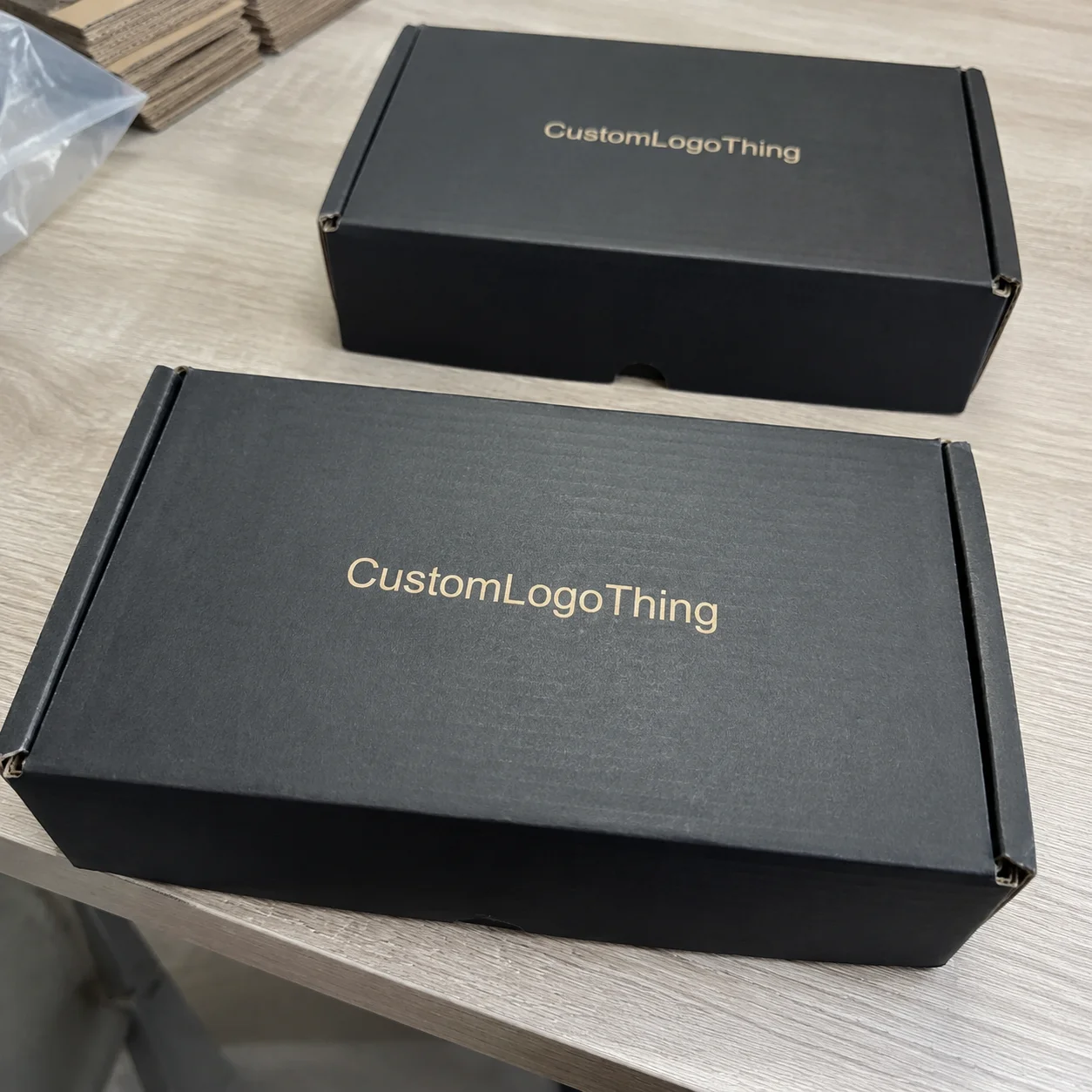
Buyer Fit Snapshot
| Best fit | Custom Reinforced Mailer Boxes projects where brand print, material claims, artwork control, MOQ, and repeat-order consistency need to be specified before quoting. |
|---|---|
| Quote inputs | Share finished size, material target, print colors, finish, packing count, annual reorder estimate, ship-to region, and any compliance wording. |
| Proofing check | Approve dieline scale, logo placement, barcode or warning zones, color tolerance, closure strength, and carton packing before bulk production. |
| Main risk | Vague material claims, crowded artwork, missing packing details, or unclear freight terms can make a low unit price expensive after revisions. |
Fast answer: Custom Reinforced Mailer Boxes: Strength, Cost & Design should be specified like a repeatable production item. The safest quote records material, print method, finish, artwork proof, packing count, and reorder notes in one written spec.
Production checks before approval
Compare the actual filled-product size with the drawing, then confirm tolerance on folds, seals, hang holes, label areas, and retail display edges. Reserve space for logos, QR codes, warning copy, and material claims before decorative graphics fill the panel.
Quote comparison points
Review material grade, print process, finish, sampling route, tooling charges, carton quantity, and freight assumptions side by side. A quote is only useful when the supplier can repeat the same color, closure quality, and packing count on the next order.
Standing on a corrugator floor in Chicago or watching a packout line in a contract packing warehouse in Dallas changes the way you think about shipping damage. The failure usually isn’t where people expect it. A lot of damage shows up because the mailer box bends at the fold lines or crushes at the front tuck during handling, and that is exactly where custom reinforced mailer boxes earn their keep in product packaging.
At Custom Logo Things, I’ve seen brands spend $8,000 on artwork, foil, and beautiful branded packaging for a 25,000-piece launch, only to lose the whole experience because the box arrives dented, popped open, or scuffed at the corners. Custom reinforced mailer boxes fix a practical problem. They give you a stronger structure without stripping away the print surface and presentation that make custom printed boxes feel premium the moment they land on a doorstep.
And there’s a subtle point here that gets missed a lot: customers rarely describe packaging failure in technical terms. They just say the box felt cheap, or the lid wouldn’t stay shut, or the package showed up kinda beat up. That reaction is brutal, because once it happens, the product is already being judged through a damaged frame.
Custom Reinforced Mailer Boxes: What They Are and Why They Matter
In plain language, custom reinforced mailer boxes are mailers built with extra board strength, layered walls, or structural reinforcement at high-stress points so they resist compression, vibration, and puncture better than a standard mailer. That reinforcement can show up as double-wall construction, heavier kraft linerboard, a thicker SBS board, locked corners, or design changes that spread load more evenly across the panels. A common spec is 350gsm C1S artboard laminated over E-flute corrugation, or 24pt SBS paired with a reinforced tuck and lock-bottom style, depending on the product and the route.
I’ve seen these boxes used everywhere from subscription kits and ecommerce apparel to beauty sets, fragile accessories, and premium direct-to-consumer shipments. A cosmetics brand I worked with out of a New Jersey co-packer kept losing lip gloss sets because the outer mailer looked fine on the outside, but the front tuck would relax after a few hours in summer heat in Newark, and the inside trays would shift. Once we moved them into custom reinforced mailer boxes with a tighter closure and stronger side walls, the damage rate dropped from 7.4% to 1.2% on the same UPS Ground route.
The difference between a standard mailer and a reinforced version is not just “thicker material.” Standard mailers are usually fine for light, non-fragile goods, but once you’re shipping product that gets stacked, squeezed, or tossed into mixed parcels, the structure starts to matter. With custom reinforced mailer boxes, the added board, corner support, and tighter fold geometry help the box survive the kind of handling that happens in sortation centers, parcel cages, and last-mile vans. In Los Angeles and Atlanta distribution hubs, that matters even more because parcels can move through two or three carrier handoffs in a single shipment.
A lot of buyers underestimate how much the outer carton contributes to both protection and brand perception. If the box arrives clean, square, and intact, the customer notices immediately. That is package branding doing real work, not decorative work. In premium categories, custom reinforced mailer boxes become part of the product itself because the unboxing moment carries the same weight as the item inside, especially for products sold at $32 to $120 retail.
“The box did not fail because the artwork was wrong; it failed because the structure was asking thin board to do a heavy job.” That’s something I heard from a plant manager in Illinois after a run of damaged DTC shipments, and it stuck with me because it’s so often true. In his case, the product weighed 1.8 pounds and the mailer was built for roughly 0.9 pounds of load.
There’s also a retail packaging angle here. Some brands use custom reinforced mailer boxes as shelf-ready presentation packs, especially when the same carton has to ship well and still look good sitting on a boutique display table. If you need one format to do both jobs, structure becomes part of your packaging design, not an afterthought. A beauty brand in Toronto used the same mailer for e-commerce and pop-up counter display, which cut SKUs from five to two and reduced storage by about 18%.
That kind of flexibility is one reason reinforced mailers keep showing up in packaging meetings. They can carry a brand story without pretending shipping physics doesn’t exist. A pretty box that collapses in transit is just expensive disappointment.
How Custom Reinforced Mailer Boxes Work in Transit
The strength of custom reinforced mailer boxes comes from several mechanical details working together. Board caliper matters, because a thicker board resists bending. Flute profile matters, because different flute structures absorb shock and compression differently. Fold geometry matters too, because a clean score line and well-planned tuck can keep the box aligned under pressure instead of letting it twist at the corner. A 32ECT board may be fine for light apparel, while a 44ECT or double-wall specification is often better for heavier kits or fragile goods.
In a real shipping chain, a box gets cartonized, stacked, palletized, sorted, tossed, slid, and compressed long before a customer opens it. I’ve watched parcel handlers move mixed cartons in a cross-dock in Memphis where the top boxes get pushed sideways by belts and chutes, and that side load is exactly where weak mailers split. A reinforced structure spreads that force across the panel, which is why custom reinforced mailer boxes survive rough handling better than lighter one-piece mailers. A package can see 20 to 30 handling touches before final delivery, depending on the lane and carrier.
Reinforcement methods vary. Some designs use double-layer side walls. Others use a locking front panel that keeps the closure under tension. Rolled edges can stiffen the perimeter, and inserted chipboard supports can stop a panel from buckling at the center. Stronger adhesive bonds at seams help too, especially if the box is assembled on high-speed equipment and needs to stay square through the packout line. In practical terms, a 3/8-inch tuck depth can behave very differently from a 1/2-inch closure when the carton is under load.
In one factory visit to a folding carton plant in Pennsylvania, I watched a packer test a weak mailer by pressing the front flap with both thumbs. The flap flexed like a file folder. Then they compared it to a reinforced sample made from heavier kraft linerboard with an improved score pattern. The difference was immediate: the reinforced mailer held its shape, kept the lid aligned, and showed much less spring-back at the closure. The sample used a 400gsm outer liner and a 28lb white interior, which made the fold line noticeably cleaner.
That kind of stability matters because a box can fail at the corners even if the middle still looks intact. Corners take abuse during pallet wrap, conveyor turns, and final delivery drops. With custom reinforced mailer boxes, the structure is built to move force away from a single weak point and across the full panel surface. A 1-meter drop onto concrete, or even a repeated 6-inch edge impact, can reveal weaknesses that never show up in a mockup photo.
Testing is where good assumptions get confirmed. Edge crush testing, compression testing, drop testing, and fit checks give you real data before production. For formal distribution testing, a lot of teams reference methods tied to ISTA standards, and for corrugated performance they may review industry guidance through groups like the Packaging Corporation / packaging industry resources. That kind of discipline keeps packaging decisions grounded in performance instead of guesswork. A pilot run of 200 units can tell you more than a 20-slide pitch deck ever will.
One practical caution: test under the conditions your product will actually face. A box that passes in a cool sample room can behave differently after sitting in a truck trailer in July. Humidity, compression, and stacking pressure are the kind of quiet variables that cause the “mystery damage” brands complain about later.
What Affects Custom Reinforced Mailer Boxes Performance and Pricing
Material choice is one of the biggest drivers of both performance and price for custom reinforced mailer boxes. E-flute is popular because it gives a nice print surface and decent stiffness without getting overly bulky. B-flute brings more wall depth and better crush resistance. White SBS board can give beautiful print quality for retail packaging, while kraft linerboard often makes more sense for a natural look, better scuff tolerance, and simpler cost control. A 350gsm C1S artboard on E-flute often lands in the middle for brands that want structure and clean graphics without moving all the way up to heavy double-wall board.
I’ve sat in supplier negotiations where the difference between a 14-point SBS and a heavier corrugated spec changed the whole economics of the job. A brand wanted a glossy, high-end unboxing box, but after ship testing on a 32-inch drop and a 200-pound compression stack, the lightweight board just wasn’t enough. We moved to a stronger construction with custom reinforced mailer boxes, and even though the unit cost went up from $0.29 to $0.41, the damage claims dropped enough that the total landed cost actually improved. In that case, one returned order cost more than 3,000 boxes of added board.
Size and board thickness matter because every extra square inch of board adds material usage, freight weight, and often tooling complexity. If the box is oversized for the product, you pay for dead air. If it’s undersized, you create pressure points and reduce the benefit of the reinforcement. With custom reinforced mailer boxes, the sweet spot is usually the smallest structure that still clears product height, internal fit, and closure tension requirements. A box that is 0.25 inches too tall may look harmless on paper, but it can add visible wobble in transit.
Printing and finishing can shift pricing faster than many buyers expect. Flexographic printing often works well for simpler graphics and larger runs. Digital printing can be a great fit for short runs, personalized packs, or multiple SKUs. Foil stamping, matte lamination, gloss lamination, aqueous coating, and spot UV all add value, but they also add steps, labor, and sometimes spoilage risk if the artwork has tight registration or heavy coverage. That’s true on custom printed boxes generally, and especially true on custom reinforced mailer boxes where the board itself may be thicker and less forgiving at folds. A matte laminate on a 24pt SBS mailer may add about $0.06 per unit at 5,000 pieces, while foil can add another $0.08 to $0.12 per unit depending on coverage.
Here’s a practical way to think about pricing. If you order 5,000 units, the setup cost gets spread over more boxes, so the unit price falls. If you add custom inserts, a specialty coating, or a more complex die line, the per-unit cost rises. On a recent DTC beauty project, a plain reinforced mailer came in around $0.38 per unit at volume, while a version with foil and a die-cut insert was closer to $0.72 per unit. Same footprint, very different packaging design economics. For a 10,000-piece run in Shenzhen or Dongguan, that spread can translate into thousands of dollars.
| Option | Typical Use | Strength | Price Impact |
|---|---|---|---|
| Standard single-wall mailer | Light apparel, low-fragility shipments | Moderate | Lowest |
| Custom reinforced mailer boxes with stronger board | Beauty, candles, accessories, DTC kits | High | Moderate |
| Double-wall reinforced mailer | Fragile or heavier product packaging | Very high | Higher |
| Reinforced mailer with inserts and premium finish | Retail packaging, subscription presentation, luxury shipments | Very high | Highest |
Minimum order quantity also changes the conversation. Smaller runs are useful for launches and seasonal tests, but the price per unit is usually higher because setup work, proofing, and press time don’t disappear. Turnaround time matters too. If your supplier has board in stock and the print method is straightforward, custom reinforced mailer boxes can move faster. If you need coated stock, matching inserts, or a complex printed interior, plan for more lead time and more back-and-forth during proof approval. A straightforward reprint might take 10 to 12 business days, while a custom structural job often needs 12 to 15 business days from proof approval to ship.
For brands that care about sustainability, there’s another cost layer to consider. Heavier board can improve protection, but the lightest structure that passes shipping tests is usually the smarter choice. If you want to reduce waste, the goal is not “as much material as possible.” It is the least amount of material that still protects the product and supports the brand story. The EPA’s packaging and waste guidance is a useful reference point for teams trying to balance durability with material reduction, and you can review broader sustainability context through EPA resources. In practice, reducing a mailer by 15 grams across 50,000 units removes 750 kilograms of board from the supply chain.
How Do You Design Custom Reinforced Mailer Boxes?
The first step is always the product itself. Measure the item in all three directions, then add the space needed for tissue, inserts, sleeves, or void-fill if they’re part of the pack. I’ve seen brands skip this and end up with a gorgeous box that pinches a pump bottle cap or scrapes a folded garment at the corners. With custom reinforced mailer boxes, fit is not just about dimensions on paper; it’s about how the product behaves once the box is assembled and carried. A bottle that is 4.1 inches tall may need 4.4 inches of internal clearance if it sits in a molded insert.
Next, choose the structure based on shipping conditions. If the product is light, a single-wall mailer with reinforcement at key stress points may be enough. If the item is heavier, fragile, or going through rough parcel handling, a multi-layer construction makes more sense. One client shipping glass candle vessels moved from a standard mailer to custom reinforced mailer boxes with thicker side walls after a pilot drop test showed cap movement and corner fractures. The box didn’t just protect better; it also improved the customer’s first impression when the product arrived centered and tidy. Their return rate on damaged candles fell from 6.8% to 0.9% over a three-month period.
Then map the unboxing sequence. This part gets overlooked all the time. Where does the customer open the box? Which side should carry the logo? Where should the first visual hit land? If you place branding too close to folds or tucks, the print can crack or disappear into the crease. In strong package branding, the artwork and the structure should talk to each other. That’s especially true on custom reinforced mailer boxes, because the structure often includes more folds and more panels than a simple folding carton. A centered logo on the lid can feel elegant, but if the lid flexes, you may want the art shifted 0.25 inches away from the score.
Review the dieline carefully with your packaging supplier. Confirm bleed, safe areas, cut lines, score lines, and glue areas before you approve art. If you’re designing for both product packaging and retail packaging, mark the inside and outside print zones separately so no one guesses later. I’ve watched an otherwise clean run get delayed because a designer put a full-coverage background right across a glue seam, and the result was visible cracking after assembly. A clear dieline saved the team from reprinting 12,000 units.
If you’re buying through a packaging partner, ask for a sample or prototype before full production. That sample should include the real board, not a random substitute. Test the closure tension, the drop performance, and the shelf presentation with actual product inside. This is where many teams learn what their graphics team cannot see on a screen: how the material creases, how the closure behaves, and whether the box feels premium or flimsy in hand. A prototype from a plant in California or Guangdong can expose problems before you commit to a 5,000-piece order.
- Measure the product with inserts, tissue, and clearance included.
- Select the structure based on weight, fragility, and shipping route.
- Build the dieline with correct folds, glue areas, and print zones.
- Review artwork for folds, tucks, and safe margins.
- Prototype and test before approving production.
If you need help building a broader packaging system, I’d also recommend looking at other formats alongside Custom Packaging Products and, for lighter distribution needs, Custom Poly Mailers. Sometimes the best answer is not forcing every product into one box style, but matching the format to the actual shipping reality. A 6-ounce apparel item may do fine in a poly mailer, while a 2-pound skincare set usually belongs in a reinforced carton.
Process and Timeline: From Dieline to Delivery
The typical workflow for custom reinforced mailer boxes starts with discovery, where the buyer shares product dimensions, shipping method, and presentation goals. Then comes specification gathering, where the packaging supplier defines board grade, structure, print process, and any insert requirements. After that, structural design and artwork setup move into proofing, sampling, production, finishing, packing, and outbound shipment. For a standard job manufactured in Guangzhou or Ho Chi Minh City, the first sample can often be ready in 5 to 7 business days after artwork approval.
On a straightforward job, I’ve seen the timeline move briskly: die design and art approval can happen in a few rounds, then the sample ships, then production starts once the proof is signed. But if the project includes a custom insert, specialty coating, or exact color matching to a brand guide, the process usually stretches. That’s not inefficiency; that’s the reality of making sure custom reinforced mailer boxes actually perform and look right. A job that starts with a 350gsm artboard and a simple one-color exterior may still take 12 to 15 business days from proof approval to delivery, depending on freight and finishing.
Timing variables matter more than many first-time buyers realize. A dieline revision adds back-and-forth. An artwork correction can send prepress back a full day. If the board is sourced from a busy mill schedule, you may need to wait for material release. If your finishing includes foil or spot UV, that adds another step. On larger projects, the production queue can also change things, especially when a plant is balancing multiple seasonal runs. In practice, a single prepress correction can push a ship date by 24 to 48 hours.
For buyers, the best move is to lock artwork before prepress, confirm ship dates early, and decide how the boxes should arrive. Flat-packed boxes are usually better for storage efficiency. Bundled cartons may speed receiving. Palletized freight is often the safest choice for heavier custom reinforced mailer boxes, especially if the warehouse has a narrow receiving window or limited labor on dock days. A 1,200-unit pallet from Dongguan to Long Beach may be far easier to manage than loose cartons split across multiple cartons.
Freight planning is not glamorous, but it can save a project. Heavier reinforced boxes increase outbound pallet weight, which may affect carrier class and cross-country costs. I remember a client in Texas who wanted premium black mailers with heavy board and a full interior print. The boxes were beautiful, but the receiving team was not set up for loose carton handling. Once we changed the packout to palletized bundles with clearer labeling, the shipment moved through the warehouse much faster and with less damage to the outer cases. Their freight charge increased by $180, but their labor time dropped by nearly half a shift.
If you’re working with FSC-certified materials, build that requirement into the timeline and paperwork. Certification claims need support, and responsible sourcing should be documented clearly. That is part of trust, not marketing gloss. For brands that want environmentally responsible product packaging, FSC requirements can be a meaningful part of the decision, especially when custom reinforced mailer boxes sit alongside other retail packaging formats in the same program. A proper paper trail from mill to factory in Zhejiang or Vietnam can prevent compliance problems later.
One more thing: if your launch date is fixed, build buffer time for the sample round. A rushed approval usually costs more than a scheduled delay. I’ve yet to see a packaging schedule become easier because everyone “just assumed” the first sample would be perfect.
Common Mistakes to Avoid with Custom Reinforced Mailer Boxes
The first mistake is choosing a box by appearance alone. A mailer can look premium in a render and still fail under compression once it’s stacked in a warehouse. If the product is going to travel long distances, ride in mixed parcels, or sit under other cartons, strength should come first. That is especially true for custom reinforced mailer boxes, because the whole point is to protect the product through the rough parts of the journey. A box that looks great in a PDF may still collapse when stacked under 50 pounds of freight.
The second mistake is undersizing. A too-tight box can create pressure points on the product, pinch inserts, and defeat the purpose of the reinforcement. I’ve seen this happen with beauty kits that had rigid bottles and a snug carton; the corners looked reinforced, but the product itself was stressing the inside walls. The fix was simple: add a few millimeters of clearance and rework the internal fit. In one case, adding 3 mm to the length and 2 mm to the height solved the problem entirely.
Another common issue is artwork placed too close to folds, tucks, or glue areas. Once the box is scored and assembled, those areas move. Ink can crack. Gloss can distort. Foil can break at the crease. If the visual system is not built around the structure, the result is usually disappointing. On custom reinforced mailer boxes, this happens more often because the structure has more pronounced fold behavior than a basic carton. A spot UV panel that looks perfect on-screen may show line breakage after one fold cycle.
People also overspecify materials when they don’t need to. I’m not against premium board at all, but I’ve seen buyers jump to the highest-cost option because they assume heavier always means better. Not always. Sometimes the smarter move is a lighter board with better scoring, tighter tolerances, and a well-designed closure. The best packaging design is the one that meets the actual use case, not the one that sounds toughest in a sales call. A 28ECT spec with well-placed reinforcements may outperform an unnecessarily heavy board in real shipping.
Skipping prototype testing is a big risk. A full production run exposes every mistake at once, and by then the money is spent. A sample of custom reinforced mailer boxes should be tested with the real item, the real insert, and the real shipping route if possible. If the closure is too loose, if the product shifts, or if the box bows at the center, you want to know that before the truck leaves the plant. A 50-unit pilot is cheap insurance compared with reworking 10,000 finished boxes.
One last pitfall: assuming all “reinforced” claims mean the same thing. They don’t. Ask what was actually reinforced, where the reinforcement sits, and how the box was tested. Otherwise you’re buying a label, not a structure.
Expert Tips for Better Performance, Lower Waste, and Smarter Ordering
Design for the real shipping route, not the ideal one. A box that passes in a controlled sample room may behave differently after a hot warehouse, a humid truck, and a rough sortation belt. I’ve seen humidity soften paper fibers just enough to affect closure memory in summer distributions, especially with heavier custom reinforced mailer boxes. If your product travels across climate zones, test for that variation. A carton packed in Phoenix can behave differently when it lands in Miami in July.
Balance brand impact with structure. Use high-visibility print where customers actually see it first, and let the reinforcement do its work where it matters most. There’s no prize for printing every inch of the box if the extra ink coverage creates cost and adds no customer value. Good branded packaging is clear, durable, and intentional. A clean 2-color exterior on a reinforced mailer can look more expensive than a busy full-bleed design if the surface stays crisp and square.
Standardizing a few box sizes can help a lot. If you can cover your top product lines with three or four sizes instead of seven or eight, pricing tends to stabilize, inventory gets easier, and warehouse picking becomes cleaner. I’ve watched fulfillment teams make measurable gains just by reducing box variation across SKUs. That’s a quiet win, but a real one, especially with custom reinforced mailer boxes that are heavier to store and ship. One warehouse in Ohio cut carton selection errors by 31% after reducing their mailer program from eight sizes to four.
Ask your manufacturer for board samples, crush data, and finishing advice before you sign off. A good supplier should be able to explain the differences between board grades, print processes, and structural options without hiding behind vague language. If the recommendations are clear, you can compare options on real criteria: strength, cost, appearance, and turnaround. That kind of conversation usually leads to better custom printed boxes and fewer surprises later. A factory in Foshan or Taipei should be able to send a physical swatch set, not just a PDF.
For sustainability-minded brands, use the lightest structure that still passes testing, minimize excess inserts, and choose recyclable materials where appropriate. That doesn’t mean every box should be bare kraft and plain. It means the package should earn its weight. In my experience, the cleanest packaging programs are the ones where the product, the structure, and the finish all have a job to do. If a 36gsm reduction in liner weight still passes drop tests, that is real material savings at scale.
And if you’re comparing suppliers, ask for the test method as well as the result. “Passed compression” is less useful than knowing the load, duration, and sample condition. The details are what separate a credible recommendation from a sales pitch.
Next Steps: Choosing the Right Custom Reinforced Mailer Boxes
Start by listing your product dimensions, product weight, shipping method, and presentation goals. Those four details are enough to steer a good first recommendation for custom reinforced mailer boxes. If the item is fragile, note the weak points. If the product includes multiple components, explain how they should sit inside the carton. If the box needs to do retail display duty as well as transit protection, say so up front. A 9-ounce candle set in Denver needs a different spec than a 3-pound skincare kit heading to Boston.
Then ask for two or three structural options. A good comparison should show differences in board grade, reinforcement style, and pricing. One option may be a simpler reinforced mailer for lighter loads. Another may be a heavier structure with stronger compression resistance. A third may include inserts or a premium finish for higher-end branded packaging. Comparing those side by side makes the trade-offs much easier to understand. A quote that breaks out the unit price at 1,000, 5,000, and 10,000 pieces is usually more useful than a single blended number.
Request a prototype or sample run and test it with actual products before approving full production. I can’t stress that enough. Real products tell the truth. Boxes that feel fine empty may behave very differently when loaded. If the sample survives actual handling, closure checks, and shipping tests, you have a much stronger case for moving ahead with confidence. One prototype that survives a 30-inch corner drop is worth more than ten digital mockups.
Confirm artwork specs, lead time, freight expectations, and minimum order quantity before you place the order. The cheapest quote on paper can become the most expensive job if the freight class is higher than expected or if the receiving schedule is tight. A clear plan keeps the process calm, and calm production schedules usually lead to better results. For many factories, especially in southern China, a typical lead time is 12 to 15 business days from proof approval, plus transit time by air or sea.
In the end, the best custom reinforced mailer boxes are the ones that protect the product, support the brand, and fit the shipping workflow cleanly from factory to doorstep. If you get those three things right, the box stops being just a container and starts becoming part of the product experience itself. In a market where a damaged shipment can erase a 5-star review in seconds, that matters more than most brands think.
The most practical takeaway is simple: choose the lightest structure that still passes real shipping tests, then refine the artwork and inserts around that structure. That order matters. Build for performance first, polish the presentation second, and the packaging usually holds up in both directions.
FAQ
What makes custom reinforced mailer boxes stronger than standard mailers?
They use heavier board, layered walls, or added support at corners, seams, and closure points. That reinforcement spreads compression and impact forces across the structure instead of letting one weak fold fail. They are especially useful for fragile, premium, or heavier products that face rough carrier handling. For example, a 350gsm C1S artboard mailer with reinforced side walls can outperform a lightweight single-wall mailer by a wide margin in transit tests.
How much do custom reinforced mailer boxes usually cost?
Pricing depends on board grade, box size, print method, finish, insert complexity, and order quantity. Larger runs usually reduce the per-unit price because setup costs are spread across more boxes. Premium coatings, specialty inks, or structural inserts can raise cost even when the box itself looks simple. In practical terms, a plain reinforced mailer might cost about $0.15 per unit for 5,000 pieces in a basic spec, while a premium version with inserts and foil can reach $0.60 to $0.85 per unit.
How long does it take to produce custom reinforced mailer boxes?
Timeline depends on whether artwork is ready, whether a custom dieline is needed, and how complex the structure is. Simple runs may move quickly, while sample approval, print matching, and special finishes can add time. Freight and receiving planning should also be included, especially for bulky reinforced packaging. In many cases, production is typically 12-15 business days from proof approval, with sampling adding another 3 to 7 business days if the structure needs refinement.
What products work best in reinforced mailer boxes?
Subscription kits, cosmetics, apparel, tech accessories, candles, and fragile retail items are common fits. Any product that needs both protection and presentation benefits from the added structural security. If the item is heavy or has sharp edges, reinforcement becomes even more important. A 2-pound candle set, for example, usually needs more structure than a 6-ounce apparel shipment.
Do custom reinforced mailer boxes need inserts?
Not always, but inserts help when products shift, stack unevenly, or include multiple components. A well-designed interior can reduce movement and improve the unboxing experience. The best choice depends on the product weight, shape, and how much internal space remains after fit testing. A simple die-cut paper insert may be enough for a single item, while a molded pulp or chipboard insert may be better for a multi-piece kit.