Buyer Fit Snapshot
| Best fit | Minimalist Branded Poly Mailers for Boutiques projects where brand print, material claims, artwork control, MOQ, and repeat-order consistency need to be specified before quoting. |
|---|---|
| Quote inputs | Share finished size, material target, print colors, finish, packing count, annual reorder estimate, ship-to region, and any compliance wording. |
| Proofing check | Approve dieline scale, logo placement, barcode or warning zones, color tolerance, closure strength, and carton packing before bulk production. |
| Main risk | Vague material claims, crowded artwork, missing packing details, or unclear freight terms can make a low unit price expensive after revisions. |
Fast answer: Minimalist Branded Poly Mailers for Boutiques: Film, Print, MOQ, and Carton Packing should be specified like a repeatable production item. The safest quote records material, print method, finish, artwork proof, packing count, and reorder notes in one written spec.
Production checks before approval
Compare the actual filled-product size with the drawing, then confirm tolerance on folds, seals, hang holes, label areas, and retail display edges. Reserve space for logos, QR codes, warning copy, and material claims before decorative graphics fill the panel.
Quote comparison points
Review material grade, print process, finish, sampling route, tooling charges, carton quantity, and freight assumptions side by side. A quote is only useful when the supplier can repeat the same color, closure quality, and packing count on the next order.
I’ve spent enough time on packing lines in Shenzhen, suburban New Jersey, and a couple of very noisy Midwest fulfillment centers to know one thing for certain: minimalist branded Poly Mailers for Boutiques often get more attention than the loud, overprinted ones. In one Shenzhen plant near Longhua, a run of 20,000 matte white mailers with a single black logo drew more customer approval than a brighter four-color job priced only $0.03 higher per unit. The reason is simple. When a mailer lands on a porch and looks intentional, quiet, and well-made, it feels like the brand has taste, not just a print budget.
I remember standing in a warehouse aisle in New Jersey, watching a boutique owner hold up two samples and squint like she was deciding between two shades of paint for a dining room. One design had a full pattern and a bunch of extra copy. The other had almost nothing on it except a small logo and a lot of breathing room. She picked the second one in under thirty seconds. “The other one feels like it’s trying too hard,” she said. Honestly, she was right. The samples were both 10x13 inches, but the minimalist version used a 70-micron film and a one-color print, which made it feel calmer immediately.
That first impression matters because the package is often the first physical touchpoint your customer gets before they even see the garment, accessory, or beauty item inside. In my experience, boutiques that choose minimalist branded Poly Mailers for Boutiques are usually after a very specific effect: premium without being fussy, polished without being expensive, and memorable without shouting across the whole surface. Frankly, that balance is harder to achieve than people think, and I’ve seen more than one brand miss it by a mile, especially when they rush a launch in under two weeks and skip sample testing.
What Minimalist Branded Poly Mailers for Boutiques Really Are
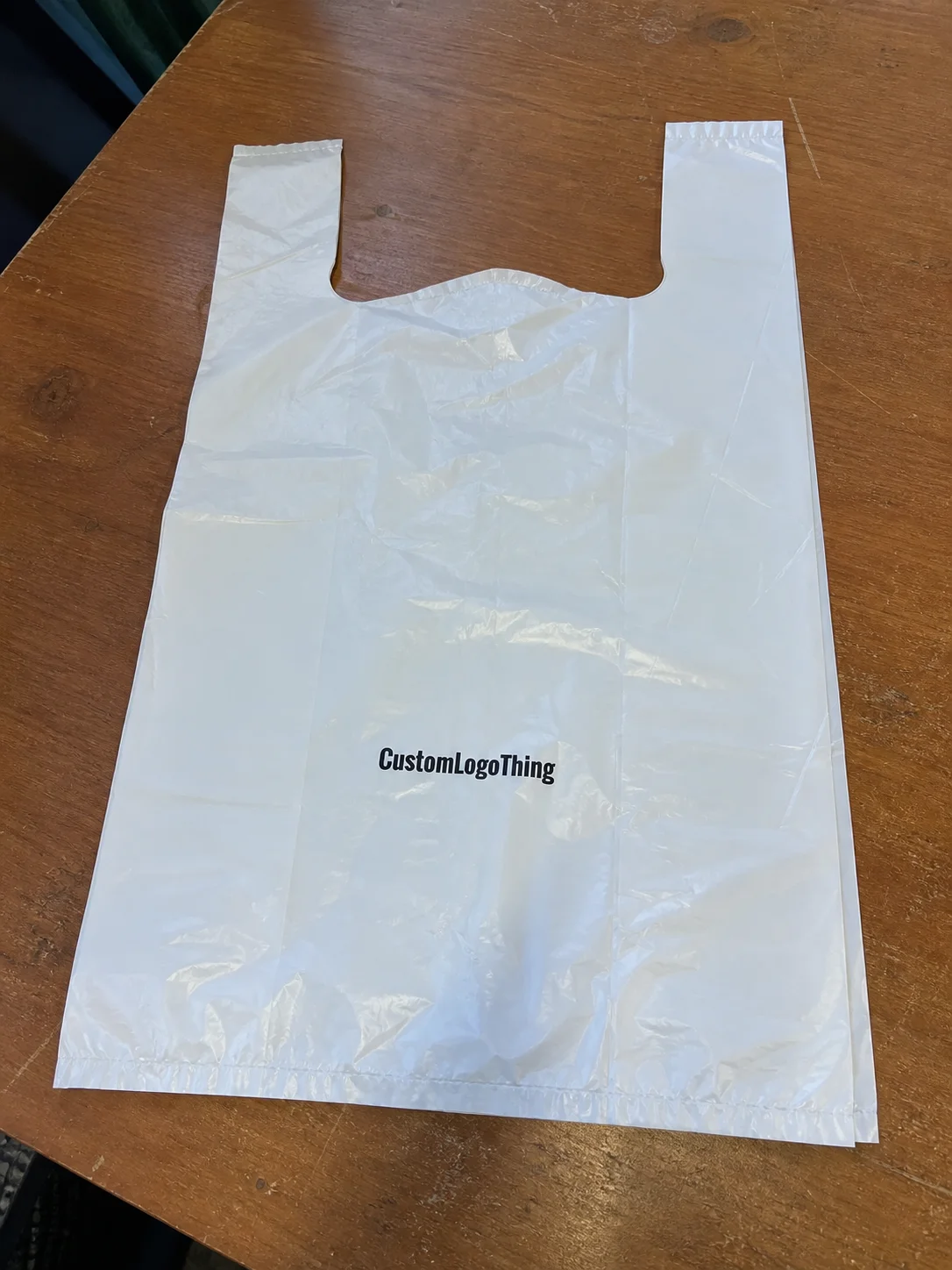
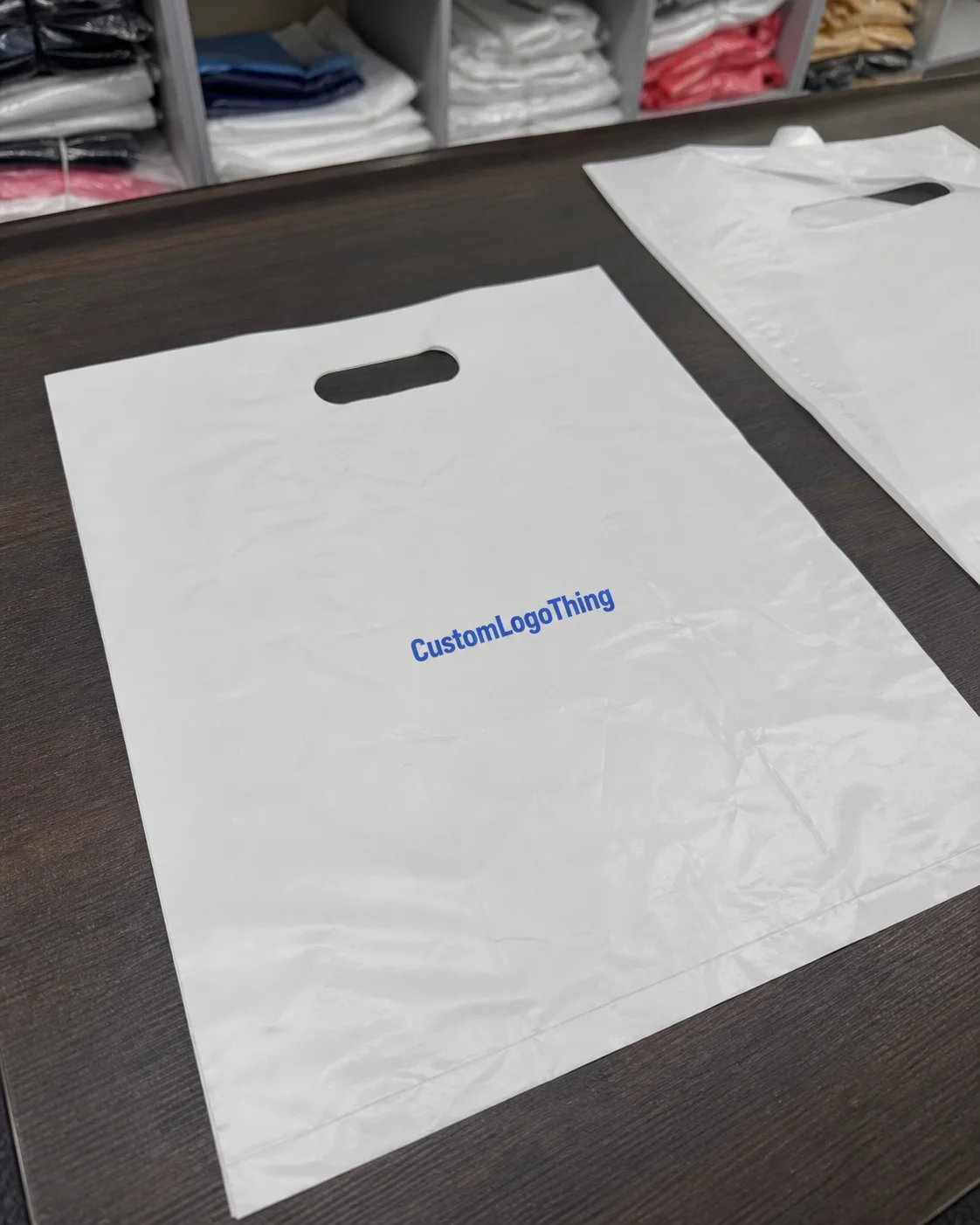
Minimalist branded Poly Mailers for Boutiques are lightweight polyethylene shipping mailers customized with restrained branding. That usually means a logo, a monogram, a single mark, a short wordmark, or a small repeat pattern placed with plenty of negative space around it. The best ones use a soft neutral base, a clean one-color print, or a very controlled two-color layout so the brand reads clearly without feeling busy. A common boutique spec is a 10x13-inch mailer with a matte finish, 2.5 mil equivalent film, and a single spot color printed at 15% to 20% ink coverage.
The format itself is straightforward. You’re looking at a co-extruded poly film, usually in the 60 to 100 micron range depending on the product and the route it’s traveling, with a pressure-sensitive self-seal adhesive strip and a tear-resistant body. In a factory setting, those components are assembled on conversion lines that slit the film, print it, fold it, add the adhesive, and cut it into finished mailers. Nothing glamorous about the machinery, but the result can look elegant if the artwork is handled with discipline. In Guangdong and Jiangsu, many converters run 6-color flexographic lines at speeds of 80 to 120 meters per minute for these jobs.
Why do boutiques like them so much? Because minimalist branded poly mailers for boutiques photograph well, fit modern retail aesthetics, and support premium positioning without the cost of a fully printed carton. A small apparel brand selling ribbed tanks or silk scarves does not always need a rigid box. A mailer with a crisp logo and matte finish can feel just as deliberate in the customer’s hands, especially if the product itself is soft goods and does not require crush protection. On a 5,000-piece order, that difference can be as small as $0.12 to $0.20 per unit versus a folding carton that may start around $0.38 before inserts.
The visual language of minimalism in packaging is all about restraint. I’m talking about generous blank space, limited ink coverage, clean typography, and contrast that feels calm rather than loud. A boutique in Austin once showed me two designs side by side: one with a busy floral pattern and six lines of copy, and one with a single centered monogram in warm gray on a cream-toned film. They sold out the second one faster, not because it was flashier, but because it felt considered. That’s the part people miss when they talk about minimalist branded poly mailers for boutiques, and it’s why a 350gsm C1S artboard mockup can be useful even if the final product is poly film—it helps the team see spacing, logo scale, and overall composition before committing to ink.
These mailers sit nicely in the packaging mix for apparel, accessories, beauty items, stationery, and other non-fragile products. A folded sweater, a belt, a stack of greeting cards, or a compact skincare set can travel well in them as long as the structure, thickness, and seal strength are matched correctly. For rigid or glass-heavy items, I’d still move toward boxes, inserts, or a mailer-with-box hybrid system, because minimal branding should never replace real protection. A boutique shipping glass perfume bottles from Milan to Chicago is dealing with a very different transit risk than a shop sending cotton tees across Texas.
“The simplest mailer often wins the strongest recall because it looks intentional, not decorated by committee.” That’s something I heard from a buyer at a small fashion label in Brooklyn, and after watching their reorder rates, I’d say she was right. Their one-color mailers cost $0.19 per unit at 5,000 pieces, and the repurchase rate on gift-ready orders rose by 11% over the next quarter.
How Minimalist Branded Poly Mailers for Boutiques Work
At the construction level, minimalist branded poly mailers for boutiques rely on the same basic engineering as standard poly mailers. The film is usually made from polyethylene, often a blend of virgin and recycled content depending on the spec, and the seams are formed so the mailer can resist splitting under normal parcel handling. The self-seal adhesive strip is pressure activated, so the packer peels the liner, folds the flap, and presses to close. When the seal is right, it survives conveyor belts, tote drops, and the occasional rough sort at a regional distribution center in Chicago, Atlanta, or Dallas.
Printing is where the boutique look comes to life. Flexographic printing is common for efficient repeat runs, especially when the same one-color or two-color design will be produced in volume. Rotogravure can deliver rich coverage and smoother tonal detail on larger programs, though it usually makes more sense when the quantities are higher and the art needs that polished finish. Digital printing can be useful for lower-volume boutique orders, seasonal test launches, or brands that want to refresh graphics more often without committing to a large plate setup. For example, a 3,000-piece digital run in Los Angeles may cost $0.26 to $0.40 per unit, while a 10,000-piece flexo run for the same 1-color artwork can drop closer to $0.15 to $0.22 per unit.
The workflow is practical and pretty methodical. Artwork is prepared first, then the factory or converter checks line art, color values, and print placement. After approval, the film is printed, cured or dried based on the ink system, and then converted into finished mailer form with adhesive and perforation details. If the design is truly minimal, there’s less risk of ink crowding the design, but the tolerances become more visible, which is why a 3 mm shift can matter when the logo is centered and the rest of the surface is intentionally quiet. On a cream mailer out of Ningbo, even a 2 mm drift can make a centered mark look off-balance.
That quiet look can still feel premium because the material contrast does some of the heavy lifting. A matte or satin film paired with a sharp logo in black, bone, or soft metallic ink gives a very different impression than a glossy, full-coverage design. I’ve stood next to a converting line where a client’s simple ivory mailer with a tiny navy mark looked more expensive than a brightly printed version costing almost the same per unit. The lesson was plain: minimalist branded poly mailers for boutiques depend on precision, not decoration, and precision starts with substrate choice, not just artwork.
Performance still matters, though, and a lot of people forget that. A restrained design does not excuse a weak seal, thin film, or poor opacity. The mailer still needs puncture resistance, enough privacy for the shipment, and consistent closure strength. If the substrate is too translucent, a customer may see the garment color through it before opening, which can cheapen the presentation even if the print is lovely. For guidance on material and packaging categories, I also point clients to Custom Packaging Products and the broader Custom Poly Mailers selection when they want to compare formats side by side. In practice, that comparison often clarifies whether a 60-micron mailer is enough or whether the order should move to 80 or 100 microns.
Key Factors to Choose the Right Mailer
Choosing minimalist branded poly mailers for boutiques starts with the product, not the artwork. I always ask clients to list their top three order profiles first. Is it folded tees in a single bag, a denim item with a tissue wrap, or a small boxed accessory that needs a little extra room? That one answer usually tells us whether a 9x12, 10x13, 12x15.5, or custom size is the sensible starting point. Oversizing looks sloppy and adds freight cost; undersizing can stress the adhesive seam and slow down pack-out. A 9x12 mailer might be right for jewelry cards and small accessories, while a 12x15.5 format is often better for sweaters or two-item apparel bundles.
Film thickness is the next decision, and it has a real effect on both feel and shipping reliability. A lighter gauge may work for soft, low-abuse items, but if you’re sending heavier apparel, layered knitwear, or anything with hardware, I’d want to discuss a stronger spec, often in the 60 to 100 micron neighborhood depending on your lane and carrier treatment. If the mailer tears at the corners because a zipper pull pokes through, the most elegant logo in the world will not save the order experience. In one Miami test, a 75-micron mailer handled 2.5 lb of mixed apparel with no split seams, while a 55-micron version showed edge wear after only 18 simulated drops.
Branding decisions are where the minimalist style either succeeds or turns into a half-finished idea. One color usually does the job well, and two colors is often the upper limit before the design starts losing that clean boutique feel. Logo placement matters too. Centered logos feel classic, top-left marks feel editorial, and a tiny repeat pattern around the edge can look sophisticated if the repeat is subtle and the spacing is controlled. I’ve seen boutiques spend extra money on complicated art when a single monogram would have done the job with more confidence. If your logo file is a 1200-pixel JPEG instead of a vector EPS, you’re already starting from a weaker position.
Cost is where a lot of buyers get surprised. A custom mailer price is shaped by order quantity, print setup, number of colors, material gauge, and whether the size is stock or fully custom. For a useful ballpark, a simple one-color custom run might land around $0.15 to $0.28 per unit for 5,000 pieces, while a more customized spec with extra colors, heavier film, or special finish can move higher. Smaller quantities almost always carry a higher unit cost because setup is spread across fewer pieces. If a supplier offers a price that looks too good to be true, ask what film thickness, print method, and adhesive standard are actually included. A 10,000-piece order out of Shenzhen may come in at $0.14 per unit, while 1,000 pieces can easily jump to $0.42 or more.
Sustainability deserves a careful answer, not a marketing slogan. Recycled-content films, downgauged material, and right-sizing can all reduce waste, but the best choice depends on your product, your carrier network, and the condition your customers expect on arrival. A boutique shipping soft accessories may be able to use a lighter spec safely. A shop shipping heavier denim may need more protection, even if that means a slightly larger environmental footprint per order. For businesses who want formal packaging references, I often point them to the Institute of Packaging Professionals and, for material or waste discussions, the EPA. If your team is comparing recycled-content options, ask for exact percentages such as 30%, 50%, or 70% PCR rather than accepting “eco-friendly” as a complete answer.
| Option | Typical Use | Approx. Unit Cost at 5,000 pcs | Visual Effect | Notes |
|---|---|---|---|---|
| Stock poly mailer | Basic shipping with no branding | $0.08-$0.14 | Plain | Lowest cost, no brand signal |
| One-color minimalist custom mailer | Most boutique apparel and accessory orders | $0.15-$0.28 | Clean, premium | Best balance of cost and identity |
| Two-color custom mailer | Higher-end boutique branding | $0.22-$0.40 | More defined | Needs tighter artwork control |
| Heavy-gauge custom mailer | Heavier garments or higher transit risk | $0.26-$0.48 | Substantial | Better puncture resistance and feel |
Step-by-Step Process and Timeline
The cleanest way to develop minimalist branded poly mailers for boutiques is to start with a packaging audit. I ask clients to pull real order data from their last 60 to 90 days, then sort the top items by size, weight, and packing style. If 70 percent of orders are one folded top and one accessory, there is no reason to design around the occasional bulky return kit. That audit often saves a brand from ordering a mailer that looks great in theory but fails in day-to-day fulfillment. In practical terms, a 9x12 mailer can be the right answer for one brand while a 12x15.5 or custom 14x17 is the only sensible option for another.
Once the product mix is clear, the artwork stage begins. Minimal designs punish clutter, so I tell designers to simplify the logo, confirm exact color values, and keep all important elements inside a safe zone that won’t get swallowed by the seams or edge fold. A 6-point script font that looks beautiful on a screen may disappear on a white poly film once it hits the press, especially if the ink spread is a little wider than expected. That is one of those small factory realities people outside packaging rarely see, and it is why many converters in Dongguan ask for minimum line weights of 0.25 mm before they approve final files.
Then comes proof approval, and this is where discipline saves money. The proof should show dimensions, seal location, print position, and the final color intent, even if the actual production run will vary slightly due to substrate and ink behavior. I’ve had a boutique owner ask to “make the logo just a touch bigger” three times in one proof cycle. That’s fine if the budget allows, but every revision can push a launch schedule by several business days, especially if the factory has already queued a print line. In a typical workflow, one revision round adds 2 to 4 business days, and a second round can add another 3 to 5.
Typical production stages look like this:
- Design approval and file cleanup
- Plate or digital setup depending on print method
- Printing on rollstock or film sheets
- Curing or drying for ink stability
- Conversion into finished mailer format
- Inspection for seal, cut, and print alignment
- Packing and freight to the final destination
For a straightforward order, the time from proof approval to shipment can often fall in the 12 to 15 business day range, though that depends on order size, print complexity, and current factory load. Add freight transit, and the calendar stretches further. If you’re planning a seasonal launch or a major influencer drop, build enough room for one revision round and shipping delay, because import freight and domestic trucking both have their own rhythm. A freight booking from Shenzhen to Los Angeles can add 5 to 9 business days, while east-coast delivery may take 2 to 6 more days after landing. If you want to study how similar brand programs have been handled, our Case Studies page shows the practical side of custom packaging work.
Common Mistakes Boutiques Make with Minimalist Mailers
The first mistake is over-designing. Minimalism only works if it actually looks minimal. Too many fonts, decorative lines, gradient effects, or tiny slogan text can make minimalist branded poly mailers for boutiques feel cluttered, which defeats the aesthetic entirely. I once saw a brand try to fit a logo, tagline, social handle, QR code, and seasonal message on the same side panel. On a mockup screen it looked “full.” On the floor it looked distracted. The final sample was a 10x13 mailer with 38% more ink coverage than the client had originally asked for, and it lost the clean look instantly.
The second mistake is getting the size wrong. A mailer that is too large wastes material and looks loose in hand, while one that is too tight can stress the adhesive, wrinkle the print, or slow the packing team by forcing them to compress every garment by hand. In one fulfillment center I visited, a 1-inch error on the width cost them almost an hour a day because the crew kept fighting the flap alignment. That sort of issue never shows up in the design file, but it shows up immediately in labor cost. If a team packs 1,200 orders daily, even a 3-second delay per unit turns into a full hour of lost time.
The third mistake is not testing the print on the actual film. A logo that looks balanced on an RGB monitor can shift when printed on a satin poly substrate, and dark film can swallow fine details if the ink density isn’t right. I always recommend sample approval using the same print method and material family that the final run will use. It is not enough to see a PDF. A real press proof or physical pre-production sample tells you whether the logo still reads at arm’s length and under harsh retail light. A white logo on black film, for example, may need at least 85% opacity to avoid looking washed out under warehouse LEDs.
The fourth trap is chasing the lowest piece price without looking at the full shipping and customer-impact picture. A slightly cheaper mailer that tears easily or photographs poorly may cost more in the long run through replacements, complaints, or weaker presentation. For a boutique, packaging is part of the sale experience, not just an expense line. If the product is a $90 blouse or a $140 handcrafted bag, shaving a few cents and losing the premium feeling makes very little business sense. In many cases, spending an extra $0.04 per unit saves a lot more than that in avoided damage claims and re-shipments.
The last process mistake is ignoring small operational details like return labels, barcodes, or insert cards. If the mailer design leaves no clean space for a shipping label, your warehouse team may cover the logo every time. If the brand voice says “quiet luxury” but the package arrives with a loud, glossy surface, there is a mismatch customers feel immediately. That mismatch is why minimalist branded poly mailers for boutiques need to be planned as part of the full customer journey, not as a standalone print job. A 4x6 label zone and a 1.5-inch blank margin can prevent a lot of visual clutter.
Expert Tips for Better Design, Cost, and Performance
When I’m helping a boutique refine minimalist branded poly mailers for boutiques, I usually start with color discipline. One strong brand color plus white, black, or a soft neutral like warm gray or sandstone often produces the cleanest result. More than that can start to erode the minimal look and push printing cost upward. If your logo already has strong recognition, you rarely need a complicated color system on the mailer itself. In fact, a one-color imprint on a natural white or soft beige film often outperforms a full-color layout at half the complexity.
Think about the package from the customer’s perspective. The best mailer opens easily, feels neat in photos, and still looks composed after a courier scan label has been applied. I’ve seen customers film unboxings where the mailer itself became part of the story, especially when the brand used a centered monogram and a neat interior print. That doesn’t mean every boutique needs an elaborate inside print, but a thoughtful opening experience can make a simple mailer feel more valuable. A clean tear strip or a smooth peel-and-seal flap adds more perceived quality than most owners expect.
Finish matters more than many owners expect. A matte or satin finish can soften glare under store lighting, while a glossy surface can make the same artwork look louder and less expensive. If you’re testing options, ask for samples from the same film family and print method you intend to order. A gloss sample on one substrate does not tell you much about how a satin polyethylene film with a slightly different ink laydown will behave. The factory floor teaches you quickly that material chemistry matters. A 70-micron matte mailer in Hangzhou can feel dramatically different from an 80-micron gloss mailer produced in Foshan, even if the logo is identical.
A centered logo, a small corner mark, or a subtle edge repeat can each create a very different mood. A centered logo feels calm and direct. A top-left mark feels more editorial, almost like a stationery system. A side-edge repeat can create movement without clutter if the repeat spacing is wide enough. When a boutique owner asks me which is best, I usually say it depends on whether the brand voice is “gallery clean,” “quiet luxury,” or “modern playful.” The mailer should match the voice already living in the product photos and checkout emails. A mark placed 25 mm from the top edge can look deliberate, while one sitting 8 mm too high may feel cramped.
Plan for growth before you print. A spec that can support both small-batch drops and larger replenishment runs is usually the smarter buy, even if it means spending a little more now. I’ve watched brands outgrow an ultra-specific size in six months because the same SKU started shipping in bundled sets or holiday gift packs. Choosing a practical standard size or a slightly wider print area can save a redesign later, and that matters when production schedules tighten. If your MOQ is 5,000 pieces today and 20,000 next season, a flexible die line can spare you another setup fee that might otherwise add $150 to $300.
There is also a standards angle worth mentioning. If your shipments move through rough distribution channels, look at transit testing guidance from ISTA, and if you’re using FSC-certified paper inserts or related components in a broader packaging system, review FSC certification language carefully. Poly mailers themselves are not paper products, of course, but many boutique programs combine mailers with inserts, tissue, or hang tags, and the full system should make sense together. A 350gsm C1S artboard thank-you card inside a matte mailer can sharpen the whole presentation if the paper tone and film color are matched deliberately.
“We stopped trying to make the bag louder, and our customers started remembering the brand more clearly.” That was a note from a boutique client after their third reorder cycle, and I’ve heard some version of that line from several small apparel brands. Their repeat-purchase rate climbed from 18% to 24% over two seasons after they switched to a cleaner one-color mailer.
How to Put Minimalist Branded Poly Mailers into Action
If you’re ready to move minimalist branded poly mailers for boutiques from idea to production, the best path is practical and measurable. Start by confirming the products you ship most often, then pick the right size and thickness for those orders. After that, choose the print approach that matches your volume and timing. That sequence sounds simple, but it prevents a lot of expensive second-guessing later. For a boutique with 2,500 monthly shipments, one poor packaging decision can affect the next 30 to 45 days of fulfillment.
Your immediate next steps should be straightforward:
- Measure your top three order profiles in finished packed form.
- Gather logo files in vector format, preferably AI, EPS, or PDF.
- Decide on one or two brand colors and one finish preference.
- Request physical samples from the same film type you plan to order.
- Confirm label placement and return handling before sign-off.
A small pilot run is often the smartest move. Put the mailers through real order fulfillment for a week or two, then inspect how they hold up during sealing, loading, carrier transit, and returns. One boutique I worked with in Los Angeles discovered that a beautiful soft-white mailer photographed perfectly but scuffed more than expected in their packing bins. They adjusted the film finish and solved the issue before placing a larger order. That kind of pilot is cheap compared with correcting a full production mistake, especially when the first run is only 1,000 to 2,000 pieces.
After the pilot, review the details that matter most: seal performance, print clarity, packing speed, freight cost, and how the mailer looks in customer photos. If the packaging gets covered by shipping labels or tears at the corners, tweak the size or gauge. If the print looks too faint, adjust ink density or logo stroke weight. If your team is packing slower because the flap is hard to handle, that is a real labor cost, not a minor nuisance. A one-second slowdown across 800 orders can add more than 13 minutes to a shift, and that adds up quickly over a month.
When the spec is right, minimalist branded poly mailers for boutiques do a lot of work quietly. They reinforce the brand, protect the product, and keep the shipping operation efficient without demanding extra decoration. That is why I keep coming back to them when boutiques want packaging that feels current, polished, and commercially sensible all at once. If you want a partner to help shape that direction, Custom Logo Things can guide the artwork, sizing, and production choices so the final result fits the brand instead of fighting it. In many cases, the right factory match in Shenzhen, Guangzhou, or Ningbo matters as much as the logo itself.
Minimalist branded poly mailers for boutiques are at their best when they look effortless but were actually planned with care. Get the size right, Choose the Right film, keep the artwork disciplined, and the mailer will quietly carry brand value through every shipment. A 10x13 matte mailer with a single navy mark can do more for perception than a noisy design that costs $0.05 less.
What are minimalist branded poly mailers for boutiques?
Minimalist branded poly mailers for boutiques are custom shipping mailers with restrained branding, usually a logo, monogram, or small wordmark placed with plenty of negative space. They are designed to look polished and modern without visual clutter. For boutiques, that often means a matte or satin finish, one-color printing, and a size matched to the products being shipped.
FAQ
Are minimalist branded poly mailers for boutiques expensive compared with plain mailers?
They usually cost more than plain stock mailers because of print setup, custom artwork, and sometimes a heavier or more attractive film spec. In many cases, the difference is still modest, especially when you’re ordering 3,000 to 10,000 pieces, and the brand lift can justify the added cents per unit. A lot depends on the number of colors, the film gauge, and whether the size is stock or custom. For example, a plain mailer may run $0.08 to $0.14, while a minimalist branded version often lands closer to $0.15 to $0.28 at 5,000 pieces.
What is the best size for minimalist branded poly mailers for boutiques?
The best size depends on your most common products, especially folded apparel, soft accessories, and small boxed items. A good rule is to choose a mailer that fits your primary SKU with a little breathing room so packing stays fast and the seal closes securely. For most boutiques, that means testing at least two sizes before placing a larger order. A 9x12 might suit small accessories, while a 12x15.5 is often better for layered knitwear or gift bundles.
How many colors should a minimalist boutique mailer use?
Most minimalist designs work best with one color, two at most, because limited color keeps the look clean and production simpler. A single strong logo color on a neutral film often creates the strongest premium effect without making the mailer feel busy. If you need more than two colors, it is usually a sign the design is drifting away from minimalism. A one-color print is also easier to keep within budget, especially on runs of 5,000 to 20,000 pieces.
How long does production usually take for custom minimalist mailers?
Production time depends on artwork approval, print method, order size, and current factory schedule. Simple orders can move quickly after proof approval, while more custom specs may need additional time for setup, printing, conversion, inspection, and freight transit. For launch planning, I usually advise keeping at least one extra week in reserve. In many factories, shipment is typically 12 to 15 business days from proof approval, with freight added after that.
Can minimalist branded poly mailers for boutiques be eco-friendly?
They can be designed with recycled content, downgauged film, and right-sized dimensions to reduce material use. The best eco-conscious choice depends on your product type, transit risk, and shipping needs, so the smartest option balances waste reduction with protection. If the mailer is too thin and causes replacements, the environmental math gets worse, not better. Ask suppliers for exact PCR percentages, such as 30%, 50%, or 70%, and confirm whether the film is made in Guangdong, Jiangsu, or another manufacturing region so you can compare sourcing more accurately.