Custom Restickable Stickers solve a very specific packaging problem: you need a label or decal that can be lifted, adjusted, and applied again without leaving a mess behind. That sounds simple, but in production it depends on the balance between adhesive strength, face stock, surface texture, and how the item is handled after application. A sticker that looks fine on a sample card can still fail on a corrugated mailer, a coated carton, or a glossy jar.
Buyers usually start with aesthetics and end up caring about behavior. Will it hold long enough to stay in place? Will it peel cleanly? Can it survive one or two repositioning moves without wrinkling or losing grip? Those are the questions that matter when the order is tied to packaging, retail display, or a promotion that needs flexibility. Once a label stops behaving like a label and starts behaving like a liability, the material choice is already wrong.
What custom restickable stickers actually are—and why they stick twice
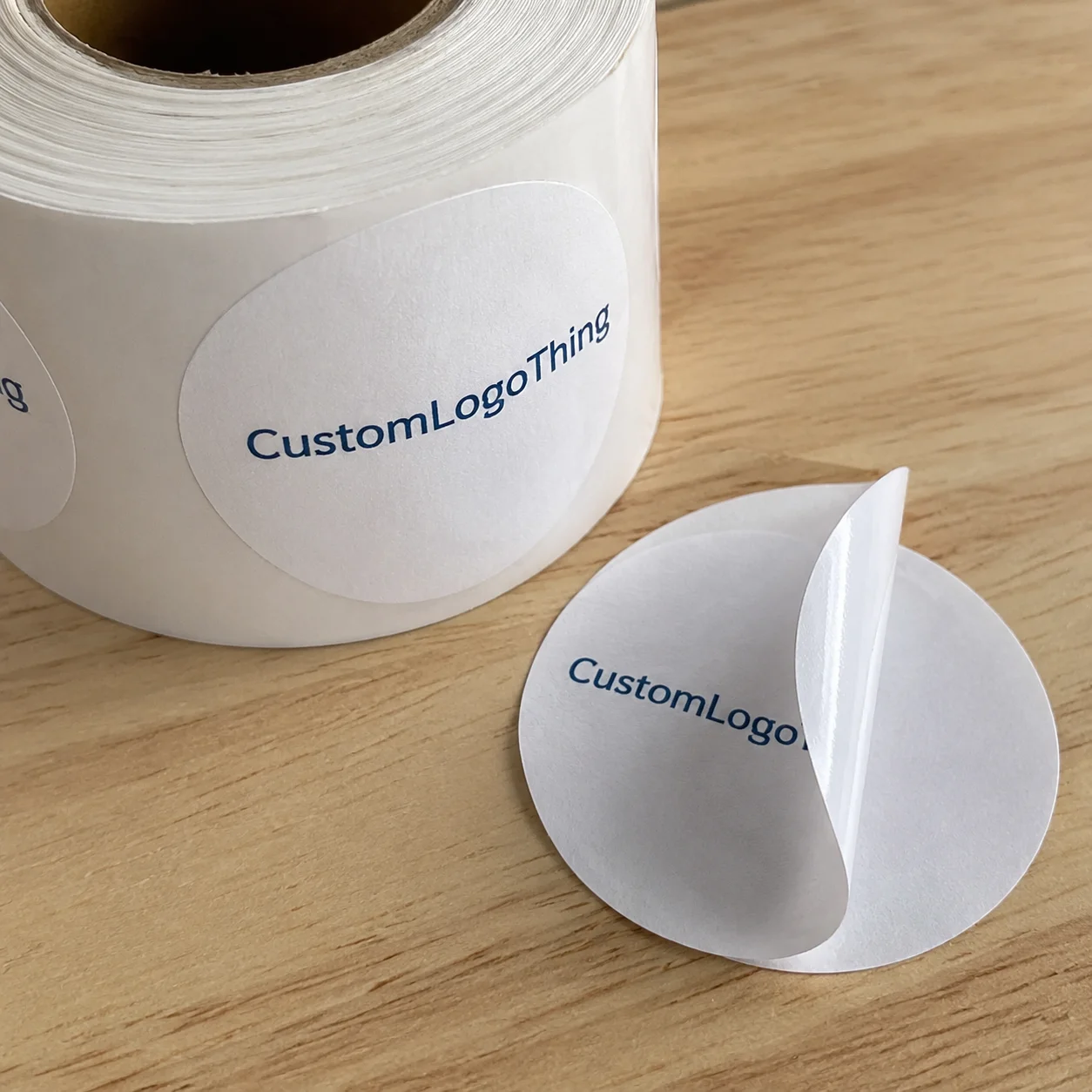
Custom restickable stickers are pressure-sensitive graphics made with an adhesive designed for repositioning. The goal is controlled tack, not permanent bonding. In practical terms, that means the sticker should grab enough on first application to stay put, but still release cleanly so it can be moved and reapplied without tearing the face stock or leaving visible residue.
They are often grouped with removable labels, but the performance targets are different. A removable label is usually built to come off once, cleanly, and stay out of the way. A restickable label is expected to tolerate a second application, sometimes a third, depending on the adhesive and the surface. Low-tack adhesives can overlap with that category, but low tack by itself is not the same thing as repositionable performance. Some low-tack materials simply feel weak; they do not necessarily recover well after a peel.
That distinction matters because the use cases are practical, not theoretical. A product label may need to be corrected during manual application. A brand may want temporary signage on a display fixture. A seasonal package may change graphics every few weeks. Even inserts and promotional decals can benefit when they need to be lifted and reset without damage. For those jobs, the value is not in permanent hold. It is in predictable handling.
Surface behavior also changes the outcome. Smooth glass, coated paperboard, and many plastics are generally friendlier to restickable adhesives than rough kraft, dusty corrugate, or textured films. Temperature, humidity, and pressure matter too. A sticker pressed firmly onto a clean, dry surface often performs much better than one casually tapped into place. That difference is easy to overlook in design review and hard to ignore on the packing line.
If the label must be moved, test it as a moving label, not as a decorative sample. A clean desktop test can be useful, but it does not replace real packaging under real handling.
For brands working across Custom Packaging Products or building out Custom Labels & Tags, these stickers can give you more flexibility during launch planning and short-run production. They are especially useful when the packaging structure is stable but the messaging changes often.
How the adhesive and face stock work together
A reusable sticker is a layered system. The face stock is the printable top layer. The adhesive controls how it bonds and releases. The liner carries the material through die-cutting and application. If one layer is chosen without regard for the others, the finished product can feel off even if the print looks excellent.
Face stock is usually either paper or film. Paper tends to be more economical and prints with a familiar, matte finish that suits short-run packaging and retail labels. Film, especially polypropylene or vinyl, is more durable, more resistant to moisture, and better at handling repeated touch. If the label will be handled often, wiped down, or exposed to light condensation, film usually makes more sense. If the branding calls for a softer, natural look and the use is mostly indoors, paper may be the better fit.
The adhesive is where restickability lives. Removable adhesives are tuned for clean removal, often with lower peel force. Repositionable adhesives are designed to survive a lift and reapplication while keeping enough grab to stay useful after the move. The liner matters more than many buyers expect because poor liner release can make a good adhesive feel frustrating in production. If labels are hard to peel from the backing, application slows down and the whole run becomes harder to manage.
Real-world conditions change the performance more than most spec sheets suggest. Warm environments can soften a low-tack adhesive and make it feel slippery. Cold storage can make the same material less responsive during application. Pressure helps, especially on smooth surfaces. A few extra seconds of firm contact often improve bond strength. On a packing table, that difference can be the line between a smooth run and a box of rejected labels.
Buyers with distribution requirements should also ask how the product is expected to travel. If the labels will move through shipping networks, handling tests often follow industry methods associated with groups such as ISTA. If sustainability claims matter, some paper structures may be available with FSC-certified components from sources aligned with FSC. Those details are not decorative. They shape compliance, positioning, and the final bill of materials.
| Option | Best for | Typical feel | Tradeoff |
|---|---|---|---|
| Paper face stock + low-tack adhesive | Short-run promos, light packaging, indoor use | Matte, easy to print | Less durable, weaker moisture resistance |
| Paper face stock + repositionable adhesive | Labels that need correction during application | Simple handling, clean second placement | Not ideal for heavy wear or outdoor use |
| Film face stock + repositionable adhesive | Reusable labels, displays, coated packaging | Sleeker, tougher, more wipe-resistant | Usually costs more than paper |
Key specs that change cost, durability, and reuse
Pricing for custom restickable stickers comes down to a handful of variables: material, size, cut complexity, finish, and quantity. A simple round label on standard paper and a custom-shaped film sticker with a repositionable adhesive are not even close to the same job. That sounds obvious until two quotes land in the same inbox and someone assumes the lower number is the better deal.
Smaller orders usually cost more per piece because setup costs are spread across fewer units. A run of 500 or 1,000 pieces may land in a noticeably higher unit range than a 5,000-piece order. Broadly speaking, smaller custom runs can fall somewhere around $0.20 to $0.60 per unit depending on size, print coverage, and finish, while larger runs may move closer to $0.06 to $0.18. Those are working ranges, not guarantees. The moment the spec changes, the price moves with it.
Specialty cuts add cost when the shape is intricate or the kiss-cut needs tighter control. Heavy ink coverage can also raise the price, especially if white ink, multiple layers, or specialty treatments are involved. Finishes such as gloss lamination, soft-touch coating, and spot UV can improve shelf appeal, but they also add steps, setup time, and more room for rejection if the artwork is not prepared correctly. More finish is not always more value. Sometimes it is just more complexity.
Durability depends on use environment. Indoor packaging is one category. Outdoor or semi-outdoor use is another. Moisture, UV, grease, abrasion, and repeated handling all shorten useful life. If the sticker will be touched a lot, exposed to condensation, or stored near heat, film stock usually gives a more forgiving result than paper. If the item only needs a short promotional life on a shelf, a simpler construction may be enough.
When comparing quotes, ask for the full structure: face stock, adhesive type, liner, print method, finish, cut style, and expected reuse range. “Premium sticker” is not a specification. It is a sales phrase. You need enough detail to compare one product against another without guessing what was actually quoted.
- Face stock: paper or film
- Adhesive: removable, repositionable, or low-tack
- Finish: matte, gloss, or soft-touch
- Cut style: kiss-cut, full die-cut, or sheet format
- Order size: prototype, short run, or volume production
Order process and turnaround: from proof to delivery
The production flow is usually predictable: artwork prep, proofing, material selection, sampling if needed, printing, finishing, packing, and shipping. Most delays are not mysterious. They come from artwork that is not ready, files that do not match the cutting plan, or a finish request that was never fully specified in the first place.
Clean files save time. So do correct dielines, proper bleeds, and clear instructions about finish and quantity. If the adhesive needs to work on a specific surface, that should be stated early, not after the first proof. Samples add time, but they also reduce risk, especially when the application surface is unusual or the label has to tolerate repeated handling. The same is true if the order includes multiple finish layers or a cut shape with tight tolerances.
Typical turnaround for standard custom sticker orders is often about 7 to 12 business days after proof approval. More specialized adhesive work, or jobs that need testing and sample approval, can move into the 12 to 15 business day range, sometimes longer. Rush production can shorten the calendar, but it usually raises the cost. Paying more to correct a late brief is rarely a good use of budget.
It helps to confirm the proof approval deadline, the shipping method, and whether the plant is waiting on artwork or on sample sign-off. If the stickers are tied to a launch, retail reset, or custom printed packaging set, one late revision can affect the rest of the schedule. Good suppliers usually flag that early. Better ones tell you what is likely to slip before it actually does.
How to choose the right restickable format for your use case
Start with the surface. Smooth, clean, dry surfaces give the best results. Then decide how many times the sticker needs to move. One correction is different from repeated repositioning, and both are different from temporary placement before a final bond. If the adhesive only needs to survive a single adjustment, your material choices can stay broader. If the label needs to be lifted multiple times, you should be more selective.
For jars and bottles, film with a repositionable adhesive usually performs well because the surface is smooth and the item gets handled often. For boxes and mailers, paper can work if the goal is a short-term promotional label or a packing correction aid. For inserts, handouts, and giveaways, a lighter tack product may be enough. For display graphics and temporary signage, film is the safer call because it tolerates handling and holds its shape better.
Matte and gloss finishes change how the sticker reads. Matte reduces glare and often improves legibility under retail lighting. Gloss makes color blocks and photography look richer and improves wipe resistance. If the design is text-heavy or needs to be scanned quickly, matte is often the more practical choice. If the design depends on visual punch, gloss usually carries more impact. Packaging decisions like that sound minor until the barcode sits under bright lights and the surface starts reflecting everything in the room.
Shape and size matter as well. Larger stickers create more brand presence on boxes and jars, but they can be harder to reposition without trapping air or creasing. Smaller stickers are easier to place cleanly, though they give up some visibility. The best option depends on how much space you have and whether the sticker is meant to be noticed from across a shelf or just read up close.
Always test on the actual packaging. Not a mock-up sheet, not a desk surface, and not a generic sample card. The real substrate tells you what the adhesive can and cannot do.
Common mistakes that make reusable stickers fail
The first mistake is choosing an adhesive that is too strong because the word “stick” feels safer. Strong hold sounds reassuring, but on a restickable label it can create the very problem you were trying to avoid. The first peel may look fine. The second may tear the face stock, curl the edge, or leave residue behind.
The second mistake is assuming one surface represents all surfaces. A label that performs well on coated board may fail on kraft paper, matte plastic, textured cartons, or dusty corrugate. Surface energy matters. So does cleanliness. So does humidity. People often blame the sticker when the real problem is the substrate.
Artwork can create its own problems. Very small text, thin rules, dense layouts, and overly ornate die lines all reduce usability. If the sticker is meant to be moved, the edges need to stay clean. Decorative cutouts and tiny tabs may look polished on screen, but they complicate production and make handling less reliable. A simpler shape often performs better and costs less.
Another common error is comparing quotes without comparing specs. One supplier may be quoting film with repositionable adhesive, while another quotes paper with low-tack adhesive. The cheaper number is not necessarily the better value. It may simply describe a different product built for a different job.
Expert tips for better performance, lower waste, and cleaner branding
If the sticker is tied to a launch, a seasonal campaign, or a new packaging surface, order a short sample run first. Small testing costs less than reprinting a large batch that does not behave correctly. That is not caution for its own sake. It is basic risk control.
Test under real conditions. Use the actual packaging, the actual environment, and the actual people who will apply the stickers. A material that behaves well in a controlled room can act differently in a cold storage area or under warm retail lighting. Manual application also introduces variation. The people doing the work will catch alignment problems and handling issues long before a presentation deck does.
Artwork should be built for repeat handling. Strong typography, clean borders, and fewer fine details usually hold up better than intricate graphics. If the sticker is meant to be reused, design with edge stability in mind. Thin borders, tiny text, and crowded compositions tend to degrade quickly once fingers, friction, and movement enter the picture.
Cost control gets easier when the spec is consistent. Standardize sizes across a product line where you can. Avoid adding two finishes when one will do. Keep shape complexity reasonable. Quantity tiers matter too, but only if you Will Actually Use the inventory. Buying more than you can move just to lower the unit price is a common way to turn savings into storage.
Finally, choose the adhesive strength that matches the actual use case. The ideal range is usually enough hold for the intended surface, with enough release to allow a clean move. That is less dramatic than a full-permanent adhesive, but it is exactly what makes custom restickable stickers useful.
Next steps: how to brief a supplier and request the right quote
A useful quote starts with a useful brief. Include dimensions, shape, quantity, surface type, indoor or outdoor use, expected number of repositionings, finish requirements, and deadline. If any of those are missing, the pricing will be vague and the comparison will be shaky. Quote sheets only become meaningful when the underlying specs are clear.
Ask for material options, adhesive behavior, minimum order quantity, proof timing, and shipping estimates in the same request. If you are ordering custom restickable stickers for a packaging rollout, ask whether a sample or short production test is available before the full run. A small sample can show whether the label holds, peels, and resets the way the job actually requires.
Check the artwork before approval. Confirm bleed, cut lines, text size, and finish compatibility. If the design needs to work across labels, inserts, or custom printed boxes, keep the visual language consistent so the packaging does not look pieced together from separate jobs. That kind of mismatch is easy to miss in proofs and obvious on the shelf.
Start with the use case, then match the surface, adhesive, and finish to it. That is the cleanest way to order custom restickable Stickers That Work in production instead of only looking good in the mock-up.
FAQs
How are custom restickable stickers different from removable stickers?
Restickable stickers are designed to be peeled and applied again with usable repositioning performance. Removable stickers focus more on clean removal from one surface. If the label needs to move more than once, the repositionable option is usually the better fit.
What surfaces work best for restickable stickers?
Smooth, clean, dry surfaces usually perform best. Glass, coated packaging, and many plastics tend to hold more predictably than rough cardboard or dusty finishes. Testing on the actual substrate is the safest way to confirm fit.
Do custom restickable stickers cost more than standard stickers?
Usually yes. Repositionable adhesives, better face stocks, and extra testing can raise the unit cost. Size, finish, quantity, and cut complexity also affect pricing, so the full spec matters more than the sticker category alone.
Can restickable stickers be used outdoors?
Some can, but outdoor use needs materials and adhesives selected for moisture, heat, UV exposure, and dirt. Those conditions reduce reuse performance quickly. If the sticker will see weather, ask for outdoor-specific guidance Before You Order.
How many times can a custom restickable sticker be reused?
It depends on the adhesive, the surface, and the handling. A clean surface and careful peeling extend the useful life, while dust, heat, and rough textures shorten it. The supplier should be able to estimate the reuse range for the exact structure quoted.
Custom restickable stickers work best when the brief is specific and the material choice matches the real surface. Surface type, finish, adhesive strength, and handling all affect performance, cost, and waste. Skip those details and the price may look better than the outcome.


