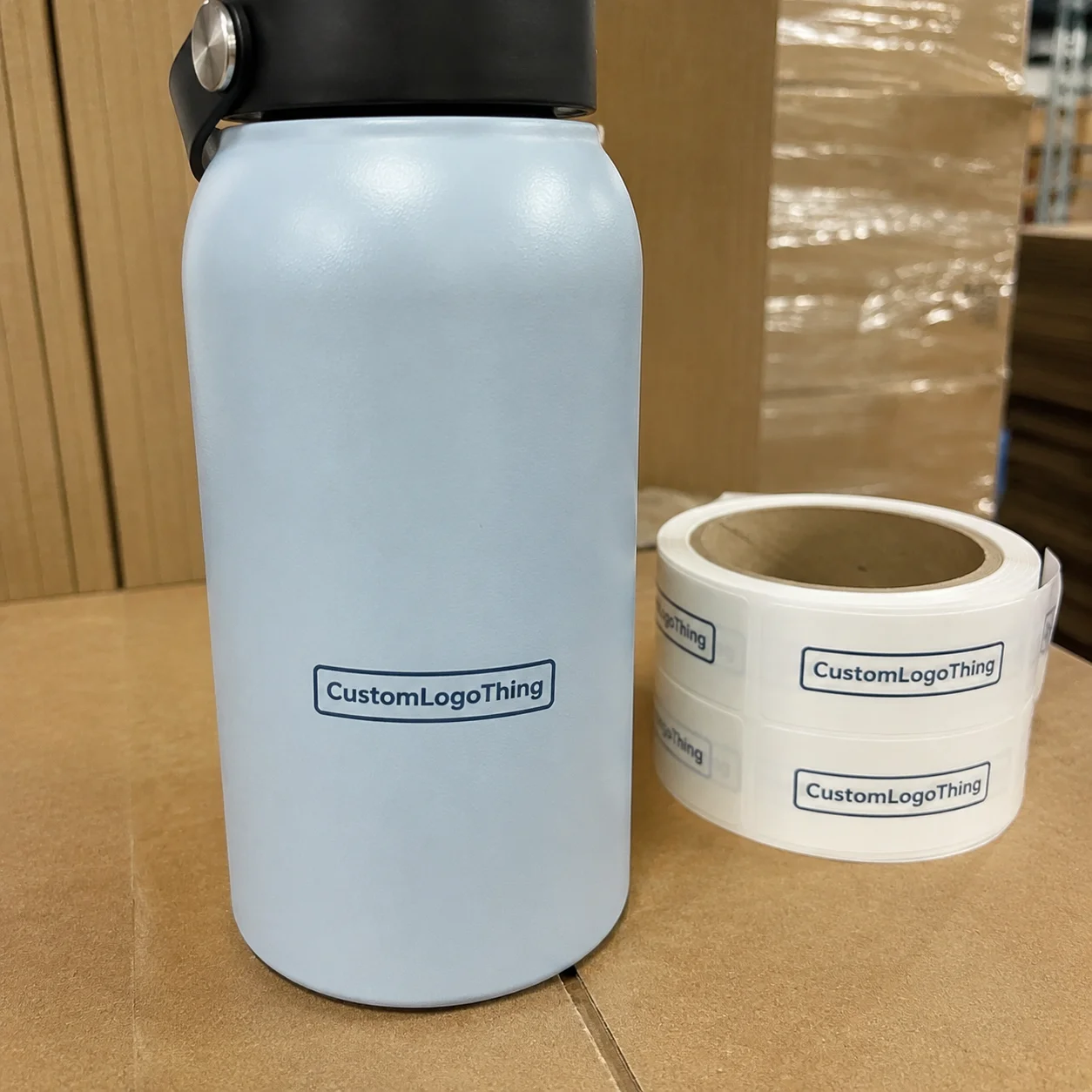
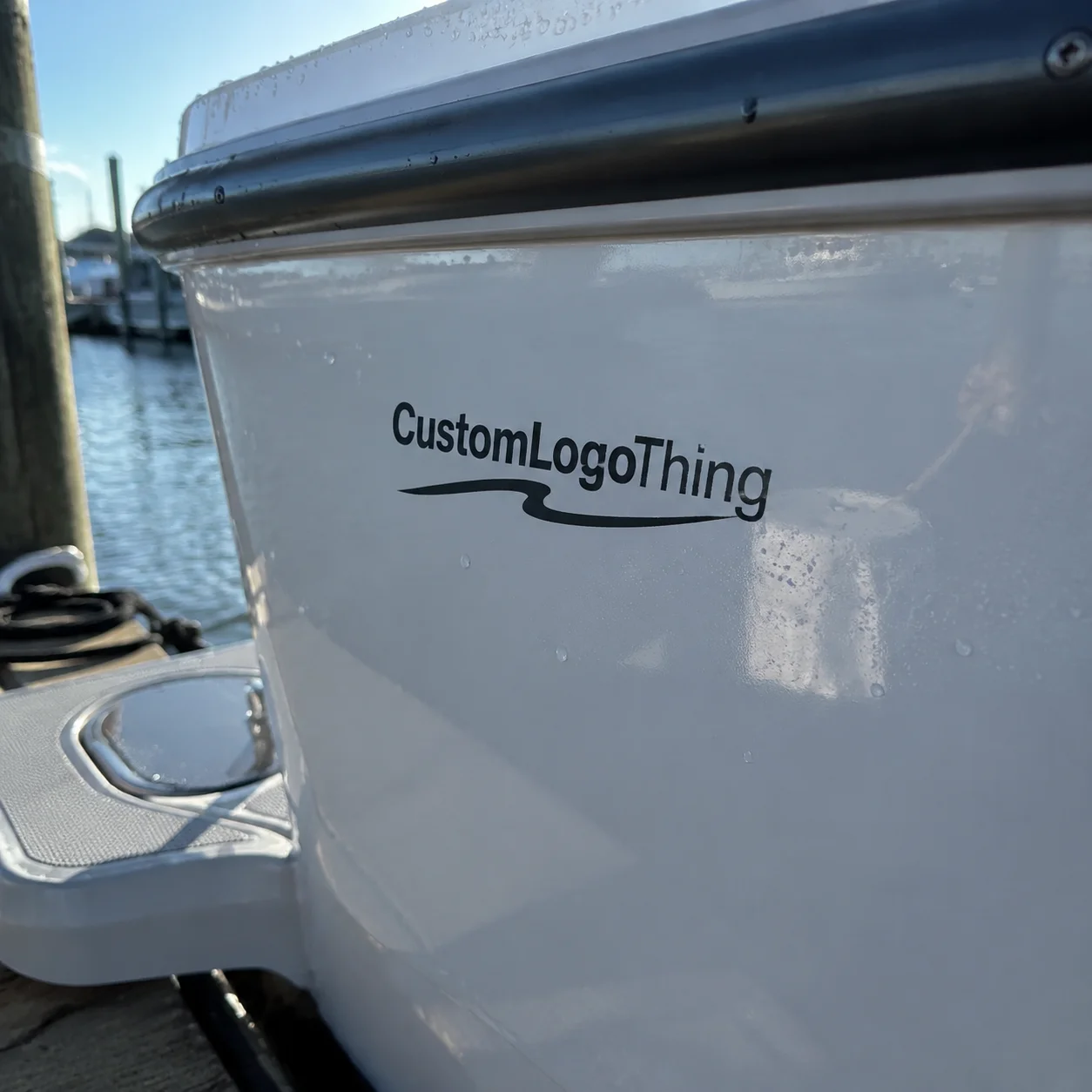
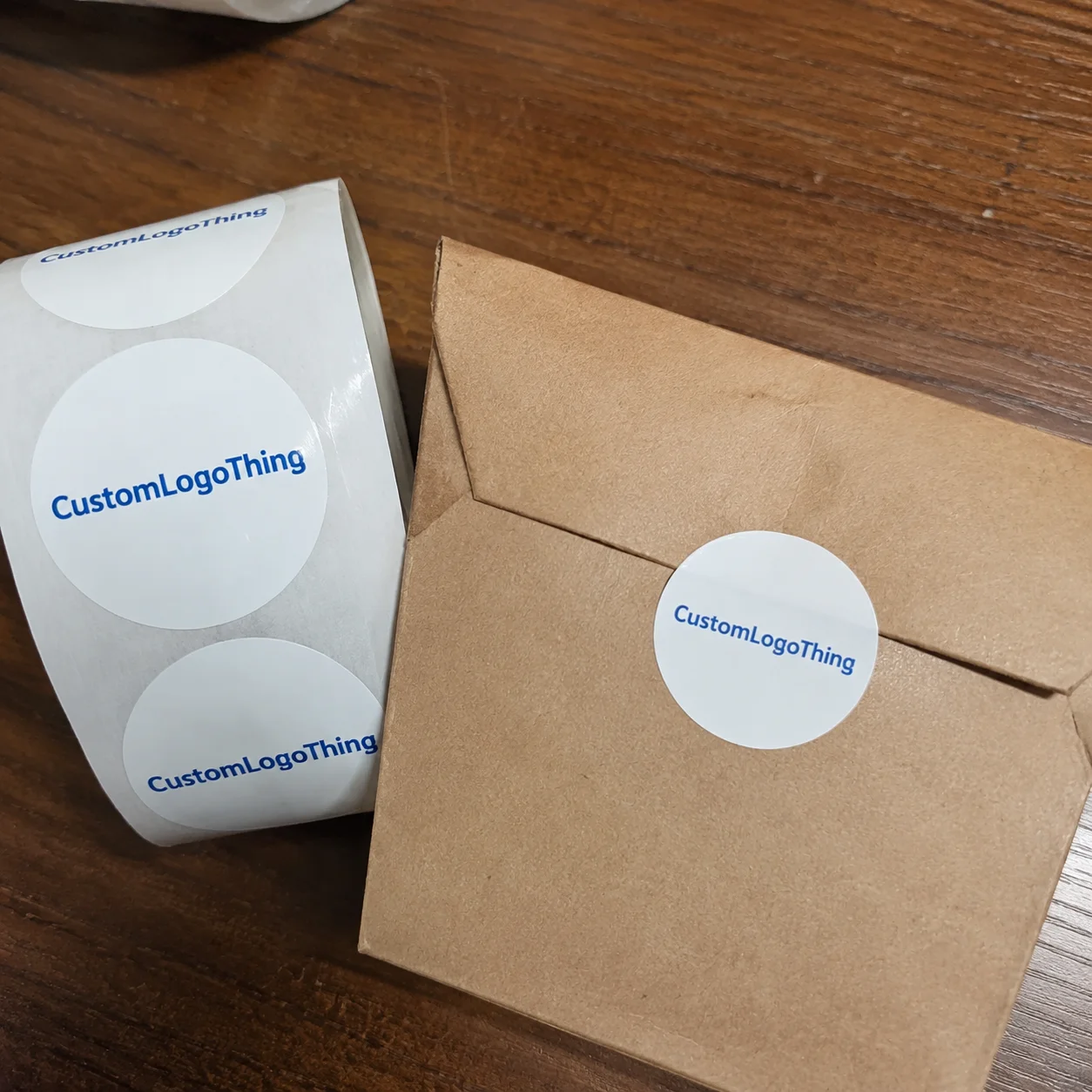
A rider may ignore your flyer, delete your email, and forget the discount code you named after a mountain pass. But a good sticker on a helmet, frame, bottle, rack, toolbox, or bike case keeps turning up in public. That is why custom stickers bike brands order should be treated like small outdoor signage, not leftover swag.
The best ones feel useful, look intentional, and survive bike life. Rain. Sweat. Chain lube. UV. Gravel dust. Someone wiping down a frame with whatever cleaner was already on the bench. Artwork matters, but material, adhesive, finish, and sizing decide whether the sticker becomes part of the rider’s kit or curls off by the next tune-up.
Why custom stickers bike owners notice first
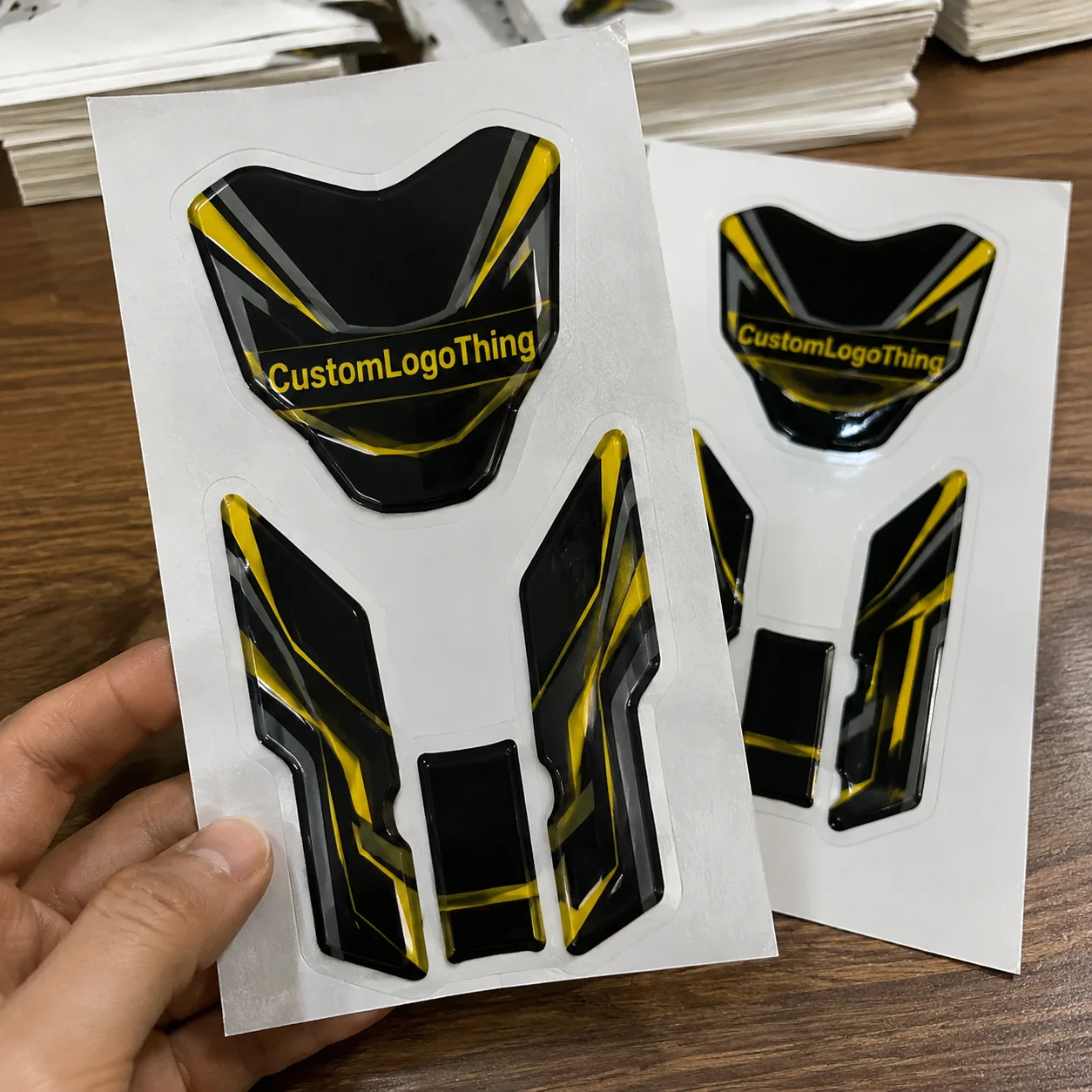
Bike stickers are not just decoration. They work as small mobile brand placements for shops, cycling clubs, races, rental fleets, repair services, trail groups, gear brands, and local events. A 3-inch sticker on a bottle can be seen at a coffee stop, trailhead, repair stand, and group ride before lunch. Not bad for a unit that may cost less than a dollar.
There is a hard line between casual paper stickers and bike-ready decals. Paper is fine for indoor packaging seals, thank-you inserts, or short-term use on dry surfaces. On bikes and outdoor gear, paper usually becomes pulp with branding on it. Proper bike decals need outdoor adhesive, flexible stock, abrasion resistance, UV stability, and ink protection that does not look sun-fried after a few rides.
From a packaging buyer’s point of view, the goal should be painfully clear: match the sticker to the job. A shop service label needs readable details and dependable adhesion. A race packet giveaway needs strong shelf appeal without eating the event budget. A rental bike ID label may need numbering, tamper awareness, and a finish that tolerates repeated cleaning. A premium gear brand may want die-cut vinyl that sits comfortably beside its Custom Packaging Products, hang tags, and retail display materials.
Think of bike stickers as part of the broader brand system. The same logo that sits on product packaging or Custom Printed Boxes may end up on a rider’s helmet for months. If the sticker peels, fades, or feels cheap, the brand message is not “community.” It is “we bought the lowest quote and hoped physics would be polite.” Physics is rarely polite.
Practical rule: if the sticker will touch weather, hands, cleaners, bottles, racks, tools, or gravel, spec it like an outdoor product label. Not like a desk sticker.
How bike decals work on frames, helmets, bottles, and gear
Bike stickers deal with a messy combination of curved surfaces, sweat, rain, road grit, sun exposure, cleaning products, and constant handling. The material has to flex around tubes and vents. The adhesive has to grip painted metal, plastic, powder coat, stainless bottles, molded cases, or coated packaging. The print has to stay readable after repeated rubbing.
Common use cases include frame branding, shop service labels, race packet giveaways, club logos, safety labels, trail advocacy stickers, rental bike identification, bottle stickers, and product packaging seals. Each one needs a slightly different spec. A QR code service label on a repair tag has different priorities than a holographic club sticker sold at a merch table.
- Vinyl: the safest default for most outdoor bike use because it handles moisture and flex better than paper.
- Clear vinyl: good for a painted-on look, especially over light or bright surfaces.
- Reflective stock: useful for visibility accents, safety labels, commuter campaigns, and night-ride promotions.
- Metallic or holographic film: strong merch appeal, higher unit cost, and not always friendly to tiny text.
- Removable adhesive: better for temporary campaigns, rentals, demos, and events where clean removal matters.
Finishes change both appearance and durability. Matte gives a quieter, modern look and reduces glare. Gloss adds color pop and tends to feel more energetic. Soft-touch can work for premium merch stickers, although it is not the first choice for high-abuse placements unless the supplier confirms the construction. Laminate is the boring hero. Add it when the sticker needs extra resistance to scratches, water, repeated handling, and cleaning.
Placement changes the spec more than most buyers expect. A laptop giveaway sticker can be standard vinyl, often 2.5 to 3.5 inches wide. A frame decal near a bottle cage, chain stay, or helmet vent needs tougher material, smarter sizing, and cleaner cut lines. Long, skinny decals can look sharp on top tubes, but they need enough flexibility to wrap without edge lift.
Surface contact also matters. A sticker on a flat toolbox lid has an easy life compared with one wrapped over a round frame tube. A bottle sticker gets squeezed, washed, dropped, and rubbed in a cage. A helmet sticker may cross vents and compound curves. The same design can behave three different ways once it leaves the proof screen.
Key specs that decide whether bike stickers last or peel
Start with adhesive. Yes, adhesive is boring. It also decides whether your sticker stays put or curls up like a potato chip. Standard permanent adhesive works for most clean painted frames, bottles, laptops, shipping boxes, and smooth cases. High-tack adhesive may be better for textured gear boxes, some low-energy plastics, and surfaces that get handled hard. Removable adhesive is useful for events, rentals, demo fleets, and temporary campaigns.
Surface energy matters. Smooth painted metal usually accepts labels well if it is clean and dry. Some plastics are harder because the adhesive does not wet out properly. Powder-coated surfaces can vary. If the sticker must go on expensive bikes, rental assets, helmets, or molded plastic cases, test before ordering 5,000 pieces. One sample test is cheaper than a box full of regret.
Material thickness is another misunderstood spec. Thicker is not always better. A stiff sticker can look premium on a flat card, then lift on a curved tube. Flexible vinyl usually beats stiff stock for bike applications because it conforms to curves and stays flatter at the edges. Many outdoor vinyl stickers fall around 3 to 5 mil before liner, with laminate adding thickness. The exact construction depends on the supplier, ink system, and finish.
Size and shape should follow the purpose. Small badges work for helmets and bottles. Long frame strips fit top tubes, down tubes, and chain stays. Die-cut logos are strong for brand recognition. Kiss-cut sheets are practical for sticker packs and multi-design club sets. QR code labels need enough white space and contrast to scan reliably. If a code drops below about 0.8 inch square, scanning can get annoying fast. Nobody enjoys pinching and zooming a sticker in a parking lot.
| Use Case | Recommended Spec | Watch-Out |
|---|---|---|
| Helmet logo | Flexible vinyl, small die-cut, matte or gloss laminate | Avoid oversized shapes that bridge vents or tight curves |
| Frame decal | Outdoor vinyl, permanent adhesive, protective laminate | Test on tube diameter and finish before large runs |
| Race giveaway | Individually cut vinyl or kiss-cut sheets | Do not overbuild if most stickers go on laptops and bottles |
| Rental fleet ID | High-tack vinyl, numbering, gloss or matte laminate | Confirm removal expectations before choosing permanent adhesive |
| Retail packaging seal | Paper, BOPP, or vinyl depending on exposure | Match adhesive to box coating and storage conditions |
Color and contrast are not optional. Tiny gray text on black vinyl may look sleek on a monitor and completely useless beside a repair stand. Design for real viewing distance. A shop name should read from 3 to 6 feet. A service label should read at arm’s length. A QR code should scan without drama.
Artwork setup affects cost and timing. Send vector files when possible, usually AI, EPS, SVG, or clean PDF. Outline fonts. Add bleed, often 0.0625 to 0.125 inch depending on the printer. Keep live text and logos inside a safe zone. Avoid hairline borders near the cut line unless you enjoy seeing tiny alignment shifts. Print and cut tolerances exist. Annoying, but real.
For outdoor use, ask how the sticker is protected. UV inks alone may be enough for short campaigns. Longer-use decals usually benefit from laminate, especially on frames, bottles, helmets, racks, and tool cases. A supplier should be able to explain whether the sticker is printed on vinyl, printed and laminated, screen printed, or produced with another method. If the answer is vague, the performance expectations will be vague too.
Cost and pricing factors for bike sticker orders
Pricing depends on quantity, size, material, finish, shape complexity, number of designs, proofing needs, and whether the order uses sheets, rolls, or individually cut stickers. Custom stickers bike shops buy for service counters are often priced differently from roll labels for packaging or premium die-cut merch stickers for resale.
Simple small vinyl stickers usually get cheaper as quantities increase because setup, file review, printing, cutting, and packing are spread across more units. Specialty materials cost more. Reflective, metallic, clear, holographic, laminated, or complex die-cut stickers can be worth it, but they are not magic budget dust.
| Order Type | Typical Quantity | Practical Price Range | Best For |
|---|---|---|---|
| Small standard vinyl | 250 to 500 pieces | $0.35 to $0.90 each | Local shops, club tests, small events |
| Standard vinyl bulk run | 1,000 to 5,000 pieces | $0.12 to $0.45 each | Race packets, retail counters, brand giveaways |
| Laminated die-cut vinyl | 500 to 2,500 pieces | $0.25 to $0.85 each | Frames, bottles, helmets, premium merch |
| Reflective or specialty film | 250 to 2,000 pieces | $0.60 to $2.50 each | Safety campaigns, commuter gear, limited drops |
| Roll labels | 1,000 to 10,000 pieces | $0.04 to $0.25 each | Product packaging, retail packaging, box seals |
Those ranges are not universal. Size changes everything. A 1.5-inch circle and a 5-inch die-cut logo are not the same animal. Heavy ink coverage, special colors, multiple versions, individual bagging, split shipping, and rush timelines can move the number. If someone gives a firm price without asking specs, either they are guessing or they have one default product and hope it fits. Neither is ideal.
There is also the classic overordering trap. Buying 2,000 stickers can drop the unit price, but that is not a win if the event only needs 400 and the logo changes next month. Math. Irritating, but useful. A better move might be 500 premium stickers for riders and 2,000 lower-cost roll labels for package branding, boxes, or counter bags.
MOQ depends on the production method. Digital printing can support smaller runs, sometimes 50 to 250 pieces for simple jobs. Better value often starts around 500 or 1,000 pieces because setup time, proofing, cutting, and finishing stop dominating the cost. For labels tied to branded packaging or Custom Labels & Tags, roll format can be more efficient if machine application or high-volume packing is involved.
Request quotes with exact size, quantity, material, finish, shape, packaging preference, number of designs, and delivery deadline. Vendors should not have to guess. Guessing is where bad quotes go to breed.
Process and timeline from artwork to finished stickers
The production path is straightforward, but small delays stack up. First, the buyer submits specs and artwork. The manufacturer reviews the file, confirms the quote, and creates a digital proof. After proof approval, stickers are printed, cut, finished, quality checked, packed, and shipped. Production time usually starts after proof approval, not after the first email. That distinction saves arguments.
Proof approval is the biggest controllable delay. If the proof arrives Monday and sits in an inbox until Thursday, that is not a production delay. That is a decision delay wearing a fake mustache. Check the proof like someone spending real money, because you are. Confirm size, shape, spelling, colors, cut line, bleed, quantity, material, finish, and ship date.
Simple sticker orders often need 3 to 7 business days after proof approval, depending on the supplier and workload. Laminated, reflective, metallic, multi-design, numbered, or large-volume orders may need 7 to 15 business days or more. Add transit time. Add a buffer if the stickers are tied to race packets, retail launches, club events, trade shows, or product packaging deadlines.
Material availability can also affect timing. Standard white vinyl is usually easy. Specialty reflective films, holographic stocks, removable adhesives, or specific laminate finishes may not be sitting on every production floor. If a campaign depends on a very specific look, ask early and approve samples early.
Quality checks should cover print registration, color consistency, lamination, cut accuracy, liner release, and obvious defects. On roll labels, also confirm roll direction, core size, unwind orientation, and label spacing if the stickers will run through an applicator. For outdoor applications, suppliers may reference ASTM test methods for adhesive properties or material performance, depending on the construction. Packaging and shipping can also matter if stickers are bundled into kits, race envelopes, or retail cartons. For broader packaging durability planning, organizations such as ISTA publish transit testing resources used across packaged goods.
If sustainability claims are part of the order, be precise. Recyclable liner, FSC-certified paper components, and reduced-plastic packaging are different things. For paper-based packaging materials, FSC certification can support responsible sourcing claims. For outdoor vinyl decals, the sustainability conversation is more nuanced, so avoid vague green slogans unless the supplier provides real documentation.
Step-by-step guide to ordering bike stickers that fit the job
Ordering custom stickers bike riders will keep starts with the job, not the artwork. Artwork matters, but purpose decides the spec. A sticker for resale needs perceived value. A sticker for service tracking needs legibility. A sticker for rental fleet identification needs asset control. One sticker cannot be perfect for every job. If someone says it can, check whether they also sell miracle chain wax.
- Define the job. Decide whether the sticker is for branding, resale, giveaways, fleet labeling, packaging, safety, service tracking, or event swag.
- Choose the placement. Frame tubes, helmets, bottles, laptops, shipping boxes, mechanic cases, and retail packaging all need different sizing and durability choices.
- Pick the material and finish. Use durable vinyl and laminate for outdoor gear. Use specialty materials when the visual effect matters enough to justify the added cost.
- Size for real visibility. Logos, QR codes, social handles, and small text must remain readable at actual sticker size, not just on a giant monitor.
- Request a proof. Confirm size, shape, spelling, colors, cut line, bleed, quantity, finish, and ship date before approval.
- Test difficult surfaces. Run a small sample or first batch for rental fleets, high-end bikes, textured cases, helmets, or products where failure would be expensive.
For bike shops, a practical set often includes three pieces: one durable die-cut brand sticker for riders, one lower-cost service label, and one packaging label for bags, boxes, or shipped parts. The brand sticker earns visibility. The service label solves a practical need. The packaging label ties the retail experience together. That beats forcing one design to do three jobs badly.
For events, separate “packet filler” from “keeper.” A 2-inch sponsor sheet can be efficient, but the sticker riders actually keep is usually cleaner: strong logo, simple shape, bold contrast, and durable material. If sponsors need placement, consider a second sheet or a backer card. Do not turn the main sticker into a tiny billboard salad.
For gear brands, align stickers with packaging design. If your Custom Printed Boxes use muted earth tones and recycled board, neon gloss holographic may feel off unless that contrast is deliberate. If your retail packaging is loud and performance-driven, a matte black sticker with invisible text may underperform. Consistency matters. So does readability.
Common mistakes and next steps before you place an order
The predictable mistakes: choosing paper for outdoor use, making stickers too large for curved surfaces, using tiny text, skipping laminate on high-wear placements, ordering the cheapest adhesive, and forgetting to clean the surface before application. None of these are exotic failures. They happen because buyers focus on unit price and artwork, then treat application like an afterthought.
Design mistakes cause production problems too. Raster logos pulled from websites often print soft or jagged. Missing bleed creates white edges. Hairline borders make normal cut tolerance look like a defect. Complex die-cuts around fragile details create thin points that peel faster. Low-contrast colors disappear outdoors. QR codes that are too small will not scan reliably, especially on curved or glossy surfaces.
Application is not complicated, but it does need care. Clean the surface. Dry it fully. Avoid oily zones, waxed areas, heavy texture, sharp bends, and places that rub against cages, straps, racks, or tools. Apply from one edge across instead of dropping the whole sticker at once. Press firmly across the full surface, especially the edges. Give the adhesive time to bond before heavy rain, washing, or rough use. Many pressure-sensitive adhesives build stronger bond over 24 to 72 hours.
Removal deserves the same attention. Permanent adhesive may leave residue or pull weak paint, especially on older, repainted, or poorly cured surfaces. Heat can help soften adhesive, but aggressive solvents can damage finishes, plastics, and helmet materials. If clean removal is part of the job, specify removable adhesive at the start rather than trying to fix the problem later with rubbing alcohol and optimism.
Before requesting a quote, gather the essentials: surface, size, quantity, finish, material preference, deadline, artwork file, number of versions, and whether stickers need to be individually cut, sheeted, or rolled. If they support product packaging, add the package material too. Coated boxes, kraft paper, poly mailers, and glassine bags do not behave the same.
Also decide how the stickers will be distributed. Individually cut decals are easy for race packets and retail counters. Kiss-cut sheets work for packs with multiple designs. Rolls make sense for fulfillment, packaging lines, and high-volume label application. Bulk stacks are cheapest to pack but not always easiest to hand out neatly. There is always a tradeoff. Packaging loves tradeoffs. Very considerate of it.
Before ordering bike stickers riders will actually keep, send clean artwork, confirm the real use case, and choose materials based on exposure instead of chasing the lowest unit price. Cheap stickers are fine if the job is cheap. Bikes, weather, sweat, grit, and riders with standards are not cheap conditions.
FAQs
What material is best for custom bike stickers?
Outdoor vinyl is the safest default for most bike stickers because it handles moisture, sun, and handling better than paper. Add laminate when stickers will be placed on frames, helmets, bottles, tool cases, or any surface that gets scratched or cleaned often. Use reflective, clear, metallic, or holographic materials when visibility or merch appeal matters enough to justify the higher cost.
Can custom bicycle stickers go on curved bike frames?
Yes, but flexible vinyl and smart sizing matter because stiff or oversized stickers can lift around tight curves. Long frame decals should be tested for tube diameter, placement, and edge lift before committing to a large run. Avoid extremely detailed die-cuts on curved surfaces because thin pieces can peel faster.
How much do custom stickers for bikes usually cost?
Cost depends on size, quantity, material, finish, cut style, and whether the stickers are sheeted, rolled, or individually cut. Standard vinyl in larger quantities usually gives the best unit cost, while reflective, clear, metallic, laminated, or complex die-cut stickers cost more. For accurate pricing, send the exact size, quantity, artwork, finish, material preference, and deadline instead of asking for a vague ballpark.
How long does it take to produce custom bike decals?
Production time typically starts after proof approval, not when the first email is sent. Simple vinyl orders often need 3 to 7 business days after approval, while specialty finishes, large quantities, numbered labels, or complex die-cut sticker packs may need 7 to 15 business days or more. Plan extra buffer before races, product launches, retail drops, or club events because proof revisions and shipping can add time.
Will bike stickers damage paint or helmets when removed?
Permanent adhesive may leave residue or lift weak paint, especially on older, repainted, or poorly cured surfaces. Removable adhesive is better for temporary campaigns, rental programs, or surfaces where clean removal matters. For helmets, check the helmet manufacturer guidance first because adhesives and solvents can affect some materials. Boring warning, but worth reading.