Buyer Fit Snapshot
| Best fit | Printed Poly Mailers projects where brand print, material claims, artwork control, MOQ, and repeat-order consistency need to be specified before quoting. |
|---|---|
| Quote inputs | Share finished size, material target, print colors, finish, packing count, annual reorder estimate, ship-to region, and any compliance wording. |
| Proofing check | Approve dieline scale, logo placement, barcode or warning zones, color tolerance, closure strength, and carton packing before bulk production. |
| Main risk | Vague material claims, crowded artwork, missing packing details, or unclear freight terms can make a low unit price expensive after revisions. |
Fast answer: Printed Poly Mailers: Material, Print, Proofing, and Reorder Risk should be specified like a repeatable production item. The safest quote records material, print method, finish, artwork proof, packing count, and reorder notes in one written spec.
Production checks before approval
Compare the actual filled-product size with the drawing, then confirm tolerance on folds, seals, hang holes, label areas, and retail display edges. Reserve space for logos, QR codes, warning copy, and material claims before decorative graphics fill the panel.
Quote comparison points
Review material grade, print process, finish, sampling route, tooling charges, carton quantity, and freight assumptions side by side. A quote is only useful when the supplier can repeat the same color, closure quality, and packing count on the next order.
Printed Poly Mailers: How to Choose the Right Fit
I’ve seen a 20-gram mailer do three jobs at once: carry a brand, protect a product, and shape the customer’s first physical impression before they even touch the item. That’s why Printed Poly Mailers how to choose is not some throwaway procurement question; it’s a packaging decision with real commercial consequences. On a factory visit in Shenzhen, I watched a buyer hold up a sample like it was just a shiny trash bag. Twenty minutes later, we were talking about shipping weight, return rates, and why the customer’s unboxing photo made a $48 sweatshirt look like a $12 clearance item. Funny how “just a bag” turns into a business strategy once the numbers show up.
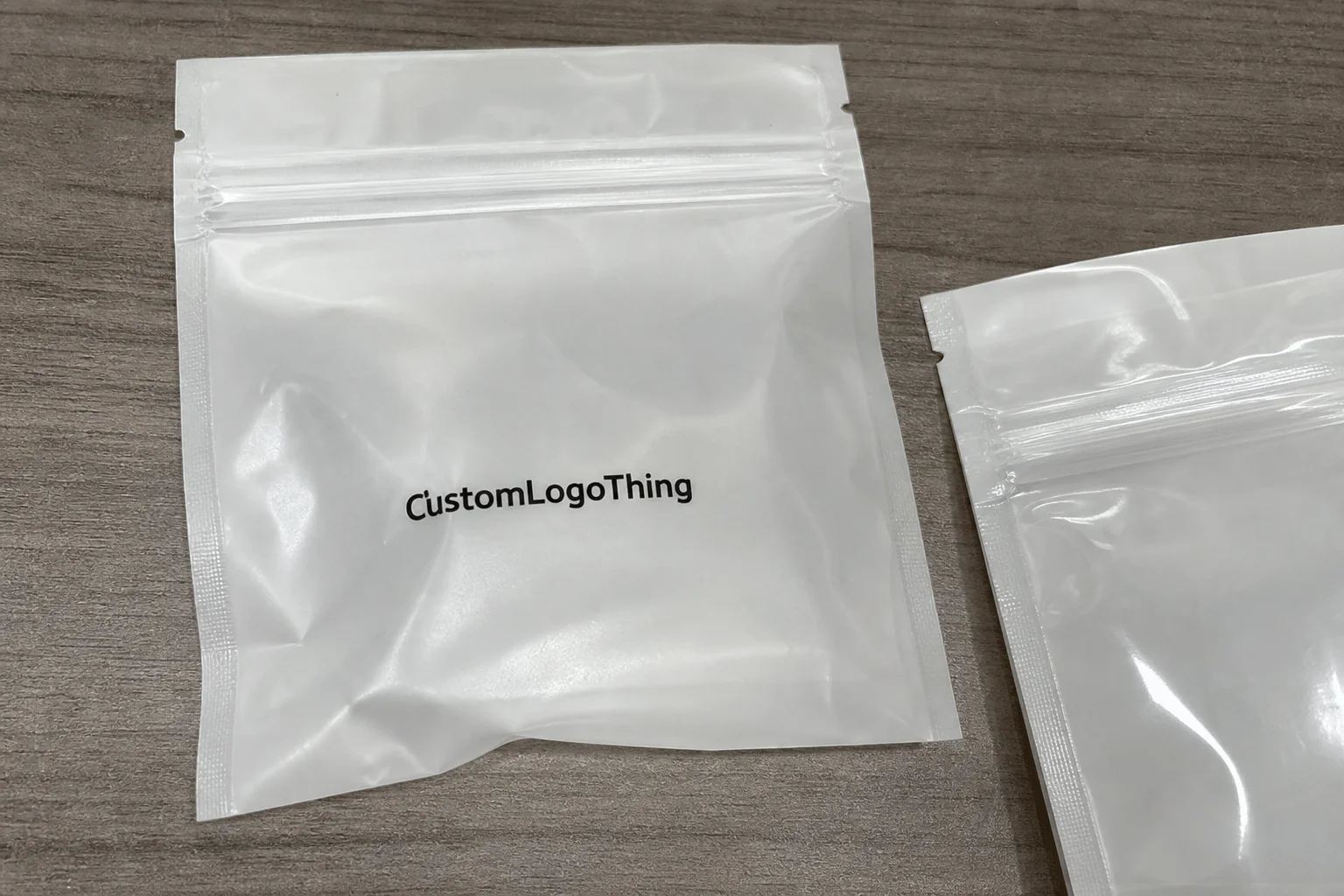
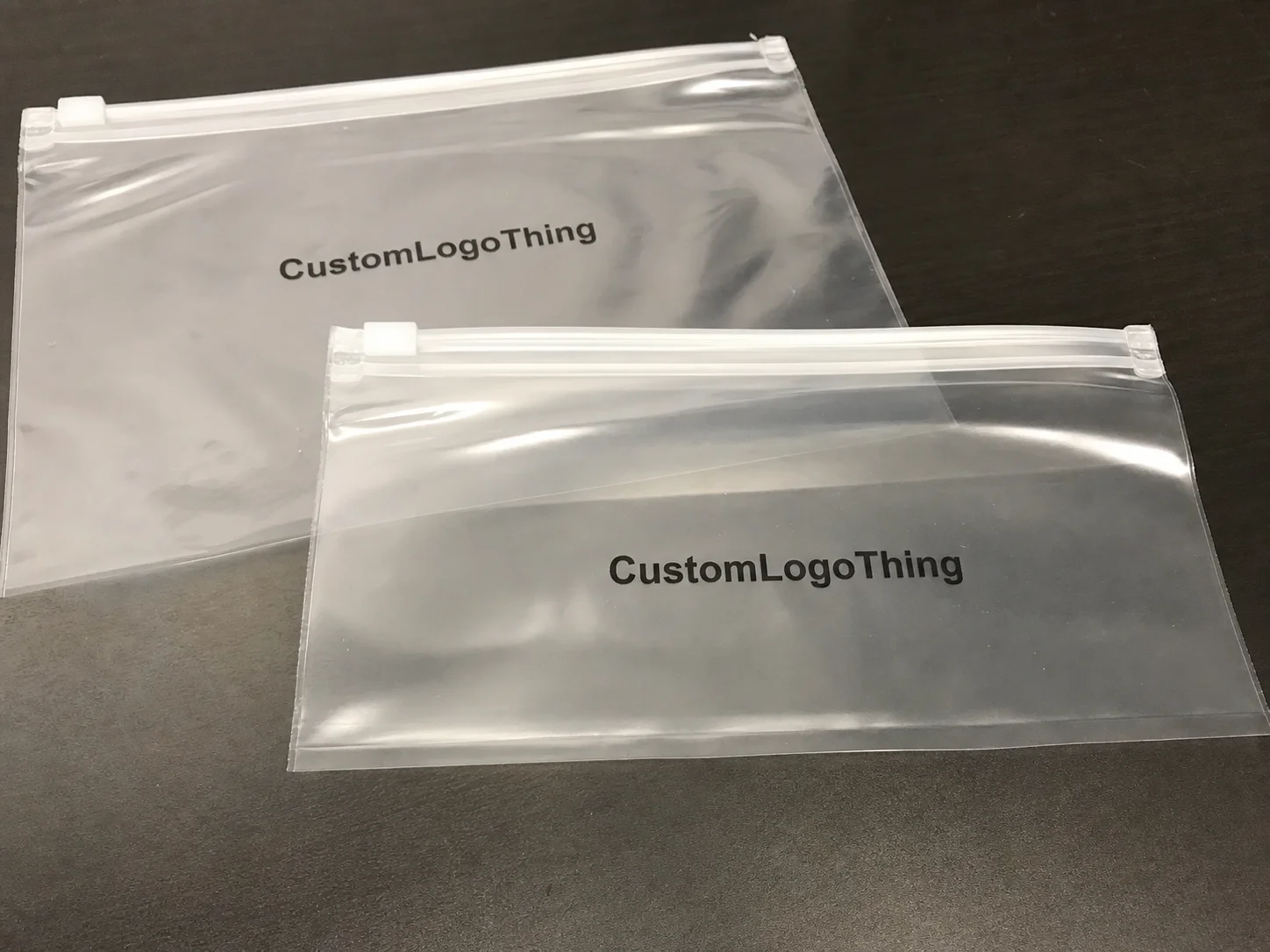
Printed Poly Mailers are lightweight plastic shipping bags customized with logos, colors, taglines, patterns, or care instructions. Most are made from polyethylene film, heat-sealed on the sides, and fitted with an adhesive closure strip. In plain English, they are a fast, low-bulk way to ship soft goods while putting your brand on the outside of the parcel. A common spec from suppliers in Guangzhou and Dongguan is a 2.5 mil co-extruded PE film with a 1.5-inch self-seal flap. No cardboard drama. No unnecessary dead air. Just a bag doing its job.
The dual role matters. A good mailer cuts shipping weight, takes less space than a corrugated box, and can lower dimensional charges on apparel, socks, swimwear, or flat accessories. At the same time, it acts like a moving billboard. If the print is sharp and the color is consistent, that bag is still advertising when it lands on a doorstep, a front desk, or a return counter. If the print is muddy, congratulations—you just branded your product with “we rushed this.” For a brand shipping 5,000 units a month, that difference can be the gap between repeat buyers and “maybe next time.”
Honestly, I think too many buyers treat mailers like commodity plastic. I’ve sat in supplier meetings in Yiwu and Ningbo where the first question was “What’s the cheapest unit price?” and the second question was “Why do the prints look faded?” Those two questions are connected. When you ask Printed Poly Mailers how to choose the right one, you’re really balancing brand image, protection, shipping method, budget, and production lead time in one purchase. That is a lot of moving parts for something people still call “just packaging.”
Here’s the practical frame I use: start with the product, not the mailer. Then map the product to the carrier environment, then to the design, then to the budget. If you reverse that order, you usually buy the wrong size or a print spec that looks fine on a screen and weak on a truck route. I’ve seen it happen more times than I want to admit, including a launch in Chicago where the team ordered 14 x 20 inch bags for folded tees that fit perfectly in 10 x 13. The oversized bags added roughly $0.03 per unit and pushed the parcel into a more expensive shipping tier. That “small” error became a six-figure headache over a quarter.
“We saved 14% on shipping weight by switching from cartons to printed poly mailers, but the real win was customer recognition at delivery.” — ecommerce operations manager I worked with in a packaging review
If you want to browse broader packaging options while you compare formats, our Custom Packaging Products page is a useful starting point. And if you already know you need a branded shipping bag, our Custom Poly Mailers page can help you narrow the field faster.
How Printed Poly Mailers Work in Real Shipping
A printed poly mailer is a simpler structure than a box, but the details matter. Most versions use a co-extruded polyethylene film, usually in a single-layer or multi-layer build depending on the manufacturer. The seam is heat-sealed, the flap has a pressure-sensitive adhesive, and the exterior carries the artwork. A solid production spec might include 2.25 mil inner film, 2.75 mil outer film, and a 40 mm adhesive strip. That setup keeps the package light while offering basic defense against moisture, dust, scuffs, and casual handling.
I’ve watched dock teams in two different fulfillment centers in Dongguan and Dallas test the same mailer by dropping a packed garment from waist height, then rubbing it against carton edges and conveyor rails. One mailer with a 2.5 mil film survived just fine for T-shirts. Another with a thin, budget-grade film split at the corner after a rough slide into a gaylord bin. Same logo. Same product. Different outcome because the film spec was wrong. That’s the part people forget when they chase the lowest quote like it’s a sport. A savings of $0.01 per unit means nothing if 3% of your bags fail in transit.
Printed poly mailers work best for soft goods and flat products: apparel, leggings, scarves, books, catalog inserts, accessories, and non-fragile consumer items. They are not the first choice for glass, ceramics, electronics with loose parts, or anything that needs impact buffering. If the item can be crushed, chipped, or bent, use an inner shipper or move to a padded structure. I know that sounds obvious, but I’ve still seen people try to ship fragile bundles in a mailer and then act surprised when the package loses the argument with gravity. A candle set in a 2 mil bag is not “optimizing.” It is volunteering for returns.
The print itself faces real shipping abuse. A tiny logo with thin lines may look beautiful on the proof, then disappear after two belt transfers and a rainy last-mile run. Bold graphics, strong contrast, and generous negative space tend to survive transit better. I’ve seen a matte black bag with a white 3-inch logo outperform a busy full-bleed design because the core branding stayed visible even after the parcel got scuffed. Beauty is nice. Legibility wins. If your print spec allows, keep the key mark at least 1 inch away from fold lines and seals.
Compared with corrugated boxes, printed poly mailers usually reduce shipping weight and save cubic space. That can matter a lot if your product is light enough to ship without rigid protection. The freight logic is straightforward: less material, less dead air, often lower shipping cost. But not every carrier or product profile rewards the same setup, so the “cheaper” option is not always the cheaper one after returns and damage are counted. Ask me how I know. Actually, don’t. The spreadsheet was ugly. On one apparel program, switching from cartons to poly mailers cut outbound parcel weight by 6 to 9 ounces per order, which saved roughly $0.42 to $0.68 in postage on Zone 4 shipments.
For teams that want formal guidance on packaging performance or environmental claims, two resources I often point people to are the ISTA testing standards and the EPA’s packaging waste information at epa.gov. Standards don’t pick the mailer for you, but they do help you ask better questions.
Key Factors to Compare Before You Order
If you’re trying to figure out printed poly mailers how to choose the right spec, compare five things first: size, film thickness, print quality, closure performance, and sustainability claims. That’s the shortlist I use when clients want a practical answer instead of a sales pitch. Because yes, sales decks are lovely. They also love to skip the annoying part where the package has to survive transit, a 12-hour truck ride, and a warehouse floor in Atlanta at 94°F.
Size and fit
Size is the first filter because it affects appearance, protection, and postage. A mailer that’s too large leaves the product sliding around, which looks sloppy and can increase corner wear. A mailer that’s too tight stretches the film, weakens the seal, and makes packing slower. For apparel, I usually tell buyers to measure folded dimensions at the widest point, then add enough room for a clean insert without forcing the seam. A folded hoodie that measures 11 x 14 inches might work well in a 12 x 15.5 inch mailer with 0.5 to 1 inch of usable clearance.
A good rule of thumb: allow a little clearance, not a lot. If you need a 12 x 15.5 inch mailer for a folded sweatshirt, don’t jump to 14 x 19 just because it feels safer. That adds material cost and can push the parcel into a larger shipping band. Bigger is not smarter. It’s just bigger. On a 10,000-piece order, an extra 2 inches of width can mean another $0.02 to $0.04 per unit in film and print waste.
Material thickness
Thickness is usually discussed in mils or gauge. Thicker film generally improves puncture resistance and gives the mailer a more premium hand feel. Common retail mailers may range from about 2.0 mil to 3.0 mil, while heavier-duty applications may go higher. I’ve seen brands choose 1.5 mil to save a few cents and then lose all the savings when returns spike from torn corners. That tradeoff is real, and it’s usually the moment someone in finance starts asking very pointed questions. A 2.5 mil mailer can be a very different animal from a 1.8 mil one, especially on rough routes through Phoenix or Houston.
One of the most useful things you can ask a supplier is how the film performs under pressure, not just what the thickness number is. A well-constructed 2.5 mil mailer with strong seals can outperform a poorly made 3.0 mil version. I would take the better build over the bigger number almost every time. Ask whether the film is virgin PE, recycled content, or a blend, and confirm the seal strength in Newtons or pounds of force if the supplier has test data. Numbers beat adjectives.
Print quality and branding
Print quality is not just about looking nice. It determines whether your logo survives transit, whether the color matches your brand system, and whether the mailer photographs well for social content. CMYK can work for complex art, but Pantone spot colors are usually more reliable when color consistency is critical. Matte finishes often feel more premium and reduce glare, while glossy surfaces can make saturated colors pop more aggressively. If your brand uses a specific red, ask for a Pantone match and request a physical strike-off before approving 50,000 pieces from a factory in Shenzhen.
Logo placement matters more than many teams expect. Put the mark where it stays visible after the bag is folded, stacked, or labeled. Too much text is another common mistake. A packed mailer has maybe 2 seconds of visual attention at a sorting table. That is not much time for a paragraph. I’ve had clients insist on squeezing in a slogan, a website, a social handle, and a tiny “thank you” note. Sure, if the goal is to make the package read like a ransom letter. One clean logo and one short brand line usually outperform five competing messages.
Closure and security
The adhesive strip should stick on the first press and hold through a normal transit cycle. If your products are frequently returned, check whether the design can support a reseal or secondary closure strategy. Tamper evidence is also worth asking about. I’ve had clients in beauty and intimate apparel ask for stronger closure cues because customers wanted reassurance the package had not been reopened. A 1.5-inch seal with strong tack can save a lot of customer service tickets.
One warehouse manager in Ohio told me the “cheap” mailer was costing him labor because workers had to press every flap twice. That is not a packaging problem alone. It is a workflow problem. And if a bag makes your team slower for no good reason, that “deal” is already on fire. In a 15-person pack line, an extra 4 seconds per unit can burn through 2 labor hours a day.
Sustainability claims
Recycled content, recyclable options where available, and source transparency are all worth reviewing, but this is where buyers need to be careful. Environmental claims vary by region and resin mix. A mailer advertised as recyclable in one system may not be accepted everywhere. Ask for documentation, resin details, and any certification references before you repeat a claim on your website or packaging. If a supplier says “eco-friendly” without a spec sheet, I treat that like a weather forecast from a guy standing outside the factory gate.
Shipping compatibility
Make sure the mailer works with your label size, warehouse tables, barcode scanners, and carrier workflow. A beautiful branded mailer that jams the print-and-apply station is a bad purchase. I’ve visited fulfillment rooms in Louisville and Los Angeles where staff were hand-labeling bags because the artwork left no clean label zone. That slowed throughput by several hundred units per shift. Watching a whole line get backed up because of a bad label zone is one of those moments where everyone suddenly finds religion about packaging specs. Leave at least a 4 x 6 inch label-safe area if your operation uses standard carrier labels.
| Factor | What to Ask | Why It Matters |
|---|---|---|
| Size | Will the product fit with 0.5-1.5 inches of practical clearance? | Protects fit, appearance, and shipping efficiency. |
| Thickness | Is the film 2.0 mil, 2.5 mil, or heavier? | Changes puncture resistance and perceived quality. |
| CMYK or Pantone? One side or two? | Affects color match, cost, and brand consistency. | |
| Closure | Does the adhesive hold on first seal? | Impacts transit security and packing speed. |
| Compatibility | Will it work with labels and warehouse equipment? | Prevents fulfillment bottlenecks. |
Printed Poly Mailers How to Choose by Cost, Pricing, and MOQ
Cost is where most conversations begin, but it should be where they end up after the specs are clear. If you’re researching printed poly mailers how to choose, pricing is one of the biggest decision points because unit price changes fast with quantity, thickness, and print complexity. The quote on paper can look beautiful. The invoice, once freight and setup enter the chat, usually has a different attitude. I’ve seen a buyer in Manila celebrate a $0.13 quote, then discover the landed cost was $0.19 after ocean freight, customs paperwork, and local drayage.
Here’s the short version: larger orders usually lower the per-unit price, but they also tie up cash in inventory. Smaller orders protect working capital, yet the unit cost rises because setup, printing, and freight are spread across fewer pieces. A new brand selling 800 orders a month may not want 50,000 mailers sitting in a warehouse for 10 months. That’s not inventory planning; that’s a storage hobby. If your usage rate is 2,500 units a month, a 20,000-piece buy gives you roughly 8 months of supply, which may be too much if your logo changes every quarter.
What drives price? Four things account for most of the swing: material thickness, number of print colors, number of printed sides, and size. Special finishes, custom sizing, and added features such as dual adhesive strips or tear lines can move the number even further. For example, a 10 x 13 inch mailer with one-color print will usually cost less than a 14 x 20 inch mailer with full-coverage graphics on both sides. A one-color run on 5,000 pieces might land around $0.15 per unit, while a two-sided, full-color design could move closer to $0.24 or more depending on factory location and freight. Shocking, I know. Bigger, fancier bags cost more.
MOQ matters because it can make or break a launch. A startup testing a new collection may only need 2,000 units, while a seasonal retailer might need 20,000 because peak volume arrives in a 6-week window. If the supplier’s MOQ is too high, you can end up with dead inventory after the season changes or the logo updates. I’ve seen a team order into the wrong MOQ just to “get the price,” then spend the next quarter staring at boxes of outdated branding like it was a punishment. In one case, the minimum was 10,000 pieces from a factory in Foshan, but the brand only needed 3,000 for the first drop. They paid storage on the rest for six months.
Hidden costs are easy to miss. Setup fees, art revisions, freight from an overseas facility, storage charges, inspection costs, and even spoilage from a bad run can push the real landed price above the quote. I’ve seen a buyer celebrate a $0.12 unit price, then pay another $0.04 unit in freight and repack labor. The quote looked great. The invoice did not. That’s when the spreadsheet stops smiling. If you need a rough benchmark, ask whether the supplier’s price includes plates, cylinders, ink matching, and export carton packing, because a “cheap” quote from Shenzhen can become a very average quote after the extras show up.
To keep budgeting grounded, compare the mailer cost to the total landed shipping cost and the customer-facing value. If a branded bag reduces damage, speeds packing, and raises repeat recognition, that can justify a slightly higher unit price. If the bag is just a container for a low-margin commodity, extra print complexity may never pay back. I’d rather see a brand spend $0.03 more on a mailer that protects margin than burn $1.80 on a replacement shipment later.
For a rough planning exercise, I often use a tiered model like this. The numbers below are illustrative, not universal, because resin markets, print setup, and freight can change them quickly.
| Order Quantity | Typical Unit Price Range | What Usually Drives the Price | Best Fit For |
|---|---|---|---|
| 2,000 pieces | $0.18-$0.32/unit | Setup spread across fewer bags, higher packaging overhead | Testing, small launches, limited drops |
| 5,000 pieces | $0.11-$0.22/unit | Better economy of scale, moderate inventory exposure | Growing ecommerce brands |
| 20,000 pieces | $0.07-$0.15/unit | Lower unit cost, more freight and storage planning | Established brands with predictable volume |
MOQ and price should be discussed together, not separately. A $0.09 mailer that forces you to buy 30,000 units can be worse for your business than a $0.15 mailer with a 5,000-unit minimum. That’s especially true for brands with rotating art, seasonal campaigns, or multiple SKU families. If the packaging turns over every 90 days, a lower MOQ often beats a better-looking invoice by a mile.
When I’m advising a client, I like to compare three numbers side by side: unit cost, landed cost, and cost per shipped order after damage and labor are factored in. That third number is the one people forget. It’s also the one finance teams eventually ask about. Funny how the person who said “just buy the cheap one” suddenly wants a full cost model two weeks later. The answer usually lives in a spreadsheet that includes $0.03 in packing time, $0.02 in damage risk, and $0.04 in freight.
Step-by-Step Process and Timeline for Ordering
The cleanest way to approach printed poly mailers how to choose is to treat the order like a mini project with defined milestones. If you skip the process, you usually pay for it later in proofs, corrections, or delayed freight. And yes, every delay somehow lands on the person who wanted to “move fast.” In my experience, “fast” becomes “expensive” somewhere around the second revision.
Step 1: define the use case
Start with the product dimensions, weight, fragility, and shipping method. A 0.8 lb folded hoodie has a different requirement than a 4 oz accessory set. Write down the exact outer dimensions of the packed product and the carrier mix you use. If you ship 70% USPS and 30% UPS, the math may differ from a wholesale model with palletized dispatch. The more real-world detail you have upfront, the fewer surprises later. For example, a 9 x 12 inch scarf kit and a 13 x 17 inch knit sweater should not share the same bag just because they both “fit kind of.”
Step 2: prepare artwork
Gather logo files, preferred Pantone references, copy for any printed messages, and packaging guidelines. Vector artwork is ideal because it scales cleanly. If your logo has gradients, ask whether the printer can reproduce them reliably on polyethylene film. Some can; some cannot without visible banding. Keep the art practical. A 1.5-inch logo on a 10 x 13 mailer can disappear once the shipping label goes on. I usually ask clients to send AI, PDF, and EPS files so the factory in Dongguan can confirm the print plate setup before anyone pays for revisions.
Step 3: request samples or proofs
Never approve a mailer from a screen alone. Ask for physical samples or at least a controlled proof. Check size, film feel, seal strength, color, and how the adhesive behaves after a 24-hour rest. I’ve seen beautifully printed bags with weak closure strips that lifted after a warm afternoon in a delivery van. That was a costly lesson for a subscription brand shipping to hot climates. The sample stage is where you save yourself from explaining a disaster later. I’d rather see one $18 courier sample than approve 25,000 units off a laptop glow.
Step 4: approve production details
Once the proof is right, confirm the final quantity, packaging configuration, and lead time. The timing depends on design complexity, film availability, queue length, and the print method. Flexographic runs often move efficiently at scale, while more customized work or special finishes can take longer. For planning purposes, many buyers should budget 12-15 business days from proof approval to production completion, then add freight and receiving time. If the factory is in Shenzhen and the destination is Los Angeles, ocean freight and customs can add another 18 to 28 days. Air freight is quicker, but the invoice will remind you that speed is not free.
Step 5: plan intake and reordering
Do not wait until the last carton is open to reorder. Build a reorder point based on weekly usage and lead time. If you ship 3,000 orders a week and your production plus freight cycle is four weeks, you need a safety buffer. A 10% to 20% reserve can prevent emergency buys, which are almost always more expensive. Emergency buys are basically the packaging version of ordering lunch at 3:30 p.m. and acting shocked that it costs more. If your monthly burn is 12,000 units, I’d start the reorder conversation when you hit 4,000 to 5,000 units on hand, not when the shelf is empty.
One client meeting in Chicago stands out to me. The brand wanted a holiday print, but the artwork approval dragged by 11 days because three departments had to sign off on the color. By the time production was ready, they had only one week left before the peak ship window. We still got them out the door, but the rush freight erased most of the savings. The lesson was simple: timeline is part of the spec. If your supplier says 12-15 business days from proof approval, treat that like a real number, not decorative optimism.
If you want a supplier that already works across multiple packaging categories, the internal catalog at Custom Packaging Products can help you compare formats before you commit. For brands that know poly is the right route, the Custom Poly Mailers page is the more direct path.
Common Mistakes Buyers Make with Printed Poly Mailers
Most mistakes are preventable, which is why they frustrate me so much. The category looks simple. It isn’t. Once you understand printed poly mailers how to choose, the errors become obvious in hindsight, which is a very rude way for packaging to teach a lesson. I’ve seen teams in Portland, Toronto, and Hong Kong make the same mistakes with different logos. Same drama, different postcode.
First mistake: wrong size. Buyers often overbuy space because they want flexibility. The result is a bulky parcel, wasted resin, and a package that looks underfilled. The opposite happens too: a tight bag stretches at the seams and invites damage. Neither outcome helps the brand. If the product is a 10-inch folded tee, do not put it in a 14 x 22 bag just because the supplier had it on hand.
Second mistake: chasing the lowest price. A mailer with weaker adhesive, thin film, or poor print durability may look inexpensive on the quote sheet. It can cost more once packing labor, defects, and reprints are added. I’ve watched a $0.02 difference erase itself in one week of returns. That’s a lot of “savings” disappearing very quickly. On one run out of Guangzhou, a client saved $200 on the order and lost $900 handling replacements. Great bargain. Terrible math.
Third mistake: too much design detail. Small text, fine lines, and low-contrast backgrounds often fail in transit. Your mailer is not a brochure. It’s a moving surface that gets handled by carriers, sorters, and warehouse teams. Keep the primary message simple and bold. One strong brand block and a single line of copy usually beat a busy all-over pattern with six tiny icons.
Fourth mistake: ignoring the return experience. Apparel, footwear, and subscription categories often see exchange rates that are much higher than people expect. If the customer has to fight the adhesive strip or tear the bag open with scissors, the second impression is worse than the first. A mailer that opens cleanly and reseals well can cut friction on returns by a noticeable margin. I’ve seen customer service tickets drop when the return bag spec was cleaned up.
Fifth mistake: weak compliance or sustainability language. If your website says the mailer is recyclable, you need to be sure that statement is accurate for the material and region. Vague claims create customer distrust fast. Clear, verified language is better than marketing fluff. Nobody enjoys getting called out by a customer with a screenshot. Ask for resin details, recycled content percentages, and regional recycling guidance before you publish anything in bold.
Expert Tips to Improve Brand Impact and Performance
Once the basics are locked, small adjustments can make a surprising difference. For buyers researching printed poly mailers how to choose, these are the details I usually suggest after the first sample round. They’re not fancy. They just work.
Use high-contrast artwork. A white logo on a dark bag, or a dark logo on a light bag, reads quickly from a distance of 6 to 10 feet. That matters because delivery photos, doorstep impressions, and fulfillment tables do not give your design much time to work. If it takes a person too long to figure out what they’re looking at, you’ve already lost the moment. A 3-inch mark with a clean outline will usually beat a 5-inch mark buried in noise.
Match color to brand mood. Bold colors tend to suit streetwear, beauty launches, and youth-focused products. Cleaner neutrals often fit premium basics, home goods, and minimalist labels. Bright palettes can work well for playful consumer brands, but only if the print remains legible after handling. I’ve seen a coral mailer look cheerful in a studio and muddy on a porch after two days of rain. Packaging is very good at humbling designers. That coral looked gorgeous under LED lights in Shenzhen and slightly tragic in a Brooklyn rainstorm.
Test through your actual workflow before scaling. Put 20 sample bags through receiving, packing, labeling, stacking, and shipping. Measure how long the team takes to fill them and whether the adhesive holds after pressure. A design that looks fine on a desk may slow a picker by 8 seconds per unit, which adds up fast over 2,000 orders. If your pack line uses 4 workers and each loses 8 seconds, that’s more than 17 minutes a shift gone for no good reason.
Design for social sharing. Customers photograph packaging. That is not vanity; it is free media. A mailer with one clean brand mark, a strong color block, and a smart message line can perform better online than an overly complex print with five callouts and two disclaimers. If someone has to squint at your bag, they probably won’t post it. Give them a sharp, readable face, not a puzzle.
If volume is uncertain, choose a versatile layout. One adaptable design can support multiple product lines, which reduces the risk of dead stock. I’ve worked with brands that tried to create a separate mailer for every collection and ended up managing six SKUs of packaging for four SKUs of product. That is backwards. Also annoying. Mostly annoying. A single 11 x 14 inch format with seasonal belly bands or inserts can do more work than six different bag SKUs.
For teams trying to Align Packaging with Brand architecture, I often recommend one primary format, one backup size, and one clear visual system. That keeps the supply chain simpler and the customer experience more consistent. It also makes reorder conversations in places like Shanghai and Los Angeles far less painful.
Actionable Next Steps for Your Mailer Selection
Here’s the practical path forward if you’re still sorting out printed poly mailers how to choose for your business.
- Audit your top three shipped products by size, weight, and fragility.
- Match each to a tentative mailer spec with a realistic clearance allowance.
- Shortlist options using five criteria: fit, thickness, print quality, cost, and turnaround.
- Request side-by-side samples and test them under real packing conditions.
- Estimate landed cost per shipment, not just unit price.
- Launch one test order, then track damage rate, packing time, and customer feedback.
- Refine the next purchase using the data, not the gut feeling.
I like this sequence because it forces the decision back onto facts. You do not need perfect certainty. You need enough information to avoid the expensive mistakes. For some brands, that means a 2.5 mil matte mailer with a one-color logo. For others, it means a heavier film, two-sided print, and a slightly higher MOQ. The right answer depends on the product mix, shipping route, and how much brand signaling you want in transit. A store shipping 600 orders a month from Austin will make a different choice than a warehouse in New Jersey shipping 12,000.
In my experience, the strongest packaging programs are the ones that treat the mailer as part of the business model, not an afterthought. If you choose well, the bag helps you ship faster, present better, and waste less. If you choose poorly, it quietly drains margin one parcel at a time. That’s the kind of leak nobody notices until the quarter closes. I’ve watched a 2-cent mistake turn into a 6% increase in packaging complaints. Very elegant. Very annoying.
So keep the question simple and specific: printed poly mailers how to choose the right one for your product, your order volume, and your fulfillment workflow. Start with fit, verify protection, check the print, compare the landed cost, and let real shipping results confirm the final spec. If the sample passes your packing table, survives the label zone, and still looks sharp after a rough transit day, you’ve probably got the right bag. If not, tweak the size or film before you place the big order. That little discipline saves money, time, and a lot of unnecessary apologizing later.
FAQ
How do printed poly mailers compare to plain mailers for small businesses?
Printed versions reinforce brand recognition during transit and delivery, especially when the parcel is photographed or handed over at a front door. Plain mailers can cost less upfront, but they miss an easy marketing touchpoint. The best choice depends on whether your priority is presentation, budget, or both. I usually tell people not to pretend branding is free just because it’s printed on plastic. If you’re ordering 3,000 pieces from a factory in Zhejiang, that branding might cost an extra $0.02 to $0.05 per unit, which is still cheaper than a paid ad in many categories.
What size printed poly mailer should I choose for apparel?
Measure the folded garment dimensions and allow enough room for clean insertion without stretching the film. Avoid excessive extra space, which can create a bulky parcel and waste material. If you sell multiple apparel types, choose a versatile size that fits your most common order mix, such as your best-selling T-shirt or hoodie pack-out. For example, a 10 x 13 inch bag often fits folded tees, while a 14 x 18 inch size may be better for sweatshirts with inserts.
How long does it take to produce printed poly mailers?
Timeline depends on artwork approval, print complexity, quantity, and the current production schedule. Proofing usually adds time, but it helps catch size or color issues before mass production. Freight and warehouse receiving should be counted in the total timeline, not just manufacturing. In many cases, production takes 12-15 business days from proof approval, then another 5-30 days depending on whether the shipment moves by air, rail, or ocean. If someone promises the moon in three days, I’d ask for samples and a calendar.
Are printed poly mailers a good choice for returns?
They can work well if the design includes a strong adhesive and a reseal or return-friendly feature. Brands with frequent exchanges should prioritize durability and easy reclosure. If return volume is high, test the mailer in a full return workflow before committing. A reseal strip that survives one open-close cycle is a lot more useful than a pretty print that fails on the first tug.
What affects the price of printed poly mailers the most?
Order quantity, material thickness, and number of print colors are major price drivers. Special finishes, custom sizing, and freight can also change the total cost significantly. The lowest quote is not always the best value if it weakens shipping protection or brand presentation. Cheap only counts if it actually works. A 5,000-piece order at $0.15 per unit from a factory in Guangzhou may beat a 20,000-piece order at $0.09 if your actual monthly usage is only 4,000 units and your logo changes every season.