Custom Round Vinyl Stickers: Design and Order Tips
Custom Round Vinyl Stickers Explained for Real-World Branding
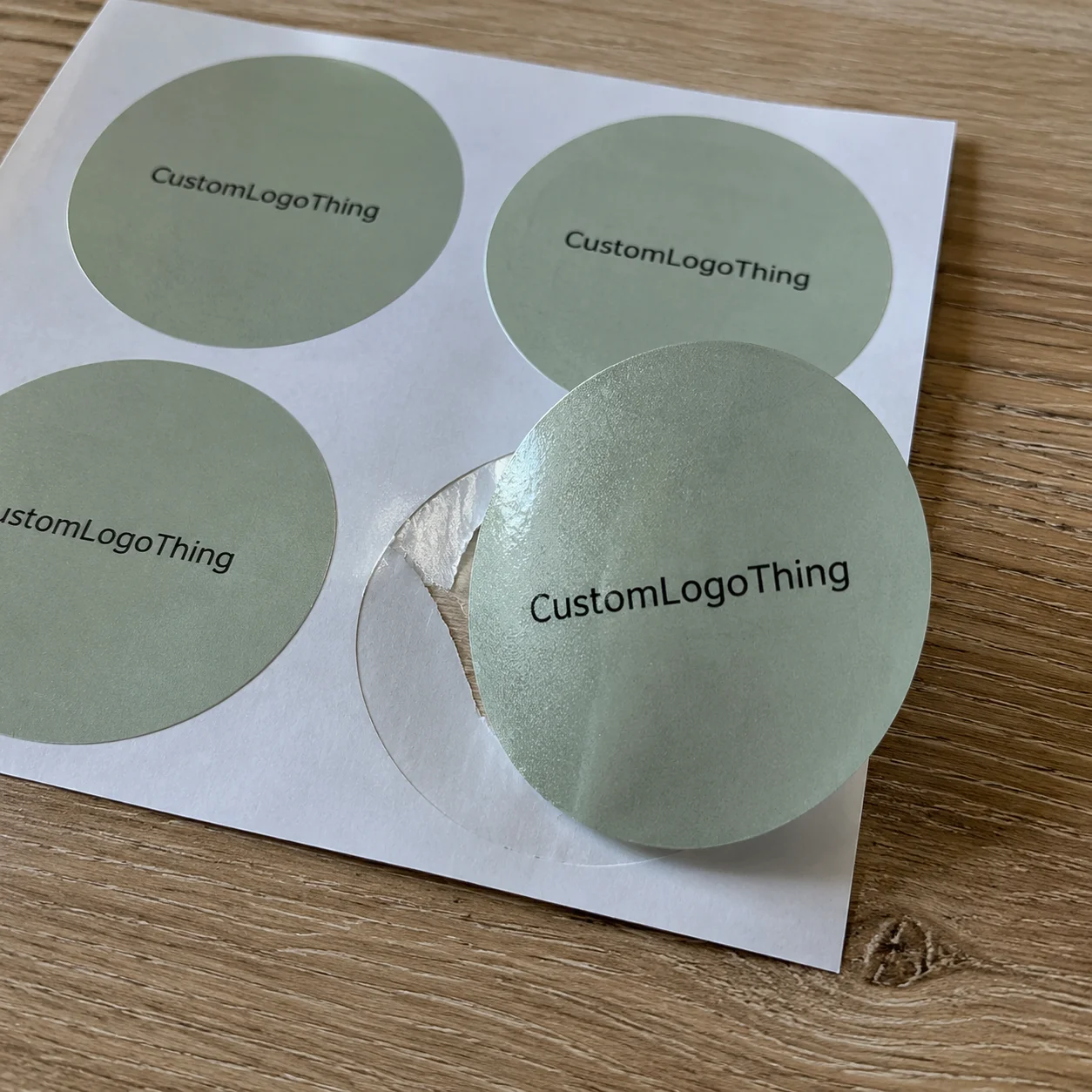
A one-inch circle can carry more brand recognition than a full brochure. Dramatic? A little. Still true when that circle lands on a laptop, candle jar, coffee cup, retail bag, mailer, or subscription box insert and keeps showing up in someone’s daily routine.
Custom round vinyl stickers are adhesive graphics printed on vinyl film, cut into a circular shape, and usually protected with a coating or laminate. They can be die-cut as individual pieces, kiss-cut on sheets, or supplied on rolls for faster application. The buyer sees a logo sticker. The production team sees film, ink, adhesive, liner, cut tolerance, finish, packing format, and whether the artwork is going to behave once it hits the cutter.
The round format works because it feels finished. A circle centers a logo naturally, softens packaging, and avoids the hard corners of a square label on curved jars, bottles, tubes, and cups. For hand application, it is also forgiving. People tend to place circles straighter because the shape gives the eye a clear center point. Not magic. Just geometry doing its job.
Vinyl matters. Paper stickers are cheaper and perfectly fine for dry, short-life indoor uses: bakery boxes, envelope seals, event folders, or temporary packaging. Vinyl costs more, but it handles moisture, abrasion, oils from fingers, outdoor exposure, and repeated handling much better. If the sticker will sit on a bath product, cooler, laptop, shipping carton, freezer pack, or drink bottle, paper can turn into a false economy fast.
Common uses include product labels, sealing stickers, QR code decals, event giveaways, retail packaging accents, brand swag, and package branding for short runs of Custom Packaging Products. The goal is not to make the most decorative sticker possible. The goal is to choose a spec that survives the actual use case and still looks intentional.
How Round Vinyl Stickers Are Printed, Cut, and Finished
The usual production path is artwork setup, material selection, printing, lamination or coating, cutting, quality check, packing, and shipping. Simple list. Plenty of room for mistakes. A sticker is not just ink on plastic; it is a small layered product expected to survive friction, moisture, sunlight, boxes, fingers, temperature swings, and time.
Two cut styles cause the most buyer confusion. Die-cut stickers are cut through both the vinyl and the backing liner, so each finished piece follows the round shape. Kiss-cut stickers are cut through the vinyl layer only, leaving the circle on a larger backing liner. Kiss-cut pieces are often easier to peel, especially at small diameters such as 1 inch or 1.5 inches. Anyone who has watched staff pick at tiny die-cut stickers during a packing rush understands the difference.
Digital printing is common for short runs, mixed designs, variable QR codes, and promotional batches. It keeps setup costs lower and makes artwork changes less painful. Flexographic or screen-style production can make sense for large repeat orders, especially when the same design is produced in thousands or tens of thousands of pieces. The tradeoff is setup cost versus unit cost. Cheap at scale is not always cheap at 250 pieces.
Vinyl thickness, adhesive type, and liner quality rarely get much attention during proofing, but they affect how the sticker behaves. A thinner film can conform better to curved bottles and flexible pouches. A thicker film can feel more substantial as a giveaway decal. A poor liner slows hand application. The wrong adhesive can lift at the edge, especially on textured cardboard, chilled glass, oily plastic, or powder-coated metal.
Finish choices change appearance and durability. Gloss makes color brighter and gives promotional stickers a polished shine. Matte feels softer and often suits candles, cosmetics, coffee, wellness products, and minimalist packaging. Clear vinyl works on glass or windows when the goal is a lighter “no-label” look. Holographic and metallic films can work for launches, events, and limited drops, but they need contrast testing. Shiny film is fun right up until the logo becomes unreadable under store lighting.
Round cutting also demands accurate registration. A 1 mm shift may not ruin a loose graphic, but it becomes obvious when the artwork includes a thin border ring, circular type, or centered icon. Good sticker art includes bleed beyond the cut line and keeps critical elements inside a safe zone. Most production teams would rather catch a risky border in proofing than explain later why a perfect digital circle became an off-center printed one.
Production reality: the cleaner the circle, the less forgiving the tolerance. Borders, tiny curved text, and centered icons all make small cutting movement more visible.
Key Specs That Decide Durability, Fit, and Shelf Appeal
Start with size. A 1-inch round sticker works well as a tamper-style seal, envelope closer, or small logo mark. A 2-inch circle is the common middle ground for logo stickers, jar labels, and packaging accents. A 3-inch sticker gives room for a logo plus a short claim or QR code. A 4-inch circle starts to behave more like a decal, useful for giveaways, laptops, water bottles, tool cases, and designs viewed from several feet away.
Substrate choice comes next. White vinyl gives strong color and opacity, so it is the safest option for most logos. Clear vinyl lets the package or product show through, but white ink may be needed behind light colors if readability matters. Metallic vinyl adds premium flash for gift products or limited editions. Removable vinyl is better for temporary campaigns, event signage, rental items, and surfaces where adhesive residue would create a complaint.
Adhesive strength is not a throwaway detail. Permanent adhesive suits most product packaging and brand labels. Removable adhesive helps with short-term promotions. Freezer-grade adhesive is designed for cold-chain or refrigerated products. Outdoor-rated adhesive is useful for gear, vehicles, coolers, and exposed surfaces. The surface matters just as much: corrugated board, coated paperboard, glass, HDPE, PET, aluminum, powder-coated metal, and textured plastics all behave differently.
Finish and lamination act as the durability layer. A laminate can protect against water, oils, UV exposure, scuffing in shipping, and the constant abrasion of hands. For bath products, food jars, outdoor goods, and frequently handled retail packaging, skipping lamination to save a few cents can backfire. Not every sticker needs it. Plenty do.
Artwork specs should be boringly precise. Vector files such as AI, EPS, or PDF are best for logos and clean shapes because they scale without fuzziness. High-resolution raster files can work if supplied at final print size, usually 300 dpi or higher. Use CMYK color mode unless the supplier requests otherwise, outline fonts, include bleed, and keep key elements inside the safe zone. Text below roughly 5 or 6 points may print, but “may print” is not the same as “will be readable.”
Color expectations need a reality check too. Screens glow. Stickers reflect light. Matte laminate can soften color; gloss can make it appear more saturated. Clear film changes color depending on the surface behind it. Metallic and holographic stocks can shift brand colors dramatically. If exact color matters, ask about spot colors, drawdowns, or a physical proof. If exact color does not matter, say that too. It keeps everyone from pretending a monitor preview is a contract.
The round-shape problem is simple: circles magnify alignment decisions. Centered logos look clean. Fine border rings, tiny circular copy, and gradients running to the edge expose normal cutting tolerance. Use this order of operations: environment first, surface second, size third, finish last. Pretty comes after functional. Annoying, but cheaper than reprinting.
Pricing, MOQ, and Unit Cost: What Actually Changes the Quote
Sticker pricing usually depends on size, quantity, material, finish, cut style, adhesive type, artwork complexity, packing format, and shipping speed. That is why asking “How much are round vinyl stickers?” without specs produces weak comparisons. One supplier may quote standard white gloss on sheets; another may quote laminated outdoor vinyl as individual pieces. Those are not the same product, even if both quotes say “2-inch sticker.”
The quantity curve is real. The first few hundred stickers carry setup, proofing, file handling, material loading, finishing time, and packing labor. Larger orders often lower the unit cost because printing and cutting are batched. As a rough buyer-side expectation, a standard 2-inch white vinyl gloss sticker might land around $0.18 to $0.45 per unit at several thousand pieces. Very small orders can cost much more per piece. Specialty film, rush timing, white ink, lamination, or individual cutting can push the number up quickly.
Minimum order quantity depends on the supplier’s equipment and material. Small digital runs may start at 50, 100, or 250 pieces. Specialty films, exact spot-color matching, roll labels, outdoor laminates, or custom retail packing may require higher minimums. If you need stickers paired with Custom Labels & Tags, ask whether the supplier can batch those jobs together. Sometimes shared materials reduce cost. Sometimes the jobs run on different equipment and the savings never appear. Fun little detail nobody puts in the headline price.
Size affects cost more than many buyers expect. A 4-inch circle uses roughly four times the material area of a 2-inch circle because area scales with the square of the radius. That larger sticker also occupies more press sheet space, weighs more in bulk, and may ship in larger cartons. The price jump is not just margin. It is geometry, freight, and handling.
| Sticker Option | Typical Use | Cost Impact | Buyer Watchout |
|---|---|---|---|
| 2-inch white vinyl, gloss finish | Logo labels, mailer seals, product packaging | Lower; often efficient at 1,000+ pieces | May need laminate for wet or heavily handled products |
| Clear vinyl with white ink | Glass jars, bottles, windows | Medium to high; extra ink layer may apply | Light colors can disappear without opacity planning |
| Laminated outdoor vinyl | Coolers, gear, vehicles, event decals | Higher; material and finish add cost | Confirm UV, water, abrasion, and adhesive ratings |
| Individually die-cut specialty film | Retail inserts, swag, limited drops | Higher; cutting and packing add labor | Test readability on holographic or metallic surfaces |
Hidden quote variables include split designs, rush fees, proofing revisions, individual bagging, roll versus sheet format, carton size, and freight. A standard gloss sticker on a roll is usually cheaper to apply at scale than a pile of individually cut stickers. Singles make more sense for retail inserts, trade show handouts, influencer mailers, and boxed swag.
Ask for exact specs in every quote: film type, adhesive, finish, laminate, print method, cut style, quantity, packing format, lead time, and shipping terms. Vague sticker requests make cheap quotes look better than they are. That bargain price may be missing the laminate, the white ink layer, or the adhesive rating you assumed was included.
Process and Timeline: From Artwork Proof to Delivery
A realistic ordering sequence looks like this: choose the use case, confirm size and material, upload artwork, review a proof, approve production, complete manufacturing, and ship. Proof approval is the major gate. Production usually starts only after the buyer signs off, so late feedback moves the whole schedule. Printers are many things. Time machines, sadly, not usually.
During proofing, the supplier checks bleed, cut line, color mode, resolution, spelling, sizing, and whether important art sits safely inside the trim area. A good proof should show the final diameter and cut path. If the sticker includes a barcode or QR code, test it at actual size. QR codes that scan perfectly on a monitor can fail once compressed into a 1-inch circle and printed over a textured or low-contrast background.
Typical production timing depends on quantity, finish complexity, film availability, lamination, multi-design batching, and current plant load. Straightforward digital runs may be produced in several business days after proof approval. Larger or more specialized orders can take 10 to 15 business days, sometimes longer if materials or freight are constrained. International shipping, customs clearance, and bulk cartons add timing risk that has nothing to do with the sticker itself.
Rush orders are not automatically risky. They become risky when the schedule eliminates artwork cleanup, physical sampling, or transit buffer. If the stickers are for a trade show, seasonal launch, retail packaging rollout, or subscription box drop, build the schedule backward from the hard date. Include proof review, possible revisions, production, transit, receiving, and internal application time. The last part gets ignored constantly, then someone discovers that applying 8,000 stickers by hand is not a lunch-break task.
One practical habit saves headaches: check the sticker at actual size before approval. Print it on office paper, cut a rough circle, and place it on the real jar, mailer, box, pouch, or cup. Scaling errors jump out immediately. So do awkward curves, too-small type, and logos that looked balanced on-screen but feel cramped once wrapped around a curved package.
If transit performance matters, packaging buyers sometimes reference distribution test thinking from organizations such as ISTA. A sticker is not a shipping carton, obviously, but abrasion, compression, humidity, and handling still affect whether package branding arrives clean or scuffed.
Step-by-Step Guide to Ordering the Right Round Sticker
- Identify where the sticker will live. Glass, cardboard, coated paperboard, plastic, metal, freezer packaging, outdoor gear, and customer giveaways all require different assumptions. A sticker for a dry candle box has a different job than one on a chilled beverage bottle.
- Choose the diameter by viewing distance and application method. Use smaller circles for seals and closures. Use 2-inch to 3-inch stickers for logos and product labels. Use 4-inch or larger decals for handouts, laptops, water bottles, and designs meant to be seen from farther away.
- Select the vinyl and adhesive together. Match the film and adhesive to surface texture, temperature, moisture, curvature, and expected removal. A permanent adhesive may be right for branded packaging and wrong for temporary event signage.
- Decide the finish by brand personality and exposure. Gloss pops. Matte signals restraint. Laminate protects. Clear film gives a minimal-label look. Specialty films can create energy, but they can also fight the logo if contrast is weak.
- Prepare artwork for circular composition. Include bleed, safe margins, high resolution, outlined fonts, and simplified hierarchy. A small round sticker rarely has room for a logo, slogan, URL, QR code, social handle, ingredient claim, and legal line. Pick a lane.
- Request a proof and inspect it like quality control. Check spelling, dimensions, color expectations, cut line, barcode function, QR scan distance, and whether the border sits too close to the edge.
- Use a test order or production sample for high-stakes work. Sampling is sensible for expensive packaging, regulated products, outdoor use, cold-chain items, or a major launch. One small test usually costs less than reprinting several thousand flawed labels.
For broader packaging design projects, align the sticker with cartons, inserts, tissue, labels, and Custom Printed Boxes. A round sticker can be the cheapest visible brand touch in the kit, but it still needs to belong to the same system. Mismatched finishes, off-brand color, and awkward sizing make packaging feel assembled instead of designed.
Common Mistakes That Make Round Stickers Look Cheap
The most common mistake is pushing important elements too close to the edge. Round stickers make tiny trim shifts more visible than rectangular labels because the eye expects perfect concentric alignment. Keep logos, fine borders, and curved text away from the cut path. A 2 mm safe zone can save an otherwise clean design.
Overloading the circle is next. A 2-inch sticker has limited real estate. Too many claims, icons, social handles, QR codes, and legal lines turn a strong brand mark into visual noise. If the buyer needs compliance text, a separate back label or insert may be better than forcing everything into one circle.
Poor contrast also drags down quality. White type on pale beige, thin type over textured gradients, and small QR codes printed over busy art can all fail in real use. For scannable QR codes, many printers prefer at least 0.8 inch to 1 inch of code area, plus quiet space around the code. Smaller can work, but testing matters. Guessing is not a strategy, even if it is popular.
Adhesive mistakes are less visible at approval and more painful after delivery. Standard vinyl may struggle on cold, damp, oily, powder-coated, or highly curved materials. A sticker that looks beautiful on a proof but lifts from a freezer pouch after 20 minutes is not a design problem. It is a spec problem.
Finish mismatches can quietly cheapen retail packaging. A glossy sticker on a luxury matte box may feel like an afterthought. A matte sticker on a bright promotional giveaway may look muted. Specialty films can be great, but holographic glare can reduce readability under store lighting. Test the sticker under the lighting where people will actually see it, not just under perfect desk light.
Budget traps deserve blunt treatment. Ordering the smallest possible diameter to save money can make the logo illegible. Skipping lamination for handled products can cause scuffs. Choosing a specialty film without testing can make brand colors look inconsistent. Before approving a large run of custom round vinyl stickers, place one physical mockup on the real package and view it under normal lighting. Digital proofs cannot show curvature, glare, finger oils, shelf distance, or how impatient humans apply stickers during fulfillment.
Final Checks Before You Approve Your Sticker Order
Before approving files, run a practical checklist: final diameter, surface material, indoor or outdoor use, adhesive preference, finish, quantity, delivery deadline, packing format, and artwork file type. If one of those fields is vague, the quote may be vague too. Vague quotes are how “simple sticker order” turns into a thread with 31 emails.
Supplier comparisons work best in a table. Use columns for material, laminate, cut type, unit cost, proof policy, lead time, shipping terms, and revision fees. Do not accept phrases like “premium sticker” without asking what vinyl grade, adhesive, finish, and laminate are included. Durability claims vary widely, and the difference may only show up after water, sunlight, abrasion, refrigeration, or rough handling gets involved.
If the sticker must survive water, freezing, sunlight, oils, or repeated handling, test those edge cases before ordering volume. A quick overnight fridge test, a water wipe, a scratch check, and a real-surface application can expose problems early. For paper-based packaging claims or responsibly sourced components around the sticker program, buyers may also review standards and chain-of-custody information from groups such as FSC.
Choose the packing format based on use. Rolls are best for fast application and label dispensers. Sheets work for handouts, sample kits, and small-batch operations. Individually cut stickers are ideal for retail inserts, event swag, and influencer mailers, though they usually add handling cost. If staff will apply the stickers manually, ask for a format they can peel quickly. Labor cost is real, even when nobody puts it on the sticker quote.
The final decision should match the surface, timeline, budget, and brand moment the sticker has to carry. A tiny circle can do serious work for branded packaging, but only if the material, adhesive, finish, and artwork are chosen for the job rather than guessed at the quote stage. Good stickers look simple. That does not mean the spec should be lazy.
FAQs
What size custom circular vinyl stickers should I order?
Use 1-inch to 1.5-inch stickers for seals, 2-inch to 3-inch stickers for logos and product labels, and 4-inch or larger stickers for decals, giveaways, or designs viewed from farther away. Print a paper mockup at actual size and place it on the package before ordering; round stickers often feel smaller once applied to jars, boxes, or bags.
Are round vinyl logo stickers waterproof?
Vinyl is water-resistant, but waterproof performance depends on the ink system, laminate, adhesive, and surface it is applied to. For bottles, bath products, coolers, outdoor gear, or refrigerated packaging, ask for laminated vinyl and an adhesive rated for moisture and temperature changes.
How much do custom round sticker labels cost?
Cost depends on diameter, quantity, vinyl type, finish, adhesive, cut style, number of designs, and delivery speed. A standard white vinyl gloss sticker in a larger quantity usually has a much lower unit cost than a small rush order with clear film, specialty finish, white ink, or individual cutting.
What artwork file is best for round vinyl decals?
Vector files such as AI, EPS, or PDF are best for logos and clean shapes because they scale without losing sharpness. If using raster artwork, provide a high-resolution file at final print size, include bleed, keep important elements inside the safe zone, and outline or embed fonts.
How long does it take to produce custom round vinyl stickers?
Timeline depends on proof approval, order quantity, material availability, finishing requirements, and shipping method. The biggest buyer-controlled delay is proof review, so check size, spelling, color expectations, cut line, and QR codes quickly before approving production.


