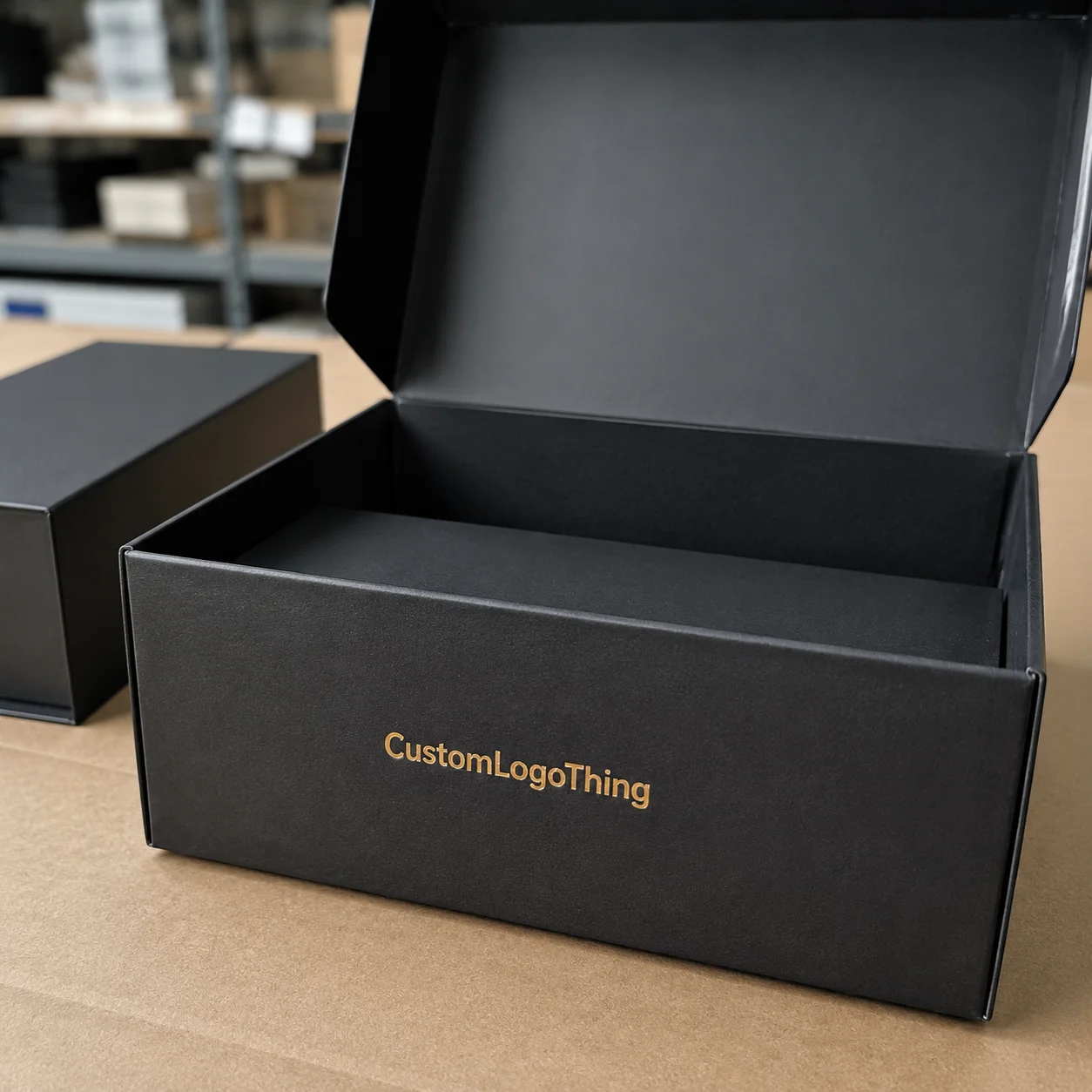
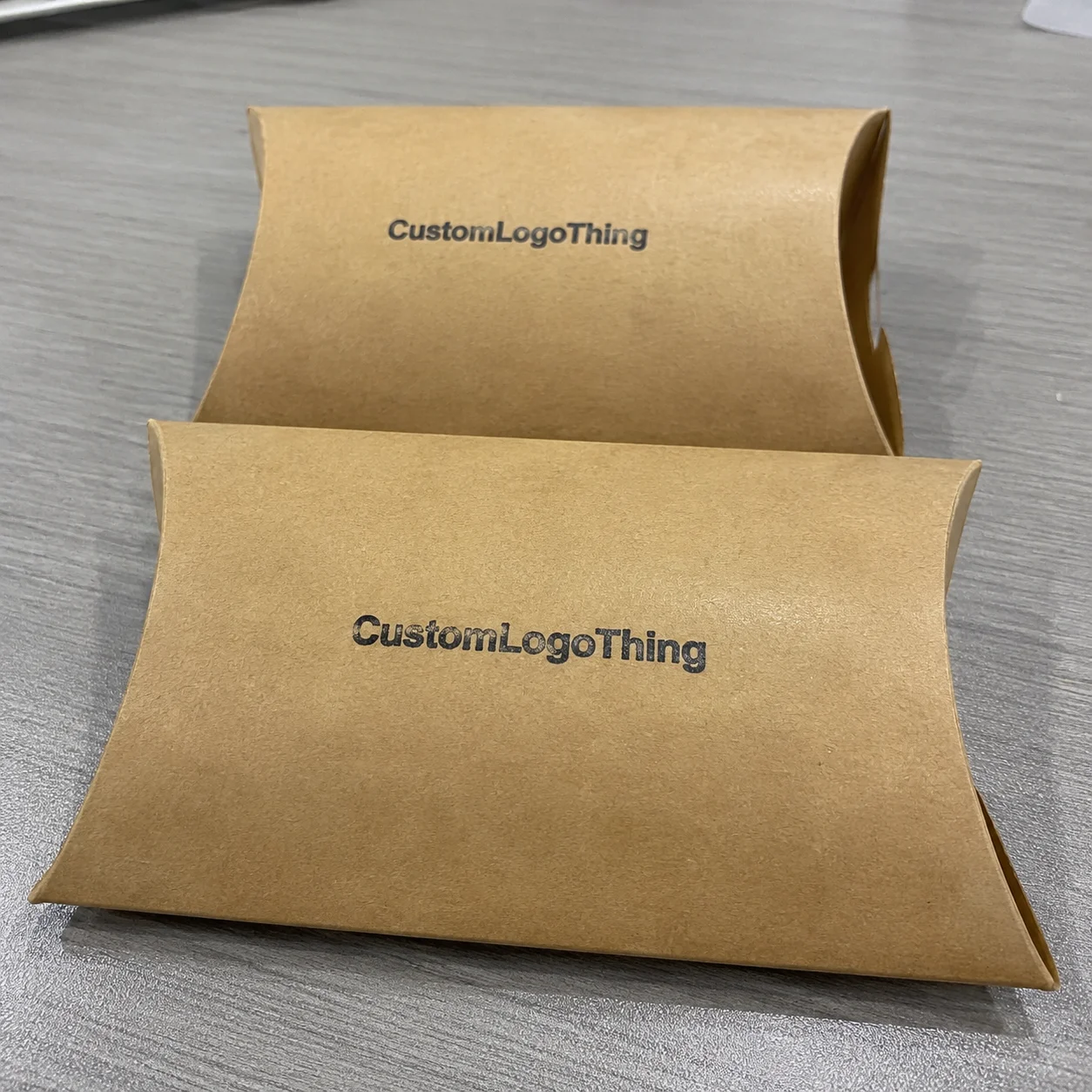
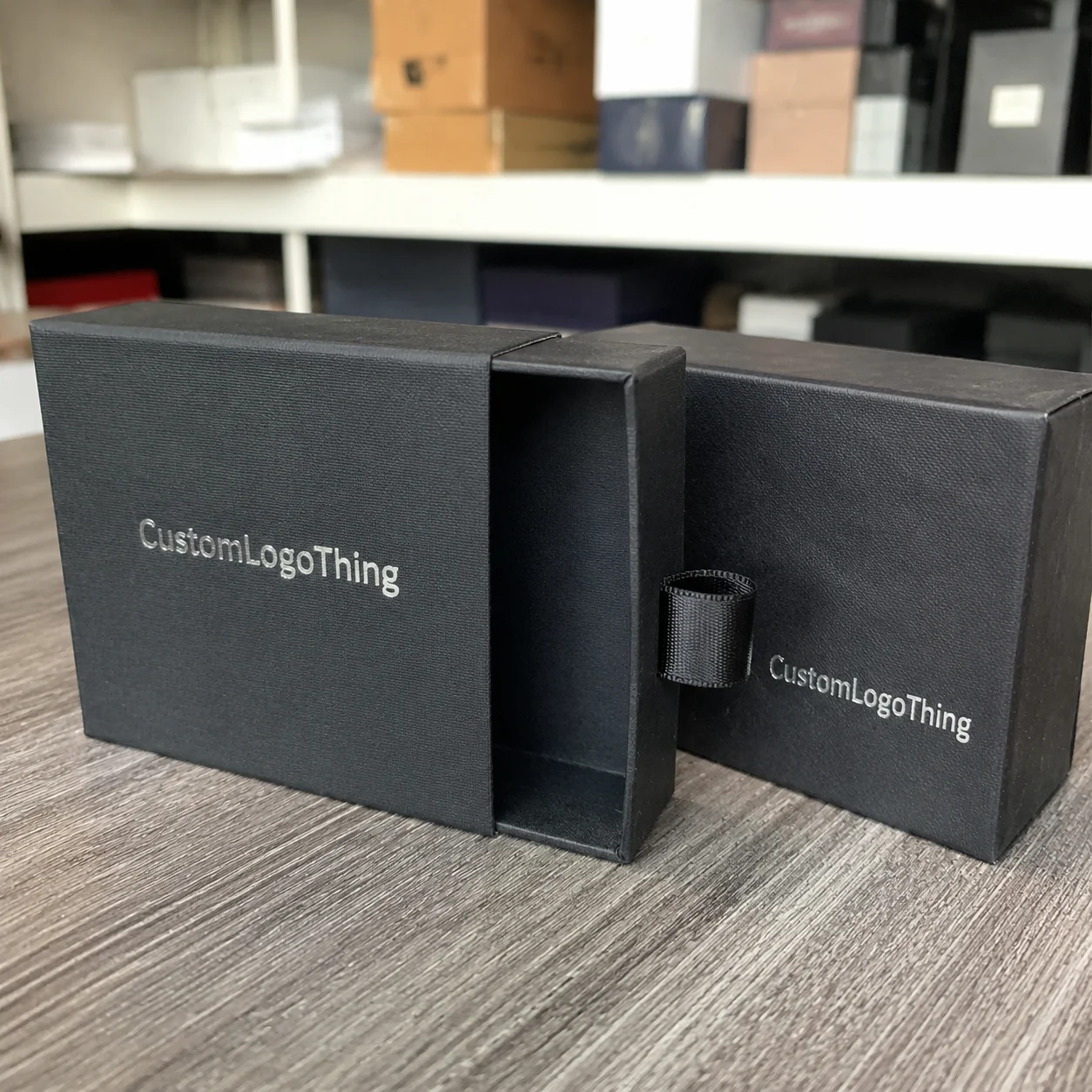
Buyer Fit Snapshot
| Best fit | custom screen printed boxes wholesale for packaging buyers comparing material specs, print proof, MOQ, unit cost, freight, and repeat-order risk where brand print, material, artwork control, and repeat-order consistency matter. |
|---|---|
| Quote inputs | Share finished size, material target, print colors, finish, packing count, annual reorder estimate, and delivery region. |
| Proofing check | Approve dieline scale, logo placement, barcode or warning zones, color tolerance, and any recyclable or compostable wording before bulk production. |
| Main risk | Vague material claims, crowded artwork, or missing packing details can create delays even when the unit price looks attractive. |
Fast answer: Custom Screen Printed Boxes Wholesale: MOQ, Samples, Lead Time, and Quote Checks should be specified like a repeatable production item. The safest quote includes material, print method, finish, artwork proof, carton packing, and reorder notes in one written spec.
What to confirm before approving the packaging proof
Check the product dimensions against the actual filled item, not only the sales mockup. Ask for tolerance on folds, seals, hang holes, label areas, and retail display edges. If the package carries a logo, QR code, warning copy, or legal claim, reserve that space before decorative graphics fill the panel.
How to compare quotes without losing quality
Compare board or film grade, print process, finish, sampling route, tooling charges, carton quantity, and freight assumptions side by side. A lower quote is only useful if the supplier can repeat the same color, closure quality, and packing count on the next order.
A client paid $4.20 per box last spring. She ran a skincare brand and ordered 500 Custom Screen Printed boxes wholesale through a middleman distributor who took a 40% cut. After I connected her directly with a manufacturer, her cost fell to $2.10 per unit. Same boxes. Same quality. A $1,050 savings on a single production run.
That story isn't unusual. In twelve years working with custom printed boxes and branded packaging, I've watched small brands get systematically overcharged because they don't understand how wholesale screen printed boxes pricing actually works. The markup isn't hidden—it's just not explained. And honestly? Most distributors count on you not asking questions.
This guide contains real numbers: exact setup fees, actual per-unit pricing at different quantities, honest production timelines, and the specific questions you need to ask before signing with any supplier. No vague promises about "competitive rates." No buried asterisks. Just the information you need to make a smart buying decision. (And yeah, I'm slightly biased—I've seen too many small brands get burned.)
What Custom Screen Printed Boxes Actually Are
Screen printing—sometimes called silk screening, which always makes me picture someone threading a tiny needle—pushes ink through a fine mesh stencil onto your box material. Each color in your design requires its own screen, and each screen needs its own setup. That's why the economics favor larger runs: you're paying $200-$400 per color setup fee, and spreading that cost across more units dramatically reduces your per-box price.
This printing method excels at bold, solid colors. Metallic inks—gold, silver, copper—look exceptional through screen printing. I remember the first time I saw a metallic bronze on a coffee brand's box and genuinely thought "okay, that looks expensive." Specialty finishes like spot UV or soft-touch laminations pair beautifully with screen printed designs.
What screen printing doesn't handle well: photographic gradients, subtle color transitions, or designs requiring more than four spot colors. If your packaging design leans photographic or has complex color blending, offset litho printing might serve you better. (I've seen clients fight their designers for months trying to force photographic art onto screens. Just use offset. Trust me.)
The substrates matter too. Custom screen printed boxes wholesale typically work with kraft paper (eco-conscious, natural aesthetic), white SBS (Singe Stone Board, bright white and print-friendly), chipboard (economical for lightweight products), or corrugated material (shipping durability). Each affects ink adhesion, final cost, and the unboxing experience your customer receives. Choose wisely—your boxes sit on shelves getting judged by strangers, and those strangers have opinions.
Buyers often assume screen printing costs more than digital. For runs under 300 units, digital often wins. But at 1,000 custom screen printed boxes wholesale or more, the setup fees become negligible per unit. A 2,000-unit order that costs $2.40 per box in screen printing might run $3.80+ per unit in digital—despite digital having no setup fees. The math shifts dramatically at scale. I ran these numbers for a candle company last month and nearly made them cry. They could've saved $3,200 annually by switching methods.
Specifications That Actually Affect Your Price
When evaluating custom screen printed boxes wholesale quotes, these specifications will make or break your budget. I've seen clients save money by switching one variable and pay double by leaving another unspecified. This is the stuff sales reps hope you don't read.
Paper Weight: This is your first major decision. Standard boxes use 14pt C1S (Coated One Side) board. Premium feel requires 18pt. Rigid boxes—the kind that feel like miniature briefcases—use 24pt or heavier. Each step up adds roughly $0.15-0.30 per unit but dramatically improves perceived value. For a $50 product, I'd never use 14pt. For a $15 item, 18pt might eat your margin entirely. (I made that mistake once with a candle brand. The boxes looked gorgeous. The profit margin looked tragic.)
Ink Coverage: Full flood printing (covering the entire box surface) consumes more ink and requires longer curing time than spot colors (individual design elements). Budget 20-35% more for full coverage. I've had clients request full flood prints to achieve a "premium look" without understanding it would push their cost above competitive territory. Sometimes that premium look costs more than it's worth.
Finishing Options: AQ (Aqueous) coating adds $0.08-0.15 per box but protects against scuffing during shipping and handling. UV coating runs $0.12-0.20 per unit for that high-gloss pop. Soft-touch lamination—probably the most luxurious finish available—adds $0.25-0.40 per box. Skip the finishing if you're shipping directly to retailers who won't handle the boxes extensively, but never skip it for retail packaging that sits on shelves getting touched constantly. I've seen un-coated boxes arrive at stores looking like they went through a war. Not a good brand impression.
Color Matching: Pantone matching ensures your box colors match your other marketing materials exactly. It requires extra setup time and ink mixing, adding $50-100 to your setup fees. If your logo uses CMYK values and flexibility is acceptable, skip the Pantone matching. If brand consistency matters—and for most consumer products, it does—specify Pantone Coated values in your artwork files.
Wholesale Pricing Breakdown and MOQ Requirements
Let's talk numbers. Actual numbers from real supplier quotes I've reviewed in the past six months. (And yes, I actually read every line. A client once paid $800 for "premium finishing" that wasn't specified in the quote. I now obsessively check every line item.)
Minimum Order Quantities: Domestic suppliers typically require 500-1,000 units. Overseas manufacturers often start at 2,000 units but offer lower per-unit costs. We accommodate 500-unit orders for standard box sizes with a slightly higher per-unit rate. Custom sizes or specialty materials push minimums to 1,000+ units. Tell us your dimensions and we'll confirm exact minimums within hours. No games.
Here's a pricing curve I pulled from a Shenzhen facility I visited in person last November. These are for 12" x 12" x 8" shipping boxes with 2-color screen printing on 14pt C1S with standard finishing:
| Quantity | Per-Unit Cost | Setup Fees (2 colors) | Total Investment | Cost Per Box |
|---|---|---|---|---|
| 500 units | $2.80 | $600 | $2,000 | $4.00 |
| 1,000 units | $2.20 | $600 | $2,800 | $2.80 |
| 2,500 units | $1.70 | $600 | $4,850 | $1.94 |
| 5,000 units | $1.40 | $600 | $7,600 | $1.52 |
Notice how per-unit pricing drops as quantity increases, but the setup fees stay constant. That's why the "effective cost per box" column shows such dramatic savings. Your $600 setup investment—divided across 500 units versus 5,000—changes everything. The math here isn't complicated, but somehow people still get surprised.
Hidden Costs That Kill Budgets:
- Die-cut tooling: One-time charge of $150-350 depending on complexity. This is yours to keep for future reorders. (I wish someone had explained this to me earlier in my career. "Wait, I pay once and keep it?" Yeah. You pay once and keep it.)
- Freight from overseas: If your supplier ships from China, budget $0.35-0.70 per box for ocean freight, plus customs brokerage and domestic delivery. That $1.40 per-unit quote can become $1.95 real quick. Suddenly that "amazing" price looks pretty normal.
- Storage fees: Some manufacturers charge monthly fees if you don't take immediate delivery. Negotiate this upfront. I once had a client get hit with $800 in storage fees because they thought they had 90 days. They had 14. The invoice was... educational.
- Artwork revision fees: After the first proof, changes often cost $75-150 per revision. Get your artwork locked before production. Lock it down. Tattoo it on your hand. Whatever it takes.
Rush production deserves special attention. Need your custom screen printed boxes wholesale in three weeks instead of seven? Expect to pay 25-40% premium. I've seen brands book air freight on completed boxes because they underestimated lead times. That's throwing away money that should've gone into packaging design improvements. I've literally seen a $12,000 order get air-freighted for $3,400 because someone forgot to account for production time. That was a fun phone call.
The Production Process: From Artwork File to Door Delivery
Understanding the timeline prevents panic. I've had clients threaten to cancel orders because they didn't realize curing time is built into production schedules. Knowing what's happening at each stage makes you a better procurement partner. (And believe me, your supplier will appreciate not getting an 11pm panicked email about why their boxes aren't on a truck yet.)
Week 1-2: Artwork Preparation and Approval
You submit vector files with Pantone colors specified. We run pre-flight checks—flattening transparencies, verifying bleed areas, confirming color mode. If your design uses embossing or debossing, that requires separate tooling quotation and a longer discussion about depth and pressure.
Common mistake: sending RGB files instead of CMYK or Pantone. RGB colors shift during print conversion. I once watched a client's "forest green" arrive as "military olive" because RGB-to-CMYK conversion wasn't controlled. That client now has 5,000 boxes of what we delicately call "camouflage green." They're still using them. They're calling it "earthy." It looks like the army came to town. Specify Pantone Coated values in your artwork, and your supplier will mix inks to match exactly.
Week 2-3: Screen Making and Material Sourcing
Screens are created for each color in your design. A 2-color design needs 2 screens. A 4-color design needs 4 screens. If you're using specialty paper—like uncoated kraft with visible fibers—you need to confirm availability before committing. Beautiful custom screen printed boxes wholesale orders have stalled because clients wanted "natural kraft" and the mill had a 6-week backorder. I've seen product launches delayed for a paper stock that was "almost identical." It was not almost identical.
Week 3-5: Print Run and Quality Inspection
The actual printing happens here. Screen printed boxes are typically cured for 24-48 hours after printing—this isn't optional, it's chemical. Inks need time to fully bond with the substrate. Rush orders that skip curing lead to smearing, scratching, and customer complaints. I've inspected boxes where ink transferred onto the inside of the box above it during stacking. Not a good look. One client's boxes literally came apart in customers' hands because someone "optimized" the curing time. That was an expensive lesson in chemistry.
Week 5-7: Finishing, Cutting, and Packing
Finishing includes coating (AQ, UV, or soft-touch), die-cutting to final shape, gluing or folding, and quality inspection. Most suppliers offer flat shipping (boxes knocked down, shipped assembled) or flat-fold options. Knock-down (KD) shipping reduces freight costs but requires assembly labor on your end. Honestly, if you're a small brand doing this yourself, factor in the labor cost. Those "cheap" knocked-down boxes become $18/hour of your time folding.
Total Timeline: 5-8 weeks for first orders with screen making. Reorders where screens are retained in storage typically ship in 3-5 weeks. Factor this into your product launch timelines. I once worked with a supplement brand that planned a tradeshow debut without accounting for packaging lead time. They shipped products in poly bags with handwritten labels. They won zero retail buyers. Their competitor launched three months later with beautiful packaging and signed three major retailers. Packaging matters. Lead times matter.
Why Our Factory Delivers Better Wholesale Economics
I'll get specific about why I'm confident suggesting we handle your custom screen printed boxes wholesale orders. Not vague claims about "state-of-the-art facilities"—actual operational advantages that translate to your bottom line. And I'll be honest about what I can't offer too. No point in overselling.
Direct Manufacturer Pricing: We operate our own screen printing facility in Shenzhen with 8 automatic presses running three shifts. No distributor markup. No broker commission. You pay what our production costs plus a reasonable margin—not what three middlemen added to the price. That middleman cut I mentioned at the start? We don't have one. We ARE the manufacturer.
When I visit the facility—twice in the past eighteen months—I walk the production floor and see your boxes being made. That matters because it means I can actually negotiate on your behalf. Last visit, I watched a press operator troubleshoot ink viscosity for a client's metallic gold. He spent 45 minutes dialed in before running a single production sheet. That attention to detail doesn't come from a broker relationship. (It also doesn't come from suppliers with four-hour response times to emails. Just saying.)
Screen Retention Program: We store your screens for 12 months at no charge. Reorders skip the $350-700 setup fee entirely. On a typical 2,000-unit reorder, that saves you $350-500—roughly 15-20% of your total cost. Clients with seasonal products reorder annually and never pay setup twice. That's the power of screen retention. It sounds small until you realize you're not paying $600 every time you need 2,000 more boxes.
Combined Shipping: We regularly batch small wholesale orders into shared containers heading to US West Coast ports. This reduces per-unit freight by 20-35% compared to individual shipments. For a 2,000-unit order, that might mean $400-600 in savings. We eat the logistics complexity so you get lower landed costs.
The truth: I can only offer these terms because I've built relationships by visiting factories in person, understanding their capacity utilization, and structuring orders that benefit both sides. This isn't a dropshipping arrangement where someone else handles fulfillment. It's a partnership built on transparency and mutual profitability. I've walked away from deals that would have made me money but would've hurt clients long-term. (Not going to lie, it hurt a little. But the referrals from happy clients hurt worse when they didn't come.)
Your First Step: Send Us Your Box Dimensions and Quantity
Stop guessing at pricing. Box dimensions, expected quantity, and color count are enough for a formal quote that includes all setup fees, material costs, and finishing options. I'll tell you exactly what your custom screen printed boxes wholesale order will cost—no estimates, no "starting at" language, no fine print the size of a breadcrumb.
Our standard response time is 4 business hours for wholesale inquiries. I personally review quotes under $5,000. Anything larger goes to our production team for detailed cost modeling. If you're preparing for a board meeting or investor presentation and need specs for packaging budget planning, tell us. We work around deadlines. I've stayed up until 2am crunching numbers for client presentations. I regret nothing.
Physical Samples: If you're unsure about paper stock—14pt versus 18pt, C1S versus kraft—we'll send samples. Domestic samples run $15-30 for 3-5 sample boxes with your design printed. International samples cost $35-50 including shipping but allow you to feel the difference between stock weights before committing to a full production run. I've sent samples to clients who then realized their "premium" vision required paper too thick for their product's dimensions. Better to learn that from a $30 sample than a $5,000 order. I've also had clients say "this is exactly right" and then order 10,000 units. That's the best kind of call.
Next action: Email your requirements to [email protected] with "Wholesale Screen Print" in the subject line. Include box dimensions (length x width x depth), estimated quantity, color count, and any finishing preferences. Or use our online quote form with file upload capability—our artwork team reviews uploaded files before quoting to catch any production issues early.
"We spent three months getting quotes from distributors before finding Custom Logo Things. The direct pricing cut our Packaging Cost Per unit by 38%—that's $12,000 annually on our current volume. The screen retention program means reorders are painless."
— Marcus T., Founder, Root & Bloom Botanicals
Frequently Asked Questions
How much do custom screen printed boxes wholesale cost per unit?
Pricing varies significantly based on quantity, paper stock, color count, and finishing options. For standard 12" x 12" x 8" boxes with 2-color screen printing on 14pt C1S: 500 units run approximately $4.00 per box (including setup), 1,000 units drop to $2.80 per box, 2,500 units reach $1.94 per box, and 5,000 units land around $1.52 per box. Premium paper stocks (18pt or rigid board) add $0.15-0.40 per unit. Specialty finishes like soft-touch lamination add $0.25-0.40 per box. Always request a formal quote with your exact specifications for accurate pricing on custom screen printed boxes wholesale orders.
What's the minimum order quantity for custom screen printed boxes at wholesale pricing?
Most domestic suppliers require 500-1,000 units minimum. Overseas manufacturers often start at 2,000 units but include lower per-unit costs. We accommodate 500-unit orders for standard box sizes with a slightly higher per-unit rate. Custom sizes or specialty materials may push minimums to 1,000+ units. Tell us your dimensions and we'll confirm exact minimums. Honestly, if someone tells you their minimum is 10,000 units for screen printing, they're either lying or you shouldn't work with them.
How long does it take to produce wholesale screen printed boxes?
First orders run 5-8 weeks from artwork approval to delivery. This includes screen making, material procurement, print run, and finishing. Reorders with retained screens typically ship in 3-5 weeks. Rush production (2-3 weeks) is available for premium pricing—usually 25-40% above standard rates. Plan accordingly. Please. I beg you. Factor in lead times before you promise delivery to your biggest retail account.
Can I get exact per-unit pricing without a formal quote request?
Estimates require box dimensions, quantity, and color count. For a 12x10x4 box, 2,000 units, 2-color print: expect $2.20-2.80 per unit depending on paper stock and finishing options. That's a ballpark—not a guarantee. For budget planning, use our online quote calculator for instant estimates on common sizes, or send dimensions for a formal quote within 4 business hours. (I've had people ask for pricing without giving dimensions. That's like asking "how much does a car cost?" You can guess, but the answer isn't useful.)
Do you offer die-cut custom shapes for screen printed boxes?
Yes. Die-cut tooling is a one-time charge of $150-350 depending on complexity. This tooling is yours to keep for future reorders. Unique shapes—hexagonal, tapered, hang-tab—typically add 20-30% to per-unit cost due to slower production speeds. Standard regular slotted cartons (RSC) are most economical. I personally love unique shapes, but I also love profitable businesses. Make sure your "Instagram moment" packaging actually helps your margins.
What file format do you need for screen printed box artwork?
Vector files (AI, EPS, PDF) with spot colors specified in Pantone Coated values. Raster images (PNG, JPG) require 300 DPI minimum and work best for simple spot color designs. We offer free artwork review and will flag any issues before production starts. Common mistake: using RGB colors instead of specified Pantone values—this causes color shifts during printing. I cannot stress this enough: RGB is the enemy of consistent packaging.
What certifications should I look for in a wholesale packaging supplier?
Look for FSC certification if sustainability matters to your brand—the Forest Stewardship Council certifies responsible sourcing. For food packaging, ISTA testing (International Safe Transit Association) ensures your boxes survive shipping. Some retailers require ASTM compliance for packaging materials. Ask your supplier for current certifications before production. If they hem and haw about certifications, that's a red flag. Run.
Bottom Line: Custom screen printed Boxes Wholesale Pricing rewards buyers who understand the economics. Setup fees, order quantities, and freight costs compound quickly. Get a formal quote with your exact specs before committing. The difference between a $2.10 per-unit price and a $4.20 per-unit price often comes down to who understands the pricing breakpoints—and who doesn't.
I've been on both sides of this transaction. I've paid $3.80 per box when I didn't know better, and I've negotiated sub-$2.00 pricing by understanding exactly what suppliers needed. Your packaging is the first physical touchpoint with your customer. It deserves the same strategic thinking you'd give to product design or marketing copy. Don't leave money on the table because you didn't ask the right questions.
Ready to get exact pricing? Explore our wholesale programs or send your specs to our team. We'll have numbers for you within four business hours.