Custom sealed bags can look straightforward on a spec sheet. A buyer sends dimensions, approves artwork, waits for production, and expects a clean stack of finished bags. In practice, the bag body is rarely the first thing to fail. The seal, the film structure, and the way the product behaves during filling and transit are usually where the trouble starts. That is why custom sealed bags are a performance decision before they are a print decision.
The right bag protects more than the item inside it. It supports shelf life, reduces contamination risk, and gives the customer a better first impression at the point of sale. The wrong one may still look fine in a carton, yet split under load, lose barrier performance, or force a re-run because the closure does not suit the product. Buyers who treat the bag as a technical part of the packaging system usually get better results than buyers who shop by appearance alone.
This matters across food, supplements, medical components, hardware, sample packs, and e-commerce kits. It also matters when the bag needs to do two jobs at once: protect the product and present it cleanly as branded packaging. A good structure should support both, but the priorities are not always equal. For some products, shelf life comes first. For others, puncture resistance or tamper evidence matters more than a glossy finish.
What Custom Sealed Bags Actually Do
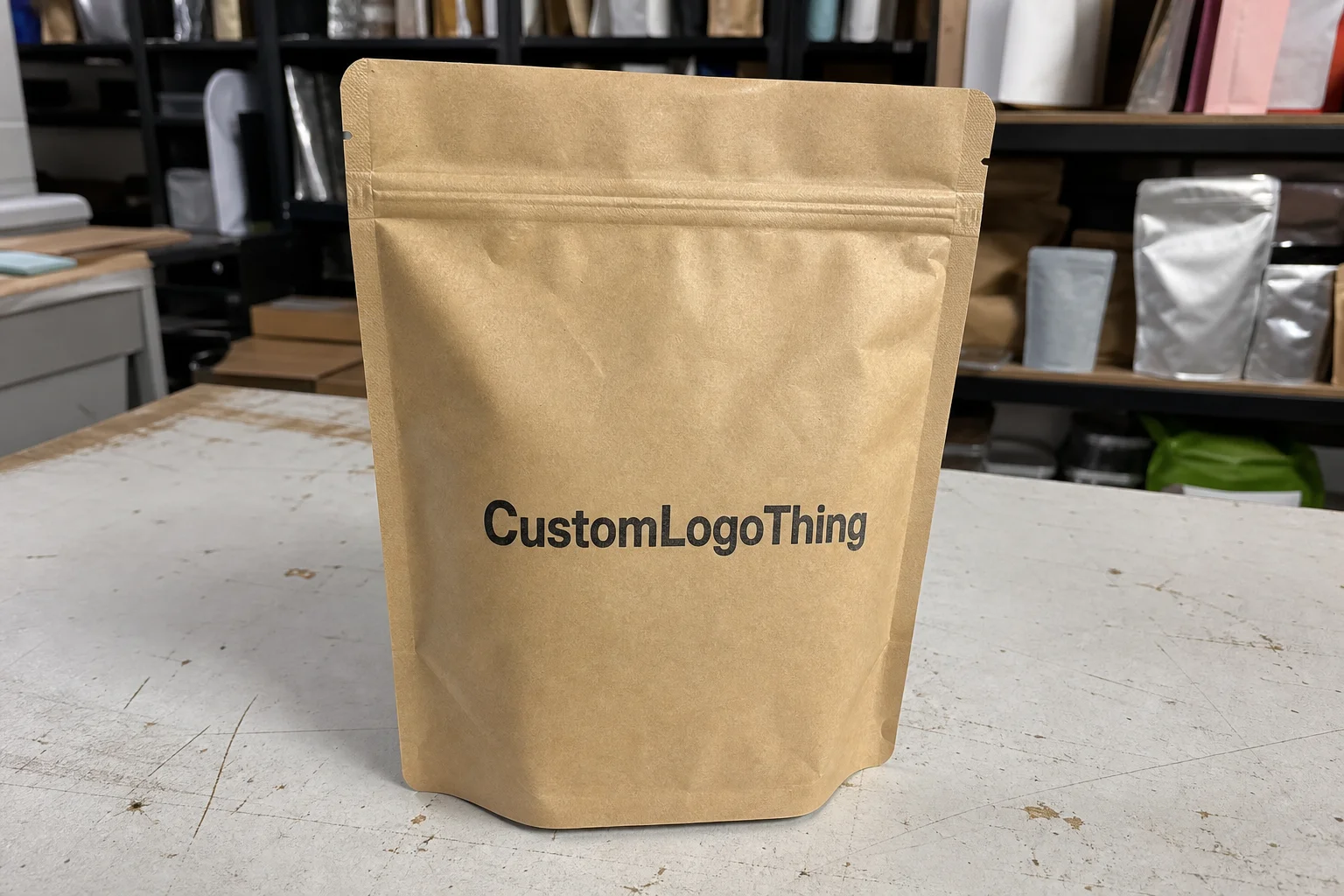
A sealed bag is not just a container with print on it. It is a controlled packaging format designed around size, film, seal integrity, and handling conditions. That can mean a heat-sealed pouch, a resealable zipper format, a tamper-evident closure, or a combination of features. Each option changes how the product loads, opens, stores, and travels.
The seal often carries more risk than the film itself. A heavy-gauge bag with a weak seal can fail faster than a lighter bag with a proper closure and a compatible film. That is one reason packaging Buyers Should Ask how the bag will be filled, what the product weighs, whether the contents are sharp or oily, and how many times the customer will open it. Those details shape the final spec more than most quote forms reveal.
Different industries place different demands on the same format. Food samples need grease resistance and freshness control. Supplements often need moisture barrier and a clean retail appearance. Hardware needs puncture resistance. Medical and diagnostic items may require contamination control and visible tamper evidence. In each case, the bag is only as good as the match between the material, the seal, and the real-life stress it will see.
There is also a practical advantage that gets overlooked: a lighter structure with the right seal can outperform a thicker film with the wrong one. Thickness helps, but only to a point. If the seal area is too narrow, the film is incompatible with the sealing temperature, or the bag is overfilled, extra thickness will not save the order. That is why experienced buyers tend to think in terms of total system performance instead of raw material weight.
“A bag that looks strong is not the same thing as a bag that seals well.”
That distinction matters even more when the bag is part of a branded packaging program. Clean seal lines, accurate print registration, and the right barrier level all affect how a product is perceived before it is ever opened. Presentation is not separate from protection; in many categories, it is the visual proof that the packaging was built with care.
Process, Lead Time, and Production Steps
The production path is easier to manage once the sequence is clear. A typical job starts with the spec sheet: size, material structure, closure type, print method, quantity, and any performance requirement such as moisture barrier or tamper evidence. After that comes artwork review, tooling or plate setup if needed, material sourcing, conversion, sealing, inspection, packing, and freight. If any of those inputs are vague, the timeline usually slips somewhere later in the run.
Stock formats and fully custom programs do not move at the same pace. A stock bag that only needs printing or minor conversion often has a shorter lead time because the base material and tooling already exist. A fully custom job may require film sourcing, plate production, seal validation, proof approval, and first-run checks. In practical terms, that can mean a simple order lands in about 10–15 business days, while a more specialized program takes longer once artwork, sourcing, and testing are added in.
Good suppliers build in checkpoints rather than skipping them. Sample review comes first. Then a proof or pre-production approval. Then, for more technical orders, a first-article or initial run check before the full lot is released. Those steps are not red tape. They are the points where the buyer can still catch mistakes without paying for a complete rerun.
What tends to stretch lead times? Print complexity, specialty films, and validation. Multi-color artwork, metallic inks, or reverse-print structures can add setup time. High-barrier laminates may need procurement time before production even begins. If the bag is intended for food contact, regulated goods, or shelf-stable storage, testing and documentation can add another layer of review.
The fastest way to keep a project moving is to send complete information the first time. Final dimensions matter. So do the fill weight, the product’s shape, the target shelf life, the shipping destination, and any constraints from automated filling equipment. When a brief is complete, quotes are more accurate and proofing moves faster because fewer assumptions are left for the supplier to guess at.
For packaging teams coordinating several components at once, it helps to compare the bag spec against the rest of the system. If cartons, inserts, labels, and pouches all need to arrive together, the schedule should be built around the slowest item, not the easiest one to produce. A bag order that is technically correct but late can still disrupt the larger packaging plan.
Materials, Seal Types, and Barrier Choices
Material choice is where many buyers start with the wrong question. They ask which film is best, when the real question is which failure mode needs to be controlled. Polyethylene, polypropylene, laminated structures, and foil-based films each solve different problems. PE is flexible and usually cost-conscious. PP often gives clearer presentation. Laminated films combine properties. Foil structures provide higher barrier performance, but they also tend to cost more and behave differently on filling lines.
The product should determine the build. If moisture is the risk, a basic poly bag may be too open. If the contents are sharp or irregular, puncture resistance becomes the priority. If aroma retention matters, barrier properties have to address that directly. If the product is sensitive to light, the film and print system need to account for UV exposure. Packaging design becomes practical very quickly once the product’s failure point is identified.
Seal styles buyers should understand
Seal style is not a minor detail. Side seals, bottom seals, heat seals, zipper seals, and tamper-evident closures all behave differently under load. Side seals can be efficient for certain formats. Bottom seals can distribute weight better. Heat seals usually offer stronger closure integrity when the film and temperature range are matched correctly. Zip seals help with repeated access, but they are not the best answer when contamination control or long shelf life is the main priority.
Thickness gets overstated in a lot of purchase discussions. A higher mil count is not automatically better, and it can even be the wrong answer if the film becomes too stiff or if the seal area does not bond properly. A 4 mil bag with the right seal design can outperform a 6 mil bag that was chosen mostly because it sounded tougher. Buyers generally get better results when they ask how the film behaves after filling, not just how it feels in the hand.
Barrier requirements usually fall into a few categories: moisture, oxygen, aroma, grease, UV light, and contamination control. The structure should be chosen around the weakest point in the supply chain. A bag that protects the product in storage but splits during warehouse handling is not the right bag. A bag that survives shipping but leaks aroma under warm retail conditions has the same problem. The material has to work across the whole journey.
For regulated or sustainability-driven programs, documentation matters as much as the bag itself. Packaging teams often ask whether the materials can support ASTM-related testing, whether the distribution assumptions should be aligned with ISTA methods, or whether fiber-based components should be sourced with FSC expectations. Industry references such as ISTA and FSC are useful starting points when the packaging brief needs outside validation or a clearer testing framework.
| Film / Seal Option | Best For | Typical Strength | Tradeoff |
|---|---|---|---|
| PE with heat seal | General retail and parts | Flexible, economical, easy to run | Lower barrier than specialty laminates |
| PP with zip seal | Reusable access items | Good clarity, cleaner presentation | Not ideal for long shelf-life protection |
| Laminated barrier film | Food, supplements, sensitive goods | Improved moisture and oxygen control | Higher cost and more setup work |
| Foil-based structure | High-barrier applications | Strong light and aroma protection | Less forgiving on cost and flexibility |
The best structure is usually not the thickest or the most expensive. It is the one that meets the product’s barrier needs with the least unnecessary material and the fewest production complications. That is where cost, performance, and line compatibility meet.
Cost, Pricing, MOQ, and Quote Variables
Pricing for custom sealed bags is built from several moving parts: size, film structure, seal style, print colors, quantity, labor, tooling, testing, and freight. If the order includes plates, special labeling, inserts, or strict inspection steps, those items can move the quote more than buyers expect. The unit price may look simple, but the landed cost rarely is.
At low volumes, setup charges matter a lot. A small run may cost more per bag because the prep work is spread across fewer units. On larger runs, the same setup cost gets absorbed more efficiently, which usually lowers the unit price. The tradeoff is inventory. A bigger order can improve economics, but only if the bags will be used before the artwork changes, the product line shifts, or the packaging spec is updated.
MOQ means minimum order quantity, and it is one of the most misunderstood parts of the quote. A higher MOQ is not automatically a red flag. If the supplier has to cover tooling, print setup, or special film sourcing, a larger minimum may be the only way to keep the per-unit price workable. What matters is whether the extra inventory makes sense for your forecast.
Buyers should think about three cost layers: unit price, landed cost, and waste. The cheapest quote is not the cheapest package if the bags leak, arrive late, or fail inspection. A slightly higher price can be the better value if it reduces reject rates and avoids emergency replacement orders. Packaging failures usually cost more than the difference between two quotes.
Watch for hidden charges. Plate or tooling fees, proofing charges, rush fees, freight assumptions, and any special handling or labeling work should be spelled out. If a quote looks unusually low, check what is missing. In many cases, the lowest quote is simply the least complete one.
To compare offers fairly, ask every supplier for the same core details:
- Exact dimensions and tolerance range
- Film structure and thickness
- Seal method and closure type
- Print colors, coverage, and finish
- Quantity tiers and price breaks
- Testing or validation steps included
- Delivery terms and freight assumptions
Once those inputs are aligned, comparisons become much cleaner. The buyer can see whether one quote is genuinely better or simply based on a lighter spec.
Step-by-Step Ordering Guide for Buyers
If this is your first order of custom sealed bags, a disciplined workflow will save time and reduce rework. The biggest mistakes usually happen when the buyer moves too quickly from design to pricing without pinning down how the bag will actually be used.
- Define the product — confirm final dimensions, fill weight, headspace, shelf life, storage conditions, and any handling stress that could affect the seal.
- Match the barrier and closure — choose the film and seal style around moisture, contamination, repeated opening, puncture risk, or shelf-life needs.
- Request samples or proofs — test them with the actual product, not just a filler item. A bag that looks right when flat may behave differently under load.
- Check artwork and compliance details — confirm barcode contrast, warning copy, seal clearance, regulatory text, and blank spaces needed for production.
- Set the receiving plan — decide how the shipment will be inspected, where it will be stored, when reorders should trigger, and who signs off on any nonconformance.
That sequence sounds basic because it is basic, but the consequences of skipping it are usually expensive. Many packaging problems start when a buyer approves artwork before confirming the functional spec. Others appear when a sample is accepted without being tested under realistic storage or shipping conditions. What passes on a desk does not always pass in a warehouse.
A useful habit is to compare the bag against the product’s actual failure risks. Does it absorb moisture? Does it puncture packaging film? Does it release aroma? Will it move through hot trailers, stacked cartons, or automated pack-out equipment? The answers should drive the spec, not the other way around.
If your packaging program includes cartons, inserts, and labels, keep the bag aligned with the rest of the product packaging system. In many cases, Custom Printed Boxes outside and custom sealed bags inside create a better balance of presentation and protection than a one-piece solution trying to do everything at once.
Common Mistakes That Create Leaks, Delays, or Rework
The most common failure pattern is familiar: the buyer asks for a stronger bag when the real issue is seal compatibility, fill weight, or transit stress. A thicker film will not fix a seal that is too narrow, a product that crushes the closure, or a packaging design that was never tested after filling. The material may be fine; the way it was specified is what went wrong.
Vague specifications create another set of problems. “Around this size” and “roughly this amount” are not enough to produce a reliable quote or a reliable bag. If dimensions, volume, and tolerance ranges are loose, suppliers will make different assumptions and the finished product may not fit the item or the filling equipment. A few millimeters can be the difference between a clean run and constant rework.
Artwork mistakes are equally common. Buyers approve a design before checking seal area clearance, barcode placement, warning text, or the blank margins the factory needs for conversion. A logo that looks perfect on a screen can end up in the wrong place once the seal line and trim allowance are applied.
Testing should reflect actual use, not just visual appearance. Drop impact, heat exposure, humidity, stacking pressure, and rough handling can all change how a bag performs. If a sample only passed a tabletop check, that is not enough for a product that has to survive a real distribution chain. ISTA protocols exist for a reason: shipping conditions are rarely as controlled as the drawing board. For teams thinking past the immediate purchase, EPA recycling guidance can also help frame end-of-life considerations.
Rushed approvals cause their own damage. When the timeline is compressed, corrections get missed, and the project often pays for premium freight or an emergency rerun. Trying to save a week can cost a month. That tradeoff shows up more often than buyers like to admit.
One more mistake is buying only for the first order. If the product is going to repeat, the specification should be written so the next run can be reordered without starting from scratch. Keep the exact film, closure, print method, and quantity trigger on record. That kind of documentation saves time, and it prevents the gradual drift that happens when people try to reconstruct an old job from memory.
Expert Checks Before You Approve the Order
Before the order is released, run one final check on the material, thickness, seal method, dimensions, print method, and the exact pack format the factory will ship. That step may feel repetitive, but it is the last practical moment to catch a mismatch before the goods are made.
Ask how the supplier tests the bags and what acceptance criteria they use. A vague “QC passed” is not enough information. You want to know what was measured, what standard was used, and whether the test reflected the way your product will actually be filled, stored, and shipped. Good suppliers can explain that in plain language.
Ask for a sample made with the final material and closure method, not just a display sample. A generic demo bag can look identical while behaving differently under heat, tension, or load. That gap is where most surprises hide, and surprises are expensive once the full run has been produced.
It also helps to think ahead to the next purchase. Set a reorder trigger before inventory gets dangerously low, especially if demand is seasonal or tied to a launch window. Packaging shortages are often planning shortages, and the correction usually happens too late to be cheap.
For teams coordinating multiple packaging lines, the same discipline should apply across the program. A solid spec for bags should sit comfortably beside your broader packaging design decisions, from labels to cartons to display packs. Consistency matters, and so does documenting what actually worked after the first shipment went out.
The best custom sealed bags are not usually the flashiest. They are the ones that match the product, run cleanly, ship safely, and reorder without drama. If the specs are complete, the quote is compared carefully, and the final build is tested before release, custom sealed bags become a dependable part of the packaging program rather than a recurring source of problems.
How are custom sealed bags different from standard zip bags?
Custom sealed bags are built around product dimensions, barrier needs, and a defined closure method, while standard zip bags are usually a general-purpose storage format. Zip bags work well for repeated access, but sealed formats are better when shelf life, tamper resistance, or contamination control matters. If the product ships, sits in inventory for long periods, or needs a tighter functional spec, the seal and film structure matter more than convenience alone.
What should I decide before requesting custom sealed bag pricing?
Lock down product dimensions, fill weight, headspace, and whether the bag needs moisture, oxygen, aroma, or puncture protection. Decide on print requirements, quantity range, and closure style so the quote reflects the real job rather than a placeholder spec. If those details are missing, unit price comparisons will be misleading because each supplier will be pricing a different build.
What MOQ should I expect for custom sealed bags?
MOQ depends on whether the bags are stock converted, printed, laminated, or require special tooling and quality checks. Lower quantities usually carry a higher unit cost because setup is spread across fewer bags, not because the material itself is unusually expensive. Ask for tiered pricing so you can see whether a slightly larger order lowers landed cost enough to justify the extra inventory.
How long does production usually take for custom sealed bags?
Lead time depends on material availability, artwork approval, sample review, print complexity, and the supplier’s production queue. Simple runs can move quickly; custom print, specialty film, and stricter validation can add time before the first finished bag is ready. The most reliable way to avoid delays is to send complete specs and approve proofs promptly without skipping testing.
What files and details should I send with a quote request?
Send dimensions, fill weight, target quantity, artwork files, desired closure type, and any compliance or barrier requirements. Include packing conditions, shipping destination, and a target delivery window so the supplier can quote realistic lead time and freight. Strong quote requests read like a production brief, not a rough idea.

