Custom security Labels for Apparel do more than warn people off. They create a visible barrier against tag swaps, unauthorized relabeling, and return abuse, while also giving a brand a way to trace product movement across packing, distribution, and resale channels. If the label only looks official, it is not carrying its weight.
The practical job is straightforward: protect identity, make tampering obvious, and hold up under the real conditions the product will see. That might mean a hang tag seal, a polybag closure, a carton seal, or serialized inventory marking inside a broader packaging system with Custom Labels & Tags and Custom Packaging Products.
What Custom Security Labels Actually Do for Apparel
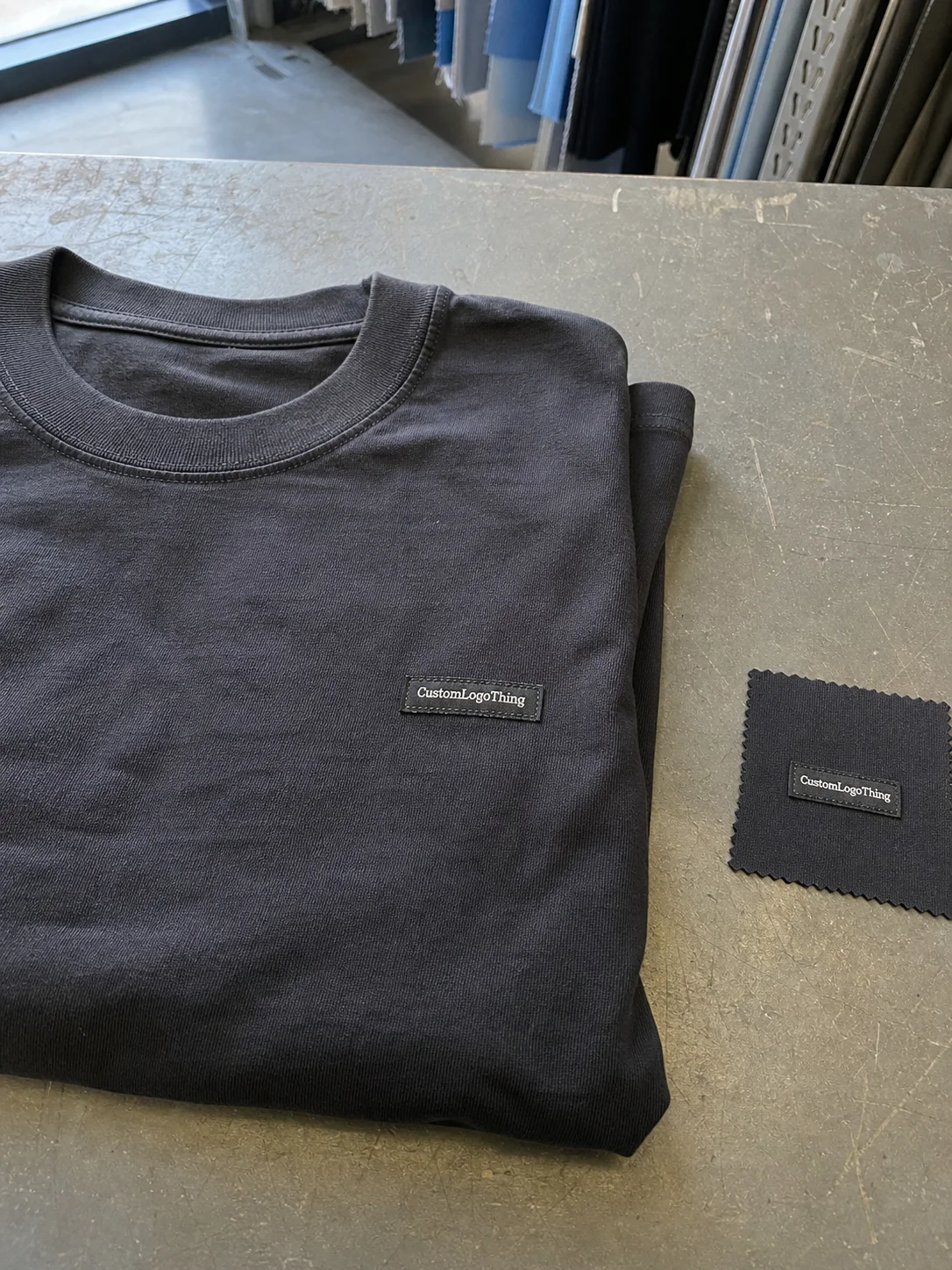
The risk surface in apparel is wider than many buyers expect. Garments are easy to re-bag, easy to re-tag, and easy to pass through a supply chain with the wrong identity attached. A lower-value item can be swapped into premium packaging. A return can come back with a different label. A duplicate SKU can be reintroduced as if nothing changed. That is the problem these labels are meant to address.
A useful security label has three functions. It should show tampering, preserve identity, and make removal difficult enough that a bad actor cannot hide the evidence. In practice, the label design, adhesive, and substrate all need to match the packaging surface. A strong concept on paper can fail in the hand if the adhesion is wrong.
Common apparel use cases are straightforward:
- Hang tag seals that discourage tag swapping at retail.
- Polybag closure labels that expose opening and resealing.
- Carton seals for inbound and outbound packaging control.
- Return-control labels for e-commerce and outlet flows.
- Serialized inventory markers for scan-based tracking and audits.
Security is not only about theft. It also protects margin, lowers dispute volume, and improves traceability when products move through multiple hands. A label that prevents one bad return loop can pay back faster than a brand expects.
The right specification depends on the application surface, the abuse it will see, and whether the label needs to survive shipping, retail handling, or washing. Labels used on sewn-in garment components are not interchangeable with labels on slick polybags. Treating them as one category is a common reason buyers reorder the same program twice.
How Tamper-Evident Labels Stop Swaps and Fraud
Tamper-evident labels work because removal leaves evidence behind. Sometimes the face stock splits. Sometimes a VOID pattern appears. Sometimes adhesive residue stays on the surface. Sometimes the film tears in a way that cannot be disguised without obvious damage. That is the point. A real security label makes clean removal hard and quiet swapping harder.
There are two broad feature types. Overt features are visible immediately. A VOID message, a destructible face stock, or a frangible film tells the handler to stop. Covert features are used for audit and verification. Serial numbers, QR codes, barcodes, and hidden text let teams confirm authenticity even when the label appears intact.
Better programs stack features. A permanent adhesive plus a tamper-evident face stock is more effective than a printed warning alone. A human-readable serial number plus a scannable barcode gives a receiving team two ways to verify the same item. If the data is tied to a shipment, batch, or SKU, the label becomes a control point, not just a sticker.
Security fails at the interface, not in the spec sheet. If the adhesive is wrong for the bag, the fabric, or the carton coating, the best-looking label will still peel cleanly.
That failure point matters more on apparel than on many other products. Polybags can be slick. Cartons can be coated. Some tags flex. Some textile surfaces shed. If the adhesive is selected for paper and the actual surface is low-energy PE, the result is predictable and expensive to fix.
For return control, test the label the way it will actually be used. A label that survives one controlled peel in a clean room may behave differently after warm storage, repeated handling, a cold truck, or a stacked carton that has been crushed a few times. Real-world performance is the only useful performance.
Materials, Adhesives, and Finishes That Change Performance
Face stock choice changes more than appearance. Paper is usually the lowest-cost option and can work well for short-life hang tag applications or carton seals. Polypropylene and polyester hold up better if the label will be handled, rubbed, or exposed to moisture. Destructible films are the severe option when unauthorized removal must be obvious the moment someone tries.
Adhesive selection is just as important. A permanent adhesive is the default for long-term attachment. A high-tack adhesive is often better for rough or low-energy surfaces such as some polybags or coated packaging. If the labels will sit in cold storage or face winter shipping, a freezer-grade or low-temperature adhesive may be necessary.
Finish affects readability and tamper behavior. Matte reduces glare under store lighting and makes small text easier to read. Gloss can sharpen the look, especially on branded packaging. Lamination improves scuff resistance, but it also changes how the label behaves during removal. That is not a flaw by itself. It just has to be chosen deliberately.
Print method matters too. Thermal transfer is common for variable data because it produces durable marks and clean barcodes when the ribbon and stock are matched correctly. If the label will be scanned, verify it with a handheld reader, not a phone camera. A barcode that looks crisp and one that scans reliably are not the same thing.
Quality control on the production side should include a few checks that many teams skip:
- Adhesion tested on the final surface, not a substitute.
- Barcode contrast checked with the intended scanner type.
- Serial numbering verified against the data file.
- VOID or destructible behavior inspected after peel testing.
- Die-cut accuracy confirmed so labels do not lift prematurely at the edges.
Standards help make those checks less subjective. ISTA protocols are useful for evaluating how cartons and packaged goods hold up in transit, while ASTM peel and adhesion methods such as ASTM D3330 can quantify how a label behaves when pulled. If the program also touches paper sourcing or broader retail packaging requirements, FSC certification may matter to certain buyers. Standards do not fix a weak spec, but they keep conversations grounded.
- Paper face stock for low-cost, short-life control.
- Polyester or polypropylene for durability and handling resistance.
- Destructible film when removal must be visibly destructive.
- Permanent adhesive for long-term attachment.
- High-tack or low-temperature adhesive for difficult surfaces and colder environments.
Production Steps, Proofing, and Lead Time
A clean order usually follows the same path: requirements gathering, artwork setup, proofing, sample approval, variable-data mapping, print production, inspection, and packing. Skip one of those steps and the schedule gets longer, not shorter. That is how print production behaves.
Lead time depends on complexity. A static label with a standard die can move quickly after proof approval. A serialized run, a specialty film, or a custom cut shape adds setup and inspection time. If the label includes multiple security elements at once, allow extra time for sampling and data checks.
In practical terms, short-run orders often land around 5 to 10 business days after proof approval. Custom security builds commonly run 7 to 15 business days, and longer if the artwork is incomplete, the data file is messy, or the job needs a new tool. Rush fees can compress the timeline, but they do not erase the work.
The biggest schedule risks are ordinary ones:
- Slow proof approval.
- Missing dielines or low-resolution artwork.
- Unclear serial-number ranges.
- Last-minute size changes.
- Finish changes after materials are already booked.
The fastest approval workflow is simple. Send final dielines, confirm the application surface, lock the data map, and decide whether the label must be overt, covert, or both before the first proof goes out. If the threat model is still being debated at proof stage, the job is not ready.
Security labels should protect the garment without fighting the presentation system around it. When custom printed boxes, inserts, and retail packaging are already in play, the label has to fit the layout, the scan path, and the handling sequence.
Custom Security Labels Cost, MOQ, and Quote Drivers
Custom security labels are priced on a few predictable levers: quantity, size, face stock, adhesive, print coverage, variable data, special finishes, and packaging requirements. If the quote includes Custom Die Cutting, serialized numbering, or multiple versions, the price moves up. That is normal. What is not normal is comparing two quotes that are not the same spec.
MOQ behaves the way manufacturing usually behaves. Small runs carry a higher unit cost because setup is spread across fewer labels. Larger runs reduce the per-label price because tooling, proofing, and press setup get amortized. If a quote looks unusually low on a tiny run with security features, check what was omitted.
| Label Type | Typical Volume | Indicative Cost per 1,000 | Best Use |
|---|---|---|---|
| Paper tamper-evident label | 5,000+ | $18-$35 | Hang tags, short-life carton seals |
| VOID polypropylene label | 5,000+ | $28-$55 | Polybags, retail packaging, returns control |
| Serialized polyester label | 10,000+ | $45-$90 | Inventory tracking, audit trails, higher abrasion |
| Destructible film label | 5,000+ | $55-$110 | Removal-resistant applications |
Those ranges are directional, not fixed. Size, coverage, and data complexity can move them quickly. A small label with heavy variable data can cost more than a larger static one. A quote can also hide setup, proofing, freight, or inspection if the buyer does not ask. Landed cost matters more than the sticker price.
Ask for quotes on the same spec, same quantity, and same data setup. Otherwise the numbers are not comparable. Confirm whether the price includes inspection, carton packing, numbering rules, and whether overruns or underruns are allowed. Those details change the real cost and the inventory risk.
Common Ordering Mistakes That Make Security Labels Fail
The first mistake is designing for appearance before security. A label can look premium and still peel cleanly. That is expensive wallpaper with a barcode. If the goal is to protect product packaging or control returns, performance comes first.
The second mistake is testing on the wrong surface. Cardboard, coated polybags, and fabric behave differently. One surface test proves almost nothing about another. If the labels will touch multiple garment types, test each surface family. Discovering the weak point after launch is the costly version of learning.
Data errors are another familiar problem. Duplicate serial numbers, bad QR destinations, unreadable barcodes, and off-by-one numbering all create avoidable waste. Once a label is printed, those errors are expensive to fix. Clean data is not administrative overhead. It is the difference between traceability and confusion.
Spec mismatch shows up often as well. A removable adhesive on a job that needs tamper evidence is the obvious failure. A destructible stock on a surface that flexes too much is the less obvious one. The label can break before it has actually protected anything. That is not security. That is a false signal.
Do not skip a pilot run if the labels will touch multiple garment types or multiple packaging formats. One spec rarely behaves identically across every hang tag, carton, and polybag in the line. A small test run is cheaper than scrapping a full order and explaining the mistake to finance.
There is also a management mistake that gets missed. Teams sometimes approve a label because it passes visual review, then assume the job is done. A proof is not a field test. It is a plan. The label is only approved once the final surface, final data, and final handling path have all been checked.
My rule is simple: if the label has not been tested on the final surface with the final data, it has not been approved. Anything else is a guess with a purchase order attached.
Expert Tips and Next Steps for a Clean Order
The most useful move is to define the threat model first. Decide whether the label must stop removal, expose tampering, track inventory, or do all three. That one choice changes the spec more than the artwork ever will.
Ask for a sample that matches the final materials, not a close-enough substitute. A generic sample can hide adhesion or print issues, especially on low-energy plastics, coated cartons, or textured apparel packaging. The sample should reflect the real job, not a showroom version of it.
If the label will be used on several garment types, request a small pilot run. That gives you time to check removal behavior, barcode readability, handling wear, and scan consistency before the larger order goes live. The pilot also shows whether the label fits the packaging system already in place, including custom printed boxes, inserts, and retail packaging.
Before the order goes in, build a clean packet with these items:
- Final artwork and dieline.
- Label dimensions.
- Quantity and reorder expectation.
- Application surface and environment.
- Serial, barcode, or QR rules.
- Target ship date.
- Any inspection or compliance requirement.
That packet makes the quote cleaner and the schedule less fragile. It also reduces the chance that someone has to infer what was meant. Guessing is not a manufacturing spec.
Frequently Asked Questions
What are custom security labels for clothing used for?
They help prevent tag swapping, unauthorized removal, and return fraud by making tampering visible or destructive. They also support inventory tracking when each label includes serial numbers, barcodes, or QR codes. On apparel, they are commonly used on hang tags, polybags, cartons, and other packaging touchpoints.
How do security labels for clothing work on different surfaces?
They rely on the right combination of face stock, adhesive, and application surface so removal leaves evidence behind. Smooth polybags usually need a different adhesive than textured fabric or coated cartons. A real test run on the final surface is the safest way to confirm performance.
How much do custom security labels usually cost per 1,000?
Price depends on size, quantity, material, security features, and whether variable data is included. Small runs usually cost more per label because setup work is spread across fewer pieces. For apples-to-apples quotes, compare the exact same specs, quantity, and data requirements.
What is the typical lead time for custom security label orders?
Simple runs can move quickly after proof approval, while serialized or specialty-material orders take longer. Lead time increases when artwork is incomplete, serial data is not finalized, or custom cutting is required. Fast approvals and a clean spec sheet are the easiest ways to keep the schedule tight.
Can custom security labels be removed without damage?
A true security label should show visible evidence of removal, such as residue, breakage, or a VOID pattern. If the label must come off cleanly, that is a different product requirement and should be specified upfront. Testing the removal behavior before rollout is the only sane way to avoid surprise failures.


