If you need multiple small designs in one place, a custom sheet of stickers is often the most practical format. One printed sheet can hold logos, icons, seasonal artwork, size variations, or product labels without forcing you to order each item as a separate run. That makes the format useful for packaging, inserts, retail handouts, and any brand touchpoint where variety matters.
Sticker sheets also solve a problem that loose stickers never quite handle well: organization. A set of kiss-cut pieces stays together until the customer peels off what they want, which is cleaner than handing out a handful of individual shapes. It also gives the printed sheet a more finished feel, especially when the design system is deliberate and the layout is balanced.
For many buyers, the real value is not just lower cost per piece. It is the ability to combine several pieces of artwork into one manageable production item, then use that item across packaging and promo channels without complicating inventory.
What a sticker sheet does well
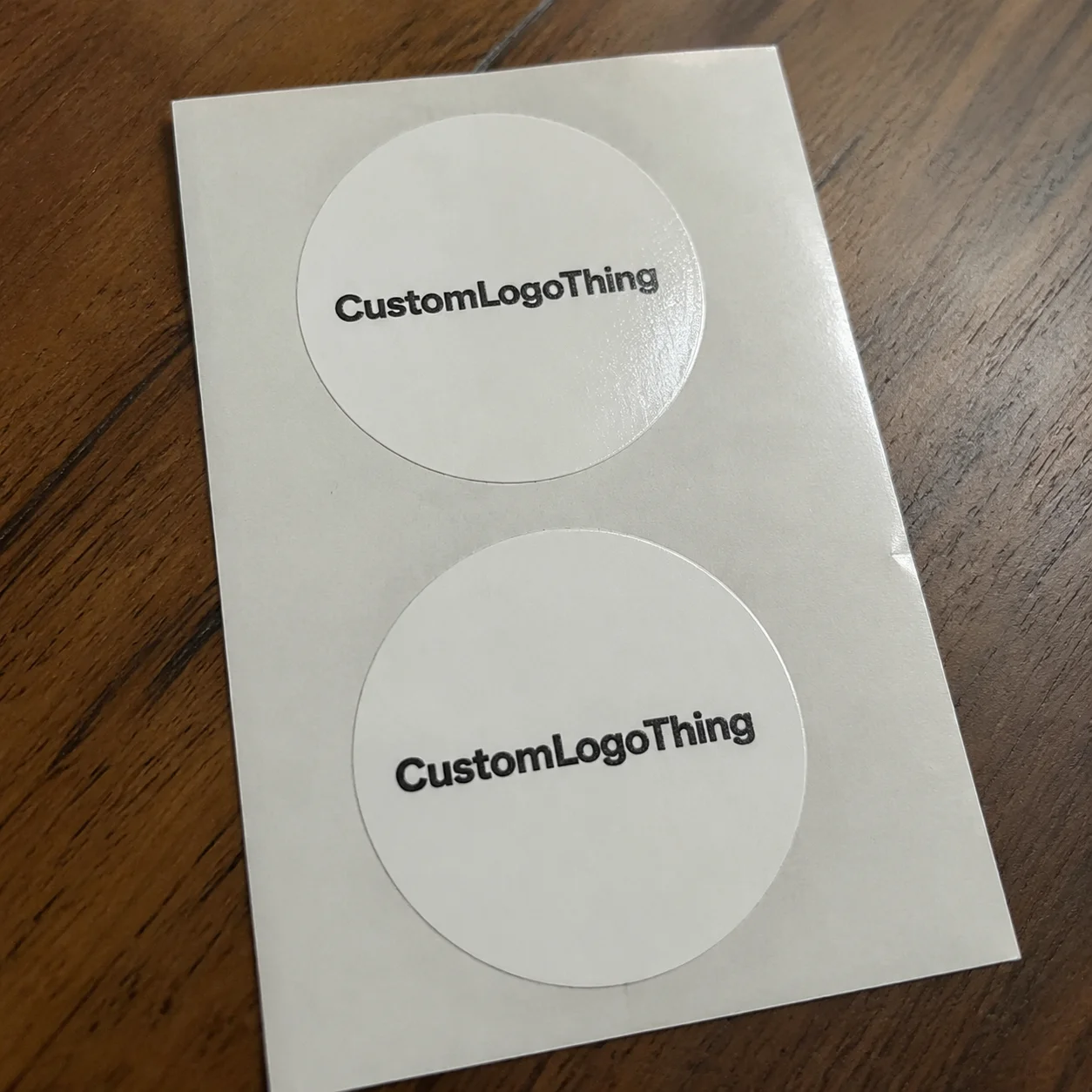
A sticker sheet is a printed backing sheet with multiple kiss-cut stickers arranged on top. The cut goes through the face material but leaves the liner intact, so each sticker peels away individually while the full sheet remains together. That structure is simple, but it creates a lot of flexibility for the buyer.
Brands use sticker sheets when they want several versions of the same visual system in one order. A food brand may want ingredient callouts, a logo mark, and a seasonal icon set on one sheet. A skincare line may want small seal stickers that work across boxes, mailers, and sampler packs. Event teams often like them because the format is easy to hand out and less likely to end up forgotten in a pocket or bag.
The sheet format is also useful when the artwork itself needs to feel coordinated. If you have one logo, one submark, and a few supporting graphics, a single sheet keeps the set together and makes the presentation feel intentional. That is one reason it works so well in custom packaging products and branded inserts, where the sticker is part of the overall package rather than a standalone item.
“A sheet format gives the buyer room to mix sizes and designs without making the order feel fragmented. That matters when the sticker is part of the packaging experience.”
It is a strong fit for:
- Product inserts and mailers
- Sampler kits and promotional packs
- Retail packaging and branded boxes
- Seasonal campaigns with multiple designs
- Small label sets for limited product runs
If you only need one oversized graphic, a single die-cut sticker may be cleaner. If you need multiple pieces that work together, a custom sheet of stickers usually gives you more control and better use of space.
How sticker sheets are produced
Production begins with file setup, and this is where many jobs either stay efficient or become unnecessarily expensive. The printer needs the artwork, cut lines, bleed, and spacing arranged correctly before the sheet can move into press. If the file is incomplete, the job slows down while proofs are revised and cut paths are adjusted.
The usual workflow is straightforward: file review, proofing, print, optional lamination, kiss-cutting, and final trimming. That final cut matters more than many buyers realize. If the cut path is too close to the sticker edge, pieces can lift early or tear when peeled. If the spacing is too tight, the cutter has less room to run cleanly between shapes.
Vector art is usually the safest starting point because it keeps edges crisp at any size. PDF, AI, and EPS files are common for production. Raster files can work, but tiny type, thin lines, and intricate details need enough resolution to survive close inspection. Once the stickers shrink below a certain size, text below about 6 pt becomes difficult to trust unless the design is very bold and simple.
Common setup requirements include:
- Bleed around each sticker and around the outer sheet edge
- Cut lines placed on a separate layer or spot color
- Readable type at actual print size
- Enough spacing between stickers for clean kiss-cutting
Proofing is where the small problems show up. Missing cut layers, incorrect dimensions, and low-resolution art are the usual reasons a sheet stalls. Quick approvals help, but only after the proof is actually correct. A clear proof is worth more than a fast one.
Pricing factors that change the quote
Pricing for a custom sheet of stickers usually comes down to a handful of variables: sheet size, number of stickers per sheet, ink coverage, stock type, finish, and quantity. None of those inputs are unusual, but even small changes can move the quote more than buyers expect.
Fixed setup work has a bigger impact on short runs. File prep, proofing, and cut programming all have to happen before the first finished sheet comes off the line. Once quantity rises, that setup gets spread across more units and the per-sheet price drops. A job of 100 sheets often looks very different from a job of 1,000 sheets, and the curve usually keeps improving as the run gets larger.
Ink coverage also matters. Heavy backgrounds, dense black areas, and full-bleed artwork require more ink and can add production complexity. White ink, when needed, can also increase cost depending on the stock and print method. A simple-looking layout is not always the cheapest layout if it uses multiple layers of color or a demanding substrate.
| Build choice | Best for | Cost impact | Main tradeoff |
|---|---|---|---|
| Paper stock | Inserts, short promos, dry indoor use | Lowest | Less durable around moisture and handling |
| BOPP or vinyl | Packaging, jars, bottles, retail use | Medium | Higher price, better durability |
| Matte laminate | Soft finish and reduced glare | Medium | Less reflective color pop than gloss |
| Gloss laminate | Bright color and surface protection | Medium to higher | More reflection under strong light |
| Custom contours | Premium layouts and shaped designs | Higher | More cut complexity and more setup time |
For practical budgeting, it helps to request quotes at multiple quantities, such as 250, 1,000, and 5,000 sheets. That exposes the break points and shows whether it is worth ordering more now to lower the unit cost later. In many cases, the next price tier is significantly better than the previous one, especially when the shape is simple and the art is already production-ready.
If the sheet is part of a larger packaging system, compare it against other items such as Custom Labels & Tags. Sometimes the sheet is the right answer. Sometimes a label, insert, or separate sticker format does the same job with less waste and lower cost.
Turnaround and order timing
Production rarely starts the moment the design is approved. A normal order still has to move through proofing, print setup, finishing, and shipping, which means several business days even when everything is clean. If you are working toward a launch date, give yourself buffer time. A tight schedule leaves very little room for revisions.
Fast-moving orders usually share the same traits: clean files, simple shapes, clear cut instructions, and quick proof approval. When the artwork is organized and the production notes are specific, the sheet can move through the system with fewer delays. When the file is messy, the timeline tends to stretch in small but costly ways.
Things that usually slow an order down include:
- Complex cut paths with narrow corners or tiny islands
- Special finishes or heavy laminate builds
- White ink on dark or specialty stock
- Missing dimensions or unclear layout instructions
- Revisions after proofing has already started
Ask for timing by stage rather than relying on one broad estimate. You want to know how long proofing takes, how long production takes, and how long shipping takes. That breakdown is more useful than a single promise because it shows where the schedule can slip. It also tells you whether the vendor is working from a real production queue or just giving a rough answer.
Materials, finishes, and adhesives
Material choice should match the actual environment, not just the visual preference. Paper stock is fine for dry, short-term use and is usually the most economical option. BOPP and vinyl are better for bottles, jars, mailers, and any application that may face moisture, friction, or repeated handling.
Finish changes both appearance and performance. Gloss tends to deepen color and resist scuffing better than an uncoated surface. Matte lowers glare and often reads as softer or more refined in hand. Lamination adds another layer of protection, which is useful when sheets will be inserted into packages, carried around at events, or handled frequently before use.
Adhesive choice matters just as much. Permanent adhesive is the better option for product packaging, shipping labels, and anything that should stay put once applied. Removable adhesive works better for short-term promotions or packaging inserts where clean removal is more important than long-term hold. If the sticker will face cold storage, condensation, or refrigerated handling, ask about low-temperature or freezer-safe options early. Not every production line supports them.
One detail that often gets overlooked is readability at size. Small stickers need strong contrast, simpler shapes, and fewer words. Fine script and thin outlines can look elegant on screen and fail once the design is reduced for print. If the art needs to live in a tiny space, the safest design is usually the one with the fewest fragile details.
For brands balancing branded packaging with product packaging, the best specification is the one that matches the real use. A polished sheet that peels poorly, smudges, or curls at the edges is not premium. It is just expensive.
Mistakes that lead to reprints
The most expensive errors are rarely dramatic. They are usually simple file or material mistakes that could have been caught before approval. Missing bleed, overcrowded layouts, wrong adhesive, and the wrong stock for the environment are the repeat offenders.
Some of the most common problems are:
- Overcrowding the sheet until the designs are too small to use comfortably
- Skipping bleed or safe margins, which can clip borders or cut into text
- Choosing paper for a wet environment, which can fail on chilled or handled products
- Ignoring quantity breaks and paying more per sheet than necessary
Cramming in too many designs is a frequent buyer mistake. The layout may look efficient on screen, but if the pieces become too small to peel or read, the sheet stops being useful. It is often better to reduce the count, enlarge the designs, or split the artwork into more than one sheet than to force everything into a single crowded layout.
Surface conditions matter too. A sheet that performs well on a dry mailer may perform badly on a refrigerated jar or a bottle that gets washed. If the application involves condensation, cold storage, or frequent contact, choose the stock and adhesive for that environment instead of chasing the lowest quote.
Quantity deserves a second look as well. Moving from 250 sheets to 500 sheets can sometimes improve the unit cost enough to justify the added inventory. That is not always the right decision, but it is worth checking before the order is locked in. Extra stock is only a problem when it sits unused.
How to spec the right sheet
Clean quoting starts with clean inputs. If you want an accurate estimate for a custom sheet of stickers, send the sheet size, number of stickers per sheet, target quantity, intended surface, stock preference, and finish. If you already know whether the stickers will face moisture, cold storage, or repeated handling, include that too. The more the supplier understands the use case, the more realistic the quote will be.
Request a proof that shows the actual sheet layout, not just the artwork floating on a white page. The proof should make the spacing, cut paths, and sheet dimensions obvious. That is the only way to spot problems before production starts. A pretty proof is not enough if the layout does not work.
It also helps to compare one budget build and one durable build before making the final call. For example, compare paper against vinyl, or gloss against matte laminate. Those side-by-side numbers usually make the tradeoffs clear very quickly. In a lot of orders, the best option is not the cheapest one, but the one that fits the application Without Wasting Money on unnecessary extras.
Before final approval, check the basics:
- Is every sticker legible at actual size?
- Do the edges peel cleanly in the layout?
- Does the contrast hold up on the selected stock?
- Does the sheet look organized rather than crowded?
If the answer to those questions is yes, the sheet is probably ready. If not, revise before the run starts. A custom sheet of stickers should support the packaging or promotion it belongs to, not add friction for the team or confusion for the customer.
One final practical point: if the sheet is part of a broader packaging system, keep the art aligned with the rest of the brand materials. Consistency across labels, inserts, and boxes usually does more for perceived quality than an extra decorative flourish ever will.
FAQs
What is a custom sheet of stickers used for?
It is useful for multiple small designs, sampler sets, inserts, and packaging pieces that need to stay organized on one printed sheet. Brands often use it for promotions, retail packaging, and limited-run labeling.
How many stickers should go on one sheet?
Enough to make the sheet efficient, but not so many that the stickers become too small to peel or read comfortably. A cleaner layout usually performs better than a crowded one.
What affects the price most?
Sheet size, quantity, number of pieces, stock, finish, and print complexity. Heavy ink coverage, special laminates, and custom cut paths can also raise the cost.
How long does production usually take?
Plan on several business days after proof approval, with revisions and complex finishing adding time. Clean files and simple layouts tend to move faster.
What should I send for a quote?
Send the artwork, target quantity, sheet size, stock preference, intended use, and any cut-line instructions. If you know the environmental conditions, include those too.
A custom sheet of stickers works best when the material, finish, adhesive, and layout match the job instead of just the mockup. Get the file setup right, Choose the Right stock for the real environment, and pay attention to quantity breaks and proof details. That is usually what separates a clean order from one that needs rework.
For buyers thinking about packaging stress and transit durability, ISTA is a helpful reference. If paper sourcing matters to your brand, FSC is worth keeping in mind as well.


