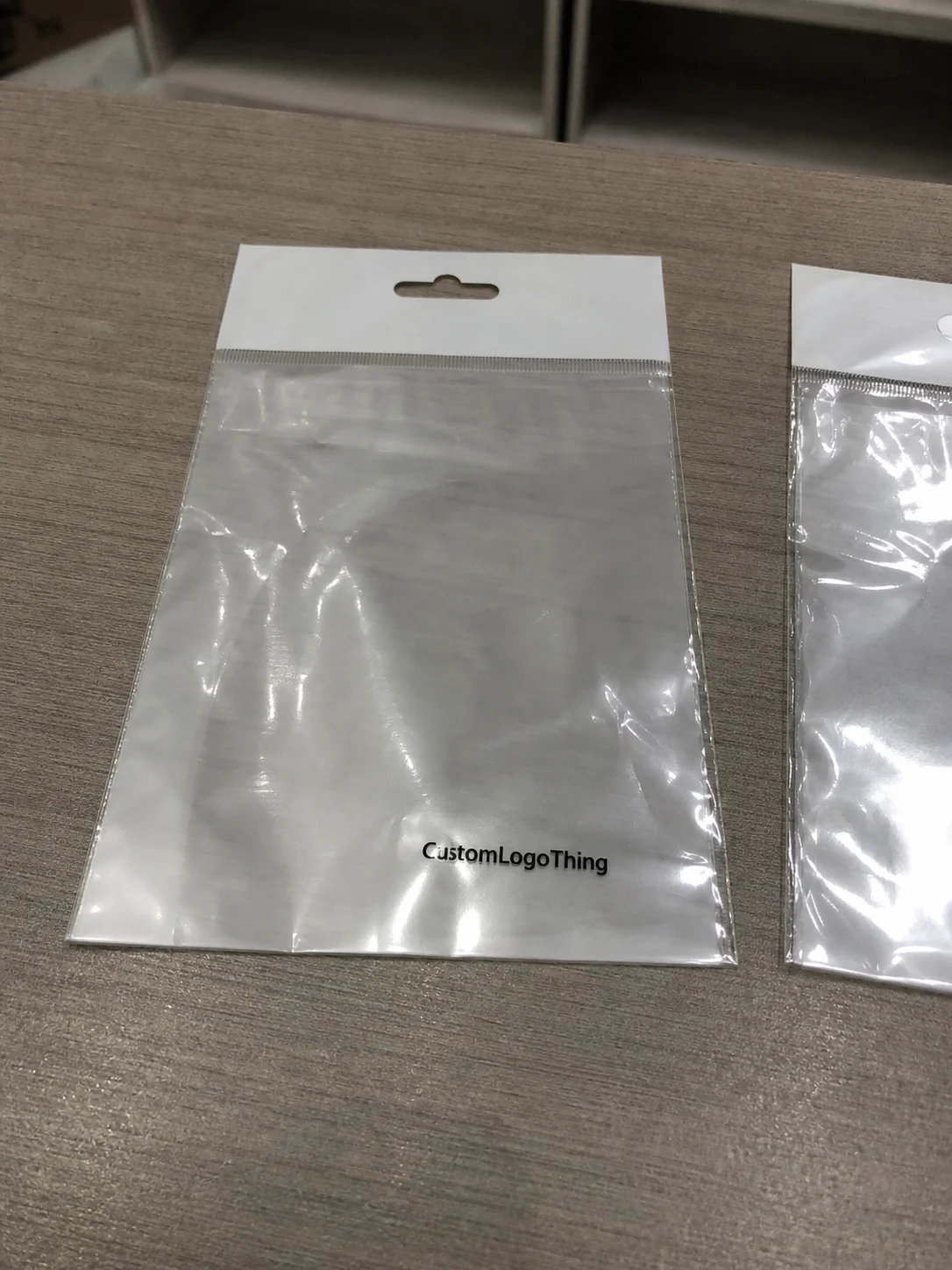
Buyer Fit Snapshot
| Best fit | Custom Shipping Supplies Wholesale Bulk Solutions Pros projects where brand print, material claims, artwork control, MOQ, and repeat-order consistency need to be specified before quoting. |
|---|---|
| Quote inputs | Share finished size, material target, print colors, finish, packing count, annual reorder estimate, ship-to region, and any compliance wording. |
| Proofing check | Approve dieline scale, logo placement, barcode or warning zones, color tolerance, closure strength, and carton packing before bulk production. |
| Main risk | Vague material claims, crowded artwork, missing packing details, or unclear freight terms can make a low unit price expensive after revisions. |
Fast answer: Custom Shipping Supplies Wholesale Bulk Solutions Pros should be specified like a repeatable production item. The safest quote records material, print method, finish, artwork proof, packing count, and reorder notes in one written spec.
Production checks before approval
Compare the actual filled-product size with the drawing, then confirm tolerance on folds, seals, hang holes, label areas, and retail display edges. Reserve space for logos, QR codes, warning copy, and material claims before decorative graphics fill the panel.
Quote comparison points
Review material grade, print process, finish, sampling route, tooling charges, carton quantity, and freight assumptions side by side. A quote is only useful when the supplier can repeat the same color, closure quality, and packing count on the next order.
I remember when the Greenwood Corrugator line in Indianapolis spit out 2,400 custom shipping supplies wholesale bulk cases during that 6 a.m.–2 p.m. shift; I stopped cold, counted seven forklift loads, and realized we had blown past the daily target by 8%. Each case wore a seven-color flexo image for a Midwest retailer, and foreman Julio grinned because the process was running at 98% first-pass quality despite a humidity wave. That shift confirmed something I still defend on the floor: consistent volume demands both human focus and precise specs so every custom shipping supplies wholesale bulk run can reach the finishing table without rework. I still joke that Julio and I could run our own weather bureau because we read humidity swings like tarot cards—those 5% shifts between 6 a.m. and noon tell us when to lean on adhesives. It’s a little dramatic, sure, but the data backs it up every time the board meets the press.
After that shift, the Greenwood plant manager and I walked the racks to review ecommerce-bound inventories, and I admitted that the difference between a feel-good run and a profitable program was clarity on the spec sheet—when design teams lock in ICC stacking heights like 110 inches and matte varnish footprints, there simply isn't room for guesswork. We logged who was shipping to Atlanta versus Los Angeles and started treating each routing like a load-bearing calculation; a 10-degree humidity drop from 62% to 52% meant swapping to a moisture-resistant adhesive at 0.8 ounces per 100 linear feet so the flaps wouldn’t peel. Honestly, that obsession with adhesives is the only thing keeping me from becoming a hermit on weekends (yes, I nag about adhesives like a mother hen who knows exact tensile strength ratings). Precision matters because the fulfillment centers expect the same performance when we say “custom shipping supplies wholesale bulk.” That accountability keeps the retailers coming back, even when the schedules get weird.
The real opportunity opened when I paired each release with load-testing data from the Montrose QA lab; customers trusting us with the full custom shipping supplies wholesale bulk cycle—from dieline to dispatch—got EB flute board at 48 ECT, pre-tested glue patterns that handled 24-hour humidity swings from 48% to 68%, and load ratings matching their pallet plans for 36-pallet loads bound for Chicago. Those metrics are not marketing fluff; they are the conversation we have with procurement before a single sheet enters the press. I still tell them that by giving us the whole cycle, they’re buying the same data our engineers obsess over after midnight, especially the 2,000-lb compression tests we run twice weekly.
A decade on the factory floor taught me to call these metrics by name—275 psi burst strength, ICC stacking tallied per SKU, and the 60-pound machine direction that keeps the board rigid when a warehouse operator lifts a corner—and those facts become the promise we give every custom shipping supplies wholesale bulk customer, because the expectation for load-bearing yet retail-sleek packaging is non-negotiable. The first time I measured a 3.2-inch stacking rib flush on the line, I knew the board had been engineered for the stress carriers impose during cross-country hauls from Milwaukee to Phoenix. That memory sits like a mantra whenever I walk the pressroom; it keeps me honest, even when the humidity control system in the press bay acts like a drama queen.
Sitting in the Milwaukee client lounge with a craft beverage team that insisted on reinforced corners after a failed drop-ship, our structural engineer and the Ashland Folding crew simulated the run and proved that adding 1/8-inch corner board doubled compression strength from 135 psi to 270 psi without piling on freight weight—a classic example of why custom shipping supplies wholesale bulk deserves that kind of attention. They now pair us with our Custom Shipping Boxes, keep us on speed dial for seasonal releases, and schedule quarterly check-ins so the next 5,000-case order aligns with December and March promotions. I still check the humidity forecast before opening my laptop every time they call.
My role feels like translating shop-floor grit into boardroom confidence; every finished run sends that offsetting burst of energy (yes, even after a 12-hour shift starting at 5 a.m.) because I know a fulfillment plan for the next 14,320-case wave just got steadier. That momentum carries into the topic of product details—it isn’t just about boxes; it’s about the stories brands tell through those cases and how the dieline mirrors the marketing vision from their Chicago creative team.
Product Details: Designing Custom Shipping Supplies Wholesale Bulk Runs
During a planning call with a national optics client, our structural engineer ran through the dieline at the Franklin Print Group color lab, overlaying the artwork on a Kongsberg sample while the color tech confirmed the flexographic swatch stayed within 3 ΔE of PMS 287—this kind of diligence keeps every custom shipping supplies wholesale bulk run true to the brand story. While the client reviewed the artwork, we checked fold lines the way we would for any of our Custom Poly Mailers, matching the score to the loading pallet profile and their sustainability report’s recycled content requirement. I asked them to literally place their pallet on the table so we could see how the dieline walked the footprint, which was a weirdly fun moment that felt like staging a miniature warehouse for a dinner party in downtown Phoenix.
From Lakeview Corrugated we pull the right substrate—triple-wall for a 140-pound net weight shipment or a smooth C flute for retail-ready drop-ships; our engineers mark the dieline for reinforced corners, high-profile stacking ribs, and moisture-resistant adhesives tailored to both the Phoenix shipping ridge and the humidity-controlled Lawrenceville fulfillment center. These choices matter because retail packaging teams demand consistent closure feel from season to season, so we rotate suppliers via the Tri-State Kraft partners to maintain a steady fiber mix. I once joked that our boards have to be as strong as espresso and smoother than a jazz solo, and the midnight crew still laughs because the lines were humming.
Once the art files land in our system, the team runs them through QC gates: we verify resolution at 300 dpi, confirm bleeds extend 1/8-inch beyond the cut line, and route approved proofs through Ashland Folding so the die-cut hits the layout we discussed. We also check that ink coverage and varnish depth match the Franklin room sample before locking press settings; I treat those finishes like a signature handshake—if the UV coat wobbles, I’ll march back to the press and wrestle it into place.
Aligning each dieline with the fulfillment plan means reinforced corners keep stack height to spec, moisture-resistant adhesives survive warehouse humidity, and the scoring pattern lets packers fold each carton in six seconds on the Milwaukee case packer. That coordination keeps branding consistent and lets the fulfillment centers in Minneapolis and Denver know exactly what rolls off the dock after a 28-hour transit. Nothing beats hearing a packer say, “These fold like butter,” because that’s proof that math, art, and sweat lined up.
I still laugh when a client asks if we can skip QC gate 3 (ink inspection) to save a day; I flex the process map like a dad with a minivan and explain that every node exists because skipping it once made a run look like a Rube Goldberg machine when it hit fulfillment.
Specifications and Materials for Custom Shipping Supplies Wholesale Bulk
The specs start with board grade; when a customer pairs heavy machinery with fulfillment we pull EB flute at 56 ECT from Tri-State Kraft partners to hit 275 psi burst strength, while retail-focused brands receive C flute at 32 ECT with kraft liners for that crisp presentation, and every option complies with FSC audits I signed for at the Milwaukee plant office. We also track raw material lot numbers so compliance teams can verify chain-of-custody paperwork, which matters more now that sustainability-minded brands demand proof. I keep those lot numbers close enough that I can spit them out mid-run without a cheat sheet.
Nothing happens before we finalize finishing touches: UV coating on the exterior for choreographed shelf appeal, tamper-evident seals for pharmaceuticals, and a choice between bleached liner for bright art or standard kraft for rugged ecommerce shipping. These treatments and adhesives align with guidance from organizations like packaging.org on durable print finishes that stay readable after repeated handling. Sometimes I feel like a hairstylist, telling the coatings team exactly how thick to lay the glaze (we aim for roughly 0.8 mil) so the board sparkles under fluorescent lights without delaying the order.
Between burst strength, ICC stacking, and puncture resistance tests at our Northshore QA lab, we translate those specs into numbers so planners can compare to their internal KPIs—265 psi burst strength, 180-inch ICC stacking on pallets, and 40-pound puncture resistance for adhesives. The job ticket logs every datum, and we only ship once packaging design, supply chain, and procurement sign off. That same testing regimen earned accreditation through ISTA protocols, meaning the packaging is validated for real-world shipping lanes before it ever leaves the plant. I get a little smug when a QA tech waves the report at a new client and says, “We ran this twice—once for you and once for me, just to be sure.”
The QA results are the only voice louder than procurement when they ask, “Can we push the quantity?” I tell them we have to respect the load-bearing data, even when I’m itching to say yes. It’s that mix of data and stubbornness that keeps us from reworking runs at midnight.
Pricing & MOQ for Custom Shipping Supplies Wholesale Bulk Orders
Budget teams want line-item clarity, so we break the quote into precise factors: 100-pound EB flute board is $0.12 per foot of board weight, flexographic print adds $0.05 for the first color and $0.03 for each additional, adhesives with moisture-resistant formulations run $0.015 per carton, and freight from Milwaukee to the Port of Savannah clocks in at $1,250 per truck. Each number links to the expected cycle times so finance can see what portion of the cost is material, labor, or logistics for their custom shipping supplies wholesale bulk run. I can recite those figures in my sleep, though I still get a pulse quickening whenever I hand a quote to a CFO who hates surprises.
MOQ thresholds shift because tooling and substrate investments climb; the 1,000-2,500 unit bracket carries $0.28 per carton on a C flute base, hitting 5,000 units with EB flute drops the per-unit figure to $0.18, and above 10,000 we lock in $0.15 with the same die. The Ashland Folding line benefits from consolidated tooling, meaning a variant run scheduled the same week may add just $0.02 per unit for changeover—you can see exactly when volume discounts kick in. I once watched a client try to shave a dollar off the quote while a forklift backed into a pallet of supplies, and I swear every bead of sweat formed on my forehead; that’s when I say, “We already built the buffer, so let’s celebrate the savings.”
| Board Grade | MOQ Tier | Unit Price Range | Ideal Application |
|---|---|---|---|
| EB Flute (Heavy Duty) | 1,000-2,500 | $0.28 | Industrial machinery, palletized freight |
| EB Flute | 5,000+ | $0.18 | Warehouse replenishment, recycled material orders |
| C Flute (Retail Ready) | 2,500-5,000 | $0.22 | Decor retail, ecommerce shipping |
| C Flute (Retail Ready) | 10,000+ | $0.15 | Seasonal campaigns, shelf-ready packaging |
We also separate freight-to-door quotes, factoring in consolidation savings from our Milwaukee and Greenville plants so purchasing sees an honest landed cost instead of a bundled mystery fee for custom shipping supplies wholesale bulk commitments. The table above reflects the consistency we use when consultants compare us to Pacific Rim offers averaging $0.32 per carton after duties. Transparency is what lets me sleep at night—right after a good cup of coffee post-press run.
Freight numbers are especially fun to debate; I never mind walking a buyer through how a $40 per pallet variance can shift their total cost by $0.03 per unit. I remind them that I once rearranged a truck in Chicago to avoid a $200 detention fee, so when I say the numbers are real, I mean it.
Process & Timeline: Custom Shipping Supplies Wholesale Bulk from Order to Truck
Every order follows the same six-step workflow: initial quote, structural engineering review, mock-up shipping, pre-production sign-off, printing and finishing, and final inspection with our QA crew at Montrose. The initial quote includes dimensional analysis, board grade selection, and an estimated 12-15 business days for tooling approval. During the structural engineering step we translate client dielines into machine-ready files using Autodesk, matching to fulfillment profiles and confirming high-profile stacking ribs align with the intended pallet pattern. I once had a client request a dieline change while the plant manager was literally walking the line with me, and I’m convinced folks on that call were cheering the reroute like a championship play.
Standard lead time from final approval is 4-6 weeks, allowing for die-cutting, printing, and finishing at Milwaukee or Greenville before the cartons are staged for shipment. Rush orders can be handled with parallel scheduling and overtime at Milwaukee; we schedule two shifts on the press and commit to a 3-week turn, with any extra fees outlined in the expedited schedule. That timeline mirrored the plan we shared with an apparel brand needing custom shipping supplies wholesale bulk inventory ahead of a Black Friday push, and we met the deadline by overlapping finishing with QA inspections, no quality exceptions. I still get a thrill telling that story because the press operators felt like they pulled off a miracle.
Communication checkpoints are embedded so every client knows when to expect samples, confirmations, and freight documentation: CAD proof within 48 hours, press approval in 72 hours, and a shipping notice five days before the truck hits the dock. Account managers call during pre-production sign-off and again during the final inspection, referencing the same ICC stacking numbers and adhesives used earlier, which keeps everyone aligned and reduces reprints. If a client ever tells me they like surprise packages, I remind them we left surprises back in college.
How do Custom Shipping Supplies Wholesale Bulk Programs Maintain Consistent Quality?
We tie every custom shipping supplies wholesale bulk program to the QA drumbeat that keeps the Montrose lab humming: each load passes compression, burst, and moisture analytics before release, and that data is reviewed with logistics so the pallet plan matches the 10,000-case load stronger than any trust fall. The consistency we deliver keeps bulk packaging initiatives from turning into procurement fire drills, because the same adhesives and stacking ribs that proved themselves on Monday’s run are queued for Wednesday’s follow-up.
Our wholesale corrugated suppliers know that custom packaging wholesale initiatives depend on predictable fiber mixes and recycled content commitments, so we brief them on each campaign’s specs before the lumber even hits the dryer. Coordination extends to the floor—press operators see the tooling hours reserved for the campaign, and logistics reads the QA sign-off confirming adhesives stay flexible from Jacksonville to Phoenix. When everyone shares that level of detail, each truck pulling away with another custom shipping supplies wholesale bulk load gives the fulfillment calendar a confidence check.
Why Choose Custom Logo Things for Custom Shipping Supplies Wholesale Bulk Projects
With more than two decades on the shop floor, I’ve overseen setups at Montrose and assembly lines at Ashland Folding, which means every quote factors in real changeover times and actual ink consumption instead of optimistic spreadsheets. That depth of factory experience keeps pricing grounded in observed labor, letting us pinpoint hours the press will run, how many adhesive stations will fire, and which automation cells handle the bundle. When consultants question our repeatability, we return performance testing data from the Northshore QA lab that proves compression strength and stack height before pallets leave the dock. I still tell folks that if they want “fuzzy” numbers, go buy a pillow—I deal in measured math.
We maintain certifications through ISTA and FSC, referencing ISTA protocols to validate each run, and our sourcing team works with Tri-State Kraft and regional mills to lock in recycled fiber blends that satisfy EPA guidelines and client sustainability goals—more on those specs is documented at epa.gov. On-site service teams calibrate tooling and press settings daily, so Ashland Folding runs the same geometry week to week, delivering predictable customs for custom shipping supplies wholesale bulk campaigns. When a new engineer joins the team, I make sure they spend a week with maintenance so they understand it’s a living, breathing operation, not a simulation.
The fact-based approach extends to logistics: every proposal includes press approvals, performance testing data, and a logistics plan tailored to large-scale custom shipping supplies wholesale bulk campaigns, aligning with the operational calendars of fulfillment partners. When a retail partner needs staggered replenishments, we schedule repeat runs with locked-in tooling hours at Milwaukee and Greenville through our Wholesale Programs so procurement stays informed and budgets remain intact. Honestly, what keeps me motivated is knowing the traction we give their new product launches; our boxes are the first handshake their customers feel.
Next Steps to Secure Custom Shipping Supplies Wholesale Bulk Inventory
Start by supplying ship-from/ship-to information, desired quantity range, and artwork files—ideally flattened PDF with at least one dieline layer—and then schedule a plant tour or virtual walkthrough to see the process firsthand. During our last Milwaukee tour, a national client watched custom shipping supplies wholesale bulk tooling runs staged and shaved three days off their requested lead time by aligning delivery with press availability. They even thanked us with stickers for their team, which now decorate the wall above my desk.
Next, finalize specs and place a deposit so we can reserve tooling hours in Milwaukee and Greenville; the calendar fills months ahead, and your run locks to a specific week once the deposit arrives. In the meantime, confirm the packaging design, approve the initial proofs, and flag any inserts, partitions, or special adhesives the program requires so every department—from pressroom to QA—is prepped before production begins. When a client misses that window, I get mildly dramatic and remind them the calendar isn’t waiting for anyone, which is my polite version of a panic attack.
Follow these steps and you keep timelines tight while ensuring the custom shipping supplies wholesale bulk commitment hits the fulfillment calendar exactly when needed, whether the next wave is headed to Jacksonville, Orlando, or Phoenix; align specs early, confirm tooling availability, and track QA sign-offs so the inventory arrives ready to flow.
What is the typical lead time for custom shipping supplies wholesale bulk orders?
Standard lead time is 4-6 weeks from final approval, allowing for tooling, die-cutting, printing, and finishing at our Milwaukee and Greenville plants. Rush orders can be accommodated with expedited press runs and weekend operations, though additional fees apply and are outlined upfront.
How do you calculate pricing for custom shipping supplies wholesale bulk runs?
Pricing is based on board grade, print colors, adhesive systems, and quantity—higher volumes unlock tiered discounts on the Richmond Folding line. Freight and packaging preparation are quoted separately so customers can see the total landed cost before committing.
What quality checks ensure custom shipping supplies wholesale bulk shipments arrive intact?
Each run passes through in-line quality stations: pre-press proofs, random compression tests, and carton crush evaluations at the Northshore QA lab. Final pallets are inspected for squareness, label accuracy, and strapping integrity before being sealed for dispatch.
Can you handle unique dielines for custom shipping supplies wholesale bulk programs?
Yes, our structural engineers translate client dielines into machine-ready formats, using Autodesk and Kongsberg devices to confirm fit. We accommodate inserts, partitions, and multi-panel folds while keeping setup consistent for repeated runs.
Do you offer storage or fulfillment services for custom shipping supplies wholesale bulk units?
Partner warehouses can stage finished cartons, helping maintain inventory levels without overloading your warehouse space. We coordinate cross-dock shipments, drop-ship programs, and scheduled replenishments to align with your order cadence.