Custom Soccer Stickers: Design, Price, and Order Tips
What Custom Soccer Stickers Are Really Used For
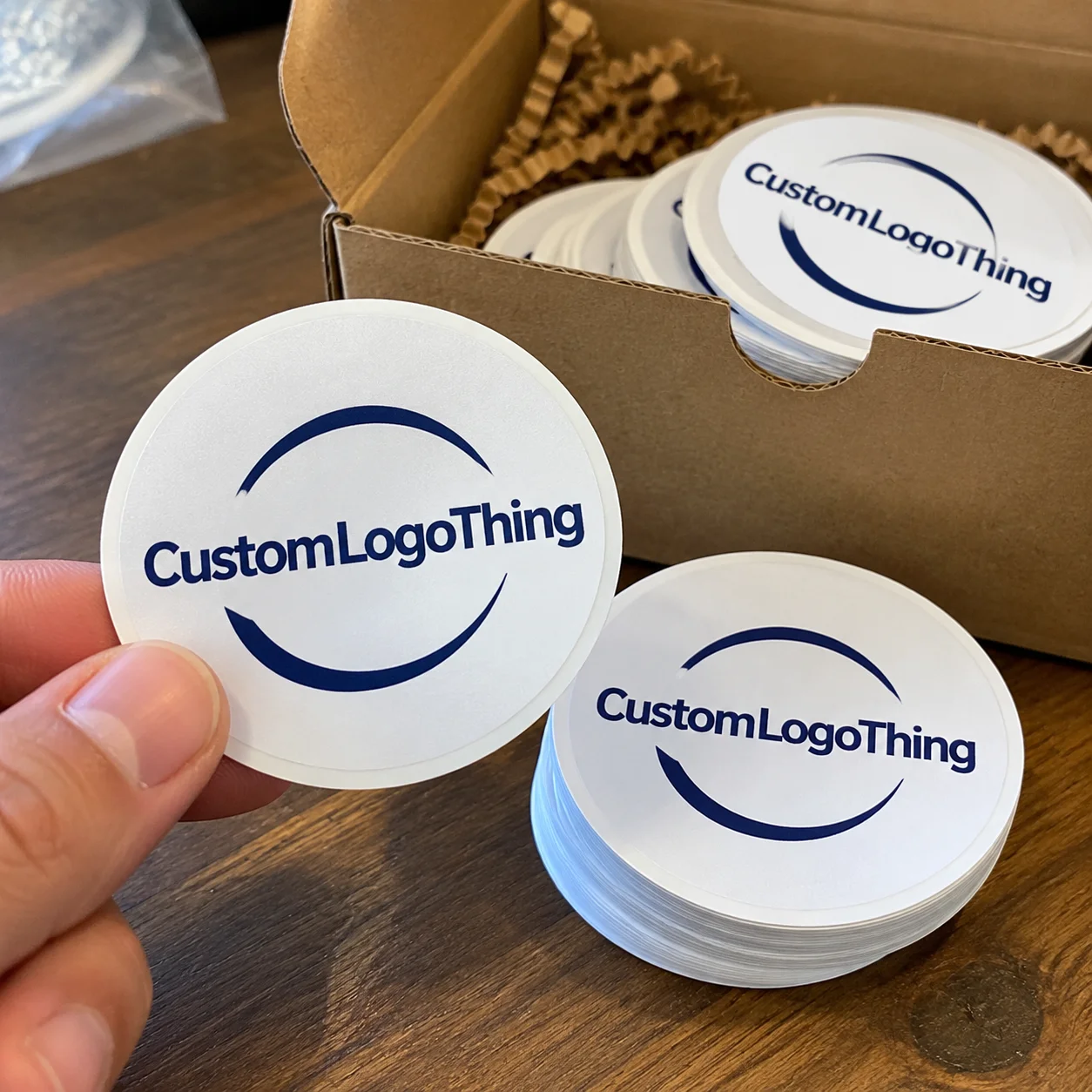
Custom Soccer Stickers are rarely just decoration. They become team merch, player rewards, fundraiser inventory, tournament giveaways, sponsor visibility, and parent-facing branding. That tiny decal on a water bottle may do more daily brand work than the banner someone paid too much for and forgot to hang straight.
The common formats are simple: die-cut logo stickers, player name decals, number stickers for gear, water bottle decals, car window decals, and tournament souvenir packs. Youth clubs usually order bulk logo stickers in the 2.5 to 3 inch range because that size fits bottles, laptops, notebooks, phone cases, and gear tags without feeling awkward. School teams often want spirit merch, so a 3 to 4 inch mascot decal or a sticker sheet with a logo, slogan, and player number tends to work better. Tournament organizers care about sponsor visibility and volume, which makes window decals, bag inserts, and multi-design sticker packs more practical.
Material matters more than most buyers expect. Paper stickers are cheap and fine for notebooks, registration folders, mailers, or one-day handouts. Vinyl stickers handle moisture, handling, and outdoor exposure much better. Static clings stick to glass without adhesive, which makes them useful for car windows or temporary display glass, but weak on bottles and gear. Removable decals are made to come off cleaner. Permanent adhesive decals are built to stay put.
Weatherproof outdoor labels are the grown-up option for cars, gear bins, field equipment, coolers, and anything that may see rain, UV exposure, mud, or a kid throwing it into a bag with cleats. Shocking, I know: specs matter.
From a production and buying standpoint, the right sticker depends less on whether the artwork looks cute and more on surface, handling, weather exposure, and quantity. A laptop sticker can be very different from a cooler sticker, even if both use the same crest. Textured coolers are annoying because physics exists. Adhesive needs smooth contact to bond well, and rough plastic gives it less surface to grip.
How Soccer Sticker Materials, Adhesives, and Finishes Work
Vinyl is the default choice for most soccer team stickers because it handles actual use. Water bottles sweat. Gear bins scrape against trunks. Car windows sit in the sun. Tournament days involve dust, rain, sunscreen, and snacks somehow stuck to everything. Basic paper has its place, but not there.
White vinyl gives bright color and strong opacity, so it is usually the safest material for team logos with bold school colors. Clear vinyl works well on glass or light surfaces, but white ink may be needed behind the design if the colors need to stay solid. Without that white ink layer, some colors can look weak or transparent once applied.
Holographic film adds a premium effect for fundraiser merch, player awards, or limited tournament drops. It costs more, but people notice it. Matte paper is cheaper and has a softer look, though it should stay indoors. Static cling is useful for temporary glass placement, especially car windows, but it does not behave like a normal adhesive sticker. It can shift, curl, or fall off if the surface is dirty or the cling is handled badly.
Adhesive choice should match the job. Removable adhesive is better for short-term promos, laptops, lockers, notebooks, or places where parents may not want residue. Permanent adhesive is better for cars, equipment bins, outdoor signage, and team storage containers. Neither one is magic. If the surface is dusty, oily, textured, cold, or wet during application, the bond suffers.
Finishes change both appearance and durability. Gloss makes team colors pop and is the safe choice for high-energy sports designs. Matte looks more premium and photographs nicely, but it can soften very bright colors. UV coating helps with scuff resistance. Laminate adds a stronger protective layer and is the better call for bottles, cars, helmets, coolers, and anything handled daily.
For outdoor decals, ask whether the sticker is waterproof or weatherproof. Waterproof usually means it can handle moisture. Weatherproof should mean it is built for rain, sun, temperature swings, and longer exposure. Those are not the same promise.
Practical callout: curved water bottles need flexible vinyl, car windows need outdoor-rated adhesive, and textured coolers are a bad place to test your faith in cheap glue.
If sustainability claims matter for your club or school, ask the supplier what can actually be verified. For paper-based stickers or backing cards, FSC-certified paper may be an option; the Forest Stewardship Council explains how certification works. For shipping and packaging claims, look for clear material specs instead of vague “eco” language. Vague claims are where budgets go to feel virtuous and accomplish very little.
Custom Sticker Pricing, MOQ, and Unit Cost Factors
Custom soccer stickers are usually inexpensive per piece, but pricing can swing fast once size, finish, material, cutting, and packing are added. The biggest cost drivers are sticker size, material, shape complexity, finish, quantity, color coverage, packaging style, and proofing requirements. A simple 3-inch circle in white vinyl is not the same job as a 5-inch die-cut mascot on holographic film with individual retail bags. Same sport. Different invoice.
Minimum order quantity, or MOQ, exists because setup takes labor. The file has to be reviewed, proofed, printed, cut, checked, counted, and packed whether the order is 50 pieces or 5,000. That is why very small orders often look expensive per sticker. The press setup and finishing steps do not politely shrink just because the team only needs a few.
| Sticker Option | Typical Use | Common Size | Estimated Unit Range | Best Tradeoff |
|---|---|---|---|---|
| White vinyl die-cut | Team logos, bottles, laptops | 2.5–4 inches | $0.18–$0.75 at bulk quantities | Durable, clean, affordable |
| Paper sticker | Indoor handouts, folders, mailers | 2–3 inches | $0.06–$0.30 at bulk quantities | Lowest cost, limited durability |
| Holographic vinyl | Fundraisers, player rewards | 3–4 inches | $0.45–$1.25 at bulk quantities | Higher perceived value |
| Kiss-cut sheet | Player packs, sponsor sets | 4x6 or 5x7 inch sheet | $0.60–$1.80 per sheet | Multiple decals in one pack |
| Car window decal | Parent vehicles, boosters | 5–6 inches | $0.55–$1.75 at bulk quantities | Outdoor visibility |
These are planning ranges, not a universal price list. Exact cost depends on artwork, quantity, country of production, freight, finish, and packing. For quote requests, ask for tiers at 250, 500, 1,000, and 2,500 pieces. That shows the real price break instead of guessing like amateurs.
Often, moving from 500 to 1,000 pieces cuts the unit cost enough to justify extras for registration bags, sponsor mailers, resale, or replacements. Larger stickers cost more, but they feel more valuable. Simple circles and squares are cheaper than intricate mascot cuts because cutting time and material waste increase. Thin points, tiny gaps, and jagged mascot outlines can also peel faster, which is a lovely way to pay more for a weaker product.
Sticker sheets can reduce handling costs because multiple designs are printed and packed together. They also solve the sponsor problem better than cramming every logo onto one tiny decal. Individual retail packaging increases labor, especially if every piece needs a backing card, barcode, hang hole, or poly bag. If stickers are being sold as fundraiser merch, the packaging may be worth it. For free handouts, probably not.
Design Specs That Make Team Decals Look Professional
Clean vector artwork beats low-resolution screenshots every time. I have seen enough stretched JPG logos and parent-volunteer Canva exports to say this plainly: what looks acceptable on a phone can look fuzzy, jagged, and weirdly colored in print. The printer is not being dramatic. The file is bad.
Send vector files when possible: AI, EPS, SVG, or high-resolution PDF. Fonts should be outlined so player names, club names, and slogans do not shift when opened on another system. If color matching matters, provide CMYK values or Pantone references. Pantone matching can add cost or time, but it helps when school colors need to match uniforms, tents, banners, and Custom Printed Boxes used for club merch kits.
Transparent backgrounds are useful for custom shapes because the designer can see what should be printed and what should be cut away. If the logo has a white box around it, say whether that box is part of the design or just leftover background. This sounds obvious until 1,000 stickers arrive with a mystery rectangle. Then everyone becomes very interested in file prep.
Size planning should start with use case. For helmets, phones, and small gear, 2 to 3 inches is usually enough. For water bottles, 3 to 4 inches feels substantial without wrapping awkwardly around the curve. For cars, gear bins, and booster decals, 5 to 6 inches is more readable. For player packs, a 4x6 or 5x7 inch kiss-cut sheet can include a main logo, jersey number, name decal, slogan, and small sponsor mark.
Bleed, safe zones, cut lines, and borders are not fancy printer jargon. They prevent ugly edges and accidental trimming. Bleed usually extends artwork about 0.125 inch beyond the cut line. Safe zones keep text and key details inside the trim area. Cut lines tell the machine where to cut. A thin white outline can save a sticker from disappearing on dark bottles, tinted windows, black gear, or navy backpacks. Contrast is not optional.
Keep tiny text off small stickers. Nobody is reading your full club mission statement on a 2-inch decal. Put that on the website. Sponsor logos also need restraint. Three clean sponsor marks may work on a sticker sheet; ten tiny logos on one die-cut decal will look like a legal disclaimer had a panic attack.
Good sticker design is basically good packaging design in miniature. The same rules apply: hierarchy, contrast, material fit, and production reality. If your club is building a full merch or registration kit, align sticker art with Custom Labels & Tags, hang tags, backing cards, and other package branding so the whole set looks intentional instead of assembled five minutes before pickup.
Order Process, Timeline, and Production Steps
The buying flow is simple if everyone does their part. Choose the sticker type, confirm size and quantity, send artwork, receive a digital proof, approve the specs, then production starts. After printing and cutting, the order should go through quality checking, counting, packing, and shipping. On larger orders, packing can take longer than buyers expect, especially with sheets, individual bags, or mixed player names.
Typical artwork review and proofing may take 1–3 business days, depending on file quality and how quickly the buyer responds. Standard production often takes several business days after proof approval. Complex jobs can run longer. Shipping adds time based on method, distance, customs if applicable, and seasonal carrier delays. If you need exact timing, ask for a production schedule in writing before approving the order.
The clock usually starts after proof approval, not when someone first emails a blurry logo at 11 p.m. with “Can we have this by Saturday?” Cute request. Terrible plan. A proof confirms size, cut line, material, finish, quantity, and sometimes color notes. Approving it means the supplier can move forward. If five people on the booster board need to comment, build that into the schedule.
Quality control should be more than a quick glance at the top sheet. For team decals, the useful checks are straightforward: color consistency, clean cut lines, correct size, readable small text, centered artwork, adhesive performance, surface scratches, laminate bubbles, count accuracy, and packing condition. For kiss-cut sheets, check that the stickers peel cleanly without slicing through the backing paper. For car decals, confirm the adhesive and laminate are rated for outdoor exposure.
Timeline risks are predictable. Late artwork slows everything. Slow approvals slow everything. Color matching requests can add review time. Specialty materials such as holographic vinyl, clear film with white ink, or heavy laminate may require extra setup. Complex die cuts take longer to proof and cut. Individual bagging adds labor. Peak tournament season can stretch queues because everyone suddenly remembers they need team decals, banners, water bottles, and product packaging at the same time. Amazing how calendars keep surprising people.
Order at least a few weeks before tournaments, senior night, registration events, or fundraiser launches. That gives room for proof revisions and freight delays. If stickers are part of larger branded packaging kits, such as welcome boxes, mailers, or team store bundles, coordinate them with your other Custom Packaging Products so delivery dates line up. A box without the sticker insert is not a finished kit. It is a box with an excuse.
For freight durability on larger packed orders, standards like those from ISTA can help frame how packaging is tested for shipping stress. Stickers are light, but cartons still get crushed, dropped, and parked under heavier boxes. Ask how bulk stickers are bundled, counted, and protected from bending during transit.
Common Mistakes That Waste Budget on Soccer Decals
The most common buying mistake is ordering the cheapest paper sticker for outdoor use, then acting surprised when rain, sweat, and water bottles destroy it. Paper stickers are fine for indoor folders, envelopes, or one-day event packets. They are not fine for bottles that go through weekly practices, muddy sidelines, and dishwasher-adjacent behavior. If the sticker needs to survive moisture and handling, start with vinyl.
Another expensive mistake is choosing size without checking the final surface. A 4-inch decal may look great on screen and terrible on a narrow bottle. A 6-inch car decal may be too large for some windows. A tiny helmet decal may lose all detail if the mascot has claws, shadows, flames, and five outlines. Print a paper mockup at actual size and place it on the bottle, window, helmet, or gear bin before ordering. Low-tech. Effective.
Bad art files create fuzzy prints, awkward cut lines, wrong colors, and production delays. If the logo was pulled from a website header, it may be only 300 pixels wide. That is not a print file. If a screenshot includes a white box around the logo, the sticker may need cleanup before production. If the colors are RGB neon on screen, they may print flatter in CMYK. None of this is mysterious. It is production reality.
- Too much text: small decals should carry a logo, number, name, or short phrase, not a paragraph.
- Low contrast: navy on black, yellow on white, or thin outlines can disappear fast.
- Overloaded sponsors: use sticker sheets or backing cards if sponsor visibility is required.
- No extras: order 5–10% over event quantity because players lose things and parents ask for duplicates.
- Skipped proofs: never approve production without checking size, material, quantity, and shipping address.
Ignoring material recommendations also burns money. If a supplier says a removable sticker is not ideal for a textured cooler, believe them. If they recommend laminate for outdoor decals, that is not automatically upselling. Sometimes it is just the difference between a sticker that lasts and a sticker that starts peeling before the team photo is posted.
One more avoidable problem: applying stickers too soon after cleaning a surface. Let bottles, helmets, bins, and windows dry completely before application. Press from the center outward to push out air. Avoid stretching thin vinyl edges while peeling. And no, a dishwasher is not a neutral testing environment unless the supplier specifically says the material can handle it.
Actionable Next Steps Before You Request a Sticker Quote
Before requesting a quote, gather the basics. A clear spec list makes pricing faster and more accurate. It also prevents the classic back-and-forth where the buyer asks for “some stickers” and the supplier has to play detective. Nobody enjoys that game.
- Define the final use case: handout, merch, fundraiser, car decal, bottle sticker, gear label, or tournament pack.
- Choose a target size, such as 3 inches for bottles or 5 inches for car windows.
- Confirm the surface type: smooth plastic, metal, glass, paper, helmet shell, cooler, or packaging insert.
- Decide whether the sticker needs indoor, waterproof, or weatherproof performance.
- Pick a quantity range, ideally 250, 500, 1,000, and 2,500 pieces for tiered pricing.
- Prepare the best artwork file available, preferably vector with outlined fonts.
- Choose a finish preference: gloss, matte, UV coating, laminate, clear, or specialty film.
- Share the event deadline and required delivery location before quoting.
Build two or three versions before quoting. A budget bulk version might be a 3-inch white vinyl logo sticker with gloss finish. A premium fundraiser version might be holographic vinyl or a kiss-cut sheet with player numbers. A weatherproof outdoor version might use permanent adhesive and laminate for cars, gear bins, and tournament signage. Comparing these versions keeps the decision grounded in cost and use, not just vibes.
Ask for a digital proof that confirms size, cut line, colors, material, finish, quantity, and shipping address. Read it. Actually read it. If the proof says 2 inches and you wanted 4 inches, production will follow the proof you approved. Printers are talented, not psychic.
If the stickers will be sold as merch or applied to high-visibility surfaces like cars, tournament signage, or retail packaging displays, consider sample materials or a small proof run. It costs more upfront, but it can prevent a full order of decals that look too dark on tinted glass or lift from curved bottles. For teams building merch kits, align stickers with branded packaging, cards, bags, and labels so the whole package feels intentional.
Custom soccer stickers are easiest to order when the specs are clear before quoting, not after production has already started. Decide where they will go, how long they need to last, what size fits the surface, and which artwork file is actually print-ready. Do that, and your team gets sharp decals without donating half the budget to avoidable mistakes.
FAQ
What are the best custom soccer stickers for water bottles?
Use waterproof vinyl with a gloss or matte laminate for water bottles because it handles moisture, hand contact, and regular use better than paper. A size around 2.5 to 4 inches works for most bottles, and flexible vinyl helps on curved surfaces. Avoid extremely thin cut lines because small edges can lift faster with handling.
How much do custom soccer team stickers usually cost?
Cost depends on size, quantity, material, finish, cut shape, and packaging. As a planning range, bulk vinyl stickers may land around $0.18 to $0.75 each, while specialty films, sticker sheets, or individually packed decals can cost more. Ask for tiered pricing at 250, 500, 1,000, and 2,500 pieces so you can see whether a higher quantity makes sense.
Can custom soccer decals be used outdoors?
Yes, but choose outdoor-rated vinyl with weatherproof adhesive and protective laminate if the decals will go on cars, gear bins, windows, or outdoor equipment. Basic paper stickers are not a smart choice for rain, sun, mud, or repeated handling. For outdoor use, material and adhesive matter more than the artwork style.
What artwork file is best for soccer logo stickers?
Vector files such as AI, EPS, SVG, or high-resolution PDF are best because they keep logos sharp at different sizes. Fonts should be outlined, colors should be specified when matching matters, and transparent backgrounds help with custom shapes. If you only have a PNG or JPG, send the highest-resolution version available and expect possible cleanup before printing.
How long does it take to order custom soccer stickers?
Most orders require artwork review, proof approval, production, quality checking, and shipping, so plan ahead instead of waiting until tournament week. Proofing may take 1–3 business days, and production starts after proof approval, not after the first quote request. Specialty materials, complex cuts, individual bagging, and slow approvals can extend the timeline.


