What Custom Stickers Atlanta Buyers Should Know First
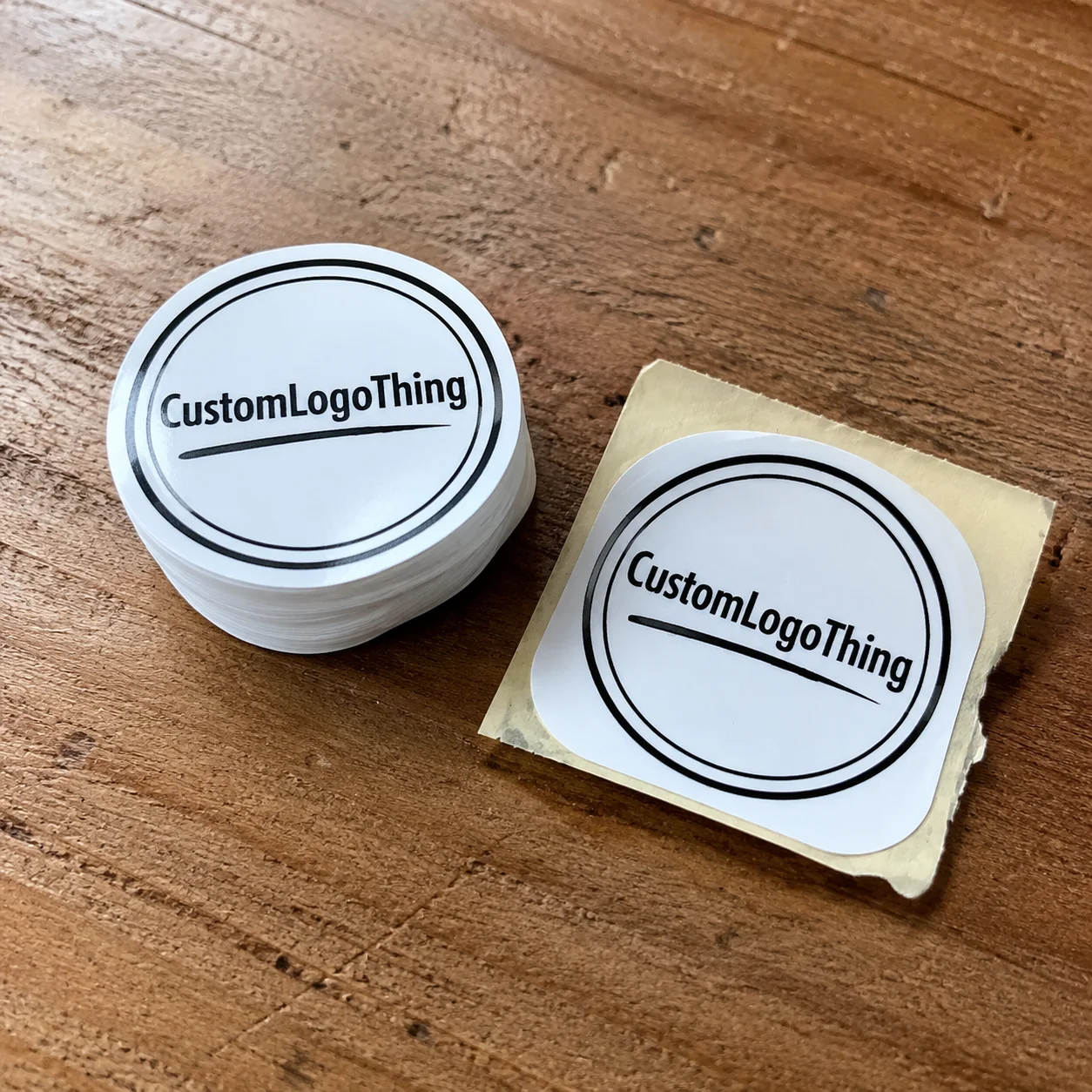
A sticker is often the first branded surface a customer touches. It is also one of the last pieces many buyers order, right after the boxes, product photos, signage, shelf displays, and launch date are already locked. Great. Nothing like giving the adhesive part of the package two days to solve six problems.
Custom stickers atlanta buyers get better results when they treat stickers as working packaging components, not decoration tossed in at the end. A sticker may brand a glass jar, seal a kraft mailer, identify a scent or flavor, carry a QR code, mark a limited release, or make a plain shipping carton look less unfinished. A restaurant may need tamper-evident seals for takeout bags. A boutique may need logo stickers for tissue wrap. A school, salon, brewery, event team, ecommerce brand, real estate office, or local maker may need short-run labels now and repeat orders later.
The confusing part is the language. Product labels usually carry brand, ingredient, barcode, warning, or compliance information and are expected to stay on the product through handling. Logo stickers are more flexible; they go on bags, boxes, envelopes, packaging inserts, sample kits, or giveaway sheets. Promotional decals tend to need more durability because people put them on laptops, water bottles, windows, coolers, equipment cases, and vehicles.
In practical terms, stickers, labels, and decals are all adhesive-backed printed pieces. The difference is expectation. A label is usually part of the packaging system. A decal is expected to last longer or live on a harder surface. A sticker can be temporary, permanent, decorative, functional, or all of those at once if the specs are chosen correctly.
The important decisions are not glamorous: material, adhesive, finish, size, shape, quantity, artwork setup, proofing, production time, and cost. Get those right early and the order feels straightforward. Skip them, and even a sharp design can peel, scuff, curl, smear, wrinkle, or arrive in the wrong format for the team applying it.
How Sticker Materials, Adhesives, and Finishes Work
Material choice drives performance more than most buyers expect. Paper is the economical option for dry indoor use: bakery box seals, appointment cards, candle warning labels, simple retail labels, tissue wrap, thank-you stickers, and low-touch event giveaways. It prints cleanly and keeps cost down. It does not love water, oil, refrigeration, abrasion, or rough shipping. Paper is honest like that.
White BOPP, short for biaxially oriented polypropylene, is common for moisture-resistant product labels. It holds print well and works on bottles, jars, personal care products, pantry goods, and many items that may face light condensation. Polypropylene is not magic armor, but it is a practical upgrade from paper for products that travel through bathrooms, kitchens, coolers, or busy retail shelves.
Vinyl is the heavier-duty choice for outdoor decals, window graphics, bumper-style stickers, equipment labels, hard-case branding, and anything expected to handle sunlight, friction, or repeated handling. For exterior use, the face stock is only part of the answer. Ink system, laminate, adhesive, application surface, and exposure all matter. A vinyl decal without the right protective layer may still fade or scuff faster than expected.
Clear film works when the container should show through the label. It can look clean on glass jars, cosmetic bottles, drink containers, and minimalist packaging. The catch: color behaves differently on clear material. If the artwork needs opacity, white ink may be required behind the design. Without it, red can turn muddy on amber glass, pale colors can disappear, and black text may lose contrast against dark liquid or colored plastic.
Kraft paper gives a natural retail look, especially for candles, coffee, soaps, pantry goods, handmade products, and boutique retail packaging. It also absorbs the mood of the package around it. On a natural mailer, kraft can look warm and intentional. On a high-gloss white carton, it may look mismatched unless the whole system is designed that way. Kraft is usually not the right first choice for wet coolers, oily surfaces, or heavy abrasion unless the construction has been tested.
Adhesive matters as much as the face stock. Permanent adhesive is the standard choice for product packaging because it is designed to stay put. Removable adhesive fits temporary promotions, shelf marking, reusable containers, or short-term window use where residue would cause complaints. Freezer-grade adhesive is made for cold storage, but application temperature still matters. Many labels need to be applied before the product is frozen, not slapped onto an icy surface while everyone hopes physics takes the afternoon off.
Aggressive adhesive may be needed for textured boxes, coated plastics, powder-coated metal, low-surface-energy plastics, molded fiber, or rough corrugated cartons. Those surfaces can reject normal adhesives. Flexible pouches add another problem: the package bends. A stiff label on a flexible pouch may lift at the corners if the material and adhesive are not matched well.
Finishes affect both appearance and wear. Gloss makes color brighter and works well for bold promotional stickers. Matte softens the look and often feels more premium. Soft-touch lamination adds a velvety feel, which can be strong for luxury goods, but it may show fingerprints and oils faster than gloss. Laminate improves scuff resistance. UV coating adds a protective surface layer, though it is not the same as a thicker outdoor laminate built for longer exposure.
Practical rule: choose the sticker around the worst condition it must survive, not the prettiest moment on the proof.
Glass, cardboard, plastic jars, coated boxes, flexible pouches, metal tins, compostable packaging, and painted surfaces all accept adhesives differently. Condensation, hand oils, refrigeration, sunlight, abrasion, and shipping friction can turn a “good enough” sticker into a customer-facing mess. For buyers comparing custom stickers atlanta options, asking about the exact surface and environment is not overthinking. It is basic failure prevention.
Process and Timeline From Artwork to Finished Stickers
A clean sticker order follows a predictable path: quote request, artwork review, material selection, digital proof, approval, printing, finishing, cutting, quality check, packing, and shipping or pickup coordination. That may sound like a lot for a small printed item. Each step prevents a different problem. Prepress protects the file. Proofing protects the buyer. Finishing protects durability. Quality control protects count, color consistency, and cut accuracy.
During prepress, the file is checked for resolution, color mode, bleed, safe zones, cut paths, small text, QR code readability, barcode contrast, and whether the artwork is vector or raster. Vector files such as AI, EPS, and print-ready PDF files are preferred for logos, borders, type, and die lines because they scale cleanly. Raster files such as PNG, JPG, or TIFF can work if they are high resolution. A 600-pixel website logo enlarged to a 3-inch label will usually print soft. No amount of optimism fixes missing pixels.
Bleed is extra artwork that extends past the cut line, often 0.0625 to 0.125 inch depending on equipment and tolerance. Safe area keeps type, logos, QR codes, and fine borders away from the trimmed edge. These two details prevent thin white slivers, clipped letters, awkward borders, and Labels That Look slightly off even when the printer did exactly what the file allowed.
Digital printing is useful for short runs, multiple designs, fast setup, and versioned product packaging. It does not require the same plate setup as some traditional methods, which helps when a buyer needs 250 lavender labels, 250 citrus labels, and 500 seasonal release labels. Other print methods may make sense at higher volumes or for specialty effects, but digital production is often the practical starting point for small and mid-size brands.
Cutting format deserves attention. Die-cut stickers are cut to the outside shape, so the finished piece follows the logo, circle, oval, rectangle, badge, or custom contour. Kiss-cut stickers are cut through the face material but left on a backing sheet, which makes peeling easier for handouts, retail counters, events, and staff use. Roll labels are efficient for repeated application by hand or machine. Sheets and singles are often better for giveaways, inserts, and organized distribution.
Typical production timing depends on quantity, material availability, proof revisions, specialty finishes, weather-resistant laminate, cutting complexity, and delivery distance. A straightforward digitally printed order with approved artwork may often move in several business days after proof approval. Custom shapes, specialty films, multiple versions, outdoor laminate, or unclear files can add time. The fastest orders are usually boring in the best way: final artwork, clear size, chosen material, approved proof, and no surprise copy changes at 4:57 p.m.
Cost, Pricing, and Quote Factors for Sticker Orders
Sticker pricing comes from size, material, print coverage, finish, shape complexity, quantity, number of designs, proofing needs, packaging format, and delivery requirements. A 2-inch paper circle for dry bags is a very different job from a 4-inch custom-contour vinyl decal with outdoor laminate. Both are stickers. They do not cost the same because they do not ask the same thing from the press, material, cutter, or finishing process.
Unit cost usually drops as quantity rises because setup, file preparation, press calibration, finishing, and packing are spread across more pieces. A short run of 250 premium labels may feel expensive per piece because the job still needs proofing, setup, printing, cutting, and packing. At 2,500 or 5,000 pieces, the unit price often becomes easier to live with, assuming the material and finish stay the same. Ask where the next price break falls. Sometimes a small quantity bump changes the math.
| Sticker Type | Typical Use | Common Material | Estimated Unit Range |
|---|---|---|---|
| Paper logo sticker | Dry bags, boxes, tissue wrap | Matte or gloss paper | $0.06-$0.18 at moderate quantities |
| Moisture-resistant product label | Jars, bottles, bath items | White BOPP or polypropylene | $0.10-$0.32 depending on size and finish |
| Outdoor decal | Windows, equipment, water bottles | Vinyl with laminate | $0.35-$1.25 based on size and contour |
| Individually cut giveaway sticker | Events, inserts, brand promotions | Paper, BOPP, or vinyl | $0.15-$0.75 depending on quantity |
These ranges are planning numbers, not a quote. A small design with heavy ink coverage, several versions, white ink on clear film, tight contour cutting, or premium laminate can price differently from a simple one-color logo sticker. The cheapest sticker is not always the lowest-cost choice if it fails on refrigerated packaging, peels off during shipping, or makes a premium product look like a sample bin special.
Format affects cost and labor too. Rolls are good for machine application and repeated hand application. Sheets are practical for store teams, event tables, and organized storage. Singles work best for giveaways, mailer inserts, and promotional distribution. If staff will apply 3,000 labels to jars, the difference between rolls and loose singles is not minor. It affects speed, consistency, counting, storage, and the number of people quietly regretting the order format.
For an accurate quote on custom stickers atlanta projects, provide final size, quantity, indoor or outdoor use, surface material, desired finish, timeline, artwork file, and any compliance needs such as ingredients, warnings, UPC placement, batch codes, or net weight. Minimum order quantities vary by material and production method. If the label will become part of repeat packaging, ask whether a short test run is available before committing to a large order.
Step-by-Step Guide to Planning a Sticker Order
Planning gets easier when decisions follow the path the sticker will actually take. Start with the job, then the surface, then the artwork, then the proof. That order keeps the design from outrunning the physical requirements of the package.
- Define the job. Decide whether the sticker must brand a jar, seal a box, survive a cooler, promote an event, identify a product variant, or carry a QR code. One sticker can handle several tasks, but one primary task should lead the specification.
- Measure the application area. Leave room for curves, seams, lid edges, folds, panel breaks, and required copy. A 3-inch label may fit on a flat screen mockup and still wrinkle on a small round bottle.
- Choose shape and format. Circles, rectangles, ovals, custom die cuts, rolls, sheets, and singles each support a different use. Staff-applied product labels often belong on rolls. Event giveaways are usually easier as kiss-cut sheets or singles.
- Prepare artwork correctly. Add bleed, safe margins, outlined fonts, high-resolution images, brand colors, and a clear cut line for custom shapes. Many printers request 0.0625 to 0.125 inch of bleed, depending on equipment and cut tolerance.
- Review the proof carefully. Check spelling, scale, color expectations, QR code scans, barcode readability, borders, and whether fine details will hold up after cutting. Print the proof at actual size if possible.
- Approve the production-ready version. Confirm quantity, material, finish, delivery date, supply format, and whether the order is a one-time campaign or repeat packaging component.
If the sticker is part of a larger packaging design project, coordinate it with boxes, bags, cards, labels, and inserts. A matte kraft label can look warm on a natural mailer but muted on a glossy white box. A bright gloss sticker may look energetic on promotional pieces and too loud on premium skincare packaging. Buyers building a full system can compare related options through Custom Packaging Products so the sticker does not feel disconnected from the rest of the package.
Standards can help frame quality conversations. ISTA testing focuses on packaged-product performance through distribution, and while it does not certify a sticker by itself, it reminds buyers to think about vibration, compression, and shipping friction. You can review package testing context at ISTA. For paper-based label stocks, buyers who care about responsible sourcing may also ask about FSC-certified options and learn more from FSC.
Common Sticker Ordering Mistakes That Cause Delays
The most common delay starts with artwork. A logo pulled from a website may look fine on a phone. Print production is less forgiving. Once that image is enlarged for product labels, window decals, or 4-inch handout stickers, the edges can turn fuzzy and small type can break apart. Vector art prevents many of those problems.
Bleed and safe zones are another frequent issue. If the background color stops exactly at the cut line, the finished sticker may show a thin white edge after normal cutting variation. If type sits too close to the edge, it can feel cramped or get clipped. Even good equipment has tolerance, so artwork needs breathing room.
Material mistakes can be more expensive than file mistakes. Paper stickers are fine for dry indoor use, but risky for cold drinks, refrigerated foods, bath products, outdoor promotions, and anything exposed to condensation. A product that goes from refrigerator to warm air can sweat. That moisture tests the face stock and adhesive immediately.
Another problem: approving a beautiful finish without testing it on the actual surface. Textured boxes, flexible pouches, curved bottles, and compostable packaging can all challenge adhesives. Some compostable or molded-fiber surfaces are dusty or irregular. Some flexible pouches flex enough to lift a stiff label at the corners. A small sample test can save a full rerun.
Application format gets overlooked too. A brand may order individually cut stickers because they look nice in a photo, then discover staff needs to label hundreds of units quickly. Rolls or sheets may have been faster. For larger product packaging runs, application labor can cost more than the sticker itself.
Changing artwork after proof approval is a classic timing trap. New copy, a shifted barcode, a revised ingredient line, a new QR code, or a color adjustment may require fresh prepress checks. That can reset production timing and create version confusion, especially if multiple SKUs are involved.
Compliance details deserve an early pass. Ingredients, net weight, warnings, UPC placement, batch codes, and category-specific labeling requirements need to fit before the proof is approved. For regulated products, the printer can check printability, spacing, and legibility. The brand owner is usually responsible for the accuracy of required information. That distinction matters.
Expert Next Steps Before You Approve Production
Before requesting quotes, create a simple specification sheet. It does not need to be fancy. Include sticker size, shape, quantity, material preference, finish, application surface, indoor or outdoor use, target delivery date, and whether the stickers should arrive on rolls, sheets, or as singles. A clear spec sheet reduces back-and-forth and makes quotes easier to compare fairly.
Test one printed sample or a previous sticker on the actual package whenever possible. Bottles, jars, pouches, mailer boxes, freezer items, and moisture-exposed products all deserve a real check. Apply the sticker, wait at least 24 hours if timing allows, then rub the surface, chill it, flex it, stack it, or handle it the way a customer would. Not every order has time for formal testing. Even a simple handling check can reveal curling, scuffing, weak tack, or poor fit.
Ask for the recommended adhesive and laminate based on the environment rather than choosing only by appearance. If the sticker will ride on a delivery bag, sit in a cooler, cross a warehouse, or be handled hundreds of times, the construction should reflect that. Adhesive performance is often discussed in terms of tack, peel, and shear; some labs reference ASTM methods such as peel adhesion testing, although not every short-run sticker order will include formal lab data.
Confirm the supply format before approval. Rolls affect unwind direction, core size, and label spacing if automatic application is involved. Sheets are easy to store and count. Singles are useful for inserts and giveaways. That one decision can affect application speed, storage, distribution, and cost.
Review the final proof at actual size on screen or printed at scale. Pay attention to fine type, borders, white ink areas, clear material effects, QR codes, and barcode quiet zones. If you are pairing stickers with Custom Labels & Tags or custom printed boxes, compare colors under similar lighting so the full packaging system feels intentional.
Good sticker ordering is not complicated, but it is specific. The best custom stickers atlanta projects start with the real use case, then match material, adhesive, finish, artwork, and timing to that use. Do that before production starts, and the finished stickers have a much better chance of doing their job quietly. Which, for packaging, is usually the whole point.
Frequently Asked Questions
What materials work best for custom sticker printing in Atlanta?
Paper works for dry indoor packaging, BOPP or polypropylene works well for moisture-resistant product labels, vinyl is better for outdoor or heavy-handling use, and clear film is useful when the package surface should show through. The right choice depends on the application surface, water exposure, sunlight, desired finish, and whether the sticker is temporary or permanent.
How long does it take to produce custom logo stickers near Atlanta?
Turnaround depends on artwork readiness, proof approval speed, material availability, quantity, finish, and cutting complexity. Orders with clean vector artwork, standard materials, and quick proof approval usually move faster than orders needing file repair, specialty laminate, multiple versions, or custom die-cut shapes.
How much do custom stickers in Atlanta usually cost?
Pricing is usually based on size, quantity, material, finish, shape, number of designs, order format, and delivery timing. Unit cost often decreases at higher quantities, but buyers should compare durability and application needs instead of choosing only the lowest price.
Can custom stickers be made waterproof or weather resistant?
Yes, moisture-resistant films such as BOPP, polypropylene, or vinyl can be paired with protective laminate or coating for better performance. True durability depends on the adhesive, surface, exposure conditions, and whether the sticker faces refrigeration, sunlight, abrasion, or frequent handling.
What artwork files are best for custom stickers atlanta orders?
Vector files such as AI, EPS, or print-ready PDF are usually best for logos, text, borders, and die-cut shapes. High-resolution PNG or TIFF files may work for image-based designs, but artwork should include bleed, safe margins, outlined fonts, and a clear cut path for custom shapes.