Custom Stickers for Bottles: What They Actually Do
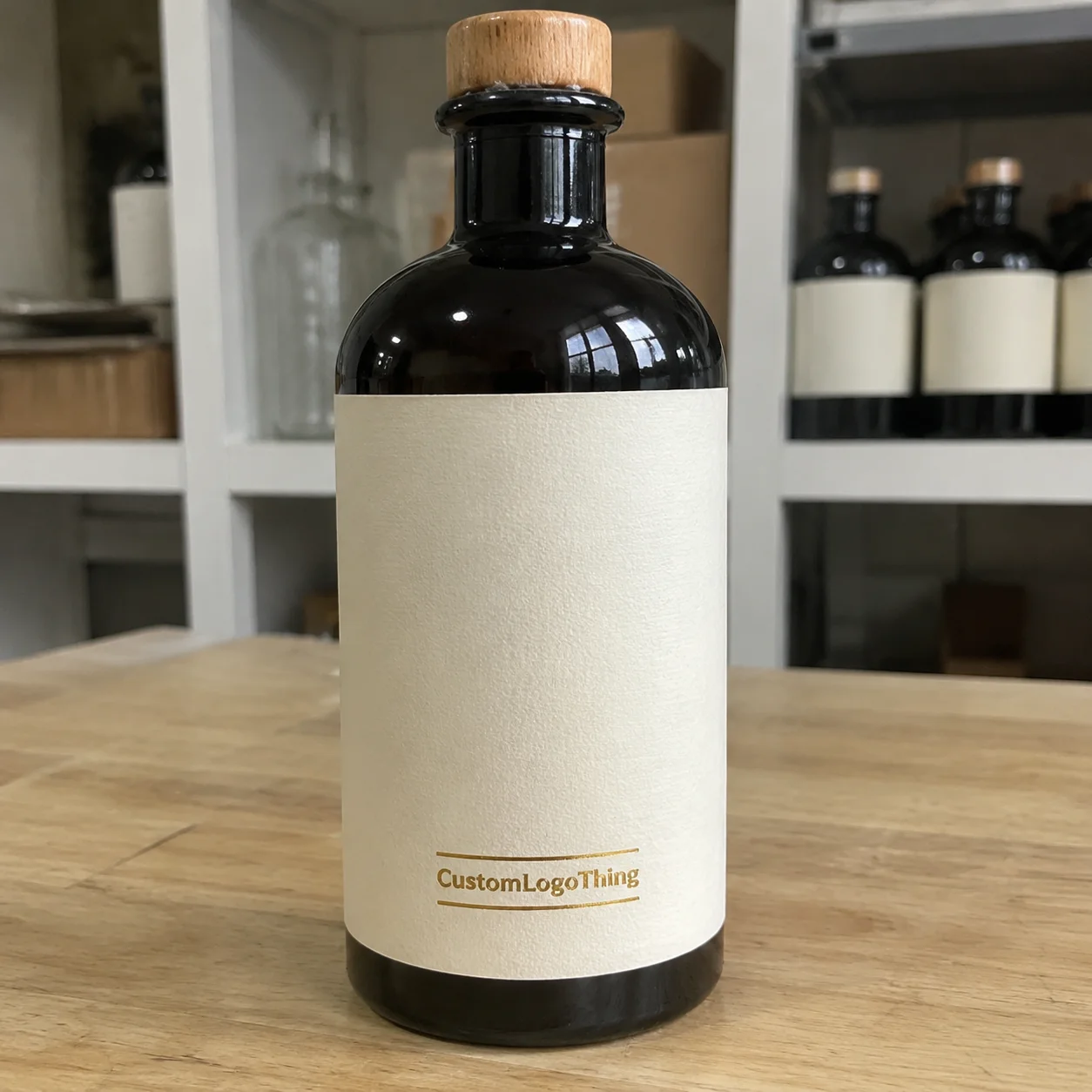
A bottle can have a strong formula, clean fill, and sensible pricing, then still look cheap because the label wrinkles after one hour in a cooler. Custom stickers for bottles are not just decoration. They are the customer’s first quality check.
In practical terms, bottle stickers are Printed Adhesive Labels made for glass, plastic, metal, or coated paper containers. They show up on beverages, skincare, supplements, sauces, oils, candles, cleaners, event water bottles, and small-batch promotional products. The basic function is similar across categories, but the specifications should not be copied from one product to another. A candle jar label and a cold brew label live very different lives.
Buyers often use “sticker” and “label” as if they are interchangeable. Printers usually make a distinction. A sticker may be a simple adhesive graphic. A product label carries brand, legal, barcode, ingredient, usage, or nutrition information. A wrap label goes around the bottle. A front-and-back label set uses two separate pieces. A neck label sits near the shoulder or cap. A tamper seal crosses a closure. A waterproof product label uses face stock, adhesive, and coating chosen for moisture exposure, not wishful thinking.
Good bottle stickers do three jobs at once: branding, product information, and shelf visibility. If the label looks attractive but hides the flavor, net weight, barcode, or required copy, it is underworking. If it carries all the information but looks like it was printed on office paper during lunch, that is another failure, just wearing a different shirt.
Common buying situations are usually concrete: a beverage startup testing 500 bottles, a skincare brand relabeling seasonal scents, a brewery ordering short-run can and bottle labels, or an event planner branding 1,000 water bottles. Each order needs different choices around material, adhesive, finish, size, roll direction, and application speed.
For related packaging pieces beyond bottle labels, Custom Logo Things also offers Custom Labels & Tags and other Custom Packaging Products for brands that need cartons, inserts, tags, bags, and retail packaging to carry the same visual system.
How Bottle Sticker Printing Works From Artwork to Finished Roll
The production flow sounds simple. Choose the size and shape. Pick the material. Upload artwork. Confirm the proof. Print. Add lamination or coating if needed. Die-cut the labels. Rewind them onto rolls or finish them as sheets. Inspect, pack, and ship.
The expensive problems hide in the skipped details.
Roll labels are best for fast hand application or machine labeling because they feed consistently and can be oriented for the applicator. Sheet stickers work better for very small batches, giveaways, samples, or slow manual use. If a team is labeling 5,000 bottles by hand, rolls usually save time, reduce edge damage, and make alignment less miserable.
Digital printing is usually the practical choice for short runs, multiple designs, and lower minimum order quantities. It handles 250, 500, or 1,000 labels without the setup burden of plates. Flexographic printing can make sense for larger repeat orders because unit cost drops at scale, but plate charges and setup costs are real. For many growing brands, digital labels are the safer first move until the design, ingredients, compliance copy, and barcode data stop changing every few weeks.
Color needs sharper attention than many buyers expect. Most bottle labels print in CMYK. If brand color accuracy matters, ask about Pantone matching and acceptable tolerance before approval. Clear labels often need white ink behind the artwork, or the design can disappear against the bottle color, liquid color, or contents. Metallic and transparent stocks change ink behavior too. Pale yellow on white BOPP and pale yellow on clear film are not twins.
Cut options include square, rectangle, circle, oval, custom die-cut, full wrap, neck band, and seal strip. The right cut depends on bottle shape and application method. A straight-sided glass bottle can handle a taller rectangle. A tapered squeeze bottle may need a shorter label with more breathing room at the shoulders and base.
Proofing is boring. Reprints are worse. Check spelling, barcode size, nutrition facts, compliance text, bleed, safe zone, and panel alignment before approval. The press prints what the file says, not what the buyer meant.
Materials, Adhesives, and Finishes That Survive Real Bottle Use
Material choice is where many bottle label orders become either solid or fragile. White BOPP, clear BOPP, paper, vinyl, textured paper, metallic film, and kraft paper all create different looks, costs, and durability levels. None is “best” in every case. Anyone saying otherwise is selling too hard.
White BOPP is the safest all-around pick for many beverage, cosmetic, refrigerated, and handled products. It resists moisture better than standard paper and gives color a clean white base. Clear BOPP gives a no-label look on glass or clear plastic, but it often needs white ink under important graphics and text. Vinyl is durable and flexible, useful for outdoor or heavy-handling use, though it often costs more than basic film.
Paper still has a place. Textured paper can look premium on boutique oils, candles, dry goods, wine-style packaging, and gift products. Kraft paper brings a rustic, natural feel. But paper and condensation are not close friends. If bottles will sit in ice buckets, showers, refrigerators, gym bags, or damp shipping cartons, waterproof film plus laminate is usually safer than a beautiful paper stock that gives up after twenty minutes.
Adhesive matters as much as face stock. Permanent adhesive is common for retail packaging. Removable adhesive works when customers need to peel the label later. Freezer-grade adhesive helps with cold storage. High-tack adhesive can help on textured surfaces or difficult plastics. Low-temperature adhesive is used when labels are applied to cold containers. Repositionable adhesive gives more forgiveness during hand labeling, but it may not be right for long-term retail use or wet handling.
Glass is usually forgiving. Some plastics are slippery little nightmares. Low-energy plastics, textured bottles, tapered containers, squeezable tubes, oily surfaces, and curved shoulders need testing before the full print run. ASTM adhesive test methods can be useful reference points for peel and tack testing, but most buyers need the practical version first: apply the label to the real bottle, store it the real way, and see what fails.
Finishes add appearance and protection. Matte looks soft and modern. Gloss adds shine and stronger color pop. Soft-touch feels premium but can scuff if it is not paired with the right coating. UV coating, lamination, foil, spot UV, embossing, and clear label effects can raise perceived value. They also raise cost. Shocking, I know.
| Material | Best Use | Moisture Resistance | Typical Tradeoff |
|---|---|---|---|
| White BOPP | Beverages, cosmetics, refrigerated products | High with laminate | Less textured than paper |
| Clear BOPP | No-label look on glass or clear plastic | High with laminate | May need white ink |
| Paper | Dry goods, candles, boutique oils | Low to moderate | Can wrinkle or stain with moisture |
| Textured Paper | Premium retail packaging | Low to moderate | Higher cost, lower wet durability |
| Metallic Film | Luxury, cosmetics, promotional bottles | High with proper adhesive | Color shifts and higher setup cost |
Pricing, MOQ, and Unit Cost Factors for Bottle Labels
Pricing for custom stickers for bottles depends on size, material, quantity, number of designs, finish, adhesive, shape, roll direction, special effects, and timeline. Foil, white ink, metallic stock, variable data, and tight color matching all add cost. So does asking for everything tomorrow morning.
Small digital runs can start in the low hundreds of pieces. Better unit pricing usually appears around 500, 1,000, 2,500, and 5,000+ labels. Exact pricing depends heavily on specs, but simple roll labels often fall into cents-per-piece territory at higher quantities, while short-run specialty labels with foil, white ink, or custom dies can cost several times more per label. A 2 x 3 inch white BOPP roll label at 1,000 pieces will not price like a 4 x 6 inch clear film label with white ink, matte laminate, and six SKUs.
MOQ means minimum order quantity. A printer may accept a small order, but setup, proofing, file prep, material waste, machine time, rewinding, and packing still exist. That is why 100 labels can feel strangely expensive per piece. Math is rude like that.
Larger quantities reduce the per-label cost, but overordering can be a trap. Ingredients change. Compliance copy changes. Barcodes change. Product names change after someone finally asks a lawyer. Ordering 20,000 labels to save a few cents each is not clever if half of them become obsolete inventory.
Common upcharges include custom dies, foil stamping, metallic stock, clear film with white ink, variable data, rush production, split rolls, multiple SKUs, and strict Pantone matching. If the labels need to run through automated equipment, roll direction, outside diameter, liner type, and core size may also affect setup.
| Order Factor | Lower-Cost Direction | Higher-Cost Direction | Buyer Advice |
|---|---|---|---|
| Quantity | 1,000 to 5,000+ labels | 100 to 250 labels | Test small, reorder larger once specs are proven |
| Material | White BOPP or standard paper | Metallic, textured, or specialty film | Match durability to use, not ego |
| Finish | Basic matte or gloss coating | Foil, embossing, spot UV, soft-touch | Use premium effects where customers notice them |
| Artwork | One approved design | Many SKUs, variable data, revisions | Finalize copy before quoting |
| Timeline | Standard production | Rush production | Plan backward from launch date |
Useful quotes need exact specs: size, quantity, material, finish, roll or sheet format, application method, storage conditions, delivery deadline, and shipping location. Vague quote requests get vague pricing. Another shocker.
Process and Timeline: What Happens Before Your Stickers Ship
A normal bottle sticker order moves through quote, artwork review, proofing, production, finishing, inspection, packing, and shipping. Quote and spec confirmation can often happen within 1 business day if the request includes real details. Artwork review and proofing may take 1 to 3 business days depending on revisions. Production often takes several business days after approval, then shipping depends on service level and distance.
The clock usually starts after final proof approval, not when someone sends a logo at midnight with three missing files and a note saying “make it premium.” Printers cannot produce from mystery assets. They need final artwork, dielines, dimensions, material choices, roll requirements, and approval.
Proofing usually includes preflighting artwork, checking bleed and safe zones, verifying size, confirming material and finish, confirming roll direction, and approving either a digital proof or physical proof. A digital proof checks layout. A physical sample checks material, feel, color behavior, and adhesion more realistically. They are not the same tool.
A test roll or physical sample is worth the time for new bottle shapes, wet environments, freezer use, squeezable containers, luxury finishes, or automated labeling equipment. If labels will face transit vibration, packaging tests based on standards from ISTA can help frame the discussion. If paper-based packaging or labels are part of your sustainability goals, FSC certification may also matter for sourcing conversations.
Rush orders can be possible, but they usually limit material choices, increase cost, and reduce time for testing. Fast is great until 10,000 labels peel in transit. Plan backward from launch: allow time for samples, proof revisions, production, shipping, application, and buffer days for packaging chaos, because packaging chaos always RSVP’s.
Step-by-Step Guide to Ordering Bottle Stickers Without Reprints
- Measure the label panel, not the whole bottle. Account for curves, shoulders, seams, ridges, and any area where adhesive will not sit flat. A 6-inch-tall bottle does not automatically want a 6-inch-tall label.
- Choose the sticker format. Decide between front label only, front and back pair, wrap label, neck label, cap seal, tamper strip, or promotional sticker. Format affects design, price, and application speed.
- Match material to real use. Dry shelf products can use decorative paper stocks. Wet, cold, oily, or heavily handled products usually need film materials and protective finishes.
- Prepare clean artwork. Include bleed, safe margins, high-resolution images, outlined fonts, linked files, correct dielines, and readable legal or ingredient copy. For most print files, 300 dpi raster images are a safe baseline.
- Confirm roll direction. If labels will be machine applied, unwind direction is not optional. Wrong unwind direction can turn a production line into a very expensive sticker salad.
- Order a sample or small test run. Apply labels, chill them, wet them, squeeze them, ship them, and rub them. Try to break the label before the customer does.
- Approve the proof carefully. Once approved, spelling errors, wrong barcode numbers, missing ounces, and bad ingredient copy become printed inventory, not printer mistakes.
Bottle stickers should be treated like a production component, not a last-minute graphic. The sticker touches filling, packing, shipping, retail display, customer handling, and disposal. That is a lot of jobs for a thin piece of printed material.
If you are building a full packaging design system, keep the bottle label consistent with cartons, inserts, mailers, and Custom Printed Boxes. Product packaging looks more credible when colors, typography, finishes, and package branding feel intentional instead of patched together one order at a time.
Common Bottle Sticker Mistakes That Make Products Look Cheap
The first mistake is choosing paper labels for bottles that face condensation, refrigeration, bathroom humidity, oil, or repeated handling. Paper has a place. Ice buckets are usually not that place. If the product will sweat, spill, or sit near water, film and laminate are safer.
Second, labels are often sized too large. A label that wraps into a taper, seam, or shoulder can bubble, wrinkle, or lift at the edges. Smaller and cleaner often beats ambitious and crooked. Leave enough space around problem areas so the adhesive can sit flat.
Low-contrast design is another quiet killer. Tiny fonts, pale text on clear stock, unreadable ingredients, and barcodes placed over curves all create problems. Barcodes should be tested at final size, especially if they are reduced or printed on glossy or clear material. Retail scanners are not impressed by your minimalist aesthetic.
Adhesive mismatch can ruin an otherwise beautiful label. Low-energy plastics, textured bottles, cold-fill products, oily surfaces, and squeezable containers need proper adhesive selection. A beautiful sticker with the wrong adhesive is just future litter.
Skipping lamination or protective coating can also backfire. Ink may scratch, smear, or scuff during shipping, filling, retail handling, or customer use. Matte and gloss laminates are not just cosmetic; they can add a real protection layer.
Poor application practices make premium labels look sad. Dusty bottles, wet surfaces, cold containers, rushed hand labeling, inconsistent placement, and no alignment guide all create visible defects. Even great labels look bad when applied like a parking ticket.
Compliance copy deserves the same attention as design. Nutritional panels, ingredient lists, warnings, batch codes, recycling marks, net contents, and barcode readability may matter depending on the category and market. Get the right regulatory guidance before printing thousands of labels with guesswork baked in.
Build a Bottle Sticker Spec Before You Request a Quote
Before asking for a quote, build a simple spec. Include bottle material, bottle dimensions, label panel size, quantity, number of designs, storage conditions, application method, preferred finish, deadline, and shipping location. That sounds like a lot. It is still cheaper than reprinting labels because the first quote was based on “standard size, waterproof, nice finish.”
Photograph the bottle straight-on and from the side, especially if the surface is tapered, curved, ridged, or squeezed during use. A few photos can prevent a dumb sizing mistake. Cheap insurance.
Create a basic test plan. Apply a sample. Rub it. Chill it. Wet it. Leave it overnight. Squeeze the bottle if relevant. Pack it in the same box or case it will ship in. If the label scuffs, lifts, bubbles, or clouds during testing, you just saved yourself from finding that out after launch.
Ask direct questions before ordering: Which material fits my use case? What adhesive do you recommend? Is lamination needed? What is the MOQ? What affects unit cost? What is the realistic lead time after proof approval? Direct questions get better answers than “How much for labels?”
Finalize artwork only after the physical sticker size is confirmed. Designing first and measuring later is how labels end up covering seams, warnings, ridges, or half the cap. Not elegant. Not efficient.
Before ordering custom stickers for bottles, send exact specs, use-case details, artwork files, and your launch deadline so the printer can recommend the right material, quote accurately, and keep the order from becoming an expensive reprint.
FAQs
What material is best for custom bottle stickers?
White BOPP is the safest all-around choice for most bottle stickers because it resists moisture, oils, and handling better than standard paper. Clear BOPP works well for a no-label look, but designs often need white ink behind colors so the artwork does not disappear against the liquid or bottle color. Paper labels are best for dry, premium, or rustic packaging where water exposure is limited.
Are custom stickers for bottles waterproof?
They can be waterproof if you choose film materials such as BOPP or vinyl with the right adhesive and protective laminate. Paper stickers are usually water-resistant at best unless specially treated, and they still may not survive ice buckets, showers, or heavy condensation. Always test the finished label on the actual bottle under real storage and handling conditions.
How much do custom bottle labels cost?
Cost depends on size, quantity, material, finish, adhesive, shape, and extras such as foil, white ink, or custom die-cutting. Small runs usually have higher unit costs because setup and proofing are spread across fewer labels. For a useful quote, provide label dimensions, quantity, material preference, number of designs, finish, roll direction, and deadline.
What size should bottle stickers be?
Measure the flat or smooth label panel on the bottle, not the full bottle height or circumference. Leave space around curves, shoulders, seams, ridges, and tapered areas to prevent lifting or wrinkling. For wrap labels, test the exact width and overlap before production so the label lines up cleanly.
How long does it take to print custom stickers for bottles?
Timeline depends on artwork readiness, proof revisions, material availability, quantity, finishing, and shipping method. Production timing usually starts after the final proof is approved, not when the first quote request is sent. Build in extra time for sample testing if the bottle is new, the surface is unusual, or the labels must survive cold, wet, or oily conditions.


